
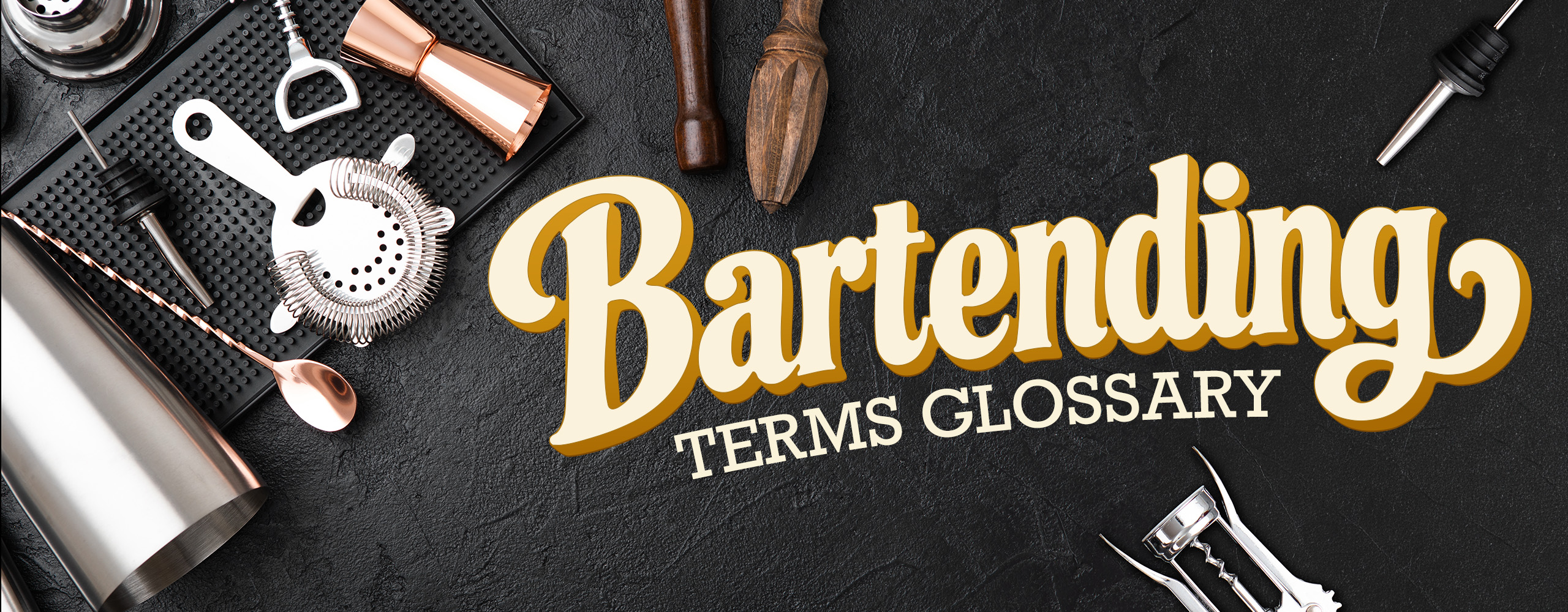
A shared vocabulary speeds up training, ordering, and behind-the-bar service. This glossary covers the essential bartending and mixology terms cocktail architects use daily, from spirits, wine, beer, and glassware to tools, techniques, bar costing, inventory, and responsible alcohol service. Whether you are an aspiring bartender learning the language of the trade, a bar manager standardizing team communication, or a bar owner building an onboarding program, use our alphabetized glossary of bartending terms and definitions to get everyone speaking the same language.
List of Bartending Terms
Here are our industry experts' most important bartending terms every bartender and bar owner should know!
A - D Bartending Terms
A
- 86: Bar and restaurant slang meaning an item is out of stock or no longer available. It is also used to describe refusing service to, or removing, a guest.
- ABC (Alcoholic Beverage Control): The state-level agency, board, or department that licenses and regulates the sale of alcohol. Names and rules vary by state, but they're broadly grouped into license states, where private businesses can purchase alcohol from private distributors and are licensed and audited by a state agency, and control states, where the state itself acts as a direct market participant in the purchase and distribution of alcohol.
- ABV (Alcohol by Volume): The percentage of a beverage's total volume that is pure alcohol (ethanol). In the United States, proof is twice the ABV, so an 80 proof spirit is 40% ABV.
- Absinthe: A high-proof, anise-flavored spirit distilled with botanicals such as wormwood, fennel, and green anise.

- Agua Fresca: A non-alcoholic Mexican beverage made by blending fruit, flowers, or seeds with water and sugar. Bars use agua fresca recipes as a non-alcoholic menu option or as a fresh base for cocktails.
- Ah-So: A two-pronged cork puller with no screw. The prongs slide between the cork and bottle neck, making the tool useful for old or fragile corks that might crumble under a traditional corkscrew.
- Ale: A type of beer brewed with top-fermenting yeast at warmer temperatures, producing fuller, often fruitier flavors. Pale ales, IPAs, stouts, porters, and wheat beers are all ales.
- Allocated Spirits: Limited-production products that distributors ration among accounts. Operators often need purchase history, a strong relationship, or bundled orders to secure them.
- Amaro: Italian for "bitter," amaro is a bittersweet herbal liqueur served as a digestif or used as a cocktail ingredient. Flavors range from light and citrusy to dark, smoky, and medicinal.
- Aperitif: A light, often dry or bitter beverage served before a meal to stimulate the appetite. Dry vermouth, sparkling wine, and spritzes are common aperitifs.
- Appellation d’Origine Controlee (AOC): A French designation that guarantees a product's geographic origin and compliance with set production rules. It applies to wines and spirits such as Cognac, as well as to cheeses and other foods.
- Aroma: The scent of a beverage that comes from its raw ingredients. In wine, aroma refers to scents from the grape itself, while bouquet describes scents that develop through fermentation and aging.
B
- BAC (Blood Alcohol Content): The percentage of alcohol in a person's bloodstream.
- Back Bar: The shelving, cooler, or cabinet area behind the bartender where bottles are displayed and stored. A well-organized back bar speeds up service and supports upselling.
- Bar Knife: A small, sharp paring knife used to cut citrus wheels, wedges, twists, and other garnishes.
- Bar Manager: The team member responsible for day-to-day bar operations, including scheduling, ordering, inventory, cost control, menu development, and compliance with alcohol laws.
- Bar Mat: A rubber or foam mat placed on the bar top or in the well to catch spills, keep glassware from sliding, and drain liquid away from the work surface.
- Bar Program: The complete plan for a bar's beverage offering, including the menu, recipes, ingredients, drink pricing, staff training, and service standards.
- Bar Tab: A running record of a guest's drinks that is paid at the end of the visit. Operators typically hold a card or ID to secure an open tab.
- Barback: An assistant to the bartenders who restocks ice, liquor, beer, garnishes, and glassware, and helps keep the bar clean. The barback role is a common entry point to bartending.
- Bar Spoon: A long-handled spoon, often with a twisted shaft, used to stir, layer, and measure small amounts. A standard bar spoon holds about one teaspoon (5 mL).
- Bartender: A professional who prepares and serves alcoholic and non-alcoholic drinks, manages a bar station, processes payments, checks IDs, and monitors guests' alcohol consumption.
- Batch Cocktail: A cocktail prepared in a larger quantity ahead of service to speed up drink times and improve consistency. Batches are typically pre-diluted and stored chilled until poured.
- BATF: The former abbreviation for the Bureau of Alcohol, Tobacco, and Firearms, now called the ATF (Bureau of Alcohol, Tobacco, Firearms, and Explosives). Federal alcohol tax collection and labeling oversight is handled by the Alcohol and Tobacco Tax and Trade Bureau (TTB).
- Beer: An alcoholic beverage made by fermenting malted grains, usually barley, and flavoring it with hops. The two main type of beer are ales and lagers.
- Beer-Clean Glass: A glass free of oils, residue, and sanitizer film so beer foams properly and the head clings to the sides. Water sheets evenly across a beer-clean glass rather than breaking into droplets.
- Beverage Cost Percentage: Beverage cost divided by beverage sales, expressed as a percentage. Also called pour cost, it is a core measure of bar profitability, and common targets fall between roughly 18% and 25% depending on concept and product mix.
- Bin Number: A number assigned to each wine on a list to simplify ordering, stocking, and inventory.
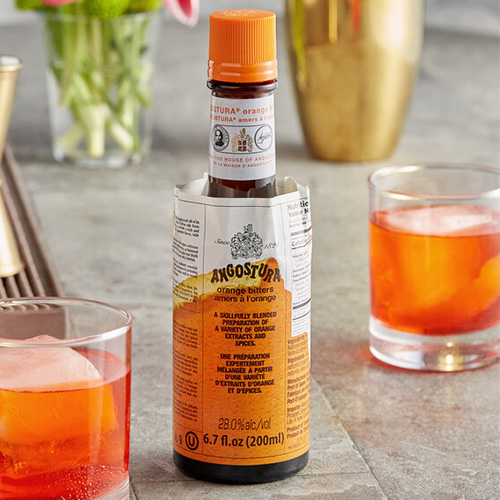
- Bitters: A concentrated infusion of botanicals such as herbs, roots, bark, citrus peel, and spices in high-proof alcohol. Added in small amounts by the dash, bitters bring aromatic depth and balance to cocktails the way seasoning does in cooking. Angostura, orange, and aromatic bitter varieties are staples of nearly every professional bar.
- Blend: To combine ingredients with ice in a blender to a smooth, uniform texture for frozen drinks. It can also refer to a combination of spirits or wines, such as a blended whiskey.
- Body: The weight and texture of a beverage on the palate, usually described as light, medium, or full.
- Botanicals: Herbs, spices, flowers, roots, seeds, and citrus peels used to flavor spirits, bitters, and vermouth.
- Bottle Service: Table service in which guests purchase a full bottle of spirits, usually with mixers and garnishes. It is common in nightclubs and lounges and is priced at a premium.
- Bottled Cocktail: A pre-mixed cocktail packaged in a bottle, either batched in-house or produced commercially.
- Bourbon: An American whiskey made from a mash of at least 51% corn and aged in new charred oak containers. It must be distilled to no more than 160 proof, enter the barrel at no more than 125 proof, and be bottled at 80 proof or higher.
- Brandy: A spirit distilled from fermented fruit juice or mash, most commonly grapes. Cognac, Armagnac, and apple brandy are well-known styles of brandy.
- Breathe: To allow wine to be exposed to air after opening so its aromas open up and its tannins soften.
- Brut: A dry style of sparkling wine containing less than 12 grams of residual sugar per liter.
- Build: To make a drink directly in the serving glass by adding ingredients, usually over ice, without shaking or stirring in a separate vessel. A gin and tonic is a built drink.
- By-the-Glass (BTG): Wine, or another beverage, sold in single-glass servings rather than by the bottle. A by-the-glass program lets operators offer variety while controlling waste.
C
- Call Brand: A spirit a guest requests by name. Call brands sit above the house brand in price and quality.
- Carafe: An open-necked vessel without a stopper, used to serve wine, water, or juice at the table. Carafes commonly come in 250 mL, 500 mL, and 1-liter sizes.
- Chalice: A large, heavy, stemmed glass with a wide bowl, often used for Belgian ales and other strong beers.
- Chaser: A beverage consumed immediately after a shot of liquor to soften the burn. Beer, soda, and juice are common chasers.
- Clarification: The process of removing solids and haze from a liquid to produce a clear beverage. Common methods include milk washing, fining, and filtering.
- Cobra Gun: Another name for a bar gun or soda gun, a handheld dispenser on a flexible hose with buttons for soda, tonic, water, and other mixers.
- Cocktail: A mixed drink that combines a spirit with other ingredients such as juice, sweetener, or bitters. The original definition was spirit, sugar, water, and bitters.
- Cognac: A brandy made from grapes grown in the Cognac region of France, double distilled in copper pot stills, and aged at least two years in oak.
- Cold Plate: A chilled aluminum plate that cools beverage lines running through it, keeping soda, beer, or water cold as it travels to the dispensing point.
- Collins Glass: A tall, narrow, cylindrical glass that typically holds 10 to 14 oz., used for the Tom Collins and other tall drinks.
- Cordial: In the United States, a sweetened, flavored spirit, similar to a liqueur. In the United Kingdom, a cordial is a non-alcoholic concentrated fruit syrup.
- Corked: A wine flaw caused by TCA contamination, producing a musty, wet cardboard aroma. The flaw is not caused by pieces of cork in the wine.
- Corkscrew: A tool used to remove the cork from a wine bottle, built around a spiral screw (worm) that is twisted into the cork.
- Cosmopolitan: A cocktail made with vodka, orange liqueur, cranberry juice, and lime juice, shaken and served in a stemmed glass.
- Cost of Goods Sold (COGS): The direct cost of the inventory sold in a period. For a bar, it equals beginning inventory plus purchases minus ending inventory.
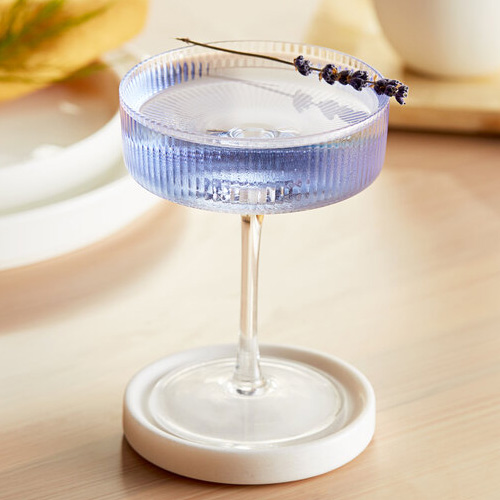
- Coupe: A stemmed glass with a shallow, wide, rounded bowl, typically holding 5 to 7 ounces. It is used for cocktails served "up," meaning chilled and strained without ice, such as daiquiris, Manhattans, and sidecars. The stem keeps the guest's hand from warming the drink, and many bars chill the glass in advance.
- Cover Charge: A fee charged for entry to a bar or venue, often tied to live music, DJs, or special events.
- Craft: A term for small-batch, quality-focused production or preparation, as in craft cocktails, craft spirits, and craft beer. The Brewers Association defines a craft brewer as small, independent, and traditional, producing 6 million barrels or less per year. However, the average craft brewer produces approximately 2,282 barrels a year.
- Crushed Ice: A type of ice broken into small pieces and used in juleps, swizzles, and tiki drinks. It chills quickly and dilutes faster than cubed ice.
- Cut Off: To stop serving alcohol to a guest who is visibly intoxicated. Cutting off guests is a core responsibility under dram shop laws and responsible beverage service training.
D
- Daiquiri: A classic cocktail of rum, lime juice, and simple syrup, shaken and served up. The term also describes blended frozen versions made with fruit.
- Dash: A small measure of an ingredient, typically bitters, equal to roughly 1/32 oz. The exact amount varies by bottle design.
- Decant / Decanter: To decant wine is to pour it from the original bottle into another vessel to separate sediment or aerate the liquid. The decanter is the vessel used.
- Demi-Sec: French for "half dry," describing a medium-sweet wine. Demi-sec sparkling wine generally contains 32 to 50 grams of residual sugar per liter.
- Denominazione d'Origine Controllata (DOC): An Italian quality designation for wines produced in a defined region under set rules for grape varieties and production methods. DOCG is a stricter tier above it.
- Digestif: A drink served after a meal to aid digestion, such as amaro, brandy, or an herbal liqueur.
- Dilution: Water added to a drink as ice melts during shaking, stirring, or serving. Proper dilution balances flavor and temperature and can account for roughly a quarter of a shaken cocktail's final volume.
- Direct Draw: A draft system in which the keg sits close to the tap, often in a cooler directly behind the bar, so the beer travels only a short distance with no long line run.
- Dirty: A drink, usually a martini, made with a splash of olive brine.
- Distillation: The process of heating a fermented liquid to vaporize alcohol and then condensing the vapor to concentrate it. Distillation turns beer, wine, or fermented mash into spirits.
- Double Strain: To pour a shaken drink through both a Hawthorne strainer and a fine-mesh strainer to remove ice shards, pulp, and herb fragments for a smoother texture.
- Draft: Beer served from a keg through a tap system rather than from a bottle or can. Also spelled draught.
- Dram: A small serving of whisky. A dram is also a traditional unit of measure equal to 1/8 fluid ounce.
- Dram Shop Laws: State laws that can hold bars and restaurants liable for injuries caused by serving alcohol to visibly intoxicated people or minors. Rules vary by state and directly affect staff training and liability insurance.
- Dry: A beverage with little or no sweetness. In cocktails, a dry martini uses less vermouth, and dry vermouth is the less sweet style.
- Dry Shake: Shaking a cocktail without ice, often with egg white, to emulsify ingredients and build foam before shaking again with ice.
E - I Bartending Terms
E
- Eau-de-Vie: French for "water of life," a clear fruit brandy distilled from fermented fruit juice and typically bottled unaged. Pear, cherry, and plum eau-de-vie are common examples.

- Espresso Martini: A cocktail made with vodka, coffee liqueur, and fresh espresso, shaken hard to create a foamy head and served up. Due to its popularity, creative versions like frozen espresso martini recipes have popped up on menus.
- Ethanol: The type of alcohol found in beverages, produced when yeast ferments sugars. Also called ethyl alcohol.
- Express: To squeeze a citrus peel over a drink so its aromatic oils spray across the surface. Expressing a peel adds aroma without changing the drink's sweetness or acidity.
- Extra Sec: A sparkling wine sweetness level that is slightly sweeter than brut, generally containing 12 to 17 grams of residual sugar per liter. Also called extra dry.
F
- Falernum: A sweet syrup or low-proof liqueur from the Caribbean flavored with lime, ginger, almond, and clove. It is a staple ingredient in tiki cocktails.
- Fat Washing: A technique that infuses a spirit with the flavor of a fat, such as bacon fat or brown butter, then chills the mixture so the solidified fat can be strained out.
- Fermentation: The process in which yeast converts sugars into ethanol and carbon dioxide. Fermentation is the foundation of beer and wine production and the first step in making distilled spirits.
- FIFO (First In, First Out): An inventory rotation method that uses older products before newer ones. Place new deliveries behind existing stock to reduce spoilage and waste.
- Filtration: Passing a liquid through a medium to remove particles. Bars rely on filtration for beer, wine, and spirits production as well as for the water that supplies ice machines, draft systems, and dispensers.
- Finish: The aftertaste or lingering impression left in the mouth after swallowing a beverage. Finishes are described as short, medium, or long.
- Flame (Flaming a Garnish): Igniting the oils expressed from a citrus peel, or a small amount of high-proof spirit, over a drink for aroma and visual effect. Flaming requires careful handling and attention to fire safety.
- Flight: A selection of small pours of several beers, wines, or spirits served together for tasting and comparison. Flights usually include three to five samples and are an effective upselling tool.
- Float: To gently layer a liquid on top of a drink, often by pouring it over the back of a bar spoon.
- Flute: A tall, narrow, stemmed wine glass, usually 6 to 8 oz., designed to preserve the bubbles in sparkling wine.
- Footed Glass: A glass with a short stem and base, such as a footed pilsner or an Irish coffee mug.
- Fortified: Describes wine that has had a distilled spirit added to increase its alcohol content. Port, sherry, and Madeira are fortified wines, and vermouth is a fortified, aromatized wine.
- Free-Pour: Pouring liquor from the bottle without a measuring tool, usually by counting. A four-count often equals about 1 oz. with a standard pour spout, though flow rates vary by spout and bottle.
- Funnel: A tool used to transfer liquids into bottles or containers, commonly when batching cocktails or refilling syrups.
G
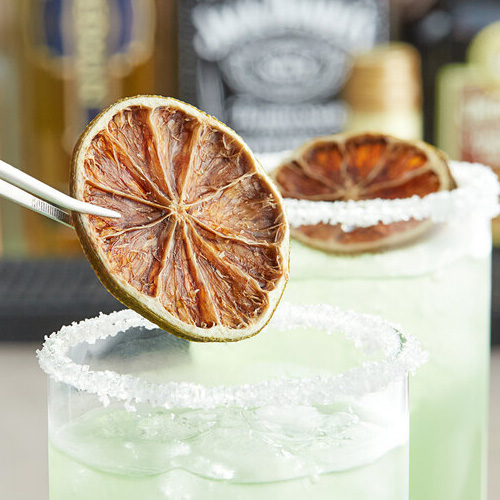
- Garnish: An edible or aromatic element added to a finished drink to enhance its appearance, scent, or flavor. Common garnishes include citrus twists, wheels, olives, cherries, and fresh herbs.
- Gimlet: A classic cocktail made with gin and lime juice, traditionally sweetened with lime cordial.
- Gin: A neutral spirit, gin is flavored predominantly with juniper and other botanicals. In the United States, gin must be bottled at 40% ABV (80 proof) or higher.
- Glass Froster: A freezer unit used to chill and frost glassware and mugs so drinks stay cold and develop an icy coating.
- Glass Washer: A commercial machine that washes, rinses, and sanitizes glassware. Bar glass washers are either high-temperature or low-temperature chemical sanitizing models.
- Grenadine: A sweet-tart syrup traditionally made from pomegranate juice and sugar. It is used in drinks like the Tequila Sunrise and Shirley Temple, though many commercial versions are artificially flavored. Set your bar above your competitors by making your own grenadine.
H
- HACCP (Hazard Analysis and Critical Control Points): A preventive food safety system that identifies and controls hazards in food and beverage handling. Bars apply HACCP principles to perishable ingredients such as juice, dairy, eggs, and cut garnishes.
- Happy Hour: A set period of discounted drinks, typically during slower hours, designed to build traffic. Some states restrict or prohibit drink discounts, so operators should confirm local rules.
- Hawthorne Strainer: A flat, perforated strainer with a coiled spring that fits over a shaker tin to hold back ice while pouring a shaken drink.
- Head: The layer of foam on top of a poured beer. A proper head releases aroma and is influenced by glass cleanliness, pour technique, and carbonation.
- Highball: A tall drink made with a spirit and a carbonated mixer, served over ice in a tall glass. A Scotch and soda is a classic highball.
- Hops: The flowers of the hop plant, used in beer to add bitterness, flavor, and aroma, and to act as a natural preservative.
- House Brand: The spirit a bar pours when a guest does not specify a brand. Also called the well or rail brand, it is typically the lowest-cost option.
- Hurricane Glass: A curvy, tall glass holding 15 to 20 oz., used for the Hurricane cocktail and other tropical and frozen drinks.
I
- IBU (International Bitterness Units): A scale that measures the bitterness of beer, based on the concentration of hop-derived compounds. Higher numbers generally indicate a more bitter beer.
- Ice: A core ingredient in bartending that chills and dilutes a drink to the right strength and balance. Large, dense cubes and spheres melt more slowly than small or cloudy ice, so they are preferred for spirit-forward drinks served on the rocks. Bars often control ice quality, size, and cleanliness as carefully as they do their spirits.
- Ice Bin: An insulated container or well that stores ice for drink preparation.
- Ice Machine: Equipment that produces ice in cube, nugget, or flake form. Machines require regular cleaning and sanitizing to protect drink quality and food safety.
- Ice Scoop: A dedicated, handled scoop used to transfer ice into glasses and shakers.
- Ice Tongs: A hand tool used to pick up ice and garnishes without bare-hand contact.
- ID Check: Verifying a guest's age with valid government-issued photo identification before serving alcohol. The legal drinking age in the United States is 21, and consistent ID checks are a core defense against fines and liability.
- Infusion: Steeping ingredients such as fruit, herbs, spices, or peppers in a spirit or other liquid to extract their flavor.
- Inventory: A count of all bottles, kegs, mixers, and supplies on hand. Regular counts, weekly at many bars, allow operators to calculate usage, spot variance, and set par levels.
- Invoice: A vendor-issued bill that lists delivered items, quantities, and prices. Operators should reconcile invoices against purchase orders and delivered goods.
- IPA (India Pale Ale): A hop-forward style of pale ale with pronounced bitterness and aroma.
- Irish Whiskey: A whiskey produced in Ireland, typically distilled multiple times and aged at least three years in wooden casks.
J - Q Bartending Terms
J
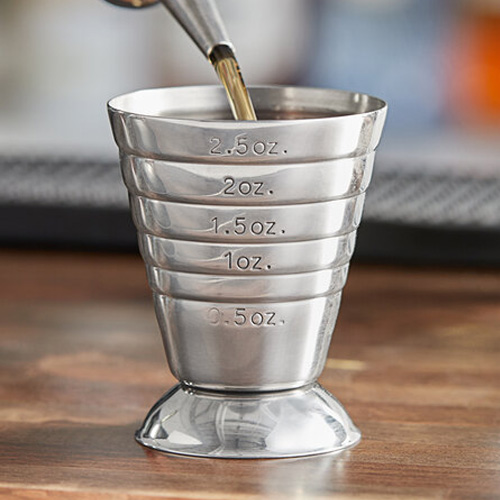
- Jigger: A double-sided measuring tool used to portion spirits and other liquid ingredients accurately. Common sizes pair 1 ounce with 2 ounces, or 3/4 ounce with 1 1/2 ounces.
- Jockey Box: A portable draft system with beer lines coiled inside a cooler filled with ice. It chills beer as it is dispensed from kegs and is commonly used at outdoor events and festivals.
- Julep: A drink built with spirit, sugar, and mint over crushed ice. The Mint Julep, made with bourbon, is traditionally served in a metal julep cup.
- Julep Strainer: A perforated, spoon-shaped strainer that fits inside a mixing glass to hold back ice while pouring a stirred drink.
- Juniper: The berry-like cone of the juniper plant and the defining botanical in gin.
K
- Keg: A pressurized container used to store and dispense draft beer, wine, cocktails, or kombucha.
- Keg Coupler: The connector that attaches a keg's valve to the beer line and gas supply. The coupler style must match the keg type, and the D-system coupler is the most common in the United States.
- Kegerator: A refrigerator fitted with a tap system for storing and dispensing kegs.
L
- Lager: A beer brewed with bottom-fermenting yeast at cooler temperatures and conditioned cold, resulting in a crisp, clean flavor.
- Large-Format Ice: Large cubes or spheres that melt slowly, used to chill spirits with minimal dilution.
- Last Call: The announcement that the bar will stop serving soon. Legal closing and last call times are set by state and local law.
- Layered Drink: A drink with distinct stacked layers, made by slowly pouring liquids of different densities over the back of a bar spoon.
- Lead Time: The time between placing an order with a vendor and receiving delivery. Operators use lead times to set par levels and order schedules.
- Lees: The sediment of dead yeast cells and grape solids left after fermentation. Wines aged on their lees (sur lie) often develop a richer texture.
- Legs: The streaks that run down the inside of a glass after swirling wine or spirit. Legs reflect alcohol and sugar content.
- Line Cleaning: Flushing draft lines with a cleaning solution to remove yeast, bacteria, and beer stone buildup. The Brewers Association recommends cleaning draft lines at least every two weeks.
- Liqueur: A sweetened spirit flavored with fruit, herbs, spices, nuts, or cream. Liqueurs contain added sugar and range widely in alcohol content.
- Liquor: A distilled alcoholic beverage such as vodka, gin, rum, whiskey, or tequila. They're also called spirits.
- Liquor Liability Insurance: Coverage that protects an establishment from claims arising from alcohol-related incidents, such as injuries caused by an intoxicated guest. Many states and landlords require it.
- Liquor License: A government-issued permit required to sell alcohol. Obtaining a liquor license is a vital step in starting any alcohol service. License types vary by state and can include beer and wine, full liquor, and separate on-premise and off-premise licenses.
- Long: A drink served in a tall glass with a larger proportion of mixer, such as a gin and tonic. Also called a tall drink or long drink.
- Long Draw: A draft system in which kegs are stored far from the taps, requiring long beer lines, often 25 feet or more. Long draw systems typically use glycol-chilled lines to keep beer cold over the distance.
- Long Shot: Slang for a pour that is longer than the standard measure. Long shots are a form of over-pouring that raises pour cost.
- Louche: The cloudy, milky transformation that happens when water is added to absinthe and other anise-flavored spirits, as anise oils that dissolve in high-proof alcohol come out of solution.
M
- Maceration: Soaking fruit, herbs, or botanicals in a liquid, typically alcohol or sugar, to extract flavor and soften the ingredient.
- Mai Tai: A tiki cocktail made with rum, orange curacao, orgeat, and lime juice.
- Malt: Grain, usually barley, that has been soaked, germinated, and dried to develop the sugars and enzymes needed for brewing and distilling.
- Malt Beverage: A beverage brewed from malted grain, including beer, ale, and flavored malt beverages.
- Manhattan: A classic Manhattan cocktail recipe is made with whiskey (rye or bourbon), sweet vermouth, and bitters, stirred and served up with a cherry garnish.
- Margarita: A cocktail made with tequila, orange liqueur, and lime juice, served shaken and up, on the rocks, or frozen, often with a salted rim.
- Markup: The amount added to an item's cost to reach its menu price. Markup is calculated as price minus cost, divided by cost.
- Marry: To let ingredients rest together so their flavors blend, as in batched cocktails, infusions, and syrups.
- Martini: A martini cocktail recipe combines gin (or vodka) and dry vermouth through stirring or shaking. It is served up with an olive or lemon twist.
- Mash: A mixture of ground grains and hot water that converts starches into fermentable sugars. Mash is the starting point for beer and whiskey production.
- Maturity: The point at which a wine or spirit reaches its peak flavor through aging, or the aging process itself.
- Metered Pour: A pour dispensed in an exact, preset amount by a mechanical or electronic device. Metered pours reduce over-pouring and improve cost control.
- Mezcal: A Mexican agave spirit often known for its smoky character, produced from a variety of agave plants. Tequila is a type of mezcal that must be made from blue Weber agave.
- Micron Rating: A measure of the smallest particle size a filter can remove. A lower micron rating indicates finer filtration.
- Mixer: A non-alcoholic ingredient combined with spirits, such as soda, tonic, juice, or ginger beer.
- Mixing Cup: The vessel used to combine ingredients when making a drink, often the smaller tin of a Boston shaker or a pint glass.
- Mixing Glass: A heavy glass vessel, often with a spout, used to stir cocktails with ice.
- Mixology: The art and science of preparing mixed drinks, with an emphasis on technique, ingredients, and creativity. A professional practitioner is called a mixologist.
- Mocktail: A mocktail is a mixed drink made without alcohol.
- Mojito: A cocktail of rum, lime juice, sugar, mint, and soda water.
- Moonshine: Unaged, high-proof whiskey that was traditionally produced illegally. Legal commercial versions are now sold.
- Moscow Mule: A cocktail of vodka, ginger beer, and lime juice, traditionally served in a copper mug.
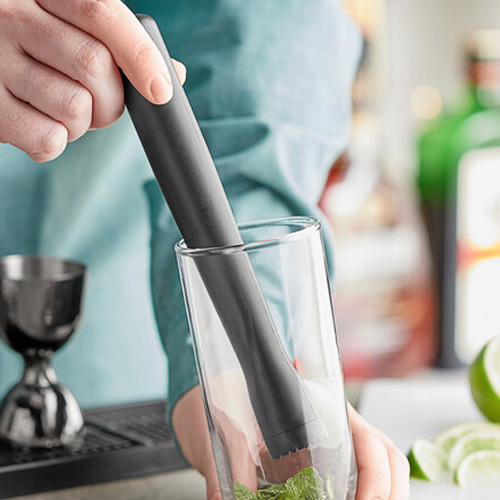
- Muddle: To gently press or crush ingredients such as fresh herbs, citrus, fruit, or sugar in the bottom of a glass or shaker. This releases essential oils, juices, and flavors into the drink.
- Muddler: A bar tool used to muddle ingredients, usually made of wood, stainless steel, or plastic.
N
- N/A (Non-Alcoholic): Describes alternatives to beverages that traditionally contain alcohol, including mocktails, non-alcoholic beer, wine, and zero-proof spirits. In the United States, beer labeled non-alcoholic may contain up to 0.5% ABV.
- Neat: A spirit poured at room temperature straight from the bottle into a glass, with no ice and no mixer.
- Negroni: A cocktail made with equal parts gin, sweet vermouth, and Campari (a bitter red Italian aperitivo), garnished with an orange peel.
- Neutral Spirit: A distilled spirit with minimal flavor, such as vodka. In the United States, neutral spirits are distilled at or above 190 proof.
- Nick and Nora Glass: A small, stemmed type of cocktail glass with a rounded, bell-shaped bowl, typically holding 4 to 5 oz., used for cocktails served up.
- Nitrogenation: Infusing a liquid with nitrogen gas to create a creamy texture and cascading foam. It is used for stout beers, cold brew, and some cocktails.
O
- Off-Premise: Describes the sale of alcohol for consumption elsewhere, such as at liquor stores and grocery stores. To cater alcohol off-premises, there are strict rules and policies to follow.
- Old Fashioned: A classic cocktail of whiskey, sugar, and bitters, built over ice in a rocks glass and garnished with an orange peel.
- On-Premise: Describes establishments that sell alcohol for consumption on site, such as bars, restaurants, and hotels.
- On the Rocks: Served over ice, typically in a rocks glass.
- Orgeat: A sweet almond syrup often flavored with orange flower or rose water, used in tiki cocktails like the Mai Tai.
- Over-Pour: A pour that exceeds the standard or recipe measure. Over-pouring increases pour cost and reduces profit.
- Overproof: A spirit that is higher than 100 proof (50% ABV), such as overproof rum.
- Overrun: The percentage increase in volume created when air is incorporated into a liquid or frozen product, such as frozen drink blends, whipped cream, or foam toppings.
- Overserving: Serving alcohol to a guest who is already visibly intoxicated. Overserving creates legal liability and safety risk for the operator.
- Oxidized: Describes a wine, spirit, or ingredient that has been exposed to too much air, causing flat, stale, or sherry-like flavors and browning.
P
- Paloma: A cocktail made with tequila, grapefruit soda or juice, and lime, served over ice.
- Par Stock: The minimum quantity of each product to keep on hand. When inventory falls below par, it is time to reorder.
- Pasteurization: A heat treatment that kills harmful microorganisms. It is used for beer, juice, and dairy, and bars often use pasteurized egg whites in cocktails.
- Peat: Decomposed vegetation burned to dry malted barley, imparting a smoky flavor to some whiskies, especially those from Islay in Scotland.
- Per Se Law (Per Se DUI): A driving under the influence law under which a driver is automatically guilty of DUI if their blood alcohol concentration is at or above the legal limit, regardless of how impaired they appear.
- pH: A scale from 0 to 14 that measures acidity. In bars, pH affects cocktail balance, wine and beer stability, and the effectiveness of cleaning and sanitizing solutions.

- Pilsner Glass: A tall, slender, tapered glass typically holding 12 to 16 oz., designed to show off the clarity and carbonation of lagers.
- Pint Glass: A standard beer glass. A US pint is 16 oz., while an imperial pint is 20 oz.
- Pony: A 1 oz. pour, or the small 1 oz. glass used to serve it.
- Pour: To dispense a beverage from a bottle, tap, or shaker into a glass.
- Pour Cost: The cost of the liquor in a drink divided by its menu price. A drink with $2 in liquor cost sold for $10 has a 20% pour cost.
- Pourer: A spout fitted to a bottle neck to control the flow of liquid. Liquor pourers range from slow to fast flow, and some are metered.
- Premium Well: A higher-quality tier of house spirits above the standard well. Premium wells let operators raise drink quality and price with a modest cost increase.
- Premix System: A beverage dispensing system in which syrup and carbonated water are mixed in advance and stored in a tank, rather than mixed at the dispensing point.
- Prix Fixe: A menu format that offers a set number of courses for one fixed price. Bars use it to pair dinners and create tasting experiences.
- Prohibition: The period in the United States from 1920 to 1933 when the 18th Amendment banned the manufacture and sale of alcohol. It ended with the 21st Amendment and shaped modern cocktail culture and the speakeasy.
- Proof: A measure of alcohol strength. In the United States, proof is twice the alcohol by volume.
- Pull Date: The date by which a perishable product must be sold, used, or removed from inventory.
- Punch: A drink made in a large batch with spirits, citrus, sugar, water or tea, and spices, traditionally served from a bowl.
- Purchase Order (PO): A document a buyer sends to a vendor listing the items, quantities, and agreed prices of an order. It is the basis for receiving and invoice matching.
Q
- Quarter Barrel: A keg holding 7.75 US gallons, or about 62 pints. Also called a pony keg.
- Quinine: A bitter compound from cinchona bark that gives tonic water its characteristic flavor.
- Quinquina: A style of aromatized wine flavored with cinchona bark, giving it a bittersweet profile. It is served as an aperitif and used in cocktails.
R - Z Bartending Terms
R
- Rabbit: A lever-style corkscrew that grips the bottle neck and removes the cork in one smooth lever motion. Often called a rabbit corkscrew, it is a fast option for high-volume wine service.
- Racking: Transferring wine or beer from one vessel to another, leaving sediment behind.
- Rail: The front edge of the bar where guests rest their arms and drinks, or shorthand for the speed rail. A rail drink is made with well spirits.
- Responsible Beverage Service: The policies and training an operator uses to serve alcohol safely, including checking IDs, monitoring intoxication, refusing service, and preventing underage drinking. Many states require or encourage alcohol server certification.
- Reverse Dry Shake: A technique that shakes a cocktail with ice first, strains out the ice, then shakes again without ice to maximize foam.
- Rich Simple Syrup: A sweetener made with two parts sugar to one part water. It is sweeter, thicker, and longer-lasting than standard simple syrup.
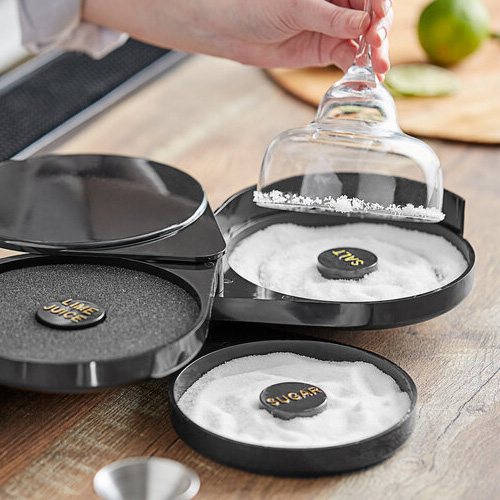
- Rim: A coating of salt, sugar, or other dry ingredients applied to the edge of a glass before the drink is poured. The glass is moistened with citrus juice or syrup, so the coating adheres to the glass.
- Rinse: Coating the inside of a glass with a small amount of strong spirit, such as absinthe, then discarding the excess. Can also refer to simply rinsing a glass with water.
- Rocks Glass: A short, wide glass holding about 6 to 10 oz., used for spirits and cocktails served over ice. Also called an old-fashioned glass or lowball glass.
- RTD (Ready-to-Drink): A pre-packaged canned or bottled alcoholic beverage sold ready to consume, including canned cocktails and hard seltzers.
- Rum: A spirit distilled from sugarcane juice, molasses, or other sugarcane byproducts.
- Rye: A whiskey made from a mash that is at least 51% rye grain in the United States.
S
- Sanitize: To reduce microorganisms on a surface to safe levels using heat or an approved chemical sanitizer. Sanitizing follows cleaning and applies to bar tools, glassware, and equipment.
- Sazerac: Hailing from New Orleans, a Sazerac cocktail recipe combines rye whiskey (or Cognac), sugar, Creole-style bitters, and an absinthe rinse, garnished with a lemon peel.
- Scotch: Whisky made in Scotland and aged at least three years in oak casks. Single malt and blended Scotch are the two best-known categories.
- Screw Pull: A style of corkscrew with a long screw that removes the cork as the handle keeps turning, requiring little pulling force.
- Sec: French for "dry." In sparkling wine, sec is sweeter than brut and extra sec, generally containing 17 to 32 grams of residual sugar per liter.
- Service Bar: A bar station used by servers to place drink orders, not by guests. Bartenders prepare drinks there for service staff to deliver to tables.
- Shake: A mixing method that combines ingredients with ice in a shaker, then vigorously agitates them to chill, dilute, and blend the drink. Shaking is typically used for cocktails containing citrus juice, dairy, cream, or egg, and usually takes about 10 to 15 seconds. The result is a colder, slightly aerated drink with a lighter texture than a stirred one.
- Shake Mixer: A spindle mixer machine used to blend milkshakes and frozen drinks in a metal cup.
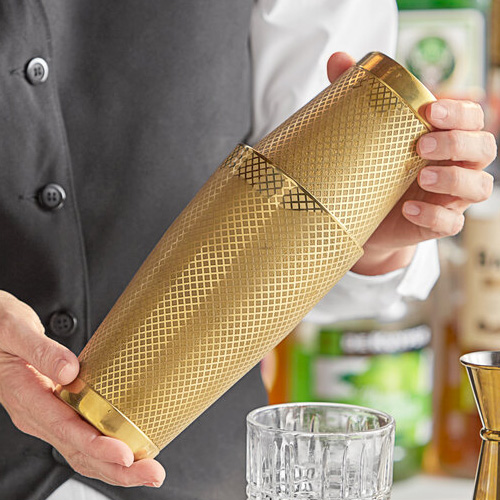
- Shaker: A vessel used to mix and chill drinks with ice. The three main styles of shakers are the Boston shaker, the cobbler shaker, and the French shaker.
- Shelf Life: The length of time a product stays safe and maintains quality.
- Shooter: A mixed drink served in a shot glass and typically consumed in one swallow.
- Short: A drink served in a small glass with little or no added mixer. The term can also describe a pour that is less than the standard measure.
- Short Shot: A pour smaller than the standard measure. Short-pouring shortchanges guests and can create legal and reputational risk for the operator.
- Shot: A small measure of spirit. Shot sizes vary. 1.5 oz. is common in the United States, though there is no federal standard and bars set their own.
- Shot Glass: A small glass holding 1 to 2 oz., used to serve shots and measure spirits.
- Shrinkage: Inventory loss caused by spillage, breakage, over-pouring, theft, and unrecorded comps.
- Shrub: A drinking vinegar made from fruit, sugar, and vinegar, used in cocktails and mocktails.
- Simple Syrup: A sweetener made by dissolving equal parts sugar and water. It is a foundational ingredient in many cocktails.
- Single Malt: Whisky made from malted barley at a single distillery. The term is most associated with Scotch.
- Smallwares: The small, non-electric tools and serving items used behind the bar, including jiggers, strainers, shakers, bar spoons, and glassware.
- Snifter: A short-stemmed glass with a wide bowl that narrows at the top to concentrate aromas, used for brandy and whiskey.
- Sommelier: A trained wine professional who manages a wine program, including curating the list, advising guests, recommending pairings, and handling wine service.
- Sour: A cocktail family built on spirit, citrus juice, and sweetener, such as the whiskey sour. Sours may include egg white for texture and foam.
- Sparkling Wine / Water: Beverages that contain carbon dioxide bubbles. Champagne and Prosecco are sparkling wines, while club soda and seltzer are sparkling waters.
- Speakeasy: An illicit bar operating during Prohibition. Today the term describes bars with hidden entrances and a vintage theme.
- Spec: The exact recipe for a drink, including ingredients, measures, method, glassware, and garnish.
- Speed Rail / Rack: A metal rack within the bartender's reach that holds the most frequently used bottles, typically well spirits and mixers, for fast access.
- Spirit-Forward: Describes a cocktail in which the base spirit is the dominant flavor, with limited dilution from juice or mixers.
- Splash: A small amount of an ingredient, typically about 1/4 oz., added by briefly tipping the bottle.
- Spritz: A low-alcohol, long drink made with sparkling wine, a bitter liqueur, and soda water.
- Standardized Drink / Recipe: A recipe documented with exact ingredients, measures, method, glassware, and garnish so every drink is made the same way every time. Standardized recipes are the foundation of cost control and consistency.
- Stein: A mug, often with a handle and sometimes a lid, used to serve beer. Steins traditionally hold 0.5 or 1 liter.
- Stemmed Glass: A glass with a stem that lets guests hold it without warming the drink. Wine glasses, flutes, and martini glasses are stemmed glassware.
- Still Wine / Water: Beverages without carbonation. Any wine that is not sparkling is a still wine.
- Stir: A technique that mixes a drink with ice using a bar spoon to chill and dilute without aerating.
- Straight: A spirit served without ice or mixers.
- Straight Up: A drink chilled by shaking or stirring with ice, then strained and served without ice, usually in a stemmed glass. Also called up.
- Strainer: A tool that holds back ice and solids while pouring a drink. Common types include Hawthorne, julep, and fine-mesh strainers.
- Stripper: A tool, also called a channel knife, that cuts long, thin strips of citrus peel for twists and garnishes.
- Super Juice: A bartending technique that stretches fresh citrus by blending the juice with the fruit's peels, citric acid, malic acid, and water, also known as oleo citrate. House-made super juice yields several times more juice than squeezing alone and stays fresh in the refrigerator for about a week or longer, saving money and cutting waste.
- Swizzle Stick: A stick used to stir a drink or as a decorative garnish. Swizzle also describes a technique for mixing drinks over crushed ice.
T
- Table Tent: A folded card placed on tables or the bar top to promote drink specials, events, and menu items.
- Tall Drink: A drink served in a tall glass, such as a Collins or highball glass, with a large proportion of mixer. Also called a long drink.
- Tap: The valve that dispenses draft beer, or the draft line itself.
- Tempering: Gradually bringing a product, ingredient, or glass to a target temperature to avoid shock. Letting ice sit briefly so its surface melts helps prevent cracking when liquid is poured over it.
- Tequila: A Mexican spirit made from blue Weber agave in designated regions. There are several types of tequila with different aging and production methods.
- Three-Tier System: The US regulatory framework that separates alcohol producers and importers, distributors, and retailers into distinct tiers. Product moves from producer to distributor to retailer.

- Tiki: A style of tropical cocktail and decor featuring rum, citrus, spiced syrups, and themed tiki glasses.
- Tincture: A concentrated, alcohol-based extract of botanicals, added to drinks by the drop.
- Tip Credit: A tip credit is a provision that lets employers pay tipped employees a cash wage below the standard minimum wage, with tips making up the difference.
- Tip Out: The portion of tips a bartender or server shares with support staff such as barbacks, bussers, and hosts. Tip outs are commonly calculated as a percentage of sales or tips.
- Tip Pooling: Combining tips and distributing them among staff according to a policy. Federal and state labor laws govern tip pooling laws, including who can participate, and owners and managers generally cannot take part.
- Tom Collins: A tall cocktail of gin, lemon juice, simple syrup, and soda water, served in a Collins glass.
- Tonic Water: A carbonated mixer flavored with quinine and sweetener, used in drinks like the gin and tonic.
- Top Shelf: Premium, higher-priced spirits, traditionally displayed on the top shelf of the back bar.
- Triple Sec: A clear, orange-flavored liqueur used in margaritas, cosmopolitans, and many other cocktails.
- TTB (Alcohol and Tobacco Tax and Trade Bureau): The federal agency that collects alcohol excise taxes and regulates the labeling, permitting, and marketing of alcohol producers, importers, and wholesalers.
- Tulip Glass: A stemmed glass with a bulbous bowl and flared lip that captures aromas, used for Belgian ales, IPAs, and spirit tastings.
- Tumbler: A flat-bottomed glass without a stem, such as a rocks glass or highball glass.
- Twist: A cocktail garnish made with a strip of citrus peel, twisted over a drink to release its oils.
U
- Unfiltered: Describes a beer, wine, or spirit that has not been filtered before packaging, often resulting in a cloudy appearance and fuller texture.
- Up: Describes a drink that is chilled with ice, strained, and served without ice in a stemmed glass. Also called straight up.
- Upsell: Training staff to suggest a higher-priced or additional item, such as a premium spirit or an extra round, to increase the average check.
V
- Variance: The difference between actual inventory usage and the theoretical usage calculated from sales. High variance can signal over-pouring, waste, or theft.
- Varietal: A wine made from a single grape variety named on the label. In the United States, a varietal wine must generally contain at least 75% of the named grape.

- Vase: A tall, curved glass that is narrow at the base and wide at the top, used for wheat beers such as hefeweizen. Also called a weizen glass.
- Vermouth: An aromatized, fortified wine flavored with botanicals. Sweet and dry styles of vermouth are used in drinks like the Manhattan and Martini, and opened bottles should be refrigerated.
- Vintage: The year the grapes for a wine were harvested. A non-vintage wine blends grapes from multiple years.
- Visible Intoxication: Observable signs that a guest has had too much to drink, such as slurred speech, impaired coordination, or aggressive behavior. It is the standard trigger for refusing service under dram shop laws.
- Vodka: A neutral spirit distilled from grain, potatoes, or other ingredients. In the United States, vodka is defined as having no distinctive character, aroma, taste, or color.
W
- Waiter's Corkscrew (Wine Key): A compact, folding corkscrew with a foil cutter and a lever, the most common wine opener used in professional service.
- Waste Log: A written or digital record of product lost to spills, breakage, remakes, and comps. Waste logs help operators track variance and find training opportunities.
- Wedger: A tool that cuts a lemon or lime into uniform wedges in one press.
- Well: The bartender's main work area, where the speed rail, ice bin, bottles, and tools are located. It also refers to the house spirits poured by default.
- Well Brand: The spirit poured when a guest does not request a specific brand. Well brands are selected for cost and are typically the lowest-priced spirits on the menu.
- Wheel: A round slice of citrus cut across the fruit, used as a garnish.
- Whiskey / Whisky: A spirit distilled from fermented grain mash and typically aged in wooden barrels. There are wide varieties of whiskey, and "whiskey" is the common spelling in the United States and Ireland, while "whisky" is used in Scotland, Canada, and Japan.
- Whiskey Sour: A classic cocktail of whiskey, lemon juice, and simple syrup, optionally shaken with egg white.
- Wine: An alcoholic beverage made from fermented grapes or other fruit. Major wine categories include still, sparkling, fortified, and dessert wines.
- Wine Chiller: A bucket, sleeve, or refrigerated unit used to keep wine at serving temperature.
- Wing Corkscrew: A corkscrew with two levers, or wings, that rise as the screw is twisted into the cork. Pressing the wings down lifts the cork out.
- Worm: A coiled copper or stainless steel tube inside a still that cools vapor and condenses it back into liquid.
- Wort: The sugary liquid extracted from malted grain during mashing. Wort is boiled with hops and then fermented to make beer.
X
- Xanthan Gum: A thickening and stabilizing agent used in modern bar programs to add body to syrups, foams, and juices and to keep ingredients from separating.
- XO: Short for "extra old," an age designation for Cognac and other brandies. In Cognac, XO indicates that the youngest eau-de-vie in the blend has been aged at least 10 years.
- Xtabentun: A Mayan liqueur from the Yucatan region made from fermented honey produced from xtabentun flowers and flavored with anise.
Y

- Yeast: A single-celled microorganism that ferments sugars into ethanol and carbon dioxide. The yeast strain used influences the flavor of beer, wine, and spirits.
- Yield: The number of servings obtained from a bottle or ingredient. A 750 mL bottle holds about 25.4 oz., which equals roughly 17 pours at 1.5 oz. before accounting for waste.
- Yuzu: A tart, floral Japanese citrus fruit. Yuzu fruit juice and peel are used in cocktails, syrups, and garnishes.
Z
- Zero-Proof: Describes drinks and spirit alternatives with no alcohol. Zero-proof menus are a growing category for bars serving sober guests.
- Zest: The outer, colored part of citrus peel, which contains aromatic oils. Avoid the white pith underneath, which tastes bitter.
- Zester: A tool with small, sharp holes that removes thin strands of citrus zest.
A shared bartending vocabulary helps new hires get up to speed faster, keeps orders accurate during a rush, and gives owners a common language for training, ordering, costing, and compliance. Use this glossary as an onboarding reference and share it with your bar team to ensure they're able to answer questions and prepare a wide variety of orders. To further expand your food and beverage service knowledge, check out our culinary terms glossary and baking terms glossary.

Corrinn loves writing, researching, and cooking, so she’s grateful she’s gotten to blend these three passions as a longform writer on the content team at WebstaurantStore for 5 years and counting. Creating resources that help operators succeed and lacing them with entertainment to make them smile is her "why".
Learn more about this author and WebstaurantStore's Content Writing Team here!