Super juice isn't a wellness fad or a green juice recipe; it's a method of extending your fresh citrus juice so that you get more for your money. Usually, citrus peels are tossed out in the trash. With super juice, the peels are combined with the juice to create a sustainable cocktail ingredient. This bartending hack is a cost-effective way to extend your fresh produce while saving time behind the bar. Keep reading to learn more about super juice and how you can make your own.
What Is Super Juice?
Super juice, also called oleo citrate, is an emulsification of citrus juice, peels, citric acid, malic acid, and water. It may sound scientific, but the result is a great-tasting citrus product that gives you up to 8 times more juice than squeezing or pressing alone. It also lasts a week or more in the fridge, which makes it a convenient bar ingredient to use for cocktails. Super juice can be used in margaritas or any beverage that features fresh citrus juice. Keep in mind that super juice is a fresh juice product with a high-quality citrus flavor. It's not the same thing as bottled lime juice that contains preservatives, even though it provides the same benefits, like a long shelf-life.
What Are Malic Acid and Citric Acid?
Two of the ingredients used to make super juice are malic acid and citric acid. These crystalline powders have a sour and acidic taste that makes them ideal flavor enhancers. Citric acid is commonly used as a preservative, baking ingredient, and candy coating. You can purchase citric acid where you buy wholesale spices. Malic acid is often used in the production of beverages such as fruit juices, energy drinks, and sodas. It helps to provide a refreshing tartness and can enhance the overall flavor profile of the drink. Shop for malic acid online or at specialty stores. Both citric acid and malic acid are key components to making super juice.
Who Invented Super Juice?
Bartenders and mixologists have been playing around with methods of preserving lime juice for several years. The collective knowledge of these pioneers has resulted in the discovery of super juice in different forms. Nickle Morris, a Kentucky-based bartender and owner introduced his recipe for super juice in a YouTube video in 2020. Since then, many videos with variations on the recipe have followed. Even though no one is gatekeeping this recipe, super juice remains a bit of an industry secret. We think it deserves to be shared with all bartenders because it's truly a game-changer.
Why Should I Try Super Juice?
Now that you know what it is and where it comes from, you may be wondering why super juice is so special. Here are a few reasons you should try super juice for yourself:
- Fresh Flavor: Unlike bottled juice products, super juice preserves the fresh flavor of the juice, which is very different than bottled juices that contain sulfites. Bottled pasteurized lime juice has its place and comes in handy for a range of recipes, but when you're crafting a cocktail, the flavor of fresh citrus is incomparable. It shines through, simultaneously enhancing and balancing the drink.
- Affordability: If you're looking for ways to cut food cost, you've found one. Fresh produce can be an expensive part of your budget, and with super juice, you get more juice with less product.
- Sustainability: Peels and rinds account for a large portion of the waste material from citrus fruits that makes it to the landfill. Instead of creating more food waste, you can use citrus peels to make super juice.
- Shelf-Life: Fresh lime juice or lemon juice has to be used within a couple of days, but super juice can last up to 10 days. If you make a large batch of super juice and freeze it, it can last even longer. This is extremely convenient for bartending and helps you skip the juicing step.
Super Lime Juice Recipe
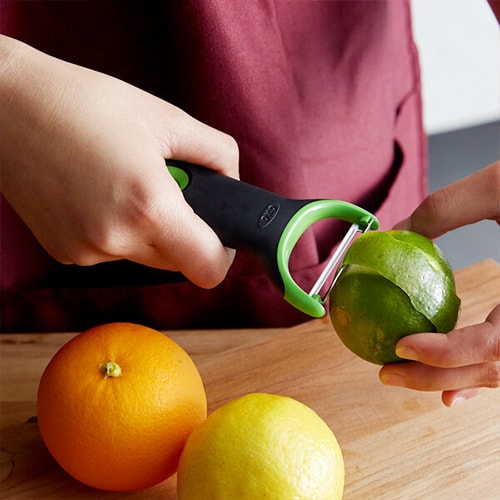
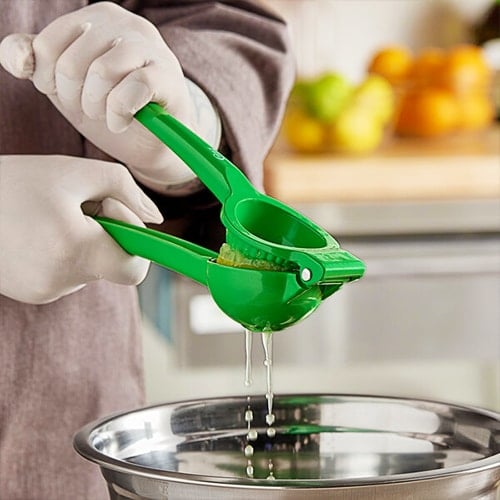
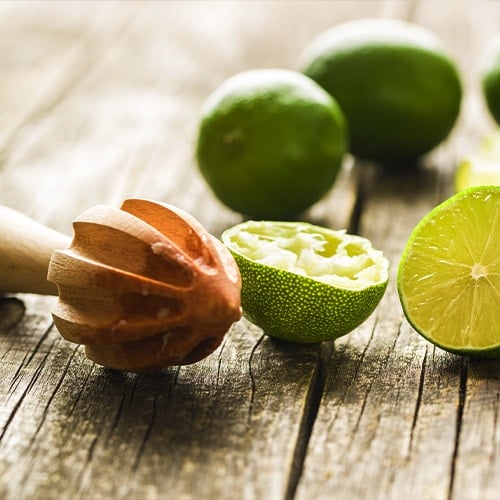
You can make super juice from any type of citrus, and you only need a few tools: an immersion blender, a citrus peeler, and a citrus squeezer. Our recipe below is for limes since lime juice is a common bartending essential.
Yield: 4 cups
Prep Time: 75 minutes
Ingredients
- 8 limes
- 44 grams citric acid
- 8 grams malic acid
- 4 cups water
Directions
- Peel limes and add peels to large container.
- Add citric acid and malic acid to container.
- Muddle peel mixture with muddler or back of large spoon.
- Let mixture sit for one hour.
- Meanwhile, juice all peeled limes and set aside.
- After one hour, add juice and water to peel mixture and blend with immersion blender until smooth.
- If preferred, use fine strainer to remove solids.
- Refrigerate super juice mixture for up to 7-10 days.
- Use in place of lime juice in any cocktail!
How to Make Super Juice Video
To learn how to properly make super lime juice, watch the video below for a step-by-step guide on the process:
Can You Make Super Juice with Lemons?
Yes, you can adapt this recipe for any type of citrus, including lemons. Just swap out the 8 limes in the recipe above for 6 lemons and proceed with the same directions.
Can You Freeze Super Juice?
Yes, you can freeze super juice to make it last even longer. Place the juice in a freezer-safe container and freeze for up to 6 months.
Instead of squeezing lemons and limes for every drink, try making a batch of super juice. You'll save time, money, and effort while crafting delicious cocktails with bright citrus flavors. Super juice can be added to margaritas, mojitos, and any drink that features lemon or lime juice.
Related Resources

What Is Cold-Pressed Juice?
Unlike traditional juicing methods that use high-speed blades to extract juice, cold-pressed juice is made by pressing and squeezing fruits and vegetables. This gentle extraction process helps to preserve the maximum amount of vitamins, minerals, and enzymes found in the produce. With its numerous health benefits and delicious flavors, it's no wonder that cold-pressed juice has gained popularity among health-conscious individuals and commercial establishments alike. Read on to discover everything you need to know about this trendy type of juice and how your business can integrate it into your menu. Shop All Juice Products Use these links to learn more about cold-pressed juice: What Is a Cold Press? How to Cold Press Juice Is Cold-Pressed Juice Good for You? Cold-Pressed Juices Shelf Life of Cold-Pressed Juice Cold Press Juice vs Normal Juice Cold-Pressed Juice Video To learn about the features and benefits of cold-pressed juices, watch the video below. <iframe itemprop="embedURL" width="560" height="315" src="https://www.youtube.com/embed/hFhIvmWQpWE?si=53onb4uOGp1LNYsk?rel=0" frameborder="0" allowfullscreen></iframe> What Is a Cold Press? A cold press is a type of juicer that uses hydraulic pressure to extract juice from fruits and vegetables. Unlike traditional juicers relying on high-speed blades or centrifugal force, cold press juicers operate much slower. While other juicers generate heat during the extraction process, cold press juicers use a hydraulic press to squeeze the juice out of the produce. This minimal heat exposure ensures that the juice's nutrients, enzymes, and vitamins remain intact. How to Cold Press Juice To cold press juice, you will need a cold press juicer, also known as a masticating juicer. Cold press juicers use a slow, grinding motion to extract juice from fruits and vegetables, resulting in a vibrant and nutritious product. By following these steps, you can create your own cold-pressed juices, ensuring a healthy and refreshing beverage option for your commercial establishment: Prepare Your Ingredients - To begin, select the fruits and vegetables you want to juice. It's important to use fresh, high-quality produce to ensure the best flavor and nutritional value. Wash and peel your ingredients as needed, removing any seeds or tough stems. Slice Produce - Next, cut your fruits and vegetables into smaller pieces that will fit into your juicer. Different fruits and vegetables may require different cutting techniques, so be sure to follow the specific instructions for each ingredient. Assemble Your Cold Press Juicer - Now it's time to set up your cold press juicer. This involves attaching the juice container, placing the pulp container, and securing the juicing mechanism. Start Juicing - Once your juicer is fully assembled, begin feeding the prepared ingredients into the machine. Use the plunger or pusher provided with your juicer to slowly and gently press the produce into the juicing mechanism. Collect the Juice - As the juice is extracted, it will flow into the juice container. You can use a separate container or a glass to collect the juice. Separate the Pulp - After juicing, you'll be left with a pulp residue. This can be collected in a separate container or discarded, depending on your preference. Cold Press Equipment and Tools To properly make cold-pressed juice, a variety of tools and equipment are required to extract the full nutrient and flavor profile of the fruit. With the right setup, cold pressing juices become a simple and efficient task, allowing you to handle a high volume of orders. Below, we’ll cover the necessary equipment and tools you'll need to get started and how to use each tool in the cold pressing process: Cold Press Juicer - This specialized machine is designed to extract juice using a hydraulic press. Look for a juicer that fits your budget and meets your specific requirements. Cutting Board and Knife - A sturdy cutting board and a sharp knife are essential for prepping your ingredients. Ensure that your knife is sharp enough to cut through tough fruits and vegetables with ease. Containers - You'll need containers to collect the juice and separate the pulp. Glass or BPA-free plastic containers are popular choices for storing cold-pressed juice. Plunger or Pusher - Most cold press juicers come with a plunger or pusher to help feed the ingredients into the juicing mechanism. This tool ensures safe and efficient juicing. Back to Top Is Cold-Pressed Juice Good for You? Cold-pressed juice is known for its high concentration of vitamins and antioxidants. Compared to other types of juice, cold-pressed juice often contains more fiber. The hydraulic press used in the cold press extraction process helps to extract juice from the entire fruit or vegetable, including the pulp and skin. This means that the resulting juice retains more fiber, aiding digestion and promoting feelings of fullness. Benefits of Cold-Pressed Juice Cold-pressed juice offers a range of benefits that can support your overall health and well-being. From providing essential nutrients to aiding digestion and promoting detoxification, these refreshing beverages are a great addition to a healthy lifestyle. Let’s take a look at some of the reported health benefits of consuming cold-pressed juices: Antioxidants - One of the key benefits of cold-pressed juices is their high concentration of antioxidants. Cold-pressed juices retain more antioxidants compared to other juicing methods, as the low heat and slow extraction process help preserve the nutrients. Anti-Inflammatory Properties - Cold-pressed juices, especially those made with ingredients like turmeric, ginger, and leafy greens, contain natural compounds that can help reduce inflammation in the body and promote overall wellness. Improved Digestion - Cold-pressed juices are often made with a combination of fruits, vegetables, and herbs that are rich in fiber, enzymes, and other digestive aids. These nutrients can help support a healthy gut by promoting and improving nutrient absorption. Boosted Immune System - Many fruits and vegetables used in cold-pressed juices, such as oranges, lemons, and leafy greens, are packed with immune-boosting vitamins and minerals. Regularly consuming cold-pressed juices can help strengthen your immune system, making you less susceptible to common illnesses and infections. Cold-Pressed Juices Although there are a variety of combinations you can experiment with when creating cold-pressed juices, there are a handful of common types that do best in a commercial setting. These juices are a spin-off of classic juice flavors, allowing customers to enjoy their favorite flavors while reaping the benefits of cold-pressed juices. If you’re considering adding cold-pressed juice to your menu, consider using the following juices to attract the most customers: Cold-Pressed Orange Juice - Made from freshly squeezed oranges, this juice is packed with vitamin C and other essential nutrients. It's a refreshing and tangy beverage that can be enjoyed on its own or used as a base for smoothies and cocktails Cold-Pressed Green Juice - This vibrant and detoxifying beverage is typically made with a combination of leafy greens like kale, spinach, and arugula, along with other ingredients like apples, ginger, and lemon. Cold-pressed green juice is an excellent way to boost your daily intake of vitamins, minerals, and antioxidants, all while promoting overall health and well-being. Cold-Pressed Lemonade - Made with freshly squeezed lemons, this tangy beverage is perfect for quenching your thirst on a hot summer day. Cold-pressed lemonade can also be customized with other fruits or herbs to add an extra twist of flavor. Cold-Pressed Carrot Juice - Carrots are rich in beta-carotene, which is converted to vitamin A in the body. This juice is not only refreshing but also provides a host of health benefits, including improved eye health and a strengthened immune system. Shelf Life of Cold-Pressed Juice Shelf life refers to the length of time that a product can be stored before it begins to deteriorate in quality or become unsafe to consume. The shelf life of cold-pressed juices typically ranges from three to five days when stored properly under refrigeration. That being said, there are a variety of factors that can extend or decrease the shelf life of a cold-pressed juice: Cold-Pressed Ingredients The shelf life of cold-pressed juice largely depends on the ingredients used. Some fruits and vegetables have a longer shelf life than others. For example, citrus fruits like oranges and lemons tend to last longer, while leafy greens like spinach and kale have a shorter lifespan. Additionally, the quality and freshness of the produce used can impact the juice's overall shelf life. Processing Method Cold-pressed juice is made using a hydraulic press that extracts the juice from fruits and vegetables without heat, preserving more nutrients and enzymes. This gentle extraction process helps extend the shelf life of the juice compared to traditional juicing methods. However, the shelf life can still be affected by factors like temperature and exposure to air during the juicing process. Pasteurization While cold-pressed juice is typically unpasteurized to retain its nutritional value, some manufacturers opt for a process known as high-pressure processing (HPP). HPP uses pressure to kill harmful bacteria and extend the shelf life of the juice. Pasteurized cold-pressed juice may have a longer shelf life but could also lose some of its nutritional benefits in the process. Back to Top Storing Cold-Pressed Juices Cold-pressed juices spoil faster compared to their pasteurized counterparts. This is because the absence of heat during the extraction process leaves the juices more vulnerable to spoilage and oxidation. Therefore, proper storage techniques are essential to preserve the nutritional value and extend the shelf life of your cold-pressed juices. Below, we cover some of the best ways to store and use cold-pressed juices to ensure you get maximum freshness and flavor: Refrigeration Cold-pressed juice is highly perishable and should be refrigerated at all times. The cold temperature helps slow down the growth of bacteria and enzymes that can cause spoilage. Keep your juice stored below 41°F (5°C) to maintain its freshness for as long as possible. Use Air-Tight Containers Oxygen is the worst enemy of fresh juice. Once exposed to air, the juice can oxidize and lose its nutritional value. Store your cold-pressed juice in airtight containers, such as glass bottles or jars with tight-fitting lids, to minimize contact with air and extend its shelf life. Separate Different Juices Consider storing different flavors separately. Mixing different juices can accelerate spoilage, as certain fruits and vegetables have shorter shelf lives. By storing them separately, you can enjoy each flavor at its freshest. Consume within a Few Days While the shelf life of cold-pressed juice can vary depending on the factors mentioned above, it's generally recommended to consume it within three to five days of juicing. This timeframe ensures that you're getting the maximum nutritional benefits and flavor from your juice. Cold Press Juice vs Normal Juice Both types of juice provide a convenient way to consume fruits and vegetables, they differ significantly in terms of production methods and nutritional content. While cold-pressed juice is often considered the healthier choice due to its gentle extraction process and higher nutrient content, other types of juice offer convenience and a longer shelf life. Discover the differences between cold-pressed juice and other types of juices below: Nutritional Benefits - Since the hydraulic press method does not generate heat, the enzymes, vitamins, and minerals found in the fruits and vegetables remain intact. In contrast, the heat generated during the centrifugal juicing process used in normal juicing can cause some loss of nutrients. Shorter Shelf Life - The high-pressure extraction process eliminates most of the oxygen, which helps to preserve the juice and prevent oxidation. However, the lack of heat from the pasteurization process means that cold-pressed juices often spoil faster than their pasteurized counterparts. Vibrant Taste - Due to the careful extraction process, cold-pressed juice often has a more intense and natural flavor compared to regular juice. The combination of fresh, high-quality ingredients and the absence of heat allows the true essence of the fruits and vegetables to shine through. Whether you run a cafe, juice bar, or restaurant, incorporating cold-pressed juice into your menu can add a touch of freshness and vitality to your beverage selection. With a wide range of fruit and vegetable combinations available, businesses can create unique and flavorful juice blends to cater to their customer's preferences. More consumers are seeking out nutritious alternatives to sugary sodas and artificially flavored drinks, so offering cold-pressed juice can attract health-conscious customers and differentiate your establishment from the competition.

How to Start a Juice and Smoothie Bar
Juice and smoothie bars used to attract only the most health-conscious consumers, but their mass appeal has grown due to an increased interest in wellness. Healthy living and nutritious diets are more popular than ever. For some, a daily visit to the local juice bar has become as routine as a trip to the corner coffee shop. If you’re interested in opening your own juice bar or smoothie shop, check out our juice bar startup guide. Shop All Commercial Juicers Click on any of the juice bar opening steps below to learn more: Juice Bar Concept Juice Bar Business Plan Obtain Juice Bar Funding Juice Bar Location Juice Bar Permits and Licenses Juice Bar Equipment and Supplies Hire Juice Bar Staff Advertise Your Juice Bar Host a Juice Bar Soft Opening Juice Bar FAQs What Is a Juice Bar? A juice bar is a shop that sells fruit and vegetable juices that are freshly squeezed on the premises. Most juice shops occupy a small footprint because they don't require a full kitchen or a seating area. Kiosks, juice carts, and juice food trucks are all popular models for a juice and smoothie shop. The rising popularity of healthy juices and the low start-up cost make juice shops an appealing business venture. Open a Juice Bar The process of opening your own juice bar and smoothie shop is much easier when you break it down into steps. We've created a 9-step juice bar guide to help you get started. 1. Choose a Juice Bar Concept and Brand Choosing the concept of your juice bar is the starting point in your journey. It’s also the most creative step along the way. You get to choose the theme of your shop, the types of ingredients you’ll use, and the way you’ll serve your customers. Check out these examples of juice bar concepts: Mobile juice bar cart specializing in organic produce, vitamin supplements, and health tonics Cafe-style juice bar with a food menu and co-working space Smoothie shop with a build-your-own makeline where customers choose their smoothie base, ingredients, and add-ins After you have a basic idea of your concept, you can work out the finer details of your brand. Your juice bar name, logo, menu options, and menu design are all part of your company branding and should communicate the same message. Juice Bar Menu There are many avenues you can take with your juice bar menu. You can keep it simple and stick to fresh cold-pressed juices only. Or you could get creative with different juice combinations and highlight a tropical fruit of the day. Some juice bars include blended smoothies and smoothie bowls. You may also decide to offer a small food menu with healthy salads and sandwiches. Make sure to consider your staffing requirements and the types of equipment you’ll need to produce certain menu items. 2. Write a Juice Bar Business Plan Writing a business plan is the next step in the process of opening your juice bar. Don’t skip the business plan, even if you think you have all the details of your business memorized. It’s a professional way to gather all your important info in one place and present the idea to potential investors. Your juice bar business plan should contain the following sections: Executive Summary - Write this section last and use it to summarize the business plan as a whole. Company Overview and Description - Include a detailed overview of your juice bar business. Concept and Menu - In this section, describe all the details of your juice bar concept and menu. Management and Ownership Structure - This section should explain the hierarchy of your management structure. Employees and Staffing Needs - List out all staff positions and the number of employees needed for operation. Marketing and Competitor Analysis - Perform research on local competitors and provide an analysis of your findings in this section. Advertising and Marketing Strategies - Outline the types of advertising and marketing strategies you’ll use for your juice bar. Financial Projection and Summary - Use this section to provide a sales forecast and break-even analysis. If you want to learn more about writing business plans, check out our comprehensive restaurant business plan guide. 3. Obtain Juice Bar Funding When you officially obtain funding for your juice bar, your vision starts to become a reality. This part of the process can be intimidating if you’ve never started a business, but after you’ve written a business plan, you’ll have a better idea of your startup costs. Compare your total startup costs to the amount of capital you have on hand. After you determine the balance, you’ll know how much funding you need to open your juice bar. Don’t forget to include the working capital needed to operate the juice bar until you start turning a profit. Small Business Loan - The Small Business Association (SBA) works with lenders to make it easier for small businesses to get loans. SBA-approved loans offer unique benefits like lower down payments and capped interest rates. Traditional Commercial Loan - A traditional commercial loan is typically larger than a small business loan. Because the loan amount is greater, lenders usually have a stricter application process and require that your business bring in higher revenues. Business Line of Credit - A business line of credit is similar to a credit card. Instead of a lump sum, borrowers receive a line of credit to use for expenses as they come up. Access to short-term funding like this is most helpful with operational expenses. Crowdfunding - Crowdfunding has become a legitimate method to raise funds for your business. There are several platforms that allow you to create a campaign and start accepting donation-based or rewards-based contributions. For in-depth financial information, check out our restaurant funding and loans guide. 4. Choose a Juice and Smoothie Shop Location Your juice bar location and business concept should go hand in hand. Sometimes choosing your location ends up being the first step in the process of opening your business. You might have your eye on a commercial space that speaks to you, or maybe you got a great deal on leasing a juice bar kiosk. If that’s the case, you should base the concept of your shop on your chosen location. For example, if the location is in a college town, you’ll want to create a concept that appeals to a young crowd. If you have your heart set on a particular concept, you’ll need to find a juice bar location that can support it. Look for locations near gyms or in neighborhoods with jogging paths and outdoor spaces. Boardwalks, beach towns, and charming main streets are great for juice bars and smoothie shops. Performing a location analysis will help you understand the benefits and limitations of specific locations. 5. Obtain Permits and Licenses for Your Juice Shop Before your juice bar can open for business, you’ll need to obtain several permits and licenses at the federal, state, and local levels. Enlisting the help of legal counsel ensures you won’t miss a step when filing for new permits. Business License - Every new business needs a business license to operate legally in the US. Each state has its own business license requirements. Employee Identification Number - You need an Employee Identification Number (EIN) to start hiring employees and set up your payroll. The application process can be lengthy, so start working on this one right away. Foodservice License - To legally serve food, you’ll need a foodservice business license. This requires an inspection that shows your business meets food safety protocols. Learn more about foodservice permits in our restaurant licenses guide. 6. Juice Bar Equipment and Supplies Juice bars have unique inventory needs because fresh produce will make up the bulk of your food orders. That means you’ll need to find a high-quality wholesale produce supplier. Look for distributors that can supply you with local seasonal produce, but you may also need a different supplier for fruits that don’t grow locally. You’ll want to consider these factors when choosing a produce supplier: Produce Selection - Some suppliers specialize in citrus fruits only while others provide a wide selection Fair Trade Certified - Look for suppliers that only work with fair trade certified growers Farming Practices - If organic, pesticide-free produce is part of your concept, you’ll need to find a supplier that can meet these needs Specialty Items - Depending on your location, you may need to find suppliers to provide you with specialty, tropical produce With fresh produce also comes the need for specialized storage techniques. Understanding the shelf-life of certain fruits will be key to your reordering schedule. Some fruits need refrigeration, and some fruits need to be washed prior to storage. Check out our produce storage guide for detailed information. Your juice bar will need to be outfitted with the right equipment for storing, prepping, and juicing fresh fruits. Commercial juicers are the obvious place to start, but there are several types of juicers designed for different applications. Here is a list of juice bar equipment and supplies you'll need to get started: Juicers - Centrifugal, masticating, citrus, and wheatgrass juicers Blenders - High-powered blenders with sound enclosures Food Prep - Peelers, chef knives, and cutting boards Refrigeration - Refrigerated storage for produce, glass case merchandisers for bottled juices Ice Machines - Ice machines that produce enough ice for your blended drinks Cups, Bowls, Lids, Straws - Eco-friendly disposables for serving juices, smoothies, and smoothie bowls 7. Hire Juice Bar Staff Labor cost for a juice bar is relatively low compared to other foodservice businesses because a small staff is sufficient to run the shop. For a small juice bar kiosk, one or two employees may be all you need. Bigger locations that serve more than one guest at a time will need a larger staff. Also, consider that on truck receiving days you may need to schedule extra employees to inspect and put away produce shipments. Outside of your juice bar staff, you might also employ other professionals to run your website or handle your accounting. Here are some ways to attract possible candidates for your new juice bar: Write a Great Job Description - It might seem obvious, but the job description you write goes a long way to attracting the type of candidate you are looking for. Put some thought into the description and make sure it conveys your values and company mission. Social Recruiting - Many folks in the workforce use the social platform LinkedIn to search for jobs. Create a LinkedIn profile and take advantage of the recruiting features the site offers. Job Search Websites - Make a job listing on popular search engines like Indeed, Monster, and SimplyHired. Go Old School - Believe it or not, posting jobs in the newspaper or just putting up a “Now Hiring” sign on your storefront are still options that work. 8. Advertise Your Juice Bar Advertising your new juice bar is how you let the public know you are open and ready for business. Today, digital methods of advertising are extremely important if you want to reach a wide audience. It’s very easy to advertise your business online and you can start doing it early on to build excitement for your brand. Check out our tips for marketing your new juice bar: Build a Website - You absolutely must have a website if you own a business. Thankfully, you don’t have to be an expert to put together a user-friendly website. Platforms like Squarespace and WordPress help you design an attractive site and are very easy to use. Increase Your Digital Presence - Register your business with online platforms like Google My Business, OpenTable, or Trip Advisor. This increases your online presence and helps you connect with potential customers. Create a Blog - Add a blog section to your website to help search engines recognize your business and build awareness around your brand. Since juicing is your realm of expertise, create a blog that’s devoted to juicing. Cover topics like juicing benefits, the best fruits and vegetables for juicing, or how to use commercial juicers. Use Social Media - Just like a company website, your social media accounts are a crucial part of advertising in the digital age. You can choose to set up company profiles on all platforms, or take a more systematic approach by zeroing in on the platforms that your target customers use. 9. Juice Bar Soft Opening Before your official grand opening, it can be helpful to plan a practice run. A soft opening is a modified opening that gives your team the opportunity to test out the flow of service. You can observe potential hiccups and get a better idea of what processes may need to be improved before the big grand opening. Here are some tips for planning a soft opening of your juice bar: Friends and Family Night - Invite friends and family of your staff for a sneak peek opening. It’s a good way to ease into things because there’s less pressure when you know all the guests. Neighborhood Meetup - Send soft opening invites to neighboring businesses and residents. You get to meet all your neighbors and get the word out in your community. Limited Menu - For your soft opening, it can be helpful to start with a small limited menu. Instead of offering all juices on your menu, you could showcase three different juices. It’s less stressful for your employees when you start small. Juice Bar FAQS We cover some of the most common juice bar questions below: How Much Does it Cost to Start a Juice Bar? The average startup cost for a juice bar, not including operational cost, is between $25,000 and $400,000. The reason for this wide range is that the location, build-out expenses, and store size are different for every juice shop. If you lease an existing space that requires little remodeling, your cost will be on the low side. On the other end of the spectrum, a complete remodel of your space will be much more expensive. These are some of the factors that affect your startup costs: Franchise or Independent - Popular juice and smoothie franchises, like Smoothie King or Jamba Juice, can provide built-in branding and recognition for your new business if you choose that route. But franchise fees will increase your startup costs and you'll have to pay ongoing royalties. If you go independent, you avoid these extra costs. Juice Cart, Kiosk, or Juice Truck - Juice bars by nature don't require a lot of square footage. Instead of a brick and mortar, consider a mobile business like a juice cart or food truck. Your startup costs will be much lower with a mobile or kiosk-style location than with a traditional storefront. Sell Juice From Home - There's a wave of entrepreneurs starting businesses from their homes. With the right permits and inspections, you can turn your kitchen into a juice factory and sell your products online or at local markets. Are Juice Bars Profitable? Yes, juice bars have the potential to be very profitable. It's reported that the average revenue of a juice bar can range from $100,000 to $600,000. Juice bar profit margins are bigger than other restaurants because labor and expenses are much lower. You don't need a full kitchen staff, and you aren't running cooking equipment all day long. If you have a passion for wellness, consider opening a juice bar. Consumers are gravitating towards healthy, plant-based foods, and they want products that are good for their bodies and the environment. There's never been a better time to start your own juice bar and smoothie shop. <aside class="pquote"> <blockquote> </blockquote> </aside>

Best Tools for Bartenders
Whether you’re opening a new bar or aspiring to become a bartender, having the right tools is essential for crafting delicious cocktails and keeping up with a bustling barroom. For those not sure where to start, we’ve rounded up the top 10 bar tools every business that offers beverage service should have in stock. Equipping your bar with these basics will set you up for smooth service and expertly crafted cocktails. Shop All Bartending Supplies Learn about the most popular tools for bartenders: 1. Juicer 2. Jigger 3. Muddler 4. Cocktail Shakers 5. Liquor Pourers 6. Corkscrews and Bottle Openers 7. Bar Spoon 8. Bar Towels 9. Cocktail Strainer 10. Glass Rimmer 1. Juicer When it comes to crafting delicious cocktails with fresh ingredients, a juicer is a vital tool for bartenders. Manual juicers, such as citrus squeezers and reamers, are perfect for extracting juice from citrus fruits like lemons and limes. These handheld tools are easy to use and ideal for small batches or individual drinks. High-volume bars especially benefit from using electric juicers to streamline their cocktail preparation process. Electric juicers are excellent for batching your house-made sour mix or making super juice. Using juicers ensures flavor consistency in cocktails by quickly extracting the maximum yield from fruits. This not only enhances the taste of the drinks but also helps cut costs on fresh produce in the long run. Types of Juicers: Citrus squeezers, hand press juicers, reamers, electric juicers Juicer Benefits: Fresh fruit flavor, consistency, maximum extraction, and reducing waste Cocktails That Require a Juicer: Sour mix cocktails such as a margarita, whiskey sour, and long island iced tea, as well as a paloma, Moscow mule, screwdriver, and French 75 2. Jigger A jigger is a small, hourglass-shaped measuring device used to accurately pour liquid ingredients for cocktails, helping to maintain the quality and flavor of the drink. Not only does it help bartenders create consistent and well-balanced cocktails, but it also helps to reduce waste by preventing over-pouring. Additionally, jiggers can improve efficiency behind the bar by streamlining the measuring process and reducing the risk of errors. There are several types of jiggers, each with its own unique design and features. The most common types of jiggers include bell jiggers, classic jiggers, and Japanese jiggers. Classic jiggers typically have two cone-shaped measuring cups. This allows bartenders to switch between different measurements with ease. Bell jiggers have two different measuring cups on each end as well, but in a bell-shaped design. Japanese jiggers are known for their elongated, slender, hour-glass-shaped design and a more precise measurement scale. Types of Jiggers: Classic cone-shaped jiggers, bell jiggers, Japanese jiggers Jigger Benefits: Prevents overpouring alcohol, cost savings, flavor consistency Cocktails That Require a Jigger: A jigger is a useful tool for preparing any mixed drink 3. Muddler A muddler serves as a practical instrument for mashing, or "muddling," ingredients at the bottom of a glass or shaker. By exerting gentle pressure, bartenders can effectively extract the essential oils, juices, and aromas from the ingredients, elevating the overall taste and presentation of the cocktail. A muddler functions similarly to a miniature pestle, allowing for precise control over the muddling process. These versatile tools are particularly well-suited for crafting popular drinks such as mojito varieties, old fashioned, and sangria. When selecting a muddler, consider the design that best suits your needs. Flat-bottomed muddlers are ideal for muddling herbs as they help prevent bruising and bitterness, preserving the delicate flavors of the ingredients. On the other hand, toothed or ridged muddlers are better suited for crushing fruits and sugar, providing the necessary texture and consistency for certain cocktails. By choosing the right muddler for the job, bartenders can ensure optimal results in their mixology process. Types of Muddlers: Flat-bottomed muddlers, ribbed muddlers Muddler Benefits: Crushes fruits, herbs, and spices directly in a glass or shaker so the full range of essential oils, juices, and aromas are absorbed into the beverage Cocktails That Require a Muddler: Mojito, old fashioned, sangria, caipirinha, mint julep, whiskey smash 4. Cocktail Shakers Cocktail shakers facilitate the mixing, chilling, and dilution of ingredients through a vigorous shaking process with ice. This technique is specifically designed to expedite the blending of spirits with other ingredients compared to stirring, resulting in a thoroughly mixed cocktail. The act of shaking mixed drink ingredients introduces air, creating a frothy consistency. This aerated consistency enhances cocktails containing ingredients like egg whites or dairy. Whether concocting a refreshing summer drink menu or a refined martini, possessing a high-quality cocktail shaker in your bar toolkit is essential for bartenders aiming to craft flavorful and harmonious cocktails. Cocktail shakers are a must-have for bartenders, and there are several types to choose from. The Boston shaker is a classic two-piece set that is versatile and easy to use. The Parisienne shaker features a built-in strainer, making it convenient for quick and efficient mixing. The three-piece cobbler shaker consists of a base, strainer, and cap, making it easy to mix and strain cocktails in one vessel. Another option is the beehive cobbler shaker, which features a unique beehive design on the cap, adding a stylish touch to the bartending experience. Most cocktail shakers are made of stainless steel due to its durability, ease of cleaning, and fast chilling capabilities. Types of Cocktail Shakers: Boston shakers, Parisienne shakers, cobbler shakers, beehive cobbler shakers Cocktail Shaker Benefits: Efficiently blends mixed drink ingredients, cools cocktails, and aerates the beverage, creating a frothy consistency Cocktails That Require a Shaker: Useful for making any mixed drink, but particularly helpful for emulsifying drinks with juice, egg whites, or dairy, such as a Ramos Gin Fizz, grasshopper, or Brandy Alexander 5. Liquor Pourers Liquor pourers help bartenders accurately measure liquor with precision and consistency. By using liquor pourers, bartenders can ensure that each drink contains the correct amount of alcohol, reducing the risk of over-pouring and ultimately saving money on liquor costs. The precise pouring capabilities of liquor pour spouts help to maintain the balance and composition of cocktails, ensuring that each drink is perfectly crafted every time. Liquor pour spouts are available in a variety of designs to suit different preferences and needs. Choose between speed pourers, free-flow pourers, screened pourers, whiskey pourers, and wide-mouth pourers to meet your specific requirements and preferences. This versatility allows bartenders to customize the way they prepare mixed drinks, whether they prefer a controlled pour or a faster flow. Additionally, liquor pourers can be integrated into rack systems for efficient storage and organization behind the bar, making it easy for bartenders to access different spirits quickly during busy service hours. Types of Liquor Pourers: Free flow, screened, speed, whiskey, wide mouth, with collar, without collar Liquor Pourer Benefits: Reduces risk of overpouring, speeds up service, creates consistency Cocktails That Require a Liquor Pourer: Any mixed drink containing a hard alcohol can benefit from a liquor pourer 6. Corkscrews and Bottle Openers Corkscrews and bottle openers cater to a wide range of businesses, including bars, breweries, and wine tasting rooms. Bottle openers allow bartenders to quickly and effortlessly open beer bottles and other capped beverages. There are various types of bottle openers available, including traditional handheld lever openers, mounted openers for convenient installation on walls or countertops, and pocket-sized openers for on-the-go use. Some models even come with cap catchers to keep the workspace tidy. Corkscrews are essential for opening wine bottles and are commonly used in establishments that serve wine or cater events where wine is served. Wine bottle openers, also known as wine cork extractors, come in different styles, such as the classic corkscrew design or the eclectic cork extractor models. Bartenders can choose from handheld corkscrews for portability or, for a more sophisticated approach, continuous pull corkscrews offer a seamless and efficient way to extract corks from wine bottles. Waiters' corkscrews, also known as wine keys, feature a corkscrew, a small knife for cutting foil, and a bottle opener for beer caps. Types of Corkscrews and Bottle Openers: Handheld lever openers, mounted openers, pocket-sized openers, waiters' corkscrews, and continuous pull corkscrews Corkscrew and Bottle Opener Benefits: Quick and efficient opening of wine bottles and beer bottles Corkscrew and Bottle Opener Applications: Beer and wine service 7. Bar Spoon Bar spoons offer functionality and showmanship when mixing drinks. Japanese-style bar spoons are designed with a dual-purpose functionality, allowing bartenders to mix drinks with one end and handle small quantities of ingredients with the other. Knob bar spoons are typically 10 to 12 inches in length and feature a long handle with a small plastic or metal cap on the end. This design is ideal for stirring cocktails in tall glasses and shakers. Weighted end bar spoons are designed to add balance and efficiency to drink preparation, making them a favorite tool among professional bartenders. Fork-end bar spoons are specifically crafted to stir drinks with one end and spear pieces of fruit and garnishes with the other, adding an elegant touch to cocktail presentation. Muddler bar spoons feature a flat end that doubles as a muddler, allowing bartenders to gently crush herbs, fruits, or other ingredients directly in the glass. Bar spoons with a strainer end provide a convenient way to strain out chunks of ice or other cocktail ingredients, ensuring a smooth and consistent drink texture. Types of Bar Spoons: Japanese bar spoons, fork-end bar spoons, knob bar spoons, muddler-end bar spoons, strainer-end bar spoons, weighted bar spoons Bar Spoon Benefits: Smooth stirring, layering, and measuring of mixed drinks Cocktails That Require a Bar Spoon: Martini, Manhattan, Negroni, old fashioned, Rob Roy, Vesper 8. Bar Towels Bar towels are an essential tool for bartenders to maintain a clean and efficient workspace. Available in white and natural color choices, these towels are designed to pick up liquids and reliably hold them to prevent drips and spills. Purchasing bar towels in bulk offers several benefits for commercial establishments; it ensures bartenders always have a fresh supply of clean towels on hand, reducing the risk of cross-contamination and maintaining a high level of cleanliness in the bar area. Additionally, buying in bulk can result in cost savings for businesses over time. Cotton bar towels are a popular choice thanks to their absorbency and durability. They are soft to the touch and can easily soak up spills and messes, making them ideal for wiping down bar surfaces and glassware. Microfiber bar towels are another excellent option, known for their superior absorbency and quick-drying properties making them ideal for cleaning and polishing glassware without leaving streaks or lint behind. Bar towels come in solid or striped designs, allowing bartenders to easily differentiate between towels designated for specific tasks. If your business doesn't have the capability to launder its bar towels, disposable towels and wipers are an effective alternative. Types of Bar Towels: Cotton bar towels, microfiber bar towels, solid color bar towels, striped bar towels, disposable bar towels and wipers Bar Towel Benefits: Maintaining a clean bar space, reducing cross-contamination 9. Cocktail Strainer Cocktail strainers remove ice from a mixed drink before it is poured into a serving glass, ensuring that only the liquid portion of the cocktail enters the glass. This step is crucial to achieving a perfectly chilled cocktail served straight up, without any ice dilution. This step is necessary when making traditional gin martinis or cosmopolitans. In the world of mixology, the cocktail strainer is a tool that goes beyond mere functionality, elevating the presentation and taste of your cocktails. There are various types of cocktail strainers available to cater to different mixing techniques and preferences. The Hawthorne strainer is a popular choice, featuring a coil that helps strain out ice and other solid ingredients while pouring the drink. The julep strainer is another timeless option, designed with a perforated bowl shape that allows for smooth pouring without any unwanted particles. For those who prefer a more refined approach, the mesh strainer offers a fine sieve that ensures a silky texture and removes any small ice chips or herb remnants. Additionally, cocktail strainers come in a range of designs, including vintage-inspired styles and scalloped shapes that add an extra touch of elegance to your bar top. Whether you are a seasoned bartender or a home enthusiast, investing in a quality cocktail strainer is a must for mastering the art of crafting exceptional drinks. Types of Cocktail Strainers: Hawthorne strainer, julep strainer, mesh strainer Cocktail Strainer Benefits: Removing ice before a cocktail is poured, perfectly chilled straight-up cocktails, bartending showmanship, and presentation Cocktails That Require a Cocktail Strainer: Martini, cosmopolitan, sidecar, Manhattan, daiquiri 10. Glass Rimmer Glass rimmers help you add sugar and salt to the rim of your cocktail glasses, creating eye-catching drinks that leave a lasting impression on your customers. They not only enhance the aesthetic appeal of your beverages, but they also enhance their flavor. Salt and sugar glass rimmers are equipped with round compartments designed to fit a wide variety of cocktail glasses, ensuring even coverage along the rim of your drink. This uniform application of salt or sugar not only enhances the visual appeal of your cocktails but also ensures that every sip is perfectly balanced in taste. Incorporating glass rimmers into your bartending toolkit will expedite your workflow and help you create memorable drinking experiences for your customers. Glass rimmers help keep the bar tidy by offering a convenient, contained setup for rimming glasses. For bartenders looking to streamline their garnish organization, glass rimmers with multiple compartments and labels are a must-have tool. These glass rimmers allow you to easily organize and identify different cocktail rimming agents such as salt, sugar, and Tajin, making it simple to create consistently beautiful and flavorful drinks every time. Whether you are preparing salt-rimmed classics like the margarita, bloody mary, paloma, and mezcal cocktails, or sugar-rimmed favorites like the sidecar, cosmopolitan, and lemon drop martini, glass rimmers are indispensable tools for achieving professional-quality results. Types of Bar Glass Rimmers: Units come in 1 to 5 compartment models and various lengths and diameters to accommodate different cocktail glasses Bar Glass Rimmer Benefits: A bar glass rimmer provides a convenient and efficient way to apply salt, sugar, or spices to glass rims, allowing bartenders to enhance the presentation of drinks and create a harmonious blend of flavors Cocktails That Require a Bar Glass Rimmer: Margarita, bloody mary, paloma, sidecar, cosmopolitan, and lemon drop martini Back to Top Best Bartending Tool Brands When purchasing bar tools, it is crucial to be well-versed in the top bar smallwares brands. We have curated a list of top-rated bartending tool brands that bar operators and aspiring bartenders must familiarize themselves with to choose the highest quality products for their establishments. Acopa Acopa is known for its high-quality items that offer exceptional value. They're an ideal option for new businesses looking to stock up on bartending tools in bulk without overspending. Acopa's catalogue includes a wide range of everyday food and beverage service essentials at affordable prices. Can Acopa Products Be Customized? Customization is available on a selection of Acopa bar tools Acopa Bar Tools: Bar spoons and forks, bar accessories, cocktail shakers, liquor pourers, corkscrews, and bottle openers See what our customers are saying about Acopa cocktail shakers here! Barfly® Barfly® is a top-tier bartending tool brand known for its unwavering dedication to the artistry behind cocktail making. As a subsidiary of Mercer, a company established in 1968 with a strong focus on innovation, Barfly® was created to cater to a specific need in the foodservice industry by offering high-quality barware that meets the demands of professional bartenders and mixologists. Each Barfly® item is designed to be both efficient and elegant, ensuring an eye-catching presentation for any establishment. Can Barfly® Products Be Customized? Customization is available on a selection of Barfly® bar tools Flavors: Cocktail shakers, liquor pourers, jiggers, muddlers, manual juicers, graters, cocktail strainers, bitters bottles, stirring glasses, ice picks, cocktail stirrers, corkscrews, and bottle openers See what our customers are saying about Barfly® muddlers here! Choice Choice brand is dedicated to providing products at an economical price point, allowing entrepreneurs without a lot of capital to enter the foodservice landscape. Perfect for bars looking for functionality while keeping costs low, Choice offers a wide range of mixology essentials. With Choice, you can get everything you need to run your bar efficiently, even on a smaller budget. Can Choice Products Be Customized? Customization is available on a selection of Choice bar tools Choice Bar Tools: Bar glass rimmers, bar accessories, muddlers, bar spoons and forks, bar towels, corkscrews, and bottle openers See what our customers are saying about Choice bottle openers here! American Metalcraft Established in 1947 by the esteemed Archer Kahn, American Metalcraft has become a leading figure in the realm of tabletop supply manufacturers within the foodservice industry. Boasting a storied legacy of over seventy years, American Metalcraft has earned acclaim for its commitment to providing top-notch products that cater to the ever-changing demands of the hospitality field. Their bartending tools meet the rigid quality standards American Metalcraft is known for, making them valuable additions to any bar. Can American Metalcraft Products Be Customized? Customization is available on a selection of American Metalcraft bar tools American Metalcraft Bar Tools: Liquor pourers, cocktail shakers, barspoons and forks, corkscrews and bottle openers, cocktail strainers See what our customers are saying about American Metalcraft stainless steel jiggers here! Back to Top These foundational tools help you create delicious cocktails efficiently and effectively. From juicers and jiggers to muddlers and cocktail shakers, having the right tools on hand is crucial for a successful bar operation. Upgrade your bar tools today to increase sales, provide faster service, and maintain flavor continuity in every drink you serve. <!-- Start Author Bio Block --> Written by Kayla Nelson Kayla has 8+ years of experience at Webstaurantstore, specializing in writing about foodservice operations, culinary techniques, and unique ingredients. When she's not writing, she's in the kitchen passing her love of cooking onto her toddler, one messy, joy-filled recipe at a time. Learn more about this author and WebstaurantStore's Content Writing Team here! <!-- End Author Bio Block -->