


Selecting the appropriate restaurant kitchen equipment is crucial for success when opening a new restaurant or renovating your existing business. Every concept, whether it’s a fast-casual cafe or fine dining restaurant, requires a tailored set of tools to operate efficiently and deliver consistent quality. This is where commercial kitchen design plays a key role, helping you align your equipment choices with your menu, workflow, and space constraints. We compiled a comprehensive list of essential restaurant equipment to provide a starting point for equipping your kitchen. Though this list serves as a foundation that encompasses the staples nearly every restaurant needs, you can expand it to meet your unique requirements.
1. Cooking Equipment

Cooking equipment forms the backbone of any commercial kitchen, allowing you to prepare menu items consistently, safely, and at scale. The exact mix depends on your concept, but most kitchens rely on a combination of high-heat, precision, and holding equipment.
- Oven: Used for baking, roasting, braising, and finishing dishes, commercial ovens are one of the most vital pieces of cooking equipment. There are various oven types to consider, ranging from versatile convection and combi ovens to more specialized pizza and bakery deck ovens.
- Range: Combining a cooktop and an oven into one appliance, a range allows you to bake, sautee, boil, roast, or broil items. You can choose an electric or gas range depending on your needs and kitchen setup - gas offers more control, while electric can be easier to maintain.
- Deep Fryer: A deep fryer is essential if you want to offer fries, chicken tenders, onion rings, and other deep-fried appetizers and entrees. They are designed to handle high-volume frying of foods with consistent temperature control.
- Charbroiler: Charbroilers add a smoky, charred flavor and grill marks perfect for meat and vegetables.
- Griddle / Flat Top Grill: Providing a flat heated surface, griddles allow chefs to scramble eggs, craft the perfect Philly cheesesteak, flip pancakes with ease, or grill juicy burgers.
- Steamer: Cook food using steam to retain moisture and nutrients. Commercial steamers are ideal for vegetables, seafood, and dumplings.
- Tilt Skillet / Braising Pan: Able to fry, simmer, steam, saute, or grill, tilt skillets are large-capacity units perfect for bulk cooking. The main feature of a braising pan is its ability to tilt forward, making it easy to transfer food into storage containers or serving dishes and to clean.
- Salamander or Broiler: Use a salamander or broiler to finish dishes, toast bread, or melt cheese. They also have sufficient heat output to broil salmon or cook food.
- Toaster: If you plan to open for breakfast, a commercial toaster is a crucial addition to your kitchen for serving bread and bagels.
- Microwave: Commercial microwaves are a convenient way to heat sauces, defrost frozen foods, and reheat products during service.
2. Food Holding and Warming Equipment

Food holding and warming equipment ensures that prepared dishes stay at safe serving temperatures without compromising quality. This equipment is especially important during busy service periods, helping kitchens maintain consistency, reduce waste, and keep orders moving efficiently.
- Holding Cabinets: Maintain cooked food at safe temperatures for extended periods without drying it out. Holding cabinets are ideal for high-volume kitchens that need to prepare items in advance.
- Drawer Warmers: Ideal for holding sides and bread, these compact warming units accommodate food pans to keep food hot and easily accessible during service. They are available in free-standing and built-in counter models.
- Strip Lamps and Heat Lamps: Provide overhead radiant heat to keep plated food warm at the pass before it’s served. They’re essential for maintaining temperature during busy service windows.
- Fry Dump Stations: Designed specifically for fried foods, these stations hold items like fries under heat lamps. They often feature pan grates to keep food from sitting in oil, preserving their crispness and quality.
- Soup Kettle Warmers: Keep soups, sauces, and stews at consistent serving temperatures. While commonly used in buffets, cafes, and quick-service restaurants for the front-of-house, they’re equally valuable in the kitchen for efficient prep, holding, and service readiness.
3. Beverage Equipment
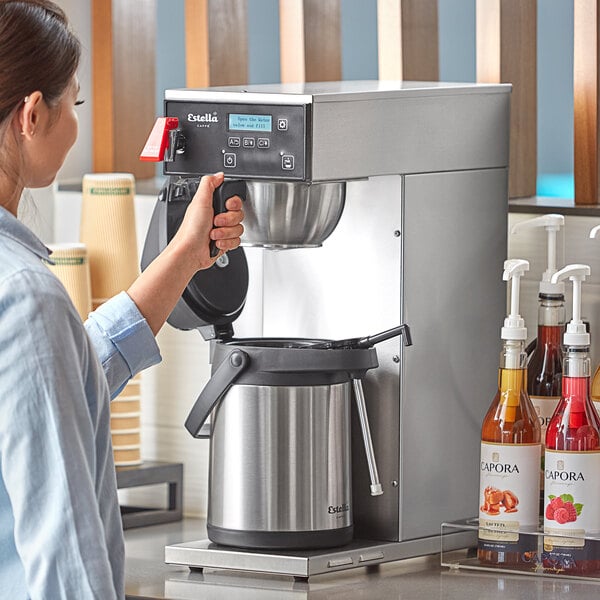
Serving drinks is just as important as filling food orders. If you own a coffee shop, bar, or juice bar, these appliances are the backbone of your operation. However, standard restaurants still need the following beverage equipment items to accommodate their customers.
- Coffee Brewer: Coffee is a popular beverage, making a basic coffee brewer a necessity even if you're not opening a cafe or bakery.
- Hot Water Dispensers: These are essential for providing instant hot water for tea, oatmeal, or other prep needs.
- Refrigerated Beverage Dispensers: Refrigerated beverage dispensers are ideal for dispensing batch-made juices, cold brew coffee, tea, lemonade, or cocktails.
- Soda Fountain Machines: Commercial soda machines and drink fountains are a mainstay in a restaurant, allowing you to dispense carbonated soft drinks quickly and consistently.
- Beer Dispensers: If you're planning to serve beer on tap, you will need a commercial kegerator. Single- and double-tap models are great options for those who may not have the space or budget for a full-service bar but still want the flexibility of offering rotating draft selections.
- Wine Cooler: Wine refrigerators safely store wine while keeping it at optimal temperatures so that it's always ready to serve.
- Water Filtration Systems: Designed to improve overall water quality, commercial water filtration systems help protect both beverage equipment and plumbing infrastructure from mineral buildup and scale. They can be installed at the main water line or at specific points of use, such as coffee machines or ice makers, to enhance performance, extend equipment life, and improve the taste and clarity of beverages.
4. Refrigeration Equipment
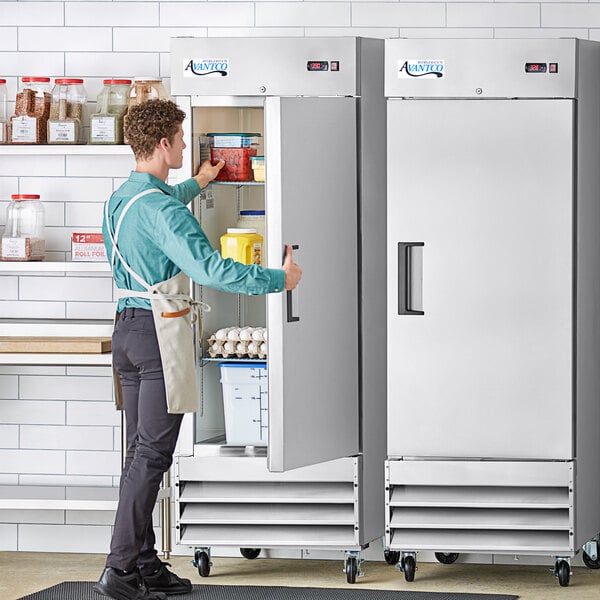
From reach-ins to undercounter units, there are many different styles of refrigeration equipment, and your preferred option will depend on your type of restaurant and your specific refrigeration needs. Refrigeration equipment is critical for food safety, inventory management, and regulatory compliance. It ensures ingredients stay fresh and reduces waste.
- Refrigerator: Some common types of refrigerators include walk-in coolers, reach-in fridges, pass-through options, or prep fridges. Your restaurant will likely require a combination of different types.
- Freezer: Like refrigerators, freezers come in various sizes and styles to suit your needs and food capacities. Use proper cold storage practices to avoid cross-contamination.
- Refrigerated Prep Table: Combining a convenient workspace with cold storage, refrigerated prep tables are ideal for preparing sandwiches, salads, and other fresh foods. They keep ingredients chilled and easily accessible.
- Blast Chiller: Rapidly cools hot food to safe temperatures, significantly reducing bacterial growth and ensuring compliance with food safety standards. It is especially useful for large batches or meal prep in high-volume kitchens.
- Ice Machine: Produces a consistent supply of ice for beverages, food displays, and cooling needs. Reliable ice production helps maintain service flow and ensures drinks and ingredients stay properly chilled.
- Ice bin: These bins provide hygienic storage for ice, keeping it clean, accessible, and ready for service. They help maintain sanitation standards and supports smooth operation during busy shifts.
5. Storage Equipment
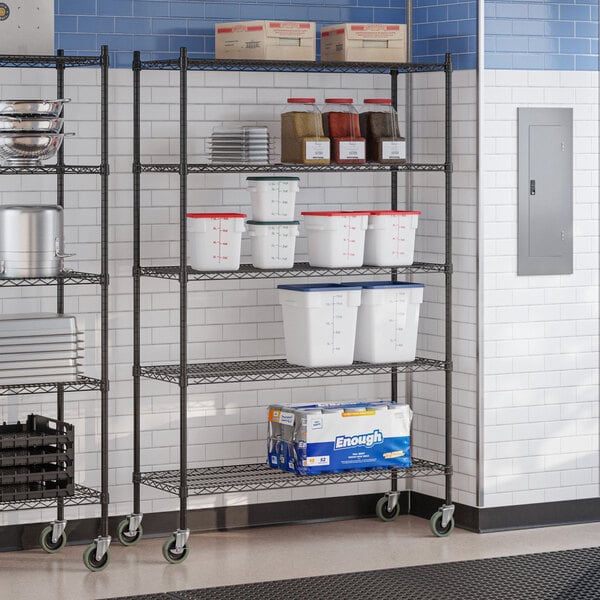
Storage equipment keeps your kitchen and workspaces tidy, increasing productivity and reducing workplace accidents. As you purchase and use these items, follow proper food storage guidelines to ensure food safety.
- Shelving: Shelving is instrumental in organizing dry goods, smaller equipment, and supplies. Use shelving in your walk-in cooler or freezer to store different foods, or place it in the kitchen to keep pots, pans, dinnerware, and dry ingredients accessible. There are several different shelving options available in many sizes and configurations, such as stationary, mobile, or wall-mounted units, to streamline your kitchen's organization.
- Bussing and Utility Cart: Bussing and utility carts are handy in all areas of kitchen operation. Utilize them in the front-of-house area for bussing tables or in the back-of-house area for moving heavy equipment or ingredients.
- Sheet Pan Rack: Sheet pan racks can store and transport foods, but you can also use them for holding and proofing bread. Sheet pan racks are tall rather than wide, so they don't cover valuable counter space in cramped kitchens.
- Food Storage Container: Food storage containers are the perfect multi-purpose tools for storing prepped ingredients, mixing sauces and stocks, or holding dry items like pasta or rice. Many containers come with colored lids or markings for easy organization.
- Ingredient Bin: Use ingredient bins for holding large quantities of dry goods like flour, sugar, or rice.
- Drying Rack: Drying racks provide a place to store and air-dry dinnerware, glassware, cookware, cutting boards, and utensils.
- Dunnage Rack: Dunnage racks also dry equipment, but they sit only a few inches off the floor for increased stability. Use them for heavy items such as canned goods, rice, or large appliances.
6. Food Prep Equipment
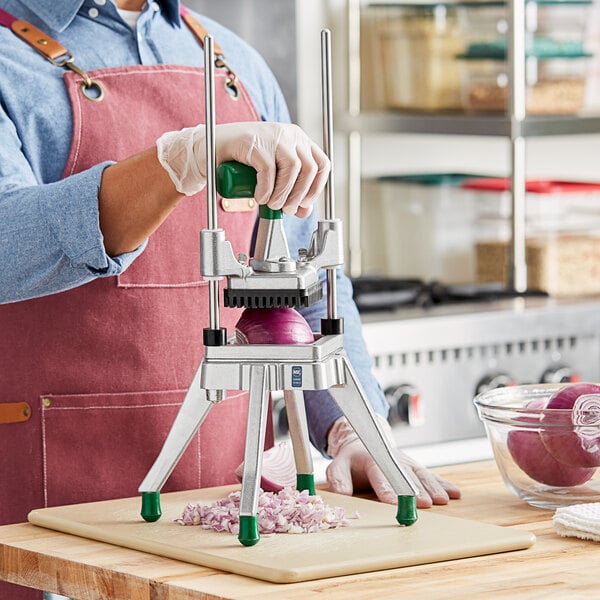
Restaurants have different requirements for food prep equipment depending on their recipes. However, most foodservice establishments use a few key items to increase the efficiency of their kitchen.
- Food Processor: These versatile appliances can help reduce valuable prep time. Use them to chop, slice, dice, and puree ingredients quickly.
- Fruit and Vegetable Cutter: Automate the cutting, dicing, and slicing of vegetables, from potatoes and onions to apples and tomatoes, for speed and consistency.
- Mixer: While bakeries and pizza shops rely heavily on commercial mixers, this versatile appliance can benefit virtually any restaurant by streamlining food prep and improving consistency. Use it to quickly prepare large batches of sauces, dressings, mashed potatoes, or even house-made dough.
- Blender: Most commonly found in bars and cafes, blenders have many uses ranging from mixing drinks, combining sauces, or creating marinades.
- Immersion Blender: Make short work of chopping, mixing, or blending jobs right in the bowl or stock pot with immersion blenders.
- Salad Spinner / Dryer: Use a salad spinner to remove excess water from greens to improve texture and presentation.
- Spice Grinder: While using pre-ground spices is economical, freshly ground spices and herbs have a unique flavor that can give your recipes more depth.
- Work Table: Place appliances and equipment on these sturdy prep tables or use them as a surface for prepping ingredients or assembling dishes.
- Portion Scale: Use a portion scale to ensure accurate measurements for cost control and recipe consistency.
- Can Opener: Use commercial can openers to open bulk food cans safely and efficiently. The best can opener depends on how many cans you open per shift and what can size you handle most often.
7. Smallwares
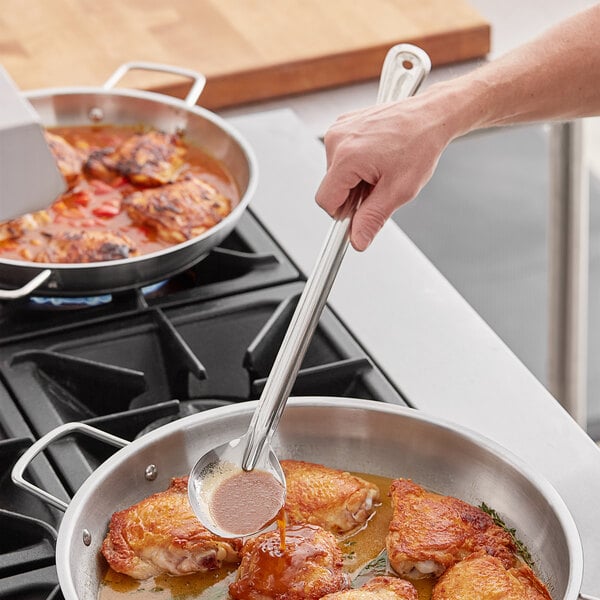
Smallwares is an all-encompassing term for cookware, cutlery, hand tools, and other kitchen supplies that keep your operation running smoothly. Though often overlooked, they are essential for execution, plating, and consistency. Carefully consider the quantity of each item when ordering smallwares for your kitchen to make sure you have enough to get through peak order times.
- Kitchen Cutlery: Arguably the most important smallware in the kitchen, every operation needs a sharp chef knife. You will likely need other knife types, such as paring and utility knives, vegetable peelers, and kitchen shears, to handle different prep tasks.
- Cutting Board: There are many types of cutting boards available with different materials that lend themselves to specific tasks. Make sure you color code your cutting boards to prevent cross-contamination and follow HACCP guidelines.
- Mixing Bowl: Purchase multiple sizes of mixing bowls for different applications, such as blending batter or whisking eggs.
- Pan: There are many kinds of pans, such as sauce, saute, braising, and fry pans. Consider which types and how many your kitchen needs before placing your order.
- Pot: Similar to pans, there are multiple types of pots, such as stock pots, double boilers, pasta cookers, sauce pots, and more specialized options.
- Whisk: Whisks are valuable tools that incorporate air into your ingredients, giving them a light and fluffy texture. You can also choose from the different types of whisks for the one that best suits your needs.
- Hotel Pan / Steam Table Pan: Prepare dishes in the oven in food pans or use them to hold food in a food warmer until it's ready to serve. Food pans are especially crucial for caterers and buffets when transporting and serving food.
- Kitchen Spoon: Stir sauces in the back-of-house area, serve foods at your buffet, or remove ingredients from a bowl with kitchen spoons. There are several different types of kitchen spoons for cooking, serving, and measuring purposes.
- Turners: If your restaurant or diner uses griddles, charbroilers, or grills, turners protect your staff from burns. Choose turners with high-heat handles to keep your employees' hands safe.
- Tongs: Tongs have a lot of utility, and you can use them for food prep, plating, or serving purposes, depending on your needs. Almost every operation would agree that tongs are one of the kitchen tools chefs can't live without.
- Ladle: A ladle is used to portion sauces, soups, and stocks while ensuring accurate volume control.
- Measuring Cup: Keep measuring cups and spoons on hand to help ensure recipe accuracy and consistency in every dish.
- Thermometer: Thermometers are used to monitor food temperatures for both safety and quality, and are available in probe and infrared styles.
- Timer: Use a kitchen timer to help track cooking times and prevent overcooking in a busy kitchen.
- Colander / Strainer: Drain liquids from pasta, vegetables, canned goods, and other foods with colanders and strainers.
8. Kitchen Disposables
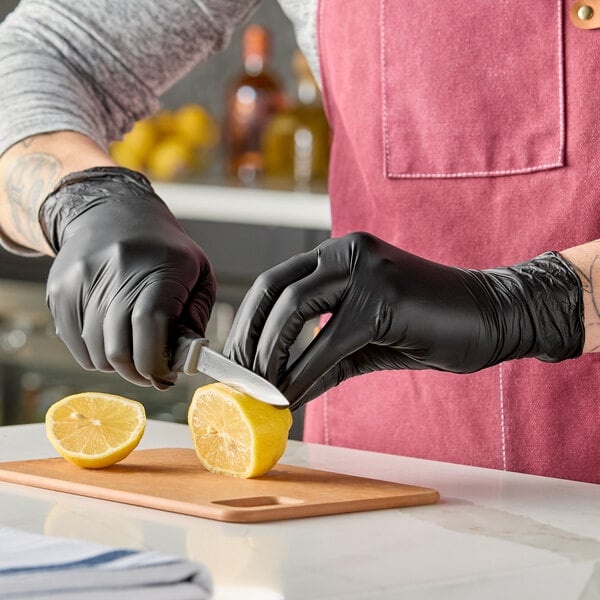
Disposables for the back-of-house are essential for takeout, food storage, and maintaining hygiene standards. They provide convenience while supporting food safety and customer experience.
- Food Wrapping Paper / Foil: Used to wrap and protect food items, these materials help maintain freshness and prevent contamination. They are ideal for storing prepared foods, lining trays, or packaging items for takeout or delivery.
- Deli Sheet: Designed to separate and handle food items hygienically, deli sheets prevent cross-contamination and sticking. They are commonly used for layering meats, cheeses, baked goods, or other prepared foods.
- Deli Container: Perfect for storing premade sauces, sides, or leftovers, deli containers are also widely used for takeout and delivery orders. They keep food secure, organized, and easy to portion.
- Gloves: Food-safe disposable gloves protect dishes from contamination during handling and preparation. They are essential in maintaining hygiene standards, especially when working with ready-to-eat foods.
- Hair Net / Beard Net: Used in food prep areas to maintain hygiene standards, hair nets and beard nets prevent stray hairs from contaminating food. They are a key part of compliance with health regulations in commercial kitchens.
- Paper Towels: Paper towels allow staff to quickly clean hands, surfaces, and spills, supporting overall kitchen cleanliness. They are convenient, disposable, and help reduce the spread of germs.
- Trash Bags: Trash bags contain and dispose of waste efficiently, keeping workspaces clean and organized. Using the right size and strength ensures safe handling of food scraps and packaging materials.
- Food Label Stickers: These stickers help track when foods were prepared, making it easier to rotate stock using the FIFO (First In, First Out) method. Proper labeling supports food safety, reduces waste, and ensures compliance with health regulations.
9. Janitorial Equipment
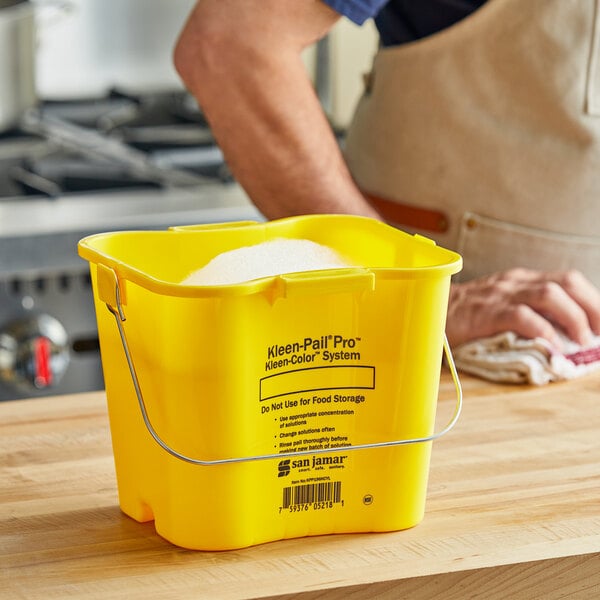
Cleanliness is paramount in the foodservice industry, so your new business needs a stock of janitorial equipment and cleaning supplies. Different restaurants may require various cleaning supplies depending on their appliances and flooring, but there are a few universal necessities.
- Microfiber Cloths and Cleaning Rags: Microfiber cloths and rags have many uses in restaurants, from cleaning up spills, wiping down tables and chairs, polishing glassware, and more.
- 3 Compartment Sink: Use 3 compartment sinks to clean and sanitize your products completely and follow health codes. In addition to your compartment sink, you'll also need to invest in a grease trap and a commercial faucet.
- Handwashing Sinks: Install dedicated handwashing sinks near your prep area for staff hygiene to prevent contamination.
- Foodservice Chemicals and Sanitizers: Choose the right chemicals for cleaning your commercial equipment, and don't forget sanitizing chemicals that keep your products safe.
- Trash Cans and Recycling Bins: Every establishment needs a place to dispose of their trash, so place trash cans and recycling bins strategically throughout your establishment.
- Mops and Mop Buckets: Mopping your floors at the end of the day helps clean up any spills and messes that accumulate during service.
- Floor Mats: Ideal for prep and dishwashing areas, anti-fatigue and anti-slip floor mats improve staff safety and comfort.
- Wet Floor Signs: Wet floor signs alert customers and employees to take caution when walking on slippery floors.
- Scrubbers and Sponges: Order a variety of scrubbers and sponges with different abrasiveness so you have heavy-duty options for stuck-on messes or soft sponges for cleaning delicate items.
- Restroom Supplies: Stock up on restroom supplies like toilet paper, paper towels, hand soap, urinal cakes, and baby changing tables.
- Brooms and Dustpans: Sweep up food dropped on the floor, dust, and more with brooms. You can use them to clean up messes in the front or back-of-house area.
- Cleaning Chemical Buckets: Mix cleaning chemicals safely by using these proper cleaning chemical buckets. These buckets come in different colors, allowing you to color code them for easier organization.
10. Dishwashing Equipment
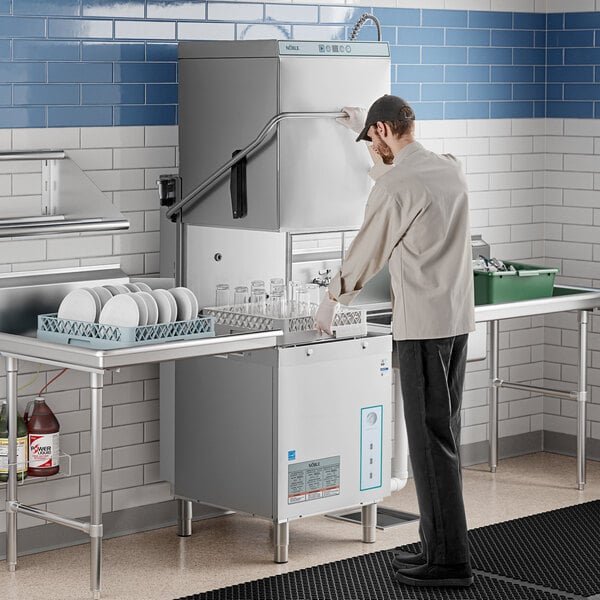
Efficient dishwashing equipment keeps operations running smoothly and ensures sanitation standards are met. It also reduces labor and turnaround time during busy service periods.
- Commercial Dishwasher: Designed to clean large volumes of dishes quickly, these machines are essential for maintaining efficiency in a busy kitchen. They also sanitize dishes at high temperatures, helping meet health and safety standards while reducing manual labor. There are various dishwasher types from standard single and double rack dishwashers to more specialized pot and pan washers or high-volume conveyor dishwashers.
- Glass Washer: Specifically designed for delicate glassware, these machines provide gentle yet effective cleaning. They help prevent breakage and spotting, ensuring glasses come out clean and presentation-ready.
- Dishtable: Provide a designated space to organize and stage dirty dishes before they enter the wash cycle. They help streamline the dishwashing process, keep the station orderly, and improve workflow in a busy kitchen.
- Pre-Rinse Spray Valve: Used to remove food debris before dishwashing, these valves improve cleaning efficiency and reduce strain on dishwashing equipment. They also help conserve water compared to traditional rinsing methods.
- Garbage Disposal: Install a commercial garbage disposal to efficiently and economically handle food waste. It grinds waste into small particles, keeping sinks clear and reducing the risk of clogs.
- Grease Trap: Designed to capture fats, oils, and grease before they enter the plumbing system, grease traps help prevent clogs and costly backups. They are also essential for meeting local regulations and maintaining a safe, compliant kitchen environment.
- Dish Rack: Used to hold dishes securely during both washing and drying cycles, dish racks help prevent damage and ensure proper water flow. They also improve organization and streamline the dishwashing process.
- Dish Cabinet: Provide a clean, organized space to store dishware after it has been washed and sanitized. They help protect items from contamination while keeping plates, bowls, and other essentials easily accessible for service.
With the right equipment strategy in place, you’ll be better prepared to build a kitchen that supports both your opening day and long-term success. With options ranging from food prep supplies to refrigeration equipment, this comprehensive list will help choose the right combination of equipment that fits your restaurant's concept, menu, and service style. By selecting appliances and tools that match your specific needs, you can avoid overspending, improve productivity, and set a strong operational foundation from day one.

Corrinn loves writing, researching, and cooking, so she’s grateful she’s gotten to blend these three passions as a longform writer on the content team at WebstaurantStore for 5 years and counting. Creating resources that help operators succeed and lacing them with entertainment to make them smile is her "why".
Learn more about this author and WebstaurantStore's Content Writing Team here!