
- Topics 1586
- Industrial 59
- Troubleshooting Guides 32
- Restaurant Management 144
- Bar Management 70
- Catering Tips 46
- Bakery Management 47
- Food Trucks & Concessions 44
- Advertising & Marketing 41
- Eco-Friendly Tips 13
- Facility Layout & Design 47
- Coffee Shop Tips 32
- Installation & Maintenance 63
- Janitorial & Pest Control 34
- Safety & Sanitation 123
- Startup Tips 111
- Menu Design 11
- Kitchen & Cooking Tips 104
- Hospitality Management 26
- Pizza & Sandwich Shop Tips 28
- Smallwares 42
- Food Prep 103
- Tabletop Items 21
- Disposables 28
- Calculators & Tools 7
- Consumables 76
- Warewashing & Laundry 22
- Cooking Equipment 105
- Food Storage & Refrigeration 58
- Beverage Equipment 43
- Office Supplies 6

Whether you're operating a busy kitchen or picking inventory in a warehouse, using the right cart can greatly improve the efficiency of your day-to-day tasks. There is an array of different types of carts available, each made to suit the needs of a commercial workspace. We break down the differences between these carts and list out important purchasing considerations so you can make an informed decision when selecting one for your business.
Shop All Carts
When it comes to choosing the right cart for your commercial operation, it's important to consider the specific needs of your business. By understanding the differences between these cart types, you can select the best option to streamline your workflow. Here are some common types of carts used in commercial settings:
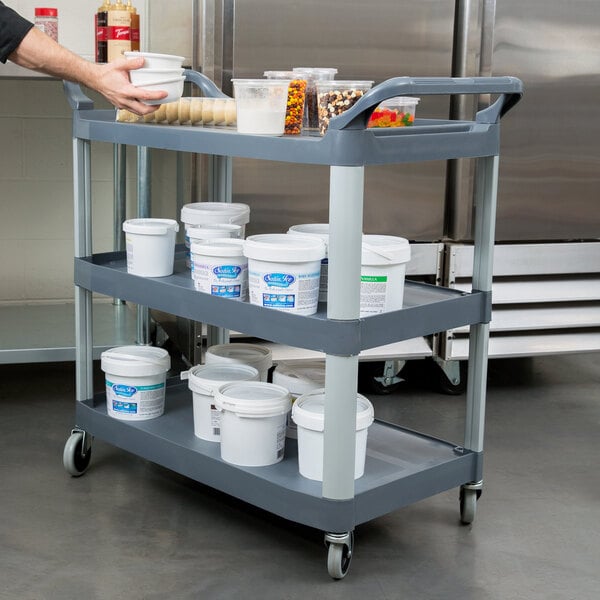
1. Utility Carts
Utility carts are versatile and essential tools for various commercial settings, including restaurants, hotels, and warehouses. These carts are designed to transport a wide range of items, such as dishes, supplies, and equipment, making them ideal for streamlining operations and improving efficiency. Utility carts come in different sizes and configurations, with features like shelves, handles, and wheels that cater to specific needs. Whether you need to bus tables in a restaurant or transport janitorial supplies in a hotel, utility carts are a practical solution for enhancing productivity and organization.
- Use: Multi-functional, busing tables, ingredient and supplies transport, meal prep
- Business Type: Warehouses, hotels, and restaurants
- Varieties: Plastic utility carts, metal utility carts, enclosed utility carts, folding utility carts
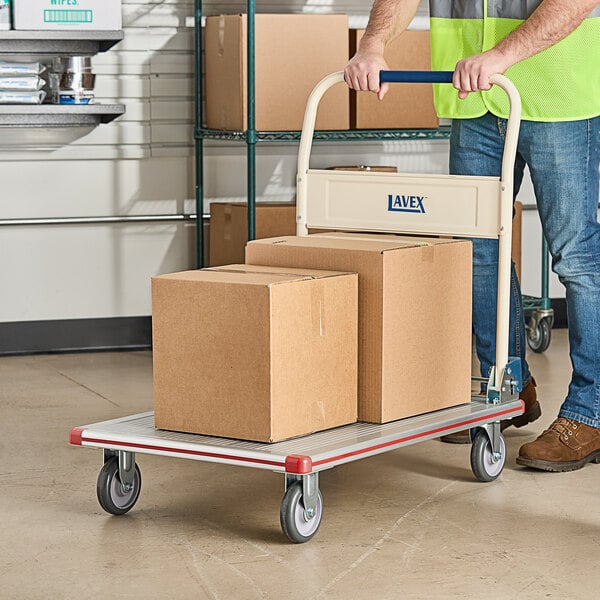
2. Platform Trucks
Platform trucks are essential tools for transporting heavy loads in commercial settings. These versatile carts feature a flat platform that provides a stable surface for carrying large items, making them ideal for different types of warehouses, factories, and distribution centers. Platform trucks are available in various sizes and weight capacities to suit different needs, with options for removable handles, six wheels for added stability, and adjustable platforms for varying load sizes. These durable and efficient carts streamline material handling tasks and enhance productivity in busy work environments.
- Use: Moving bulky and heavy loads
- Business Type: Warehouses, factories, and distribution centers
- Varieties: Plastic platform trucks, dual handle platform trucks, U-boat platform trucks, wagons
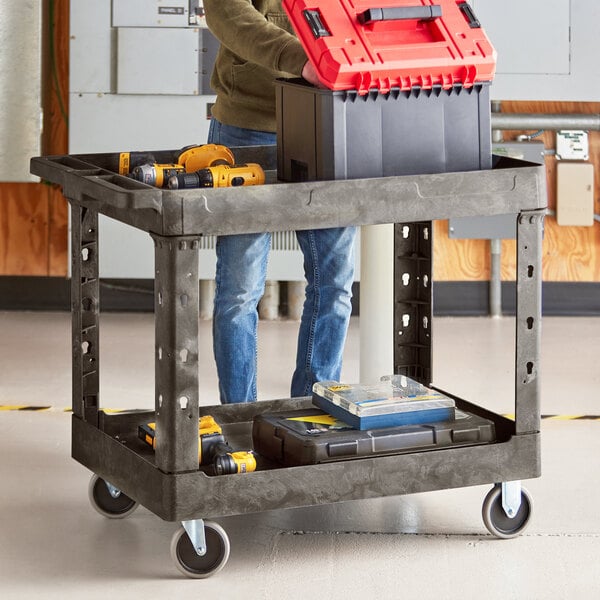
3. Industrial Carts and Maintenance Carts
Industrial carts are designed with durable materials such as steel or aluminum to withstand heavy use and rough terrain. Maintenance carts are used for organization and efficiency in daily tasks around warehouses, manufacturing facilities, and distribution centers. They can feature compartments and shelves for storing tools, equipment, and supplies, making them ideal for janitorial services, facility maintenance, and repair work. These carts are crucial for streamlining operations and increasing productivity in commercial settings.
- Use: Transporting materials and tools
- Business Type: Warehouses, distribution centers, and industrial job sites
- Varieties: Structural-foam industrial carts, multi-shelve industrial carts, industrial carts with doors, foldable industrial carts
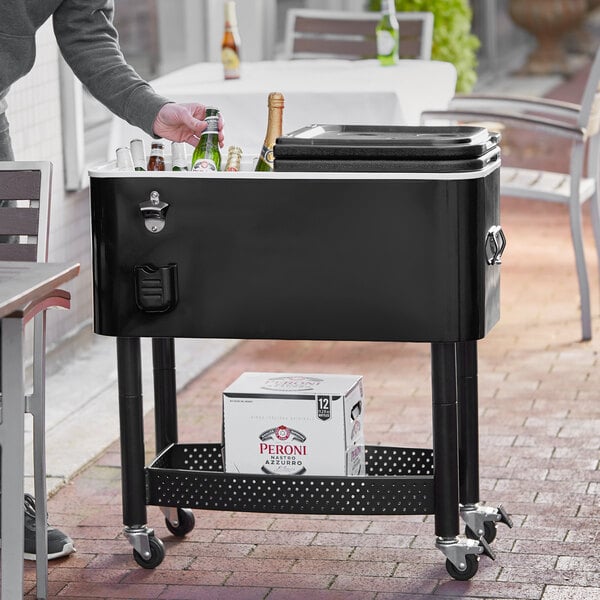
4. Serving Carts
Serving carts are designed to transport and serve food and beverages efficiently, making them ideal for catering events, banquet halls, and upscale restaurants. Serving carts come in various styles, including traditional wooden carts, modern stainless steel carts, and sleek laminate carts, allowing businesses to choose a design that complements their decor. With features like multiple shelves, built-in trays, and swivel casters for easy maneuverability, serving carts are a practical and stylish addition to any commercial kitchen looking to enhance its customer experience.
- Use: Transport and display food and beverages
- Business Type: Catering events, buffets, and upscale restaurants
- Varieties: Beverage carts, buffet carts, condiment carts, dessert carts

5. Dish and Tray Carts
Dish and tray carts are essential for transporting dishes, trays, and other items in commercial kitchens, catering facilities, and dining establishments. These carts are designed with multiple openings or levels to accommodate a large number of trays or dishes, making them ideal for busy foodservice operations. Dish and tray carts are commonly made of durable materials such as stainless steel or polyethylene to withstand heavy use and frequent cleaning. Efficient and convenient, dish and tray carts help streamline foodservice operations and ensure smooth and organized meal delivery.
- Use: Transporting dishes and tableware
- Business Type: Cafeterias, catering halls, fine dining establishments
- Varieties: Dish caddies, tray caddies, silverware carts, combination carts, plate cover caddies
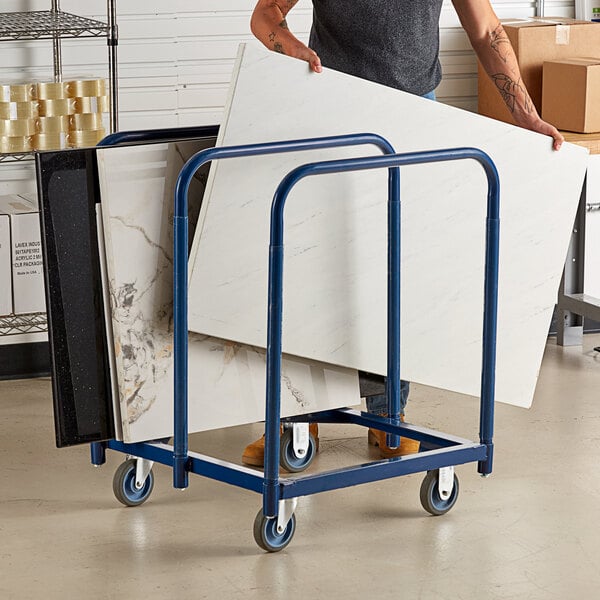
6. Table Carts
Ideal for event venues and banquet halls, table carts make it easy to transport and store tables efficiently, saving time and effort during setup and breakdown. Designed with sturdy frames and smooth-rolling wheels, these carts can safely transport multiple tables at once, saving time and reducing physical strain on staff. Additionally, many table carts feature chair hooks and adjustable sizing to accommodate different types of folding tables.
- Use: Transporting and storing tables
- Business Type: Banquet halls, event venues, and catering businesses
- Varieties: Table carts, chair and table carts, chair and coat carts, stacking table truck
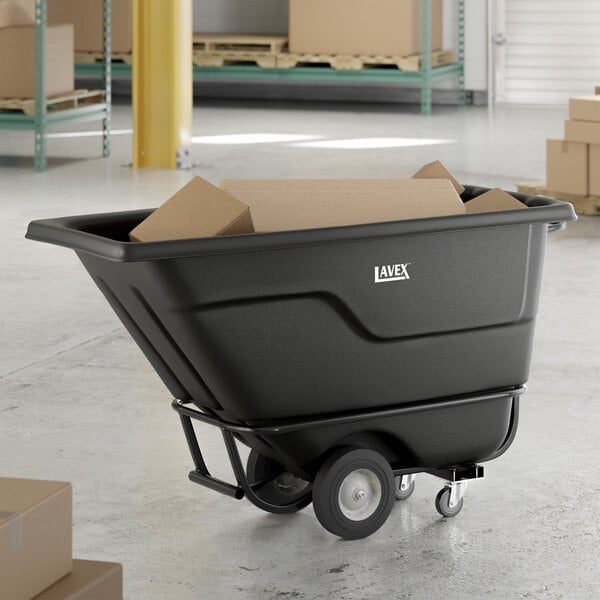
7. Trash Carts
Trash carts provide efficient waste management in commercial settings. These carts come in various sizes and styles, such as tilt trucks, cube trucks, and recycling carts. Tilt trucks are ideal for heavy-duty use and easy dumping, while cube trucks are versatile for transporting various materials. Recycling carts are designed specifically for sorting recyclables. With durable construction and ergonomic designs, trash carts help businesses maintain cleanliness and organization in their facilities.
- Use: Handling heavy loads of waste and debris
- Business Type: Factories, construction sites, and warehouses
- Varieties: Tilt trucks, cube trucks, forkliftable trash carts, towable trash carts, recycling bins, motorized trash carts

8. Laundry Carts
Laundry carts are perfect for businesses in the healthcare and hospitality industries to efficiently transport linens, towels, and clothing. These carts are typically made of durable frames and canvas bags that can support large loads of laundry. Some models come with convenient features such as removable bags for easy cleaning, sturdy wheels for maneuverability, and ergonomic handles for comfortable pushing and pulling. Laundry carts help streamline laundry operations, saving time and labor costs while ensuring a hygienic and organized workflow.
- Use: Collecting and transporting soiled linens and garments
- Business Type: Hotels, hospitals, and laundromats
- Varieties: Small bushel laundry carts, medium bushel laundry carts, large bushel laundry carts, laundry hampers, linen trucks, towel valets
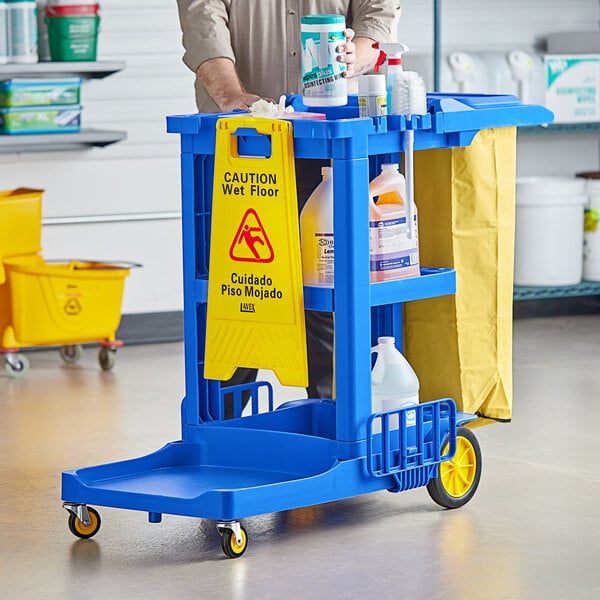
9. Janitorial Carts
Janitorial and housekeeping carts play a crucial role in maintaining cleanliness and organization in commercial settings. These janitorial carts typically feature compartments for storing cleaning supplies, trash receptacles, and mop and broom holders, making it easy for janitorial and housekeeping staff to move efficiently from one area to another. Housekeeping carts are equipped with compartments for stocking linens, towels, and guest amenities. Some carts feature locking cabinets for secure storage of chemicals and other sensitive materials, while others have ergonomic handles and wheels for smooth maneuverability.
- Use: Holding and transporting cleaning supplies and guest essentials
- Business Type: Restaurants, hotels, office buildings, and hospitals
- Varieties: All-in-one sets, cleaning caddies, bar restocking cart, quick carts
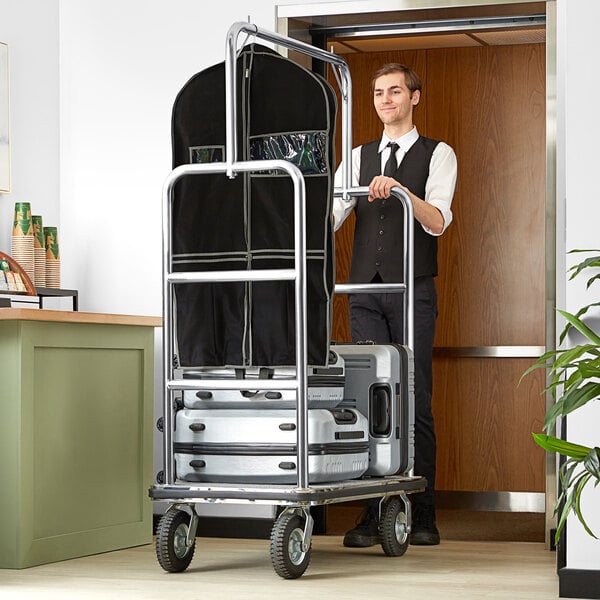
10. Housekeeping Carts
Found in airports, hotels, and transportation hubs, luggage carts provide travelers with a convenient way to transport their belongings, offering ease and convenience during their journey. Designed with sturdy frames and smooth-rolling wheels, these carts can support heavy luggage while navigating through busy corridors with ease. Some models feature additional amenities like hooks for hanging bags or carpeted bottoms for extra traction, providing convenience and peace of mind for both staff and guests.
- Use: Transporting guest belongings
- Business Type: Hotels, airports, and transportation hubs
- Varieties: Bellman carts, hand trucks, luggage platform trucks
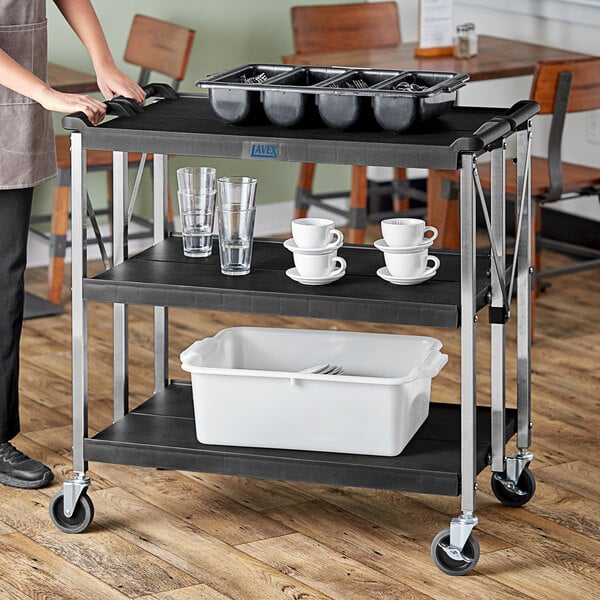
When selecting a cart for your commercial operation, it's essential to consider the material of the cart to ensure it meets the specific needs of your business. Here are some common materials used in commercial carts:
- Stainless Steel: Known for its durability and resistance to corrosion, stainless steel carts are ideal for heavy-duty applications in foodservice, healthcare, and industrial settings.
- Polyethylene: Light weight and easy to clean, polyethylene carts are often used in food preparation areas and healthcare facilities due to their hygienic properties.
- Aluminum: Aluminum carts are light weight yet sturdy, making them perfect in restaurants, catering services, and warehouses for transporting goods efficiently.
- Vinyl: Vinyl carts are easy to clean and maintain, making them suitable for use in hotels, schools, and janitorial services where cleanliness is paramount.
- Canvas: Carts featuring canvas bags are versatile and flexible, making them ideal for transporting laundry, linens, and other soft goods in hotels, hospitals, and laundromats.
- Heavy Duty Structural Foam: Constructed from durable structural foam, these carts are designed to withstand heavy loads and rough handling, making them perfect for industrial, warehouse, and manufacturing environments.
Cart usage can vary based on the type of cart being used. By selecting the appropriate cart based on the intended usage, businesses can improve productivity, reduce manual handling risks, and streamline their operations effectively. Here are some of the most common durability levels based on usage:
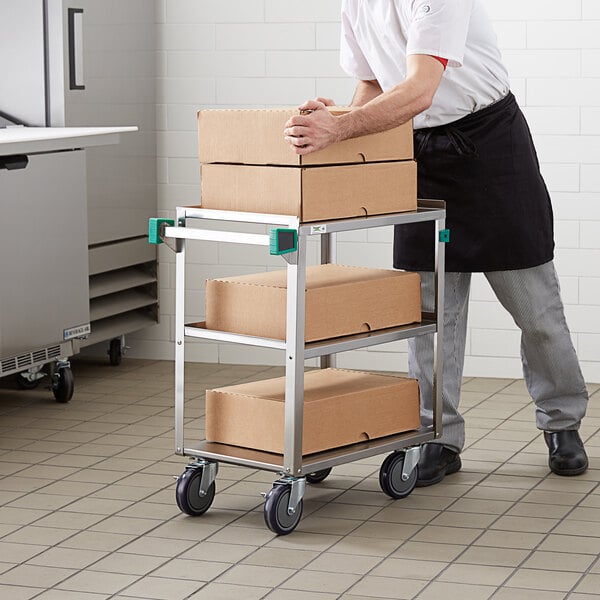
Light-Duty Carts
Light-duty carts are ideal for transporting light weight items such as small boxes, office supplies, or cleaning supplies. They are commonly used in offices, schools, and retail stores for easy maneuverability and storage of small items.
- Maximum Total Weight Capacity: Less than 300 lbs.
- Maximum Daily Hours of Use: 3 hours
- Typical Uses: Janitorial, catering, bussing
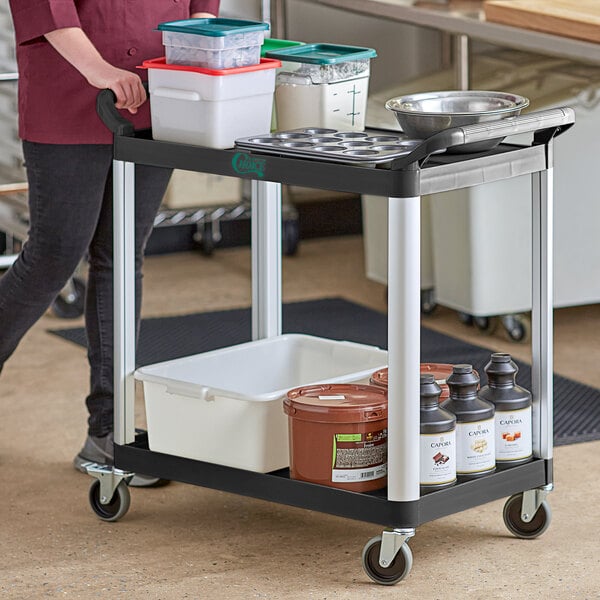
Medium-Duty Carts
Designed for transporting moderate weight loads such as food trays, supplies, or tools, medium-duty carts are suitable for use in restaurants, hotels, warehouses, and healthcare facilities that are looking for the efficient movement of goods.
- Maximum Total Weight Capacity: 300 - 700 lbs.
- Maximum Daily Hours of Use: 12 hours
- Typical Uses: Table set up, receiving, bussing, glassware handling
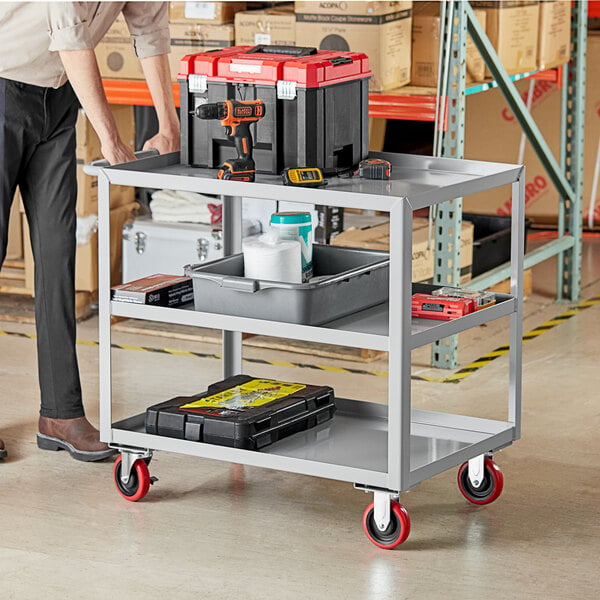
Heavy-Duty Carts
Heavy-duty carts are built to handle heavy and bulky items such as large boxes, equipment, or industrial materials. They are widely used in manufacturing plants, construction sites, and distribution centers for their durability and capacity to carry substantial loads.
- Maximum Total Weight Capacity: 700+ lbs.
- Maximum Daily Hours of Use: 18 hours
- Typical Uses: Storage room, receiving, industrial material transport
When choosing a cart for your commercial operation, it's essential to consider the various features that can enhance its functionality and convenience. Here are some key features to look for in commercial carts:
- Shelves: The number and arrangement of shelves on a cart can significantly impact its storage capacity and organization. Look for carts with multiple shelves to maximize storage space and keep items organized. Many carts also have a lip on all four sides of the shelf or on three sides to prevent items from sliding off or containing spills.
- Adjustable Height: Carts with adjustable height settings offer versatility in accommodating various tasks and user preferences. This feature allows for ergonomic positioning and can help reduce strain on employees during use.
- Ergonomic Handles: Ergonomically designed handles are crucial for comfortable and efficient cart maneuverability. Look for carts with handles that are easy to grip and maneuver, reducing the risk of hand fatigue and injuries.
- Folding/Convertible Design: Carts that feature a folding or convertible design are ideal for saving space when not in use. This feature allows for easy storage and transportation, making the cart more versatile and practical in a commercial setting.
- Locking Cabinets: For secure storage of valuable items or sensitive materials, carts with locking cabinets provide added security and peace of mind. Locking cabinets are essential for maintaining the confidentiality and safety of stored items.
- Casters with Brakes: Casters with brakes offer stability and control when moving the cart, preventing it from rolling away unintentionally. This feature is crucial for ensuring safety in busy commercial environments and when loading or unloading items onto the cart.
There are several key considerations to keep in mind to ensure that you choose the right cart for your specific needs. Understanding factors such as the weight of the average load, floor surface types, and hours of usage will help you choose a cart with the proper load capacity for your application.
- Weight of Average Load: Consider the weight of the average load that the cart will be transporting. Ensure that the cart's weight capacity aligns with the demands of your operation to prevent overloading and potential damage to the cart.
- Floor Surface Types: Take into account the types of floor surfaces the cart will be maneuvering on. Different carts are designed for specific surfaces such as smooth concrete, carpeted areas, or uneven terrain. Select a cart with appropriate wheels and casters to ensure smooth movement without causing damage to the floor.
- Hours of Usage: Evaluate the expected hours of usage for the cart within your commercial setting. For heavy-duty applications that require continuous use, opt for carts constructed with durable materials and reinforced frames to withstand constant handling and transportation tasks.
Cart Capacity Calculator Instructions
This calculator takes into account typical environmental factors to determine the total load capacity that would work best for a cart in your application. Simply enter the estimated weight of typical items you will transport. Start with 100, even if the items you will transport are less than 100 lb., to account for the base weight. Check the boxes that apply to your situation, click "Calculate", and view the total in the "Total Load Capacity" field. To clear the fields and calculate again, click the "Reset" button.
Total load capacity is the total weight that your cart can hold and transport. This assumes that the weight is distributed evenly over all of the shelves. To find the total load capacity, simply add together the weights of all the items on all the shelves. To find the capacity of a single shelf, divide the cart's total load capacity by the number of shelves. The total load capacity below is shown in pounds.
Total Load Capacity Calculator for Carts
Whether you require a heavy-duty utility cart for transporting bulky items, a versatile service cart for foodservice applications, or a specialized laundry cart for hospitality establishments, there is a cart designed to meet your unique requirements. Investing in high-quality carts that are designed for durability and functionality can significantly enhance your workflow and streamline daily tasks, benefitting your operation in the long run.
Related Resources

Shipping Tips for Small Businesses
Large companies lure people with fast, free shipping, but the modern, values-driven consumer prefers shopping small. If you can offer the same speed, efficiency, and convenience as bigger brands, you can run a successful e-commerce business . Use our shipping tips for small businesses to outperform online retailers and expand your reach. Shop All Shipping Supplies Navigate to the small business shipping information that interests you: Shipping Tips Best Shipping for Small Businesses Small Business Shipping Companies 3PL Explained Types of Shipping Packaging How to Calculate Shipping Costs Small Business Shipping Tips Use our small business shipping tips to save money, protect your products, and create a social media-worthy unboxing experien

Housekeeping Checklist
We've created a housekeeper checklist to help your cleaning staff prepare rooms in a quick and efficient manner. Hotels, resorts, and vacation rentals rely on their housekeeping staff to ensure that rooms and rentals are spotless and well-stocked with amenities. In addition to an organized cleaning cart, providing a housekeeping checklist that outlines all housekeeping supplies and duties will help keep your staff on track. Whether you operate a small boutique hotel or have just started a vacation rental business , a proper housekeeping checklist helps improve staff efficiency and provides a cleaner experience for guests. Click below for a downloadable housekeeping checklist template you can give to your employees: Download our Housekeeper
How to Set Up a Warehouse
If you've outgrown your current space, starting your own warehouse could be the next logical step in storing and selling your company's products online . Or it could be a profitable new venture to create a warehouse and rent out your space to other businesses. No matter what your business goals are, setting up a warehouse from scratch requires some careful planning. The layout and allocation of your space need to be mapped out early on. We've created this warehouse layout guide to help you set up any type of warehouse for maximum efficiency. Shop All Industrial Supplies Click below to learn more about basic warehouse design: Inbound Loading Dock Receiving Storage and Putaway Picking Shipping Outbound Loading Dock Other Warehouse Spaces Comm
Join Our Mailing List
Receive coupon codes and more right to your inbox.