
- Topics 1570
- Industrial 60
- Troubleshooting Guides 32
- Restaurant Management 145
- Bar Management 69
- Catering Tips 43
- Bakery Management 44
- Food Trucks & Concessions 36
- Advertising & Marketing 41
- Eco-Friendly Tips 13
- Facility Layout & Design 47
- Coffee Shop Tips 32
- Installation & Maintenance 63
- Janitorial & Pest Control 34
- Safety & Sanitation 122
- Startup Tips 110
- Menu Design 13
- Kitchen & Cooking Tips 108
- Hospitality Management 25
- Pizza & Sandwich Shop Tips 21
- Smallwares 42
- Food Prep 103
- Tabletop Items 21
- Disposables 28
- Calculators & Tools 7
- Consumables 77
- Warewashing & Laundry 22
- Cooking Equipment 107
- Food Storage & Refrigeration 57
- Beverage Equipment 42
- Office Supplies 6

Farmers markets have evolved far beyond traditional farm stands selling fresh meat and produce. Today, they function as vibrant community marketplaces where emerging food brands, cottage bakers, and artisan makers can launch and grow their businesses without the expense of a brick-and-mortar location. Whether you're selling baked goods, specialty foods, handcrafted products, or fresh produce, a well-equipped and professionally presented stand can set you apart from the competition. Below, we outline the essential supplies and equipment you'll need to stand out, operate efficiently, and maximize profitability at your next market.
Shop All Farmers Market Supplies
Use the following links to navigate our farmers market supplies list:
Your stand display is your storefront. It's the first impression customers have of your business, and it should immediately communicate what you're selling in a professional yet aesthetic manner. The right setup protects your products, enhances visibility, and encourages shoppers to stop and browse.
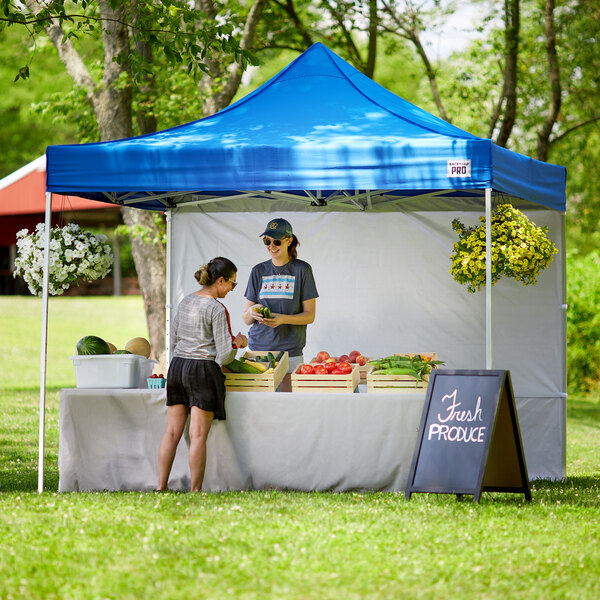
- Canopy Tent: Most farmers markets operate rain or shine, making a canopy tent a non-negotiable investment. It protects your products from sun exposure, wind, and unexpected weather while also creating a defined, professional retail space. Branded tents can further increase visibility and brand recognition.
- Folding Table: A sturdy folding table serves as the foundation of your display. Easy to transport and set up, it provides a clean, organized surface to showcase your products. Multiple tables can also help create distinct zones for sampling, checkout, or featured items.
- Disposable Table Cloths: Disposable table cloths instantly elevate the appearance of your booth while protecting your tables from spills and stains. A clean, coordinated table covering enhances your overall presentation and reinforces professionalism.
- A-Frame Sign Boards: Effective signage increases foot traffic and communicates your brand's personality and values at a glance. Use A-frame signs to display your menu, pricing, and specials, or to write out a clever phrase that facilitates conversation. A well-crafted sign can spark curiosity, build connection, and draw customers in before they ever step up to your stand.
Maintaining proper food and beverage temperatures is critical for safety and product quality. From transport to all-day holding, your equipment should keep hot foods hot and cold foods cold, protecting both your customers and your reputation. Because many farmers markets offer limited or no electrical access, vendors operating electric equipment should consider investing in a reliable generator to power refrigerated merchandisers, hot holding units, and beverage equipment throughout the event.
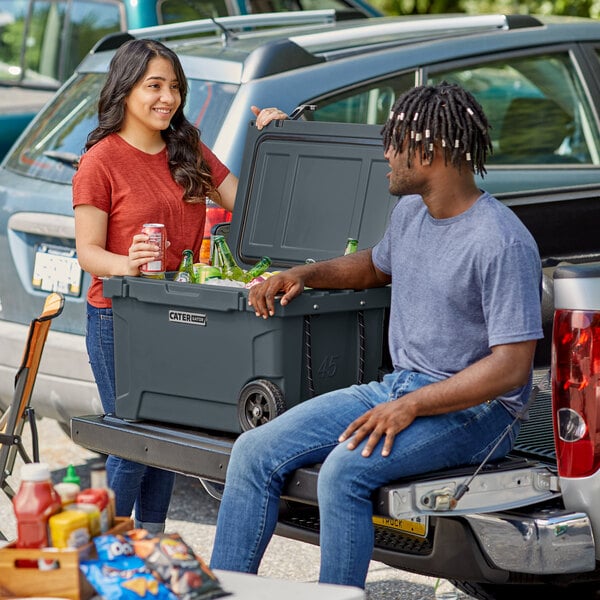
- Outdoor Coolers: If you're selling refrigerated or frozen goods, a commercial outdoor cooler is essential. It maintains safe holding temperatures and protects perishable items during transport and throughout market hours.
- Food and Produce Crates: Agricultural crates, milk crates, and meat lugs are versatile tools for transporting and organizing products. Food crates make loading and unloading efficient while doubling as structured display elements for certain setups.
- Hot and Cold Packs: Hot and cold packs help maintain proper temperatures during transport. They're especially useful for vendors traveling longer distances or operating in extreme weather conditions.
- Insulated Food Pan Carriers: For vendors selling hot foods, insulated food pan carriers help keep items safely out of the temperature danger zone during transport and holding.
- Chafing Dishes and Chafing Fuel: Many farmers markets do not provide electricity, making chafing dishes and fuel a practical solution for serving hot food. They maintain consistent heat and allow you to present hot items safely and professionally.
- Countertop Glass Door Refrigerated Merchandisers: Combining product visibility with safe cold storage, countertop refrigerated merchandisers keep beverages, desserts, and grab-and-go items at proper temperatures while allowing customers to easily view selections and encourage impulse purchases.
- Countertop Hot Food Display Cases: If you're offering wrapped foods such as burritos, breakfast sandwiches, or hot dogs, countertop hot food display cases keep items at safe serving temperatures while presenting them in a convenient, grab-and-go format. Dedicated units for pretzels and pizza not only maintain quality and heat but also create a visually enticing display that drives impulse purchases.
- Beverage Dispensers: Available in both insulated and non-insulated models, beverage dispensers are ideal for serving hot coffee, cider, cocoa, or cold drinks like lemonade and infused water. Insulated units help maintain temperature without electricity, while standard dispensers provide an efficient, self-serve or staff-served solution.
- Refrigerated Beverage Dispensers: If you have access to electricity, refrigerated beverage dispensers are perfect for juices, iced tea, lemonade, and other chilled drinks. They maintain consistent cold temperatures while displaying colorful beverages that attract attention and increase drink sales.
Visual merchandising is an important part of any shopping experience. No matter what you're selling, arranging your products in an eye-catching manner makes them more appealing to customers, encourages browsing, highlights premium items, and makes purchasing decisions easier.
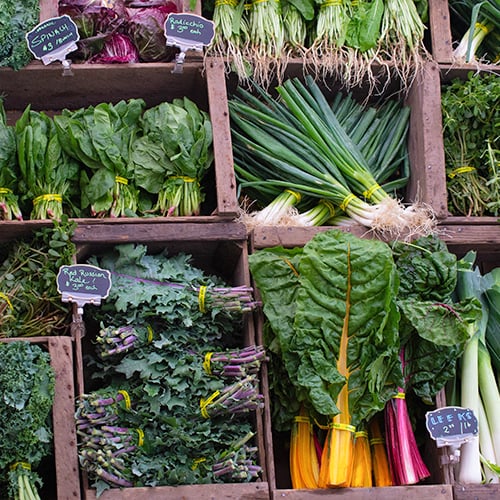
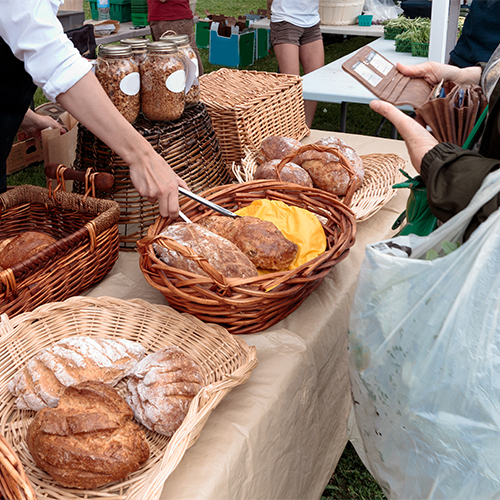
- Produce Displays: Metal, plastic, or wooden produce bins and baskets create an organized and attractive presentation for fruits and vegetables. These are especially beneficial for semi-permanent stands or vendors looking to elevate their aesthetic appeal.
- Display Stands and Risers: Add height and dimension to your table with stands and risers to make products easier to view from a distance. Multi-level displays improve visibility and allow you to showcase more products in a limited space.
- Bakery Display Cases: Bakery display cases protect pastries and baked goods while maintaining freshness. Showcasing items in a case instead of prepackaging them creates a bakery-style presentation that can elevate perceived quality. Pairing with professional display trays further strengthens the visual appeal.
- Table Cards: Use dry-erase or chalkboard table cards to label products, list prices, and disclose allergens. They reduce repetitive customer questions while demonstrating transparency.
Thoughtful packaging protects your products while reinforcing your brand's perception. Choosing the right packaging for your items should do more than protect their integrity from your stand to customer homes. Thoughtful packaging choices communicate quality, thereby reinforcing your brand's perception.
- Egg cartons: Essential for vendors selling fresh eggs, egg cartons provide secure protection during transport to and from the market, as well as on the trip home with your customers.
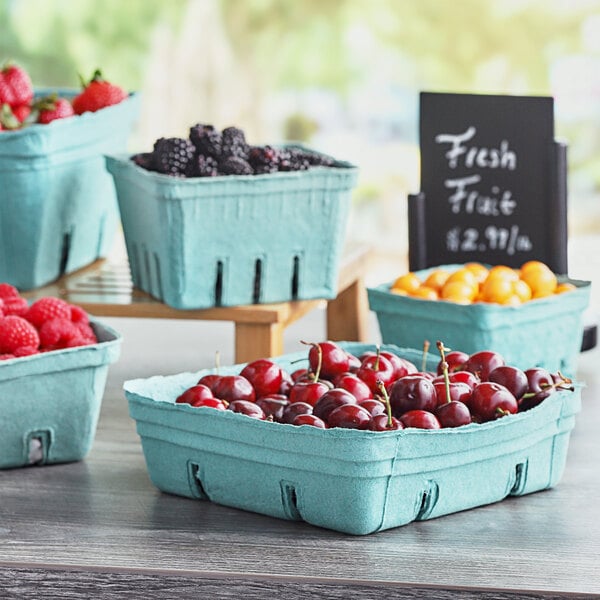
- Produce containers: Pulp berry baskets, plastic produce containers, and herb containers keep delicate fruits and vegetables protected while allowing for proper airflow. Using designated produce containers improves presentation and organization.
- Canning Jars: Canning jars are ideal for jams, pickled items, sauces, and other shelf-stable goods. Their durable construction preserves product integrity while giving customers a clear view of your product - a major selling point for colorful, handcrafted foods.
- Metal Tins: Metal tins are a sturdy and attractive packaging solution for spices, loose-leaf teas, candies, and body care products. They offer excellent product protection while delivering a premium, giftable presentation.
- Tamper-Evident Packaging: Tamper-evident packaging is especially important for pre-packaged salads, meal-prep kits, baked goods, and other ready-to-eat foods. It builds customer trust, supports regulatory compliance, and reassures shoppers that products have remained sealed and secure.
- Deli Containers: Providing unmatched versatility, deli containers can be used for soups, dips, sauces, cut fruit, and prepared meals. Their stackable design simplifies transport and storage while offering leak-resistant security for customers.
- Tin Tie Bags: Tin tie bags are ideal for packaging ground coffee, whole beans, loose-leaf tea, cookies, donuts, and other dry goods. The resealable closure helps maintain freshness while giving your products a clean, professional appearance.
- Bakery Boxes: If you operate a cottage bakery, use professional bakery boxes to ensure secure transport of your cakes, cupcakes, pastries, and confections. They protect delicate decorations and help preserve product integrity from your stand to the customer's table.
- Bakery Bags: Perfect for bread, rolls, cookies, and other baked goods, professional bakery bags offer light weight protection while allowing products to breathe, helping maintain texture and freshness.
- Grocery Bags: Always keep grocery bags on hand to make purchasing convenient for customers. Offering sturdy carry-out bags improves the overall shopping experience and encourages larger purchases.
- Butcher Paper: A must for vendors selling fresh meat, butcher paper protects products during transport, helps maintain quality, and provides a clean, traditional presentation that customers expect from meat vendors.
- Plastic Food Wrap and Cling Film: Plastic food wrap and cling film help preserve freshness, prevent contamination, and secure items for transport. They are essential for protecting prepared foods and baked goods throughout the market day.
- Produce Bags: Available in plastic or paper, produce bags offer a professional way to sell fruits and vegetables by the pound. They streamline the checkout process and are a more premium alternative to standard grocery bags.
- Tasting Spoons: Giving out free samples of your homemade jams, sauces, and spreads with tasting spoons ensures that customers know what they're getting before they spend money on your products. This approach can help seal the deal with customers who may be unsure about buying and can also establish a sense of trust and loyalty that people will hopefully share with their friends.
- Eco-Friendly Disposables: Make it convenient for customers to enjoy your products with eco-friendly servingware, utensils, and napkins. Consider choosing eco-friendly supplies over traditional disposables to lean into the environmentally responsible values that many within the farmers market community align with.
- Food Label Stickers: Display the packaging date, expiration date, ingredients, nutritional information, or allergy warnings with food label stickers. Food labels make it easy for staff to follow the FIFO system while ensuring transparency with customers.
Before heading to market, determine your payment strategy: cash-only, cashless, or a hybrid approach. Offering multiple payment options often increases overall sales, as different customers prefer different methods. If accepting cash, invest in secure storage and organized transaction tools to ensure accuracy and efficiency.
- Legal for Trade Scales: If you're pricing items by weight, a legal for trade scale ensures compliance with local regulations. It builds customer trust and protects your business from fines or disputes.
- Cash Registers or Cash Box: Cash remains one of the most common payment methods at many farmers markets, so if you plan to accept it, having a secure and organized cash storage solution is essential. A cash box provides basic storage, while a cash register offers improved organization and sales tracking for higher-volume vendors.
- Mobile POS System: A mobile POS system typically includes a smartphone or tablet paired with a card reader and POS software. Accepting debit and credit cards increases flexibility and can significantly boost sales, particularly among customers who don't carry cash.
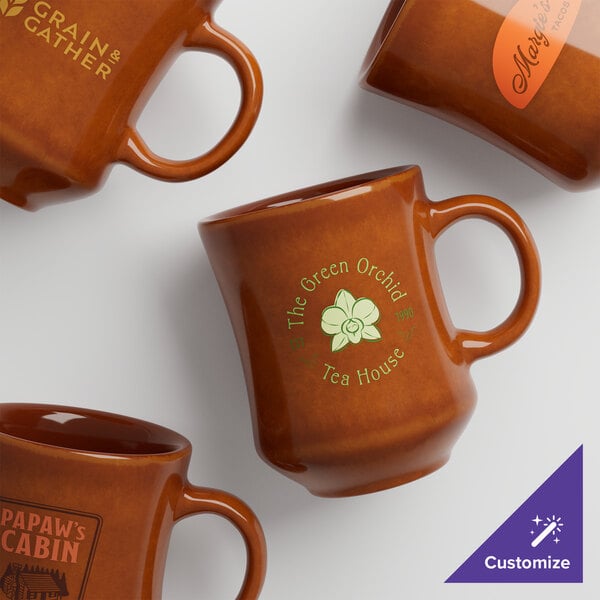
Once you've built strong brand recognition and a loyal customer base, custom merchandise can become an additional revenue stream. Many shoppers make farmers markets part of their weekly routine and develop loyalty to their favorite vendors. Offering branded merchandise allows you to capitalize on that loyalty while expanding your visibility beyond market day.
When choosing your custom apparel and merchandise, be strategic. Your offerings should align naturally with your brand and audience. Below are a few customizable items that are proven top-sellers across several types of business segments:
- Hats
- Shirts
- Mugs or Travel Mugs
- Beer Glasses
Related Resources
Food Truck Permits and Licenses
Opening up a food truck business can be an exciting venture, but you'll need to acquire the appropriate permits before hitting the streets. Food truck owners need many of the same licenses and permits that restaurants require , along with some additional truck vendor-specific ones. We'll provide you with a list of the most common food truck licenses and permits required by almost every state and offer examples of some permits you may encounter depending on where you plan to sell your food. Click any of the food truck permits and licenses below to learn more about them: Business License Employer Identification Number Driver's License Food Handler's Permit Health Department Permit Seller's Permit Fire Certificates Parking Permits Commissary L
How to Buy a Food Truck
Whether starting a food truck business or looking to upgrade your existing one, finding the right truck is integral to your success. However, there is more to the process than just picking one out and driving off the lot. There are several different ways to buy a food truck, each offering unique advantages and disadvantages. Identifying a food truck that fits your price range, meets your culinary needs, and adheres to local regulations can be difficult, but understanding the options available can make the process easier. We'll examine the different ways to buy a food truck below so that you can prepare for your purchase. Shop All Food Truck Supplies & Equipment Click any of the tips below to skip to the food truck purchasing step that i

How to Start a Food Truck
The popularity of food trucks has grown so rapidly over the past few years that some cities are now known for their food truck scene . What used to be considered a food risk has become foodie trend across the globe. If you are wondering how to start a food truck business of your own and what the cost is to start a food truck, check out the following steps and tips to help you get the ball rolling. Shop All Food Truck Supplies Learn how to open a food truck by following these 9 easy steps: Research Your Food Truck Scene Choose a Food Truck Concept Write a Business Plan Get Funding Get the Proper Licenses and Permits Buy a Food Truck Purchase Equipment and Supplies Choose a POS System Invest in Marketing and Advertising Food Truck Pros and Co
Join Our Mailing List
Receive coupon codes and more right to your inbox.