- Topics 1570
- Industrial 60
- Troubleshooting Guides 32
- Restaurant Management 145
- Bar Management 69
- Catering Tips 43
- Bakery Management 44
- Food Trucks & Concessions 36
- Advertising & Marketing 41
- Eco-Friendly Tips 13
- Facility Layout & Design 47
- Coffee Shop Tips 32
- Installation & Maintenance 63
- Janitorial & Pest Control 34
- Safety & Sanitation 122
- Startup Tips 110
- Menu Design 13
- Kitchen & Cooking Tips 108
- Hospitality Management 25
- Pizza & Sandwich Shop Tips 21
- Smallwares 42
- Food Prep 103
- Tabletop Items 21
- Disposables 28
- Calculators & Tools 7
- Consumables 77
- Warewashing & Laundry 22
- Cooking Equipment 107
- Food Storage & Refrigeration 57
- Beverage Equipment 42
- Office Supplies 6

Foodservice brands are no longer competing solely on menu innovation or price. Restaurants, grocers, and cafes are increasingly rivaling streetwear brands in how their apparel shows up in the real world. Customers don't just want a great meal; they want to feel connected to the brands they support. A well-designed hoodie or cap signals belonging, telling a story about taste, community, and values, without a single word spoken. For operators, this means apparel isn't just promotional - it's an extension of the brand experience, designed to live well beyond the point of purchase.
Shop All Custom Apparel
The Value of Promotional Apparel for Your Business
When done right, custom apparel delivers value across multiple parts of the business.
- Brand awareness beyond physical locations. Every customer wearing your merch becomes a walking brand touchpoint. Apparel scales your presence in neighborhoods, offices, gyms, and social settings where traditional food marketing can't reach.
- Incremental revenue opportunities. Merch doesn't just market the brand - it can pay for itself. With the right product mix and pricing, apparel becomes a high-margin retail category that complements food sales.
- Customer loyalty and repeat visitation. People who buy merch are signaling emotional buy-in. That sense of ownership often translates into higher lifetime value and more frequent visits.
- Social and word-of-mouth amplification. Wearable merch fuels organic exposure on social platforms and in real life. Customers post, tag, and talk without being asked.
- Dual-use functionality. Many apparel pieces can serve double duty for staff uniforms and retail, creating consistency while improving cost efficiency.
Top 6 Apparel Categories for Foodservice
Not all merchandise performs equally. The most successful restaurant merch programs focus on proven categories with high wear frequency, strong perceived value, and alignment with your brand's identity. Selecting apparel that authentically reflects your concept and atmosphere creates an immediate, natural connection with guests, making it feel like a seamless extension of the experience and allowing it to sell itself.

1. Hats and Beanies
Headwear is one of the most reliable entry points into branded apparel. It requires minimal sizing considerations, carries relatively low production costs, and offers broad demographic appeal. For operators, hats present a manageable inventory investment with strong margin potential and frequent impulse-buy behavior at the point of sale.
From a design standpoint, simplicity performs best. Neutral or earth-tone colors with embroidered logos, icons, or short phrases create a clean, wearable look. Because hats are worn in highly visible social environments, they generate consistent brand impressions and help extend awareness well beyond your four walls.
Best for: Fast-casual brands, breweries, taquerias, burger joints, and coffee shops with strong logos
2. T-Shirts
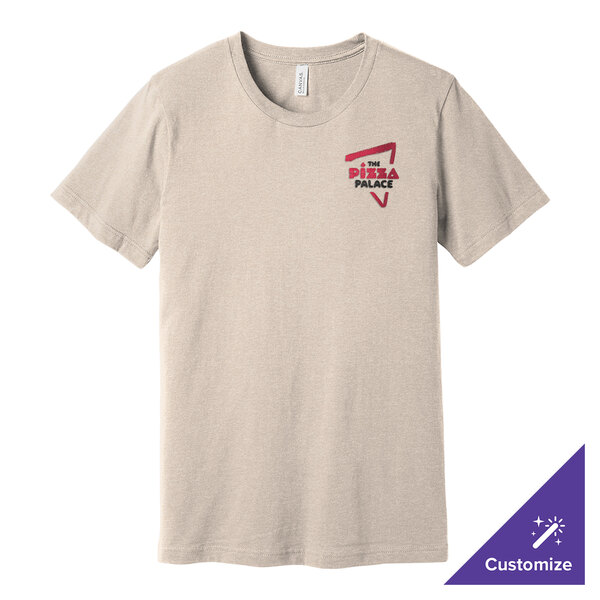
T-shirts remain the universal staple of restaurant merch. They offer broad appeal, flexible pricing structures, and nearly unlimited creative possibilities. Tees allow operators to experiment with graphics, storytelling, humor, or local pride while maintaining accessibility across age groups and style preferences.
Successful programs often balance subtle branding with statement elements, such as a minimal front logo paired with a bold back graphic. Limited-edition runs tied to menu launches, anniversaries, or collaborations can create momentum and collectability. Upgrading to garment-dyed or heavy weight material can significantly elevate perceived value.
Best for: Any concept with a strong visual identity; restaurants with iconic phrases, mascots, or cultural relevance; brands building a lifestyle narrative
3. Polo Shirts
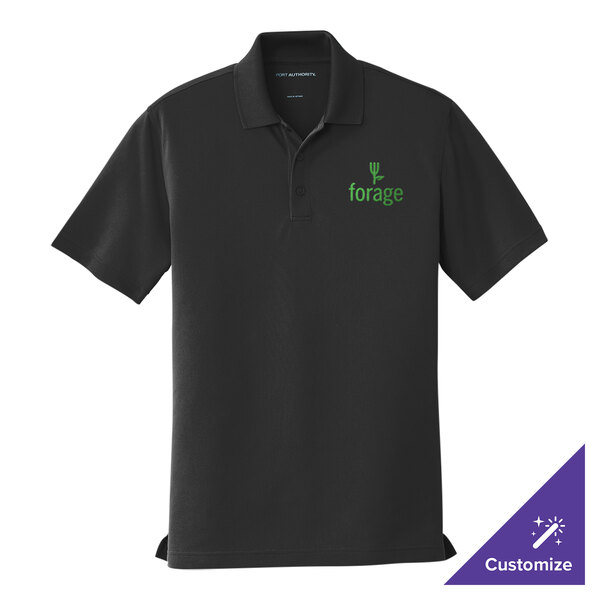
Polos occupy a unique space between casual and refined, offering versatility for customers who want something suitable for work, travel, or leisure settings. This category is particularly effective for brands looking to position themselves as elevated lifestyle concepts rather than purely casual dining spots.
Because polos naturally carry a higher perceived value, they support stronger price points and margins. Clean embroidery, minimalist branding, and neutral colorways tend to perform best, reinforcing sophistication rather than novelty. For the right concept, polos can subtly shift brand perception upward.
Best for: Upscale casual restaurants, steakhouses, wine bars, country clubs, and restaurants targeting a slightly more mature demographic

4. Sweatshirts
Fleece and hoodies introduce a higher-value tier into a merch program while remaining accessible and highly wearable. They align naturally with comfort-driven food brands and often become customers’ "go-to" casual layers, increasing long-term brand visibility.
These items justify premium pricing due to their weight, feel, and perceived durability. Design approaches often include bold back graphics, oversized logos, or exclusive colorways that differentiate each release. Because hoodies frequently become favorite wardrobe staples, they deepen emotional attachment and integrate your brand into customers’ everyday routines.
Best for: Coffee brands, late-night or comfort food concepts, college-town restaurants and bars, and food trucks
5. Jackets and Outerwear
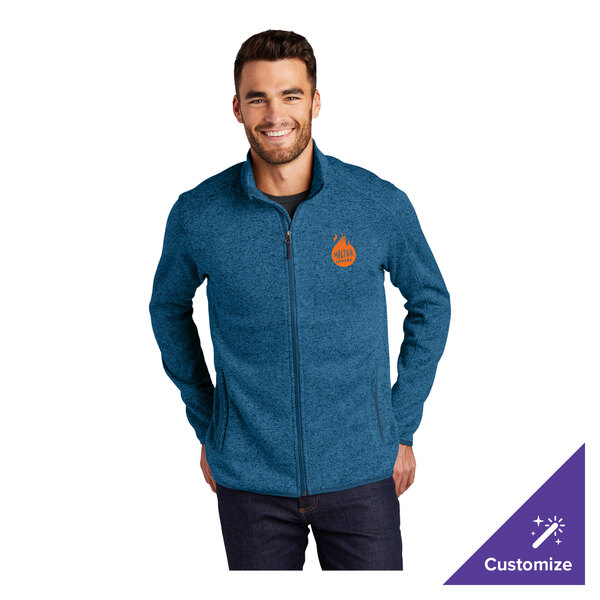
Outerwear represents a premium evolution of restaurant merch. When executed thoughtfully, jackets elevate brand perception and signal maturity. They are higher-ticket items that can create exclusivity and collector appeal, especially for brands with a strong community base.
Options such as windbreakers, denim jackets, varsity styles, or light weight work jackets allow operators to align with their concept’s personality. Subtle embroidery and restrained branding typically outperform loud graphics in this category, as customers expect outerwear to feel timeless and versatile. Jackets extend your visibility across seasons and environments, transforming your restaurant from a dining destination into a recognizable lifestyle label.
Best for: Established brands with loyal followings; outdoor-focused markets; breweries, BBQ joints, or heritage-driven concepts
6. Aprons and Workwear
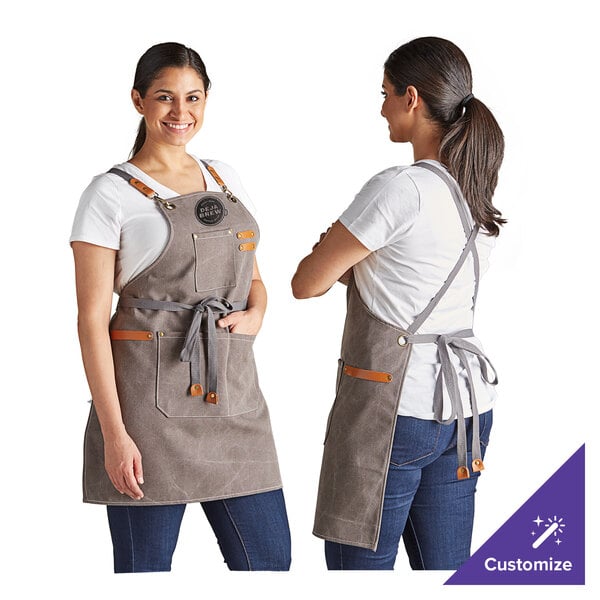
Aprons and workwear tap into authenticity and craftsmanship, offering customers a way to embody the culinary culture behind the brand. This category differentiates itself from typical restaurant merch by leaning into function and story rather than purely aesthetic appeal.
Canvas aprons, utility shirts, chef coats, and durable work shirts resonate strongly with hobby cooks and food enthusiasts. These items reinforce behind-the-scenes credibility and communicate pride in craft. By offering workwear, operators invite customers into participation, allowing them to represent the brand not only as diners but as creators in their own kitchens and gatherings.
Best for: BBQ concepts, scratch kitchens, pizzerias, coffee roasters, and craft cocktail bars
Branding and Design Best Practices
The most effective restaurant merch does not feel like promotional merchandise. It feels like something customers would genuinely choose to wear. Strong apparel programs are subtle, wearable, and intentionally aligned with the brand experience you've built inside your four walls.
- Design pieces customers would wear even without knowing the brand. The ultimate test of good merch is simple: would someone buy it purely because it looks good? If the answer is yes, you have broadened your market beyond loyal guests. Prioritize strong typography, balanced layouts, and thoughtful color palettes over oversized logos. When the design stands on its own, brand discovery happens organically.
- Prioritize fabric quality and durability. The material you choose directly shapes how customers perceive your brand. Heavy weight or performance fabrics, comfortable fits, and strong construction reinforce professionalism and care, while low-quality garments can undermine even the strongest concept.
- Align apparel aesthetics with your in-store experience. Your merchandise should visually and emotionally match your space. A minimalist cafe should not sell loud, neon graphics. A bold street-inspired burger concept should not lean into muted, corporate-feeling polos. Materials, colors, and design tone should mirror your interiors, menu style, and overall ambiance to create a cohesive brand world.
- Avoid over-branding and short-lived trends. Subtle branding tends to have longer wear cycles. Oversized logos, excessive taglines, or trend-driven graphics may generate quick spikes but often lose appeal quickly. Focus on timeless elements of your identity, such as core phrases, iconography, or cultural relevance, that will remain meaningful beyond a single season.
- Use limited runs to test demand before scaling. Scarcity creates excitement while reducing inventory risk. Release small batches tied to events, collaborations, or seasonal moments and monitor sell-through. Strong performers can be restocked or expanded into additional styles, while weaker designs can quietly retire without overcommitting capital.
- Maintain a consistent design language across all products. Cohesion builds brand equity. Whether it is your typography, illustration style, color system, or logo placement, consistency across apparel reinforces recognition. Customers should be able to spot your merch across a room and immediately associate it with your brand.
Launching and Scaling a Merch Program
The strongest merch programs do not launch big; they launch strategically. Apparel should be introduced with the same intentionality as a new menu item or the opening of a new location. A disciplined rollout allows you to generate excitement, minimize risk, and build momentum over time rather than tying up capital in unproven inventory.
- Start with 1 to 3 core SKUs. Focus on foundational pieces that are most likely to resonate, typically a tee, a hat, and a hoodie. Keeping the initial assortment tight simplifies inventory management, clarifies your brand direction, and allows you to concentrate marketing efforts around a few strong hero products instead of spreading attention too thin.
- Test demand before expanding colorways or categories. Resist the urge to offer multiple colors or variations immediately. Launch with a single, well-considered design and track sell-through rates, customer feedback, and repeat interest. Once a product proves consistent performance, you can introduce new colorways or adjacent categories with greater confidence and lower risk.
- Decide early whether merch will be in-store only or also online. Your distribution strategy impacts pricing, production volume, and marketing. In-store exclusivity can drive foot traffic and create a sense of scarcity, while online availability expands reach and supports multi-unit or destination brands. Clarifying this decision upfront ensures your inventory planning, fulfillment capabilities, and promotional efforts are aligned from the beginning.
- Use apparel to support openings, anniversaries, or collaborations. Merchandise performs best when tied to a moment. Grand openings, milestone anniversaries, seasonal menu launches, or brand collaborations provide natural storytelling opportunities that make apparel feel collectible rather than static. Limited-edition drops around key events generate urgency, create social buzz, and position your brand as culturally active rather than purely transactional.
Apparel is no longer a novelty item - it's a brand asset. The most successful foodservice merch programs focus on practical, wearable products that feel authentic to the concept. Start focused, invest in quality, and let customer demand guide expansion.
Related Resources

How to Calculate Marketing ROI
Marketing is essential for any business to promote brand awareness, gain new customers, and increase sales . There are free marketing strategies you can take advantage of like social media marketing , but many forms of marketing cost money. As a result, your business should be tracking the effectiveness of any marketing campaign to determine its ROI, or return on investment. Keep reading to learn more about marketing ROI and how it affects your business. What Is Restaurant ROI? ROI stands for return on investment . It represents the percentage of profits produced by any type of investment you make, whether you're adding a new patio or building a drive-thru window. If that sounds too much like financial jargon, think of it like this. ROI tel
Instagram for Restaurants
Instagram is one of the most influential marketing tools a business could use. For many, it's the first page people check out to understand what your restaurant is all about, even before looking at your restaurant's website . It's also how a lot of people find your restaurant in the first place! Below, we'll go over the best practices for using this social media tool so your Instagram profile can attract new customers and lock in returning ones. 9 Restaurant Instagram Marketing Strategies If you have an Instagram account for your restaurant, we recommend integrating these best practices into your Instagram restaurant marketing. 1. Post High-Quality Images As a photo-sharing app, this is the most important aspect of Instagram. Your profile s

Restaurant Loyalty Program Ideas
From a global pandemic to supply chain and staffing shortages , the restaurant industry has weathered many challenges since 2020. Brands can use customer loyalty programs to successfully navigate these turbulent times. No matter the economic climate, creating a customer loyalty program helps restaurant operators earn repeat customers and increase overall sales. Learn how to create a successful rewards program by implementing our loyalty program ideas. Use these links to learn more about restaurant loyalty programs: What Is a Loyalty Program Rewards Program Benefits Types of Loyalty Programs Loyalty Program Ideas Rewards Program Tips Best Restaurant Loyalty Programs What Is a Loyalty Program? Loyalty programs provide discounts, freebies, and
Join Our Mailing List
Receive coupon codes and more right to your inbox.