
- Topics 1578
- Industrial 59
- Troubleshooting Guides 32
- Restaurant Management 144
- Bar Management 70
- Catering Tips 46
- Bakery Management 45
- Food Trucks & Concessions 41
- Advertising & Marketing 41
- Eco-Friendly Tips 13
- Facility Layout & Design 47
- Coffee Shop Tips 32
- Installation & Maintenance 63
- Janitorial & Pest Control 34
- Safety & Sanitation 121
- Startup Tips 111
- Menu Design 11
- Kitchen & Cooking Tips 106
- Hospitality Management 26
- Pizza & Sandwich Shop Tips 23
- Smallwares 42
- Food Prep 102
- Tabletop Items 21
- Disposables 28
- Calculators & Tools 7
- Consumables 77
- Warewashing & Laundry 22
- Cooking Equipment 107
- Food Storage & Refrigeration 58
- Beverage Equipment 43
- Office Supplies 6

Embarking on a sushi concept for your commercial kitchen can be a lucrative venture with the right tools and supplies. On average, sushi restaurants boast profit margins of 7% to 15%, a notable contrast to the 3% to 5% average net profit margin for restaurants. Moreover, upscale omakase venues have the potential to reach up to 20% profit margins, making them an attractive option for restaurateurs looking to maximize their returns. With the right sushi supplies and equipment, you can capitalize on the high demand for Japanese cuisine while optimizing your business's financial performance.
Shop All Sushi Supplies
Explore sushi equipment and supplies:
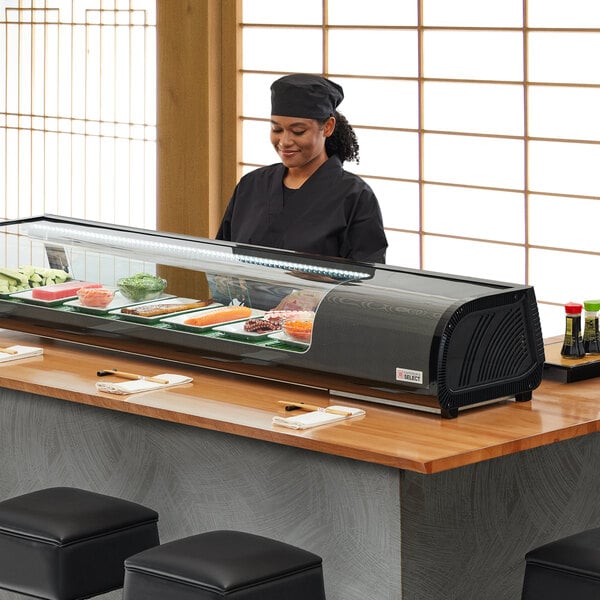
Whether you're crafting classic rolls or thin-slicing fish for nigiri and sashimi, make sure you have the foundational equipment required to store, make, and display sushi.
- Rice Cooker: Used to cook large batches of rice quickly and easily, rice cookers create consistently soft, fluffy rice. Select a rice cooker with a "keep warm" setting to make sure the finished rice stays sushi-ready while you prepare rolls.
- Rice Warmer: Keeping sushi rice at the perfect temperature is key to maintaining its quality and flavor. A sushi rice warmer ensures that the rice stays ready for use throughout the day.
- Refrigerated Sushi Case: You can use sushi cases to hold your fresh sushi ingredients until they're ready for use. Alternatively, you can place them on top of your bar to show off your sushi and sashimi selection.
- Refrigerated Prep Table: With handy features like drawers and food pan holders to hold ingredients and attached cutting boards, refrigerated prep tables are all-in-one stations that can be a great option for kiosks and back-of-house use.
- Sushi Rolling Machine: Also known as sushi robots, sushi rolling machines are the workhorses of a commercial sushi operation, automating the production of sushi rolls and rice sheets. They are helpful for high-volume sushi production in grocery stores, college campuses, and corporate cafeterias.
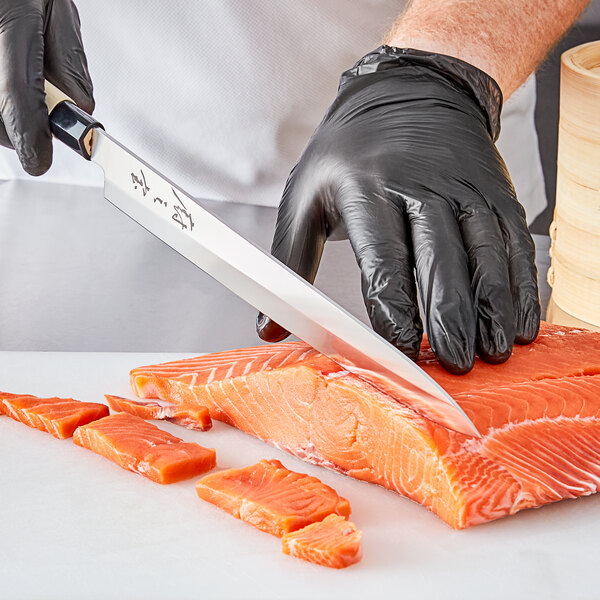
When selecting Japanese chef knives for sushi preparation, it is essential to consider the type of cuts you will be making and the specific tasks each knife is designed for. Choosing the right knife for the job can enhance the quality of your sushi dishes and make the preparation process more efficient.
- Yanagiba Knife: Also known as a sashimi knife, the yanagiba knife is a long, thin blade that is perfect for slicing raw fish with precision. Its single bevel design allows for clean cuts and minimal tearing of the fish.
- Deba Knife: Ideal for cutting through fish bones and tough cartilage, the deba knife is a heavy, thick-bladed knife. It is crucial for breaking down whole fish and preparing other seafood ingredients for sushi dishes.
- Nakiri Knife: A versatile vegetable knife, the nakiri knife is commonly used in sushi kitchens for preparing vegetables and herbs. Its double-bevel blade allows for efficient chopping, slicing, and dicing of ingredients.
- Knife Bag: To protect and transport their valuable knives to catered events, sushi chefs use specialized knife bags with individual slots for each knife. These bags ensure that the knives remain sharp and safe during travel between kitchens or sushi bars.
- Knife Sharpener: To maintain the sharpness of your knives and ensure optimal performance, investing in a high-quality knife sharpener is essential. Regular sharpening will prolong the lifespan of your knives and maintain their cutting edge for smooth and precise cuts.
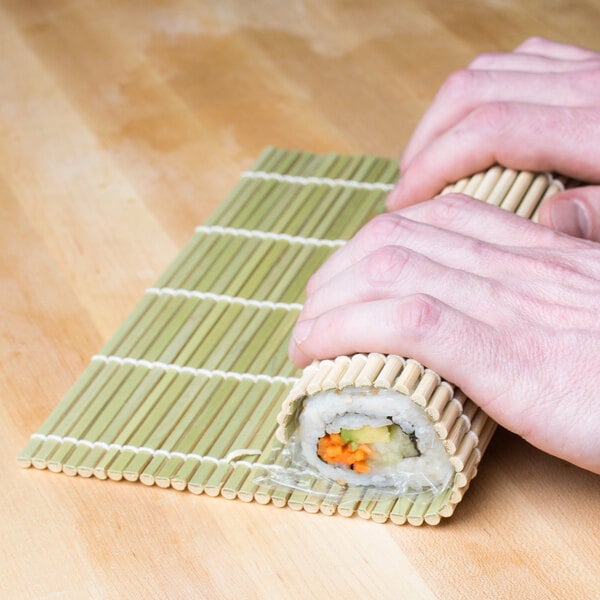
Whether you're an aspiring sushi chef wondering which tools you need to create authentic and visually appealing sushi dishes, or you're a restaurateur stocking up on supplies, we rounded up the essential kitchen tools needed to prepare sushi rolls.
- Cutting Board: Slicing and dicing ingredients will be an everyday task at your sushi shop, so it is important to invest in a durable cutting board that can withstand constant use. Look for a cutting board made from high-quality materials like bamboo or polyethylene to ensure longevity and easy maintenance.
- Makisu (Bamboo Sushi Mat): A makisu is a bamboo sushi rolling mat used to tightly roll sushi. It helps shape and compress the rice and fillings into a perfect roll for slicing.
- Rice Paddle: A rice paddle is used to mix and spread sushi rice while maintaining its delicate texture. Its flat surface and non-stick design are ideal for handling sticky sushi rice without crushing it.
- Hangiri (Sushi Rice Mixing Tub): A hangiri is a wooden tub used for mixing, cooling, and preparing sushi rice. Its flat bottom and wide surface area allow for even mixing of the seasoned vinegar into the rice while maintaining the ideal temperature.
- Food Tweezers: Designed to gently pry bones out of fish without breaking them or ruining the filet, fish bone tweezers are essential tools for any sushi chef. Additionally, plating tweezers are a great tool when plating delicate ingredients like microgreens or edible flowers, ensuring precision and attention to detail in your presentation.
- Wasabi Grater: Sushi chefs use a traditional sharkskin or a fine grater to grate fresh wasabi root into a paste. Freshly grated wasabi enhances the flavor of sushi and adds a spicy kick to each bite.
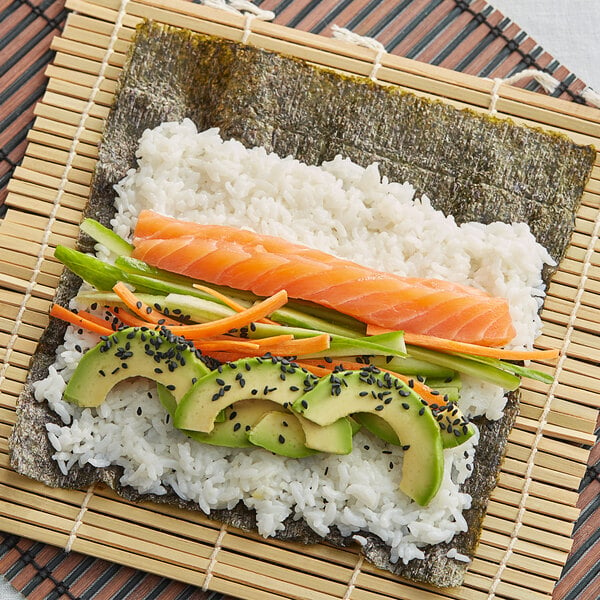
By investing in premium sushi ingredients, you can create high-quality dishes that appeal to customers and contribute to your business's profitability. Consider factors such as sourcing sustainable seafood, freshness, and plating presentation potential. It's also important to weigh the cost of purchasing the ingredient against how much you can charge customers for it to ensure a successful sushi menu that maximizes profit margins.
- Sushi-Grade Fish: Great sushi is dependent upon using high-quality seafood that is suitable for sushi. While the term "sushi-grade fish" is unregulated, manufacturers use it to indicate that their fish is safe for raw consumption. Popular options include sushi-grade tuna, salmon, yellowtail, and eel.
- Sushi Rice: Short-grain rice is the best type of rice for making sushi rice. Oftentimes, manufacturers will add a "sushi rice" label on the packaging to indicate its ideal use. Sushi rice is a prepared dish of short-grain rice seasoned with vinegar, sugar, and salt.
- Nori: A type of edible seaweed, nori is used for sushi. It helps combine sticky rice, chopped vegetables, and dense slices of fresh fish. Selecting nori of the right size and quality is essential for the structural integrity and flavor of your sushi creations.
- Vegetables: A variety of fresh vegetables, such as cucumber, avocado, carrots, and radish, can be used to add color, texture, and flavor to sushi rolls. Opt for organic and locally sourced vegetables to enhance the taste and appeal of your dishes.
- Roe: Also known as fish eggs, roe is a popular sushi ingredient that adds a burst of flavor and texture to sushi rolls. Varieties such as salmon roe (ikura) and flying fish roe (tobiko) are commonly used in sushi for their vibrant colors and unique taste.
- Imitation Crab: Also known as surimi, imitation crab is made from a blend of fish proteins, starches, and flavorings and has a similar texture and taste to real crab meat at a fraction of the cost. It is a versatile ingredient that can be used in a variety of sushi dishes, such as California rolls and crab salad rolls.
- Tropical Fruits: In addition to traditional sushi ingredients, tropical fruits like mango, pineapple, and papaya can add a unique and refreshing twist to sushi rolls. Their sweetness complements the savory flavors of fish and vegetables.
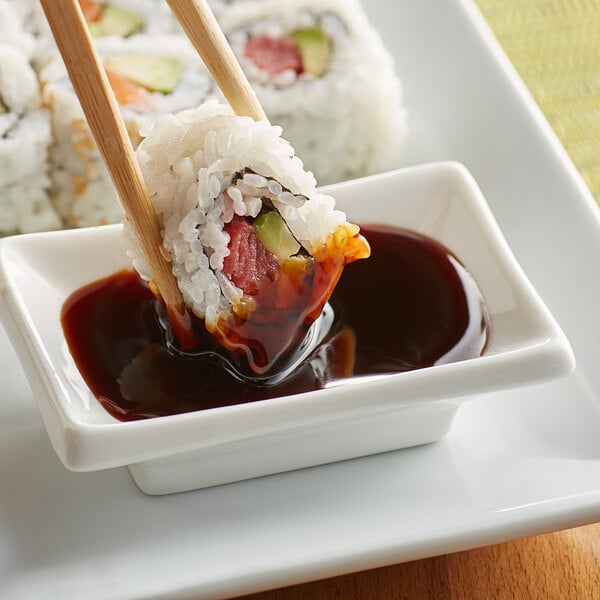
Sushi condiments play a crucial role in enhancing the flavors of your dishes and providing a well-rounded dining experience for your customers. From classic soy sauce to spicy wasabi, explore the most popular sushi condiments you should stock in your restaurant kitchen.
- Soy Sauce: Featuring a savory, umami flavor, soy sauce is essential for serving as a dipping sauce accompaniment to sushi. Offering both regular and low-sodium soy sauce options can cater to different customer preferences, or consider a soy sauce substitute to accommodate dietary needs.
- Eel Sauce: Also known as unagi tare, eel sauce is a popular Asian sauce made from soy sauce, mirin, sugar, and sometimes sake, adding a luscious and caramelized finish to sushi. Eel sauce can also be used as a dipping sauce for sushi rolls and sashimi, adding depth and complexity to each bite.
- Wasabi: A pungent green paste, wasabi root adds a spicy kick to sushi dishes. Providing wasabi paste or powder can elevate the dining experience for sushi enthusiasts.
- Pickled Ginger: Also known as gari, pickled ginger is served alongside sushi to cleanse the palate between bites. Stocking high-quality pickled ginger can enhance the overall dining experience for your customers.
- Kewpie Mayo: This Japanese mayonnaise is made with egg yolks and rice vinegar, giving it a slightly sweeter and tangier flavor compared to traditional mayo. It is commonly used in sushi rolls, spicy mayo sauces, and as a topping for various sushi dishes.
- Sesame Seeds: While they can be used raw, toasted sesame seeds are more common as a garnish for sushi rolls, adding a deeper nutty flavor and visual appeal. Black sesame seeds have a stronger taste and aroma than white sesame seeds, so choose based on your desired flavor profile.
- Sriracha: For those who enjoy a bit of heat, Sriracha sauce can be a delicious addition to sushi rolls. This spicy condiment can be drizzled on top of sushi or used as a dipping sauce for a modern twist on traditional flavors.
- Ponzu Sauce: Ponzu sauce is a citrus-based condiment that pairs well with sushi, especially sashimi. Its tangy and savory flavor profile adds brightness to seafood dishes, making it a versatile condiment for sushi lovers.
- Furikake: A popular Japanese spice blend, furikake typically consists of dried seaweed, sesame seeds, and bonito flakes. Sprinkle furikake on top of sushi rice or use it as a seasoning for sushi fillings to add depth of flavor to your dishes.
- Yuzu Kosho: This spicy and aromatic paste is made from yuzu citrus zest, chili peppers, and salt. Yuzu kosho can be used to season sushi rice, enhance the taste of sashimi, or add a zesty kick to dipping sauces.
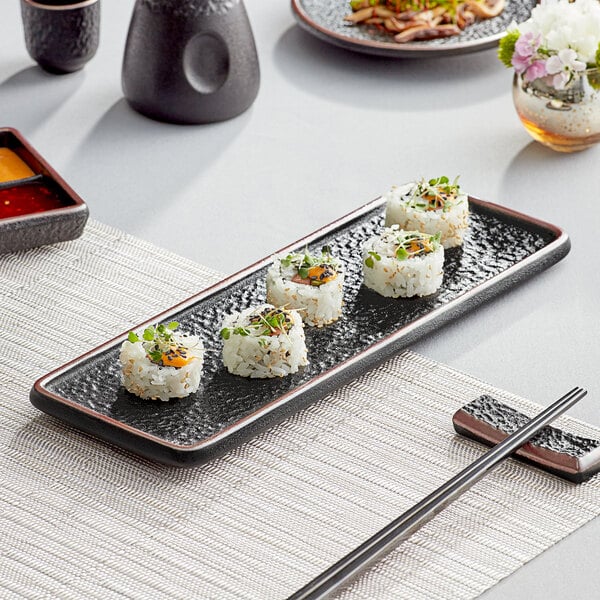
From elegant sushi plates to functional sauce dishes to authentic sake cups, investing in the right sushi serveware will elevate the dining experience for your customers. Creating an attractive tablescape not only enhances the customer experience but also triggers organic marketing when customers share photos on social media. Opt for durable and easy-to-clean sushi serveware to withstand the demands of a busy restaurant environment and ensure a smooth service experience for your customers.
- Sushi Serving Plates: Sushi serving plates are essential for presenting sushi rolls and sashimi. Choose from a variety of styles, including appetizer plates, traditional rectangular plates, round plates, and unique shapes to enhance the visual appeal of your sushi presentation.
- Sushi Platters and Trays: These larger serving pieces are perfect for showcasing an assortment of sushi rolls and sashimi in an elegant and organized manner. Sushi platters and trays are ideal for serving larger quantities of sushi for catering events or buffets.
- Sushi Boats: Also known as funamori, sushi boats are traditionally used to showcase an assortment of sushi and sashimi, adding an elegant touch to your presentation. While sushi boats are not commonly used for daily izakaya-style fare, they are perfect for special occasions and can elevate the dining experience at your establishment.
- Reusable Chopsticks: For both sustainability and cost-savings, choose reusable chopsticks from a variety of materials such as bamboo, wood, or stainless steel. Accessories like chopstick organizers and chopstick rests can facilitate the easy flow of service and customer experience.
- Sauce Dishes: Sauce dishes are essential for serving soy sauce, wasabi, and other dipping sauces alongside sushi. Opt for a variety of sizes and styles to accommodate different portion sizes and presentation preferences.
- Soy Sauce Bottles: Soy sauce bottles are a convenient way to offer soy sauce to your customers. Choose from traditional plastic squeeze bottles, elegant glass bottles, or decorative ceramic bottles to suit your restaurant's aesthetic.
- Beverageware: Provide a selection of beverageware options to complement your sushi serveware and create a cohesive tabletop presentation. Offer traditional Japanese tea sets or modern glassware to serve beverages like green tea or matcha alongside your sushi dishes.
- Sake Cups: Sake cups are essential for serving sake, a traditional Japanese rice wine, alongside sushi. Choose from a variety of styles and sizes to offer your customers an authentic and enjoyable sake-drinking experience.
- Bento Box: Thanks to their compartmentalization, bento boxes are a convenient and versatile option for serving sushi combos and lunch specials. These compartmentalized boxes allow you to present a variety of sushi rolls, sashimi, and sides in an organized and visually appealing manner.

Sushi take-out has become increasingly popular, with many restaurants and food establishments offering convenient options for customers on the go. Businesses such as sushi bars, Japanese restaurants, food trucks, and catering companies can benefit from investing in the right sushi take-out supplies.
- Disposable Sushi Trays: Securing sushi on a disposable tray is ideal for presenting sushi rolls neatly and securely for take-out orders. Choose trays that are convenient for customers to carry, and that can accommodate different sushi roll sizes.
- Disposable Sushi Containers: When offering sushi for take-out, it is essential to use high-quality disposable containers that are durable and leak-proof. Look for containers made of sturdy materials like plastic or compostable materials to ensure that the sushi stays fresh during transport.
- Sushi Labeling Supplies: Ensure that your take-out sushi orders are clearly labeled with the type of sushi, allergen information, and any special instructions. Use sushi labeling supplies, such as stickers or labels, to maintain organization and provide important information to customers.
- Insulated Delivery Bags: To keep sushi fresh and at the right temperature during delivery, invest in insulated delivery bags. These bags help maintain the quality of the sushi and ensure that customers receive their orders in the best possible condition.
- Tamper-Evident Seals: For added security and peace of mind, use tamper-evident seals on your take-out sushi containers. These seals assure customers that their food has not been tampered with during delivery.
- Disposable Souffle Portion Cups: When offering take-out sushi, it's essential to provide customers with the option to add sauces, pickled ginger, or wasabi on the side. Disposable souffle portion cups are perfect for portioning out these condiments, ensuring freshness and convenience for your customers.
- Disposable Chopsticks: Including disposable chopsticks in your take-out orders is a must-have for sushi restaurants. These convenient utensils eliminate the need for multiple pieces of cutlery and allow customers to enjoy their sushi on the go.
- Disposable Silverware: Ensure a convenient dining experience for customers who may not be comfortable using chopsticks with disposable silverware. Offering forks and knives alongside your sushi take-out orders can cater to a wider range of preferences and enhance customer satisfaction.
- Paper Napkins: Include paper napkins in your sushi take-out supplies to provide customers with a convenient way to clean their hands and mouths while enjoying their meal. Napkins are essential for maintaining cleanliness and offering a pleasant dining experience for your patrons.
- To-Go Bags: Providing customers with durable, reliable to-go bags is essential for completing the takeout experience. Choose bags that are sturdy enough to hold sushi containers securely and prevent spills during transport. Select environmentally friendly options to align with sustainable practices.
- Disposable Wooden Sushi Boat: Made from eco-friendly food packaging materials, such as bamboo or pine, these disposable boats are sturdy enough to hold multiple pieces of sushi securely during transport. Additionally, their disposable nature eliminates the need for cleaning, making them a time-saving solution for busy sushi restaurants as well as catering applications.
Back to Top

Corrinn loves writing, researching, and cooking, so she's grateful she's gotten to blend these three passions as a longform writer on the content team at WebstaurantStore for 5 years and counting. Creating resources that help operators succeed and lacing them with entertainment to make them smile is her "why".
Learn more about this author and WebstaurantStore's Content Writing Team here!
Related Resources

June 2026 WebstaurantStore Coupon Code
Summer is upon us, and to celebrate WebstaurantStore has blazing hot deals all month long! With summer vacations underway and holidays like Independence Day rapidly approaching, now is the time to stock up on essential supplies and equipment you'll need to get through the summer season. Take a look at our wide array of sale items below and don't forget to enter the code SUMMERSALE at checkout to enjoy up to 20% off your purchases! Looking to save even more? Check out the new Webstaurant Rewards® Visa Business Card ! Sign up for a new card today and start earning rewards on every WebstaurantStore purchase, and save on a WebstaurantPlus subscription. Have a look at some incredible deals on disposable items with June's monthly coupon code! Whe

What Is Miso?
Miso paste is a traditional Japanese seasoning made from fermented soybeans, along with additional ingredients like rice or barley. It has a thick, paste-like consistency and boasts a unique umami flavor that adds depth and richness to recipes. If you've ever wondered how miso soup gets its salty, savory flavor, the answer is miso paste! You can use this secret ingredient to deepen the flavors in soup recipes , marinades, or even complement the sweetness in chocolate chip cookies. What Does Miso Taste Like? Savory is usually the word used to describe the flavor of miso. Different types of miso paste vary in intensity, but in general, you can compare the flavor of miso paste to a rich soy sauce. It's salty and concentrated with fermented hin

Umami Flavor Explained
When selecting snacks for your concessions stand or crafting a bar menu , you'll want to look for food items that will sell well. Fan-favorite menu options usually include pizza, burgers, mozzarella sticks, nachos, and barbecued meats. But what is it that ties these popular foods together? That mouth-water secret ingredient is umami, and we'll show you how to use it to take your menu items from good to great. Read on to find out what umami flavor is and where to find it. What Is Umami? Umami is the taste category associated with savory foods. Ingredients with umami are usually high in glutamates, nucleotides, and amino acids that can be naturally occurring or become present when an ingredient is cooked, fermented, or aged. Umami is the fift
Join Our Mailing List
Receive coupon codes and more right to your inbox.