While landscapes, art, history, language, and traditions are important threads in a region's cultural fabric, food weaves all these things together and tells the story of a geographic area. Career culinarians working to master their craft must have a thorough understanding of the various global cuisines. By immersing themselves in the diverse flavors and cooking techniques of different regions, chefs can expand their culinary repertoire and create innovative dishes that will excite and inspire a diverse clientele.
Click below to skip to a specific type of cuisine:
French Cuisine
Thai Cuisine
Indian Cuisine
Mexican Cuisine
Japanese Cuisine
Italian Cuisine
Chinese Cuisine
Vietnamese Cuisine
Korean Cuisine
Greek Cuisine
British Cuisine
Middle Eastern Cuisine
Brazilian Cuisine
Spanish Cuisine
African Cuisine
What Is Cuisine?
Cuisine is a fundamental aspect of culture that encompasses the foods and methods of preparation traditional to a specific region or population. Factors such as climate, economic conditions, and cultural practices influence the development of unique cuisines. Climate determines the raw materials available for ingredients and the fuel supply for food preparation. For example, regions bordering an ocean may have a cuisine that heavily features seafood, while areas with fertile land may have a cuisine rich in vegetables and grains.
Economic conditions also play a significant role in shaping cuisine by regulating trade and influencing the availability of certain ingredients. Wealthier regions may have access to a wider variety of global spices, resulting in more diverse and complex dishes. In contrast, regions with limited resources may rely on simple, staple foods for sustenance. Religious or sumptuary laws can impact the ingredients and cooking methods used in a cuisine. For example, some religions prohibit the consumption of certain foods, such as pork or alcohol, leading to alternative dishes and preparation methods that adhere to religious dietary restrictions. An amalgamation of socio-economic influences, cuisine helps tell a story of a region's footprint, both past and present.
Types of Cuisine
Understanding major global cuisines allows chefs to stay relevant in today's dynamic culinary scene. With the world becoming increasingly interconnected, diners are more adventurous and interested in trying new and niche flavors. Chefs well-versed in global cuisines can tap into this growing foodservice trend and attract a wider customer base by offering authentic and fusion dishes that showcase a blend of different culinary traditions.
1. French Cuisine
Renowned for its sophistication and rich culinary tradition, French cuisine is considered one of the cornerstones of global gastronomy. Its influence stretches far beyond the borders of France, and culinary students are taught to use French mother sauces as the basis for their unique sauce creations. French cuisine emphasizes high-quality ingredients, meticulous preparation techniques, and a deep respect for culinary traditions. French chefs also take great care in the presentation of their dishes, often focusing on aesthetics and intricate plating presentations. Even their quick bites and breakfast staples like quiches, crepes, and baguettes offer elegance.
The flavor profile of French cuisine is often described as complex and well-balanced. Key ingredients in French cooking include butter, cream, herbs, and wine, creating rich and flavorful dishes. In Southern France, you'll find the bold flavors of dishes like cassoulet (haricot beans, sausage, pork, mutton, and preserved goose stew) and duck confit (cured duck legs slow-cooked in their own fat), while the East boasts Alsatian specialties like choucroute carnie (sauerkraut with sausages and charcuterie meats). From the hearty stews of the North, such as coq au vin and beef bourguignon, to the seafood dishes of the coastal regions like Bouillabaisse, to vegetable dishes like ratatouille from Provence, each region of France offers a unique culinary experience. While their savory dishes delight, we must not forget their patisserie. French pastries like macaroons, croissants, and eclairs are mimicked in bakeries worldwide.
Regional French Cuisines: Normandy cuisine, Brittany cuisine, Alsace cuisine, Lorraine cuisine, Burgundy cuisine, Auvergne Provence cuisine, Marseille cuisine, Basque Country cuisine
Popular French Flavors: Butter, cream, herbs, wine
Popular French Dishes: Coq au vin, beef bourguignon, quiche, crepes, salade nicoise, bouillabaisse, ratatouille, creme brulee, macaroons, croissants, baguettes
Signature French Cooking Methods: Sauteing, poaching, braising, and flambeing
2. Thai Cuisine
Thai cuisine is renowned for its balance of sweet, sour, salty, and spicy flavors, creating dishes that are both complex and harmonious. Key ingredients in Thai cuisine include lemongrass, galangal, kaffir lime leaves, Thai basil, fish sauce, and coconut milk. These ingredients contribute to the distinct and aromatic flavors that are characteristic of Thai dishes. The use of chili peppers, garlic, and shallots adds a spicy kick, while the addition of coconut milk provides a rich and creamy texture. Thai cooking techniques often involve stir-frying, grilling, and steaming, which help preserve freshness and flavor while creating dishes that are both visually appealing and delicious. The use of a mortar and pestle to pound fresh herbs and spices is also a common practice in Thai cooking.
Central Thailand boasts two world-famous dishes: pad thai, a stir-fried noodle dish in a tamarind-based sauce, and tom yum goong, a spicy and sour soup made with shrimp, lemongrass, and chili peppers. However, many regional Thai cuisines showcase the country's culinary heritage. In Northern Thailand, dishes feature mild herbaceous and sometimes bitter flavors, often accompanied by sticky rice. The Northeastern (Isan) is known for som tum, a green papaya salad made with chilies, tomatoes, peanuts, and often pla ra (a Thai fermented fish product). We can't forget Thai tea; black tea spiced with star anise, cardamom, and vanilla beans that is sweetened with condensed milk and topped with evaporated milk. It has fused with Taiwanese cuisine and become a beloved boba tea flavor.
Regional Thai Cuisines: Central Thai cuisine, Northern Thai cuisine, Isan (Northeastern) Thai cuisine, Southern Thai cuisine
Popular Thai Flavors: Lemongrass, galangal, kaffir lime leaves, Thai basil, fish sauce, coconut milk, chili peppers, garlic
Popular Thai Dishes: Pad thai, tom yum goong, green curry, som tam, massaman curry, mango sticky rice
Signature Thai Cooking Methods: Stir-frying, grilling, and steaming
3. Indian Cuisine
Known for its bold flavors, Indian cuisine utilizes rich spices like cumin, coriander, turmeric, and garam masala, and pairs them with aromatic herbs. These spices not only add depth and complexity to dishes but also offer a unique sensory experience. Cooking methods in Indian cuisine vary across regions but commonly include techniques such as sauteing, frying, roasting, and braising. The use of a tandoor oven, a traditional clay oven, is prevalent in Indian cooking, particularly for preparing dishes like tandoori chicken and naan bread. Additionally, the art of tempering spices in hot oil, known as tadka, is a fundamental technique that enhances the flavors of many Indian dishes.
Regional cuisines within India offer a diverse range of culinary traditions, each with its own distinct flavors and cooking styles. From the vegetarian delights of Gujarati cuisine in the West to fiery dishes of Andhra Pradesh to the creamy curries of Punjab, the regional diversity of Indian cuisine reflects the country's rich cultural heritage and culinary history. Indian cuisine is also known for its vibrant street food culture, offering a plethora of savory snacks and sweet treats, such as chaat, samosas, and jalebi. Indian cuisine has had a significant influence on culinary practices beyond its borders, with the use of spices like curry powder and turmeric becoming commonplace in many international kitchens.
Regional Indian Cuisines: Gujarati cuisine, Andhra Pradesh cuisine, Punjab cuisine
Foundational Indian Ingredients/Flavors: Cumin, coriander, turmeric, and garam masala, cilantro, and mint
Popular Indian Dishes: Butter chicken, biryani, naan bread, palak paneer, rogan josh, masala dosa, tiki masala, tandoori chicken, samosas
Signature Indian Cooking Methods: Sauteing, frying, roasting, braising, baking in a tandoor oven
4. Mexican Cuisine
Mexican cuisine uses fresh, flavorful ingredients such as corn, beans, tomatoes, avocados, chilies, herbs, and spices. Corn plays a central role in Mexican cuisine; it’s used to make staples like tortillas, tamales, and pozole. Huitlacoche, a type of fungus that develops on organic corn kernels before they reach full maturity, is highly regarded as a delicacy and used as a topping or incorporated as an ingredient to enhance flavors and add a touch of sophistication. Other common ingredients include cilantro, cumin, garlic, and onions, which add depth and complexity to Mexican dishes. Grilling, frying, steaming, and braising are commonly used techniques that help enhance the natural flavors of the ingredients. Traditional Mexican cooking also involves the use of comals (flat griddles) for making tortillas and salsas, as well as molcajetes (stone mortars) for grinding spices and herbs.
Mexican cuisine is famous for its iconic dishes such as tacos, enchiladas, tamales, and guacamole. Chips and flights of different types of salsa are a beloved appetizer. Tacos have become an international staple due to their versatility; they can be filled with a variety of ingredients such as meats, fish, or vegetables. Mexico is a diverse country with a wide range of regional cuisines. Some of the most well-known include Oaxacan cuisine, known for its complex moles and use of indigenous ingredients, and El Norte for its Birria (goat or beef slow cooked in consomme), Yucatecan cuisine, which features dishes like cochinita pibil (pulled pork shoulder marinated and braised in achiote paste, orange juice, and lime) and panuchos (fried tortillas filled with refried black beans and topped with shredded meat, lettuce, avocado, pickled onions, and salsa).
Regional Mexican Cuisines: Oaxacan cuisine, Yucatecan cuisine, El Norte cuisine, Bajio cuisine, South Pacific cuisine, Veracruz cuisine
Foundational Mexican Flavors/Ingredients: Corn, chilies, beans, tomatoes, avocados, tomatillos, meats, cotija cheese, and queso
Popular Mexican Dishes: Tacos, enchiladas, salsas, moles, birria, tortillas, pozoles, cochinita pibil, carne asada
Signature Mexican Cooking Methods: Grilling, frying, steaming, and braising
5. Japanese Cuisine
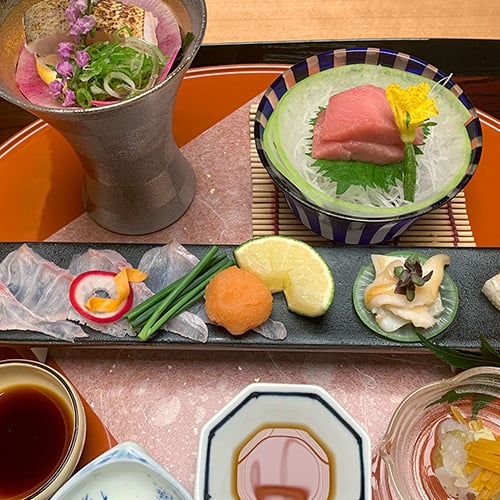
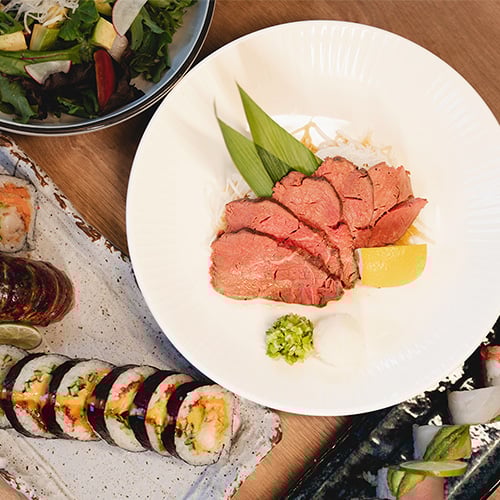
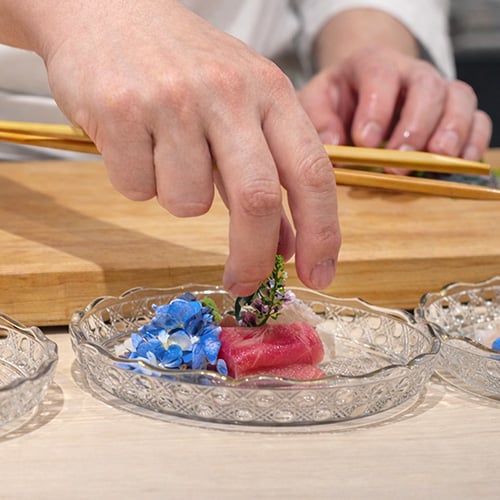
Japanese cuisine, known for its delicate flavors, seasonal ingredients, and beautiful presentations, has gained popularity worldwide. Regional cuisines in Japan offer a diverse range of flavors and cooking styles. For example, Kaiseki cuisine from Kyoto focuses on seasonal ingredients and intricate presentation, while Okinawan cuisine incorporates influences from Southeast Asia. Japanese cooking methods emphasize precision and respect for ingredients. Techniques like sushi-making, tempura frying, and noodle-making require skill and attention to detail. Traditional Japanese cooking also includes methods like grilling, steaming, and simmering, which enhance the natural flavors of the ingredients. Omakase is a highly esteemed dining tradition originating from Japan, renowned for its personalized and exquisite culinary experience. During an omakase meal, patrons place their trust in the skilled chef to curate and present a delectable feast, typically consisting of multiple courses crafted with the finest, seasonal ingredients.
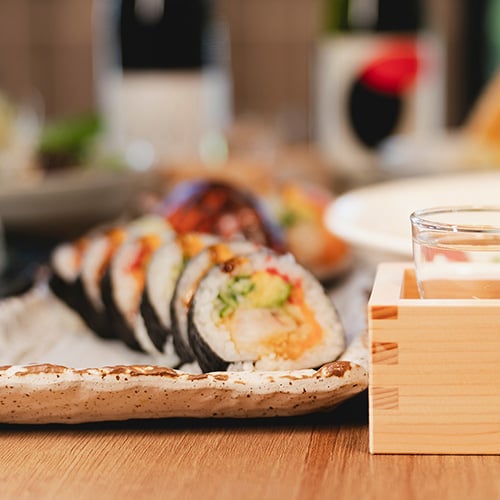
Rice, fish, soy sauce, and seaweed are staple ingredients in Japanese cuisine, as are tofu, noodles, and vegetables like daikon radish and bamboo shoots. Sushi dishes, comprised of vinegared rice topped with seafood or vegetables, have become a global favorite. Sashimi, thinly sliced raw fish served with soy sauce and wasabi, showcases the freshness of the ingredients. Japanese tempura features lightly battered and fried seafood and vegetables, while ramen varieties are comforting noodle soups with various toppings. Not just seafood and delicate flavors, Japan produces some of the most expensive and prized beef in the world: Wagyu and Kobe beef. Born in Uji, matcha, a finely ground powder made from specially grown and processed green tea leaves, is a popular ingredient in Japanese cuisine for traditional tea ceremonies, desserts, and savory dishes.
Regional Japanese Cuisines: Hokkaido cuisine, Kansai cuisine, Tohoku cuisine, Kanto cuisine, Chubu cuisine, Chugoku cuisine, Shikoku cuisine, Kyushu cuisine
Foundational Japanese Flavors/Ingredients: Rice, fish, soy sauce, miso, seaweed, wasabi, premium beef, matcha, noodles
Popular Japanese Dishes: Sushi, sashimi, tempura, donburi, ramen, udon, soba, yakitori, katsu curry, miso soup
Signature Japanese Cooking Methods: Sushi rolling, sashimi slicing, grilling, steaming, frying, and simmering
6. Italian Cuisine
Italian restaurants can be found in almost every corner of the globe, showcasing the popularity and versatility of Italian dishes. Italian cooking methods often emphasize simplicity and quality ingredients. Pasta is typically cooked al dente, meaning it is firm to the bite, while pasta sauces are made from scratch, often using fresh ingredients like tomatoes, herbs, and olive oil. These ingredients form the foundation of many classic Italian dishes and are essential for creating authentic flavors. Grilling, roasting, and braising are common cooking techniques used to create flavorful dishes that highlight the natural tastes of the ingredients. Global chefs pay a premium for DOP ingredients like prosciutto di Parma, Parmigiano Reggiano, San Marzano tomatoes, and buffalo mozzarella.
Some notable regional Italian cuisines include the seafood-focused dishes of Sicily, like pasta con le sarde (savory sauce made with sardines, wild fennel, raisins, pine nuts, and saffron mixed with bucatini pasta and garnished with toasted breadcrumbs), and Tuscany's grilled meats and hearty stews like bistecca alla Fiorentina (tender loin steak from a young steer or heifer grilled on the bone until it reaches a rare level of doneness). Lombardy offers rich and creamy risotto, a rice dish cooked with broth and flavored with ingredients like mushrooms or saffron. In Rome, simple pasta dishes like cacio e pepe and carbonara are popular. Globally recognized Italian dishes include pastas such as spaghetti carbonara, lasagna, and fettuccine alfredo. Pizza, originating from Naples, has also become a globally recognized Italian dish, mimicked and reimaged into various pizza styles that cater to different tastes around the world.
Regional Italian Cuisines: Sicilian cuisine, Tuscan cuisine, Roman cuisine, Lombardy cuisine, Lazio cuisine, Campania cuisine
Foundational Italian Flavors/Ingredients: Basil, oregano, tomatoes, mozzarella, pasta, olive oil
Popular Italian Dishes: Pizza, pasta dishes, cured meats, DOP cheeses
Signature Italian Cooking Methods: Grilling, roasting, braising, baking in a wood-fired pizza oven
7. Chinese Cuisine
With a history spanning thousands of years, Chinese cuisine is characterized by dishes that balance sweet, sour, salty, pungent, and bitter flavors. Chinese 5 spice, comprised of star anise, cloves, Chinese cinnamon (cassia), Sichuan peppercorns, and fennel seeds, exemplifies this harmonious blend of sweet, savory, and spicy notes emblematic of Chinese cooking. China is a vast country with diverse regional cuisines that vary in flavors, ingredients, and preparation methods. Some of the most well-known regional cuisines include Sichuan cuisine, renowned for its bold and spicy flavors; Cantonese cuisine, which emphasizes fresh ingredients and delicate flavors; and Shanghainese cuisine, characterized by sweet and savory dishes. Stir-frying is a popular cooking method that involves quickly cooking ingredients in a wok pan over high heat to preserve their texture and flavor. Other common cooking techniques include steaming, braising, deep-frying, and roasting.
Chinese cuisine relies heavily on fresh ingredients such as vegetables, meats, seafood, and grains. Common ingredients include soy sauce, ginger, garlic, scallions, and various spices such as star anise, Sichuan peppercorns, and ginger. Asian noodles, rice, and tofu are staple ingredients. Some popular Chinese dishes include Peking duck, a duck dish with crispy skin; Kung Pao chicken, a spicy stir-fry dish with peanuts and vegetables; and Dim Sum, a selection of small savory and sweet dishes served in steamers, typically for breakfast. China also has a rich tea culture steeped in ceremony. Their Dragon Well, Tie Guan Yin, Da Hong Pao, and Pu-erh teas are considered some of the finest in the world.
Regional Chinese Cuisines: Sichuan cuisine, Cantonese cuisine, Shanghainese cuisine
Foundational Chinese Flavors/Ingredients: Soy sauce, plum sauce, star anise, Sichuan peppercorns, five-spice powder, rice, noodles, tofu
Popular Chinese Dishes: Peking duck, dim sum, moo shu pork, kung pao chicken, wonton noodle soup, and scallion pancakes
Signature Chinese Cooking Methods: Stir-frying, steaming, braising, deep-frying, and roasting
8. Vietnamese Cuisine
Vietnamese cuisine is renowned for its fresh flavors, vibrant colors, and diverse ingredients that create a harmonious balance of sweet, savory, sour, and spicy tastes. Regional cuisines within Vietnam offer unique specialties that reflect the local climate and available ingredients. Northern Vietnamese cuisine is influenced by Chinese flavors and tends to be milder, featuring dishes like pho (broth, herb, meat, and rice noodle soup) and cha lua (porked sausage steamed in banana leaf). Central Vietnamese cuisine is known for its spicier dishes like bun bo hue (spicy beef noodle soup) and banh xeo (crispy, savory pancakes). Southern Vietnamese cuisine is characterized by its use of coconut milk, tropical fruits, and bold flavors in dishes like com tam (broken rice with grilled pork).
Common ingredients in Vietnamese cuisine include fresh herbs like mint, cilantro, and Thai basil, as well as lemongrass, fish sauce, rice noodles, and a variety of fresh vegetables such as bean sprouts, cucumbers, and lettuce. The period of French colonial rule, which lasted from the mid-19th century to the mid-20th century, influenced Vietnamese cuisine by introducing ingredients such as baguettes, pate, and coffee, which have become integral parts of the food culture. The fusion of French and Vietnamese culinary elements is evident in dishes like Banh Mi, a Vietnamese sandwich that features a French baguette filled with a variety of meats, pickled vegetables, and herbs. Another popular dish that showcases this fusion is Bo Kho, a hearty beef stew that incorporates French-style braising techniques with Vietnamese spices and flavors.
Regional Vietnamese Cuisines: Northern Vietnamese cuisine, Central Vietnamese cuisine, Southern Vietnamese cuisine
Foundational Vietnamese Flavors/Ingredients: Mint, cilantro, Thai basil, lemongrass, fish sauce, rice noodles, bean sprouts, cucumbers, and baguettes
Popular Vietnamese Dishes: Pho, banh xeo, bun cha, cao lau, banh mi, banh xeo, cha cha
Signature Vietnamese Cooking Methods: Stir-frying, steaming, grilling, braising, simmering
9. Korean Cuisine
Korean cuisine is known for its bold flavors, vibrant colors, and use of fermentation to add tang. Fermented foods like kimchi, soybean paste, and doenjang are staples. Gochujang, a spicy and savory red chili paste, is another essential ingredient in Korean cooking. Common elements in Korean dishes include rice, vegetables such as cabbage, radish, and mushrooms, meats like beef, pork, and chicken, seafood, and seasonings such as garlic, ginger, sesame oil, soy sauce, and red pepper flakes. Some popular Korean dishes include bibimbap (mixed rice with vegetables and meat) from the Jeolla Province, bulgogi (marinated grilled beef) from the Seoul and Gyeonggi provinces, dakgalbi (spicy stir-fried chicken with rice cakes and vegetables) from the Gangwon Province, and mandu (various dumplings) from the Pyongyang region.
Korean cuisine utilizes grilling, stir-frying, boiling, and steaming. Grilling is particularly popular, and Korean BBQ restaurants are becoming a sought-after dining experience worldwide as diners appreciate the novelty of grilling their own meat at the table. Banchan, small side dishes served alongside the main meal, are essential parts of Korean dining culture, offering a variety of flavors and textures that complement the main dishes. Korean royal court cuisine, the culinary tradition of the Joseon Dynasty, uses refined flavors and elaborate presentation. In the 21st century, a resurgence of this esteemed cookery style has captivated modern palates. Notable dishes such as gujeolpan, a nine-sectioned plate featuring a medley of meats, vegetables, and pancakes, sinseollo, a flavorful hot pot cooked in a grand silver vessel, pyeonyuk, thinly sliced and seasoned meat, as well as an array of namul and kimchi, continue to honor the legacy of Korean royal dining.
Regional Korean Cuisines: Jeolla Province cuisine, Gangwon Province cuisine, Pyongyang region cuisine, and Korean royal court cuisine
Foundational Korean Flavors/Ingredients: Kimchi, soybean paste, gochujang, radish, mushrooms, meats, garlic, ginger, sesame oil, soy sauce, and red pepper flakes
Popular Korean Dishes: Bibimbap, bulgogi, dakgalbi, mandu, banchan
Signature Korean Cooking Methods: Grilling, stir-frying, boiling, and steaming
10. Greek Cuisine
Greek cuisine is known for its fresh, localized ingredients and rich culinary traditions. Key elements in Greek cooking include EVOO (extra virgin olive oil), garlic, oregano, lemon, and feta cheese. These ingredients are often used to create dishes that are both hearty and healthy. In fact, the Mediterranean diet, of which Greek cuisine is a key component, is known for its health benefits and emphasis on fresh fruits, vegetables, whole grains, and olive oil. Regional variations in Greek cuisine reflect the diverse landscapes and culinary influences across the country. For instance, on the island of Crete, dishes are often prepared with olive oil, wild greens, and aromatic herbs. In northern Greece, Turkish and Balkan influences can be seen in meat-based dishes.
Greek cooking methods often involve grilling, roasting, and stewing. Some of the most iconic dishes in Greek cooking include moussaka, a layered casserole featuring eggplant, minced meat, and creamy bechamel sauce; spanakopita, a savory pastry filled with spinach and feta cheese; and souvlaki, grilled meat skewers served with pita bread and tzatziki sauce. Meze, small plates of appetizers or snacks, plays an important role in Greek dining culture. Meze dishes can range from various olives and cheeses to dips like tzatziki and hummus, along with grilled vegetables. Ouzo, a traditional Greek alcoholic beverage with an anise flavor, is often enjoyed alongside meze dishes to enhance the dining experience.
Regional Greek Cuisines: Peloponnese cuisine, Roumeli cuisine, Macedonian cuisine, Ionian cuisine, Dodecanese cuisine, North Aegean cuisine
Popular Greek Flavors: Olive oil, garlic, oregano, lemon, fresh vegetables, fresh fruits, and feta cheese
Popular Greek Dishes: Moussaka, spanakopita, souvlaki, meze, pita bread, hummus, tzatziki, horiatiki salad
Signature Greek Cooking Methods: Grilling, roasting, and stewing
11. British Cuisine
British cuisine reflects the rich history and diverse influences that have shaped it over the centuries. Key ingredients in British cooking include meats such as beef, lamb, and pork, as well as seafood like fish and shellfish. Potatoes, carrots, and cabbage, savory herbs like thyme, rosemary, and parsley, and flavorings like vinegar, mustard, and malt are also staples in British dishes. Cooking methods often involve roasting, stewing, and baking. Roast beef and Yorkshire pudding are iconic examples of traditional British roasts, while fish and chips, a dish of battered and fried fish served with thick-cut fries, is a beloved staple across the country.
Start your day in the British Isles with a full English breakfast, and you’ll be full until teatime; this hearty meal consists of eggs, bacon, sausage, black pudding, baked beans, mushrooms, tomatoes, and toast. A quintessentially British tradition, afternoon tea is typically served between 3 p.m. and 5 p.m., and offers a selection of finger sandwiches, scones with clotted cream and jam, British baked goods, and, of course, a pot of hot tea. Another classic British comfort food is Shepherd's pie, a savory dish made with minced meat and topped with mashed potatoes. Regional variations in British cuisine are pronounced, with each region boasting its own specialties. For example, Scotland is known for its haggis, a dish made from sheep's heart, liver, and lungs, and renowned for its premium Scotch whiskey, while Wales is famous for its traditional Welsh cakes and leek soup.
Regional British Cuisines: English cuisine, Scottish cuisine, Welsh cuisine, Northern Irish cuisine
Popular British Flavors/Ingredients: Vinegar, malt, mustard, beef, lamb, potatoes, carrots, cabbage, thyme, rosemary, and parsley
Popular British Dishes: Yorkshire pudding, Cornish pasty, haggis, cranachan, Welsh cakes, boxty, soda bread, Scotch whiskey, mead
Signature British Cooking Methods: Roasting, stewing, frying, and baking
12. Middle Eastern Cuisine
Hospitality is a central aspect of Middle Eastern culture, and large, communal meals are used to bring people together and showcase the best of their culinary traditions. Common ingredients in Middle Eastern cooking include olive oil, garlic, chickpeas, lamb cuts, and a variety of fresh herbs and spices such as cumin, coriander, and sumac. Cooking methods in Middle Eastern cuisine often involve grilling, roasting, and braising. Meats are frequently marinated in flavorful spice blends before being cooked over an open flame or in a clay oven. Vegetables are often roasted or stewed to create rich, savory dishes.
Lamb and rice dishes like biryani, kibbeh, and mansaf are staples of regional Middle Eastern cuisines. Other famous dishes include falafel, hummus, and kebabs. Mezze platters are a popular way to enjoy a variety of small dishes, and typically include a selection of olives, cheeses, dips, and grilled vegetables. Middle Eastern cuisine offers delectable desserts, such as baklava, Turkish delight, and halva. Baklava is a sweet pastry made of layers of filo dough, nuts, and honey. Turkish delight, also known as lokum, is a chewy confection made of starch and sugar, often flavored with rosewater or citrus. Halva is a dense, sweet confection made from sesame paste or tahini, often mixed with nuts or dried fruits for added texture and flavor. A modern riff off classic Middle Eastern sweets is Dubai chocolate, a pistachio butter and kataifi-filled chocolate candy bar that has captivated the taste buds of those around the globe.
Regional Middle Eastern Cuisines: Arab cuisine, Assyrian cuisine, Bahraini cuisine, Balochi cuisine, Cypriot cuisine, Eastern Arabian cuisine, Egyptian cuisine, Emirati cuisine
Popular Middle Eastern Flavors: Olive oil, garlic, chickpeas, lamb cuts, cumin, coriander, and sumac
Popular Middle Eastern Dishes: Tabouli salad, biryani, kibbeh, mansaf, mezze platters, falafel, hummus, kebabs, baklava, Turkish delight, and halva
Signature Middle Eastern Cooking Methods: Grilling, roasting, braising, and baking in a clay oven
13. Brazilian Cuisine
Known for its bold and vibrant flavors, Brazilian cuisine incorporates a mix of fresh herbs, spices, juicy fruits, and a variety of meats. Common ingredients include cassava, black beans, rice, coconut, palm oil, and a wide array of tropical fruits such as mango, passion fruit, and guava. Brazilian dishes are often seasoned with ingredients like garlic, onions, cilantro, and cumin, adding depth and complexity. Feijoada is perhaps the most iconic Brazilian dish, a hearty stew made with black beans, pork, and beef. This dish is often served with rice, collard greens, and farofa (toasted cassava flour). Churrasco, a style of barbecue, is also widely popular, featuring grilled meats served with chimichurri sauce. Another famous dish is acai, a superfood berry native to the Amazon region, often served as a refreshing and nutritious smoothie bowl. Acai smoothie bowl businesses are popular amongst health-conscious consumers and those with a sweet tooth alike.
From the Amazon rainforest to the coastal regions, Brazilian cuisine encompasses a wide range of flavors, ingredients, and cooking techniques. For example, the northeastern region is known for its seafood dishes and flavorful stews, while the south is famous for its barbecue culture. The Amazon region offers a wide variety of exotic ingredients and dishes influenced by indigenous traditions. Brazil has a thriving street food culture, with vendors selling a variety of snacks and quick meals on the streets. Coxinha (deep-fried chicken croquettes), pastel (fried pastries filled with savory fillings), and pao de queijo (cheese bread) are just a few examples of popular street foods enjoyed by both locals and visitors. Caipirinha, a cocktail made with cachaca (sugarcane spirit), lime, sugar, and ice, is a refreshing drink often enjoyed alongside street food.
Regional Brazilian Cuisines: Minas Gerais cuisine, Bahian cuisine, Southern Brazilian cuisine, Northern Brazilian cuisine
Popular Brazilian Flavors/Ingredients: Tropical fruits, grilled meats, cassava, black beans, rice, coconut, palm oil, garlic, onions, cilantro, and cumin
Popular Brazilian Dishes: Acai bowls, churrasco, feijoada, coxinha, pastel, pao de queijo, chimichurri sauce, and caipirinha
Signature Brazilian Cooking Methods: Grilling, stewing, simmering, deep-frying
14. Spanish Cuisine
Spain's diverse geography and rich culinary traditions have given rise to a wide range of regional specialties. From the hearty stews of the Basque Country to the fresh seafood of Galicia, each region offers its own unique culinary delights. The influence of Moorish, Jewish, and Roman cultures is seen in the diverse flavors and ingredients used in Spanish cuisine. It’s known for its use of simple cooking techniques that allow the flavors of the ingredients to shine. Grilling, frying, and stewing are popular methods of preparation, with an emphasis on slow cooking to develop rich, complex flavors. Many dishes are seasoned with a combination of paprika, saffron, and other aromatic spices to create a distinctive taste profile. Olive oil, garlic, tomatoes, and fresh herbs and spices are staples in Spanish cooking. Seafood, particularly in coastal regions, plays a prominent role in many dishes, while pork, lamb, and poultry are also common.
Spanish cuisine is home to iconic dishes that have gained international acclaim. Paella, a flavorful rice dish cooked with saffron, seafood, and meats, is a staple. Gazpacho, a chilled tomato soup, is a refreshing summer favorite, while churros, fried dough pastries served with chocolate sauce, are a popular dessert. Spanish tapas are a quintessential part of the culinary culture, offering a social dining experience that encourages sharing and sampling a variety of flavors. These small plates can include a wide range of dishes, from cured meats like jamon Iberico to cheeses like Manchego to croquettes and patatas bravas. Tapas are often enjoyed with a glass of wine or sherry, making them a perfect accompaniment to a leisurely evening with friends.
Regional Spanish Cuisines: Basque cuisine, Galician cuisine, Pyrenees cuisine, Valencian cuisine, Andalucian cuisine, Catalonian cuisine, Castilla-Leon cuisine
Popular Spanish Flavors/Ingredients: Cured meats, saffron, olive oil, garlic, tomatoes, seafood, meats, sherry wine
Popular Spanish Dishes: Tapas, paella, gazpacho, churros, tortilla de patatas, cocido madrileno, croquetas, chorizo, fabada
Signature Spanish Cooking Methods: Grilling, frying, and stewing
15. African Cuisine
African cuisine offers a diverse and vibrant culinary experience that reflects the continent's rich cultural heritage and unique flavors. It uses bold spices, aromatic herbs, and fresh, locally sourced ingredients that showcase the region's agricultural abundance. Prevalent in African cuisine are maize, sorghum, millet, and rice, as are meats such as beef, chicken, lamb, and goat. African cuisine incorporates a range of cooking methods, including grilling, roasting, stewing, and frying. Many dishes are prepared using traditional cooking techniques such as simmering in a flavorful broth or marinating meats in aromatic spices before cooking.
Africa's vast size and diverse landscapes contribute to the wide range of culinary traditions found across the continent. Staples like cassava and plantains are widely used in West African cuisine, while North African dishes are known for their use of couscous and aromatic spices. South Africa is known for its rooibos tea, a caffeine-free herbal tea that is enjoyed both hot and cold. From the fragrant Moroccan tagines, slow-cooked stews made with meat, vegetables, and aromatic spices, to the spicy Ethiopian doro wot, a flavorful chicken stew served with injera, a spongy flatbread made from teff flour, African cuisine is home to a plethora of iconic dishes that have gained international acclaim.
Regional African Cuisines: West African cuisine, Ethiopian cuisine, Central African cuisine, East African cuisine, North African cuisine, South African cuisine
Popular African Flavors/Ingredients: Meats like beef, chicken, and goat, maize, sorghum, millet, rice, cassava, plantains, berbere, rich spices, and local herbs
Popular African Dishes: Doro wot and injera, tagines, cous cous, jollof rice, fufu, ugali, bunny chow, suya, bobotie moin moin, chakalaka
Signature African Cooking Methods: Grilling, roasting, stewing, and frying
Global cuisines have a profound impact on America's culinary landscape, shaping the way our globalized society eats and experiences food. Chefs who are knowledgeable about major global cuisines can successfully experiment with fusion cooking, pushing the boundaries of traditional culinary norms and delighting diners with exciting and unexpected flavor combinations. By embracing and appreciating the unique characteristics of different global cuisines, chefs can share the richness and diversity of the world's culinary heritage.