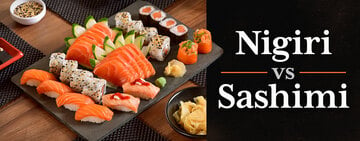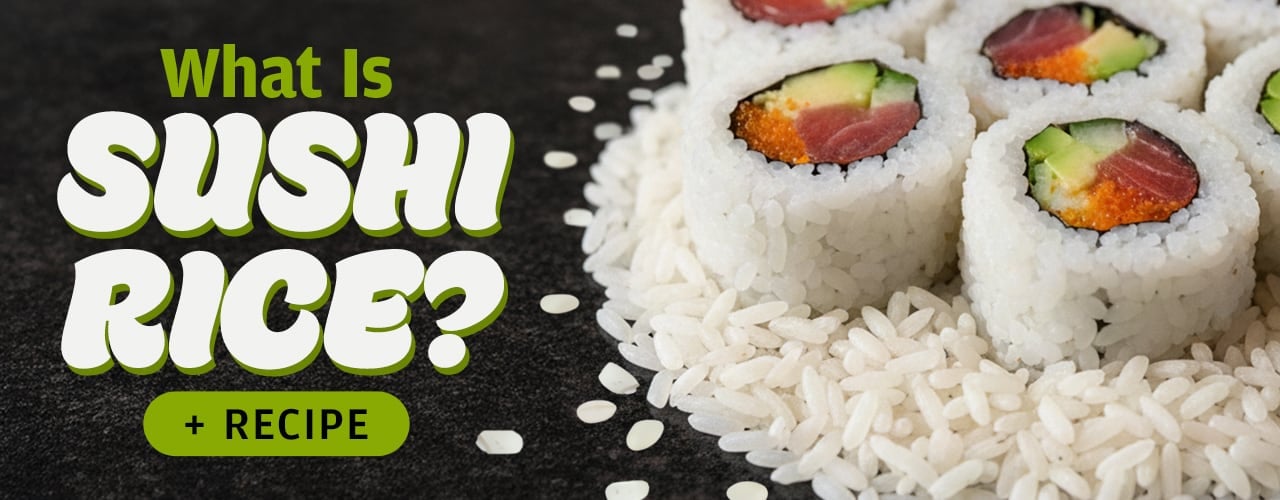
Sushi rice is a fundamental component of sushi, providing the perfect base for delicious and authentic Japanese cuisine. We explore the essential aspects of sushi rice, including its characteristics and the steps to prepare it both in a rice cooker and on a stovetop. Whether you're starting a Japanese restaurant or want to make want to add sushi to your upscale happy hour menu, mastering the art of making sushi rice is crucial for creating flavorful and well-textured sushi dishes that will delight your customers.
Shop All Sushi RiceWhat Is Sushi Rice?

Sushi rice is short-grain white rice seasoned with a mixture of rice vinegar, white sugar, and salt. Rice vinegar is made by fermenting rice into alcohol, producing a sweet and delicate flavor with a lower acidity than other types of vinegar, so it complements without overpowering sushi's fresh flavors. While the best rice for sushi is short-grain Japanese rice, and it's often labeled as "sushi rice" in grocery stores, it's important to note that sushi rice is not just a rice variety but a preparation method. This specially seasoned short-grain rice is the foundation of various types of sushi and plays a crucial role in achieving the authentic taste and texture of sushi dishes.
What Type of Rice Is Sushi Rice?
The best rice for sushi rice is short-grain Japanese rice. This type of rice is known for its sticky and slightly sweet characteristics. Short-grain Japanese rice is able to absorb the vinegar and seasonings well, resulting in the signature glossy and sticky texture that is ideal for sushi rolls and nigiri. Its ability to hold together when rolled or shaped makes it the preferred choice for sushi chefs around the world.
What Does Sushi Rice Taste Like?
Sushi rice has a subtle sweetness that comes from the addition of rice vinegar, sugar, and salt during the seasoning process. The balance of these flavors creates a harmonious blend that complements the other ingredients used in sushi. The texture of sushi rice is sticky and slightly firm. This sticky texture is essential for creating well-formed sushi pieces that are easy to pick up with chopsticks or fingers. When properly cooked and seasoned, sushi rice should have a delicate tanginess from the rice vinegar, a hint of sweetness from the sugar, and a touch of saltiness. This flavor profile enhances the taste of the raw, sushi-grade fish, vegetables, and other fillings used in sushi, creating a well-rounded and satisfying culinary experience.
Sushi Rice Recipe
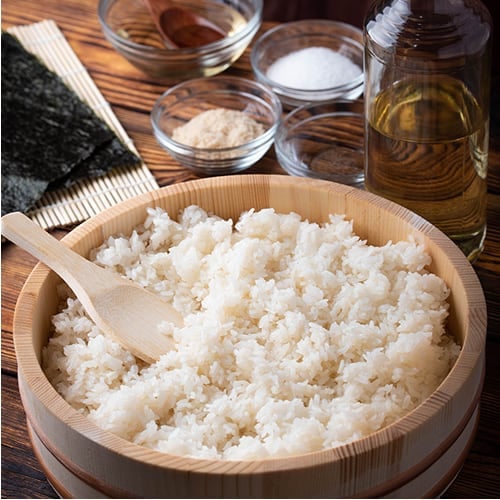
Whatever type of sushi you're making, from a simple nigiri to an elaborate hand roll, sushi rice is foundational to any sushi recipe. We explain how to use a rice cooker and a stovetop to make sushi rice so you can choose the application that works for your business. Use our recipe resizer tool to make sushi rice in bulk.
Yield: 3 cups prepared sushi rice
Rice Cooker Method Total Time: 50 minutes
Stovetop Method Total Time: 60 minutes
Sushi Rice Ingredients
- 2 cups short-grain Japanese rice
- 2 cups of water (rice cooker) or 2 1/4 cups water (stovetop)
- 1/4 cup rice vinegar
- 1/4 cup sugar
- 1 tsp salt
How to Make Sushi Rice in a Rice Cooker
- Place rice in bowl, fill with cold water, swirl, and drain.
- Repeat 3 to 4 times until water is mostly clear.
- Let rice sit in strainer for 10 to 15 minutes.
- Using 1:1 ratio, add 2 cups rice and 2 cups water to rice cooker.
- Press the "white rice" or "regular" setting and allow to cook.
- Combine rice vinegar, sugar, and salt in small saucepan over low heat. Stir mixture until sugar and salt dissolve completely.
- When rice is done, transfer to large bowl or hangiri (wooden rice tub).
- Pour vinegar mixture over rice and gently fold it in with rice paddle.
- With hand fan, paddle fan, or an electric fan, fan rice as you mix to help it cool and get glossy.
- Cover with damp towel to prevent drying and let rest 10 minutes.
How to Make Sushi Rice on the Stovetop
- Place rice in bowl, fill with cold water, swirl, and drain.
- Repeat 3 to 4 times until water is mostly clear.
- Let rice sit in strainer for 10 to 15 minutes.
- Add 2 cups rice and 2 1/4 cups water to pot. (Slightly more water is needed than the rice cooker method.)
- To improve texture, let rice soak in pot for 20 to 30 minutes before cooking.
- Cover pot with tight lid.
- Heat over medium until it begins to boil.
- Once boiling, reduce to low heat and simmer for 12 minutes without lifting lid.
- Turn heat off and let it sit covered for 10 minutes.
- Combine rice vinegar, sugar, and salt in small saucepan over low heat. Stir mixture until sugar and salt dissolve completely.
- Transfer to rice to bowl or hangiri.
- Pour vinegar mixture over rice and gently fold it in with rice paddle. Fan and fold while mixing.
Sushi Rice Recipe Tips
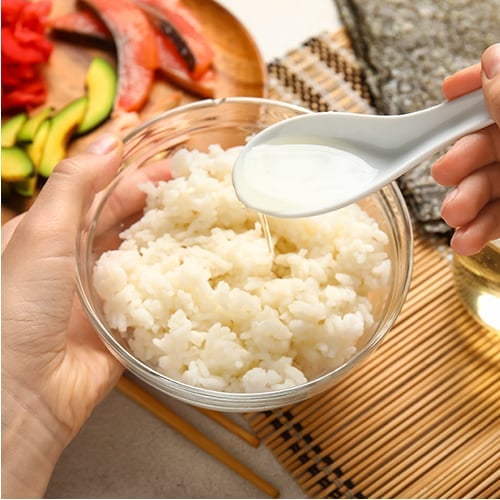
For the best texture and flavor, follow these tips when making your sushi rice:
- Avoid metal bowls when mixing the vinegar. Wood or glass bowls work best to prevent any unwanted reactions between the vinegar and the metal.
- When stirring in the vinegar mixture, use cutting and folding motions to gently incorporate the seasoning without smashing the grains of rice.
- While you are slicing and folding the rice, use a hand fan, such as a Japanese uchiwa paddle fan, or an electric fan to blow air over the rice. This helps remove excess moisture and aids in rapid cooling, resulting in the gelatinization of the rice surface that gives it a glossy appearance.
- Use the sushi rice while it is still slightly warm for making sushi rolls. Warm rice is easier to work with and helps maintain the integrity of the sushi roll.
How to Season Sushi Rice
When it comes to seasoning sushi rice, the traditional combination is a mixture of rice vinegar, sugar, and salt. The vinegar provides a tangy taste that complements the other ingredients in sushi, while the sugar adds a touch of sweetness to balance the flavors. The salt helps to enhance the overall taste and brings out the umami flavors in the rice. If you prefer a more complex flavor profile, you can customize the seasoning by adding ingredients like mirin, sake, or kombu (kelp) to the mixture. These additions can elevate the taste of the sushi rice and provide a unique twist to your sushi dishes.
Sushi Rice FAQ
Now that you know what sushi rice is and how to make it, we answer frequently asked questions about sushi rice so you can incorporate it into your menu.
Is Sushi Rice Gluten Free?
Traditional sushi rice made from short-grain Japanese rice, rice vinegar, sugar, and salt is naturally gluten-free. However, it's essential to be cautious of potential cross-contamination in commercial settings where additional ingredients or seasonings may be used. To ensure a completely gluten-free sushi experience, always check the labels of any added ingredients and opt for gluten-free soy sauce substitutes.
How Much Rice Vinegar for Sushi Rice?
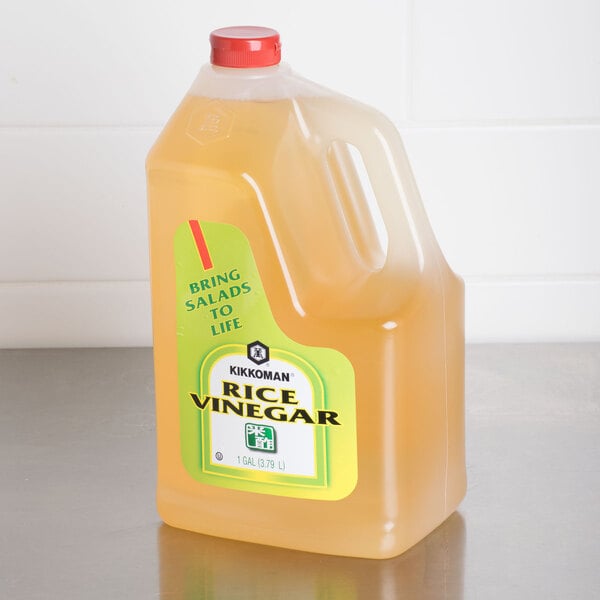
To ensure that your sushi rice has the right amount of rice vinegar, the general rule of thumb is to use approximately 1/4 cup of rice vinegar for every 2 cups of uncooked rice you're preparing. The addition of rice vinegar not only enhances the flavor of the sushi rice but also helps to give it the characteristic sticky texture that is essential for shaping sushi rolls. By incorporating the right amount of rice vinegar into your sushi rice, you can achieve the ideal balance of flavors that will complement the fresh fish and other ingredients in your sushi rolls.
How Long Is Sushi Rice Good for in the Fridge?
When stored correctly in the refrigerator, sushi rice can last for up to five days. To extend the shelf life of sushi rice, it is important to cool it down to room temperature before transferring it to an airtight container. This will prevent condensation from forming inside the container, which can lead to bacterial growth. Additionally, storing sushi rice in the fridge at a temperature below 41 degrees Fahrenheit is crucial to inhibit the growth of harmful bacteria.
Is Sushi Rice Sticky Rice?
Sushi rice and sticky rice are two distinct varieties with unique flavors, textures, and culinary applications. Sushi rice, made from Japanese short-grain rice, is known for its slight stickiness when cooked, thanks to its high amylopectin content, which holds sushi rolls together while maintaining a soft and slightly separate texture. It's always seasoned with vinegar, sugar, and salt. Sticky rice, also known as sweet rice and glutinous rice, is commonly utilized in Southeast and East Asian cuisine and is much stickier than sushi rice, with grains adhering together to form a cohesive, chewy mass when cooked. It is used in both sweet and savory dishes like mango sticky rice, mochi varieties, dumpling fillings, and lao/Thai sticky rice.
Where Did Sushi Rice Come From?
The practice of adding vinegar to rice can be traced back to Japan, where fish was traditionally preserved by encasing it in fermented rice. Initially, the rice used in sushi was discarded, and only the fish was consumed. However, as culinary practices evolved, the Japanese realized the potential of combining fish with vinegared rice. This discovery led to the popularization of sushi as we recognize it today, with fish enveloped in seasoned and vinegared rice. Over time, the addition of vinegar to the rice not only prolonged its freshness but also introduced a distinctive tangy flavor that complemented the fish perfectly.
Sushi rice plays a vital role in the art of sushi preparation, serving as the foundation for many sushi creations. To achieve the desired texture and flavor of sushi rice, it is essential to carefully measure ingredients such as rice, water, vinegar, sugar, and salt. Properly washing and soaking the rice, as well as mastering the cooking and seasoning process, are crucial steps in creating perfect sushi rice. Whether you are an experienced sushi chef or a novice eager to explore the world of sushi making, honing your skills in preparing sushi rice is key to crafting delectable and authentic sushi dishes. Once you've mastered this basic, you can get creative and start offering omakase sushi at your restaurant.