

British cuisine has long been shaped by the landscapes, traditions, and cultural exchanges that have influenced the British Isles for centuries. Although it is often associated with hearty comfort foods, its culinary heritage extends far beyond familiar pub classics, encompassing distinctive regional specialties, enduring dining customs, and techniques that continue to influence commercial kitchens today. Many of its most recognizable dishes remain staples in restaurants, pubs, hotels, and catering operations throughout the United Kingdom and beyond, leaving its mark on global cuisine. Below, we explore the traditions, flavors, and cooking methods that define British cuisine, providing foodservice professionals with a deeper understanding of one of the world's most enduring gastronomic palates.
What Is British Cuisine?
Built around locally available meats, seafood, dairy, grains, and seasonal produce, British cuisine has evolved over centuries through agriculture, trade, and cultural exchange while maintaining a strong connection to regional identity. Traditional British cooking emphasizes practical preparation methods such as roasting, baking, stewing, and frying, resulting in hearty dishes designed to make the most of fresh, readily available ingredients. Today, British cuisine remains a cornerstone of pubs, hotels, restaurants, bakeries, and catering operations, where both classic recipes and modern interpretations continue to shape menus across the United Kingdom and beyond.
What Is British Cuisine Known For?
Known for its filling comfort foods and regional specialties, British cuisine places an emphasis on high-quality local ingredients. Signature dishes such as fish and chips, Sunday roast, shepherd's pie, Cornish pasties, and a full English breakfast have become internationally recognized, while afternoon tea and traditional baked goods remain enduring parts of British food culture. The cuisine also stands out for its distinctive regional products, including Scottish salmon and whisky, Welsh lamb, and artisan cheeses produced throughout the British Isles. Across commercial foodservice, British cooking continues to balance time-honored techniques with contemporary influences, making it adaptable for both casual pubs and fine dining establishments.
British Regional Cuisines
While many classic British dishes are recognized nationwide, individual regions have developed signature recipes and ingredients that reflect their natural resources and cultural heritage. Coastal communities have long emphasized fresh seafood, while inland regions are known for livestock, baked goods, and satisfying comfort foods. Understanding these regional differences helps foodservice operators build more authentic menus and appreciate the breadth of British cooking beyond its most familiar dishes.
- English Cuisine: England's culinary tradition includes Sunday roasts, Yorkshire pudding, and fish and chips as well as favorites like Cornish pasties and Cumberland sausage. Local cheeses, ales, and baked goods also play a big role in English food culture.
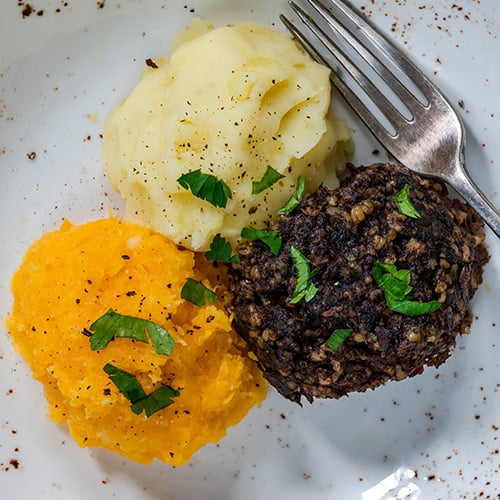
- Scottish Cuisine: Scotland is known for premium beef, lamb, salmon, shellfish, oats, and game, along with iconic dishes such as haggis, Cullen skink, and cranachan. Scotch whisky is another defining product that has become synonymous with Scottish cuisine worldwide.
- Welsh Cuisine: Built around high-quality lamb, beef, dairy, and coastal seafood, Welsh cuisine emphasizes simple entrees that highlight local ingredients. Traditional specialties include cawl, Welsh rarebit, bara brith, and Welsh cakes.
- Northern Irish Cuisine: Northern Irish cooking blends Irish and British influences with an emphasis on potatoes, bread, dairy, and locally raised meats. Signature foods include the Ulster Fry, soda bread, potato farls, and dishes featuring fresh seafood harvested along the region's coastline.
Types of British Cuisine
British cuisine can be divided into several distinct styles that reflect the country's history, dining traditions, and evolving culinary influences. While regional specialties remain an important part of British food culture, these cuisine types are defined more by where and how food is served than by geography alone. Together, they showcase everything from casual comfort food and colonial influences to elegant dining rituals and contemporary restaurant cooking. Understanding these categories provides valuable context for foodservice operators developing authentic British-inspired menus.
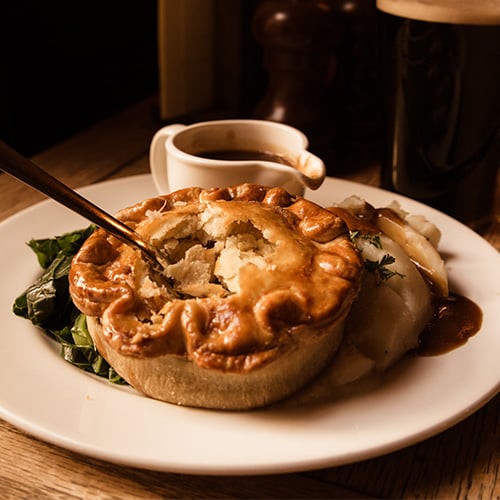
- Pub Grub: The traditional fare served in British pubs, pub grub centers on hearty, approachable meals paired with beer, cider, or ale. Staples include fish and chips, bangers and mash, steak and ale pie, shepherd's pie, ploughman's lunch, and Sunday roast, making this style well suited for casual dining concepts.
- Anglo-Indian Cuisine: Emerging during the British colonial period in India, Anglo-Indian cuisine combines British cooking traditions with Indian spices, ingredients, and techniques. Dishes such as kedgeree, mulligatawny soup, and chicken tikka masala reflect this fusion, which continues to influence British restaurant menus today.
- High Tea and Afternoon Tea: Although often confused, afternoon tea and high tea developed as separate dining traditions. Afternoon tea features light fare such as finger sandwiches, scones with clotted cream and jam, pastries, and tea, while high tea is a more substantial early evening meal that may include meat dishes, pies, fish, breads, and vegetables.
- Modern British Cuisine: Rather than relying solely on classic recipes, modern British cuisine reinterprets traditional dishes using seasonal ingredients, global influences, and contemporary culinary techniques. Many fine dining restaurants and upscale gastropubs embrace this style, pairing locally sourced produce with refined presentation while preserving the flavors that define British cooking.
British Cuisine History
British culinary history traces the evolution of the nation's food traditions through centuries of cultural exchange, political change, and agricultural development. The foundations of British cuisine were established by the Romans, who introduced organized farming practices, vineyards, and new ingredients, followed by the Anglo-Saxons, whose diet centered on bread, ale, dairy, and locally raised livestock. After the Norman Conquest of 1066, French culinary customs, spices, and refined cooking techniques became more common among the nobility, while traditional foods remained staples for the wider population. As England, Scotland, and Wales became closer under the British Crown, their distinct regional food traditions collectively shaped the cuisine that would come to define Great Britain.
The Age of Discovery and the expansion of the British Empire transformed British cooking by introducing tea, sugar, spices, citrus fruits, and other imported ingredients that became everyday staples. During the Industrial Revolution, rapid urbanization and advances in food production changed how meals were prepared and consumed, while railways improved access to regional ingredients across the country. In the twentieth century, wartime rationing encouraged resourceful cooking before postwar immigration introduced new culinary influences, particularly from South Asia, the Caribbean, and the Mediterranean. Today, modern British cuisine combines centuries-old recipes with seasonal sourcing, global flavors, and contemporary techniques, giving chefs and foodservice operators the flexibility to honor tradition while meeting modern dining preferences.
British Cooking Techniques
Many of the techniques in British cuisine prioritize developing rich flavor and tender textures making them just as relevant in modern commercial kitchens as they have been for centuries. Together, they form the foundation of many classic British recipes, whether it be Sunday roasts or curries and savory pies.
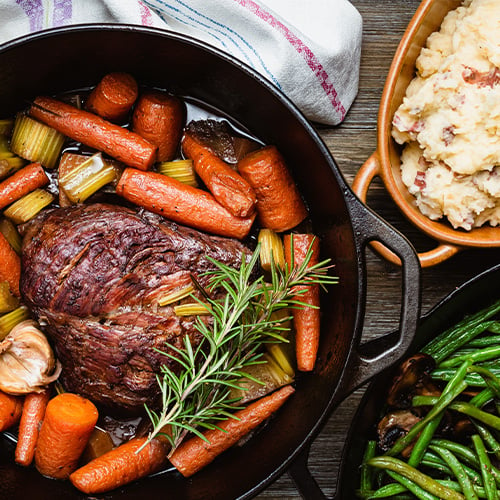
- Roasting: A cornerstone of British cooking, roasting uses dry heat to develop a crisp exterior while keeping meats and vegetables tender. It is the defining technique behind Sunday roast dinners, roast potatoes, Yorkshire pudding accompaniments, and many traditional holiday meals.
- Boiling: Long before modern cooking equipment became commonplace, boiling was a practical way to prepare meats, potatoes, root vegetables, and puddings. Today, it remains an essential step for dishes such as boiled potatoes, suet puddings, and vegetables served alongside roast meats.
- Poaching: This gentle cooking method uses lightly simmering liquid to preserve moisture and delicate texture in ingredients. British kitchens commonly use poaching for smoked haddock, eggs, salmon, chicken, and fruits featured in classic desserts.
- Braising and Stewing: By slowly cooking ingredients in a small amount of liquid, braising and stewing transform tougher cuts of meat into tender, flavorful dishes. Techniques like these are fundamental to British favorites including steak and ale pie filling, Lancashire hotpot, beef stew, and braised lamb dishes.
- Frying: Frying plays a central role in British cuisine, producing the crisp textures associated with fish and chips, full English breakfasts, and many pub classics. Depending on the recipe, chefs may shallow fry, pan fry, or deep fry to achieve the desired flavor and finish.
- Blooming Spices: Introduced through centuries of trade and later popularized by Anglo-Indian cuisine, blooming spices involves briefly cooking whole or ground spices in hot fat to release their essential oils before other ingredients are added. This technique is especially important when preparing British curry dishes such as chicken tikka masala, creating a deeper, more balanced flavor profile.
Essential British Cooking Equipment
Because British cooking relies on roasting, baking, frying, simmering, and braising, a well-equipped kitchen requires versatile equipment capable of handling a wide range of classic recipes. The following pieces of restaurant equipment form the foundation of most British-inspired foodservice operations:
- Commercial Ovens: As the backbone of British kitchens, commercial ovens are used to roast meats, bake savory pies, prepare Yorkshire puddings, and produce breads, scones, and pastries. Convection and combi ovens help deliver consistent results in high-volume restaurant settings.
- Deep Fryers: Essential for preparing fish and chips, deep fryers produce the crisp texture expected from Britain's most iconic dish. They are also commonly used for fried appetizers and other pub-style menu items.
- Commercial Ranges: Equipped with multiple burners and an oven, commercial ranges support everyday cooking tasks such as boiling vegetables, simmering gravies, preparing breakfast items, and cooking sauces. Their versatility makes them indispensable in traditional British kitchens.
- Braising Pans: Designed for browning, braising, simmering, and slow cooking, braising pans are ideal for producing dishes such as Lancashire hotpot, beef stew, steak and ale pie filling, and other slow-cooked specialties. Their large capacity also suits banquet and catering operations.
- Roasting Pans: Heavy-duty roasting pans promote even heat distribution when cooking beef, lamb, pork, poultry, and root vegetables. They are particularly important for preparing traditional Sunday roasts and collecting pan drippings for gravy.
- Commercial Griddles: Flat-top griddles provide ample cooking space for bacon, sausages, tomatoes, mushrooms, and other ingredients served in a full English breakfast. Many pubs and hotels rely on them to prepare large breakfast orders.
Popular British Dishes
A few classic recipes have defined British culinary identity for generations. Built on quality meats, seafood, dairy, grains, and seasonal produce, these foods remain staples in pubs, restaurants, hotels, and catering operations across the United Kingdom. Together, they showcase the deep flavors, regional traditions, and enduring appeal that characterize British cuisine.
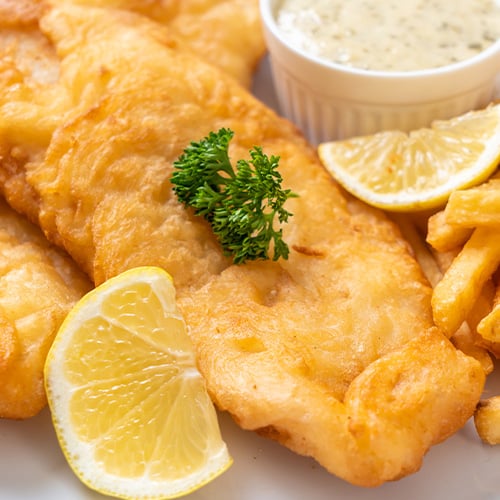
- Fish and Chips: One of Britain's most recognizable dishes, fish and chips features battered white fish, traditionally cod or haddock, served with thick-cut fried potatoes. Its combination of crisp batter, flaky fish, and simple accompaniments has made it a staple of pubs, restaurants, and takeaway shops since the nineteenth century.
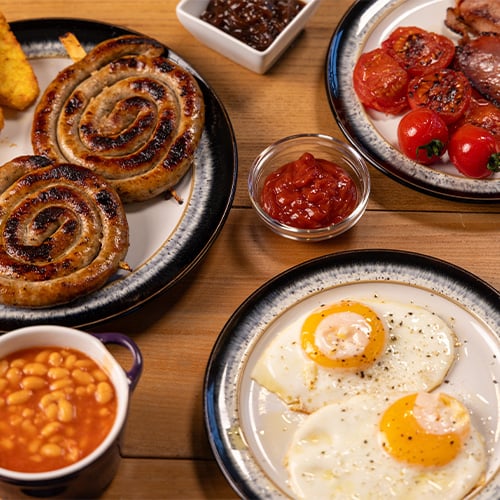
- Full English Breakfast: A filling breakfast consisting of eggs, bacon, sausage, baked beans, grilled tomatoes, mushrooms, toast, and often black pudding, the full English is designed to provide a substantial start to the day. It remains a signature offering in hotels, cafes, and breakfast restaurants throughout Britain.
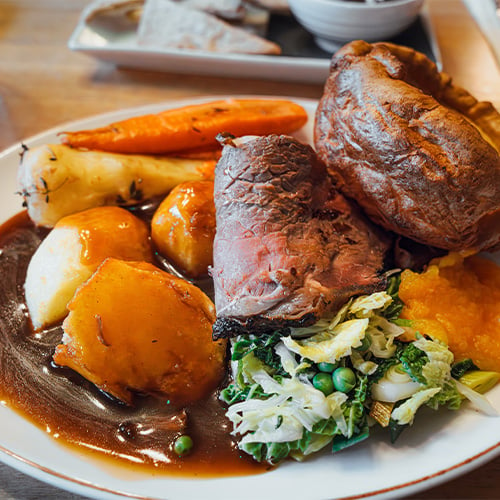
- Sunday Roast: Traditionally enjoyed on Sundays, this meal centers on roasted beef, lamb, chicken, or pork served with roast potatoes, seasonal vegetables, Yorkshire pudding, stuffing, and gravy. Its emphasis on communal dining has made it one of the country's most enduring culinary traditions.
- Bangers and Mash: This comforting pub favorite pairs pork sausages with creamy mashed potatoes and rich onion gravy. The dish highlights the quality of British sausages while delivering the heavy flavors associated with classic pub cuisine.
- Meat and Savory Pies: British pies feature flaky or shortcrust pastry filled with ingredients such as beef, steak and ale, chicken and mushroom, or minced lamb. Found everywhere from neighborhood bakeries to gastropubs, they represent one of Britain's oldest and most versatile food traditions.
- Haggis: Scotland's national dish combines minced sheep's pluck with oats, suet, onions, and spices before being traditionally cooked in a sheep's stomach, though modern versions typically use synthetic casings. Rich in flavor and history, haggis is especially associated with Burns Night celebrations and Scottish heritage.
- Chicken Tikka Masala: Widely regarded as one of Britain's most popular modern dishes, chicken tikka masala consists of roasted marinated chicken served in a creamy tomato-based curry sauce. Its blend of Indian culinary traditions and British tastes reflects the multicultural evolution of contemporary British cuisine.
- Welsh Rarebit: Rather than simply cheese on toast, Welsh rarebit features toasted bread topped with a savory sauce made from melted cheese, mustard, Worcestershire sauce, and often ale before being browned until bubbling. It has long been served as a satisfying lunch, snack, or light supper.
- Champ: A traditional Northern Irish side dish, champ combines mashed potatoes with butter, milk or cream, and chopped scallions. Its simple preparation and rich flavor make it a common accompaniment to sausages, ham, roasted meats, and other classic British and Irish dishes.
British Cuisine FAQ
Below, we answer some of the most frequently asked questions about British cuisine:
What Is the Difference Between High Tea and Afternoon Tea?
Afternoon tea is a light meal traditionally served between lunch and dinner that includes tea, finger sandwiches, scones, and pastries. High tea, despite its name, is a more substantial early evening meal featuring hearty foods such as meat, pies, bread, and vegetables, originally eaten by working families after the workday.
What Is the Difference Between a Pasty, a Pie, and a Sausage Roll?
A pasty is a folded pastry with the filling completely enclosed before baking, with the Cornish pasty being the best-known example. A pie is typically baked in a dish with a pastry crust on the top or both the top and bottom, while a sausage roll consists of seasoned sausage meat wrapped in puff pastry and baked until golden.
Why Is It Called a Full English Breakfast?
A full English breakfast is named for its origins in England, where it developed into a substantial morning meal featuring the iconic baked beans on toast, eggs, bacon, sausage, tomatoes, mushrooms, and often black pudding. Similar breakfasts exist throughout the United Kingdom, including the full Scottish, full Welsh, and Ulster Fry, each incorporating regional ingredients and specialties.
Is Chicken Tikka Masala a British Dish?
Chicken tikka masala is widely considered a British dish inspired by Indian cuisine, even though its exact origin remains debated. Most accounts trace its development to the United Kingdom, where a creamy tomato-based sauce was adapted to suit local tastes, making it one of Britain's most popular restaurant dishes.
British cuisine continues to earn its place on modern menus by combining time-honored recipes with comforting flavors that resonate with a wide range of guests. Understanding these culinary traditions provides a strong foundation for developing authentic pub fare, elevated British-inspired entrees, and memorable seasonal specials that appeal to today's diners. By pairing classic techniques with quality ingredients and the right commercial kitchen equipment, operators can confidently bring the enduring character of British cuisine to restaurants, hotels, catering businesses, and other foodservice operations.

With almost a decade of content marketing experience, Kevin has learned the ins and outs of various business sectors. Over his four years as a Longform Content Writer with WebstaurantStore, Kevin has spent hours researching and writing about the intricacies of the foodservice industry. Specializing in marketing guides, technical writing, and structured how-to content, he enjoys providing readers with content that guides them in growing and running their bar or restaurant.
Learn more about this author and WebstaurantStore's Content Writing Team here!