

Thai cuisine masters the balance of taste using diverse flavors and aromatic ingredients. Sweet, sour, salty, spicy, and sometimes bitter notes are carefully layered to create complex, vibrant dishes and refreshing beverages. From fiery curries and herb-laced salads to sweet desserts and iconic street fare, Thai cooking reflects centuries of cultural exchange, agricultural abundance, and experimental nature. In this guide, we'll explore the history, ingredients, techniques, regional styles, and the iconic dishes that define Thai cuisine.
What Is Thai Cuisine?
Thai cuisine is a dynamic culinary tradition rooted in balance and contrast. At its core, Thai cooking emphasizes the interplay of bold flavors - spicy chilies, tangy lime, savory fish sauce, and subtle sweetness from palm sugar - crafted into dishes that feel both complex and approachable. Fresh herbs like lemongrass, Thai basil, and kaffir lime leaves further define its unmistakable aroma and depth.
Globally, Thai food has earned its reputation for being both accessible and distinctive. Its hallmark traits include vibrant presentation, quick cooking methods, and a reliance on fresh, minimally processed ingredients. Whether served as street food or in upscale settings, Thai cuisine consistently delivers dishes that are layered, expressive, and deeply rooted in tradition.
Types of Thai Cuisine
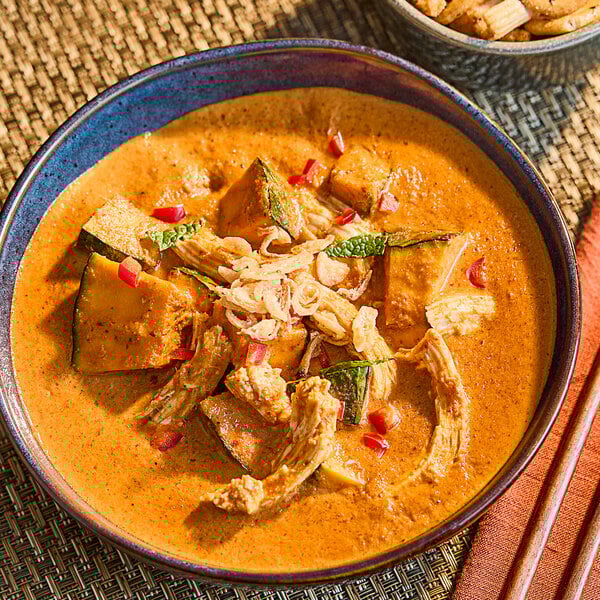
Thai food can be categorized into five general types based on preparation style and meal context: curries, stir-fries, soups, salads, and deep-fried and grilled dishes.
- Curries: Thai curries combine curry paste, coconut milk (in many varieties), herbs, and protein such as chicken, pork, seafood, or tofu. Famous examples include green curry, red curry, and massaman curry.
- Soups: Thai soups range from light herbal broths to creamy coconut-based soups. Many combine spicy and sour flavors.
- Stir-Fries: Quick and high-heat cooking defines Thai stir-fries. These dishes combine proteins, vegetables, and sauces in a wok, and are among the most common Thai meals.
- Deep-Fried and Grilled: Many Thai appetizers, like egg rolls, fish cakes, and golden bags, are deep-fried. Grilled meats and seafood, especially grilled prawns, are a staple to the cuisine. Both are commonly served with dipping sauces that enhance their flavor.
- Salads: Thai salads emphasize bold flavors rather than leafy greens. Ingredients like green papaya, herbs, lime juice, fish sauce, and chilies create bright, refreshing dishes.
Thai Culinary History
Thai cuisine has developed over centuries through a blend of indigenous traditions and foreign influences. Early Thai cooking relied heavily on locally available ingredients such as rice, freshwater fish, herbs, and tropical fruits, with simple methods like grilling, steaming, and boiling. As trade routes expanded, Indian merchants introduced spices and curry-making techniques, which Thai cooks adapted using native herbs and coconut milk, resulting in uniquely Thai curries. Later, Chinese immigrants brought stir-frying, noodles, and wok cooking, all of which became integral to everyday Thai meals.
By the 16th and 17th centuries, European traders introduced chili peppers and new dessert techniques, including egg-based sweets that remain popular today. Over time, these influences were refined into a distinctly Thai culinary identity centered on balance and freshness. This evolution also gave rise to Thailand's world-renowned street food culture, where traditional recipes are preserved and adapted in fast-paced, open-air kitchens. In cities like Bangkok, street vendors play a vital role in daily life, offering affordable, freshly prepared dishes that reflect both historical influences and regional diversity.
Thai Food Culture
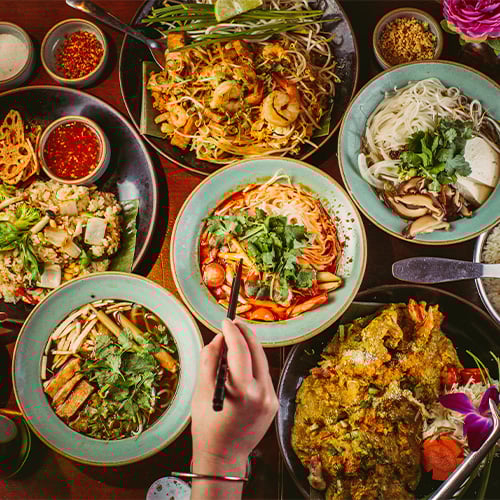
Food is deeply woven into the fabric of Thai life, serving as both nourishment and a time to reset. Meals are not rushed but savored, bringing people together to enjoy a variety of freshly prepared dishes that highlight balance, seasonality, and vibrant flavor. This emphasis on togetherness and mindful eating shapes how Thai cuisine is both prepared and experienced.
- Shared Meals: Thai dining is traditionally communal, with multiple dishes placed at the center of the table for everyone to share. This approach encourages balance and variety, allowing diners to sample a range of flavors in a single meal.
- Rice is a Staple: Rice is the cornerstone of Thai cuisine, with fragrant jasmine rice commonly served in central and southern regions. In the north and northeast, sticky rice is preferred and often eaten by hand, serving as both a staple and a utensil for scooping food.
- Utensils Over Chopsticks: Thais typically use spoons and forks rather than chopsticks. The fork is used to guide food onto the spoon, which is the primary utensil, while chopsticks are generally reserved for noodle dishes of Chinese origin.
- Street Food and Snacking: Eating throughout the day is common in Thailand, with street food playing a central role in daily life. Small, freshly prepared dishes and snacks are readily available, making it easy to enjoy Thai flavors anytime.
- A Love for Spicy: Thai food is often spicy, but heat levels can vary widely. Diners can usually adjust a dish's spiciness to their preference.
- Fresh Ingredients: Thai cuisine prioritizes fresh herbs, vegetables, and proteins, often sourced locally and prepared daily. This commitment to freshness contributes to the cuisine’s bright flavors and aromatic complexity.
- Minimal Dairy Use: Traditional Thai cuisine rarely includes dairy products, relying instead on coconut milk for richness.
Regional Thai Cuisine
Thailand's culinary diversity reflects its geography, climate, and cultural influences. Each region offers distinct flavors and specialties.
- Central Thai Cuisine: The central region includes Bangkok and is often considered the foundation of modern Thai cooking. It often features jasmine rice, coconut milk, mild spice levels, and balanced sweet and savory flavors.
- Northern Thai Cuisine: Influenced by neighboring Myanmar and Laos, northern dishes are typically milder and less reliant on coconut milk. Sticky rice is a staple, and dishes often include herbs, fermented ingredients, and grilled meats.
- Northeastern Thai Cuisine (Isan): Isan cuisine is bold, spicy, and tangy, often incorporating fermented ingredients. Grilled meats, sticky rice, papaya salad, and larb are central to this region’s food culture.
- Southern Thai Cuisine: Influenced by the fiery flavors of Malaysia, southern Thai food is known for intense heat and strong spices. Coconut milk, seafood, turmeric, and fresh herbs are widely used.
Thai Cooking Techniques
Thai cooking techniques are designed to preserve freshness while maximizing flavor. Many methods rely on high heat and quick preparation to maintain the integrity of ingredients.
- Stir-frying (Pad): A fast cooking method using a wok over high heat. Ingredients are cooked quickly to retain their texture and absorb flavorful sauces.
- Steaming (Neung): A gentle technique used for fish, vegetables, and dumplings. It preserves natural flavors and nutrients while creating soft, delicate textures.
- Grilling (Yang): Often done over charcoal, grilling imparts a smoky flavor to meats and seafood. Marinades and dipping sauces enhance the final dish.
- Deep-frying (Tod): This method creates crispy textures and rich flavors. Fried dishes are often paired with sweet or spicy sauces for contrast.
Essential Thai Cooking Equipment
Thai cooking relies on a combination of simple tools to create its signature balance of flavor and texture. While many dishes can be adapted to a standard kitchen, having a few essential pieces of equipment and pantry staples makes it much easier to achieve authentic results.
- Wok: A wok is one of the most important tools in Thai cooking, ideal for high-heat stir-frying. Its curved shape allows for even heat distribution and quick cooking, helping preserve the texture and freshness of ingredients.
- Mortar and Pestle: Used to pound herbs, spices, and curry pastes, this traditional tool is key to unlocking deep, aromatic flavors. It is especially important for dishes like papaya salad and homemade curry pastes.
- Rice Cooker: Given the central role of rice in Thai cuisine, a reliable rice cooker is essential. It ensures perfectly cooked jasmine or sticky rice, which forms the foundation of most meals.
- Steamer Basket: Commonly used for sticky rice and delicate dishes like fish, a steamer basket allows for gentle cooking that preserves natural flavors and nutrients.
Popular Thai Dishes
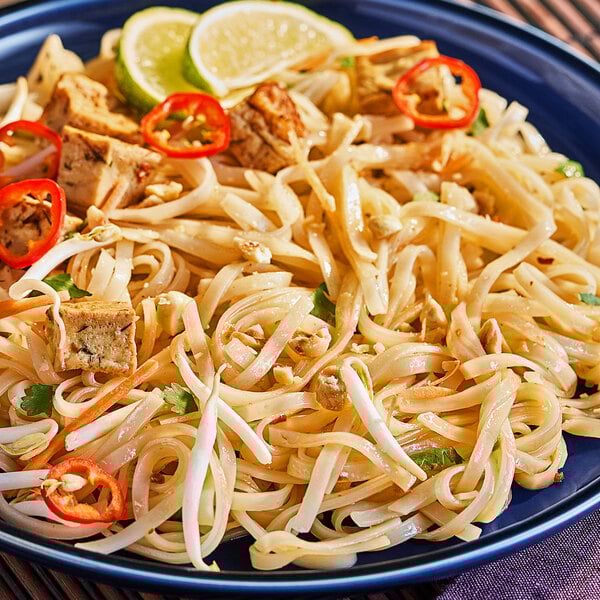
Thai cuisine offers a wide array of iconic dishes across its main categories, each showcasing its signature balance of flavors.
- Pad Thai: A globally recognized noodle dish combining rice noodles, eggs, tofu or shrimp, and tamarind sauce. It balances sweet, sour, and savory elements.
- Green Curry: A rich and aromatic curry made with green chilies, coconut milk, and herbs. It is known for its vibrant color and bold flavor.
- Red Curry: A rich and aromatic curry made with red chili paste, coconut milk, and a blend of herbs and spices. It is slightly spicier than many other Thai curries and often includes meat such as chicken, beef, or duck.
- Massaman Curry: A milder, slightly sweet curry with Persian and Indian influences. Made with coconut milk, tender meat (often beef or chicken), potatoes, and warm spices like cinnamon and cardamom, it offers a rich and complex flavor that differs from spicier Thai curries.
- Tom Yum Soup: A hot and sour soup featuring shrimp, lemongrass, lime, and chilies. It is both refreshing and intensely flavorful.
- Som Tam: A spicy papaya salad combining shredded green papaya, lime juice, fish sauce, and chilies. It is crisp, tangy, and fiery.
- Larb: A bold and zesty minced meat salad, typically made with chicken, pork, or beef. Flavored with lime juice, fish sauce, toasted rice powder, and fresh herbs, it is a signature dish of northeastern Thai cuisine known for its bright and spicy profile.
- Thai Fried Chicken: Marinated chicken fried to a crispy finish, often served with sticky rice and dipping sauces.
Popular Thai Street Food
Prepared fresh in front of customers, Thai street food is a cornerstone of the country’s culinary identity and is renowned around the world for good reason. Vendors specialize in specific recipes, often perfected over generations, and serve everything from quick snacks to full meals. The accessibility and quality of street food make it an essential part of everyday life in bustling cities like Bangkok and Chiang Mai.
- Moo Ping (Grilled Pork Skewers): Marinated pork skewers grilled over charcoal. They are slightly sweet, smoky, and commonly served with sticky rice.
- Khao Moo Daeng (Red Pork on Rice): A comforting dish featuring sweet barbecued pork, rice, and boiled eggs, often topped with savory sauce.
- Boat Noodles: Rich, flavorful noodle soups traditionally served in small portions. They are known for their deep broth and complex seasoning.
- Thai Roti: A flaky, pan-fried flatbread often filled with sweet ingredients like banana and condensed milk. It is a popular dessert-style street snack.
- Mango Sticky Rice: A beloved dessert made with ripe mango, sticky rice, and coconut milk. It perfectly balances sweetness and creaminess.
Thai Cuisine FAQ
Thai cuisine often sparks curiosity for its bold flavors and unique ingredients. Here are answers to some of the most common questions about Thai food:
What Are the Essential Ingredients That Define Thai Cooking?
Thai cooking relies on a core group of ingredients that create its signature flavor profile. These include fish sauce for saltiness, lime juice for acidity, palm sugar for sweetness, and chilies for heat. Fresh herbs like lemongrass, Thai basil, and kaffir lime leaves add aroma, while staples such as coconut milk, curry pastes, garlic, and ginger (or galangal) form the base of many dishes.
Is Thai Food Healthy?
Thai food can be very healthy, thanks to its emphasis on fresh herbs, vegetables, lean proteins, and minimal processing. Many dishes are naturally gluten-free, especially those based on rice, rice noodles, and fresh ingredients rather than wheat. Additionally, traditional Thai cuisine uses little to no dairy, relying instead on coconut milk for richness, making it suitable for many dairy-free diets. That said, some dishes can be high in sugar or oil, so preparation style and menu segment play an important role.
Is Thai Food Spicy?
Spice is a defining characteristic of Thai cuisine, but not all dishes are intensely hot. Thai cooking focuses more on balance than sheer heat, blending spicy, sour, sweet, and salty elements. Most restaurants can adjust spice levels to suit your preference, making the cuisine accessible even to those who prefer milder flavors.
Thai cuisine stands as a testament to the power of balance, freshness, and cultural tradition. From its historical roots to its modern global presence, Thai food continues to captivate with its bold flavors and diverse offerings. Whether exploring regional specialties, sampling street food, or recreating dishes at home, Thai cuisine offers an endlessly rewarding culinary journey.