

Deeply rooted in centuries of culture and tradition, Italian cuisine holds an elevated position as a cornerstone in the culinary world. Earning its spot on the UNESCO “Representative List of the Intangible Cultural Heritage of Humanity” in 2025, Italian cuisine was recognized for its sustainability and biocultural diversity. With a strong emphasis on quality ingredients and traditional cooking methods, this global cuisine continues to be a favorite choice for diners around the globe. We’ll provide an overview of Italian cuisine, from the chefs who shaped it to the dishes that define it, to help you deepen your understanding and appreciation of Italy's culinary heritage.
What Is Italian Cuisine?
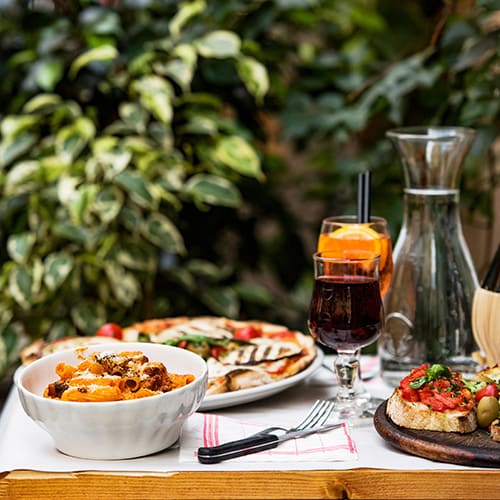
Italian cuisine consists of the dishes that originate from the country of Italy. The cuisine is rich in cultural influences and shaped by the unique terroir of the land within the Italian border. Regional diversity is a hallmark of Italian cuisine. Each region in Italy has its own culinary traditions, ingredients, and specialties. From the rich, creamy sauces of the north to the bold, rustic flavors of the south, Italian cuisine offers a wide range of dishes to suit every palate. With a focus on "cucina povera," or "poor cooking," Italian cooking uses affordable, seasonal, and locally sourced ingredients to create delicious and satisfying meals, highlighting the natural flavors of the food.
What Is Italian Cuisine Known for?
Italian cuisine is characterized by its simplicity and emphasis on high-quality ingredients. Olive oil, tomatoes, garlic, and fresh herbs are staples in Italian cooking, providing a robust and flavorful base for many dishes. Pasta, risotto, and pizza are iconic Italian staples that have become popular in restaurants around the globe. From pasta dishes like spaghetti carbonara and lasagna to classic desserts like tiramisu, Italian food offers a diverse range of culinary delights. It is a celebration of food and tradition, meant to be appreciated in an unhurried fashion, surrounded by family and friends. Restaurants looking to incorporate Italian-style dining can expect possible extended turnover rates for that reason.
Types of Italian Cuisine
When exploring Italian cuisine, it is essential to understand the different types of establishments where these culinary delights are served. Each type of Italian dining establishment offers a unique experience and provides a glimpse into the rich culinary traditions of Italy.
- Ristorante: Ristorantes are formal dining establishments that offer a high-end dining experience. They typically feature an extensive menu with a focus on regional specialties and traditional Italian dishes. Ristorantes often have a sophisticated ambiance, impeccable service, and a wine selection that complements the menu.
- Trattorias: Trattorias are casual dining establishments that offer a more relaxed and cozy atmosphere compared to ristorantes. These eateries typically serve homemade, rustic Italian dishes that are simple yet flavorful. Trattorias are often family-owned and known for their warm hospitality, family-style dining, and affordable prices.
- Osterias: Osterias are traditional Italian taverns or pubs that focus on wine service with casual menu items to compliment. These cozy establishments are known for their laid-back atmosphere, communal dining experience, and emphasis on using fresh, seasonal ingredients. Osterias often feature a limited menu that changes daily based on the availability of ingredients.
Traditional Italian Meal Structure
Understanding the traditional meal structure of Italian dining is key to fully appreciating the culinary experience. A typical Italian meal is divided into several courses, each serving a specific purpose in creating a balanced and satisfying dining experience.
- Aperitivo: The aperitivo is a light alcoholic drink served before a meal to stimulate the appetite. It is usually accompanied by small snacks such as olives, nuts, or cheese.
- Antipasto: The antipasto, or appetizer, is the first course of a traditional Italian meal. It typically consists of cured meats, cheeses, marinated vegetables, and bruschetta.
- Primo: The primo, or first course, is usually a pasta dish such as spaghetti, risotto, or gnocchi. It can also include soups or other grain-based dishes.
- Secondo: The secondo, or second course, is the main dish of the meal and typically consists of meat or fish.
- Contorno: The contorno, or side dish, accompanies the secondo and usually consists of cooked vegetables such as roasted potatoes, sauteed greens, or grilled eggplant.
- Dolce: The dolce, or dessert, is the sweet final course of the meal. It can include traditional Italian desserts such as tiramisu, panna cotta, or cannoli.
- Caffe/Digestivo: The meal concludes with a shot of espresso or a small cup of coffee, followed by a digestif such as grappa or amaro to aid digestion and provide a satisfying end to the meal.
Italian Culinary History
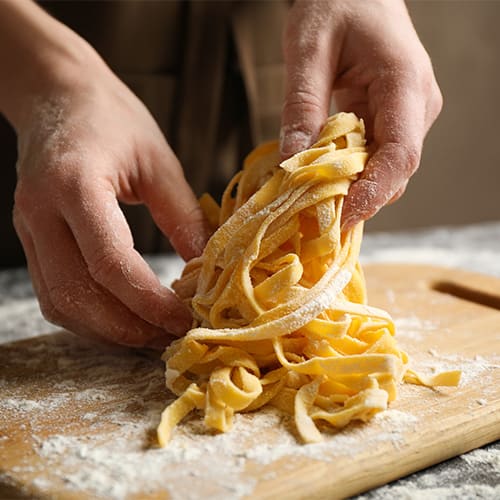
The culinary history of Italy is deeply rooted in centuries-old traditions and cultural influences, making it one of the most celebrated cuisines globally. The origins of Italian cuisine can be traced back to ancient civilizations, including the Etruscans and the Greeks, who inhabited the Italian peninsula. These early civilizations introduced basic agricultural practices, such as farming and animal husbandry, which laid the foundation for the development of Italian culinary traditions.
During the Roman Empire, Italy's culinary landscape underwent significant transformations as the Romans incorporated ingredients and advanced cooking techniques from their vast empire. The Romans favored peppers, exotic spices, garum (fermented fish), and rich sauces in their dishes, additions that can be seen in Italian cuisine to this day.
The Middle Ages marked a period of culinary evolution in Italy, with the emergence of regional specialties and the establishment of trade routes that brought new ingredients to Italian kitchens. The Italian city-states, such as Venice, Florence, and Genoa, became hubs of culinary innovation, showcasing the diversity and creativity of Italian cooking.
The Renaissance period further shaped Italian cuisine, as Italian chefs and food enthusiasts embraced a more refined and elegant approach to cooking. The flourishing of arts and culture during this time inspired chefs to create elaborate dishes that combined flavors, textures, and presentation in a harmonious way.
In the modern era, Italian cuisine has become synonymous with authenticity, tradition, and simplicity. The emphasis on using fresh, high-quality ingredients and allowing their natural flavors to shine has made Italian cooking a timeless culinary tradition cherished by people around the world.
Famous Italian Chefs
Italian cuisine has been shaped by the creativity and skill of numerous renowned chefs throughout history. These chefs have not only elevated Italian cuisine to global acclaim but have also left a lasting impact on the culinary world. Let's delve into the lives and contributions of some of the most famous Italian chefs.
- Antonio Latini (1642–1692): A prominent figure in Italian culinary history, Antonio Latini was a chef and author known for his influential cookbook "Lo Scalco alla Moderna" (The Modern Steward). This two-volume cookbook features one of the first known recorded recipes for tomato sauce, recipes that heavily use chili peppers, and an early recipe for sorbet. Latini's innovative approach to cooking drove the Baroque era forward and set the foundation for modern Italian cuisine.
- Antonio Carluccio (1937-2017): Celebrated for his passion for simple, authentic Italian dishes, Antonio Carluccio has been labeled "the godfather of Italian gastronomy." With a 50+ year career in cooking, Carluccio's culinary philosophy revolved around the concept of "MOF MOF," which stands for “minimum of fuss, maximum of flavor.” His commitment to traditional recipes and dedication to preserving the essence of Italian cooking earned him a revered status in the culinary world.
- Gualtiero Marchesi (1930-2017): Often referred to as the founder of modern Italian cuisine, Gualtiero Marchesi was a visionary chef who revolutionized traditional Italian cooking techniques. Marchesi's avant-garde approach to gastronomy and his artistic presentation of dishes redefined the boundaries of Italian culinary artistry, inspiring a new generation of chefs to push the boundaries of creativity. In his extensive career, Marchesi founded the ALMA, the International School of Italian Cuisine, and trained rising chefs, such as Carlo Cracco, Davide Oldani, and Andrea Berton.
- Bruno Barbieri (1962-present): A 7-time Michelin star recipient, Bruno Barbieri is one of the most decorated chefs in Italy. Known for his innovative culinary style, Bruno Barbieri has made significant contributions to the contemporary Italian culinary scene, with 12 cookbooks and multiple appearances on television shows like MasterChef Italia. Barbieri's eclectic fusion of traditional Italian flavors with modern techniques has earned him widespread acclaim and positioned him as a trailblazer in the realm of Italian fine dining.
Italian Food Culture

Italian cuisine is deeply rooted in the country's rich food culture, which is characterized by several key aspects that set it apart from other culinary traditions.
- Fresh Ingredients: One of the defining features of Italian food culture is the emphasis on using fresh, high-quality ingredients. Italians take pride in sourcing the best produce, meats, and seafood to create dishes that burst with flavor and freshness. Some key fresh ingredients Italians depend on are tomatoes, olive oil, garlic, cheese, and herbs like basil and oregano.
- Slow Eating: Meals in Italy are not rushed affairs but rather leisurely experiences that are savored and enjoyed. This slow pace allows diners to fully appreciate the flavors and textures of each dish, creating a truly immersive culinary experience. This cultural aspect of dining promotes a relaxed and social atmosphere, where one enjoys communal dining with family and friends.
- Street Food: From savory to sweet selections, Italian street food offers a wide variety of delicious options for those on the go. Street food vendors in Italy often serve up authentic regional specialties and crowd favorites such as arancini, panzerotti, porchetta sandwiches, panini, cannoli, and gelato. Whether you're exploring the bustling streets of Rome or strolling through a quaint village in Tuscany, you're sure to encounter tempting street food vendors offering a taste of Italy's vibrant culinary scene.
- Bread and Oil: Bread is a staple in Italian cuisine and is often served with high-quality olive oil for dipping. This simple yet flavorful combination is a common prelude to a meal and showcases the importance of bread in Italian food culture. Italians take great care in selecting the perfect combination of bread and olive oil, creating a simple yet satisfying start to a meal.
- Pasta Preparation: Pasta preparation is a crucial aspect of Italian food culture, with each region boasting its own traditional pasta shapes and recipes. Italians take pride in pairing the right pasta shape with the corresponding sauce to create harmonious flavor combinations. From classic spaghetti carbonara to hearty lasagna, mastering the art of pasta preparation is essential for any commercial kitchen looking to offer authentic Italian dishes.
- Nose-To-Tail Culinary: Italy's nose-to-tail culinary tradition reflects a commitment to using every part of the animal in cooking. From hearty stews to rich sauces, Italian chefs have mastered the art of transforming less conventional cuts of meat into delectable dishes that are full of flavor. Dishes like coda alla vaccinara (oxtail stew), crostini di fegatini (chicken liver pate on toast), and frittura di interiora (fried offal) showcase the culinary creativity and resourcefulness of Italian chefs. This approach highlights a respect for ingredients and a commitment to minimizing waste.
- Coffee Culture: Coffee culture is an integral part of Italian food culture, with espresso being a daily ritual for many Italians. The cultural influence is so strong that most coffee drinks are known by their Italian name (espresso, cappuccino, macchiato, latte, etc.) regardless of where you are in the world. Whether enjoyed at a bustling cafe in Milan or a quaint coffee bar in Florence, Italian coffee is a symbol of the country's passion for quality and tradition. Coffee is a social ritual in Italy, with cafes serving as gathering places for conversation and relaxation.
- Wine and Spirits: Italy's wine and spirits are world-renowned, with regions like Tuscany, Piedmont, and Sicily producing some of the finest wines in the world, such as Chianti, Barolo, and Nero d'Avola. From robust reds to crisp whites, Italian wines offer a diverse range of flavors that complement the country's diverse cuisine. Along with wine, Italy is also known for its flavorful spirits. Its national liqueur, limoncello, is made from vibrant lemons, typically from Southern Italy, and crafted by centuries-old traditions. This lemon liqueur and Amaro, a digestive bitter, are often served as popular after-dinner drinks.
- Pizza Rules: Pizza holds a special place in Italian food culture, with traditional Neapolitan pizza being recognized as a part of the UNESCO Intangible Cultural Heritage. Italian pizzas are known for their thin crusts, fresh toppings, and wood-fired ovens. From the classic Margherita to creative toppings like prosciutto and arugula, Italian pizza rules the hearts and stomachs of food lovers around the world.
- Seasonal Eating: Seasonal eating is a fundamental aspect of Italian food culture, with dishes made from fresh, seasonal ingredients taking center stage on menus throughout the country. Seasonal eating ensures that ingredients are at their peak flavor and nutritional value, working with the land instead of manipulating produce to grow outside of when they are intended. Whether it's a summer salad bursting with ripe tomatoes or a hearty winter stew made with root vegetables, Italian cuisine celebrates the flavors of each season.
- Culinary Experiences: Culinary experiences in Italy are not just about the food but also about the ambiance, company, and culture that surround the dining experience. From family gatherings around the dinner table to festive celebrations that last for hours, Italian culinary experiences are a true reflection of the country's vibrant and welcoming spirit. Italy offers a wealth of culinary experiences, from cooking classes and food tours to truffle hunts and wine tastings. These experiences allow visitors to immerse themselves in Italian food culture and learn about regional specialties.
Italian Dishes
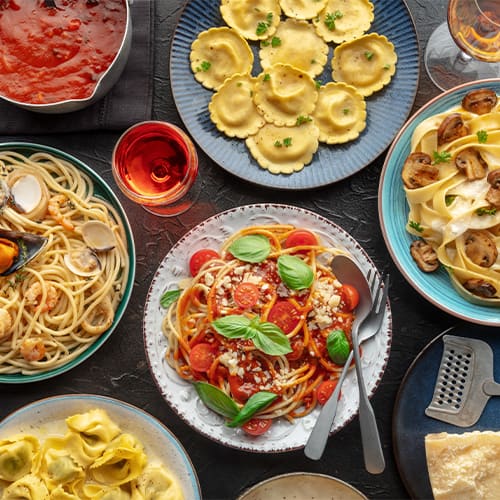
Italian cuisine is renowned worldwide for its rich flavors, fresh ingredients, and diverse regional specialties. Whether you're running a pizzeria, trattoria, or fine dining establishment, incorporating authentic Italian dishes on your menu can attract customers and elevate your culinary offerings. Here are some of the most popular Italian dishes that you should consider adding to your menu:
- Caprese Salad: A refreshing salad made with ripe tomatoes, fresh mozzarella cheese, basil leaves, olive oil, salt, and balsamic glaze. Caprese salad is a light and flavorful dish that highlights the beauty of simple ingredients.
- Bruschetta: A simple appetizer made with grilled bread topped with a mixture of diced tomatoes, garlic, basil, olive oil, and salt. Bruschetta is a light and flavorful dish perfect for starting a meal.
- Pizza Margherita: A classic Italian dish originating from Naples, pizza Margherita is a simple yet delicious combination of tomato sauce, fresh mozzarella cheese, basil leaves, and olive oil on a thin crust.
- Ravioli: A versatile pasta dish made with filled pasta pockets, such as ricotta cheese, spinach, meat, or butternut squash. Ravioli can be served with a variety of pasta sauces, such as marinara, alfredo, or sage butter.
- Spaghetti Carbonara: A popular pasta dish made with spaghetti, eggs, Pecorino Romano cheese, pancetta, and black pepper. The creamy sauce is created by mixing eggs and cheese with the hot pasta.
- Risotto alla Milanese: A creamy and flavorful rice dish made with Arborio rice, saffron, butter, onion, white wine, and Parmesan cheese. This dish is a staple in Northern Italy.
- Osso Buco: A traditional Milanese dish consisting of braised veal shanks cooked with vegetables, white wine, and broth. The dish is often served with gremolata, a mixture of lemon zest, garlic, and parsley.
- Lasagna: A hearty and comforting dish made with layers of lasagna noodles, Bolognese sauce, bechamel sauce, and cheese. This baked pasta dish is a favorite in Italian cuisine.
- Arancini: Deep-fried rice balls filled with a savory mixture of ingredients such as cheese, meat, and peas, arancini are a delicious and satisfying snack or appetizer that is perfect for sharing with friends and family.
- Gnocchi: Soft and pillowy potato dumplings served with a variety of sauces such as pesto, marinara, or Gorgonzola cream sauce. Gnocchi is a comforting dish that pairs well with a glass of Italian wine.
- Tiramisu: A popular Italian dessert made with layers of coffee-soaked ladyfingers, mascarpone cheese, eggs, sugar, and cocoa powder. Tiramisu is a creamy and indulgent treat enjoyed worldwide, with creative Tiramisu-inspired drinks and variations on the dessert available.
- Cannoli: A classic Sicilian dessert consisting of crispy fried pastry shells filled with sweetened ricotta cheese and finished with chocolate chips, nuts, or candied fruit. Cannoli are a delightful way to end a meal on a sweet note.
- Gelato: A creamy and flavorful frozen dessert similar to ice cream but with a denser and richer texture, gelato comes in a variety of flavors such as pistachio, chocolate, and fruit, making it a popular choice for dessert lovers.
Regional Italian Cuisine
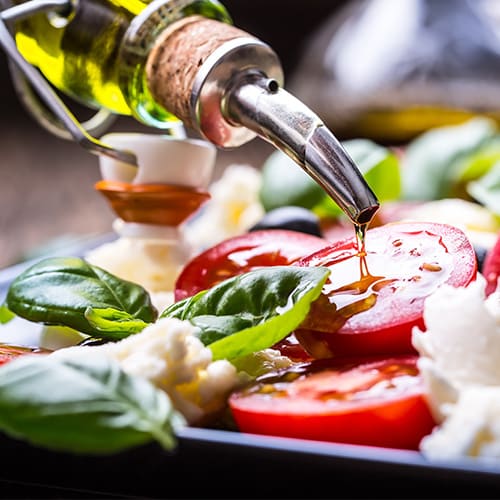
When exploring Italian cuisine, it's essential to delve into the diverse regional variations that make up the culinary landscape of Italy. Each region boasts its own unique flavors, ingredients, and cooking techniques, contributing to the rich tapestry of Italian food culture. Here is a brief guide to regional Italian cuisine:
- Northern Italy: Northern Italy is known for its cattle production, resulting in a variety of dishes that use butter, cream, and rich sauces. Hearty meat dishes like osso buco (bone-in braised veal shanks) and brasato al Barolo (Piedmont-style pot roast) are staples of Northern Italy. Regions like Lombardy and Veneto are famous for specialties such as risotto, polenta, and tiramisu, and Piedmont is know for their truffles.
- Central Italy: Dishes from Central Italy feature a focus on fresh ingredients like tomatoes, olive oil, and herbs. Pasta dishes, such as cacio e pepe and carbonara, are popular in regions like Lazio and Tuscany. Umbria is known for its truffles and wild game dishes.
- Southern Italy: Southern Italian dishes emphasize the use of fresh seafood, olive oil, and spicy flavors. Regions like Campania and Sicily are known for dishes like Neapolitan pizza, caponata, and arancini. The use of citrus, eggplant, and olives is common in Southern Italian cuisine.
- Sicilian Cuisine: The largest island off the coast of Southern Italy, Sicily has a distinct regional cuisine style that is a unique blend of Italian, Arab, Greek, and Spanish influences. It is famous for its seafood dishes, citrus fruits, and sweet desserts. Staples include pasta alla Norma (eggplant pasta), cannoli, and panelle (chickpea fritters).
- Sardinian Cuisine: Sardinia's cuisine is influenced by its pastoral traditions and proximity to the sea. It is known for its simple, rustic dishes that highlight local ingredients. Specialties include culurgiones (stuffed pasta), porceddu (roast suckling pig), and seadas (cheese and honey pastry).
- Venetian Cuisine: Venetian cuisine reflects the city's maritime history and multicultural influences, featuring a mix of seafood and meat dishes. Specialties include sarde in saor (marinated sardines), fegato alla Veneziana (Venetian liver and onions), and risotto al nero di seppia (squid ink risotto).
- Ligurian Cuisine: Ligurian cuisine is characterized by its light, flavorful dishes and emphasis on local ingredients. Known for its use of fresh herbs, olive oil, and seafood, Ligurian specialties include pesto Genovese, focaccia, and trofie al pesto (twisted pasta in pesto).
- Emilian Cuisine: Famous for its cured meats, cheeses, and rich pasta dishes, Emilian cuisine is hearty and comforting, with an emphasis on quality ingredients and traditional recipes. Specialties from the region include prosciutto di Parma, Parmigiano Reggiano, and tortellini en brodo (tortellini in broth).
- Tuscan Cuisine: Tuscan cuisine embodies the farm-to-table concept, emphasizing the importance of locally sourced produce and meats to create authentic and delicious dishes. This region is known for its use of olive oil, beans, bread, and wine in traditional recipes such as ribollita (hearty vegetable soup), pappa al pomodoro (hearty tomato soup), and bistecca alla Fiorentina (Florentine steak).
Italian Cooking Techniques
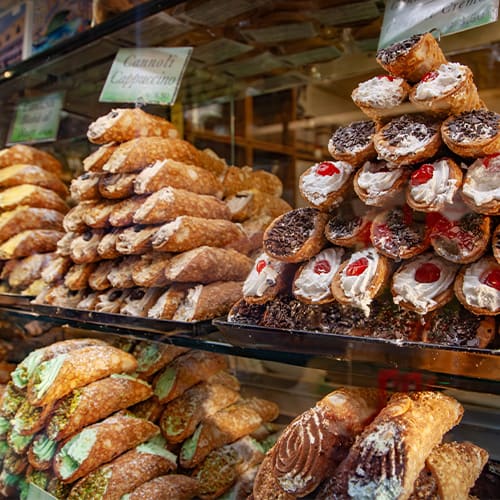
Italian cuisine is renowned worldwide for its rich flavors, fresh ingredients, and traditional cooking techniques that have been passed down through generations. Understanding the fundamental Italian cooking techniques is essential for achieving authentic and delicious Italian dishes. Below are some key techniques that are integral to Italian cooking:
- Sauteing: Sauteing is a popular cooking method in Italian cuisine, where ingredients are quickly cooked in a small amount of oil or butter over high heat. This technique is commonly used for preparing dishes such as risotto, pasta sauces, and vegetables.
- Braising: Braising involves cooking meat or vegetables slowly in a flavorful liquid such as broth, wine, or tomato sauce. This technique is ideal for tougher cuts of meat, as the slow cooking process helps tenderize them and infuse them with rich flavors.
- Grilling: Grilling is a beloved cooking technique in Italian cuisine, especially during the summer months. Grilling imparts a smoky flavor to meats, seafood, and vegetables, adding depth and complexity to dishes like grilled bruschetta, seafood skewers, and marinated meats.
- Roasting: Roasting is a versatile cooking technique that is commonly used in Italian cuisine to cook meats, poultry, and vegetables. Roasting enhances the natural flavors of ingredients and creates a delicious caramelized exterior. Italian dishes like roasted chicken, vegetables, and porchetta showcase the beauty of this technique.
- Frying: Frying is another popular cooking method in Italian cuisine, where ingredients are cooked in hot oil until crispy and golden brown. From arancini to fritto misto to cannoli, Italian cuisine features a variety of delicious fried dishes that are perfect for indulging in a crunchy treat.
- Baking: Baking plays a significant role in Italian cuisine, with a wide range of bread, pastries, and desserts that are baked to perfection. Italian bread, focaccia, and tiramisu are just a few examples of the delectable baked goods that showcase the artistry and skill of Italian bakers.
- Simmering: Simmering is a gentle cooking technique that involves cooking food in a liquid at a low temperature for an extended period of time. Italian chefs often use this method to prepare sauces, soups, and stews, allowing the flavors of the ingredients to meld together and create rich, savory dishes.
- Churning: Churning is a traditional Italian technique used to make creamy and flavorful gelato and other frozen desserts. Italian chefs churn a mixture of milk, cream, sugar, and flavorings in a special machine to create a smooth and luxurious frozen treat that is beloved around the world.
- Wood Firing: Wood-fired cooking is a classic Italian technique that involves cooking food in a wood-fired oven or grill. This method imparts a unique smoky flavor to dishes like pizza, bread, and roasted meats, adding a rustic and authentic touch to Italian cuisine.
- Boiling: Boiling is a simple yet essential cooking technique in Italian cuisine that involves cooking food in boiling water or broth until it is fully cooked. Italian chefs use boiling to prepare pasta, vegetables, and grains, ensuring that these ingredients are cooked to perfection.
- Dough Rolling: Dough rolling is a precise and skillful technique that Italian chefs use to create fresh pasta, pizza dough, and bread. By rolling out the dough to the perfect thickness and shape, chefs can create delicious and authentic Italian dishes that showcase their mastery of the craft.
Italian Cuisine FAQ
Dive deeper into the realm of Italian cuisine by learning the answers to some of the most frequently asked questions:
What Is DOP in Italy?
DOP, short for Denominazione di Origine Protetta, is a certification used in Italy to protect and promote traditional and high-quality food products. This designation ensures that specific foods are produced, processed, and packaged in a certain geographical area using traditional methods. DOP products must meet strict standards to maintain their authenticity and quality, making them highly sought after in the culinary world.
How Were New World Foods Introduced to Italy?
The introduction of New World foods to Italy played a significant role in shaping the country's culinary landscape. Foods such as tomatoes, potatoes, corn, and peppers were brought back to Italy by explorers returning from the Americas. These ingredients were quickly incorporated into Italian dishes, leading to the creation of iconic dishes such as pasta with tomato sauce, polenta, and peperonata. The fusion of these New World foods with traditional Italian ingredients has resulted in the vibrant and flavorful cuisine that is beloved worldwide.
What Is Little Italy?
Little Italy is a cultural enclave that typically refers to a neighborhood with a strong Italian presence, characterized by Italian restaurants, shops, and cultural institutions. In the United States, cities like New York, Boston, and San Francisco have well-known Little Italy districts where visitors can experience authentic Italian cuisine, traditions, and events. These neighborhoods often serve as hubs for Italian-American communities and are popular destinations for tourists seeking a taste of Italy in the heart of a bustling city.
Italian cuisine is a rich and diverse culinary tradition that offers a wide range of flavors, ingredients, and cooking techniques. From hearty pasta dishes to indulgent desserts, Italian cuisine is known for its emphasis on fresh, high-quality ingredients and simple yet delicious preparations. Whether you're running a pizzeria, trattoria, or fine dining establishment, incorporating authentic Italian dishes into your menu can help attract customers and elevate the overall dining experience.