

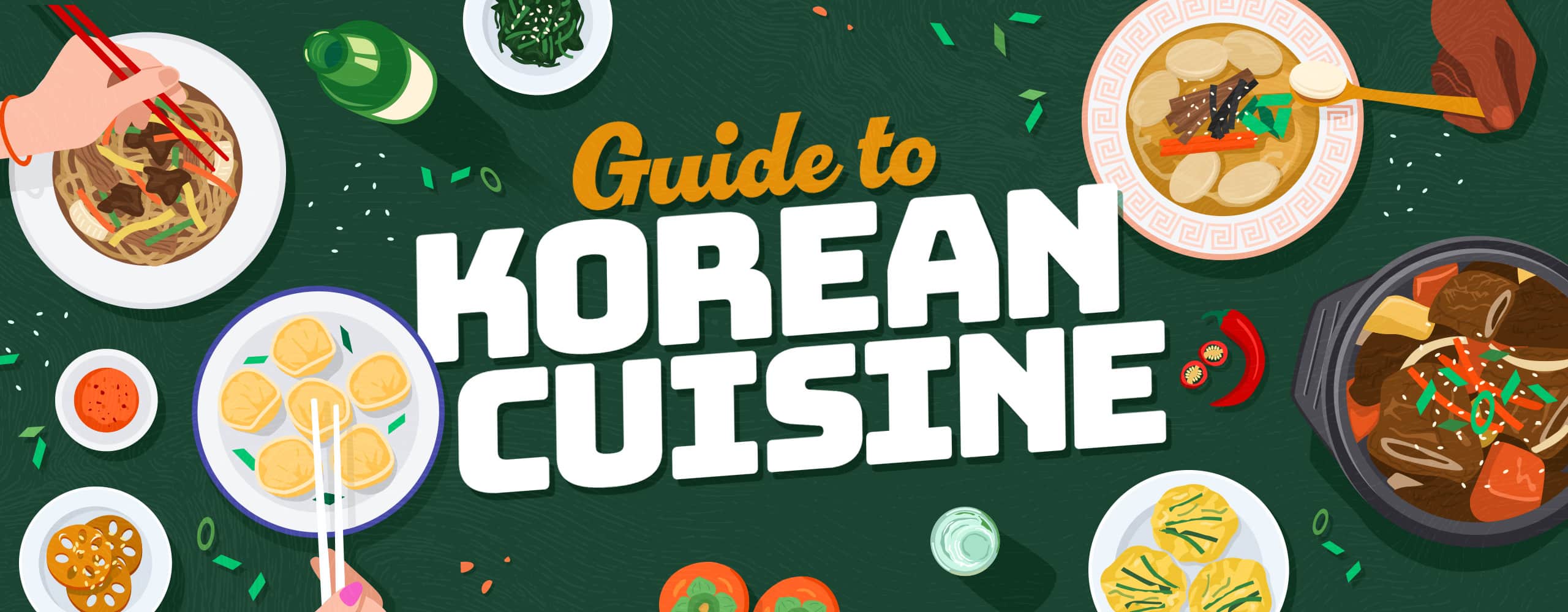
Korean cuisine carries a distinct identity built through centuries of regional cooking, preserved ingredients, and meals designed around contrast, variety, and balance. From the sharp tang of fermented staples to the comfort of soups, noodles, and rice dishes, it is a type of cuisine that offers operators a format that feels both deeply traditional and highly accessible. Its appeal comes from the way technique, texture, and side dishes work together across the full meal. That depth has helped Korean food expand far beyond its place of origin, drawing attention to the history, customs, and local specialties that shape it. A closer look reveals a cuisine rooted in everyday dining culture yet broad enough to inspire everything from street food concepts to full-service menus.
What Is Korean Cuisine?
Korean cuisine is the traditional food culture of Korea, defined by meals that commonly pair rice with soup or stew, proteins or vegetable dishes, and an assortment of side dishes served together. Rather than centering the table on one standalone plate, Korean cooking is structured around combinations of flavors and textures that are meant to be mixed, wrapped, layered, or eaten across the meal. Fermented staples such as kimchi, doenjang, ganjang, and gochujang play a major role in shaping its taste, while grains, vegetables, seafood, and meats all appear across regional and seasonal cooking. Its development has also been shaped by preservation methods, agricultural cycles, court traditions, and communal dining customs. The result is a cuisine with clear structure, deep culinary history, and enough range to include everything from everyday home cooking to refined ceremonial dishes.
What Is Korean Cuisine Known For?
Korean cuisine is known for fermented ingredients, bold savory seasoning, and a table format built around shared dishes and banchan. Kimchi is its most recognized staple, but soybean pastes, soy sauce, sesame oil, garlic, ginger, and chile-based condiments are just as central to the cuisine’s identity. It is also widely associated with grilled meats, soups and stews, noodle and rice dishes, and the balance of heat, salt, acidity, and umami flavor across the full spread. That combination of strong flavor definition and varied serving formats is a major reason Korean food translates so well across casual dining, barbecue concepts, and contemporary restaurant menus.
Types of Korean Cuisine
Korean cuisine includes several major styles, each shaped by a different setting, tradition, or way of eating. Some forms developed in palaces and temples, while others grew out of household cooking, provincial foodways, and busy market stalls. Looking at Korean food through these categories makes it easier to see how one culinary tradition can encompass formal banquet dishes, plant-based monastic cooking, deeply local specialties, and quick comfort foods. These distinctions also help clarify which flavors, service formats, and menu structures best fit a concept.
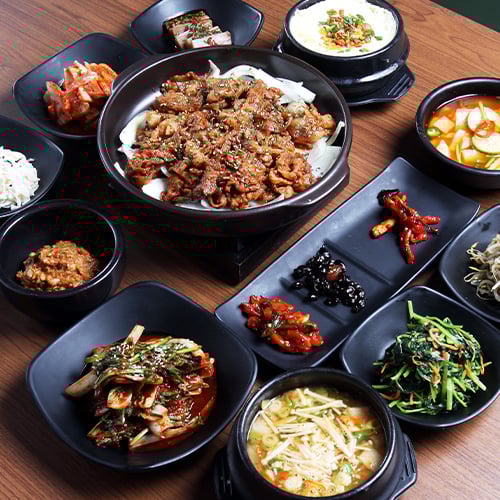
- Royal Court Cuisine: Once prepared for the palace, royal court cuisine emphasizes balance, presentation, color, and a wide assortment of dishes served together. Its legacy still shapes formal Korean dining, especially in menus that lean into refinement and multi-dish service.
- Temple Cuisine: Rooted in Buddhist culinary practice, temple cuisine focuses on vegetables, wild greens, tofu, mushrooms, and fermented seasonings handled with restraint. This style stands apart for its disciplined simplicity and is especially relevant to plant-forward or wellness-focused menu development.
- Home-Style Korean Cuisine: Everyday Korean cooking is built around rice, soup or stew, kimchi, and banchan served as a complete meal. Because it is practical, recognizable, and highly adaptable, this category translates well to lunch specials, combo meals, and family-style service.
- Street Food and Bunsik: Fast, casual Korean eating comes through in bunsik and street food, where snack-focused dishes are designed for quick preparation and strong appeal. That makes this category especially useful for operators exploring kiosks, counters, late-night menus, or high-turnover concepts.
Korean Culinary History
Korean culinary history traces the development of a food culture shaped by agriculture, seasonal change, and the need to preserve ingredients for use throughout the year. Early Korean meals were built around grains, vegetables, legumes, and broths, and preservation methods such as fermenting, pickling, drying, and salting became central to daily cooking. Over time, those practices helped define the structure of the Korean table, where cooked rice, soup, kimchi, and side dishes are served together rather than as isolated courses. Buddhist traditions also left a mark on the cuisine, especially through temple cooking that emphasized plant-based ingredients and disciplined preparation.
During the Joseon dynasty, Korean food became more codified through court cuisine, regional specialization, and a more visible distinction between formal dining and everyday household meals. Royal kitchens drew seasonal ingredients from across the country and refined dishes that still influence Korean dining today, while regional communities continued to build local specialties around seafood, grains, mountain vegetables, and preserved foods. New crops introduced during the Joseon period, including chile peppers, gradually changed the flavor profile of Korean cooking and helped shape the spicy fermented dishes now widely associated with it. That long evolution is why modern Korean cuisine can span palace dishes, home-style stews, barbecue, temple food, and street fare without losing its core identity.
Korean Food Culture
Korean food culture centers on a meal structure built around rice, soup or stew, kimchi, and multiple accompanying dishes served together on the table. Rather than treating food as a sequence of separate courses, Korean dining emphasizes variety, balance, and interaction across the full spread. This culture helps explain why Korean menus often rely on shared plates, set meals, tabletop cooking, and side-dish variety as much as any single signature item.
- Bapsang and Set Meal Dining: A traditional Korean meal is organized as a complete table setting, often built around steamed rice, soup or stew, kimchi, and side dishes served at the same time. This format grew out of everyday dining habits and remains central because it delivers a balanced meal through contrast, completeness, and variety rather than through one plated entree.
- Banchan Culture: Banchan are the small side dishes that surround the main meal, ranging from seasoned vegetables to pickles, braises, and pan-fried items. They are present because Korean meals are designed to be eaten across multiple flavors and textures, giving the table flexibility and making even simple rice-based meals feel substantial.
- Kimjang and Fermentation: Kimjang is the seasonal practice of making and sharing large batches of kimchi for the colder months, and it reflects the longstanding importance of fermentation in Korean cooking. It remains a defining part of food culture because preservation was historically essential for winter eating, and the process also reinforces family participation, neighborhood sharing, and respect for seasonal cycles.
- Tabletop Grilling and Ssam: Korean barbecue culture often brings diners into the cooking process by grilling meat at the table and eating it with sauces, side dishes, and leafy wraps known as ssam. This style persists because it turns the meal into a social event, encourages customization bite by bite, and pairs naturally with the shared-table format of Korean dining.
- Seasonal and Regional Eating: Korean food culture gives strong weight to seasonality and local specialty ingredients, so dishes often shift with harvests, climate, and geography. That emphasis is present because regional agriculture, fishing, and preservation traditions historically shaped what people cooked, and those local patterns still influence menus across the country.
- Holiday and Ritual Foods: Certain dishes are closely tied to major holidays and memorial rites, such as tteokguk for Seollal and songpyeon and ritual table foods for Chuseok. These foods remain important because they connect meals to family gatherings, ancestral remembrance, and the ceremonial side of Korean dining traditions.
Korean Dishes
Korean dishes range from fermented staples and mixed rice bowls to grilled meats, noodles, dumplings, and stews that appear across everyday meals, holiday tables, and restaurant menus. Together, they show how Korean cuisine balances strong seasoning, varied textures, and shared-table dining rather than relying on a single signature format. These dishes translate well across full-service restaurants, barbecue concepts, quick-service counters, and menu specials.
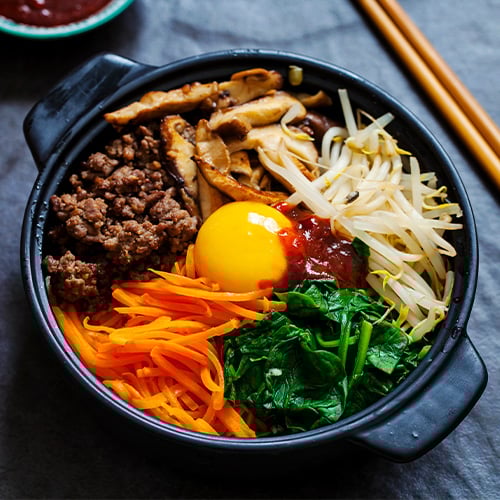
- Kimchi: Made by fermenting vegetables such as napa cabbage or radish with seasonings, kimchi is one of the most essential foods in Korean cuisine. Its constant presence on the table and its sharp, savory character make it a defining part of Korean flavor.
- Bibimbap: Built around rice topped with vegetables, gochujang, and often egg and meat, bibimbap is mixed together just before eating. The dish stands out because it captures the Korean approach to variety, balance, and combining multiple prepared ingredients in one bowl.
- Bulgogi: Bulgogi is one of Korea’s best-known meat dishes. It consists of slices of marinated beef, cooked over a grill or hot surface. The sweet-savory profile and broad customer appeal have helped make it a staple on Korean restaurant menus around the world.
- Samgyeopsal: In Korean barbecue, samgyeopsal features grilled pork belly served with sauces, lettuce wraps, and side dishes for assembling each bite at the table. That interactive style is a major reason it remains one of the cuisine’s most recognizable and popular foods.
- Japchae: Sweet potato glass noodles tossed with vegetables, sesame oil, soy sauce, and sometimes meat give japchae its signature texture and flavor. Because it appears at banquets, celebrations, and regular meals alike, it holds an important place in Korean dining.
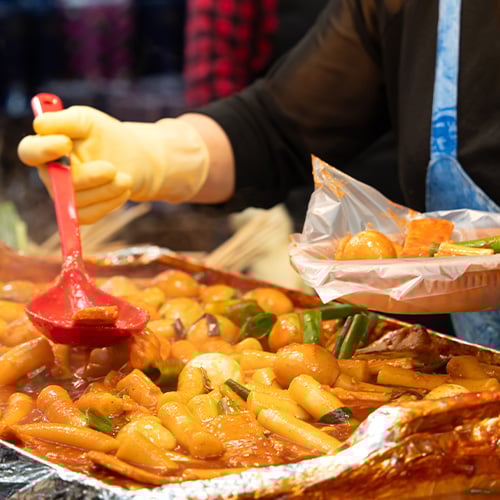
- Tteokbokki: Chewy rice cakes simmered in a bold sauce have made tteokbokki one of the most recognizable items in Korean street food. Its popularity comes from its strong flavor, snackable format, and close connection to casual everyday eating.
- Mandu: Filled with meat, tofu, vegetables, or a combination of ingredients, mandu can be steamed, boiled, pan-fried, or served in soup. That versatility helps explain why they are such a common part of Korean meals in both home cooking and restaurant service.
Korean Cooking Techniques
Korean cooking techniques include fermentation, grilling, steaming, braising, simmering, stir-frying, pan-frying, and the careful seasoning of vegetables and proteins into distinct side dishes and mains. Together, these methods give Korean food its range, from deeply aged condiments and quick-cooked barbecue to brothy stews and delicately prepared banchan. Understanding the techniques matters because much of Korean cuisine’s appeal comes from how ingredients are treated, layered, and served rather than from one universal sauce or base.
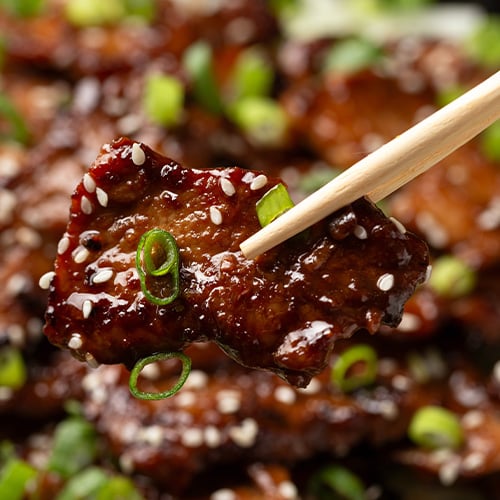
- Fermentation: Fermentation is one of the foundation techniques of Korean cuisine, used to develop kimchi and the jang family of seasonings, including doenjang, ganjang, and gochujang. It builds the sour, savory, and deeply matured flavors that anchor countless Korean dishes and sauces.
- Grilling (Gui): Grilling is central to Korean cooking, especially for meats, seafood, and mountain vegetables prepared over charcoal, a grill grate, or a hot plate. This cooking method adds char, concentrates marinades, and supports the interactive table service that defines many Korean barbecue meals.
- Steaming (Jjim): Steaming is used for dishes that need gentle heat and retained moisture, from soft steamed eggs to seafood and meat dishes. It remains important in Korean food because it preserves texture well and allows seasonings, broths, and natural sweetness to come through without heavy browning.
- Braising (Jorim): Braising in Korean cuisine usually means simmering an ingredient in a seasoned liquid until the sauce reduces and penetrates the food. This technique turns simple ingredients such as tofu, fish, anchovies, or chicken into strongly flavored dishes that pair naturally with rice.
- Stir-Frying: Stir-frying is used to cook ingredients quickly in a pan while keeping their texture intact and coating them evenly with seasoning. It is especially important in Korean cuisine for dishes where speed, concentrated flavor, and the balance between sauce and ingredient texture all need to come through in a single pan.
- Pan-Frying (Jeon): Pan-frying is the technique behind jeon, where sliced vegetables, seafood, or meat are coated in flour or batter, often dipped in egg, and cooked in a lightly oiled pan. This cooking method creates one of Korean cuisine’s most recognizable categories of side dishes and celebratory foods.
- Marinating: Marinating is widely used for Korean meats before grilling or pan-cooking, often with soy sauce, garlic, sugar, fruit, and other aromatics. It is a key preparation method that seasons the meat throughout, helps tenderize it, and creates the sweet-savory profile many diners associate with Korean barbecue.
Equipment Needed for Korean Cuisine
The exact setup depends on the menu, but most Korean restaurant kitchens need to handle rice production, broths, grilled meats, side-dish prep, and fermented staples at the same time. A strong lineup of hot-side, cold-side, and holding equipment makes it easier to execute the dishes diners expect from Korean cuisine with consistency and speed.
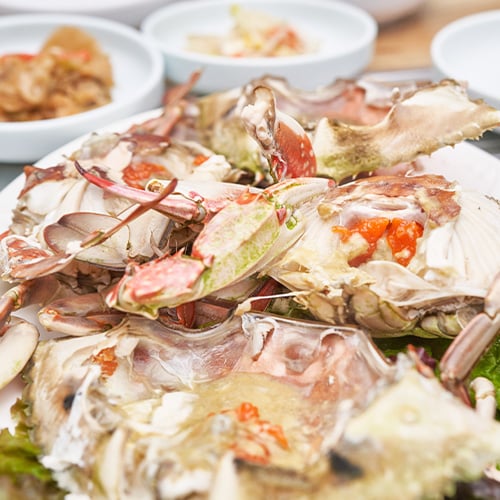
- Commercial Rice Cooker / Rice Warmer: A commercial rice cooker prepares and holds one of the core components of the Korean table. Rice sits at the center of many Korean meals and supports dishes ranging from bibimbap to everyday set meals with soup, kimchi, and banchan.
- Heavy-Duty Range with Stock Pots or a Steam Kettle: A commercial range gives the kitchen the burner power needed for broths, soups, stews, braises, and hot pots. It is especially important in Korean cuisine because guk, tang, and jjigae are regular parts of the meal structure rather than niche menu add-ons.
- Charbroiler or Korean BBQ Grill: A grill is essential for barbecue-focused menus and for grilled dishes such as bulgogi, samgyeopsal, galbi, eel, and fish. Grilling is one of the signature cooking methods in Korean cuisine and, in many concepts, part of the dining experience itself.
- Flat-Top Griddle or Large Fry Pans: A griddle or wide pan helps with fast, even cooking for jeon, stir-fried meats, pan-grilled fish, and some bulgogi-style preparations. Many dishes in Korean kitchens rely on quick surface browning and batch cooking without the live-fire format of tabletop barbecue.
- Commercial Steamer: A steamer is used for mandu and other dishes that benefit from moist, gentle heat. Steaming is one of the standard Korean cooking methods, and many dumpling and jjim dishes are either steamed outright or finished with steam.
- Ttukbaegi and Dolsot Stone Bowls: These heat-retaining vessels are used to serve bubbling stews and hot stone bibimbap. They keep food hot at the table, shape the final texture of the dish, and are part of the expected presentation for several well-known Korean menu items.
Korean Cuisine FAQ
Below, we cover a few of the questions that come up most often when people are first getting acquainted with Korean food:
Is Korean Food Always Spicy?
Korean food is not always spicy, even though chile-forward dishes are some of its most recognizable exports. Many staples lean savory, nutty, briny, or mild instead, including grilled meats, soups, porridges, dumplings, and soy-based side dishes, so operators can build Korean-inspired menus at several heat levels.
What Is Served With a Traditional Korean Meal?
A traditional Korean meal is commonly served with rice, soup or stew, kimchi, and several small side dishes arranged together on the table. Korean dining is built around variety and combination, which is why set meals, shared plates, and multi-component spreads are so central to the cuisine.
Are There Vegetarian Dishes in Korean Cuisine?
Korean cuisine does include vegetarian dishes, especially in temple cooking and vegetable-based side dishes, but not every dish that looks plant-forward is fully vegetarian. Broths, fermented seafood, or meat-based seasonings can still appear in soups, kimchi, and side dishes, so menu planning and labeling need to be precise in foodservice settings.
Why Are Fermented Foods So Important in Korean Cooking?
Fermented foods are important in Korean cooking because they were historically practical for preservation and became essential to the cuisine’s flavor structure over time. Ingredients such as kimchi, doenjang, ganjang, and gochujang bring depth, acidity, salt, and savory character to the table, which is why fermentation still shapes Korean food at both the household and restaurant level.
Is Korean Food Eaten with Chopsticks?
Although chopsticks are an important part of enjoying Korean cuisine, other utensils like the spoon play a major role alongside chopsticks at the table. Spoons are commonly used for rice, soup, stews, and mixing certain dishes, which reflects the way Korean meals combine broths, grains, and side dishes in one setting.
Korean cuisine offers a complete dining framework built on contrast, variety, and strong flavor definition. Bringing those ideas into a commercial kitchen can help shape menus that feel layered and memorable, whether that means building out barbecue service, expanding side-dish programs, or introducing soups, rice bowls, and fermented components with clear purpose. With the right equipment, techniques, and understanding of the table as a whole, Korean cuisine becomes a practical source of inspiration for restaurants looking to add depth, flexibility, and distinction to their offerings.