

Indian cuisine is one of the world’s most influential food traditions, shaped by centuries of agricultural abundance and a deep command of spices, grains, legumes, dairy, and aromatics. Spices and herbs such as turmeric, cardamom, ginger, cumin, coriander, and black pepper are central to Indian cooking. The cuisine is also defined by balance, technique, and local identity. Across India, cooking changes dramatically by region, from dairy-rich and bread-based dishes in the north to rice-centered preparations in the south. Below, we explore what Indian cuisine is, why it holds such a prominent place in global food culture, and how its dishes, traditions, and techniques continue to shape restaurant menus around the world.
Types of Indian Cuisine
The different Indian cuisine types are best understood as regional food traditions. Rather than following one national formula, these styles reflect the ingredients, climates, religious practices, and historical influences of the places where they developed. Some rely more heavily on wheat breads, dairy, and tandoor cooking, while others center on rice, lentils, coconut, seafood, or vegetarian preparations.
- Punjabi Cuisine: Rooted in the agricultural traditions of the Punjab region, Punjabi cuisine is known for hearty dishes built around wheat, dairy, and legumes. Tandoori meats, naan, chole, paneer dishes, and staples such as sarson da saag with makki di roti give Punjabi food a specific identity that goes beyond broad North Indian classification.
- Gujarati Cuisine: Known for its largely vegetarian approach, Gujarati cuisine centers on meals built from roti, dal, and vegetable dishes. A subtle sweetness appears in many preparations, helping set Gujarati food apart from several other Indian regional traditions.
- Andhra Cuisine: Marked by rice-based meals and assertive seasoning, Andhra cuisine is especially known for chile heat, tamarind, pickles, and boldly flavored lentil dishes. Regional specialties such as pappu, pulusu, gongura preparations, and spicy coastal seafood give it a stronger and more specific identity than a general South Indian label suggests.
- Tamil Cuisine: In Tamil cuisine, rice is typically served with clearly defined accompaniments such as sambar, rasam, curd rice, poriyal, and kootu. Idli, dosa, and banana-leaf meals are also closely tied to the region, making the cuisine feel grounded in everyday service formats as much as in individual dishes.
- Kerala Cuisine: Along India’s southwestern coast, Kerala cuisine draws heavily on rice, seafood, and the regular use of coconut oil. That coastal setting strongly shapes the food, especially in dishes where fish and coconut form core parts of daily cooking.
- Goan Cuisine: Distinctive for its coastal ingredients and colonial influence, Goan cuisine is built around rice, fish, coconut, and kokum. Portuguese rule left a lasting mark through vinegar-based dishes and preparations such as vindaloo, xacuti, and sorpotel, which set Goan food apart from other western Indian regional cuisines.
Indian Culinary History
The origins of Indian cuisine can be traced back thousands of years to the subcontinent’s earliest farming communities, where wheat, barley, and dairy were central to daily life. As regional food traditions developed, rice became the dominant staple in many eastern and southern areas, while breads and millets remained more common across much of the north and west. Religious traditions also shaped the food habits across the subcontinent, with Buddhism and Jainism reinforcing vegetarian practices that still influence many Indian menus today.
Over time, waves of trade and conquest added new layers to Indian cuisine without replacing its regional foundations. Islamic and Mughal rule introduced a richer gravy style of cooking, along with kebabs, pilaf, and the Persian roots of biryani, all of which became deeply woven into North Indian food culture. In the 16th century, Portuguese traders brought New World ingredients such as chilies, potatoes, tomatoes, and cashews, which later became everyday components in Indian kitchens. These centuries of exchange helped shape Indian cuisine into the broad, regional, and technically varied culinary tradition recognized around the world today.
Indian Food Culture
Indian food culture is the collection of meal traditions, dining habits, and social customs that shape how food is prepared, served, and shared across India. Rather than following one national pattern, it reflects regional agriculture, religious practice, local etiquette, and the strong role food plays in hospitality and celebration. Indian cuisine is defined by the formats and rituals through which food is presented and eaten, not just by flavor.
- Vegetarian Traditions: Vegetarian cooking holds a major place in Indian food culture, with many menus shaped by Hindu, Jain, and other religious dietary practices. That influence is why lentils, dairy, vegetables, and grain-based dishes are so central in Indian foodservice, even in regions that also have strong meat or seafood traditions.
- Regional Diversity: A defining feature of Indian food culture is that meals change sharply from one part of the country to another, with wheat more prominent in many northern areas and rice more central in much of the south and east. This regionalism is present because India’s geography, rainfall patterns, religions, and historical influences vary so widely across the subcontinent.
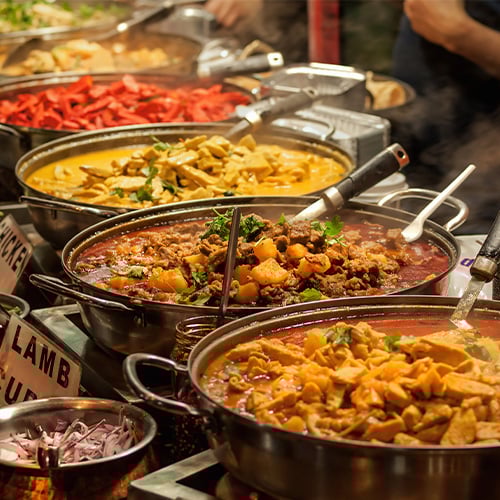
- Thali Meals: The thali is one of the clearest expressions of Indian dining culture, presenting multiple dishes together on a large plate or banana leaf. Its continued importance comes from the Indian preference for balanced meals built from several components rather than a single main item with side dishes.
- Street Food Culture: Street food is a major part of Indian food culture, with snacks and small dishes such as pani puri, samosas, kachori, and chaat added into everyday diets. It remains so prominent because it combines affordability, portability, regional identity, and high-frequency urban demand, making it important both culturally and commercially.
- Festival and Feast Foods: Indian food culture closely links cuisine to holidays, temple traditions, and seasonal celebrations, which is why many regions have special feast meals and ceremonial dishes. Kerala’s sadya, for example, is a vegetarian banquet served on a banana leaf during festive occasions, showing how food in India often carries ritual as well as culinary meaning.
- Shared Dining and Hospitality: Sharing food is a strong part of Indian dining etiquette, both in restaurants and in community meal traditions. This custom persists because hospitality is deeply embedded in Indian culture, where feeding guests and eating together are tied to respect, generosity, and social connection.
Indian Dishes
Some Indian foods are everyday staples, while others are closely tied to celebrations, street food culture, or restaurant dining. These foods are especially important because they cover the major menu formats Indian cuisine is known for, with a wide range of foods that include shareable starters, flatbreads, rice mains, and sauce-based entrees.
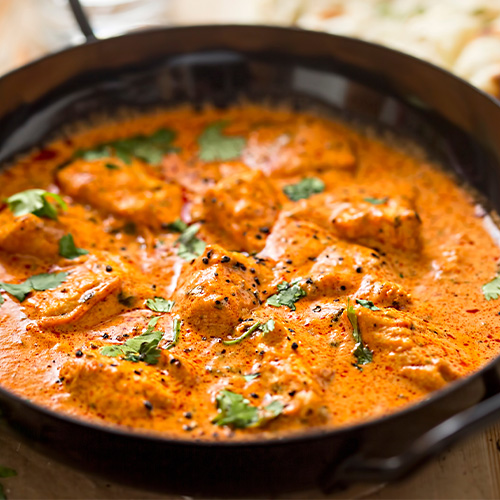
- Butter Chicken: A North Indian restaurant classic, butter chicken consists of tandoori chicken finished in a creamy tomato-and-butter gravy. It remains one of the best-known Indian dishes since it captures the rich, dairy-based flavor profile strongly associated with Punjabi cooking.
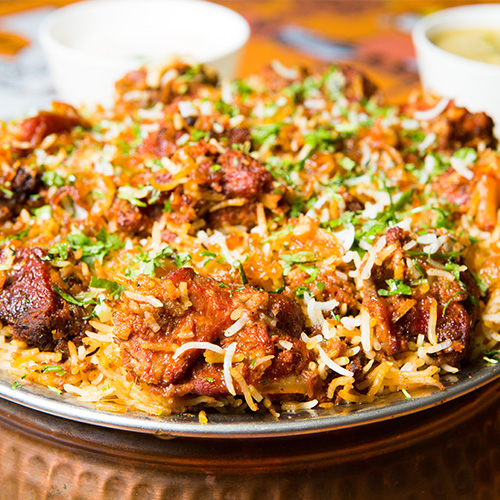
- Biryani: A layered rice dish cooked with spices and either meat or vegetables, biryani is a recognized celebratory food in Indian cuisine. Its importance comes from both its broad regional spread and its role as a centerpiece dish, with major local versions found from Hyderabad to Kerala and Mumbai.
- Masala Dosa: A South Indian variation of dosa, masala dosa is a fermented rice-and-black-gram crepe, typically filled with a spiced potato mixture and served with chutneys and sambar. It is a cornerstone food associated with Indian cuisine, as it represents the rice-and-lentil foundation of the south.
- Dal: Dal refers to both raw and cooked lentils, and in practice, it also names a broad family of lentil-based dishes served throughout India. Pulses and grains are core parts of the Indian diet, making dal an iconic food in Indian cuisine.
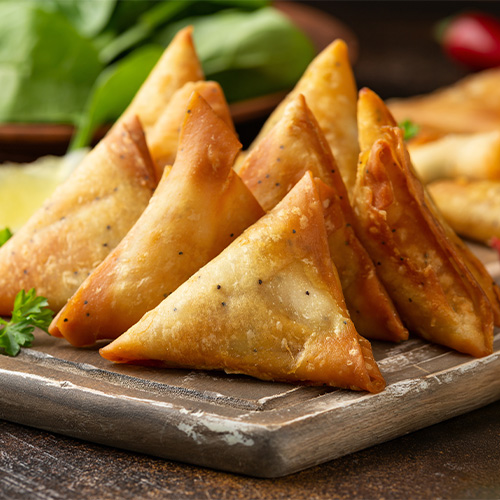
- Samosa: Samosas are fried or baked filled pastries, most often associated with savory snack service and street food. They are one of Indian cuisine’s signature foods because they are highly portable, widely recognized, and flexible enough to be filled with everything from spiced potatoes to meat or vegetables.
- Tandoori Chicken: Tandoori chicken is yogurt-marinated, heavily-spiced chicken roasted in a clay tandoor oven. It is a defining food of Indian cuisine, as it showcases the cuisine’s signature cooking methods and helped shape later restaurant staples such as butter chicken.
- Naan: Naan is a leavened flatbread traditionally baked in a tandoor and served hot with curries, stews, and dry dishes. It is considered a main food of Indian cuisine due to the importance of bread service to many North Indian meals, making naan the country’s most recognized accompaniment in restaurant settings.
- Chaat: Chaat is a broad category of roadside snacks built around contrasting textures and flavors, often combining fried elements with chutneys, yogurt, herbs, and spices. It is one of Indian cuisine’s main food categories because it represents the country’s street food culture, where small-format dishes are valued for speed, affordability, and layered taste.
Indian Cooking Techniques
Many Indian preparations depend on when spices are heated, how moisture is controlled, and whether a dish is finished over direct heat, on a griddle, in hot fat, or in trapped steam. Here are some key Indian cooking techniques commonly used in kitchens preparing Indian food:
- Tadka (Tempering): A recognizable Indian flavor-building method, tadka involves frying whole spices, and often curry leaves, chilies, or garlic, in hot oil or ghee before adding them to a dish or pouring them over it at the end. The process quickly releases fat-soluble aromas and gives dals, vegetables, chutneys, and stews a final layer of fragrance and depth.
- Bhuna: At the core of many Indian gravies, bhuna is the slow sauteing of onions, ginger, garlic, and spices until the mixture darkens, thickens, and becomes intensely aromatic. That concentrated masala base gives curries and sauces much of their body and cooked spice character.
- Dum Cooking (Dum Pukht): Used for dishes that benefit from slow finishing, dum cooking is a sealed-pot method in which rice, meat, or vegetables cook gently in their own steam. This low-heat approach is important for preparations like biryani because it traps moisture while allowing aromatics, spices, and herbs to permeate the entire dish.
- Tandoor Cooking: Built around a cylindrical clay oven heated by charcoal or wood, tandoor cooking is central to many North Indian breads and roasted meats. The extremely high heat creates quick cooking, smoky flavor, and the blistered exterior associated with naan, kebabs, and tandoori chicken.
- Dry-Roasting and Grinding Spices: Before being ground into masalas or blended into a dish, whole spices are often dry-roasted to deepen their flavor. Toasting helps intensify aroma, reduce raw harshness, and create spice blends with greater clarity and complexity.
- Steaming and Fermentation: In much of South Indian cooking, fermentation develops the rice-and-lentil batter used for foods such as dosa, while steaming is then used to cook items like idli. Together, these methods create the light texture and gentle tang that distinguish these dishes from wheat-based or tandoor-cooked foods.
- Deep-Frying: A major technique in Indian snack and street-food preparation, deep-frying is used for items such as pakora, samosa, puri, and jalebi. It plays an important role because it produces the crisp texture and quick-service format that define many of these popular foods.
Equipment Needed for Indian Cuisine
The exact mix of equipment depends on whether the kitchen is focused on North Indian breads and tandoori items, South Indian rice-and-lentil dishes, or a broader curry-and-snack lineup, but most Indian restaurants need equipment that can handle high heat, batch cooking, and fast spice-driven prep. The pieces below cover the tools most often used to produce the dishes customers commonly expect from an Indian menu:
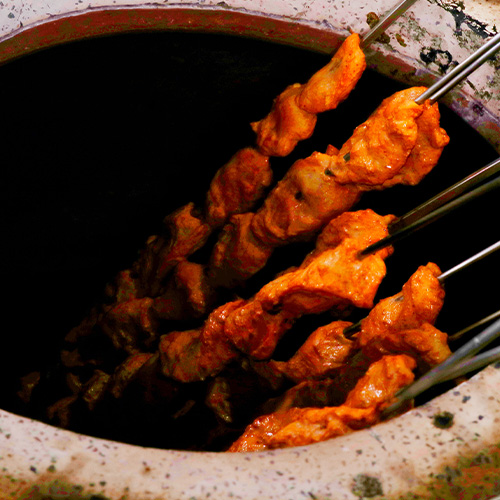
- Tandoor Oven: Central to many Indian restaurant kitchens, a tandoor is a cylindrical clay oven used for naan, kebabs, and tandoori meats. Its intense heat creates the blistered bread texture, smoky finish, and fast roasting that define signature items such as naan and tandoori chicken.
- Tawa or Flat-Top Griddle: Used for breads and griddled items such as chapati, roti, and dosa, a tawa provides the direct, even surface heat these foods require. That makes it a key piece of equipment for Indian bread service and for menu items that are cooked on a hot surface rather than baked.
- Kadai or Karahi: Shaped like a deep, wide-mouthed pan, a kadai is used for sauteing, stir-frying, frying, and building curry bases. Its form makes it especially useful in Indian kitchens because it handles both high-heat frying for snacks like samosas and pakoras and the steady reduction needed for masala-based dishes.
- Rice Cooker or Rice Warmer: For operations serving plain basmati rice, thali accompaniments, and rice-forward dishes such as biryani, a commercial rice cooker helps streamline production. It supports consistency across large batches while also giving staff a reliable way to hold rice for service without occupying burners.
- Idli Steamer: Designed with stacked trays or molds, an idli steamer is used to steam fermented batter into soft rice cakes for South Indian menus. This specialty piece is necessary when idlis or similar steamed items are on the menu, since those dishes cannot be reproduced properly on a griddle or in a standard dry-heat oven.
Indian Cuisine FAQ
Below, we cover a few of the questions that come up most often when people are first getting acquainted with Indian food.
Is All Indian Food Spicy?
Not all Indian food is spicy. Indian cuisine includes a wide range of regional traditions, and spices are used to build aroma, depth, and structure, not just to raise spice levels. Some Indian cuisines, like Gujarati, are often slightly sweet rather than spicy.
What Is the Difference Between Curry and Masala?
The difference between curry and masala depends on context, because the two terms are used in more than one way across Indian cooking and in English-language food writing. In many cases, curry refers to a finished dish with a sauce or gravy, while masala refers to a spice blend or seasoned paste used to build flavor, but the word masala can also appear in dish names to signal a particular seasoning style rather than a separate ingredient. The safest distinction is that curry usually describes a dish format, while masala more often points to the spice mixture or flavor base within it.
Is Indian Cuisine Vegetarian?
Indian cuisine is not exclusively vegetarian, but vegetarian cooking is one of its strongest and most influential traditions. Pulses are a key part of the Indian diet, and dal is an iconic dish in Indian cuisine, yet many regional cuisines also include fish-based coastal cooking and meat dishes. That range is one reason Indian menus work well in commercial settings that need both plant-forward and non-vegetarian options.
Is Indian Cuisine Eaten with Hands?
Eating with the hands is a longstanding part of Indian dining culture, but it is not universal in every region, setting, or type of meal. Many traditional foods, such as roti, dosa, rice-based meals, and thali meals are commonly eaten by hand, while cutlery is also widely used in urban restaurants and for dishes whose format makes utensils more practical.
Indian cuisine gives foodservice operators a broad and highly adaptable foundation for building menus with regional character, layered flavor, and strong customer recognition. From tandoor breads and rice dishes to lentil preparations, curries, and street-food-inspired snacks, it offers multiple ways to balance comfort, variety, and operational flexibility in a commercial kitchen. With a clearer understanding of how Indian ingredients, techniques, and dining traditions work together, operators can create offerings that feel more distinctive and better suited to modern restaurant demand.