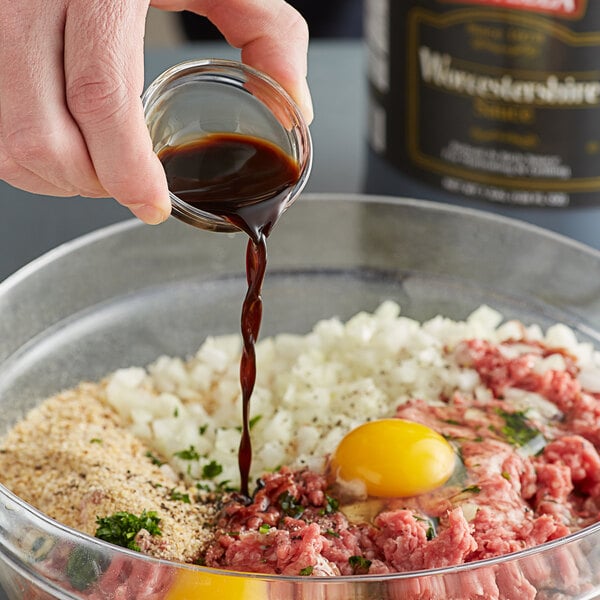
Soy sauce is made from fermented soybeans, roasted grains, water, and salt. The fermentation process gives soy sauce its distinct umami flavor, which is often described as rich, savory, and slightly sweet. Whether you’re dipping sushi, flavoring stir fry, or making a marinade, soy sauce is a staple ingredient in Asian cuisine and a popular flavoring agent in recipes worldwide. Given its versatility and popularity, many commercial kitchens keep soy sauce on hand. If you need to accommodate alternative diets or simply run out of soy sauce before you can restock your storeroom, use our list of the best soy sauce substitutes to carry you through. Shop All Soy Sauce Click below to check out the different soy sauce substitutes: 1. Tamari 2. Coconut Aminos 3. Eel Sauce 4. Liquid Aminos 5. Worcestershire Sauce 6. Ponzu 7. Teriyaki 8. Miso 9. Fish Sauce 10. Tamarind Sauce What to Use Instead of Soy Sauce Whether you’re looking for a gluten-free alternative or want to create a unique twist on a classic recipe, breathe new life into your menu with these soy sauce substitutes <iframe itemprop="embedURL" width="560" height="315" src="https://www.youtube.com/embed/uV3gSRnQEXk?si=Kbn_Yxf0PiFFNpCI" frameborder="0" allowfullscreen></iframe> List of Substitutes for Soy Sauce with Pictures There are many condiments and Asian sauces you can use in place of soy sauce. We've compiled a list of the most popular soy sauce substitutes with pictures to help you find the best option for your application. 1. Tamari Tamari is a fermented sauce made from soybeans, salt, koji (fermented rice), and water. Also known as miso tamari, tamari sauce is the liquid that emerges during the miso fermentation process. It’s arguably the best soy sauce alternative and is often considered the darkest form of Japanese soy sauce. However, tamari sauce is distinct in both its production process and ingredients, yielding a unique flavor profile and texture. It’s darker, richer, and less salty than soy sauce. While wheat is a primary ingredient in soy sauce, tamari is gluten-free, making it an excellent alternative for individuals with gluten sensitivities or celiac disease. To substitute tamari for soy sauce in recipes, first consider the differences in their flavor intensity. Since tamari sauce has a less salty flavor profile than soy sauce, you may need to add more salt to the recipe. As a general guideline, you can substitute tamari sauce for soy sauce one-to-one. However, because tamari sauce is richer than soy sauce, we recommend starting with half the amount and adjusting to taste as needed. From Asian-inspired stir-fries to marinades, the umami-rich flavor of tamari adds depth and complexity to a wide variety of dishes. It is not a safe substitute for those with soy allergies, so if you want to cut out the Big 9 allergens from your menu, look elsewhere. How to Substitute Tamari for Soy Sauce: Start with half, then adjust to taste: may require additional salt Differences between Tamari Sauce and Soy Sauce: Less salty, richer, thicker Tamari Sauce Allergens: Soy 2. Coconut Aminos Coconut aminos are a popular, allergy-friendly alternative to soy sauce because they are free of soy, gluten, and MSG. Made from the sap of coconut trees, coconut aminos offer a unique flavor profile that can be used in a variety of dishes. You can substitute coconut aminos for soy sauce one-to-one in most recipes. For example, if a recipe calls for 1 tablespoon of soy sauce, you can use 1 tablespoon of coconut aminos instead. However, coconut aminos have a slightly sweeter taste than soy sauce, so you may need to adjust the quantity of salt and other seasonings in your recipe to balance the flavors. One of the main benefits of using coconut aminos as a substitute for soy sauce is that it is naturally gluten-free and soy-free. Omakase chefs can keep it on hand to prepare customized dishes for patrons with dietary restrictions or allergies. It’s low in sodium, benefiting those reducing their salt intake. While coconut aminos offer a similar umami flavor to soy sauce, they do have a slightly different taste. Some people may find the sweetness of coconut aminos overpowering, and others may miss the distinct savory flavor of soy sauce. Because its production process is more labor-intensive and requires more raw materials, coconut aminos are often more expensive than soy sauce. How to Substitute Coconut Aminos for Soy Sauce: 1:1 ratio Differences between Coconut Aminos and Soy Sauce: Sweeter, lower sodium, more expensive Coconut Aminos Allergens: Allergy-friendly 3. Eel Sauce Eel sauce, also known as unagi sauce, is a sweet, savory, and sticky sauce that is a popular condiment in Japanese cuisine and is often considered a thicker soy sauce. It’s made from a combination of soy sauce, mirin (a sweet rice wine), sugar, and sometimes sake or dashi (a Japanese fish stock). This combination results in a thick, sweet, and savory glaze traditionally used to enhance the flavor of grilled or broiled eel (unagi). However, eel sauce is not limited to just eel dishes. It is a versatile sauce that can enhance everything from Asian noodles and sushi to pulled pork and pizza. It works particularly well with grilled or broiled meats, seafood, and vegetables, giving them a delicious glaze. If you want to substitute eel sauce for soy sauce in a recipe, there are a few things to consider. Eel sauce is much sweeter than soy sauce, so you may need to reduce or omit other sweet ingredients to balance the overall flavor. It also has a thicker consistency than soy sauce. To substitute it in a marinade or sauce, you may need to thin it out with water or another liquid to achieve the desired consistency. Lastly, remember that eel sauce has its own distinct flavor, so consider the other ingredients in the dish before substituting eel sauce for soy sauce. How to Substitute Eel Sauce for Soy Sauce: Because it’s thicker, thin it with water to mirror soy sauce's consistency Differences between Eel Sauce and Soy Sauce: Sweeter, thicker, more complex Eel Sauce Allergens: Gluten, soy 4. Liquid Aminos Liquid aminos are made by treating soybeans with an acidic solution, so they break down into free amino acids. Unlike soy sauce, liquid aminos are gluten-free and contain less sodium. They have a rich, savory flavor that adds depth to dishes, making them a versatile ingredient in the culinary world. You can use liquid aminos as a one-to-one replacement for soy sauce. Since they contain less sodium, you may need to increase the salt in the recipe to mimic the intended flavor profile. Liquid aminos' umami essence closely mimics soy sauce and gives dishes a savory taste. While both liquid aminos and soy sauce are made from soybeans, they have slightly different flavor profiles. Soy sauce contains wheat and is made through a fermentation process, and liquid aminos are a gluten-free, non-fermented food. Still, liquid aminos are a great one-to-one substitute for soy sauce if you want to mirror its flavor profile while eliminating gluten and reducing sodium. How to Substitute Liquid Aminos for Soy Sauce: 1:1 ratio Differences between Liquid Aminos and Soy Sauce: Less salty, non-fermented Liquid Aminos Allergens: Soy 5. Worcestershire Sauce Worcestershire sauce is a fermented, liquid condiment made by individually fermenting different ingredients, blending them together, and then putting them through an additional fermentation process. This barley malt vinegar-based condiment contains molasses, tamarind, anchovies, onion, and other seasonings. It has a complex flavor that blends sweet, savory, and tangy notes, making it a popular choice in marinades, sauces, and even Bloody Marys. Worcestershire sauce gets its name from the town it was invented in - Worcester, England. It was created by chemists John Wheeley Lea and William Perrins and was first sold to the public in 1837. Thanks to its savory and tangy flavor, Worcestershire sauce serves as an excellent soy sauce substitute. You can substitute Worcestershire sauce for soy sauce using a one-to-one ratio in most recipes. However, it's important to note that Worcestershire sauce has a more complex flavor. To replicate the umami flavor of soy sauce more closely, mix Worcestershire sauce with a small amount of tamari. This combination helps balance the flavors and provides a more similar taste to soy sauce while still adding the unique Worcestershire flavor. How to Substitute Worcestershire Sauce for Soy Sauce: 1:1 ratio Differences between Worcestershire Sauce and Soy Sauce: Spicier, tarter Worcestershire Allergens: Fish, gluten, (some brands contain soy) Back to Top 6. Ponzu Ponzu sauce is a versatile and tangy Japanese condiment that typically includes soy sauce in its recipe, making it a natural yet more flavorful substitute for soy sauce. Ponzu is made by combining citrus juice, such as lemon or lime, with soy sauce, mirin (a sweet rice wine), and dashi (a Japanese stock). You can substitute ponzu sauce one-to-one for soy sauce in any recipe you want to imbue with a zesty tang. The citrus notes in ponzu sauce complement the natural flavors of fish and shellfish, making it an excellent alternative to soy sauce for dipping different types of sushi or as a sauce for poke. Ponzu sauce is thinner than soy sauce and it is not typically cooked with. However, its acidity makes it an excellent soy sauce substitute in marinades. The citrus notes in ponzu sauce can overpower delicate flavors or clash with certain dishes, so carefully consider the specific recipe and its intended taste before using ponzu sauce as a substitute. Ponzu sauce isn’t as readily available in grocery stores as soy sauce, making it a less convenient choice. How to Substitute Ponzu Sauce for Soy Sauce: 1:1 ratio for dipping, dressing, or marinating; not ideal for cooking Differences between Ponzu Sauce and Soy Sauce: Sweeter, tangier Ponzu Sauce Allergens: Gluten, soy 7. Teriyaki Teriyaki is a Japanese BBQ sauce commonly used in cooking to add a savory and slightly sweet flavor to dishes. It's made by combining soy sauce, sugar, mirin, ginger, and garlic. Some recipes include red chili flakes for heat, honey for sweetness, or cornstarch as a thickening agent. While soy sauce is known for its salty and umami-rich flavor, teriyaki combines salty, sweet, and savory notes to create a well-balanced and versatile sauce. Since teriyaki sauce already contains soy sauce as one of its main ingredients, it can be a suitable replacement in many recipes that call for soy sauce. However, teriyaki is both sweeter and thicker than soy sauce, so the flavor profile and consistency of the dish will be slightly altered. Before using it as a substitute for soy sauce, thin your teriyaki sauce out with a little water and then use it as a one-to-one ratio substitute. Teriyaki sauce is an ideal soy sauce substitute in stir-fries and marinades. You may need to adjust the amount of sugar or other sweeteners in the dish to prevent it from becoming syrupy. How to Substitute Teriyaki Sauce for Soy Sauce: Thin it with a little water, use as a 1:1 ratio, reduce other sweeteners in the recipe Differences between Teriyaki Sauce and Soy Sauce: Sweeter, thicker, more complex Teriyaki Sauce Allergens: Soy, wheat, corn 8. Miso Miso is a traditional Japanese seasoning that adds depth, umami flavor, and a rich, savory taste to dishes. It's made from fermented soybeans, salt, and koji (a type of mold). This mixture is aged for various lengths of time to produce different types of miso. Each variety has a unique color, flavor, and texture. Popular miso varieties include white (shiro), red (aka), and mixed (awase). Each type has a unique flavor profile, so learn more about the different types of miso to find the best match for your recipe. Substituting miso for soy sauce can be a great alternative in recipes. To substitute miso for soy sauce, use half the amount of soy sauce called for in the recipe. You can dilute miso paste with water to achieve a similar consistency to soy sauce. This will help ensure that the miso blends well with other ingredients in the recipe. Since miso is less salty than soy sauce, you may need to adjust the amount of salt or other seasonings in your dish. Taste the dish as you cook and adjust as needed. Consider using miso in soups, marinades, dressings, or glazes to add depth and complexity to your recipes. How to Substitute Miso for Soy Sauce: Use half the amount and dilute miso paste with water to achieve soy sauce consistency Differences between Miso and Soy Sauce: Multi-dimensional, more savory, less salty, richer Miso Allergens: Soy 9. Fish Sauce Fish sauce is made by fermenting fish with salt, which develops and intensifies the flavors. The result is a liquid that is both pungent and savory. The fish used to make fish sauce varies, but anchovies, mackerel, and sardines are common varieties. These fish are typically small and oily, contributing to the sauce’s intense umami flavor. While the two condiments differ in flavor profile, fish sauce can serve as an effective alternative to soy sauce in certain dishes. You can use a one-to-one ratio to substitute fish sauce for soy sauce. However, fish sauce is saltier and more pungent than soy sauce, so you may need to adjust the quantity based on your taste preferences. Fish sauce makes an excellent soy sauce substitute when seasoning soups and types of curry that contain seafood. It's also excellent in sauces or glazes for fish since it enhances the proteins' natural flavors. How to Substitute Fish Sauce for Soy Sauce: 1:1 ratio Differences between Fish Sauce and Soy Sauce: Saltier, pungent Fish Sauce Allergens: Fish 10. Tamarind Sauce Tamarind sauce is a popular soy sauce alternative that offers a unique flavor profile and a range of culinary benefits. Made from the pulp of the tamarind fruit, this sauce has a tangy, slightly sweet taste with a hint of sourness. Tamarind sauce adds a depth of flavor and complexity to dishes, making it a great choice for those putting a fusion spin on classic dishes. It is rich in antioxidants and contains vitamins and minerals like vitamin C, potassium, and magnesium. To use tamarind as a soy sauce substitute, you can simply substitute it in equal parts in your recipes. However, it is recommended to start with a smaller amount and adjust to taste, because tamarind sauce is tangier than soy sauce and may not be suitable for all recipes, especially those that require a savory, umami flavor. How to Substitute Tamarind Sauce for Soy Sauce: Start with half, then adjust according to flavor preference Differences between Tamarind Sauce and Soy Sauce: Tangier, sweeter, less savory Tamarind Sauce Allergens: Allergy-friendly Back to Top To find a suitable soy sauce substitute for your commercial kitchen, first consider the flavor profile, dietary restrictions, and availability of alternative options. Whether you opt for tamari sauce, coconut aminos, or Worcestershire sauce, each substitute offers a unique taste that can enhance your menu items. By experimenting with soy sauce alternatives, you can cater to a wider range of customer preferences and dietary needs while maintaining the desired umami flavor in your culinary creations. Explore the top ten soy sauce substitutes to elevate your recipes and meet the diverse needs of your patrons.