- Topics 1577
- Industrial 59
- Troubleshooting Guides 32
- Restaurant Management 144
- Bar Management 70
- Catering Tips 46
- Bakery Management 45
- Food Trucks & Concessions 41
- Advertising & Marketing 41
- Eco-Friendly Tips 13
- Facility Layout & Design 47
- Coffee Shop Tips 32
- Installation & Maintenance 63
- Janitorial & Pest Control 34
- Safety & Sanitation 121
- Startup Tips 111
- Menu Design 11
- Kitchen & Cooking Tips 106
- Hospitality Management 26
- Pizza & Sandwich Shop Tips 23
- Smallwares 42
- Food Prep 102
- Tabletop Items 21
- Disposables 28
- Calculators & Tools 7
- Consumables 77
- Warewashing & Laundry 22
- Cooking Equipment 106
- Food Storage & Refrigeration 58
- Beverage Equipment 43
- Office Supplies 6

As businesses seek to reduce their environmental impact, eliminating waste from plastics used in take-out and grab-and-go is one significant way food service establishments can go green. Eco-friendly disposables are a recyclable replacement for traditional single-use items, making your restaurant or catering service environmentally friendly. To help you make your establishment sustainable, we explain what eco-friendly food packaging products are commercially available.
Shop All Eco-Friendly Disposables
Eco-Friendly Styrofoam Alternatives
From reusable options to recycled plastic, paper, and plant-based materials, there is a greener option that will suit the needs of most businesses. Additionally, proper recycling practices and instituting composting at your establishment further reduce your environmental impact.
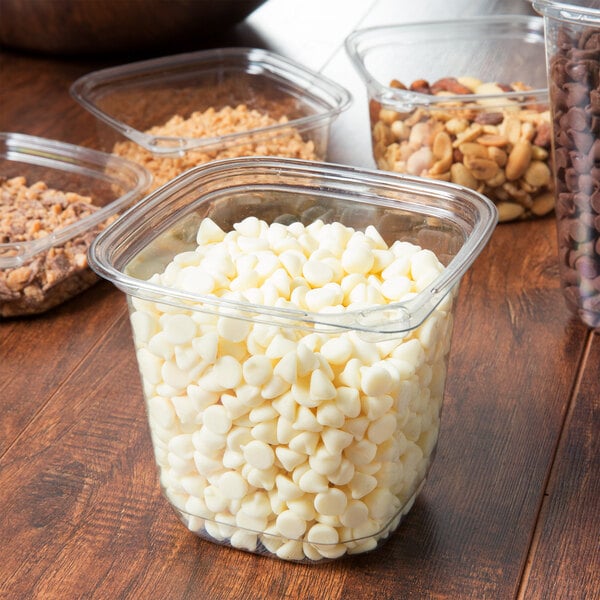
PET Plastic Containers
PET (polyethylene terephthalate) plastic is a strong, lightweight, and clear plastic that does not react with food products. These qualities make it a popular and cost-effective food and beverage packaging option. It is an energy-efficient material since it can be recycled multiple times to create new products, allowing manufacturers to reuse it for new food containers.
- Durable, shatterproof construction
- Freezer safe, great for transporting cold foods
- 100% recyclable; most easily and commonly recycled plastic
- BPA-free
- Derived from recycled petroleum-based plastics
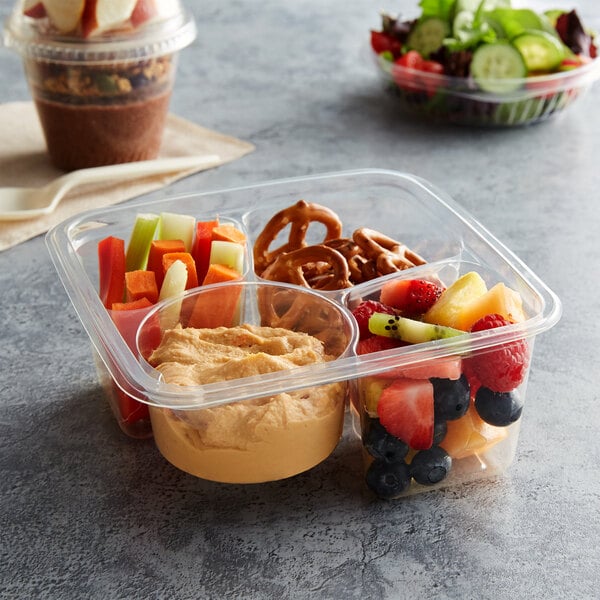
PLA Plastic Containers
PLA (polylactic acid) plastic is a thermoplastic typically made from the sugar found in corn, cassava, or sugarcane. The FDA recognizes it as a food-safe packaging material. Manufacturers use it to create eco-friendly containers and cups for food and beverages, and it is also used as a liner in paper hot cups and containers to keep the paper from getting soggy.
- Suitable for both hot and cold applications
- Smaller carbon footprint than traditional plastics
- BPA-free
- Only compostable under industrial composting conditions
- Some source crops are grown with non-eco-friendly fertilizers and pesticides
- Requires proper recycling process separate from traditional plastics; recyclable #7
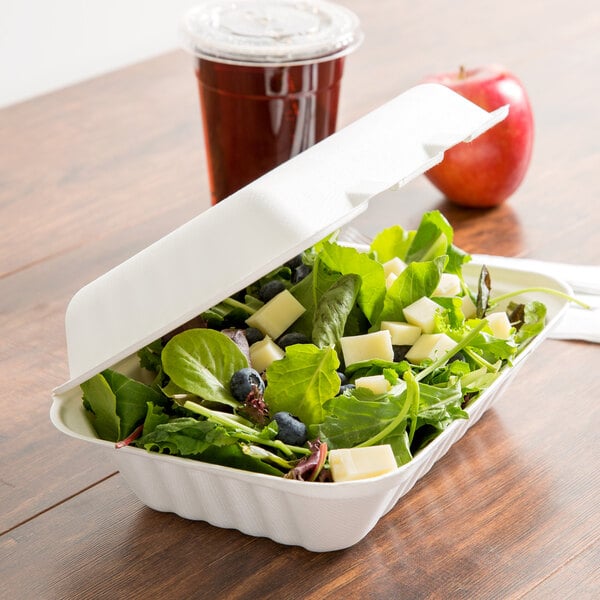
Bagasse Containers
Bagasse is a plant-based, tree-free, renewable material made from sugarcane pulp left over after the sugar has been extracted. This fibrous, pulpy material creates durable containers that appeal to environmentally conscious consumers, requiring much less energy to produce than plastic products.
- Suitable for both hot and cold applications
- Sturdy enough to handle greasy foods
- 100% compostable
- Microwave and refrigerator-safe
- Unbleached design; does not contain toxic dyes
- Must be composted in a commercial composting facility
- More costly than other foam alternatives

Poly-Coated Kraft Paper Containers
Poly-coated paper containers consist of environmentally friendly, recyclable kraft paper made from renewable resources. They feature added durability from a poly coating, allowing you to package a wider variety of foods in both hot and cold applications. Many eco-friendly disposable dinnerware options are also made from this type of material.
Note: Some grease-resistant to-go boxes may contain PFAs in the coating and are banned in some states. Check with your local jurisdiction to see if these restrictions impact your business.
- Leak- and grease-resistant
- Breathable to prevent soggy food
- Does not contain toxic dyes
- Recyclable and contains recycled content
- Poly coating makes the material harder to recycle
- Not always sourced from sustainably managed forests
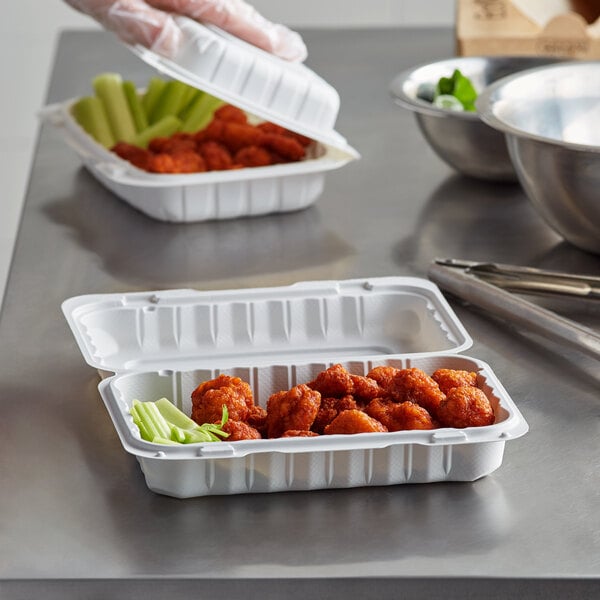
Mineral-Filled Polypropylene Containers
Mineral-filled polypropylene contains up to 40% natural mineral content, effectively reducing the plastic used to manufacture each container. These containers are made from polypropylene, a thermoplastic polymer known for its durability, flexibility, and resistance to heat and chemicals. By incorporating mineral fillers such as calcium carbonate or talc into the polypropylene material, manufacturers can create containers that are not only strong and lightweight but also environmentally friendly.
- Durable, cut-resistant construction
- Non-absorbent and leak-resistant
- Suitable for both hot and cold applications
- Microwaveable
- Recyclable at the end of their service life
- Made with non-renewable plastic material
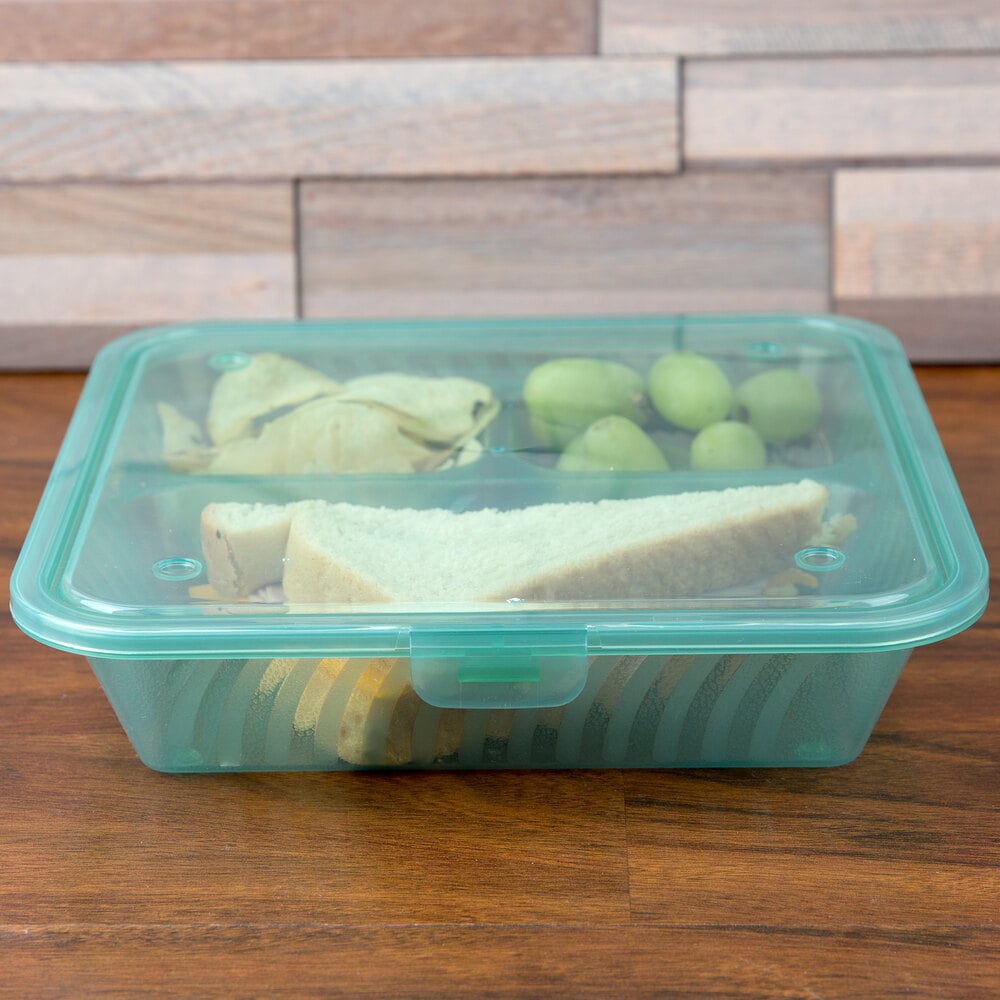
Reusable Polypropylene Containers
Reusable polypropylene take-out containers are a great way to cut down on disposable costs and reduce waste in universities, cafeterias, retirement communities, and other establishments where many of the same guests frequently return to dine. These can also be great for restaurants looking to implement a rewards program for loyal, conscious consumers. For example, customers can purchase a container upfront, and then exchange their used container for a clean one to receive a discount on their meal.
- 100% BPA-free
- Microwave-safe and dishwasher-safe
- Durable, break-resistant, and leak-resistant design
- Lasts for up to 1000 uses
- Recyclable at the end of their service life
- Higher initial cost than other eco-friendly options
- Not cost-effective for tourist-central locations
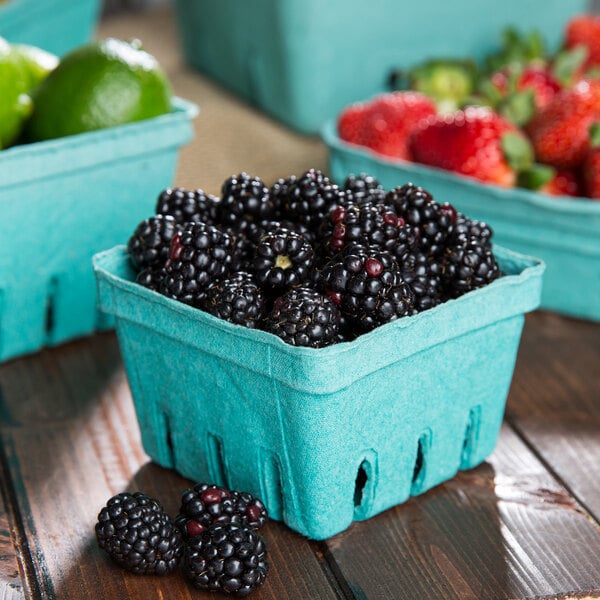
Molded Pulp Fiber Containers
Molded pulp containers are made from a combination of recycled paper, cardboard, or other natural fibers that are pressed and molded into various shapes and sizes. Molded pulp containers are sturdy, durable, and able to withstand a wide range of temperatures. They are suitable for hot and cold food applications. Additionally, they are lightweight, which can help reduce shipping costs and minimize transportation emissions.
- Made from recycled materials and renewable resources
- Typically compostable
- Do not contain chemical additives, coatings, or dyes
- Each container has slightly different properties
Eco-Friendly Plastic Bag Alternatives
If you are switching to eco-friendly containers for your take-out or catering service, consider exchanging other items involved in your delivery system for eco-friendly alternatives to keep your brand consistent for consumers. Several eco-friendly products are available to help you replace single-use plastic bags in your establishment for good.
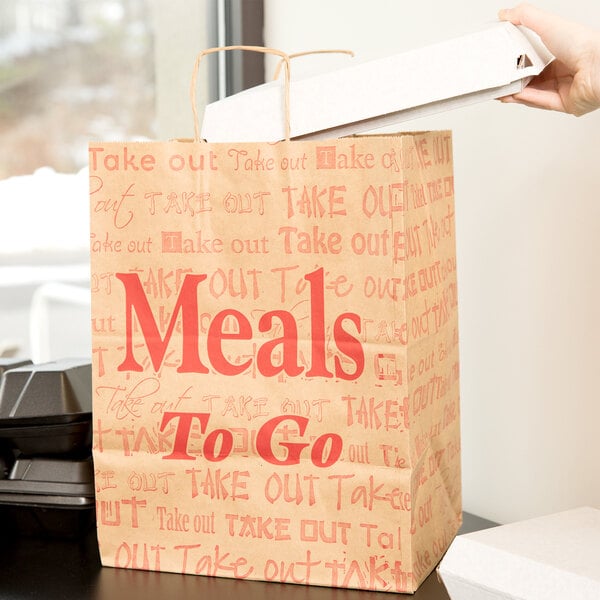
Paper Bags
Paper bags are a popular and durable eco-friendly alternative to plastic bags made from renewable resources. They are durable and can hold heavy items without tearing or breaking. Paper bags are also breathable, making them ideal for products that need air circulation, such as fresh produce or baked goods.
- Typically recyclable
- Certified compostable options are available
- Can withstand more pressure than plastic bags
- Reusable
- More expensive than plastic bags
- May not be sourced from sustainably managed forests
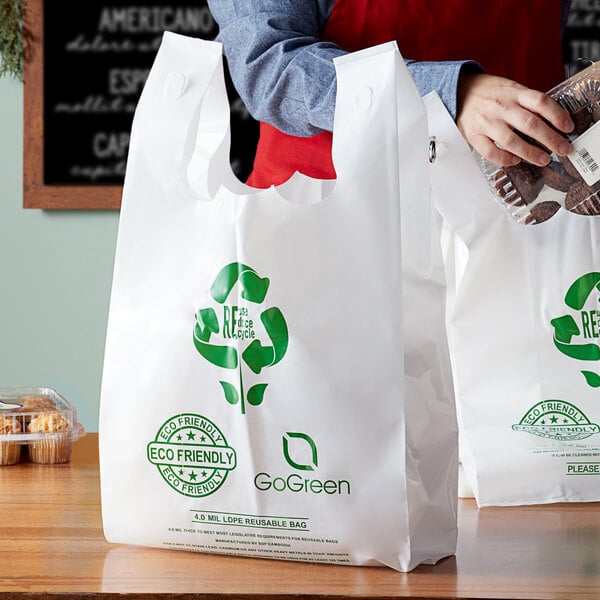
Reusable Plastic Bags
Reusable plastic bags are an ideal option for businesses looking to transition to more earth-friendly alternatives without compromising on the durability or flexibility of traditional plastic bags. This sustainable option also promotes brand awareness. Business operators can customize their bags with branding, logos, and messaging.
- Made with recyclable, durable HDPE or LDPE plastics
- Often accepted in local curbside recycling programs
- Cost-effective solution to single-use plastic bags
- Made with non-renewable plastic material
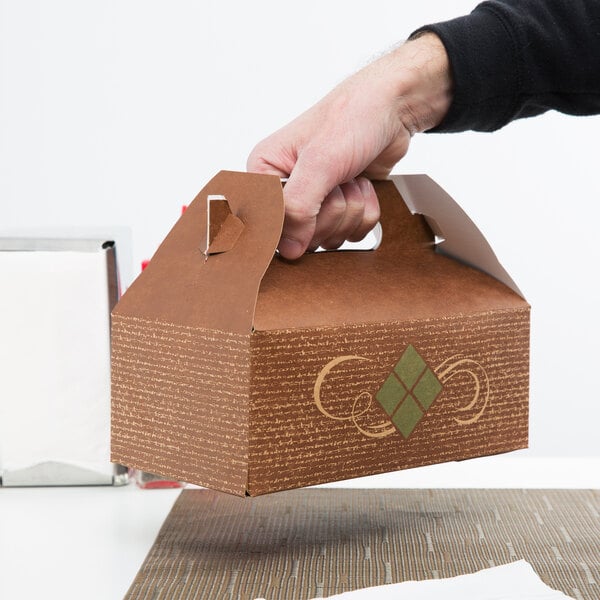
Take-Out Boxes
Combining the convenience of carrying handles with the durability of a paperboard construction, take-out boxes allow you to reduce the number of disposable items needed for your take-out service. These boxes feature an easy-to-assemble, 1-piece design with various closure styles to best fit your needs. Additionally, they come in many sizes with print or solid color options to accommodate any food on your menu. They are especially great for boxed lunches, fried foods, and baked goods.
- Grease-resistant paperboard construction
- Breathable to prevent foods from getting soggy
- Recyclable and compostable options
- May not be sourced from sustainably managed forests
Why Switch to Styrofoam Alternatives?
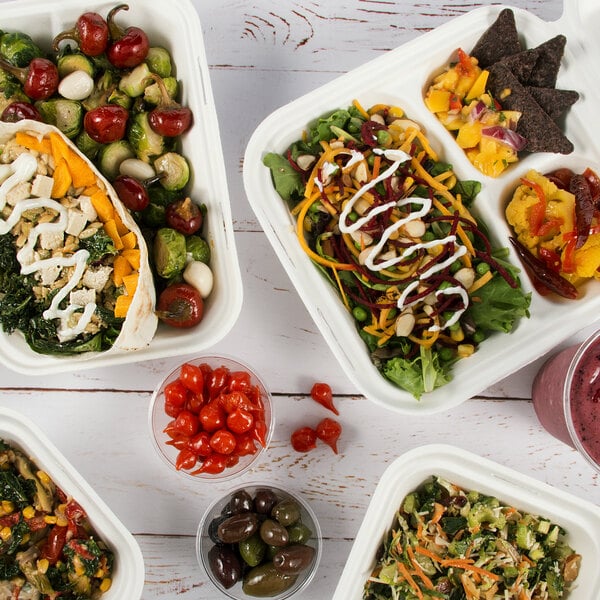
Styrofoam is a trademarked material commonly used to classify types of expanded polystyrene (EPS) foam products. Polystyrene products are recyclable and marked with the recyclable number "6". However, these products are very rarely recycled. Few local governments accept Styrofoam products in curbside recycling bins, and few recycling centers accept and recycle Styrofoam because it can be difficult and expensive. As a result, Styrofoam has become a major environmental problem for a few reasons:
- Styrofoam does not naturally break down over time and takes up an estimated 1/3 of the world's landfill space.
- Polystyrene foam products often break down into smaller pieces that pollute the land and water, threatening wildlife and making cleanup efforts difficult.
- Studies suggest that polystyrene foam's main ingredient is likely a human carcinogen that can cause health problems with long-term exposure.
While Styrofoam, or foamed polystyrene, may be a cost-effective solution for your take-out service, it is detrimental to the environment. Many state and local governments have already proposed bans against single-use Styrofoam containers. As the mandates continue to spread nationwide, it may be helpful to reduce your dependency on these products now to stay ahead of the trend. Thankfully, several eco-friendly and sustainable alternatives at various price points help reduce your business's carbon footprint and appeal to a wider customer base.
Eco-Friendly Terminology
In addition to understanding eco-friendly terms, many other "green" terms are common when marketing eco-friendly products. Learn what they mean so that you can make the most informed purchase for your business.
Bioplastics: Commonly sourced from either starch or cellulose, bioplastics are plastic materials produced from renewable, natural sources such as plants. The most common bioplastics are made from cornstarch, potato starch, trees, and straw.
FSC (Forest Stewardship Council) Certified: Products bearing the FSC label are wood- and paper-based items sourced from responsibly managed forests. This certification ensures that forestry operations support long-term ecological, social, and economic objectives by setting strict, sustainable forest management standards.
Post-Consumer Recycled Content: If these materials have completed their life cycle as consumer items, they are diverted from landfills to create other items.
Pre-Consumer Recycled Content: Also referred to as post-industrial recycled content, these materials are reclaimed waste or excess products from a manufacturing process and reused in later productions to create the same material.
Recycled Content: This term refers to the total percentage of recycled material in a product, including pre-consumer and post-consumer materials.

Related Resources

June 2026 WebstaurantStore Coupon Code
Summer is upon us, and to celebrate WebstaurantStore has blazing hot deals all month long! With summer vacations underway and holidays like Independence Day rapidly approaching, now is the time to stock up on essential supplies and equipment you'll need to get through the summer season. Take a look at our wide array of sale items below and don't forget to enter the code SUMMERSALE at checkout to enjoy up to 20% off your purchases! Looking to save even more? Check out the new Webstaurant Rewards® Visa Business Card ! Sign up for a new card today and start earning rewards on every WebstaurantStore purchase, and save on a WebstaurantPlus subscription. Have a look at some incredible deals on disposable items with June's monthly coupon code! Whe
What Is Tamper Evident Packaging?
Tamper evident food packaging is designed with special closures that make it apparent if the container has been opened, unsealed, or broken. If you're selling packaged items, broken closures alert you to potential product tampering so you can dispose of the item. Most importantly, it assures the customer that the items they purchase are fresh, safe, and haven't been handled by anyone after being packaged. Tamper evident packaging is so common in the food and beverage industry that you probably take it for granted. You'll find that most bottled beverages feature a twist cap, and you intuitively know that if the cap has been twisted off, the beverage has been opened. But what about tamper proof packaging for takeout food orders? Tamper eviden

Best Paper Plate Reviews
Paper plates are a versatile and convenient option for many commercial settings, including restaurants, food trucks, catering events, and office parties. Disposable plates offer a practical, hassle-free solution for serving food, eliminating the need for washing dishes and reducing cleanup time. However, paper plates differ in weight, material, design, and size, making them best for specific applications. We selected our favorite options across various categories to help you find the best paper plates for your business. Shop All Paper Plates
Join Our Mailing List
Receive coupon codes and more right to your inbox.