
- Topics 1567
- Industrial 59
- Troubleshooting Guides 32
- Restaurant Management 145
- Bar Management 69
- Catering Tips 43
- Bakery Management 44
- Food Trucks & Concessions 36
- Advertising & Marketing 41
- Eco-Friendly Tips 13
- Facility Layout & Design 47
- Coffee Shop Tips 32
- Installation & Maintenance 63
- Janitorial & Pest Control 34
- Safety & Sanitation 122
- Startup Tips 110
- Menu Design 13
- Kitchen & Cooking Tips 108
- Hospitality Management 25
- Pizza & Sandwich Shop Tips 20
- Smallwares 42
- Food Prep 102
- Tabletop Items 21
- Disposables 28
- Calculators & Tools 7
- Consumables 77
- Warewashing & Laundry 22
- Cooking Equipment 107
- Food Storage & Refrigeration 57
- Beverage Equipment 42
- Office Supplies 6

When starting a bakery or restaurant, you'll need key supplies and equipment such as pans, ingredients, and tools to mix, proof, bake, slice, and package the bread you plan to serve. Whether you're producing sandwich loaves, artisan breads, hamburger buns, or specialty rolls, selecting the right supplies helps maintain product consistency and improve staff production. From dough preparation and baking to cooling and storage, every stage of the bread-making process relies on specialized products and equipment designed for commercial use. Below, we outline the essential bread making supplies used in professional foodservice operations and highlight the key considerations for choosing products that match your establishment's needs.
Shop All Bread Making Supplies
Explore bread making supplies and equipment:
The bread making process requires specialty baking equipment like mixers and ovens to mix dough, bake bread, and prepare finished loaves for sale or service. In commercial bakeries and restaurants the right equipment helps operators maintain batch consistency, increase output, and reduce labor throughout the baking process. Equipment requirements vary based on production volume, available space, and the types of bread being made, but most operations rely on a core set of machines to handle key stages of production.
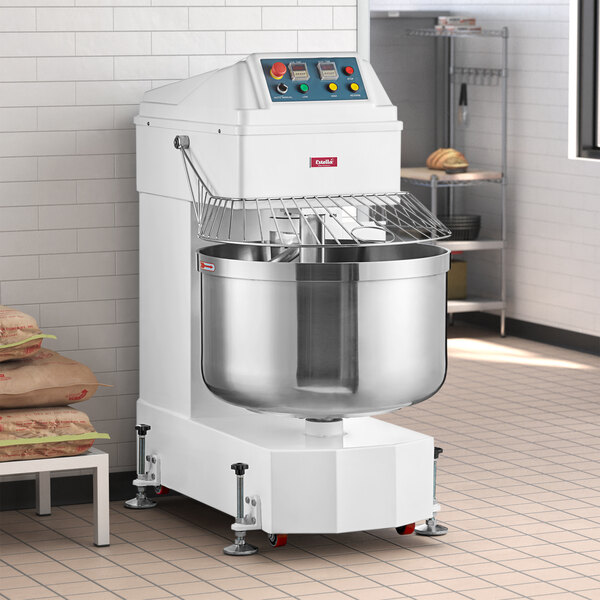
- Dough Mixers: By combining flour, water, yeast, and other ingredients into a uniform mixture, dough mixers develop the gluten structure needed for proper texture and rise. Commercial models handle large batches efficiently while delivering consistent results throughout production.
- Dough Sheeters, Rounders, and Dividers: These dough-processing machines help portion, shape, and prepare dough before proofing and baking. They reduce manual labor, improve product uniformity, and are especially valuable in operations producing large volumes of rolls, buns, pizza dough, and specialty breads.
- Bakery Convection Ovens: Bakery convection ovens use circulating hot air to promote even baking and consistent browning across multiple racks of bread. They are popular with establishments that need high-volume production because they can bake large quantities of loaves, rolls, and buns efficiently.
- Bakery Deck Ovens: Designed with stone or metal deck surfaces, bakery deck ovens provide steady radiant heat that promotes crust development and even baking. They are often the preferred choice for artisan breads that benefit from traditional hearth-style baking.
- Bread Slicers: After loaves have cooled, bread slicers produce clean, uniform slices for retail packaging, sandwich preparation, or table service. The best bread slicers help improve presentation, reduce waste caused by uneven cuts, and speed up post-baking production.
- Holding and Proofing Cabinets: Holding and proofing cabinets provide a controlled environment for dough fermentation by regulating temperature and humidity levels. Proper proofing encourages consistent rise, improves dough development, and helps bakers achieve more predictable baking results across batches.
Bread and loaf pans refer to the bakeware used to shape dough, support proper rising, and produce uniform finished products. The style of pan selected affects a large part of the bread's qualities, from loaf dimensions and crust formation to portion consistency and baking capacity. Commercial bakeries often keep multiple pan types on hand to accommodate different bread varieties, sandwich programs, and menu offerings.
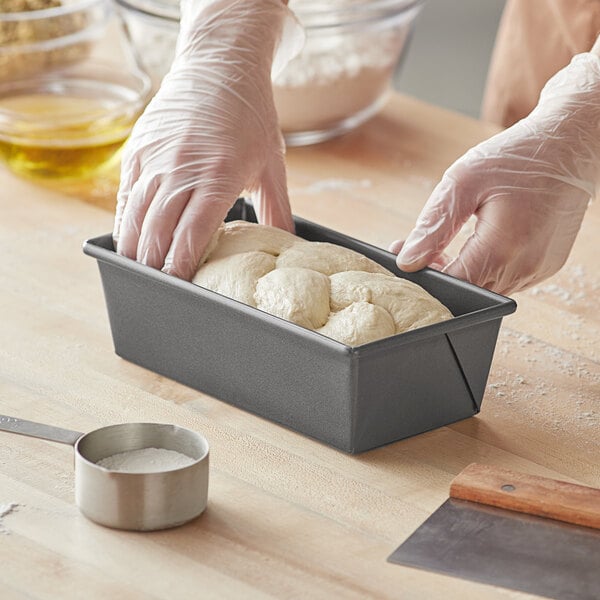
- Loaf Pans: These pans are the standard choice for baking sandwich bread, quick breads, and other rectangular loaves. They provide structure during proofing and baking, helping dough rise upward into a consistent shape.
- Strap Loaf Pans: Connecting multiple loaf pans into a single unit, strap loaf pans allow bakers to load, unload, and transport several loaves at once. They are commonly used in higher-volume operations looking to improve production efficiency.
- Pullman Pans: Used to create perfectly square loaves with minimal doming, pullman pans sport straight sides and a lid that confines the dough. They are frequently used for sandwich bread where consistent slice dimensions are important.
- Brioche Molds: These molds are designed to produce the distinctive fluted shape associated with traditional brioche bread. Their shape supports even baking while creating an attractive finished presentation.
- Mini Loaf Pans: Mini loaf pans produce smaller portions suitable for individual servings, specialty baked goods, and retail packaging. They also allow bakeries to offer a wider range of products without committing to full-sized loaves.
- Baguette Pans: Baguette pans feature long channels that support dough as it rises and bakes. The design helps preserve the baguette's characteristic shape while promoting even heat exposure around the loaf.
- Hamburger Bun Pans: Hamburger bun pans hold individual dough portions in place during baking to create evenly sized buns. Consistent bun dimensions are especially important for foodservice operations focused on portion control and presentation.
- Sub Roll Pans: Sub roll pans are designed for elongated sandwich rolls used in hoagies, grinders, and submarine sandwiches. They help bakers achieve uniform lengths and widths for easier sandwich assembly and more consistent menu offerings.
Key ingredients provide the foundation for a bread's structure, flavor, texture, appearance, and shelf life. While equipment and bakeware play important roles in production, ingredient selection ultimately determines the characteristics of the finished product. Commercial bakeries and restaurants often purchase ingredients in bulk to support consistent recipes, control food costs, and simplify inventory management.
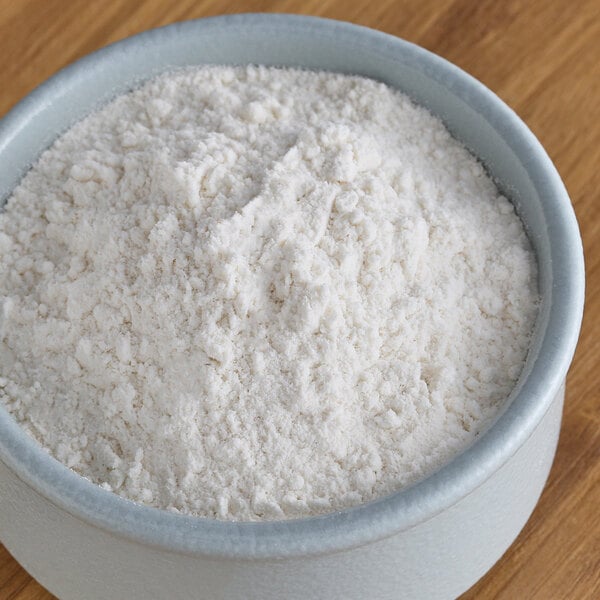
- Flour: As the primary structural ingredient in bread, flour forms the gluten network that gives dough its strength and elasticity. Different flour types and protein levels significantly affect crumb texture, rise, and overall loaf quality.
- Sugar: Sugar contributes sweetness, supports yeast activity, and promotes browning during baking. It can also help improve moisture retention, keeping certain breads softer for longer periods.
- Yeast: Yeast produces the fermentation that causes dough to rise and develop flavor, making it a vital ingredient in the process of making bread.
- Salt: Salt strengthens gluten structure and enhances the flavor of finished bread. Maintaining the proper salt ratio is essential for achieving consistent dough quality and crumb texture.
- Baking Spices: To add distinctive flavors and aromas to specialty breads, seasonal products, and sweet dough recipes utilize baking spices. Common options include cinnamon, nutmeg, cardamom, and other spices used to create signature baked goods.
- Spray Releases and Seasonings: Use spray releases to help prevent dough and baked products from sticking to pans, reducing waste and simplifying cleanup. Seasonings can be applied before or after baking to add flavor, texture, and visual appeal to finished breads and rolls.
- Baking Soda: Baking soda is a chemical leavening agent that produces carbon dioxide when combined with acidic ingredients. While less common in traditional yeast breads, it is frequently used in quick breads and specialty baked goods that do not rely on fermentation for rise.
- Baking Powder: Containing both an acid and a base, baking powder creates lift when exposed to moisture and heat. It is commonly used in quick breads and other baked products that require a lighter texture without the use of yeast.
- Dough Conditioner: Dough conditioners are ingredient blends that improve dough handling, fermentation performance, and finished product consistency. Many commercial bakeries use them to strengthen dough structure, enhance volume, and extend shelf life.
- Bread Toppings: Bread toppings such as sesame seeds, poppy seeds, oats, coarse salt, and specialty blends add flavor, texture, and visual appeal to finished products. They are typically applied before baking to create distinctive bread varieties and enhance product presentation.
Many hand tools, storage products, and support items assist bakers throughout preparation, proofing, baking, cooling, and packaging. While they may not receive the same attention as mixers or ovens, these products play a critical role in maintaining workflow efficiency and product quality. Commercial bakeries rely on specialized smallwares to handle dough accurately, reduce waste, and improve consistency throughout the bread making process. Equipping staff with the right tools makes everyday baking tasks faster and easier to repeat at scale.
- Basting and Pastry Brushes: Utilize basting and pastry brushes to apply egg washes, melted butter, glazes, and other finishes before or after baking. They help create the color, sheen, and texture associated with many bread products.
- Bowl and Bench Scrapers: Bowl and bench scrapers assist with transferring dough, dividing portions, and cleaning work surfaces. Their rigid edges make it easier to handle sticky dough while minimizing product loss.
- Proofing Baskets: Proofing baskets support shaped dough during its final rise before baking. They help dough maintain its form and create the distinctive surface patterns often seen on artisan breads.
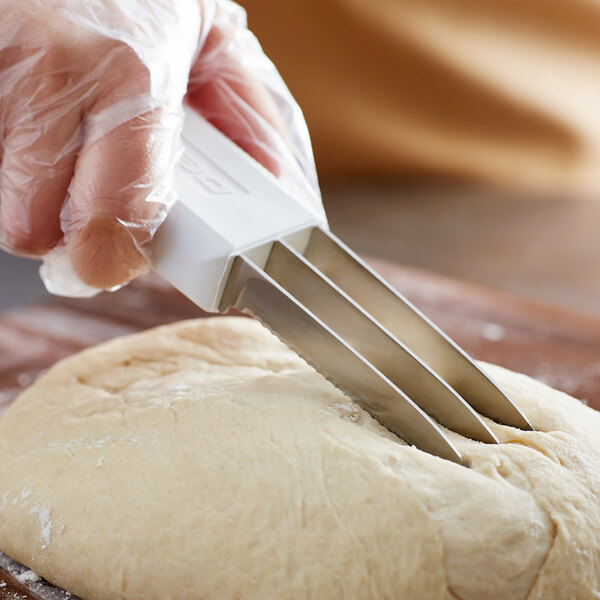
- Bread Lames: Bread lames are specialized scoring tools used to make controlled cuts in dough immediately before baking. Proper scoring helps direct oven spring and contributes to the finished loaf's appearance.
- Pastry and Dough Boards: Provide a dedicated work surface for kneading, shaping, and portioning dough with pastry and dough boards. They help keep preparation areas organized while offering ample space for handling large batches.
- Pastry Cloths and Flour Sacks: Pastry cloths and flour sacks help prevent dough from sticking during shaping and proofing. They can also be used to cover dough between production stages to protect it from drying out.
- Dough Boxes: By providing a sanitary environment for storing and proofing dough between preparation and baking, dough boxes make themselves a key bread making tool. Stackable designs make them especially useful in operations producing large quantities of bread each day.
- Sheet Pan Racks: Sheet pan racks provide organized storage and transport for pans holding dough and baked bread. They help maximize available workspace while simplifying movement throughout the bakery.
- Bread Bags: Protecting finished loaves from contamination and moisture loss, bread bags are key for storage, merchandising, and transport. They also provide a convenient surface for labeling and branding packaged products.
Choosing bread making supplies starts with evaluating how bread fits into your overall operation and what resources are available to support production. A small cafe baking a few loaves each day will have different needs than a wholesale bakery supplying hundreds of products across multiple locations. Reviewing the following factors before investing in bread making supplies helps operators build a production system that supports both efficiency and product consistency:
- Production Volume: Expected output levels should guide equipment sizing, pan quantities, ingredient purchasing, and storage needs. Supplies and equipment that are too small can create production bottlenecks, while oversized investments may consume valuable space and budget without providing meaningful benefits.
- Kitchen Layout and Available Space: Bread production requires adequate room for mixing, shaping, proofing, baking, cooling, and storage. Evaluating available floor space and workflow patterns helps prevent overcrowding and ensures equipment can be installed and operated effectively.
- Bread Types: The varieties of bread being produced influence nearly every purchasing decision. Sandwich loaves, artisan breads, baguettes, brioche, and buns each require different tools, pans, and production methods.
- Ingredient Storage Requirements: Flour, sugar, yeast, seasonings, and other baking ingredients often require dedicated storage space to maintain freshness and organization. Operators should consider both current inventory needs and the capacity required for bulk purchasing programs.
- Future Growth: Expanding menus, increasing customer demand, or adding wholesale accounts can place new demands on a bread production program. Selecting scalable equipment and supporting supplies can help accommodate future production increases without requiring a complete operational overhaul.
Bread production is defined by how well equipment, ingredients, bakeware, and supporting tools work together across every stage of the process. Consistent results depend on aligning production capacity with the right mixers, ovens, pans, handling tools, and ingredients so dough can move efficiently from mixing and proofing through baking and finishing without bottlenecks.

With almost a decade of content marketing experience, Kevin has learned the ins and outs of various business sectors. Over his four years as a Longform Content Writer with WebstaurantStore, Kevin has spent hours researching and writing about the intricacies of the foodservice industry. Specializing in marketing guides, technical writing, and structured how-to content, he enjoys providing readers with content that guides them in growing and running their bar or restaurant.
Learn more about this author and WebstaurantStore's Content Writing Team here!
Related Resources

October 2026 WebstaurantStore Coupon Code
Fall flavors are in full swing, and the deals at WebstaurantStore are just as irresistible! Stock up on everything your kitchen needs for a busy stretch of autumn, from disposables and pantry staples to equipment that keeps service moving. Browse our featured sale items below, and use code SPICE26 at checkout to save up to 20% on your purchase. Hot drinks, cozy desserts, and warm soups take center stage this time of year, so there's plenty here to fuel your seasonal menu. Sign up for our emails to get exclusive deals and coupon codes delivered straight to your inbox! Looking to save even more? Check out the new Webstaurant Rewards® Visa Business Card ! Sign up for a new card today and start earning rewards on every WebstaurantStore purchase

What Is Bread Flour?
Bread flour is a high-protein wheat flour specifically designed for yeasted baking. Its elevated gluten content, typically between 12-14%, creates a stronger, more elastic dough that can withstand the long fermentation and vigorous proofing process essential for certain types of bread . This robust network is what ultimately yields the tall, airy loaves with a distinctly chewy crumb and crisp crust that customers expect from artisan bakeries. Use these links to learn more about bread flour: What Is Bread Flour Made Of? Bread Flour vs All-Purpose Flour Bread Flour Substitutes How to Make Bread Flour Bread Flour FAQ What Is Bread Flour Made Of? Bread flour is a high-gluten flour milled primarily from hard red spring wheat, characterized by it

How to Write a Bakery Business Plan
Starting your own bakery is no easy task . Many people have tried and failed to get their business ideas off the ground, or worse, their business flopped within the first year. So what sets a successful bakery apart from the ones that don't make it? A solid bakery business plan that can help you stay organized and obtain the funding you need. We'll talk you through every major part of a business plan, from creating a basic description of your establishment to offering financial projections to future investors. Why is a Bakery Business Plan Necessary? A bakery business plan can be used to garner interest from potential investors or loans from a bank. Additionally, it is helpful to you as an owner. Creating a bakery business plan allows you t
Join Our Mailing List
Receive coupon codes and more right to your inbox.