

The top priority in a commercial kitchen is understanding and enforcing food safety temperatures. Neglecting them can put customers at serious risk of contracting foodborne illnesses. To ensure food safety, foodservice operators and handlers must understand the temperature danger zone and its impacts. We'll explain the danger zone temperature range, which foods are most at risk, and how to prevent food from lingering at hazardous temperatures so you can provide patrons with the peace of mind that everything they eat is safe and handled with care.
Click below to learn about the temperature danger zone:
Temperature Danger Zone Video
Watch the video below for a visual overview of the temperature danger zone:
What Is the Danger Zone for Food?
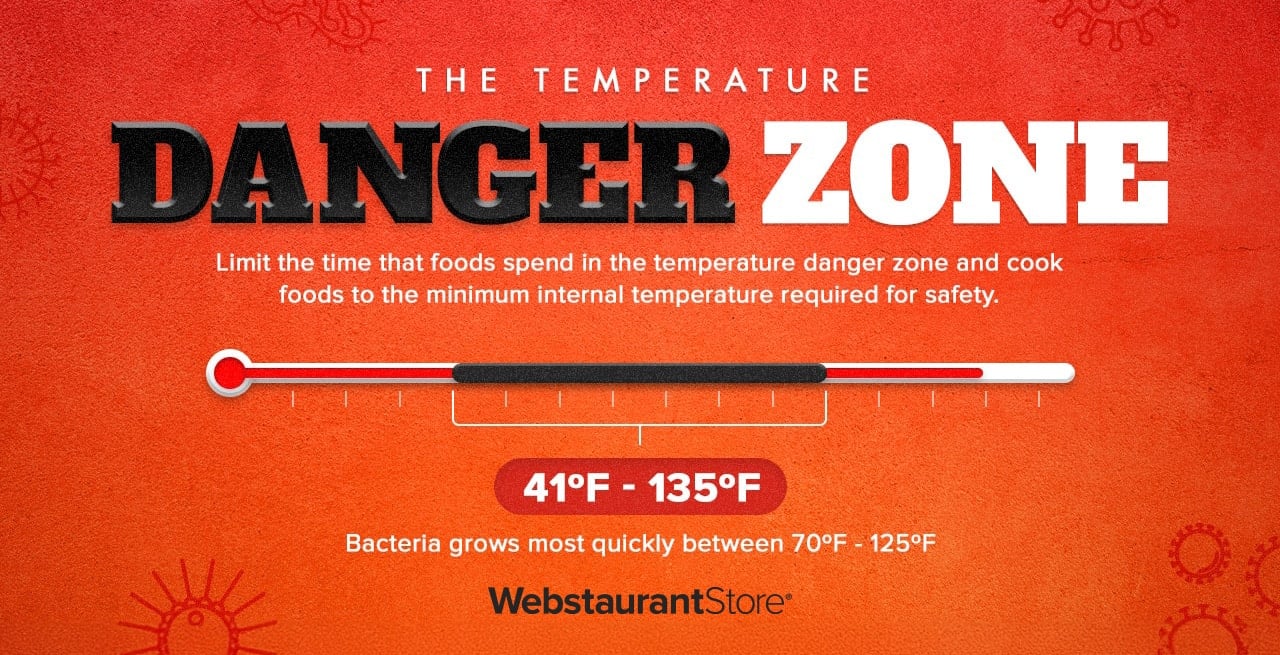
The danger zone refers to the temperature range that accelerates bacterial growth in food. According to ServSafe recommendations, the danger zone falls between 41 and 135 degrees Fahrenheit (or 5 and 57 degrees Celsius). Bacteria thrive and multiply most rapidly between temperatures of 70 and 125 degrees Fahrenheit.
When food enters the temperature danger zone, bacteria may grow to unhealthy levels and cause the food to spoil. Dangerous bacteria growth like this may occur without any visible signs that the food is unsafe to consume at first. Foods may smell and appear normal, but could contain harmful amounts of bacteria that cause different types of foodborne illness. As a food service professional, it’s your responsibility to keep foods out of the danger zone by using approved methods to chill, heat, and store foods.
What Is Time-Temperature Abuse?
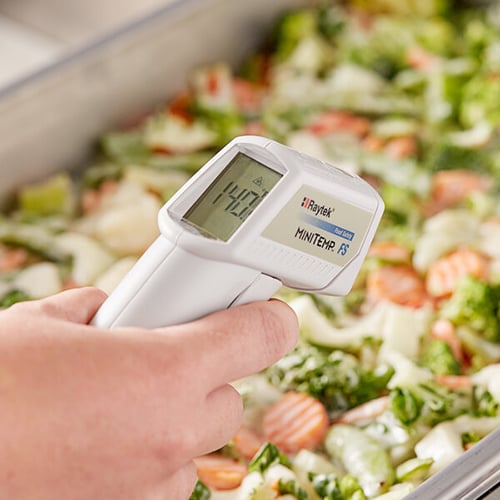
Time-temperature abuse is the act of allowing foods to stay in the temperature danger zone and is especially dangerous when it comes to TCS foods. Along with cross-contamination, time-temperature abuse is a common source of foodborne illness, making it a major health code violation. Foods may become time-temperature abused in three ways:
- If they are not held or stored at food-safe temperatures.
- If they are not cooked or reheated to the temperature required to eliminate possible pathogens.
- If hot food is not cooled properly before being placed in cold storage.
How Long Can Food Stay in the Temperature Danger Zone?
ServSafe states that the maximum length of time ready-to-eat foods can stay in the temperature danger zone is 4 hours. After the 4-hour limit, food is considered spoiled and must be thrown away. Within the 4-hour time limit, foods can be consumed, reheated, or chilled to bring them back to safe temperatures. By checking temperatures every 2 hours, you give yourself a larger window to perform any necessary corrective actions.
How to Keep Food Out of the Danger Zone
The easiest way to keep foods out of the temperature danger zone is to monitor and record food temperatures regularly. Proper documentation is key, offering a clear timeline and record of when temperatures were measured and how long they've been out. This is especially important while prepping, cooking, and holding food on your buffet line or salad bar.
As part of your HACCP training, train your staff members on key temperature logging procedures to keep your menu items out of the danger zone. Follow these important tips to ensure you’re making the best use of your kitchen thermometers to keep food safe for consumption:
- Always use the right type of thermometer for the job.
- Never rely on the temperature display of your equipment alone.
- Place a thermometer inside your refrigerator or freezer as an additional safety measure.
- Keep written records of all temperature checks, including the temperature, time, and name of the operator.
- Clean and calibrate thermometers often.
Use our downloadable Food Holding Temperature Log.
Download our Food Holding Temperature Log PDF
Safe Holding Temperatures For Food
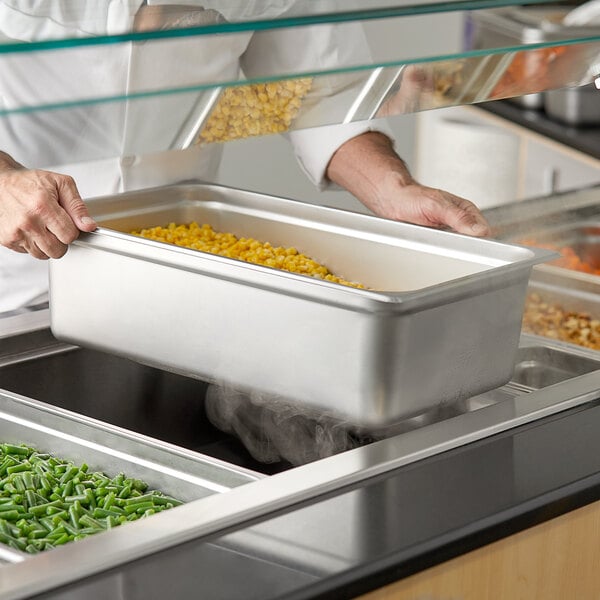
Once your food is cooked to the proper internal temperature or chilled to 40 degrees Fahrenheit or below, it’s important to maintain these safe temperatures before serving. There are several instances in which foodservice professionals need to hold food for extended periods. These instances could include holding food in salad bars and buffet lines or transporting food to off-site locations and catering events. Keep in mind that holding techniques vary for cold and hot foods.
Cold Holding Temperature
The cold food holding temperature for TCS foods must be 40 degrees Fahrenheit or below. Here are some tips to properly hold cold foods so they don't fall into the danger zone:
- Ensure your cold-holding equipment, like cold food tables and cold crocks, keeps foods at 40 degrees Fahrenheit and below.
- Any cold food held without refrigeration is safe for up to 6 hours, starting from the time it was removed from refrigeration at 40 degrees Fahrenheit and below, as long as the product does not exceed an internal temperature of 70 degrees.
- Check the temperature of cold foods every 2 hours and discard any cold food that reaches a temperature of 70 degrees Fahrenheit or higher.
Hot Holding Temperature
The appropriate holding temperature for hot food is 135 degrees Fahrenheit or above. Here are some tips to keep hot foods out of the danger zone:
- Never use hot holding equipment to reheat food. Foods should be heated to safe temperatures before holding. Hot holding equipment, like steam tables and holding cabinets, is designed to maintain current temps, not bring food up to temp.
- When possible, keep food covered to help maintain temperatures and keep contaminants out.
- Stir frequently to distribute heat throughout the food.
- Use the appropriate thermometer to monitor food temperatures.
- Discard hot food that has been sitting below 135 degrees Fahrenheit for more than 4 hours.
- Never mix freshly prepared food with foods already being held for service to prevent cross-contamination.
Temperature Danger Zone FAQ
The danger zone is a key concept when it comes to maintaining food safety, and there is much to be learned about it. We've answered some of the most common questions about the danger zone to help you maintain a safe kitchen and reduce the risk of contamination or foodborne illness.
How Often Should I Check the Temperature of Hot or Cold Holding Food?
It is recommended that you check the temperature of your hot or cold holding food every four hours. However, checking every 2 hours instead allows enough time to take corrective action if food has fallen into the danger zone. By staying on top of your food’s internal temperatures, you can prevent the spread of dangerous bacteria and eliminate food waste by simply re-heating or re-chilling the affected foods before bacteria have time to spread.
What Foods Are Most at Risk in the Danger Zone?
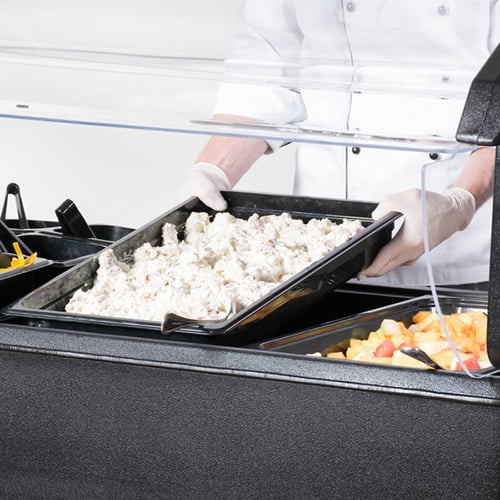
TCS foods are most at risk in the danger zone, as they present an ideal environment for germs to grow and spread. Preventing TCS foods from entering the danger zone and becoming time-temperature abused is a critical food safety practice. These are the high-risk TCS foods that should be closely monitored at all times:
- Milk and dairy products
- Meat and poultry
- Fish, shellfish, and crustaceans
- Shell eggs
- Baked potatoes
- Cooked rice, beans, and vegetables
- Tofu, soy protein, or other plant-based meat alternatives
- Sprouts and sprout seeds
- Cut tomatoes, melons, and leafy greens
- Untreated garlic and oil mixtures
How Do I Safely Thaw Food?
One of the most common ways food is time/temperature abused is by thawing it incorrectly. Leaving it out on the counter or running it under hot water might seem like the right thing to do, but it puts food at risk of entering the danger zone. One of the most common examples of time temperature abuse in a kitchen is defrosting food incorrectly. Use the following methods to defrost food safely:
- Move the frozen food to the refrigerator 10-24 hours before cooking.
- Place the frozen food under cold running water in a clean prep sink.
- Use the defrost setting on a microwave.
- Cook from frozen, regularly checking internal temperatures.
What are Safe Cooking Temperatures?
Before serving foods, they must reach a safe internal temperatures for at least 15 seconds. The exact internal temperature to aim for varies depending on which food you’re cooking.
- 165 degrees Fahrenheit: Poultry, stuffing, any dish that contains a cooked TCS food
- 155 degrees Fahrenheit: Ground meat, flavor-injected meats, eggs from the shell
- 145 degrees Fahrenheit: Seafood, steaks and chops, game meat, roast meats
- 135 degrees Fahrenheit: Fruits, vegetables, grains, legumes
It's every food service operator's top priority to keep the food they're serving safe for consumption. Following these important tips and getting your staff food handling certified will ensure they have the knowledge to keep food out of the danger zone, take corrective action, and protect customers from foodborne illnesses.

Over his 5+ years with WebstaurantStore, Jason has spent countless hours learning, researching, and writing about the foodservice industry. With expertise in technical topics, he takes pride in helping customers and readers understand everything from troubleshooting their equipment to the fundamentals of starting a business.
Learn more about this author and WebstaurantStore's Content Writing Team here!