

Chinese cuisine is one of the world’s oldest, most diverse, and most influential global cuisines, with a recorded history spanning over 3,000 years. It is often discussed in terms of dishes and regions, but for operators, it provides a playbook for speed without compromise, richness without waste, and menus built on balance rather than excess. In this guide, we explore Chinese cuisine not as a collection of traditional dishes, but as a structured system built on expertise, knowledge of ingredients, and a rich tapestry of diverse culinary traditions. For chefs, restaurateurs, and food leaders willing to look beyond the plate, Chinese cuisine offers tools that are as relevant to domestic commercial kitchens as they are to the bustling street stalls in faraway lands and the banquet halls of long ago.
What Is Chinese Cuisine?
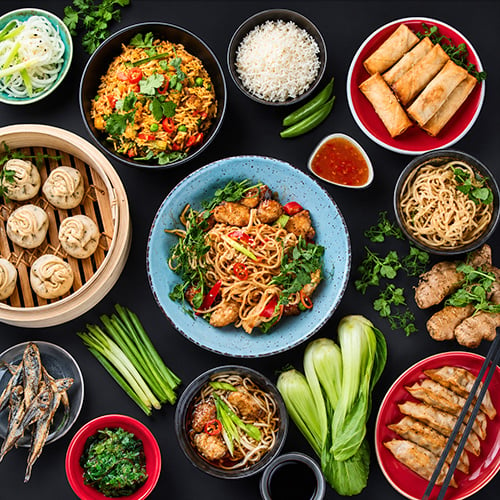
Chinese cuisine refers to the culinary traditions, ingredients, and cooking methods that originated in China and evolved across its many provinces, ethnic groups, and historical periods. As one of the world’s major global cuisines, it represents a cultural system defined by technique, ingredient hierarchy, and sensory balance rather than rigid recipes. Dishes are designed around contrasts in texture (crisp and tender), complementary flavors (salty, sweet, sour, bitter, umami), and visual appeal. These guidelines allow chefs to adapt dishes based on availability, cost, and kitchen constraints, making Chinese cuisine translate effectively to domestic commercial operations.
What Is Chinese Cuisine Known For?
Chinese cuisine is known for its wok-based cooking that prioritizes speed, heat control, and efficiency. It layers flavor development through aromatics, fermented sauces, and umami-rich ingredients. Chinese cuisine showcases regional diversity, ranging from fiery Sichuan dishes to careful Cantonese preparations. It is characterized by ingredient-driven cooking, emphasizing minimal waste through snout-to-hoof and leaf-to-root utilization of proteins and vegetables. Its scalability makes it well-suited for both fast-casual and upscale foodservice environments.
Types of Chinese Cuisine
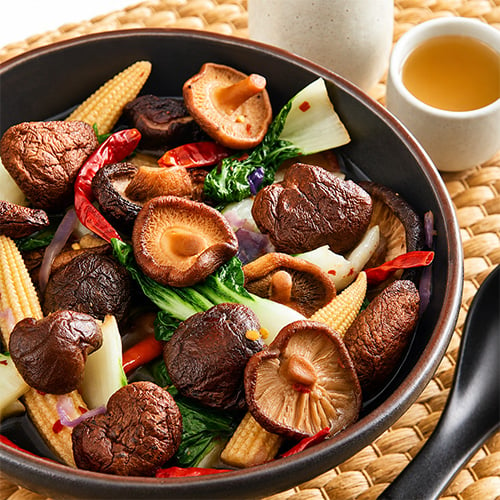
Beyond regional distinctions, Chinese cuisine can be understood through several influential culinary traditions that reflect history, religion, philosophy, and migration. These styles are not confined to a single province but instead represent broader cultural realities that shaped how food was cooked, served, and valued throughout Chinese history. Understanding these styles provides foodservice operators with a deeper context for menu engineering, concept positioning, and differentiated offerings.
- Imperial Court Cuisine: Considered the epitome of historical Chinese gastronomy, Imperial Court Cuisine originated in the kitchens of emperors and royal households throughout various dynasties, particularly during the Tang, Song, Ming, and Qing periods. These culinary creations were crafted to showcase power, opulence, and sophistication, highlighting rare ingredients, culinary expertise, and elaborate presentations. The importance of balance and harmony extended beyond just flavor to encompass aspects such as color, texture, and symbolism. Imperial cuisine dishes often involve slow braising, gentle steaming, and intricate garnishes, with a focus on proteins like duck, pheasant, and seafood prepared to accentuate their natural flavors rather than strong seasonings. While Imperial dishes can be labor-intensive, their influence works well in upscale Chinese concepts through refined plating, restrained seasoning, and premium proteins. Elements such as clear broths, elegant portioning, and banquet-style service translate well to full-course meals and special-occasion dining.
- Temple and Buddhist Vegetarian Cuisine: Developed in Buddhist monasteries, where vegetarianism is central to spiritual practice, this style relies entirely on plant-based ingredients and avoids pungent aromatics such as garlic, onions, and scallions. Instead, it emphasizes natural flavors, seasonal produce, tofu, wheat gluten, mushrooms, and meticulously prepared vegetables designed to mimic the textures of meat. Far from austere, Buddhist vegetarian cuisine is highly technical. Chefs use fermentation, drying, and braising to create depth and complexity while maintaining philosophical principles of restraint and balance. Temple cuisine aligns with modern plant-forward dining trends. Mushroom-based umami, house-made tofu components, and vegetable-driven broths allow operators to build vegan or vegetarian menus that feel intentional and premium rather than restrictive, all while maintaining favorable food costs.
- Halal/Islamic Chinese Cuisine: This style of Chinese cooking emerged through centuries of interaction between Chinese and Muslim communities, particularly among the Hui ethnic group. Rooted in Islamic dietary laws, halal-friendly Chinese cuisine avoids pork and alcohol, focusing instead on lamb, beef, poultry, and wheat-based staples such as hand-pulled noodles and flatbreads. Flavor profiles tend to be savory and aromatic rather than spicy, with generous use of cumin, coriander, and star anise. Cooking methods favor roasting, braising, and stir-frying. It offers a strong opportunity for menu differentiation and inclusivity. Lamb noodle dishes, cumin-spiced proteins, and beef-centric menus appeal to a wide audience while meeting halal requirements, making this style valuable in diverse urban markets and institutional foodservice environments.
- Medicinal or Food Therapy Cuisine: Often referred to as “food therapy,” medicinal cuisine is rooted in traditional Chinese medicine (TCM). This approach views food as a functional tool for supporting health, balancing internal energies, and addressing seasonal or physical conditions. Ingredients are selected based on their warming or cooling properties and are often combined with herbs, roots, and different types of mushrooms, such as ginseng, goji berries, jujube dates, and lotus root. Gentle cooking methods like low simmering, double boiling, and stewing preserve nutritional value and promote digestibility. While traditional medicinal cuisine may not translate directly to all menus, its principles resonate with wellness-focused dining. Clear broths, seasonal soups, and ingredient-led menu descriptions allow operators to incorporate “functional” elements without making medical claims, appealing to health-conscious diners.
- Hakka Cuisine: Originating from the Hakka people, often described as “guest families” due to their migratory history, Hakka cuisine prioritizes hearty dishes built for sustenance, migration, preservation, and practicality. Salting, pickling, braising, and stuffing are common, creating bold, savory flavors and satisfying textures. Iconic dishes include stuffed tofu, braised pork with preserved vegetables, and clay pot preparations designed to retain heat and flavor. Hakka cuisine is well-suited for operations focused on comfort food, catering, and delivery menus. Braised dishes hold well, preserved ingredients reduce waste, and recipes adapt to batch production, making this style both operationally efficient and deeply flavorful.
Chinese Culinary History
Chinese culinary history dates back thousands of years and originated in central China, where early agricultural stability allowed for the rapid and consistent development of food heritage. Its evolution was shaped by geographic expansion along the Yellow River, the spread of Han culture, and extensive trade networks such as the Silk Road, which introduced ingredients like wheat, legumes, spices, and later, chili pepper varieties. Fermentation became a key preservation method, laying the groundwork for staple ingredients such as soy sauce, rice wine, and fermented bean pastes long before modern refrigeration.
During imperial dynasties, elaborate court banquets emerged alongside rustic regional cooking, creating a dual culinary system that still defines Chinese cuisine today. Constant innovation driven by imperial demand, combined with the blending of medicinal principles and foreign influences, resulted in a holistic culinary style that values harmony, efficiency, and adaptability, making Chinese cuisine one of the most influential and enduring cuisines in the world.
Chinese Food Culture
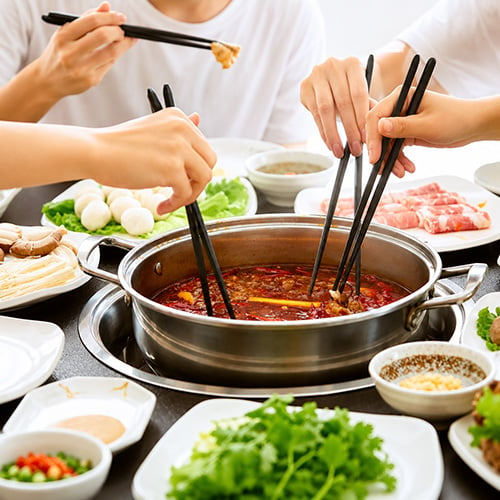
The diverse range of Chinese culinary styles and regional varieties is tied together with a series of cultural and philosophical mindsets. Discover some facts about the food culture in China and use them to inspire your domestic kitchen operations for greater authenticity when embracing this major global cuisine.
- Philosophy Shapes the Plate: Confucianism has influenced a variety of takes on Chinese food culture, as it emphasizes balance, moderation, cleanliness, and precision in food preparation and dining.
- Food Is Tied to Belief Systems: Chinese cuisine treats food as a tool for maintaining health, guided by the belief that warming (yang) or cooling (yin) properties create internal balance and prevent illness. Certain foods are expected at festivals or life events to bring blessings, longevity, or good fortune.
- Communal Dining: Meals are often shared family-style, with multiple dishes placed in the center of the table and eaten together using chopsticks and individual rice bowls.
- Banquets Mark Milestones: Formal Chinese banquet dinners feature 10 to 12 dishes served to tables of 10 guests seated around large round tables and are central for special occasions such as weddings, holidays, birthdays, graduations, and welcoming honored guests.
- Symbolism Matters: Many foods carry symbolic meaning based on shape, pronunciation, or legend. For example, ingot-shaped dumplings eaten during the Lunar New Year symbolize wealth and prosperity.
- “Yi Xing Bu Xing” Belief: A traditional belief holds that consuming a specific animal part strengthens the corresponding part of the human body. Historically, this influenced dishes such as bird’s nest soup for vitality or certain meats believed to support respiratory or physical strength.
- Minimal Waste Is a Core Value: In China, preventing food waste isn’t just economically sound; it is considered respectful. Nose-to-tail and root-to-stem cooking practices ensure all parts of animals and vegetables are used whenever possible.
- Chopstick Culture: Chopsticks are the primary eating utensils in China, with an estimated 45 billion pairs used annually. Knives and forks are typically avoided when eating, so Chinese dishes are prepared tender or cut into bite-sized pieces before serving.
- Presentation Is Essential: There is a belief that “the first bite is with the eyes,” leading to careful attention to color, shape, and plating presentation.
- Fresh Ingredients Are Prioritized: Daily shopping for fresh produce, seafood, and proteins is a longstanding practice that supports ingredient-driven cooking and seasonality.
- Regional Diversity Runs Deep: China has 34 provincial-level regions, each with a distinct culinary heritage shaped by climate, geography, and local ingredients. Rice dominates in southern China, while wheat-based noodles, dumplings, and breads are more common in northern regions.
- Minimal Use of Dairy: Authentic Chinese cuisine rarely uses dairy products such as butter, cream, or cheese. Dairy-forward dishes are more common in modern urban restaurants influenced by Western cooking.
- Seasonal Fruit as Dessert: Customary Chinese meals typically conclude with fresh, seasonal fruit rather than baked desserts. Popular fruits include persimmons, mandarins, pears, peaches, and loquats.
- Tea is a National Staple: Tea consumption dates back more than 4,500 years and likely originated in Yunnan province. Today, tea is the second most-consumed beverage in China after water.
Chinese Dishes
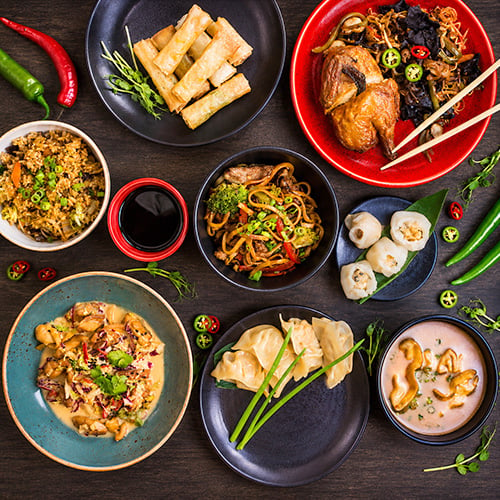
Chinese culinary history is rich and diverse, with a wide array of famous dishes that have captivated taste buds worldwide. From the savory flavors of Peking duck to the comforting warmth of hot pot, these iconic dishes showcase the depth and complexity of Chinese cuisine. They succeed across concepts because they balance craveable flavors with straightforward preparation and ingredient accessibility.
- Kung Pao Chicken (Gong Bao Ji Ding): Originating from the Sichuan province, Kung Pao Chicken is a spicy stir-fry dish that typically includes chicken, peanuts, vegetables, and chili peppers.
- Sweet and Sour Pork (Gu lu Rou): A hallmark of authentic Cantonese cuisine, this popular dish hails from the Guangdong province in southern China and features crispy pork pieces coated in a tangy, sweet, and sour sauce.
- Mapo Tofu (Mapo Doufu): A well-known Sichuan dish, mapo tofu is a spicy and numbing tofu dish cooked with minced meat, fermented black beans, and Sichuan peppercorns.
- Peking Duck (Beijing Kao Ya): A famous Beijing specialty, Peking duck is a roasted duck dish with crispy skin served with thin pancakes, scallions, and hoisin sauce.
- Chow Mein (Chaomian): A staple of Cantonese cuisine, chow mein consists of stir-fried noodles with vegetables, meat, and sometimes seafood.
- Fried Rice (Chao Fan): A versatile dish enjoyed across China, fried rice is made by stir-frying cooked rice with vegetables, eggs, and meat or seafood, seasoned with soy sauce and other Asian sauces.
- Soup Dumplings (Xiaolongbao): Originating from Shanghai, Xiaolongbao are delicate steamed dumplings filled with hot broth and savory pork or other fillings, creating a burst of flavor in every bite.
- Hot Pot (Huo Guo): A communal dining experience from the Jing dynasty, hot pot involves cooking a variety of meats, seafood, vegetables, and Asian noodles in a simmering broth at the center of the table, offering a customizable and interactive meal for diners.
- Egg Tarts (Daan Tat): Originating from Hong Kong, these delectable pastries feature a flaky crust filled with a smooth, sweet egg custard.
- Sesame Balls (Jian Dui): Originating in China during the Tang Dynasty, sesame balls feature a crispy exterior made from glutinous rice flour and a sweet, chewy interior filled with red bean paste or lotus seed paste.
Regional Chinese Cuisine
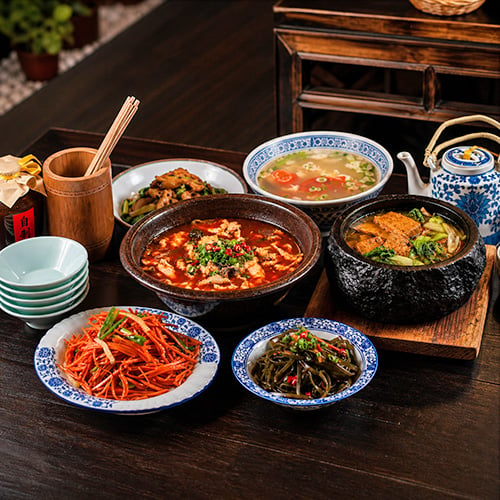
Chinese cuisine is often organized around the Big Eight regional cuisines: Anhui, Cantonese, Fujian, Hunan, Jiangsu, Shandong, Sichuan, and Zhejiang. It reflects how climate, geography, trade routes, and historical wealth shaped local ingredients, cooking techniques, and flavor preferences. The concept of categorizing China’s cuisines dates to the Qing Dynasty, when four “great cuisines” (Sichuan, Cantonese, Jiangsu, and Shandong) were first recognized for representing the breadth of Chinese culinary culture. In the late 20th century, four additional regional cuisines (Zhejiang, Fujian, Hunan, and Anhui) were added, forming the Big Eight classification used today.
- Sichuan Cuisine (Chuan): As the province most associated with spicy Chinese cuisine, Sichuan cuisine is defined by bold flavors and the signature numbing sensation of Sichuan peppercorns. Garlic, chili peppers, and fermented bean pastes create layered dishes such as mapo tofu, kung pao chicken, and spicy hot pot. Garlic, chili peppers, and fermented bean pastes create layered dishes such as mapo tofu, kung pao chicken, and spicy hot pot.
- Cantonese Cuisine (Yu): Originating in southern China’s Pearl River Delta, Cantonese cuisine emphasizes freshness, subtle seasoning, and a wide variety of ingredients. Steaming, braising, and roasting are central, with iconic dishes including dim sum, char siu, roast duck, and wonton soup.
- Jiangsu Cuisine (Su): Associated with the wealthy cities of the Yangtze River Delta, Jiangsu cuisine is refined and slightly sweet, known for meticulous knife work and elegant banquet dishes. Popular foods include Yangzhou fried rice, gently braised meats, and delicately prepared freshwater fish.
- Shandong Cuisine (Lu): One of the oldest regional Chinese cuisines, Shandong cuisine is savory and robust, shaped by wheat-based staples, seafood, and salt-forward seasoning. The region is credited with early sweet-and-sour preparations and classic dishes like braised carp and Dezhou chicken.
- Zhejiang Cuisine (Zhe): Zhejiang cuisine highlights seasonal freshness and light flavors and uses cooking methods that preserve natural textures and aromas. Dishes such as Dongpo pork and West Lake fish reflect the region’s focus on balance, clarity, and visual appeal.
- Fujian Cuisine (Min): Renowned for its soups and broths, Fujian cuisine relies on seafood, dried ingredients, fermentation processes, and sauces to create deep umami flavors. Signature dishes include fragrant stews and luxurious soups like Buddha Jumps Over the Wall.
- Hunan Cuisine (Xiang): Hot, aromatic, and flavor-saturated, Hunan cuisine is known for its liberal use of fresh chilies, smoked meats, and sour notes. Unlike Sichuan cuisine, the heat here is straightforward and fiery, as seen in dishes like spicy fish head and red-braised pork.
- Anhui Cuisine (Hui): A rustic, mountain-driven cuisine, Anhui cooking features foraged ingredients such as wild herbs, bamboo shoots, and mushrooms. Slow braising and stewing dominate, producing hearty dishes with rich, earthy flavors.
Chinese Snacks
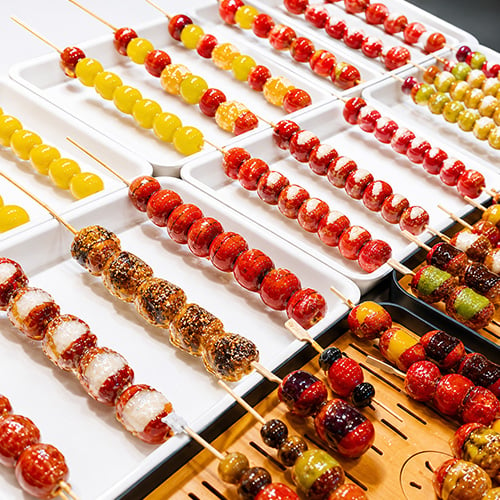
Recent statistics reveal that up to 97% of adults and 94% of children in China partake in snacking. They refer to their snack culture as "little eats" (xiao tse). For foodservice operators and vending machine applications, incorporating Chinese snacks can attract a wide customer base and offer a unique culinary experience.
- Haw Candy: Made from sweet and tangy hawthorn fruit, these candies are often enjoyed during festivals and celebrations.
- Rice Crackers: Crispy and savory snacks made from rice grains that are seasoned with various flavors such as soy sauce, seaweed, or sesame, offering a satisfying crunch.
- White Rabbit Candy: A classic Chinese milk candy known for its creamy texture and milky flavor, White Rabbit Candy is wrapped in edible rice paper for a unique eating experience.
- Spicy Duck Necks: A flavorful snack made from duck necks that are seasoned with a blend of spices and herbs, spicy duck necks have a delicious and satisfying taste.
- Fruit Jellies: Colorful and fruity jellies made from a variety of fruits, such as lychee, mango, or peach, provide a refreshing and sweet snack option.
- Sachima: A crispy and chewy snack made from fried dough strands bound together with sweet syrup, offering a delightful combination of textures and flavors.
- Egg Roll: Flaky, crispy pastries filled with sweet or savory ingredients such as red bean paste, pork floss, or sesame seeds.
- Mung Bean Cake: A Chinese dessert made from mung beans that are sweetened and molded into small cakes, offering a unique and delicate flavor.
- Hello Panda: These bite-sized biscuits are filled with creamy chocolate or vanilla-flavored fillings, shaped like cute pandas.
- Sesame Candy: A crunchy and nutty snack made from toasted sesame seeds and sweet syrup, offering a rich and flavorful treat.
Chinese Cooking Techniques
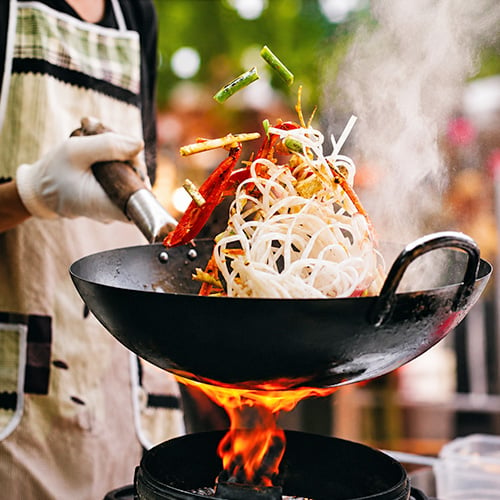
Chinese culinary history is rich and diverse, with a wide range of cooking methods that have been perfected over centuries. These techniques are essential to Chinese cuisine and are used by operators in commercial kitchens to create authentic and delicious dishes.
- Stir-Frying: One of the most well-known Chinese cooking methods, stir-frying involves cooking ingredients in a hot wok with oil, allowing for fast cooking times while retaining the natural flavors and textures of the ingredients. This method is used to prepare dishes such as kung pao chicken, beef with broccoli, and vegetable lo mein.
- Steaming: This gentle cooking technique involves preparing food over boiling water, helping preserve the nutrients and natural flavors of the ingredients while keeping them moist and tender. Chinese cuisine often uses steaming to prepare dishes like steamed fish with ginger and scallions, steamed dumplings, and steamed buns.
- Red Cooking: A classic Chinese braising procedure that involves slow-cooking proteins or vegetables in a mixture of soy sauce, rice wine, sugar, and aromatics. Known for its savory-sweet flavor and deep reddish-brown color, red cooking is used in dishes like red braised pork belly.
- Oil Velveting: Oil velveting involves coating meat or seafood with a mixture of egg white, cornstarch, and oil before cooking, helping seal in moisture and flavor. It’s used in stir-fries and can be done with various proteins such as chicken, beef, shrimp, and tofu.
- Deep-Frying: Deep-frying submerges ingredients in hot oil until crispy and golden brown. Peanut oil or vegetable oil is often used for deep-frying in Chinese cuisine due to their high smoke points. This method is used to create dishes like crispy fried chicken, spring rolls, and wontons.
Equipment Needed for Chinese Cuisine
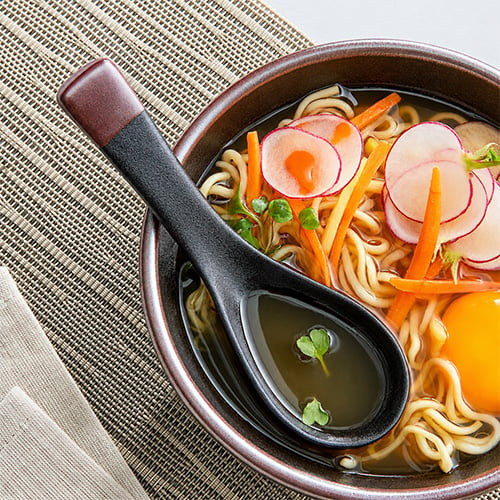
Now that you’re familiar with the styles and types of Chinese cuisine, as well as its most famous dishes and the cooking methods used to prepare them, you’re ready to decide which make sense for your menu. Before you buy ingredients and update your offerings, stock up on the Asian cooking and serving supplies you need to prepare them.
- Wok: A versatile cooking vessel essential for Chinese cuisine, the wok is used for stir-frying, deep-frying, steaming, and braising. It is a go-to tool for preparing dishes such as stir-fried vegetables, fried rice, and Kung Pao chicken.
- Cleaver: A multipurpose Chinese cleaver knife is used for slicing, dicing, and chopping ingredients with precision. It is commonly used in preparing meats, vegetables, and seafood for dishes like Peking duck, sweet and sour pork, and hot and sour soup.
- Bamboo Steamer: Ideal for steaming dumplings, buns, and vegetables, the bamboo steamer is a classic Chinese cooking tool that helps retain the natural flavors and nutrients of the ingredients.
- Rice Cooker: A staple in Chinese kitchens, the rice cooker quickly creates perfectly cooked rice with little effort for dishes like Cantonese clay pot rice, congee, and sushi. It simplifies the rice cooking process and maintains the desired texture and consistency.
- Stock Pot: Chinese soups are a significant part of the culinary landscape, and a large stock pot is essential for simmering broths, stocks, and stews. It is used for preparing nourishing soups like hot and sour soup, wonton soup, and egg drop soup.
- Chinese Soup Ladle: With a large, flat bottom and long handle, a Chinese soup ladle is designed for serving soups, stews, and other liquid dishes. Its generous size and sturdy construction make it a practical tool for portioning and serving large quantities of food.
- Spider Strainer: This utensil is used in Chinese cooking for deep-frying ingredients like tofu, spring rolls, and shrimp. The spider strainer allows for easy retrieval of food from hot oil while ensuring even cooking and crispy textures.
- Bamboo Utensils: Bamboo utensils, such as spatulas, spoons, and steamers, offer durability, heat resistance, and eco-friendly properties. They are used for stir-frying, steaming, and serving.
- Mortar and Pestle: Essential for grinding spices, herbs, and sauces, the mortar and pestles are used in Chinese cooking to create flavorful pastes and marinades for dishes like mapo tofu, Sichuan hot pot, and black bean sauce.
- Tea Set: A Chinese tea set includes a teapot, teacups, and a tea tray. It is used for brewing and serving a variety of teas, such as green, oolong, and jasmine.
- Reusable Chopsticks: Essential for eating and cooking, chopsticks are an essential utensil in Chinese cuisine. Stocking up on reusable chopstick options is eco-friendly and saves money long-term.
Famous Chinese Chefs
Unlike French cuisine, Chinese culinary evolution was shaped less by individual chefs and more by dynasties, guilds, and imperial kitchens. However, key figures helped codify systems and food philosophy.
- Yi Yin (1600 BC): Often credited as China’s earliest culinary philosopher, Yi Yin emphasized harmony and balance in flavor.
- Yuan Mei (1716–1797 AD): A Qing Dynasty scholar who wrote Suiyuan Shidan, one of the most influential Chinese culinary texts, advocating ingredient integrity and restraint.
- Cecilia Chiang (1920-2020 AD): A prominent figure in Chinese culinary history, Cecilia Chiang founded the iconic Mandarin Restaurant in San Francisco and is known for introducing authentic Chinese cuisine to the United States.
- Joyce Chen (1917-1924 AD): Joyce Chen was a pioneering chef and entrepreneur who opened her eponymous restaurant in Cambridge, Massachusetts, and later expanded her brand to include a line of cookware and sauces, making Chinese cuisine more accessible to home cooks.
- Martin Yan (1946-Present): A renowned chef and television personality, Martin Yan’s popular show "Yan Can Cook" has inspired countless individuals to explore the diverse flavors and methods of Chinese cooking.
- Chan Yan-tak (1949-Present): As the executive chef of Lung King Heen at the Four Seasons Hotel in Hong Kong, Chan Yan-tak became the first Chinese chef to receive three Michelin stars, cementing his reputation as a culinary icon.
Chinese Cuisine FAQ
Now that you have explored the rich history of Chinese cuisine, its primary regional varieties, and some of its most renowned dishes, you have a bird's-eye understanding of this foundational global cuisine. However, if you still have lingering questions or are curious to learn more, we provide answers to some of the most commonly asked questions about Chinese cuisine below.
What Is MSG?
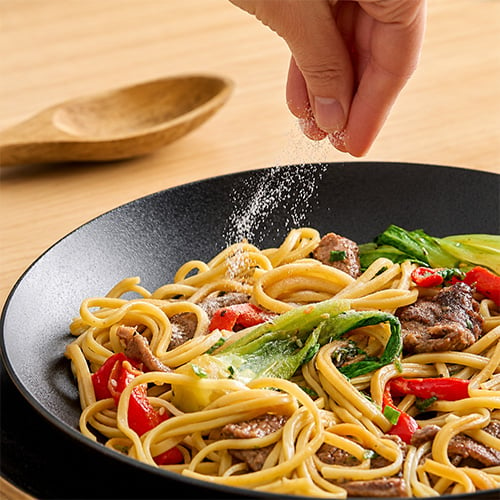
MSG, or monosodium glutamate, is a white, odorless powder composed of sodium and glutamic acid. This amino acid occurs naturally in foods like Parmesan cheese and enhances savory umami flavor. While some people report sensitivity to MSG, the FDA considers it generally recognized as safe, with studies not consistently triggering reactions.
What Is the Difference Between Light and Dark Soy Sauce?
Light soy sauce and dark soy sauce are two types of soy sauce that serve as essential yet distinct ingredients in Chinese cuisine. Light soy sauce is thin, salty, and light brown in color, adding a savory flavor and enhancing the overall taste of a dish. On the other hand, dark soy sauce is thicker, sweeter, and darker in color due to a longer fermentation process. It is primarily used for color and to add a rich, caramelized flavor to dishes. While both soy sauces are made from soybeans, wheat, salt, and water, their differences in taste, texture, and color make them versatile ingredients in Chinese cooking.
What Is Wok Hei?
Wok hei, also known as "breath of the wok," is a crucial element in Chinese cuisine that refers to the smoky, charred flavor imparted to dishes cooked in a wok over high heat. Achieving wok hei requires a combination of factors, including a seasoned wok, high heat, and quick cooking through stir-frying. This elusive flavor profile adds depth and complexity to dishes, making them distinctly Chinese in taste and aroma.
What Defines Northern vs Southern Chinese Cooking?
Northern Chinese cuisine is characterized by wheat-based dishes such as dumplings, noodles, and steamed buns due to the region's colder climate and wheat-growing environment. Flavors tend to be bold and savory, with a focus on hearty stews and braised dishes. In contrast, Southern Chinese cuisine features rice as a staple ingredient along with lighter, sweeter flavors. Seafood plays a prominent role in Southern dishes, and stir-frying is a common cooking method. The cuisine of each region reflects the diverse climates, agricultural practices, and cultural influences found in Northern and Southern China.
What Are the Essential Ingredients in Chinese Cooking?
Chinese cuisine is known for its diverse flavors and aromatic dishes, which are achieved with foundational ingredients such as soy sauce, rice wine, and ginger. Soy sauce, a staple in Chinese cooking, adds saltiness and depth to dishes, while rice wine enhances flavors and tenderizes meats. Ginger, with its unique spicy and pungent taste, lends itself to both savory and sweet dishes to add a kick of flavor. These essential ingredients form the foundation of Chinese cuisine, creating a harmonious balance of flavors in every dish.
Chinese cuisine is not a trend to borrow from; it is a system to learn from. For operators, its value lies in respect for heat and timing, ingredient integrity, balance across a menu, and efficiency born from mastery rather than shortcuts. Integrating Chinese cooking methods into a commercial kitchen means rethinking prep flows around mise en place, investing in versatile core ingredients, and training teams to understand why, not just how, techniques like stir-frying, steaming, and braising work. When applied practically, the ideology behind Chinese cuisine builds menus with contrast and harmony, designs kitchens that reward speed and precision, and makes flavor, function, and hospitality inseparable. Study it seriously, source intentionally, practice relentlessly, and apply its principles with purpose.

Corrinn loves writing, researching, and cooking, so she’s grateful she’s gotten to blend these three passions as a longform writer on the content team at WebstaurantStore for 5 years and counting. Creating resources that help operators succeed and lacing them with entertainment to make them smile is her "why".
Learn more about this author and WebstaurantStore's Content Writing Team here!