- Topics 1531
- Industrial 59
- Troubleshooting Guides 31
- Restaurant Management 140
- Bar Management 66
- Catering Tips 38
- Bakery Management 47
- Food Trucks & Concessions 47
- Advertising & Marketing 40
- Eco-Friendly Tips 12
- Facility Layout & Design 50
- Coffee Shop Tips 31
- Installation & Maintenance 59
- Janitorial & Pest Control 35
- Safety & Sanitation 110
- Startup Tips 113
- Menu Design 11
- Kitchen & Cooking Tips 104
- Hospitality Management 24
- Pizza & Sandwich Shop Tips 30
- Smallwares 40
- Food Prep 101
- Tabletop Items 19
- Disposables 26
- Calculators & Tools 8
- Consumables 70
- Warewashing & Laundry 21
- Cooking Equipment 101
- Food Storage & Refrigeration 54
- Beverage Equipment 39
- Office Supplies 5
Grains have been a backbone of global cuisine for millennia, and remain one of the most cost-effective, versatile, and operationally friendly ingredients you can put on a menu. From ancient staples like farro, millet, and sorghum to modern favorites such as oats and quinoa, grains deliver hearty texture, robust flavor, and significant fiber, helping create dishes that feel satisfying while keeping food costs in check. Many varieties are naturally gluten-free, and several can be milled into flour for expanded gluten-free baking. Understanding the spectrum of grains - both traditional cereal grains and nutrient-dense pseudocereals - allows operators to build balanced, on-trend offerings that meet diverse dietary needs.
Shop All Bulk Grains
What Are Grains?
Grains are edible seeds from cereal plants, and they can be classified as either whole or refined. A whole grain consists of the bran, germ, and endosperm, while a refined grain has the bran and germ removed and consists only of the endosperm. Since the bulk of a grain's nutrition is found in the bran and germ, whole grains are more nutritious than refined grains.
Grains can be eaten in many forms depending on how they're prepared. They can be cooked whole, like rice, quinoa, or oats; ground into flour for bread, pasta, and baked goods; or rolled into flakes such as oatmeal and cornflakes. Some grains are puffed or popped, like popcorn or puffed rice, while others are cracked like bulgur.
Grains can also be sprouted for easier digestion, fermented into foods like sourdough or injera, or added cooked to soups, salads, and bowls. Certain grains can be further processed into sweeteners such as rice syrup, barley malt syrup, or corn syrup.
What Are Ancient Grains?
While there is no true definition for the term "ancient grains", it is generally used to define grains that have been grown in the same way over the last several hundred years. Unlike modern wheat or corn, these grains haven't been genetically modified or "bred." Ancient grains include millet, sorghum, amaranth, teff, and wheat varieties, such as spelt and Kamut.
What Is a Pseudocereal?
A pseudocereal, or pseudograin, is the fruit or seed of a non-grass plant that is prepared and consumed like a cereal grain. Pseudocereal examples include quinoa, amaranth, and buckwheat.
Different Types of Grains
Take a look at these fifteen common grains to learn more about the kinds of grains you can use in your recipes. When consumed with the bran, germ, and endosperm intact, they are considered whole grain foods and flour.
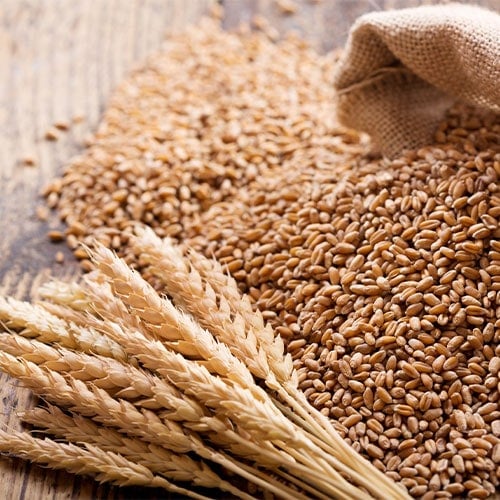
Wheat is one of the most widely cultivated and consumed grains in the world, valued for its versatility and adaptability. Across the globe, farmers grow various types of wheat for both culinary and industrial uses. Wheat varieties are typically classified by three main factors: planting season (winter or spring wheat), kernel hardness (hard or soft), and kernel color (red or white). These classifications influence everything from protein content to flavor and texture, ultimately determining how each type performs in different applications.
Although wheat can be used in many forms, it is most commonly milled into a wide range of flours. Hard wheat varieties are higher protein, making them better suited for breads and pasta, while soft wheat varieties have a lower protein content and are great for pastries and snacks.
- Types of Wheat: Hard red winter, hard red spring, hard white, soft red winter, soft white, durum
- Wheat Uses: Baked goods, pasta, pizza dough, cereals
- Is Wheat Gluten-Free? No
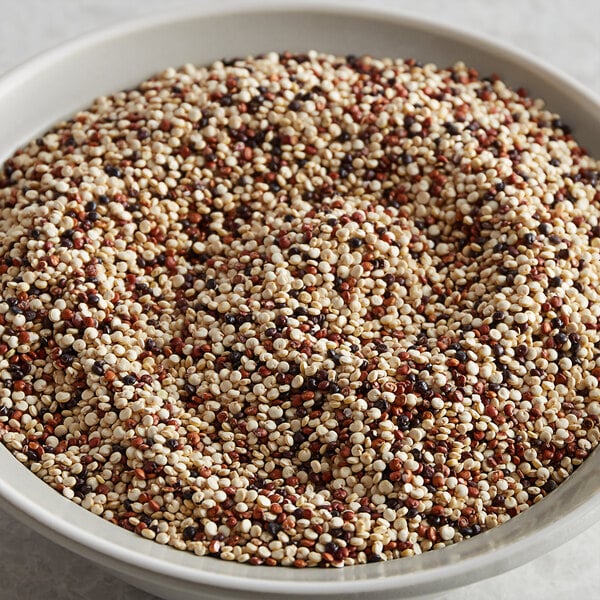
Quinoa is a tiny, bead-like seed known for its subtly nutty flavor and chewy texture. Although it’s often grouped with grains, quinoa is botanically a seed from the Chenopodium plant family. Because it’s prepared and eaten like traditional grains and offers a similar nutrient profile, it’s classified as a pseudocereal.
Quinoa is naturally high in fiber and is one of the few plant-based foods considered a complete protein, supplying all nine essential amino acids the body needs. This makes it particularly valuable in vegetarian, vegan, and plant-forward diets. It cooks quickly, adapts to both savory and sweet dishes, and can be used whole or ground. Its versatility has made it a staple in modern cooking, from fiber-forward entrees to wholesome baked goods.
- Types of Quinoa: White, red, black, tri-color
- Quinoa Uses: Salads, grain bowls, pilafs, soups, baking (quinoa flour)
- Is Quinoa Gluten-Free? Yes
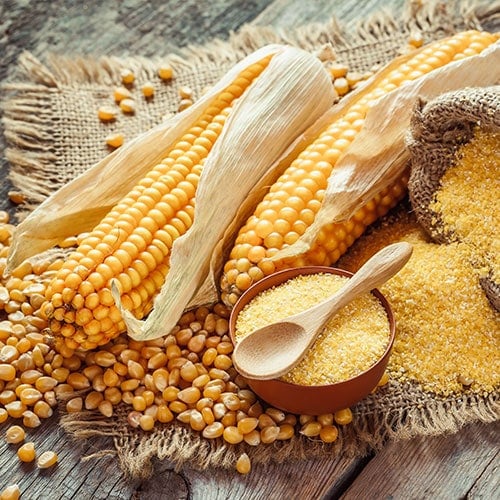
Corn, also known as maize, is one of the world’s most widely cultivated crops and originates from Mexico, where it has been a dietary staple for thousands of years. When harvested fully mature and dried, corn is classified as a grain, but when picked young, it is considered a starchy vegetable. Most dried corn is milled into cornmeal or corn flour, while certain varieties are used to make popcorn.
Corn flour and cornmeal differ in texture, flavor, and how they’re used. Corn flour is finely ground to a soft, powdery consistency similar to wheat flour, making it ideal for baked goods, breads, and batters where a smooth texture is important. In contrast, cornmeal is more coarsely ground and has a noticeable grit and heartier corn flavor. This coarser texture makes cornmeal better suited for dishes like cornbread, polenta, grits, and coatings for frying.
- Types of Corn: Dent, flint
- Corn Uses: Grits, tortillas, polenta, bread, muffins, popcorn
- Is Corn Gluten-Free? Yes
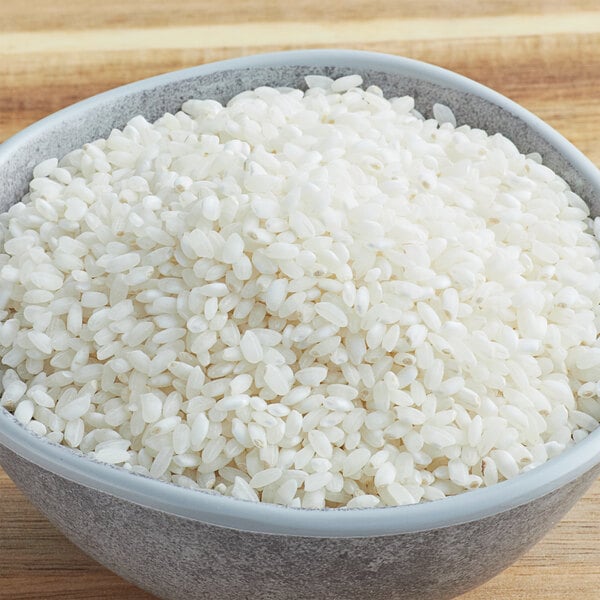
Rice is the most widely consumed grain in the world, valued for its adaptability and affordability. It is typically classified into three main rice types: long, medium, and short grain. These differences in grain structure influence how the rice cooks: some varieties stay light and separate, while others become soft, tender, or sticky. Because of this, each type of rice offers its own texture, flavor profile, and ideal culinary applications.
Rice forms the foundation of iconic dishes across cultures, from Japanese sushi to Spanish paella and countless everyday meals in between. Long grain rice is the least starchy variety, producing fluffy, distinct grains that work well in pilafs, grain bowls, casseroles, and stir fries. Short grain rice, by contrast, contains more starch, giving it the clingy, tender texture needed for sushi, bibimbap, and poke bowls. Medium grain varieties sit comfortably in between, offering a balance of tenderness and moisture that makes them suitable for risotto, paella, and creamy rice dishes.
- Types of Rice: Long grain, medium grain, short grain
- Rice Uses: Pilafs, grain bowls, casseroles, stir fries, sushi, risotto
- Is Rice Gluten-Free? Yes
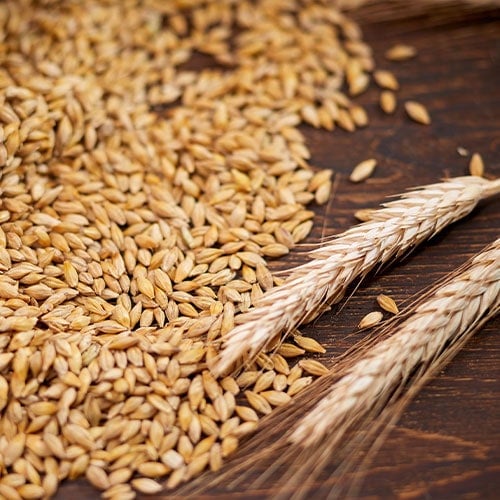
Barley is a nutrient-rich cereal grain available in two primary forms: hulled and pearled. Hulled barley undergoes only minimal processing, leaving the bran and germ intact and preserving its status as a whole grain. This version cooks up with a pleasantly chewy texture, similar to steel-cut oats, and offers a warm, nutty flavor. Pearled barley, on the other hand, has the bran and hull removed, which shortens cooking time and results in a softer, creamier texture that blends easily into a wide variety of dishes.
Barley’s hearty texture and mild flavor make it a versatile addition to soups, stews, grain salads, and casseroles. Beyond its culinary uses, barley plays a major role in the brewing industry. It is a foundational ingredient in most beer, and a significant portion of U.S. barley production is dedicated to malting for beer or used as animal feed.
- Types of Barley: Hulled, pearled
- Barley Uses: Soups, stews, salads, porridge, casseroles, beer production
- Is Barley Gluten-Free? No
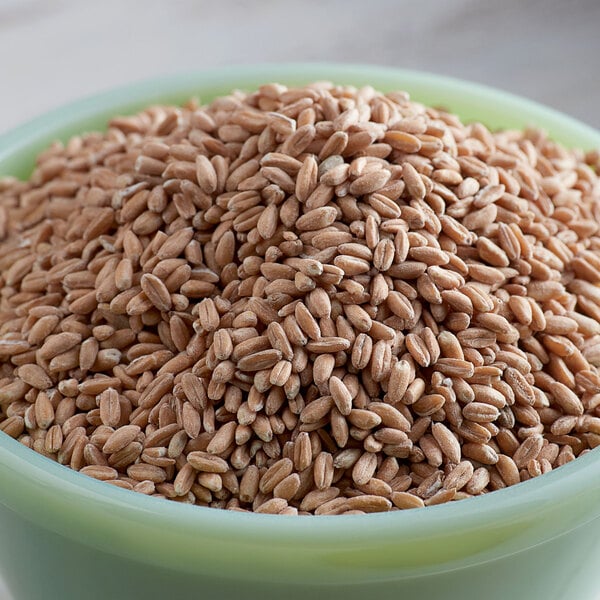
Farro is an ancient grain with roots in Mesopotamia, where it sustained early civilizations and later became a dietary cornerstone of the Roman Empire. The term farro can refer to three ancient wheat species: einkorn (farro piccolo), emmer (farro medio), and spelt (farro grande). These grains are valued not only for their long agricultural history but also for their robust nutritional profile. Farro is naturally rich in plant-based protein, fiber, iron, zinc, magnesium, and B vitamins, making it a powerhouse ingredient for vegetarian and vegan menus.
Farro offers a warm, nutty flavor and a pleasant chew that holds up well in hearty dishes. It is available in whole, semi-pearled, and pearled forms, which vary slightly in cooking time and nutrient retention. Much like quinoa or rice, farro cooks easily on the stovetop and adapts well to both rustic and contemporary preparations. For centuries, it has been a prominent feature in Italian cuisine, appearing in classic dishes such as farro risotto (farrotto), Tuscan farro soup, and Mediterranean-style farro salads.
- Types of Farro: Whole, semi-pearled, pearled
- Farro Uses: Soups, risottos, grain bowls, salads, pilafs, baked dishes
- Is Farro Gluten-Free? No
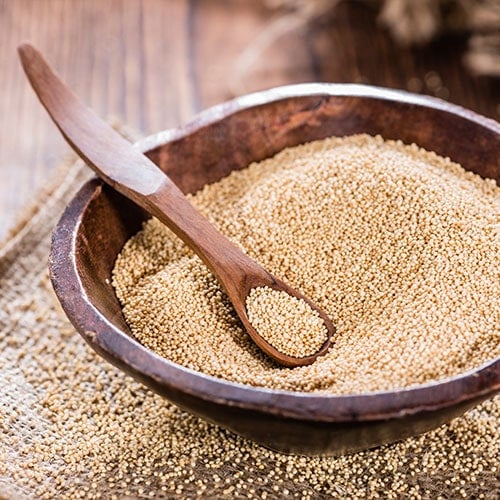
First cultivated in the Andean regions of Peru and revered by the Aztec empire in Mexico, amaranth earned the title “grain of the gods” for its exceptional nutritional value and ceremonial significance. This ancient pseudocereal is remarkably nutrient-dense, offering more protein than almost any other grain, nearly three times the typical calcium content, and the unique distinction of being the only grain documented to contain vitamin C. Because it provides a complete protein, it’s an excellent addition to vegetarian and vegan diets.
Amaranth is a tiny, round seed with a warm, nutty, and slightly sweet flavor. When cooked, it develops a tender texture similar to quinoa, making it an excellent base for pilafs, salads, and grain bowls. With additional liquid, it transforms into a creamy porridge ideal for breakfast or baking applications. Amaranth is also widely milled into a fine, earthy flour that enhances gluten-free breads, tortillas, and pastries with both flavor and nutrition.
- Types of Amaranth: Whole, puffed
- Amaranth Uses: Pilafs, porridges, salads, grain bowls, gluten-free baking
- Is Amaranth Gluten-Free? Yes

Buckwheat is a nutrient-rich pseudocereal long cultivated in the high-altitude regions of Asia, where it served as a resilient staple crop. Though not a true grain, it’s used like one and has gained popularity in the Western world for its impressive nutrition, including high levels of plant-based protein, dietary fiber, and antioxidants. While its name contains the word "wheat," buckwheat is botanically unrelated to wheat and is naturally gluten-free.
Buckwheat has a rich, nutty flavor and soft, chewy texture when cooked. It can be prepared much like rice and is versatile enough for risottos, grain bowls, stir-fries, and breakfast porridges. Ground into a dark, earthy flour, buckwheat becomes the foundation for beloved classics, such as Japanese soba noodles, Breton-style crepes, hearty pancakes, and a variety of gluten-free baked goods.
- Types of Buckwheat: Raw groats, hulled groats, toasted groats (kasha)
- Buckwheat Uses: Grain bowls, porridge, risotto-style dishes, stir-fries, soba noodles, pancakes, baked goods
- Is Buckwheat Gluten-Free? Yes
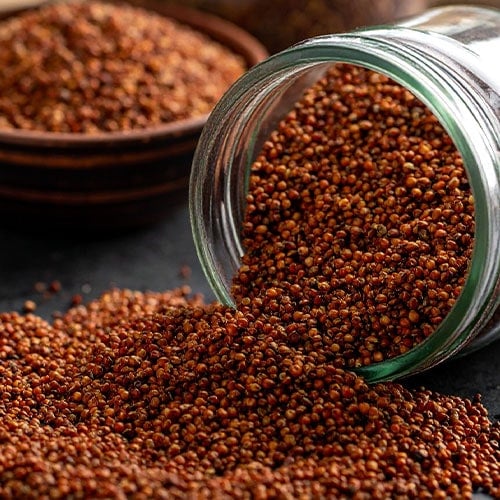
A type of millet native to Africa, sorghum remains a staple East African food, valued for its drought tolerance and ability to thrive in hot, arid climates. The grain has a naturally mild, earthy flavor with a slightly sweet undertone, and its texture can range from tender and fluffy to pleasantly chewy depending on how it’s cooked. Rich in fiber, protein, and essential minerals, sorghum is also naturally gluten-free, which has helped fuel its growing popularity as consumers seek out nutritious and allergen-friendly ancient grains.
Sorghum shows remarkable culinary versatility. It can be cooked whole like rice or quinoa, ground into flour for breads and porridges, and even processed into a thick, amber-colored syrup for sweetening baked goods. The whole kernels can also be “popped,” much like popcorn, for a light, crunchy snack.
- Types of Sorghum: White, orange, red, bronze, black, tan
- Sorghum Uses: Salads, pilafs, soups, casseroles, gluten-free baking, popped sorghum
- Is Sorghum Gluten-Free? Yes
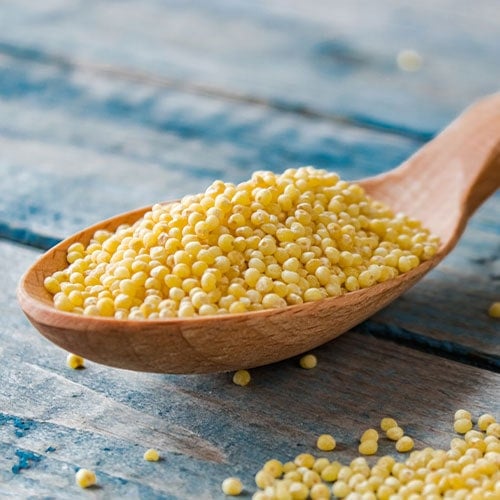
Although technically a seed, millet is used like a whole grain and has nourished communities across Asia and Africa for thousands of years. Don’t let its small size fool you, millet is a highly nutritious ancient grain, naturally rich in plant-based protein, fiber, and essential vitamins and minerals. With several varieties ranging in color from white and yellow to green and red, millet is valued worldwide for its adaptability, affordability, and resilience as a drought-tolerant crop.
Millet cooks into small, fluffy grains with a mild, slightly sweet, corn-like flavor. Its texture is similar to quinoa, making it an easy substitute in pilafs, salads, grain bowls, and side dishes. By adjusting the liquid ratio, millet can also be prepared into a softer, creamier consistency ideal for porridges or savory mash-style dishes. When ground into flour, millet becomes a staple component of gluten-free flour blends, lending lightness and subtle sweetness to baked goods.
- Types of Millet: Pearl millet, sorghum, finger millet, foxtail millet, proso millet, little millet
- Millet Uses: Pilafs, salads, porridges, grain bowls, side dishes, gluten-free baking
- Is Millet Gluten-Free? Yes
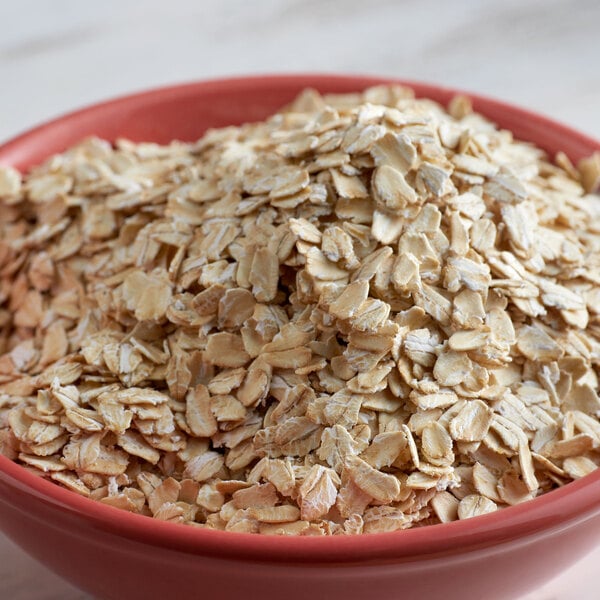
Made from the edible seeds of oat grass, raw oats are highly nutritious whole grains prized for their high soluble fiber content. There are several different types of oats based on how much they are processed, and each one has its own unique shape, texture, and cook time.
With a mild, slightly earthy flavor, oats are incredibly versatile. They’re commonly enjoyed as breakfast porridge, incorporated into granola and muesli, baked into breads and cookies, or ground into oat flour for gluten-free baking. Oats are also used to make oat milk, a popular plant-based alternative to dairy. While pure oats are naturally gluten-free, processed oats can be contaminated with gluten, so it’s important to choose products labeled gluten-free if needed.
- Types of Oats: Steel-cut, rolled, instant
- Oats Uses: Porridge, granola, baked goods, muesli, gluten-free baking, oat milk
- Are Oats Gluten-Free? Pure oats are, but check labels for processed oats due to potential cross-contamination
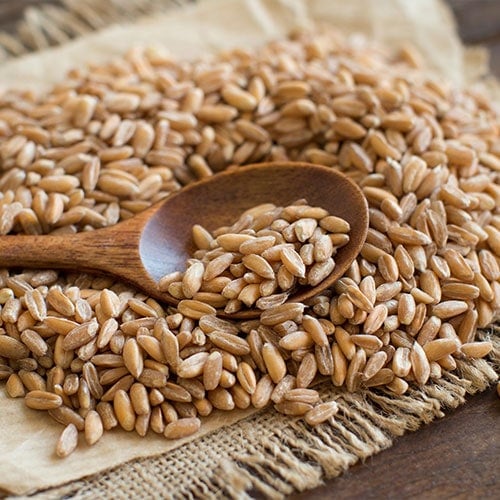
Spelt, also known as hulled wheat, is an ancient grain prized for its nutty, slightly sweet flavor and versatility in cooking. It can be enjoyed whole in grain salads, pilafs, or side dishes, or ground into spelt flour, a type of whole wheat flour made from the entire grain. Compared to traditional whole wheat flour, spelt flour has a lighter, airier texture while retaining a rich, nutty flavor, making it a popular choice for bakers seeking a more flavorful alternative to all-purpose flour.
Spelt flour performs well in a variety of baked goods, including bread, pancakes, muffins, and cookies. While it contains gluten, the gluten proteins in spelt are more water-soluble than those in modern wheat, which can make it easier to digest. However, because of these differences, recipes may require slight adjustments when substituting spelt flour for all-purpose or whole wheat flour. Its combination of nutrition, flavor, and digestibility makes spelt a versatile and rewarding grain for both cooking and baking.
- Types of Spelt: Whole, pearled
- Spelt Uses: Breads, pancakes, muffins, cookies, grain salads, pilafs
- Is Spelt Gluten-Free? No
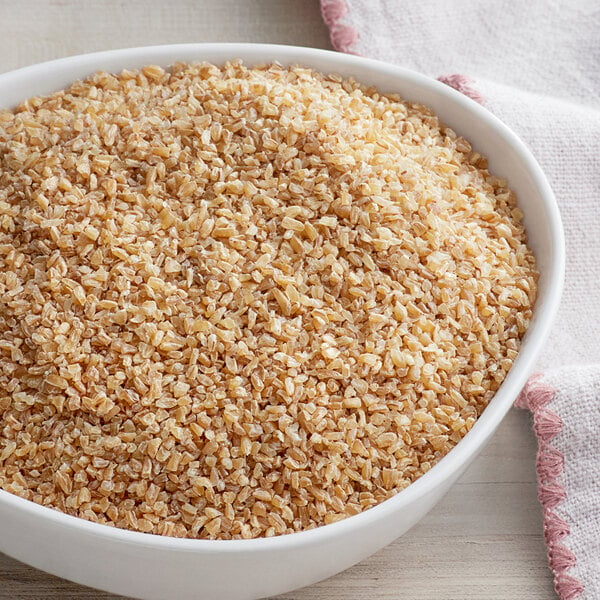
Bulgur is made from whole wheat berries that are cracked, parboiled, and dried, making it a quick-cooking, nutrient-dense grain. It has been a staple in Middle Eastern and Mediterranean cuisines for centuries, prized for its nutty flavor, chewy texture, and versatility. Bulgur can be used as a base for salads, pilafs, and grain bowls, or as a hearty addition to soups and casseroles. It also works well as a substitute for rice, couscous, cracked wheat, or quinoa in a variety of dishes.
Because it is partially cooked before drying, bulgur cooks much faster than most other wheat grains, often requiring only a brief soak or a few minutes of simmering. Its quick preparation, combined with its high fiber and protein content, makes it an excellent choice for catering menus and salad bars.
- Types of Bulgur: Fine, medium, coarse, extra coarse
- Bulgur Uses: Salads, tabbouleh, pilafs, soups, casseroles, side dishes
- Is Bulgur Gluten-Free? No
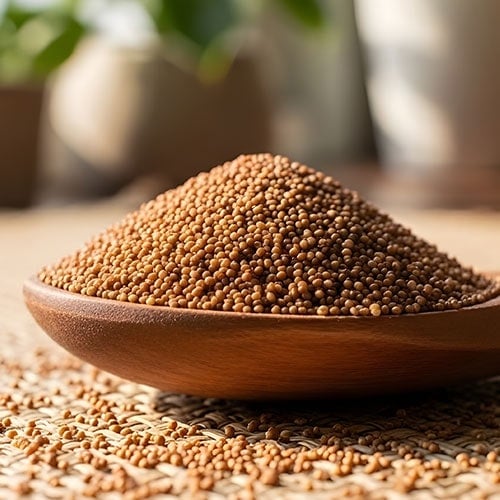
Native to Ethiopia and a cornerstone of Ethiopian cuisine, teff is a tiny, nutrient-rich grain roughly the size of a poppy seed. Rich in protein, dietary fiber, iron, and essential amino acids, teff also contains more calcium per serving than any other grain. Its high proportion of bran and germ contributes to both its nutritional value and its nutty, earthy flavor.
Teff comes in a variety of colors, ranging from ivory and red to deep brown, and can be used whole or ground into flour. Whole teff can be steamed, boiled, or baked, while teff flour is a staple for making injera, the traditional Ethiopian fermented flatbread. It’s also versatile enough for modern baking, including breads, pie crusts, cookies, and other baked desserts.
- Types of Teff: White, brown, red
- Teff Uses: Injera, breads, porridge, baked goods, pie crusts, cookies
- Is Teff Gluten-Free? Yes
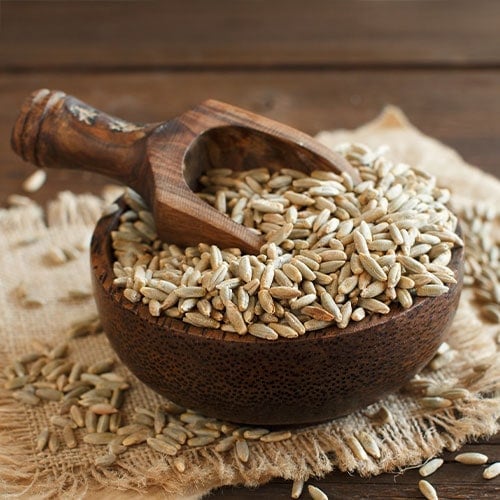
Rye is a hardy grain that thrives in colder northern climates and is predominantly grown across Europe, Asia, and North America. Most rye consumed includes the bran, making it naturally rich in fiber, iron, potassium, and other essential nutrients. Its robust nutritional profile and distinctive flavor have made it a staple in traditional European diets for centuries.
Rye offers a hearty, nutty, earthy flavor and can be enjoyed in multiple forms. Whole rye berries can be boiled as a wholesome alternative to oatmeal or added to soups and grain salads. Rye is most commonly milled into flour for baking dense, flavorful breads like pumpernickel. It is also a key ingredient in the production of whiskey and other spirits, where it contributes a spicy, malty note. With lower gluten content than wheat, rye delivers a denser, chewier texture in baked goods, making it both a nutritious and versatile grain.
- Types of Rye: Whole rye berries, cracked rye, rye flakes
- Rye Uses: Breads, porridge, soups, grain salads, whiskey, baked goods
- Is Rye Gluten-Free? No
Read on for answers to some of the most common questions about grains:
How Many Types of Grains Are There?
There are dozens of edible grains, but they generally fall into two main categories: true grains (cereal grains) and pseudocereals. Common grains include wheat, rice, oats, barley, millet, rye, sorghum, and corn, while pseudocereals include quinoa, buckwheat, and amaranth. The exact number varies depending on classification, but more than 20 major grain varieties are widely recognized.
What Are the Healthiest Grains?
Some of the healthiest grains are whole grains such as quinoa, oats, barley, brown rice, and millet because they retain their bran and germ, providing more fiber, protein, vitamins, and minerals. Ancient grains, like farro, amaranth, teff, and sorghum, are also considered highly nutritious. The "healthiest" choice can vary based on dietary needs, such as high fiber, high protein, or gluten-free preferences.
What Grains Are Gluten-Free?
Several grains and pseudocereals are naturally gluten-free, including rice, corn, millet, sorghum, buckwheat, amaranth, quinoa, and teff. Oats are also gluten-free in their pure form, but are often cross-contaminated during processing, so certified gluten-free oats are recommended. These grains offer a wide variety of textures and flavors suitable for gluten-free diets.
What Grains Are Complete Proteins?
Only a few grains and pseudocereals are complete proteins, meaning they contain all nine essential amino acids. Quinoa, amaranth, and buckwheat all offer a balanced amino acid profile that is uncommon in most grains. Traditional cereal grains, like wheat, rice, and barley, are not complete proteins on their own but can become complete when paired with legumes.
With numerous grains appearing in contemporary culinary applications, recognizing each one at a glance can be challenging. This visual list of grains serves as a practical reference, enabling you to distinguish key varieties and strengthen your ingredient literacy.
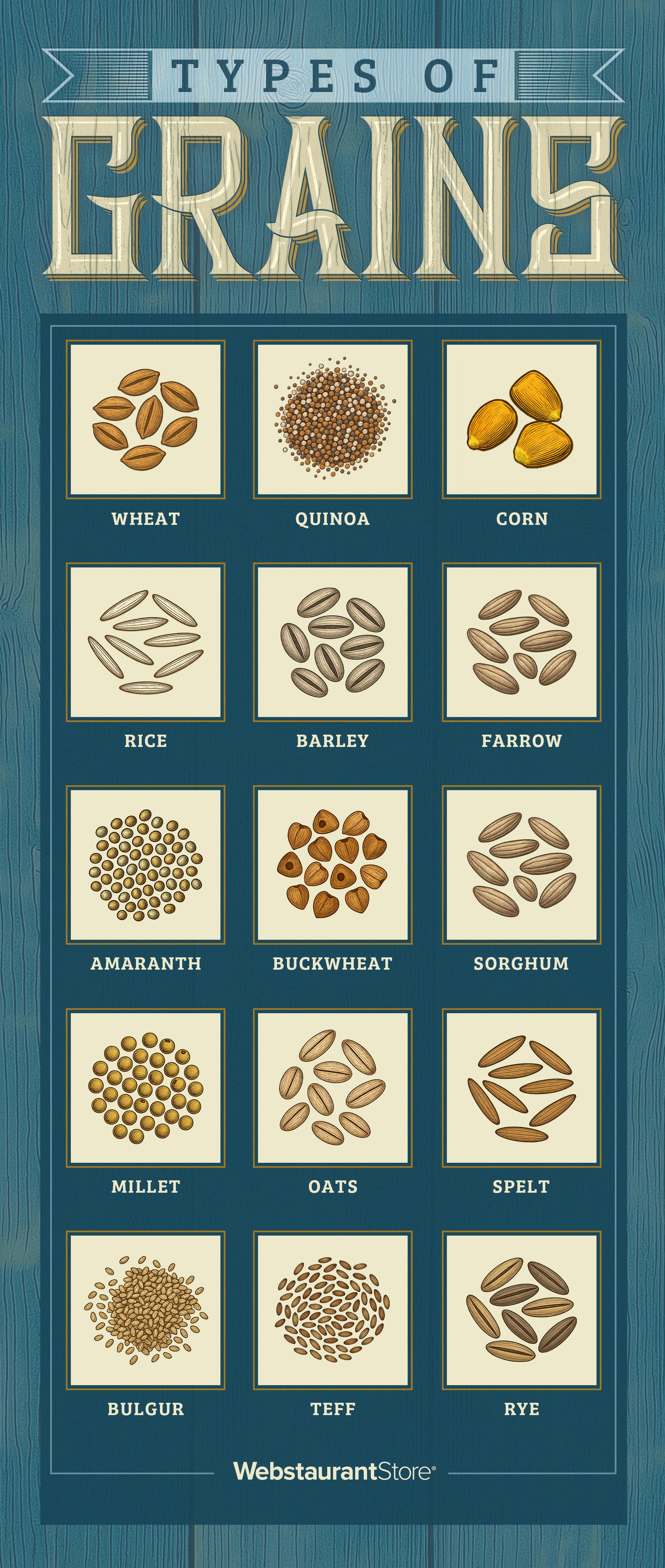
With so many to explore, grains provide endless opportunities to build a high-fiber, on-trend menu that highlights unique tastes and textures from around the world. Whether you're seeking gluten-free alternatives, high-protein ancient grains, or reliable everyday staples, each grain offers something valuable.
Related Resources

Top 10 Gluten-Free Flours
Thanks to a growing awareness of celiac disease, trendy low-carb diets, and greater health consciousness, there is a huge market demand for gluten-free foods. Gluten-free flour does not taste or rise the way traditional flour does, so you must educate yourself before baking gluten-free . Whether you're starting a gluten-free bakery or want to cater to alternative diets, we provide a list of the top 10 gluten-free flours on the market so that you can create delicious gluten-free foods. To mimic the effects of baking with glutinous wheat flour, gluten-free flours perform better when blended. While there are many premade gluten-free flour blends, this blog will focus on the common flours in those blends. Shop All Gluten-Free Flours Learn more
Measuring Flour for Baking
One of the most common cake mistakes made while baking is measuring flour incorrectly. It may seem simple to reach into the bag with a measuring cup but this typically results in scooping out way more flour than the recipe calls for. Using too much flour can make your baked goods dense and dry. Use our guide to learn how to properly measure flour to get consistent results every time. Shop Flour in Bulk How to Measure Flour Use the following video to learn how to measure flour correctly: How to Measure Flour With a Scale The best way to measure flour for baking is by using a portion scale . Flour compacts easily, so dipping a measuring spoon into the flour will lead to inconsistent results. A portion scale will allow you to measure accuratel
Types of Flour
Flour is the fundamental ingredient of many baked goods - including bread, pastries, pies, and cakes - as well as pasta and pizza dough. However, not all flour is alike. Various factors, such as protein content, how the flour is processed, and the grain, affect how you use it while baking. Whether you own a bakery , cafe, or restaurant, it's imperative to use the best types of flour to produce high-quality food and desserts. We explore the different kinds of flour, their uses, processing considerations, and protein content to help you find the best flour to meet the needs of your establishment. Shop All Flour Use the following links to learn more about different types of flour: Bleached vs Unbleached Flour Different Types of Flour Types of
Join Our Mailing List
Receive coupon codes and more right to your inbox.