
- Topics 1577
- Industrial 59
- Troubleshooting Guides 32
- Restaurant Management 144
- Bar Management 70
- Catering Tips 46
- Bakery Management 45
- Food Trucks & Concessions 41
- Advertising & Marketing 41
- Eco-Friendly Tips 13
- Facility Layout & Design 47
- Coffee Shop Tips 32
- Installation & Maintenance 63
- Janitorial & Pest Control 34
- Safety & Sanitation 121
- Startup Tips 111
- Menu Design 11
- Kitchen & Cooking Tips 106
- Hospitality Management 26
- Pizza & Sandwich Shop Tips 23
- Smallwares 42
- Food Prep 102
- Tabletop Items 21
- Disposables 28
- Calculators & Tools 7
- Consumables 77
- Warewashing & Laundry 22
- Cooking Equipment 106
- Food Storage & Refrigeration 58
- Beverage Equipment 43
- Office Supplies 6
With the wide range of warewashing chemicals available, you might not know which products work for your kitchen. Whether you wash dishes manually or with a dish machine, each method has detergents and sanitizers for cleaning and sanitizing that are important to meet regulations. By choosing the right warewashing chemicals within your budget, your dishes will be spotlessly clean to impress your customers and your health inspector.
Shop All Warewashing Chemicals
Manual Warewashing Chemicals
Many dishes are washed by hand due to their delicate nature or unique usage. Therefore, understanding manual warewashing chemicals and procedures helps maintain your establishment's reputation with customers. Proper chemical usage and dishwashing standards keep customers safe and happy as they dine.
Three Compartment Sink
A crucial piece of equipment for manual dishwashing is a three compartment sink. The separate compartments allow you to wash, rinse, and sanitize dishes by hand according to food safety regulations. There are many types of compartment sinks, but most three-compartment sinks are stainless steel with different grades used depending on the environment. Additionally, consider using chemical dispensers to ensure the proper concentration of chemicals in every compartment.
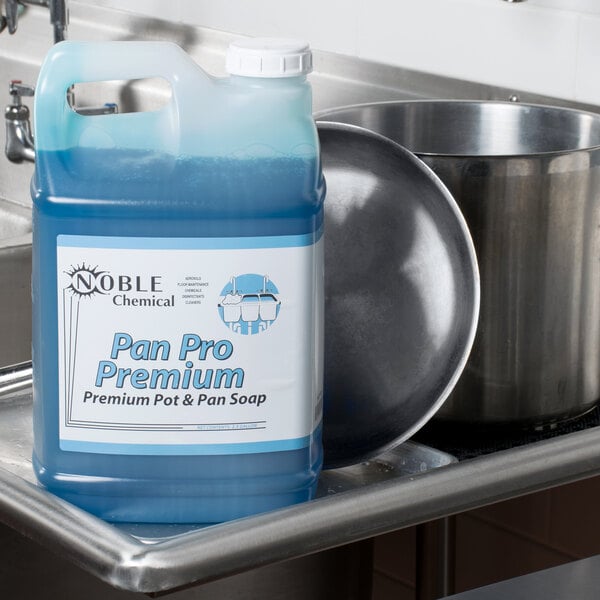
First Sink: Wash
- Fill with hot water and detergent to clean dishes
- Use manual detergents for hand-wash items
- Detergents are available in liquid, powder, and solid form
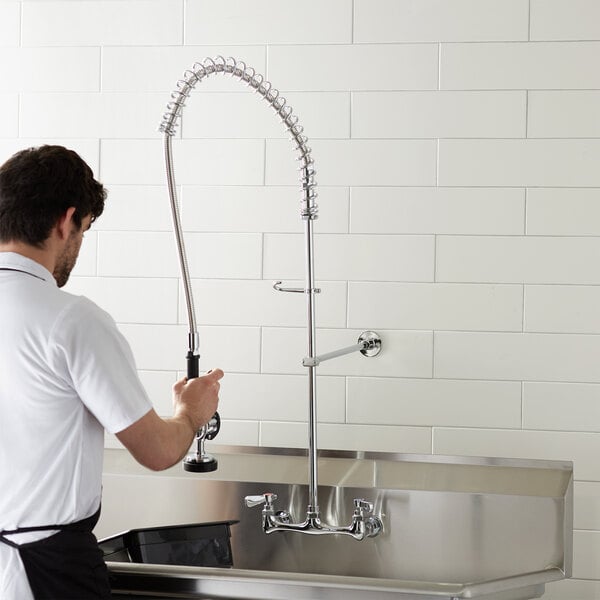
Second Sink: Fresh Water Rinse
- Fill with cool fresh water to rinse dishes
- Option to leave compartment empty and use the nozzle to rinse
- Drain water when it gets sudsy
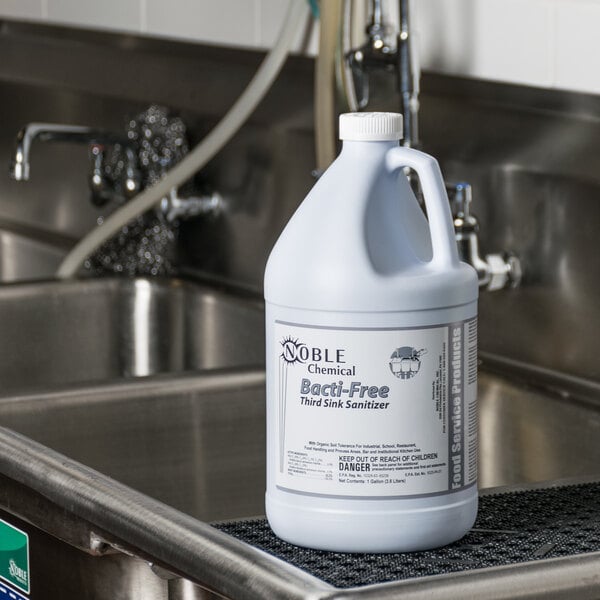
Third Sink: Sanitizer
- Fill with sanitizer and water solution to soak dishes
- Quat and iodine-based sanitizers are the most commonly used
- Dilute quat sanitizers to 200 – 400 ppm for safe usage
Presoaks, Cleaners, and Sanitizers
When washing dishes by hand, you need a variety of chemicals to ensure proper sanitation of dinnerware and glassware. Furthermore, it's crucial to use the correct chemicals during the right stage of the cleaning and sanitizing process. For example, using sanitizer before detergents eliminates the positive elements sanitizer provides. Below is a list of the types of chemicals used in manual warewashing.
- Tableware presoak: Use a tableware presoak to loosen, soften, and remove food soil films from silverware, stainless steel, glass, and other dinnerware before washing it. Like detergent, it’s available in liquid, powder, or solid form.
- Detergent: Available in powder and liquid, manual warewashing detergent removes tough soils, like lipstick, from glasses without affecting them. There are low suds formulas available for use with electric glasswashers.
- Sanitizer: To remove pathogens after cleaning, soak dishes in a manual warewashing sanitizer. Quat sanitizers are safe on metals, safer for skin contact, and use a quaternary test strip to test them.
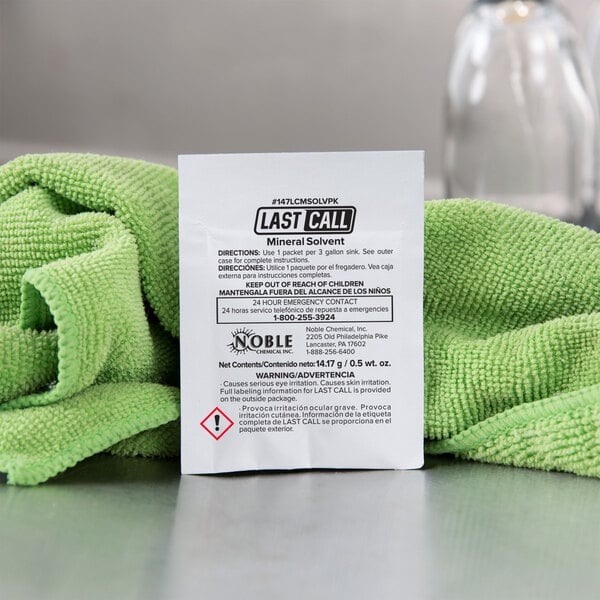
- Mineral solvent: Using a mineral solvent helps condition hard water to prevent water spots and boost cleaning power. Add this to all three sinks for the best results.
Machine Warewashing Chemicals
While manual warewashing allows employees to wash delicate dishes and glasses without damaging them, using a dish machine saves time and energy by washing many things at once. Machine warewashing using an industrial dishwasher requires specific chemicals and practices to maximize productivity. Use different sanitization methods depending on your specific machine, so pay attention to the manufacturer's guidelines and follow them to get the best results.
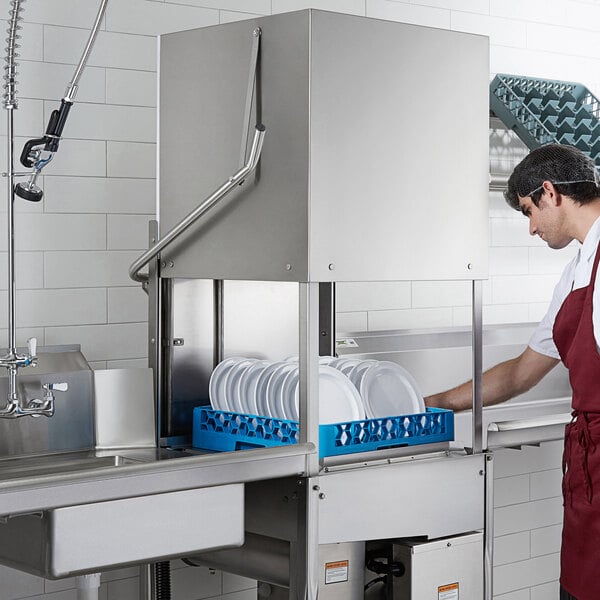
High Temperature Dish Machines
High-temperature dish machines sanitize dishes using extremely hot water during their rinse cycle to remove pathogens. Typically, they’re more expensive upfront but help lower expenses long-term due to not needing chemical sanitizers. Additionally, high-temperature dish machines remove grease, smudges, and other debris better than low-temperature machines.
- Wash temperature ranges from 150 - 165 degrees Fahrenheit
- Rinse temperature ranges from 180 - 194 degrees Fahrenheit
- Requires a detergent and a rinse aid
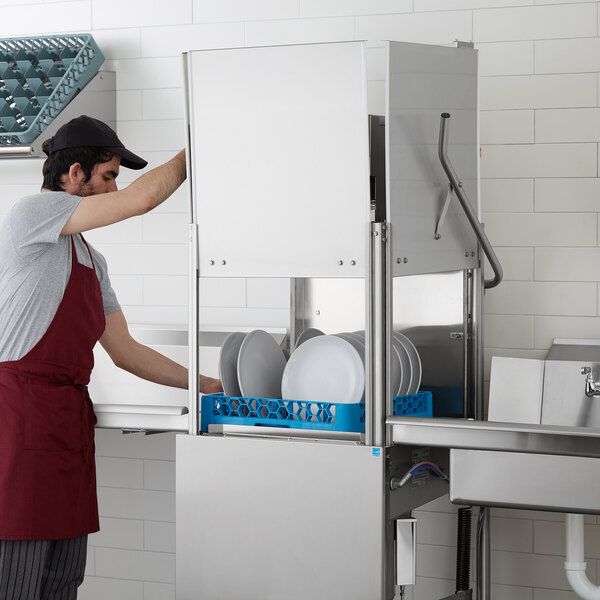
Low Temperature Dish Machines
Low-temperature dish machines rely on chemical sanitizers to remove pathogens, not hot water. With more versatility than their counterpart, they require less electricity and have a lower upfront cost. However, you should not use a low-temperature dish machine for glassware as it can leave water spots on the surfaces.
- Wash temperature ranges from 120 - 160 degrees Fahrenheit
- Rinse temperature is a minimum of 120 degrees Fahrenheit
- Requires a detergent, rinse agent, and chemical sanitizer
Detergents and Sanitizers
One aspect of machine dishwashing is having the proper chemicals on hand, especially for low-temperature dish machines. Both high-temperature and low-temperature dish machines require detergent and rinse aid, but low-temperature washers also require chemical sanitizers. To understand the difference between these chemicals, check out our list below.
- Detergents: Machine detergents come in high or low-temperature formulas, so you should select one compatible with your machine. Detergent formulas are available in liquid, powder, or solid form. Metal-safe options are available for high-temperature washers.
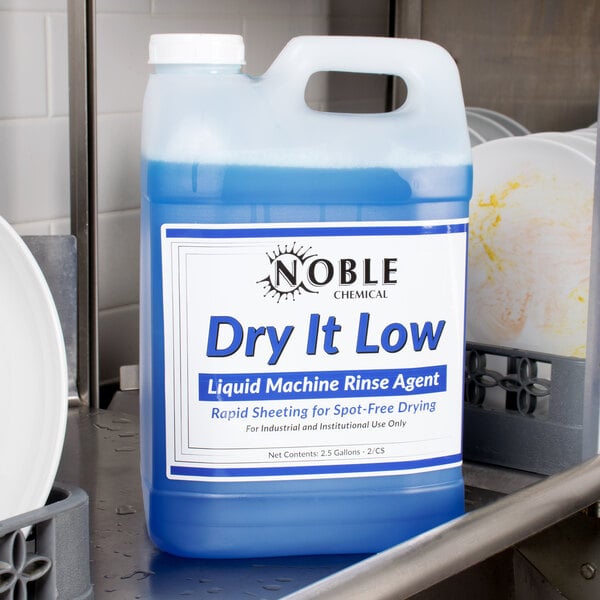
- Rinse aid: Machine rinse aids help to speed drying time and eliminate spots. Formulas are available for both high temp and low temp machines. Liquid, low-foaming, and solid formulas are available.
- Sanitizer: Used only in low-temperature machines, dish machine sanitizers are typically chlorine-based to eliminate pathogens from dish surfaces. Frequently check sanitizer levels using a chlorine test strip.
Related Resources

June 2026 WebstaurantStore Coupon Code
Summer is upon us, and to celebrate WebstaurantStore has blazing hot deals all month long! With summer vacations underway and holidays like Independence Day rapidly approaching, now is the time to stock up on essential supplies and equipment you'll need to get through the summer season. Take a look at our wide array of sale items below and don't forget to enter the code SUMMERSALE at checkout to enjoy up to 20% off your purchases! Looking to save even more? Check out the new Webstaurant Rewards® Visa Business Card ! Sign up for a new card today and start earning rewards on every WebstaurantStore purchase, and save on a WebstaurantPlus subscription. Have a look at some incredible deals on disposable items with June's monthly coupon code! Whe
How to Clean Stainless Steel Pans & Cookware
When it comes to types of cookware , stainless steel is a common choice for commercial kitchens because it's durable and non-reactive with acidic foods like tomato sauce. Even though stainless steel is touted as being non-corrosive, without proper cleaning and care, it can still become pitted or rusted. Follow our guide for cleaning your commercial stainless steel pots and pans to keep them in the best shape possible. Shop Cleaning Sponges Click below to learn how to clean stainless steel pots and pans: How to Clean Burnt Food off Stainless Steel Pans How to Clean Discolored Stainless Steel Pans General Care for Stainless Steel Pans Tips for Cleaning Stainless Steel Pots The key to maintaining your stainless steel cookware is to avoid scrat
Types of Commercial Dishwashers
Ensuring the cleanliness of your dishes and glasses is crucial for the sustainability of your business. The way you wash your dishes and glassware can mean the difference between passing or failing your health inspection and is pivotal in shaping your establishment's reputation. Selecting the best commercial dishwasher is vital to upholding compliance with federal, state, and local regulations and supporting the continued growth of your business. Shop All Commercial Dishwashers
Join Our Mailing List
Receive coupon codes and more right to your inbox.