- Topics 1577
- Industrial 59
- Troubleshooting Guides 32
- Restaurant Management 144
- Bar Management 70
- Catering Tips 46
- Bakery Management 45
- Food Trucks & Concessions 41
- Advertising & Marketing 41
- Eco-Friendly Tips 13
- Facility Layout & Design 47
- Coffee Shop Tips 32
- Installation & Maintenance 63
- Janitorial & Pest Control 34
- Safety & Sanitation 121
- Startup Tips 111
- Menu Design 11
- Kitchen & Cooking Tips 106
- Hospitality Management 26
- Pizza & Sandwich Shop Tips 23
- Smallwares 42
- Food Prep 102
- Tabletop Items 21
- Disposables 28
- Calculators & Tools 7
- Consumables 77
- Warewashing & Laundry 22
- Cooking Equipment 106
- Food Storage & Refrigeration 58
- Beverage Equipment 43
- Office Supplies 6
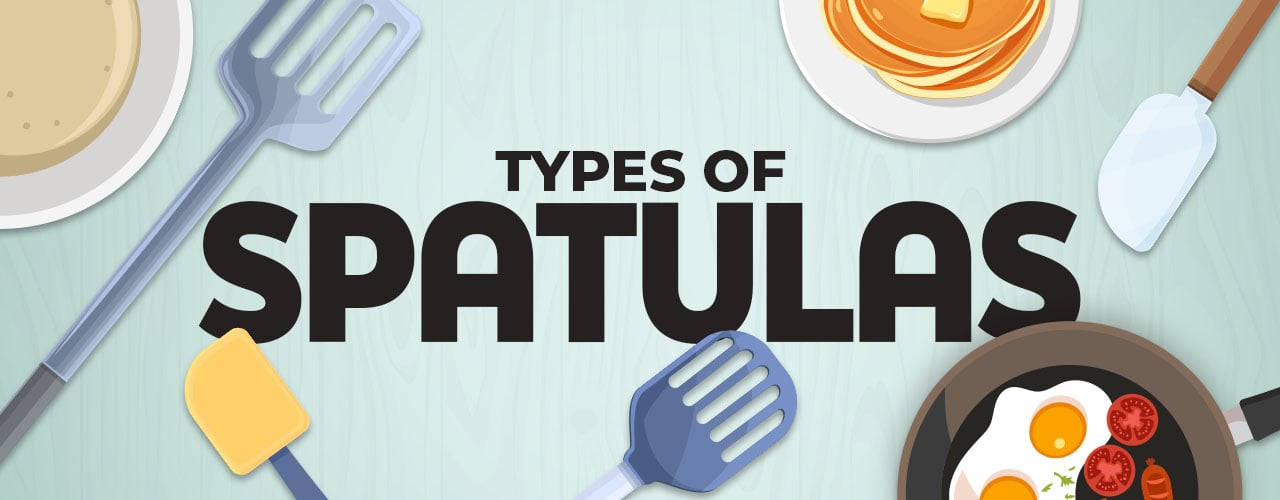
Spatulas are versatile kitchen tools that are essential for any commercial kitchen. Whether you're flipping pancakes, sauteing vegetables, or icing a cake, having the right spatula for the job can make all the difference. This guide explores the different types of spatulas, including their uses and various materials available.
Shop All Spatulas
Use the following links to learn more about spatulas:
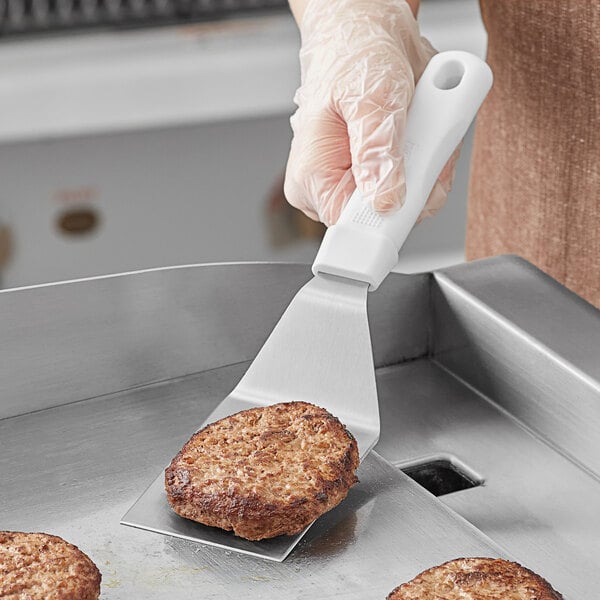
A turner spatula is the most traditional type for flipping and turning food items in a pan. With a long, narrow, and tapered blade, the spatula easily slides under fragile and hefty foods without causing them to fall apart. The long, flexible, heat-resistant handle ensures a comfortable grip and maximum control to aid in flipping food items.
Typical uses of a turner spatula include flipping or transferring foods like grilled cheese sandwiches, burgers, pancakes, cookies, crepes, brownies, or fish. Below are several types of turner spatulas with different features to accommodate specific food items.
- Fish Spatula: With an extra-long, thin, flexible blade, fish spatulas are ideal for cooking delicate fish without damaging the food. It features long slots to drain grease and debris from the fish.
- Grill Spatula: Also known as a BBQ spatula, a grill spatula is extra durable to withstand high temperatures and features a longer handle than traditional turner spatulas. The blade is often slotted to allow excess grease to drain.
- Perforated or Slotted Spatula: Use a perforated spatula or slotted spatula when flipping something with extra liquid or grease. The blade features small holes or slots to drain excess grease or liquids, making it ideal for cooking items like fried foods or grilled vegetables.
- Standard Turner Spatula: Suitable for general flipping and turning tasks, a standard tuner spatula has a straight or slightly curved blade and a comfortable handle for easy maneuverability.
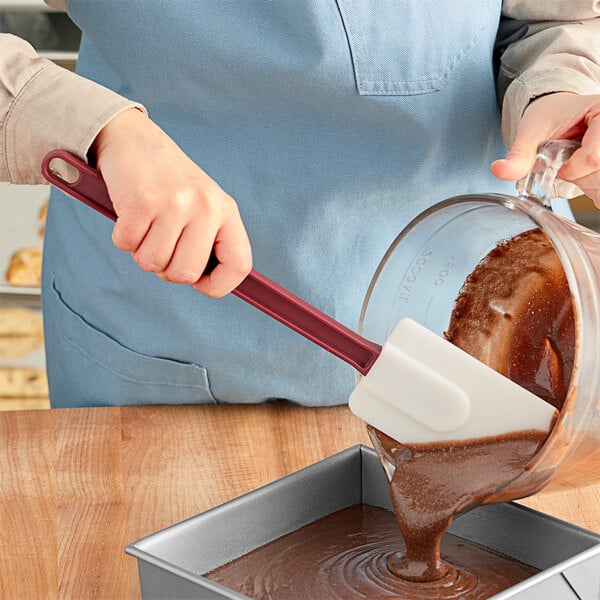
A scraper spatula is a versatile tool designed to scrape, scoop, and spread ingredients. Often made from rubber or silicone, use these spatulas with dough and batter in commercial kitchens and bakeries. Thanks to their flexibility, they can scrape every bit of dough from the corners of pans or bowls, leaving nothing wasted.
Unlike other types, scraper spatulas are characterized by their flat, flexible blades to accomplish necessary tasks. There are two types of scraper spatulas with varied applications.
- Standard Scraping Spatula: A standard scraping spatula is a traditional scraping spatula with a narrow, flexible blade made from rubber or silicone. They have a rounded edge perfect for scraping dough and batter out of corners and cracks.
- Scraper Spoon: Similar to a baking spatula, a scraper spoon has a depression on the blade that allows you to scoop batter easily. The flexible edges let you mix and scrape any excess dough and batter from the bowl.
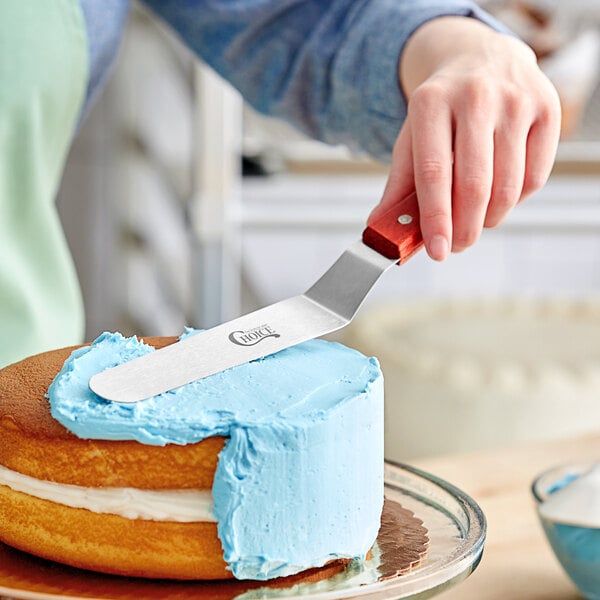
A spreading spatula is widely used in commercial kitchens for spreading frosting, buttercream, and glazes onto cakes and pastries. Their flat, flexible blade ensures precise and effortless spreading, making them essential in bakeries and foodservice establishments. These spatulas typically have a long handle and a flat, rectangular blade made of high-quality materials like stainless steel or heat-resistant silicone depending on the application.
The long, thin blades of spreading spatulas are ideal for frosting cakes, spreading sauce on pizza, or applying cream to pastries, providing precise control and a professional presentation. Below are several types of spreading spatulas used for decorating cakes and other similar tasks.
- Offset Spatula: With a bent or angled metal blade, an offset spatula allows easy access to hard-to-reach areas, such as the sides of a cake or the corners of a baking pan. The offset design keeps your hand away from the surface to prevent accidental smudging or damage.
- Straight Spatula: Also known as an icing or frosting spatula, a straight spatula features a straight blade without any bends. This allows bakers to smooth frosting on the sides of cakes and add decorative flairs to the overall design.
- Sandwich Spreader: Unlike other spreading spatulas, a sandwich spreader has a short, round blade with one serrated edge. It's designed for spreading condiments on sandwiches and slicing bread with the same instrument.
Different spatula materials have unique features that affect durability, heat resistance, and overall performance. Whether you opt for rubber's flexibility, metal's durability, or silicone's heat resistance, selecting the best spatula material will provide a reliable tool for all your cooking needs. Here are some of the common spatula materials and their pros and cons.
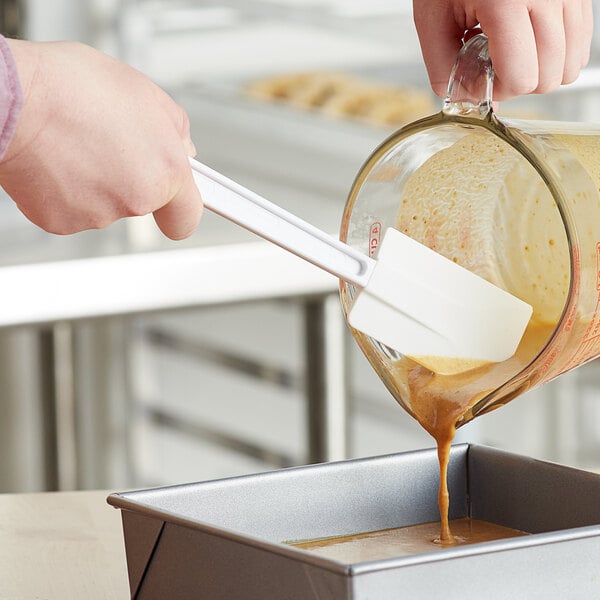
Rubber Spatula
Known for their flexibility, choose rubber spatulas for scraping the sides of bowls and pans to ensure no ingredients are left behind. However, their lack of heat resistance means they can’t be used for general cooking tasks.
Are Rubber Spatulas Safe? Yes, rubber spatulas are gentle on surfaces and will only melt when exposed to high temperatures. Recent rubber spatula models have a higher heat resistance than old ones.
Can Rubber Spatulas Go in the Dishwasher? Do not put rubber spatulas in the dishwasher. The high heat and detergent will damage the material. Handwash and air dry for effective cleaning.
- Gentle on cookware and won't scratch pans
- Flexible
- Inexpensive and easy to find
- Will melt when exposed to heat for long periods
- Stains easily
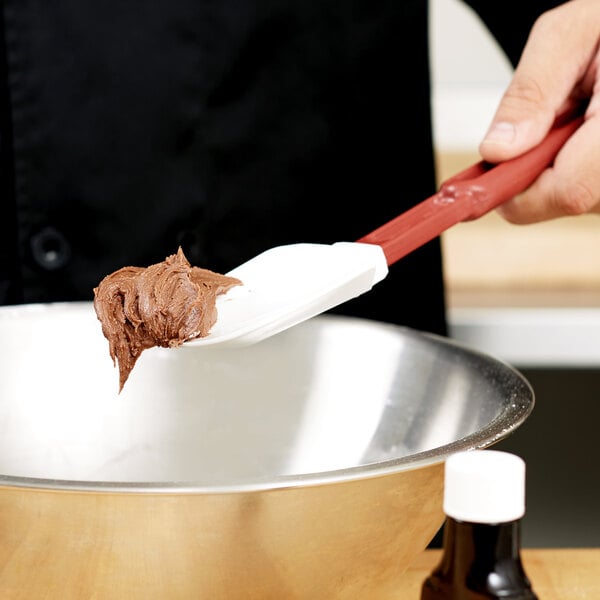
Silicone Spatula
Silicone spatulas are known for their versatility and durability. They are heat-resistant, making them suitable for high-temperature cooking and baking. Silicone spatulas are also easy to clean but tend to hold smells from cooking even after being washed.
Are Silicone Spatulas Safe? High-quality silicone spatulas are generally safe, but poor-quality silicone can contaminate food. Silicone can withstand temperatures up to 600 degrees Fahrenheit and is gentle on pans, so they’re still an excellent choice.
Can Silicone Spatulas Go in the Dishwasher? Yes, you can put silicone spatulas in the dishwasher.
- Non-stick and flexible
- Easy to clean
- Inexpensive and easy to find
- Easily scratched and cut by sharp edges
- Holds odors
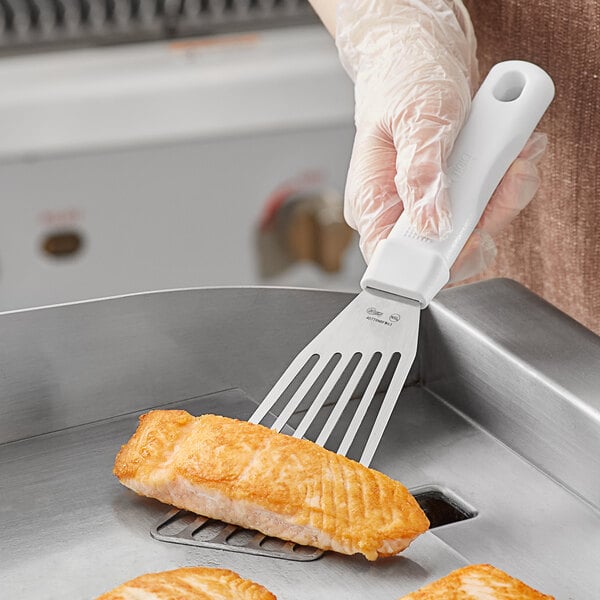
Metal Spatula
Metal spatulas, typically made of stainless steel or aluminum, are prized for their strength and durability. They are perfect for flipping and turning food such as burgers and pancakes. However, they’re more expensive than other materials and might damage your pans.
Are Metal Spatulas Safe? Metal spatulas are safe to use and won’t contaminate food, but they can damage cookware with non-stick surfaces. Despite popular belief, you can use metal spatulas on cast iron pans.
Can Metal Spatulas Go in the Dishwasher? Yes, metal spatulas can go in the dishwasher. Consider handwashing slotted metal spatulas to ensure you remove all food debris.
- Durable with a long product life
- Heat-resistant
- Easy to clean; dishwasher safe
- Expensive
- Will damage non-stick pans and delicate cookware
- Metal handles can burn your hand
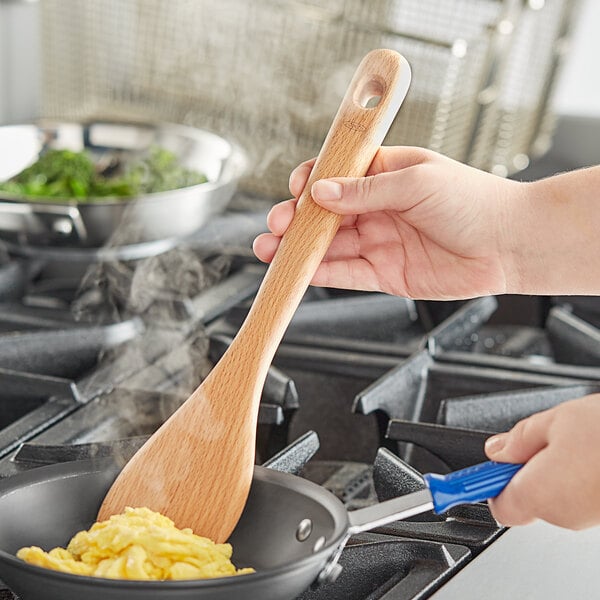
Wood Spatula
In addition to their rustic aesthetic, wood spatulas are gentle on delicate cookware and are less likely to scratch or damage non-stick surfaces. Wooden spatulas are not suitable for high-temperature cooking and should be handwashed to maintain their integrity. If you're looking for a less porous alternative to wood, try using a bamboo spatula.
Are Wood Spatulas Safe? Wood spatulas are porous, meaning they can absorb bacteria in food and cross-contaminate your dishes. Avoid using wood spatulas with raw meat. Otherwise, wood is one of the safest materials for a spatula.
Can Wood Spatulas Go in the Dishwasher? No, wood spatulas will warp if you put them into the dishwasher. Handwash all wooden spatulas.
- Durable with a long product life
- Won't scratch cookware
- Eco-friendly
- Must be washed by hand
- Porous and hold bacteria and odors
- Require extra care and maintenance
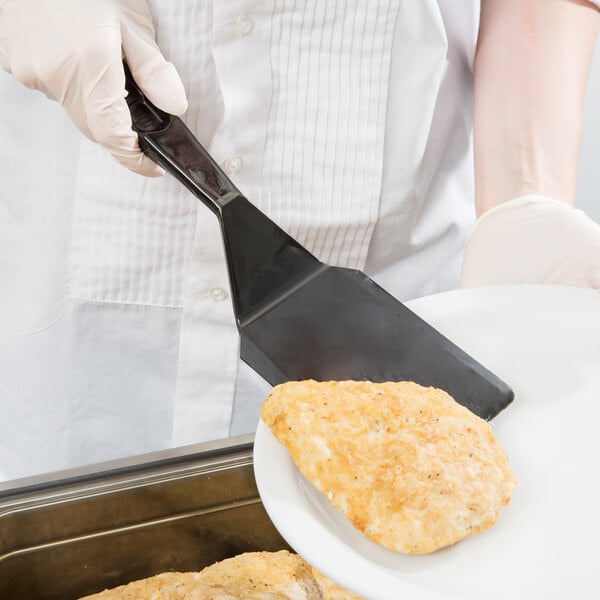
Plastic Spatula
Plastic spatulas are lightweight and affordable, making them popular for many commercial kitchens. They are versatile, resistant to high temperatures, and are often dishwasher-safe. However, they must be replaced frequently and could leak chemicals into food.
Are Plastic Spatulas Safe? Before buying a plastic spatula, make sure it’s made from medical- or food-grade plastic. Other types of plastics might have harmful chemicals that can contaminate your food.
Can Plastic Spatulas Go in the Dishwasher? Some plastic spatulas can go in the dishwasher, but others must be washed by hand. Check your spatula for a dishwasher-safe symbol before putting it in the dishwasher. If you put an unsafe spatula in the dishwasher, it can melt or crack.
- Inexpensive alternative to other materials
- Versatile to accommodate many tasks
- Easy to clean
- Won't damage non-stick pans
- Lack durability
- Material breakdown can add chemicals to the food
- Can melt when exposed to high temperatures for extended periods
Spatulas are not challenging to clean, but a few simple practices can extend the life of your spatula. While placing spatulas in the dishwasher saves time, it might cause warping or breakdown of materials. As you wash and maintain your spatulas, use these tips to keep them in top condition.
- Wash your spatulas immediately after use to prevent food or liquid from drying on spatulas.
- Handwash them and let them air dry for 24 hours before using them. Never leave wood or bamboo spatulas sitting in water.
- Use a small brush to clean slotted or perforated spatulas to ensure no food debris stays stuck in the cracks.
- If you have a two-piece spatula, take it apart before cleaning and use a small brush to clean the inside of the blade.
- Hydrogen peroxide is great for getting stains out of silicon or plastic. Make sure you wash them in warm soapy water after removing the stains.
Related Resources

June 2026 WebstaurantStore Coupon Code
Summer is upon us, and to celebrate WebstaurantStore has blazing hot deals all month long! With summer vacations underway and holidays like Independence Day rapidly approaching, now is the time to stock up on essential supplies and equipment you'll need to get through the summer season. Take a look at our wide array of sale items below and don't forget to enter the code SUMMERSALE at checkout to enjoy up to 20% off your purchases! Looking to save even more? Check out the new Webstaurant Rewards® Visa Business Card ! Sign up for a new card today and start earning rewards on every WebstaurantStore purchase, and save on a WebstaurantPlus subscription. Have a look at some incredible deals on disposable items with June's monthly coupon code! Whe
Types of Knives
Knives are the most important tool in a chef's kit, and they can be used for just about any food prep task from chopping onions and butchering a cut of beef to opening oysters and slicing bread. But, there are different types of kitchen knives that are designed for various purposes. This comprehensive guide covers the types of knives and their uses, so you can find the right option for your needs. Shop All Kitchen Knives Use the following links to navigate and learn about the different types of knives: Kitchen Knife Types Types of Table Knives Parts of a Knife Carbon Steel vs Stainless Steel Knives Forged vs Stamped Knives Types of Knife Edges Knife Handle Styles Knife Maintenance Kitchen Knife Storage

Types of Whisks
You probably reach for a whisk a good handful of times each day, but are you picking the right one for what you're doing? There are types of whisks that are specifically designed for different recipes and cooking techniques like whipping up egg whites, evenly cooking a roux, or making scone dough. Check out the most common types of whisks below to see what makes them unique and when to use them. Shop All Whisks Different Types of Whisks The following are some of the most common types of whisks used in commercial kitchens. Each whip features a unique shape and configuration designed to effectively beat and blend ingredients. 1. Piano Whisks Piano whisks, sometimes known as balloon whisks, are made with thin wires and typically feature a bulb
Join Our Mailing List
Receive coupon codes and more right to your inbox.