


The primary types of condiments crucial for foodservice operations include classic table staples and high-impact flavor builders. Understanding these distinct categories enables chefs and operators to streamline kitchen prep while elevating their menu's profile. These condiments can be vital for crafting everything from universal staples to cuisine-specific essentials. Below, we list some of the most essential condiments needed in your restaurant, outlining their key flavor notes and uses.
1. Ketchup

One of the most well-known condiments, ketchup is a fundamental table ingredient built from a cooked-down concentrate of tomatoes, vinegar, sugar, and aromatics. Its balanced sweet-tangy profile and thick texture make it indispensable for operators, serving directly as a topping while also acting as a key component in meatloaf glazes, cocktail sauces, and signature burger spreads.
Beyond the standard tomato version, foodservice operators can explore variations like mushroom ketchup for umami depth or fruit-based ketchups to complement specific proteins. Stocking a consistent, high-volume brand meets customer demand, but incorporating an artisan or house-made option allows an establishment to differentiate its flavor profile.
- What Is Ketchup?: Tomato concentrate, vinegar, sweeteners (corn syrup/sugar), salt, and spice flavors
- What Does Ketchup Taste Like?: Sweet and tangy tomato with a sharp vinegar acidity and subtle spice warmth
- Best Ketchup Uses: Burgers, fries, hot dogs, meatloaf glazes, and can also serve as a base for barbecue sauces or be mixed into mayonnaise for signature dips
- Should Ketchup Be Refrigerated?: Refrigerate after opening, its high acidity and sugar content preserve it at room temperature until opened
2. Mustard
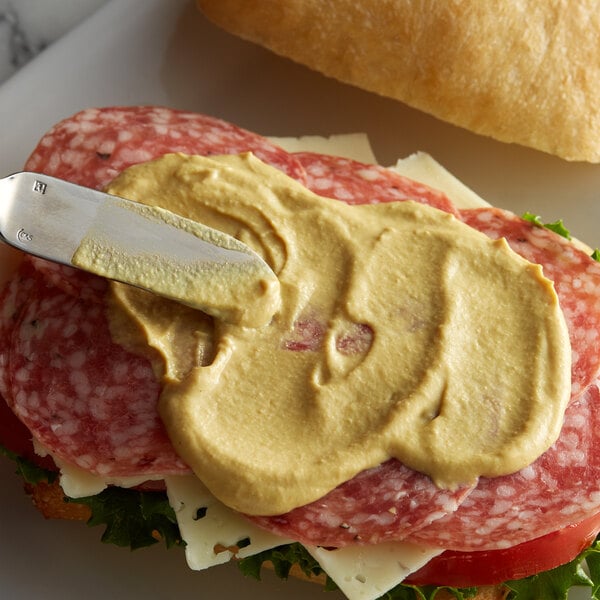
Mustard is a versatile condiment created from the seeds of the mustard plant, offering operators a spectrum of flavors from pungent heat to mild sweetness depending on the seed variety, liquid used, and preparation method. Available as a powder, paste, or whole seed, it acts as a critical emulsifier in vinaigrettes and sauces, a crust for roasted meats, and a direct topping for sandwiches and pretzels. Its acidity and bite can cut through fatty foods, making it a fantastic tool for balancing rich dishes like pork sausages or cheese platters. Maintaining several types of mustard on hand, like classic yellow for traditional appeal, robust Dijon for sauces, and whole-grain for texture, allows a kitchen to build layered flavors efficiently.
- What Is Mustard?: Ground mustard seeds, liquid (vinegar, water, wine), salt, and sometimes turmeric for color
- What Does Mustard Taste Like?: Pungent, spicy heat, often balanced with sweetness or tang
- Best Mustard Uses: Cured meats and sausages, cheese boards, sandwich spreads, marinades, and glazes for poultry and pork
- Should Mustard Be Refrigerated?: Refrigerate after opening for best quality and to preserve pungency
3. Mayonnaise
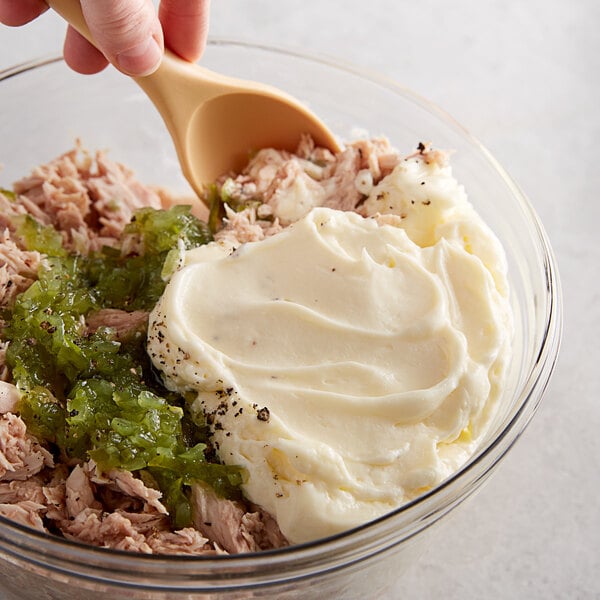
A cold emulsion of oil, egg yolk, and acid, mayonnaise serves as a foundational base sauce and texture-enhancer in commercial kitchens. Its primary function is to add richness and moisture, acting as the binding agent for salads, the stable foundation for custom aiolis and remoulades, and the key to creating consistently creamy sandwich spreads. Shelf-stable pre-made versions ensure operational consistency, while preparing mayonnaise in-house allows for customization with specialty oils to create signature flavors. Its neutral yet rich profile makes it a vital tool for adding fat and body without overwhelming other ingredients.
- What Is Mayonnaise?: An emulsion of oil, egg yolk, and an acid like vinegar or lemon juice
- What Does Mayonnaise Taste Like?: Rich, creamy, and mildly tangy, with a predominantly smooth and fatty flavor
- Best Mayonnaise Uses: Binding chicken, tuna, or egg salad, or as a base for sandwich spreads, burger sauces, creamy dressings, and dips
- Should Mayonnaise Be Refrigerated?: Must always be refrigerated, contains eggs and is a perishable emulsion requiring consistent cold holding
4. Hot Sauce
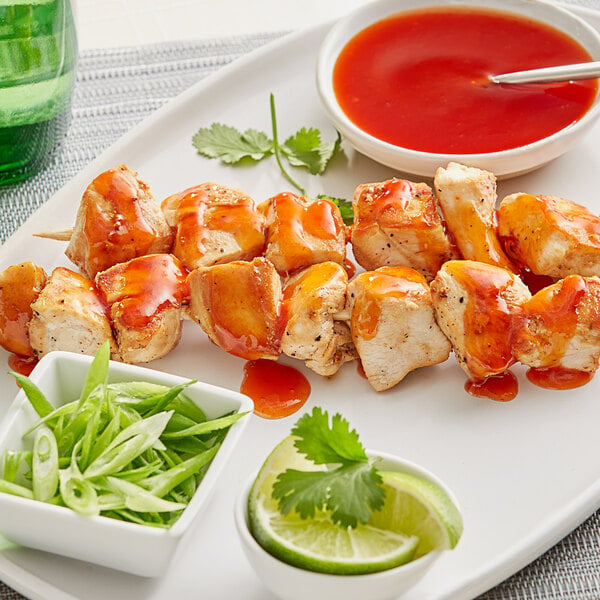
Hot Sauce is a liquid condiment that employs chili peppers as its primary ingredient, designed to deliver both controlled heat and layered acidity to a dish. It functions as a customizable spice source for patrons and a versatile kitchen ingredient for brines, marinades, and finishing glazes. The scope ranges from vinegar-forward profiles, like a classic Louisiana sauce, to fermented and fruit-based varieties that introduce complexity beyond spice. The best hot sauces allow an operator to cater to varying heat preferences while adding dimension to wings, dressings, and even bloody mary mixes.
- What Is Hot Sauce?: Chili peppers, vinegar, salt, and sometimes fruit, garlic, or spices
- What Does Hot Sauce Taste Like?: Immediate, sharp heat from capsaicin, and bright, tangy acidity from vinegar
- Best Hot Sauce Uses: Wings, fried chicken, tenders, eggs, tacos and burritos, or used as a base for Buffalo sauce and marinades
- Should Hot Sauce Be Refrigerated?: Not required due to high vinegar and capsaicin content, but refrigeration can prolong color and flavor intensity
5. BBQ and Steak Sauces

BBQ and steak sauces are foundational finishing condiments that apply a complex, built-in flavor profile to proteins, functioning as both a glaze during cooking and a served accompaniment. While BBQ sauce is typically characterized by a tomato or vinegar base sweetened with sugar or molasses and layered with smoke and spice, steak sauce offers a more pungent, umami-rich profile from ingredients like tamarind, anchovy, and raisins.
These sauces are capable of defining a dish's regional style, from Kansas City sweet to Carolina tangy, with a single application. Offering a signature house version or a curated regional selection can become a distinct menu feature for grilled, smoked, and roasted meat preparations.
- What Is BBQ Sauce?: Tomato or vinegar base, sweeteners, and spices
- What Does BBQ Sauce Taste Like?: Sweet, tangy, and smoky with varying degrees of spice and vinegar sharpness
- Best BBQ Sauce Uses: Grilled and smoked meats (ribs, chicken, pork) and burger glazes
- What Is Steak Sauce?: Vinegar, tamarind, anchovy, raisin, and spices
- What Does Steak Sauce Taste Like?: Pungently savory, tangy, and sweet with pronounced umami and fruit notes
- Best Steak Sauce Uses: Beef steaks and chops, hamburgers, meatballs, sandwich spreads, and roasted vegetable glaze
- Should BBQ & Steak Sauces Be Refrigerated: Refrigerate after opening, as high sugar and tomato content can foster spoilage at room temperature
6. Pickles and Relish

Pickles and relish are preserved vegetable condiments that provide crucial textural contrast and a bright, acidic punch to cut through rich, fatty, or heavy dishes. They function as both a garnish and an ingredient, with pickles offering a satisfying crunch and relish providing a finely chopped, spreadable texture that integrates seamlessly into sauces and salads.
From classic cucumber dills and bread-and-butter chips to relishes made from corn, onions, or chow-chow, they offer an efficient way to add a fermented or brined flavor note without additional kitchen prep. A well-curated selection allows an operator to elevate a standard burger or hot dog instantly while also incorporating these items into tartar sauce, potato salad, or grain bowls for added complexity.
- What Are Pickles & Relish?: Cucumbers or other vegetables brined in vinegar, water, salt, with dill, garlic, or sugar
- What Does Pickles and Relish Taste Like?: Sharp vinegar acidity or tangy fermentation with a pronounced crunch or soft texture, and flavors ranging from garlic-dill sour to sweet-and-spicy
- Best Pickles and Relish Uses: Burgers, hot dogs, deli sandwiches, or can be used as a component in tartar sauce and remoulade
- Should Pickles & Relish Be Refrigerated?: Refrigerate after opening for best quality, always refrigerate if house-made or handled with utensils
7. Soy Sauce
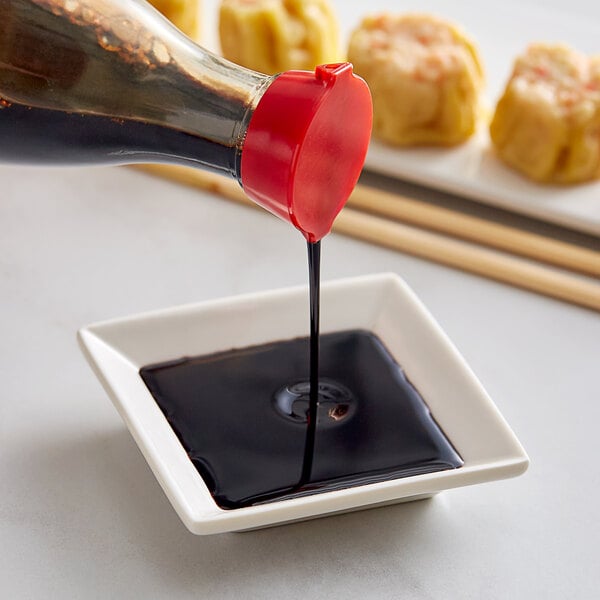
A fermented Asian seasoning fundamental to numerous cuisines, soy sauce provides a deep savory umami character, salinity, and a complex roasted depth to dishes. It operates as a core component in marinades, braising liquids, dipping sauces, and stir-fry preparations, seamlessly enhancing flavors without overpowering other ingredients. The different types of soy sauce, such as light soy for seasoning and dark soy for color and richness, offer chefs precise control over salt content and flavor intensity. This condiment is indispensable for building the foundational taste profile in fried rice, noodle bowls, and glazes, making it a versatile staple beyond strictly Asian-inspired menus.
- What Is Soy Sauce?: Fermented soybeans, wheat, salt, and water
- What Does Soy Sauce Taste Like?: Intensely salty and savory with pronounced umami and underlying fermented, slightly sweet notes
- Best Soy Sauce Uses: Meats, tofu, mushrooms, stir-fry sauces, fried rice, dipping sauces and dressings, and seasoning for broths, soups, and braised dishes
- Should Soy Sauce Be Refrigerated?: Not required for safety, but refrigeration helps preserve flavor and color after opening
8. Salsa and Mexican Sauces

Salsa and Mexican sauces are vibrant, vegetable-based condiments that provide fresh acidity and adjustable heat, functioning as both a lively topping and a foundational cooking ingredient. Types of salsa range from the raw, chopped texture of pico de gallo to the smooth, roasted depth of salsa verde, offering operators a spectrum of prep levels from make-to-order to batch-cooked.
These sauces deliver immediate flavor impact, allowing kitchens to build authentic plates quickly by topping tacos, enriching braises, or serving as a dynamic dip for chips and vegetables. Stocking a core selection, such as a fresh salsa cruda and a cooked salsa roja, ensures versatility for breakfast menus, lunch bowls, and dinner specials.
- What Is Salsa?: Tomatoes, onions, chilies, cilantro, lime, and salt
- What Does Salsa Taste Like?: Bright, tangy tomato acidity, hints of fresh cilantro and onion, with varying levels of chili heat
- Best Salsa Uses: Tacos, burritos, enchiladas, or as a dip for tortilla chips and nachos
- Should Salsa Be Refrigerated?: Must always be refrigerated, fresh ingredients and low acidity create a highly perishable product
9. Salad Dressings and Toppings
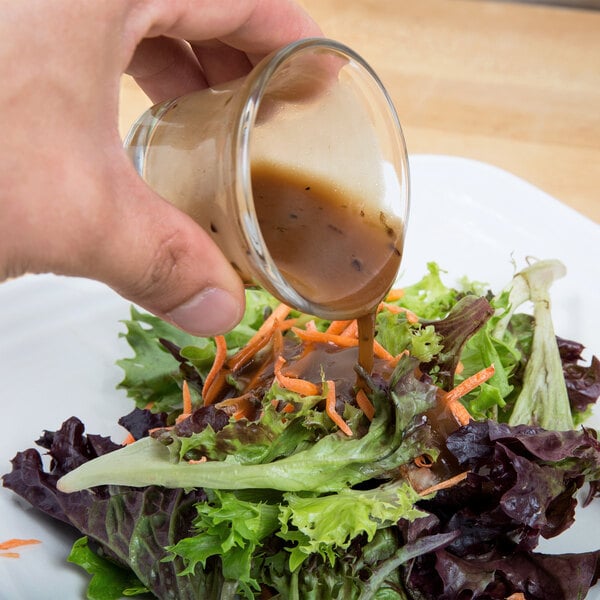
Salad dressings and toppings are a category of condiments designed to coat, flavor, and texturally enhance greens and other cold preparations, directly influencing a dish's perceived freshness and quality. They function as a core component of operational efficiency, where a well-crafted house dressing can become a signature menu item, while a selection of crunchy toppings like nuts, seeds, or crispy onions adds premium perceived value.
Dressings range from simple oil-and-vinegar emulsions to creamy, herb-infused formats, each offering a different method to balance acidity, fat, and seasoning. This versatility extends their use beyond salads, acting as vegetable dips, sandwich spreads, or marinades for proteins, making them a multifunctional kitchen condiment.
- What Is Salad Dressing?: Oil, acid, and an emulsifier
- What Does Salad Dressing Taste Like?: A balanced blend of fat (creamy or oily) and bright acidity with herbal garlic notes
- Best Salad Dressing Uses: Tossed green salads, grain bowls, chopped vegetable salads, and can also be used as a drizzle for grilled vegetables or proteins
- Should Salad Dressings Be Refrigerated?: Dressings require refrigeration as dairy and oil-based emulsions spoil
10. Jam, Jelly & Fruit Spreads

Jam, jelly, and fruit spreads are preserved fruit condiments that concentrate natural sweetness and flavor, acting as essential components for breakfast service, pastry programs, and inventive culinary applications. They provide a cost-effective way to add fruit flavor and visual appeal to items, with consistency ranging from smooth jellies to chunky preserves. Similar to this category are fundamental sweeteners like honey and maple syrup, which serve related roles in sweetening, glazing, and balancing flavors across morning and dessert menus. Offering a selection, including a classic grape jelly, a signature berry jam, and a pure honey, allows an operation to cater to traditional expectations.
- What Are Fruit Spreads?: Cooked fruit, sugar or sweetener, and often pectin, some varieties include smooth jelly, chunky jam, whole-fruit preserves, and fruit butter
- What Do Fruit Spreads Taste Like?: Primarily sweet with concentrated, cooked fruit flavor and varying textures from gelatinous to spreadable
- Best Fruit Spread Uses: Breakfast toast, biscuits, pastries, dessert filling, and as a pairing for cheese and charcuterie boards
- Should Fruit Spreads Be Refrigerated?: Shelf-stable until opened, refrigerate after opening to prevent mold and fermentation
- What Are Seafood Sauces?: Mayonnaise or ketchup bases blended with acids (lemon, vinegar), sharp-tasting ingredients (horseradish, capers), and fresh herbs
- What Do Seafood Sauces Taste Like?: Creamy and tangy, or sharply acidic and spicy with flavors of dill, lemon, horseradish, or paprika
- Best Seafood Sauce Uses: Accompaniment for fried fish, shrimp cocktail, and crab cakes or as a dipping sauce for calamari and oysters
- Should Seafood Sauces Be Refrigerated?: Must always be refrigerated as dairy- or egg-based emulsions and fresh ingredients are highly perishable
- What Are Asian Sauces?: Fermented bean or seafood pastes, rice wine, chili oils, and blended sauces featuring garlic, ginger, and sugar
- What Do Asian Sauces Taste Like?: Ranging from salty-sweet umami to pungent fermentation and clean, sharp heat
- Best Asian Sauce Uses: Stir-fry and noodle dish foundations, marinades, dipping sauces and as a finishing garnish for soups and rice bowls
- Should Asian Sauces Be Refrigerated?: Most unopened bottles are shelf-stable, but should be refrigerated after opening to preserve flavor and prevent separation
- What Is Cheese Sauce?: A stable emulsion of melted cheese, dairy (milk or cream), and a starch thickener
- What Does Cheese Sauce Taste Like?: Rich, salty, distinctly cheesy, while being creamy and savory with a smooth, velvety mouthfeel
- Best Cheese Sauce Uses: Nachos, hot dogs, burgers, tortilla chips, pretzels, loaded fries, and tater tots
- Should Cheese Sauce Be Refrigerated?: Must always be refrigerated due to being a dairy-based product that requires strict temperature control to prevent bacterial growth
- What Is Horseradish?: Grated horseradish root preserved with vinegar and salt
- What Does Horseradish Taste Like?: Sharp, penetrating, and sinus-clearing heat, with a clean, pungent aroma
- Best Horseradish Uses: Roast beef and prime rib, smoked fish, and sausages
- Should Horseradish Be Refrigerated?: Must always be refrigerated, prepared horseradish loses its pungent heat and can discolor when stored warm
11. Seafood Sauces
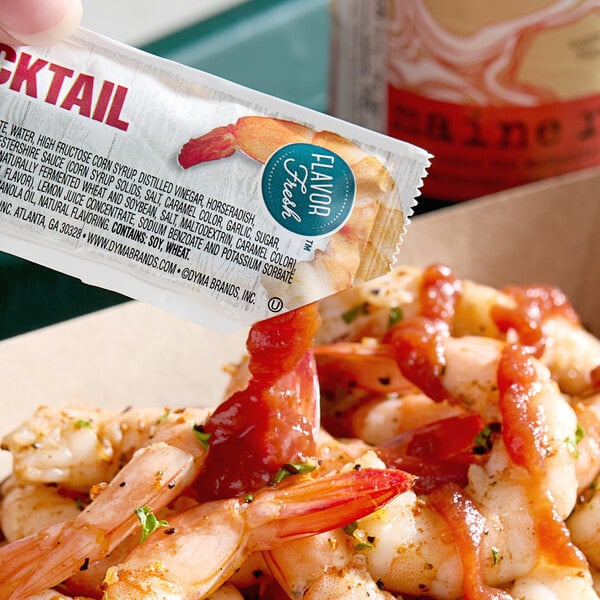
Seafood sauces are a category of condiments specifically designed to complement and cut through the delicate, sometimes briny flavors of fish and shellfish, often by providing creamy richness, sharp acidity, or piquant heat. Their formulation balances moisture and flavor, with bases ranging from mayonnaise and ketchup to vinegar and oil. Maintaining a core set of these sauces allows an operator to standardize plating for popular items while offering variety, such as a lemon-dill aioli alongside a traditional tartar.
12. Asian Sauces
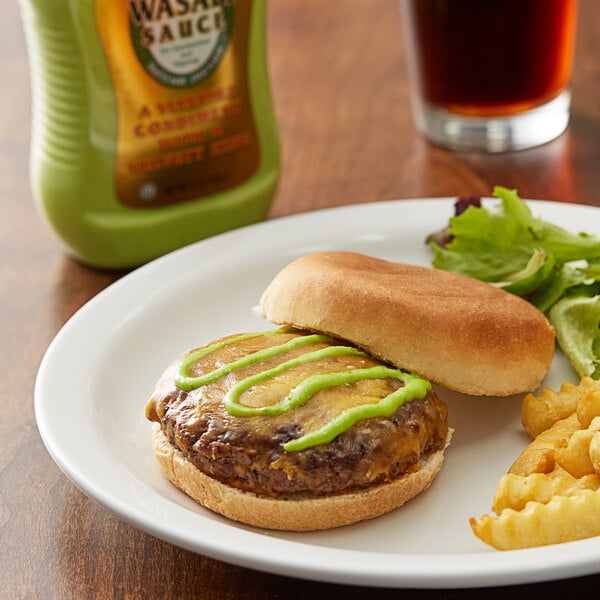
Asian sauces encompass a diverse array of fermented, brewed, and blended condiments such as oyster sauce, hoisin, and wasabi. These build the foundational salty, sweet, umami, and spicy profiles central to numerous regional cuisines. The ingredients offer operators targeted solutions for creating authentic flavors efficiently, from the nutty depth of sesame-based dressings to the instant heat of prepared wasabi paste. Their concentrated nature makes them ideal for glazes, quick marinades, and signature dipping sauces, effectively reducing prep time while delivering complex results. Integrating a selection like mirin for sweetness, chili crisp for texture and heat, and fish sauce for umami punch allows a kitchen to execute a wide range of dishes from stir-fries to noodle bowls with credibility.
13. Cheese Sauce
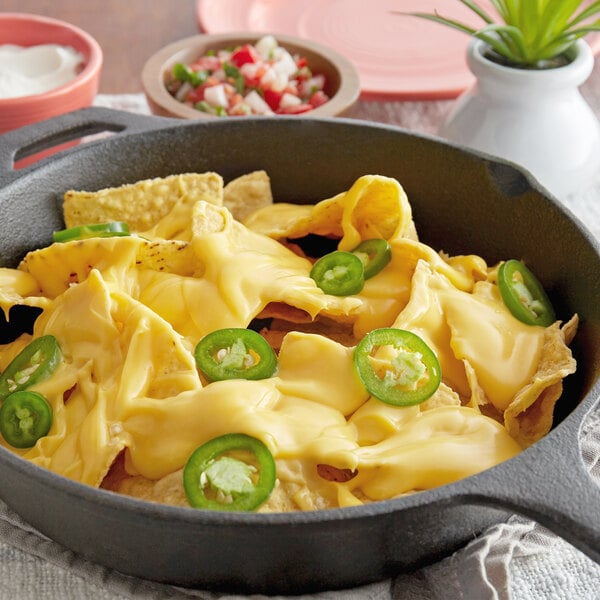
A smooth, heated emulsion of cheese, dairy, and starch, cheese sauce provides a consistent, pourable coating of rich flavor and visual appeal to a wide range of dishes. It is a critical component for signature nacho toppings and concession-style fries, adding moisture while holding well under warming lamps. Its stability and viscosity are key operational advantages, allowing for batch preparation and extended service without breaking or separating. Starting with a neutral bechamel or sodium citrate base gives kitchens the flexibility to incorporate various cheeses, from classic cheddar to pepper jack, and to adjust consistency for dipping, drizzling, or smothering.
14. Horseradish

Horseradish is a potent root condiment whose grated flesh releases volatile compounds that deliver a sharp, sinus-clearing heat and pungent aroma. It is primarily used in its prepared form, a paste mixed with vinegar and salt, to stabilize its fierce flavor and extend its shelf life for consistent service. This condiment acts as a bold accent rather than a base, cutting through the richness of fatty meats and creamy dishes with its clean, abrasive kick. Maintaining both a standard prepared version and fresh root for grating allows operators to adjust intensity for applications from a classic cocktail sauce to a whipped compound butter for steaks.
A strong condiment selection transforms a static menu into something much more, allowing operators to efficiently define their concept and elevate plate appeal. By treating these sauces and toppings as essential flavor tools, kitchens can achieve remarkable versatility without expanding their core ingredient inventory. Read more to discover everything you need to know about condiment storage and service!