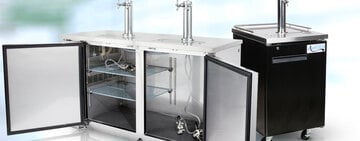



When you invest in commercial kitchen equipment, ensuring a smooth installation process is crucial to the efficiency and longevity of your kitchen operations. Whether you are purchasing brand-new appliances or opting for pre-owned equipment, proper preparation for delivery is essential. To help streamline the installation process and safeguard your investment, we have compiled a comprehensive checklist for you to follow before and after the equipment arrives.
Pre Commercial Kitchen Equipment Installation Steps
Preparing for equipment delivery and installation requires strategic planning and foresight. You need to know where your equipment will go, how you’ll receive it, and the details of your shipment. The size of your building, the availability of your staff, and the specific needs of your facility all play a role in the installation process. By checking these steps off your list, you can ensure the successful and efficient installation of your commercial kitchen equipment.
1. Strategize for Delivery
A well-planned delivery not only benefits the delivery staff but also minimizes disruption to your daily operations. If you order through Webstaurant, you can select "Call Before Delivery" on our checkout page to receive a call from the carrier company to schedule a delivery window. We highly recommend taking advantage of this option. Mistimed or poorly organized equipment deliveries can result in food delivery and equipment installation crews competing for parking, staging areas, or dock and corridor access. Make sure someone is ready and properly equipped to receive it by focusing on the following details:
- Date and time: Before scheduling the delivery, consider how long installation will take and decide what time of day works best. Clearly mark when the delivery is arriving and notify your staff.
- Delivery equipment: Some equipment requires a dock or truck lift gate to be removed from a delivery vehicle. Logistical tools, such as dollies, cargo straps, and moving blankets, may be required. If you don’t own any, make arrangements to rent them.
- Delivery questions: Discuss any questions you have with the company shipping the equipment or the dealer you bought the equipment from before delivery day to make sure everyone is on the same page.
2. Prepare Your Facility
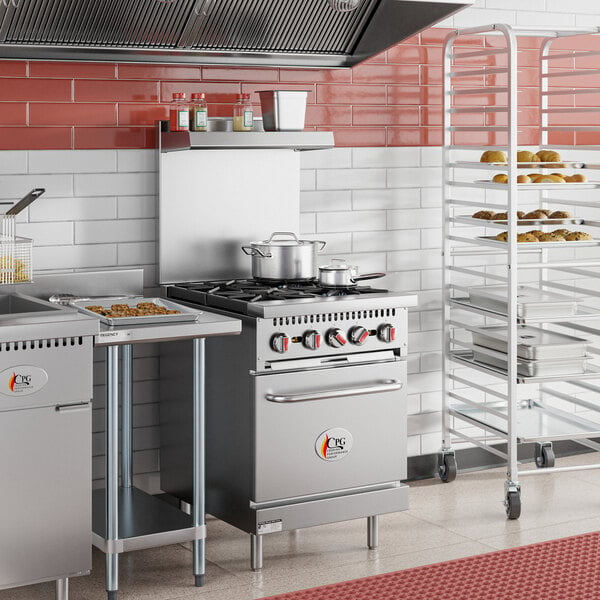
In many cases, unloading and moving equipment can be the most physically demanding part of the installation process. If you can’t get the equipment through the door, you won’t be able to install it. Before making a purchase, assess the entryways and pathways leading to the installation site and your capabilities to move equipment through them.
- Measure doorways: The entrance door/delivery door must be large enough to accommodate the equipment shipment. If your restaurant has a loading bay, that might be the ideal location to move through. If your doorways aren’t wide enough, you can consider taking the doors off their hinges for extra space.
- Measure hallways: Measure the width of each hallway to ensure they offer enough space for the equipment to pass through. You should also make sure the hallways are wide enough and keep track of bends and curves that could impede equipment movement.
- Calculate elevator limitations: If the equipment must be placed on an elevator to reach its final installation point, the elevator must have enough capacity to handle the equipment. That requires measuring the elevator (inside volume + the size of the door opening) as well as the equipment. Every elevator is licensed for a specific weight limit that cannot be exceeded.
3. Confirm Utility Requirements
Different buildings have different utility capabilities, so it is crucial to confirm that your equipment is compatible with the electricity, water, and gas supplies in your space, as well as the product's utility specifications.
- Electrical requirements: Make sure that the voltage and phase of the equipment being delivered match what your food service establishment provides. The amp requirements of the equipment being installed must match those of the service in the building. Confirm that the wiring and plug supplied with the equipment are both long enough and compatible with the electrical outlet if a plug is being used.
- Water requirements: Many pieces of equipment, such as steamers, steam-jacketed kettles, combi ovens, coffee urns, and dishwashers, require water for their basic operation. Verify that a water source is located close to, or at, the point of installation. Additionally, make sure there is sufficient water pressure and enough water available to meet demand. If you live in a hard water area, invest in a dependable water softener or water filtration system. You must also decide whether the equipment should be connected to the hot or cold water systems.
- Gas requirements: Confirm the gas requirements of the equipment being delivered match the natural gas or propane available at your facility. Gas pressure, as well as elevation, directly affect the effectiveness and efficiency of the equipment. At any significant elevation above sea level, the gas orifice found on all pieces of gas equipment must be calibrated and set to the elevation at which the piece of equipment is going to be installed.
Click below for a downloadable restaurant equipment installation checklist:
Download our Restaurant Equipment Installation Checklist PDF
4. Review Equipment Specifications
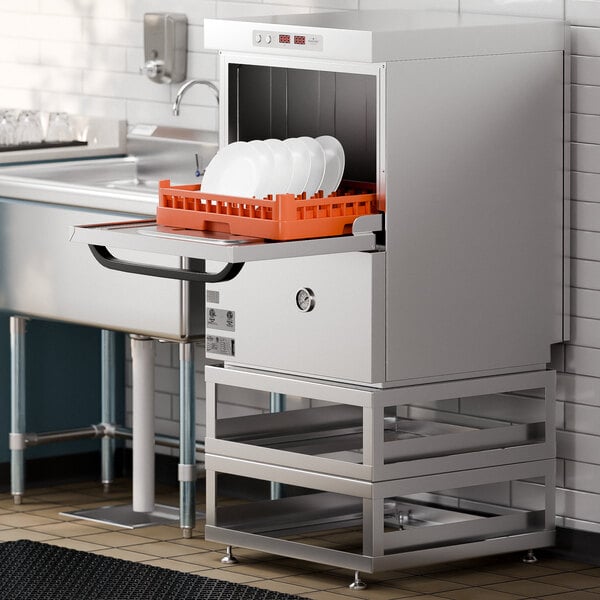
Every unit of equipment is designed with different product specifications. While you might think equipment of a similar type would be the same, exact details about operation, maintenance, and best practices can vary significantly between brands. Review product documents, speak to a customer support representative, and do thorough research on equipment before purchasing it. Once you’ve scheduled a delivery, make all necessary arrangements to ensure safe, efficient operation.
- Hood requirements: If the new piece of equipment is going to be installed under a hood, you must make sure that the depth of the hood is large enough to properly accommodate it. You will need a minimum of 12" from the front edge of the cooking equipment to the front edge of the hood. To allow proper operation, make sure new or additional pieces of equipment have sufficient airflow (CFMs) through the hood once installed. Check out our resource on commercial kitchen hood code requirements for total compliance.
- Spec sheets: Check the manufacturer's specification sheet for any special installation requirements being recommended or required for proper installation. A "spec sheet" can generally be acquired through the manufacturer's website. If you purchase from WebstaurantStore, you can find equipment Specsheets in the Resources and Downloads section of the product's page.
- Local regulations: Understanding local foodservice regulations and codes is essential for installing commercial kitchen equipment. Familiarize yourself with local requirements such as specific certifications for equipment. Conducting research beforehand can help prevent potential issues and comply with the law.
5. Prepare Your Kitchen
If your kitchen isn’t prepared for an equipment delivery, the installation process will be significantly impeded. Focus on clearing space and cleaning the area, making sure it's free of grime, debris, or anything that could impede your progress. Additionally, make any anticipated infrastructure and design changes before delivery, and consider implementing a new kitchen layout if necessary.
- Remove old equipment: You can't get the new equipment installed until the old equipment has been removed from the premises. If you know the new equipment is going to be delayed or if it arrives damaged or missing parts, you may need to move your existing kitchen appliances to one side of the kitchen, where they can be reinstalled if necessary.
- Set up a level mounting surface: Most pieces of equipment must be installed on a level surface to work properly, especially if they are freestanding models. Check the floors in your kitchen to make sure they are even. If they aren't, you can fill in low spots with self-leveling compounds or invest in equipment with adjustable legs.
Post Commercial Kitchen Installation Steps
Once your kitchen equipment has been delivered and installed, it might seem like the process is complete. However, there are still several important steps to take before you can fully resume standard kitchen operations. Proper documentation and testing are crucial aspects of ensuring the safe and effective use of your kitchen equipment.
1. Fill Out the Warranty Card
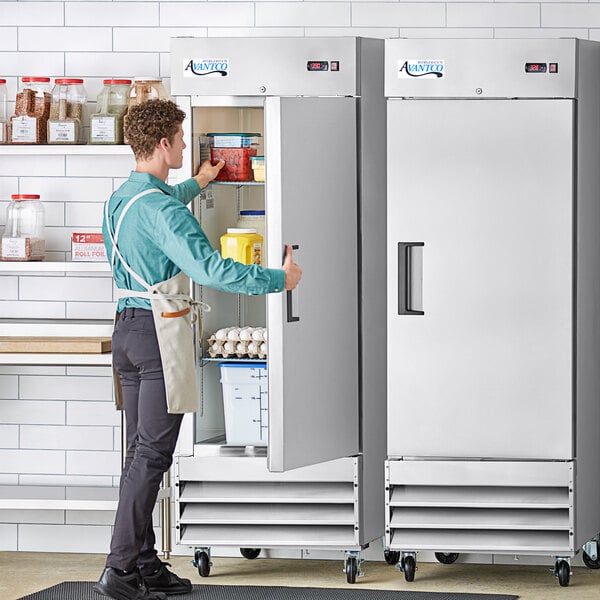
A warranty card is a document that outlines the terms and conditions of your warranty coverage if your equipment requires repairs, replacements, or a refund. It serves as formal documentation of your warranty agreement, ensuring you receive the necessary support in case of any issues. Filling out the warranty card is straightforward, but it is essential to pay attention to the details and follow the manufacturer's instructions. As you read and complete the warranty card, here are some key considerations to keep in mind:
- Contact the dealer: If needed, seek assistance from the dealer to fill out all the information correctly.
- Return the card within the stated time frame: Make sure you return the warranty card to the dealer within the allotted time frame. Failure to do so could result in your warranty being void.
- Make a copy: Create a copy of the warranty card for your records in case you need to reference it.
- Voiding the warranty: Be aware of actions that could potentially void your warranty, such as unauthorized modifications, improper maintenance, or using the equipment for purposes outside of its intended use.
2. Follow the Instruction Manual
Improper installation of equipment can cause significant damage, putting your workplace at risk of hazards and accidents, or even voiding your warranty. To ensure that your equipment functions optimally and safely, take the time to thoroughly read and understand the instruction manual before starting the installation process.
- Hire a third party: If necessary, consider hiring a third-party service to install your equipment. These professionals are trained to handle commercial-grade appliances and provide peace of mind that the job will be done right.
- Contact the manufacturer: Some manufacturers will send a registered technician to your location for professional installation. In doing so, they ensure everything is set up correctly and reduce the risk of you voiding your warranty.
- Clean the area: After the equipment is installed, properly dispose of all construction debris and packing materials. Confirm that packing materials have been removed from centers, burners, and small spaces in the equipment.
3. Equipment Demonstration
A comprehensive equipment demonstration will familiarize your team with the equipment and promote safe kitchen operations. If you are well-versed in the operation and maintenance of the equipment, it is recommended to conduct a thorough demonstration for your staff. This live, hands-on presentation helps all team members understand proper usage and care practices, ensuring consistency and efficiency in your kitchen operations. If you are not confident in your knowledge of the equipment, schedule a demonstration with a manufacturer representative at the earliest opportunity.
- Startup and shutdown: Demonstrate how to turn the unit on and off, along with how to prepare it for use.
- Operation: Show how the unit works and how to cook with it. If it allows you to program specific recipes in, demonstrate how to access them.
- Cleaning: Educate your staff on the right way to clean and maintain the unit.
By following these pre- and post-delivery steps, you can streamline the installation process, protect your equipment from damage, and ensure that your kitchen operations run smoothly. Proper preparation and attention to detail are key to maximizing the efficiency and longevity of your commercial kitchen equipment.

Over his 5+ years with WebstaurantStore, Jason has spent countless hours learning, researching, and writing about the foodservice industry. With expertise in technical topics, he takes pride in helping customers and readers understand everything from troubleshooting their equipment to the fundamentals of starting a business.
Learn more about this author and WebstaurantStore's Content Writing Team here!