- Topics 1581
- Industrial 59
- Troubleshooting Guides 32
- Restaurant Management 144
- Bar Management 70
- Catering Tips 46
- Bakery Management 46
- Food Trucks & Concessions 42
- Advertising & Marketing 41
- Eco-Friendly Tips 13
- Facility Layout & Design 47
- Coffee Shop Tips 32
- Installation & Maintenance 63
- Janitorial & Pest Control 34
- Safety & Sanitation 122
- Startup Tips 111
- Menu Design 11
- Kitchen & Cooking Tips 106
- Hospitality Management 26
- Pizza & Sandwich Shop Tips 24
- Smallwares 42
- Food Prep 103
- Tabletop Items 21
- Disposables 28
- Calculators & Tools 7
- Consumables 76
- Warewashing & Laundry 22
- Cooking Equipment 106
- Food Storage & Refrigeration 58
- Beverage Equipment 43
- Office Supplies 6
Finding the right commercial vent hood for your kitchen is essential for maintaining air quality, keeping the room temperature at a comfortable level, and preventing fire hazards. The type of hood your restaurant needs depends on the equipment your kitchen uses, the foods on your menu, and the space available to you, as well as local commercial kitchen hood requirements. In this guide, we'll cover the different range hood types and restaurant hood systems used in commercial settings, as well as fire suppression systems, to ensure you outfit your kitchen with the correct ventilation.
Shop All Commercial Kitchen Hoods
Skip ahead to learn more about kitchen hoods:
Commercial hoods are divided into two types based on whether they are designed to handle grease: type 1 hoods and type 2 hoods. Different kitchens will require different types of hoods based on their specific cooking process. Regardless of which hood system you choose, ensure it is professionally installed so the unit functions effectively and adheres to modern safety standards.
Type 1 Hood
Type 1 hood systems are designed for use over grease- and smoke-producing equipment commonly found in commercial kitchens, such as fryers, broilers, ranges, and tilt skillets. These hoods maintain a safe and clean kitchen by capturing and removing grease and smoke. They use built-in filters and baffles to trap grease particles and prevent them from entering the ventilation system, reducing the risk of grease buildup in the ductwork. Additionally, operators can customize type 1 hoods to ensure every piece of equipment under it is adequately covered. Keep in mind that regular cleaning of a type 1 hood is crucial to prevent grease buildup, which can pose a serious fire hazard, and a strict maintenance and cleaning schedule should be established.
Type 2 Hood
Type 2 hood systems are essential for commercial kitchens that have heat- and steam-producing equipment like dishwashers, steam tables, and certain types of ovens. These hoods should not be used over grease-producing equipment, as they are not designed to handle the buildup and are specifically engineered to handle heat and moisture. Some models are designed solely to remove condensation and steam, making them ideal for areas where the main concern is managing humidity levels. On the other hand, there are type 2 hoods that are strictly focused on eliminating heat and odors, which is crucial in kitchens where ventilation is key to maintaining a comfortable working environment.
In addition to the distinction between Type 1 and Type 2 hoods, there are different styles and configurations of kitchen hoods designed to fit specific commercial spaces. Whether you operate a fine-dining establishment, a burger joint, or a food truck, there are specialized hoods to meet your requirements. Consider what kinds of food you prepare, the size of your space, and the safety requirements of your location while evaluating which hood best fits your needs.
Each local jurisdiction has different rules and regulations regarding exhaust hoods. Contact your local authority to obtain the specific requirements and regulations for your intended application in your respective jurisdiction prior to purchasing a ventilation system.
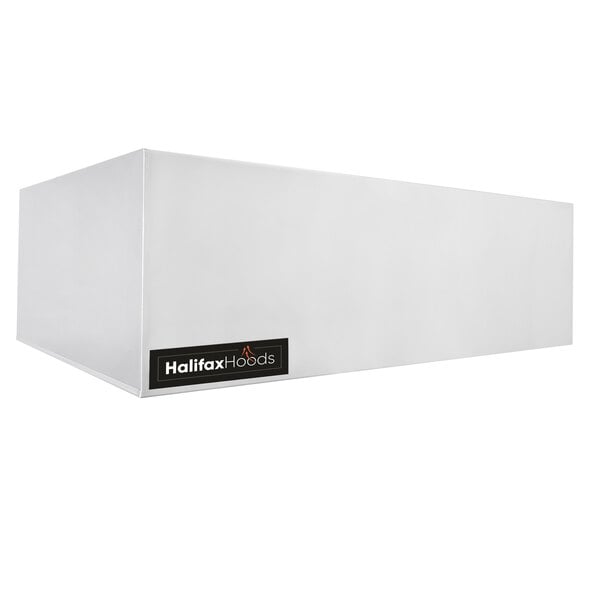
1. Condensate Kitchen Hood
Condensate hoods are designed to remove heat, water vapor, and condensation from the air, ensuring that excess moisture is effectively managed. Ideal for placement over dishwashers, steam equipment, or any appliance that generates significant moisture, condensate hoods play a crucial role in regulating ambient temperatures and humidity levels within your facility. Built-in baffles convert steam and condensation into liquid, which is then drained away to prevent it from re-entering the environment. While some condensate hood units may include built-in wire mesh filters, these filters are not intended for high-volume grease removal and will not pass inspection if you try to use them for it.
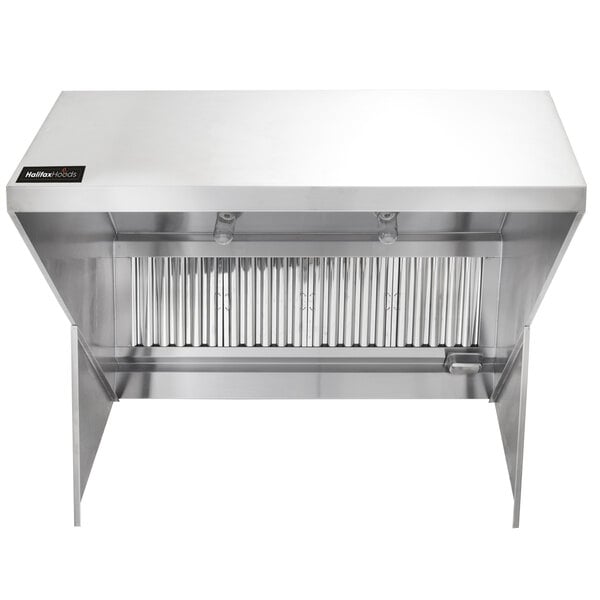
2. Exhaust Only Kitchen Hood
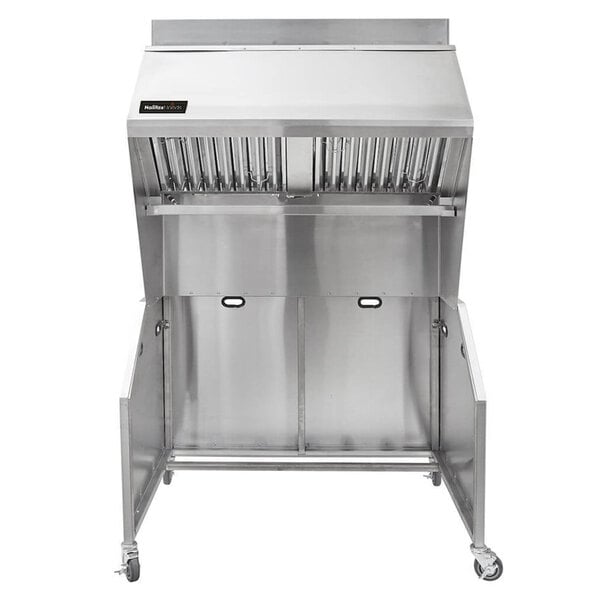
An exhaust only hood is designed to remove heat, fumes, and smoke from the air, ensuring a comfortable and healthy workspace for kitchen staff. These hoods utilize a powerful fan to extract these particles and vent them to an external location, preventing them from circulating within the kitchen. Unlike other types of kitchen hoods, exhaust hoods do not recycle air. Instead, they rely on make-up air that is filtered back into the facility to maintain proper air circulation. Keep in mind that they don't use grease filters and cannot capture grease or heavy contaminants.
3. Ventless Kitchen Hood
Ventless kitchen hoods feature self-contained filtration systems that effectively keep your kitchen up to code by trapping grease, ash, and smoke. This makes them ideal for smaller facilities where traditional ductwork may not be feasible. They use three filters in conjunction, with each layer working to capture contaminants and odors. Additionally, a built-in fan forces air through the unit, pushing it through the filters and recycling it back into the kitchen. They come in both Type 1 and Type 2 models, suitable for any style of cooking.
4. Heat Removal Hood
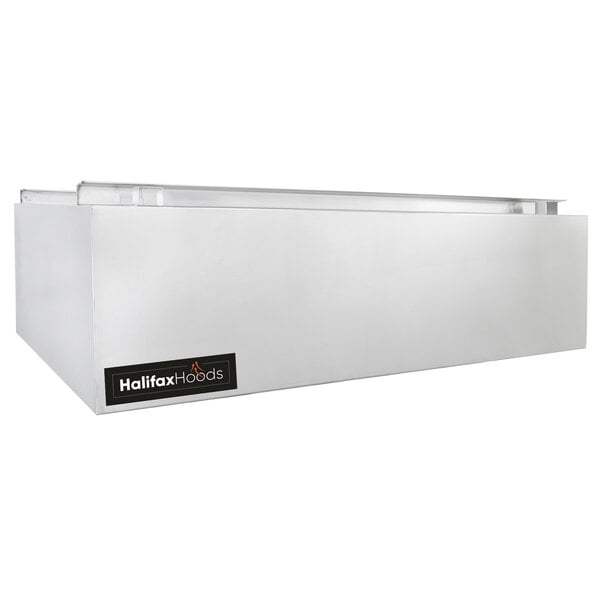
Heat removal hoods employ slanted condensation plates to effectively capture excessive steam, which in turn helps expel heat and moisture from kitchen appliances that are in constant operation. By efficiently removing heat and moisture, these hoods contribute to a more comfortable working environment, especially in high-heat settings. Additionally, they reduce the risk of steam burns and over-exhaustion among kitchen staff. These hoods are particularly well-suited for equipment that does not produce grease, such as ovens and small kitchen appliances.
5. Outdoor Kitchen Hood
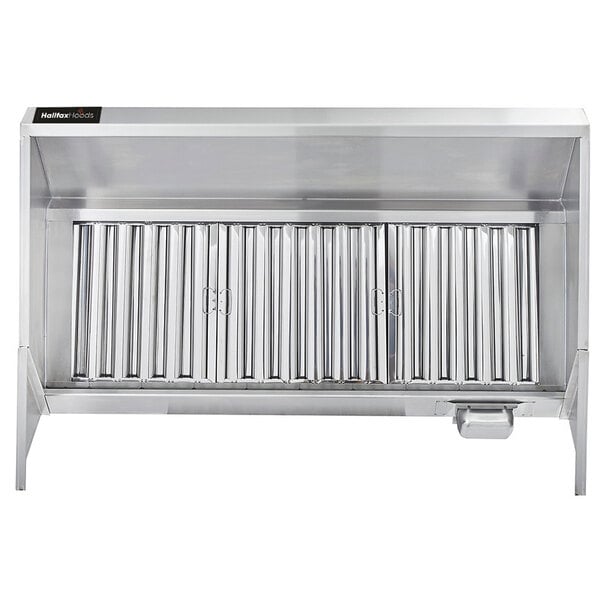
Ideal for outdoor settings that are still under cover, such as patio spaces or outdoor kitchen concepts, outdoor hoods are versatile solutions for a variety of outdoor cooking setups. Install them over outdoor grills, pizza ovens, seafood boilers, and other types of outdoor cooking equipment to ensure a clean and safe cooking environment. Constructed with corrosion-resistant stainless steel, these hoods are built to withstand the elements while effectively removing smoke, heat, grease, and odors from outdoor cooking spaces. By efficiently ventilating outdoor cooking areas, these heavy-duty hood systems help reduce fire hazards and prevent smoke buildup.
6. Food Truck Hood
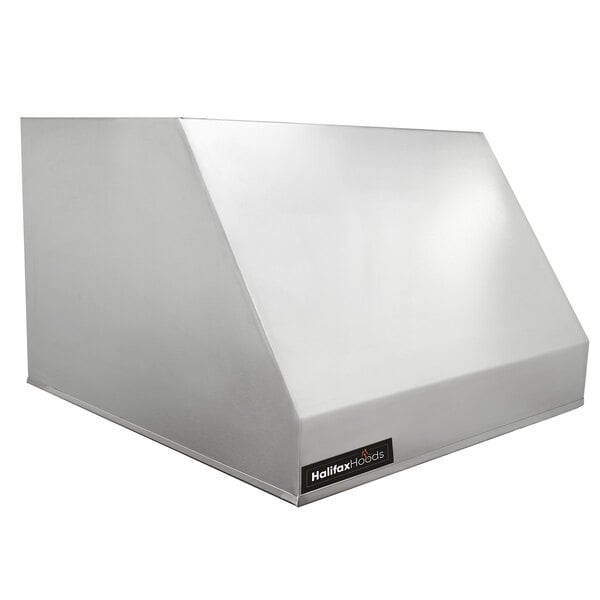
Food truck hoods feature a compact footprint and a sloped-front hood canopy that is specifically designed for food truck and concession trailer installations. The design of these hoods allows them to fit perfectly in small spaces, offering you the flexibility to design a functional, comfortable layout for your food truck operation. Not only are they necessary to adhere to local regulations and permits, but they are also vital for preventing smoke and heat buildup in the confined space of a food truck. It's important to note that food truck hoods require an electrical hookup to work properly.
Depending on the layout of your kitchen, you may have to opt for a different installation type. These ensure that your hood is situated precisely over the right spot of the kitchen, capturing any airborne contaminants that might be created. While it's possible to craft a custom installation, there are six main kitchen hood installation styles:
- Wall-mounted canopy hoods: These are flush-mounted to the wall and are used for all equipment types that are located against a wall.
- Single island canopy hoods: This type of hood is ceiling-mounted over an island with a single cooking line and used for all equipment types.
- Double island canopy hoods: These hoods are ceiling-mounted over an island with a back-to-back cooking lines and are used for all equipment types.
- Backshelf / low level hood: These can be freestanding or flush-mounted to the wall and are used for counter-height equipment.
- Eyebrow hoods: This style of hood is direct-mounted to ovens and some dishwashers.
- Passover hoods: These hoods are used over counter-height equipment in instances where a plate is passed from the cooking side to the serving side.
Finding the right kitchen hood is imperative to kitchen safety. Factors such as installation, location, and maintenance all play a significant role in determining the right fit for your commercial kitchen. To ensure you are familiar with everything that goes into the process of selecting a commercial kitchen hood, we have answered frequently asked questions below to help you make informed purchasing decisions and keep your facility safe.
What Is a Make Up Air System?
A make up air system provides additional air in your kitchen to replace the air that is being removed by the exhaust hood. Make up air is important in applications where the kitchen doesn't have enough fresh air coming in to replace the air exhausted by the hood, since your hood requires this replacement air to function properly. There are three main types of make up air for commercial kitchens:
- Short cycle make up air: This discharges the air supply into the hood instead of the room to avoid blowing air down onto staff as they cook.
- BRP make up air: Short for back return plenum, this style discharges the air supply from a channel in the back of the hood and directs it under the cooking equipment and into the room.
- PSP make up air: Short for perforated supply plenum, this discharges the air supply through the front of the hood and directly onto staff. It is the least popular make up air style as it can cause discomfort for the cook staff.
How to Place Equipment Under a Kitchen Hood
Place your low-duty equipment at the end of the cook line and position the heavy-duty equipment in the center of the cook line to optimize hood performance. The piece of equipment that is located at the end of the exhaust hood will have the greatest impact on the hood's overall effectiveness. By placing the heavy-duty equipment in the middle of the cook line, you're ensuring your hood is completely covering the equipment, which enhances its ability to trap and remove the cooking plume produced by the heavy-duty appliances.
What Is a Commercial Fire Suppression System?
Fire suppression systems are frequently required to meet health codes for type 1 hoods and need to be incorporated into the overall design of your kitchen to fit the specific layout of your cooking line. They can be integrated into the design of a hood or retrofitted into an existing hood and are activated when they detect fire or excessively high heat, and most models can be manually activated. When activated, their spray heads discharge wet fire suppression chemicals into the vent hood, grease filters, and over the equipment in the cook line to put out the fire and prevent a restart.
A commercial kitchen hood is paramount when it comes to designing a commercial kitchen. No matter if you've been operating for years or are just getting started in the foodservice industry, educating yourself on the different types of hoods available and how they work will improve workplace safety and help you improve your kitchen.

Over his 5+ years with WebstaurantStore, Jason has spent countless hours learning, researching, and writing about the foodservice industry. With expertise in technical topics, he takes pride in helping customers and readers understand everything from troubleshooting their equipment to the fundamentals of starting a business.
Learn more about this author and WebstaurantStore's Content Writing Team here!
Related Resources

May 2026 WebstaurantStore Coupon Code
May has arrived, and seasonal savings are heating up alongside the spring weather here at WebstaurantStore! With peak catering season underway and holidays like Memorial Day around the corner, now is the time to stock up on essential supplies and equipment! Take a look at our wide array of sale items below and don't forget to enter the code MAYFLOWERS at checkout to enjoy 15% off your purchases! Looking to save even more? Check out the new Webstaurant Rewards® Visa Business Card ! Sign up for a new card today and start earning rewards on every WebstaurantStore purchase, and save on a WebstaurantPlus subscription. Have a look at some incredible deals on disposable items with May's monthly coupon code! Whether you're looking for disposable pa

Equipment Installation Checklist
As an operator, you put so much time and energy into researching commercial kitchen equipment, deciding whether to purchase it new or used , and what the best deal on shipping is, so it can be easy to overlook one essential element - what to do when it arrives. To help the installation of your equipment go smoothly, we've created a checklist you can use to stay organized and efficient when your kitchen equipment arrives. Shop All Restaurant Equipment Click below for a downloadable restaurant equipment installation checklist: Download our Restaurant Equipment Installation Checklist PDF 1. Plan for Delivery Before scheduling the delivery, consider the time required for installation and decide what time of day will work best for you. If you or
Common Health Code Violations and How To Avoid Them
Restaurant inspections from your local health department can occur at anytime, without any advanced notice. Along with all the other daily stressors of operating a business, worrying about a possible health inspection can be overwhelming. We've made a health code violations list to remind you of some of the most common health violations in restaurants. Use our list as a general guide and research your local health department rules for the specific health codes for foodservice in your area. Click below to learn more about common restaurant health code violations: Time and Temperature Control Improper Food Storage Improper Tool and Utensil Storage Poor Personal Hygiene Poor Kitchen Sanitation Cross-Contamination Chemical Use and Storage Healt
Join Our Mailing List
Receive coupon codes and more right to your inbox.