- Topics 1570
- Industrial 60
- Troubleshooting Guides 32
- Restaurant Management 145
- Bar Management 69
- Catering Tips 43
- Bakery Management 44
- Food Trucks & Concessions 36
- Advertising & Marketing 41
- Eco-Friendly Tips 13
- Facility Layout & Design 47
- Coffee Shop Tips 32
- Installation & Maintenance 63
- Janitorial & Pest Control 34
- Safety & Sanitation 122
- Startup Tips 110
- Menu Design 13
- Kitchen & Cooking Tips 108
- Hospitality Management 25
- Pizza & Sandwich Shop Tips 21
- Smallwares 42
- Food Prep 103
- Tabletop Items 21
- Disposables 28
- Calculators & Tools 7
- Consumables 77
- Warewashing & Laundry 22
- Cooking Equipment 107
- Food Storage & Refrigeration 57
- Beverage Equipment 42
- Office Supplies 6

A commercial plumbing toolkit features the core plumbing tools, safety gear, and replacement parts that a foodservice operation keeps on hand to handle common clogs, leaks, and fixture issues without waiting for a service call. In the middle of a dinner rush, a backed-up prep sink or a slow floor drain can derail production fast, so having the right basics within reach helps you restore flow and protect food safety. This guide breaks down what to stock for quick, operator-level fixes, regardless of whether you're tightening a fitting, clearing a line, or swapping a worn component.
Shop All Commercial Plumbing
When to Handle a Commercial Plumbing Job
You should handle a commercial plumbing job in-house when the issue is isolated, accessible, and low-risk, such as a minor drip at a visible fitting or a simple clog near the drain opening. Your toolkit should be built for quick operator fixes. Call a licensed plumber when there's wastewater backup affecting multiple drains, repeated clogs that return quickly, signs of a hidden leak, or any work involving gas lines. If you can't safely isolate water, contain spill risk, and confirm the repair holds under normal pressure without disrupting service areas, it's time to bring in a professional plumbing service.
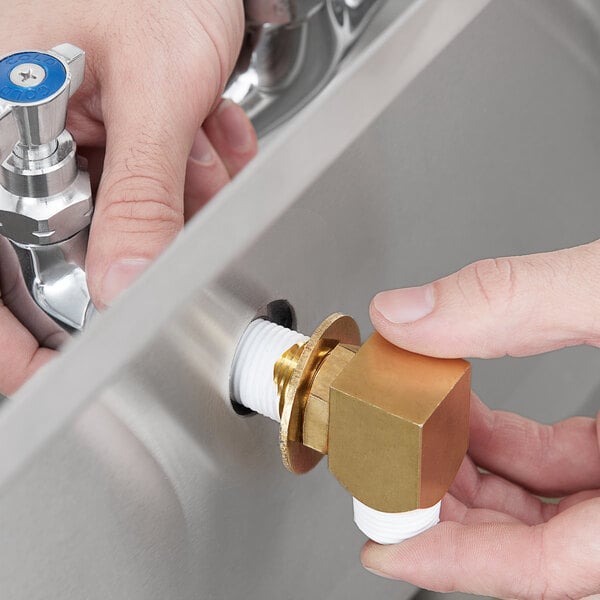
A quality commercial plumbing toolkit requires hand tools needed to tighten, loosen, and secure plumbing connections on sinks and other water-fed equipment. Use these tools to stop a drip at a compression fitting or swap a shutoff valve without mangling the hardware. Many fixes happen under a sink cabinet or behind an access panel, so you need tools that grip well and fit tight spaces. Stocking a few core options keeps small leaks and wobbly connections from turning into downtime and cleanup.
- Basin Wrench: Basin wrenches are long-handled tools designed to reach and turn faucet mounting nuts in tight spaces under sinks. Key for replacing or tightening faucet assemblies at hand sinks and prep sinks where standard wrenches can't fit behind the bowl or against the wall.
- Adjustable Wrench: With the ability to open and match different nut sizes, adjustable wrenches are a flexible choice for plumbing tasks. A go-to when you're tightening a faucet connection under a hand sink or dialing in a fitting without hunting for a full wrench set.
- Pipe Wrench: Pipe wrenches use serrated jaws to bite onto round pipe and threaded fittings. Great for stubborn galvanized or black iron connections where an adjustable wrench can slip, especially when you need to break a seized joint free.
- Tongue-and-Groove Pliers: Adjustable pliers grip slip nuts, supply lines, and drain fittings securely when you're working in tight cabinets. They're a go-to for stabilizing a valve body, loosening trap connections, and getting leverage where an adjustable wrench can't bite.
- Screwdrivers: Screwdrivers handle access panels, hose clamps, and equipment covers that block plumbing components. These make it much easier to access some secured areas where plumbing work needs to be done.
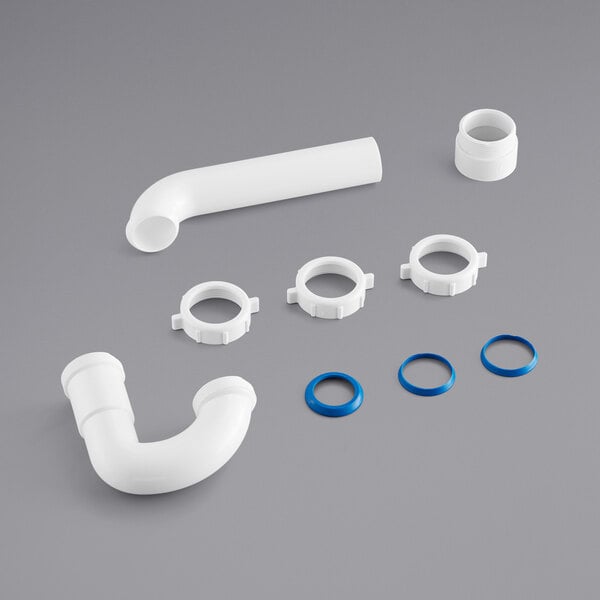
These tools are the supplies and cutters used to size pipe, make clean connections, and prevent leaks when replacing a section of line. They are great during jobs like swapping an ice machine supply. A clean cut and a prepped edge help fittings seat correctly, which reduces leaking during service. Keeping the right materials and prep tools on hand also means you can make a repair without improvising with damaged ends or mismatched parts.
- Piping and Tubing: Piping and tubing are the replacement line materials you'll cut to length when a section is corroded or cracked. Stocking common sizes used for supply and drain applications helps you restore water flow quickly instead of patching a compromised line.
- Plumbing Valves: Plumbing valves control, isolate, and shut off water to specific fixtures or equipment, making it so you can service one station without taking down the whole kitchen. They're essential for fast containment, as a working shutoff can turn a leak into a manageable repair.
- Tubing Cutters: These are handheld tools that score and slice pipe or tubing in a controlled, even circle for a clean edge. The clean cut improves how compression fittings and connectors seal, especially on supply lines where uneven cuts can lead to slow drips.
- Cutting Tools: Items like snips or compact saws handle materials that a tubing cutter can't. This includes flexible hose, plastic components, or thicker sections that need a different approach, removing damaged pieces cleanly so replacements fit without stretching the connection.
- Deburring Tools: By removing sharp edges and internal burrs left after cutting pipe or tubing, deburring tools protect O-rings and gaskets from tearing. This helps water move smoothly through the line, which is especially important when you're trying to avoid leaks on freshly installed connections.
- Thread Sealing Supplies: Use these to help threaded connections seal properly after you replace a valve, fitting, or connector. They reduce slow leaks that show up only after the line is back under pressure.
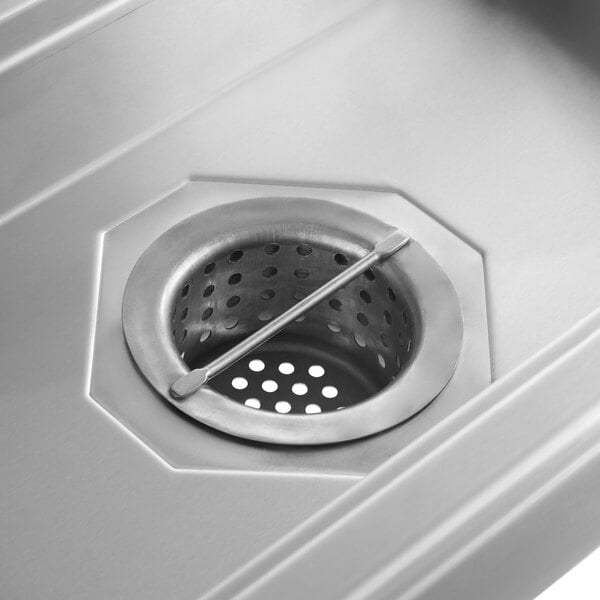
The equipment you use to remove blockages, restore drainage, and prevent backups in sinks is vital to the success of your establishment. A slow prep sink or a gurgling floor drain can quickly turn into a cross-contamination risk and a service interruption. The right tools let you address common causes before the problem escalates into an emergency call.
- Plungers: A plunger creates pressure and suction to dislodge soft clogs near the drain opening in sinks and floor drains. It's used as a first-response tool when water is pooling.
- Augers: Augers feed a flexible cable down the line to break up or pull out tougher blockages deeper in the pipe. They're essential when plunging doesn't work and the clog is past the trap or further down a branch line.
- Drain Screens and Strain Baskets: Placed at a drain opening to catch food scraps, labels, and other solids before they enter the plumbing, drain screens and strain baskets are a key tool in keeping your drains clear. In busy prep areas, they're one of the simplest ways to reduce clogs and cut down on emergency cleanouts.
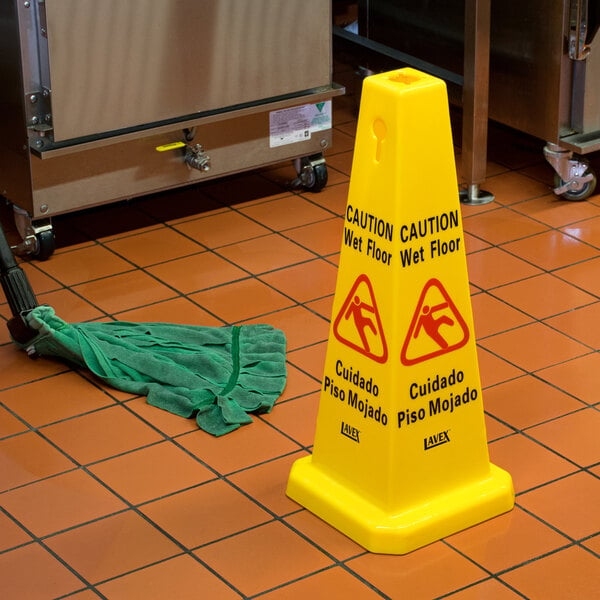
Plumbing safety equipment includes protective gear and cleanup supplies that keep staff safe when handling leaks and clogs in a commercial facility. Plumbing work often happens in tight spaces where splashes and slip hazards are common. Proper equipment helps prevent cuts, chemical exposure, and eye injuries, while cleanup items reduce the chance of a fall or contamination issue spreading beyond the repair area.
- Safety Gloves: Safety gloves protect hands from sharp edges, hot water, grime, and chemical cleaners used during drain work or fixture maintenance. A good pair also improves grip on wet fittings and tools, which helps you work faster and with better control.
- Safety Glasses: Shielding eyes from splashing water, drain debris, and cleaner spray, safety glasses are vital when clearing a clog or disconnecting a line. They're especially important when pressure releases unexpectedly from a trap, valve, or hose connection.
- Protective Clothing: Protective clothing (such as aprons, coveralls, or disposable sleeves) creates a barrier between staff and wastewater. These items keep uniforms and skin cleaner, and help limit the spread of contaminants back into prep or service areas after the repair.
- Spill Cleaning Material: Absorbents, towels, mop heads, and sanitizer-ready cleanup tools can be used to contain and remove water quickly. Rapid cleanup reduces slip risk and helps prevent moisture from migrating into baseboards, storage areas, or electrical zones.
- Wet Floor Signs: Warn staff and guests that a slip hazard is present with wet floor signs while you contain a leak or clear a backup. They're a simple but critical piece of equipment that protects traffic flow around dish rooms, restrooms, and bar stations during and after a plumbing incident.
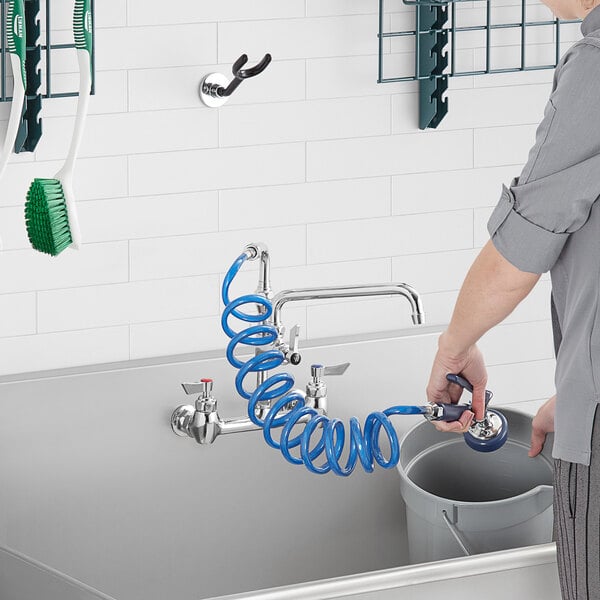
These parts and accessories provide the replacement components and connection pieces that let you restore water-fed equipment quickly. Small failures like an out-of-order restroom or a dripping faucet can disrupt service and invite safety issues. Keeping common parts on hand shortens repair time because you can swap the failed piece immediately instead of waiting for a delivery or a technician. A well-stocked kit is built around your top fixtures and emphasizes small, high-failure items that frequently need replacing.
- Faucet Parts and Accessories: Faucet parts like stems, aerators, O-rings, and spouts resolve common issues like dripping, stiff handles, or poor flow at sinks. These are core toolkit items because faucets see constant use, and minor failures can escalate into leaks that spread across a work area.
- Toilet and Urinal Parts and Accessories: Toilet and urinal parts include items like flush valves, fill valves, flappers, gaskets, and handle assemblies used to fix running toilets, weak flushes, or leaks at high-traffic restrooms. They help keep bathrooms operational and prevent wasted water or overflow issues that can force closures.
- Drinking Fountain Parts and Accessories: Drinking fountain parts cover push buttons, bubbler heads, cartridges, strainers, and seals that address low flow and dripping. They're important in customer-facing or employee areas where a small leak can create a constant puddle and a maintenance headache.
- Water Heater Parts and Accessories: Water heater parts include thermostats, drain valves, and related fittings that support basic troubleshooting and safe operation. Having key replacements available helps you restore hot water for dishwashing and handwashing before the lack of heat impacts sanitation.
- Washdown Station Parts and Accessories: Spray valves, hoses, swivels, vacuum breakers, and wall brackets are the key washdown station parts used to keep stations functional in dish rooms and back-of-house cleanup zones. Quick replacement reduces downtime in areas where water pressure and spray control directly affect closing tasks and sanitation.
- Water Appliance Connectors: Water appliance connectors are the hoses, fittings, and adapters that link equipment to the water supply. They're essential because worn connectors are a common source of hidden leaks, and having the correct size and type on hand helps you make a secure, code-compliant connection.
A commercial plumbing toolkit is less about doing a plumber's job and more about keeping your kitchen moving when a small failure threatens to snowball into a wet, unsafe work area. When the right tools, PPE, and common replacement parts are staged where your team can reach them, you can isolate the problem and make a controlled fix before downtime spreads across the line. Build your kit around the fixtures and equipment you run every day, then review it on a schedule to ensure you always have the required tools on hand. Learn more about how to handle plumbing emergencies with our emergency spill response guide!
Related Resources

October 2026 WebstaurantStore Coupon Code
Fall flavors are in full swing, and the deals at WebstaurantStore are just as irresistible! Stock up on everything your kitchen needs for a busy stretch of autumn, from disposables and pantry staples to equipment that keeps service moving. Browse our featured sale items below, and use code SPICE26 at checkout to save up to 20% on your purchase. Hot drinks, cozy desserts, and warm soups take center stage this time of year, so there's plenty here to fuel your seasonal menu. Sign up for our emails to get exclusive deals and coupon codes delivered straight to your inbox! Looking to save even more? Check out the new Webstaurant Rewards® Visa Business Card ! Sign up for a new card today and start earning rewards on every WebstaurantStore purchase

Types of Mops
From busy kitchens to school hallways, mops are essential for keeping your floors sparkling clean. Sometimes it can seem like a never-ending task to keep up with your high-trafficked floors, but the right mop can make your floor cleaning easier and more effective. Learn all about the different types of mops so you can choose the best tool for your application. Shop All Mops and Accessories Click below to learn more about the different types of mops: Wet Mop Heads Wet Mop Materials Wet Mop Handles Wet / Dry Mop Pads Wet Mop Comparison Mop Storage and Care

Types of Sponges and Scrubbers
Selecting the correct sponge or scrubber , whether it be an abrasive scouring pad or a gentle cellulose sponge, directly impacts food safety and labor costs. Below, we detail how durability grades and material composition determine a scrubber's ideal application. Understanding these factors makes it easier for you to purchase products that effectively meet the daily cleaning demands of your foodservice environment and keep your equipment sanitary and undamaged. Use the following links to explore the different types and materials of sponges and scrubbers: Sponge and Scrubber Types Sponge and Scrubber Durability Sponge and Scrubber Material
Join Our Mailing List
Receive coupon codes and more right to your inbox.