

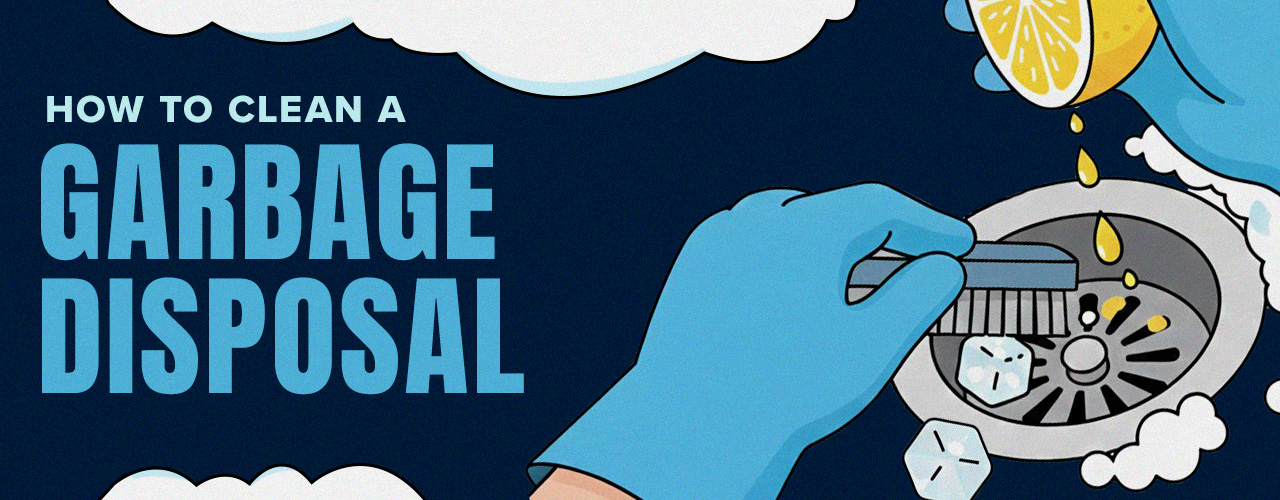
A clean garbage disposal is a must for maintaining sanitation, preventing foul odors, and avoiding costly health-inspection violations in your restaurant. The good news? Cleaning a garbage disposal is quick, requires no special equipment, and can easily be integrated into your weekly back-of-house routine. Below, you’ll find a clear, step-by-step guide for both standard maintenance cleaning and a deeper, heavy-duty clean to keep your commercial disposer running efficiently.
Routine Cleaning a Garbage Disposal
Keeping up with routine maintenance is the easiest way to avoid odors, buildup, and unnecessary wear on your disposal. A quick weekly cleaning helps keep your sink fresh and prevents food waste from accumulating inside the grinding chamber.
- Run cold water. Turn on cold water and let it run for 30 seconds. This helps flush out loose food particles.
- Clean with ice and salt. Add 1-2 cups of ice cubes to the disposal, followed by 1/2 cup of coarse salt (kosher or rock salt works best). Turn on the unit with cold water running. The ice scrubs the grinding components while the salt acts as an abrasive cleanser.
- Deodorize with citrus peels. Drop a few lemon, lime, or orange peels into the disposal and grind them with cold water. This naturally deodorizes the unit and helps remove lingering smells.
Deep Cleaning a Garbage Disposal
Even with routine care, commercial disposals can develop grease buildup or stubborn odors, especially in high-volume kitchens. When that happens, it’s time for a heavy-duty deep clean.
- Run cold water. Turn on cold water and let it run for 30 seconds to flush any loose debris.
- Clean the rubber splash guard (baffle). Lift the black rubber flaps at the drain opening and scrub the underside using a brush and dish soap. This area often traps grease, grime, and odor-producing residue, so cleaning it can make an immediate difference.
- Break down grease with baking soda and vinegar. Pour 1/2 cup of baking soda into the drain. Add 1 cup of white vinegar and allow the mixture to fizz for 5-10 minutes. Rinse with hot (not boiling) water for 30 seconds to wash away loosened residue.
- Flush with hot, soapy water. Plug the sink, fill it with hot water, and add several squirts of dish soap. Remove the stopper and let the hot, soapy water flow through the disposal. This final flush clears out grease, grime, and any remaining particles.
- Deodorize with citrus peels. Grind a handful of citrus peels with cold water to leave the unit smelling fresh.
Daily Garbage Disposal Maintenance Tips
Training your staff to follow these simple habits when operating your garbage disposal can help extend its life and prevent clogs and odor issues.
- Run cold water before feeding food waste. Always start the disposer while cold water is flowing.
- Allow the disposer to run for 3 minutes after all food waste has been processed to clear the grinding chamber thoroughly.
- Continue running cold water for 10-30 seconds after turning the unit off to push particles through to the main sewer line.
- Use only cold water during grinding. Hot water can melt fats, which then re-solidify in the drain line and cause blockages.
What Not to Put in Your Garbage Disposal
Avoiding improper materials is essential for safe operation and preventing costly repairs. These items can damage the unit, clog pipes, or (in extreme cases) become projectiles if they contact the grinding components while the disposal is running.
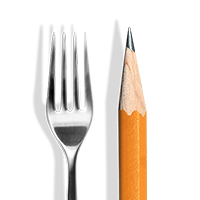
- Your hands. Never reach into the disposal. If utensils or foreign objects fall inside, use tongs or pliers to remove them.
- Chemical solvents or drain cleaning compounds. These can corrode components and create hazardous fumes when used in a disposer.
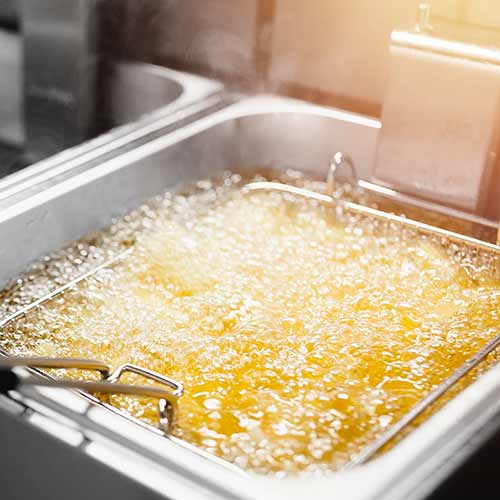
- Fats, oils, and grease. F.O.G. can harden in the plumbing system and cause major blockages.
- Clam or oyster shells. They are too hard for the grinding mechanism and can damage or jam the unit.
- Glass, china, or plastics. These materials can shatter inside the disposal and send fragments back up toward the operator.
- Metal items. Bottle caps, tin, aluminum pieces, or other metal items can severely damage the blades and the motor.
- Eggshells. The membrane inside eggshells can wrap around grinder components, while the shell fragments can accumulate and cause clogs.
- Coffee grounds. They accumulate like sediment and can create sludge in drain lines.
Keeping your commercial garbage disposal clean is a key part of maintaining a safe, efficient, and compliant kitchen. By incorporating routine cleaning, periodic deep cleaning, and proper staff training, you’ll extend the life of your equipment and avoid unnecessary downtime or repair costs. With the right habits in place, your garbage disposal will continue to operate smoothly and support the overall cleanliness and performance of your foodservice operation.