- Topics 1577
- Industrial 59
- Troubleshooting Guides 32
- Restaurant Management 144
- Bar Management 70
- Catering Tips 46
- Bakery Management 45
- Food Trucks & Concessions 41
- Advertising & Marketing 41
- Eco-Friendly Tips 13
- Facility Layout & Design 47
- Coffee Shop Tips 32
- Installation & Maintenance 63
- Janitorial & Pest Control 34
- Safety & Sanitation 121
- Startup Tips 111
- Menu Design 11
- Kitchen & Cooking Tips 106
- Hospitality Management 26
- Pizza & Sandwich Shop Tips 23
- Smallwares 42
- Food Prep 102
- Tabletop Items 21
- Disposables 28
- Calculators & Tools 7
- Consumables 77
- Warewashing & Laundry 22
- Cooking Equipment 106
- Food Storage & Refrigeration 58
- Beverage Equipment 43
- Office Supplies 6
Shop All Commercial Coffee Roasters
Types of Coffee Roasters
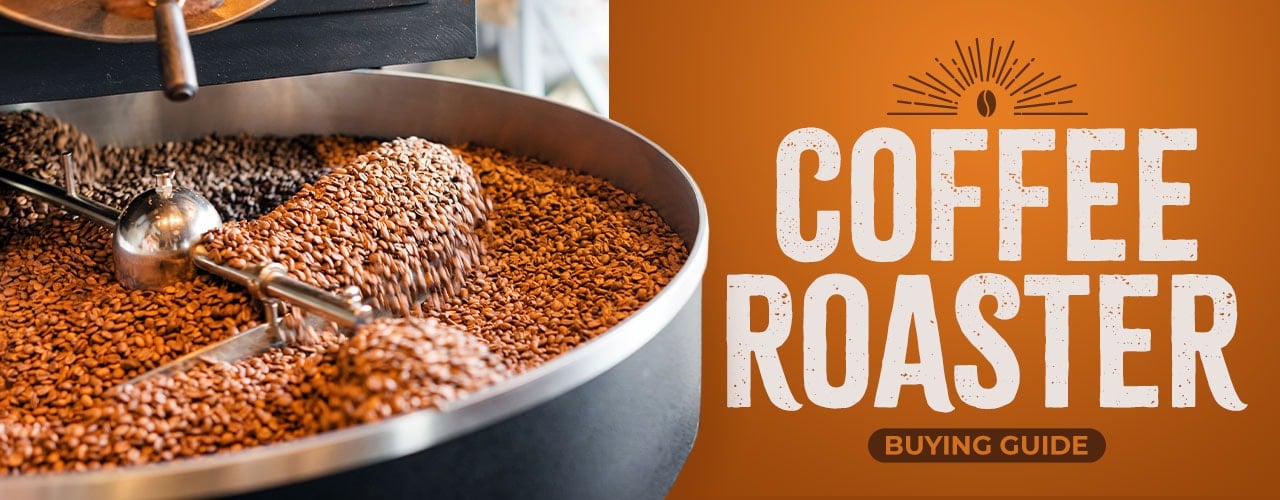
Drum coffee roasters and fluid bed coffee roasters are the two main types of commercial coffee roasters used by professionals. Drum coffee roasters are more widely used and utilize conduction and convection heating to roast beans. Fluid bed coffee roasters only utilize convection heating and are gaining popularity for their smooth, even roasting.
Drum Coffee Roaster
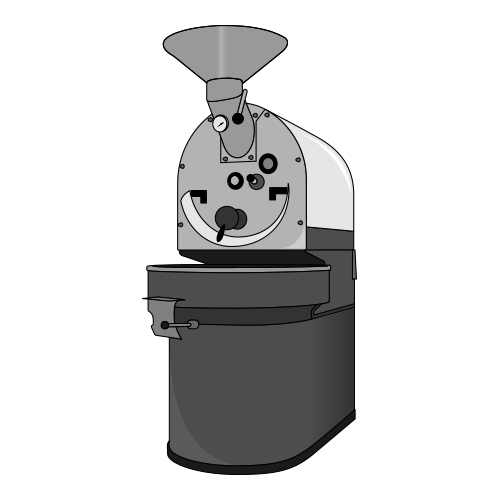
The most popular and economical type of roaster is a commercial drum coffee roaster. This roaster machine features a solid drum that rotates over a gas flame to heat the coffee beans. The beans receive both conductive heat transfer by making direct contact with the surface of the drum and convection heat transfer from the ambient air inside the drum. Drum roasters have paddles inside the drum to mix the beans as the drum rotates and ensure they receive the right blend of conductive and convective heat.
Drum coffee roasters come in two types: single-wall drums and double-wall drums. A single-wall drum roaster is the classic type of drum roaster, whereas the outer wall of a double-wall drum roaster uses air to heat the inner wall and provide a more stable roasting experience. Generally, a drum roaster is easy to control and manipulate. However, if too much heat transfers to the beans via direct contact with the drum or the speed of the rotating drum is set too high, the coffee beans can end up scorched and their flavor distorted.
- Gives the beans a deep, full-bodied flavor
- Applies both conductive and convective heat sources to roast beans
- Flexibility in control
- Available in single-wall and double-wall styles for preference
- Comes in a variety of sizes
- Ideal for high-volume roasting
- Some beans may get burnt in the roasting process when they have direct contact with the drum
- Can be harder to duplicate roast profiles
- Longer roasting time than fluid bed coffee roasters
Fluid Bed Coffee Roaster
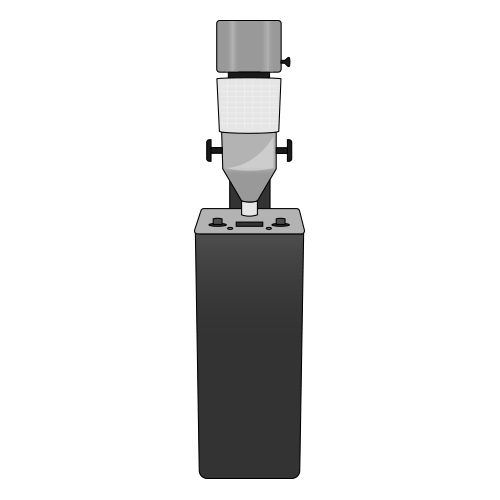
A fluid bed coffee roaster relies solely on convection heat transfer to roast coffee beans. It consists of a tall cylinder where hot air rises through a chamber into the roaster and causes the coffee beans to float in a fluidized bed of hot air to roast them. A fluid bed coffee roaster is typically electric, which can be great for companies trying to reduce their carbon footprint.
Compared to drum roasters, fluid bed roasters are known for roasting coffee beans more evenly and in a quicker amount of time as the air has complete and constant contact with them. These roasters eliminate the risk of scorching associated with conductive heat since the beans do not come in direct contact with the roaster. They are usually compact machines, making them ideal for small-batch roasting.
- Roasts coffee faster and with less energy than drum roasters
- Provides more even heat distribution and a more consistent roast
- Less likely to scorch beans
- Compact size is ideal for small roasteries
- Not ideal for high-volume batches
- Typically more expensive
- Harder to produce a full-bodied coffee flavor than with drum roasters

We offer ready-to-ship roasters that are available in a pre-configured format and custom coffee roasters that have some core customization options to provide more control over the look and functionality of the roaster.
Conduction vs Convection in Coffee Roasting
The coffee roasting process involves heating the coffee beans to induce the Maillard reaction and bring out a coffee bean's unique flavor profile. Roasting transforms the coffee bean from its green, grassy, and bitter raw state into the brown, fragrant, and complex bean people love. Along with the type of roaster used, the heating method used will also impact the development of the coffee's characteristics. Fluid bed roasters solely rely on convective heat to roast the coffee beans, and drum roasters use a mix of conductive and convective heat.
What Is Conductive Heat?
Conductive heat occurs when heat transfers between two objects in contact with each other. When roasting coffee, this refers to when the beans come into contact with the hot metal surface of a drum roaster. Conductive heat transfer is a more traditional style of roasting that roasts the beans from the outside in, similar to cooking meat in a frying pan.
What Is Convective Heat?
Convective heat is the transfer of heat through a liquid or gas. When roasting coffee, this refers to when heat is applied indirectly to the beans via hot air. Coffee roasters use a fan or pump to pull air into the roaster and heat the beans. Convective heat transfer is a more modern and upcoming style of roasting that roasts the inside out, similar to baking.
Electric vs Gas Coffee Roaster
Electricity and gas are two different heating methods that can power coffee roasters. The main difference between electric coffee roasters and gas coffee roasters is their responsiveness to heat changes. Gas roasters can change temperatures quickly, whereas electric roasters respond more slowly. Both can produce high-quality coffee beans, so the type of fuel you choose will mostly rely on preference and location.
Electric Coffee Roaster
- More energy efficient
- Does not require a gas line and is more flexible in placement
- Little to no emissions
- Programming provides more consistency
- No permits required
- The heating element takes longer to heat up and cool down
- Typically have a more expensive upfront cost
Gas Coffee Roaster
- Provide precise control
- Change temperatures faster
- More size options are available
- More powerful
- Not as energy efficient
- Requires a gas line and permits
What to Consider When Purchasing a Commercial Coffee Roaster
Before purchasing a commercial coffee roaster, the main factors you will need to determine are how much coffee you will produce in a day, your budget, and how much control you would like to have over the roasting process.
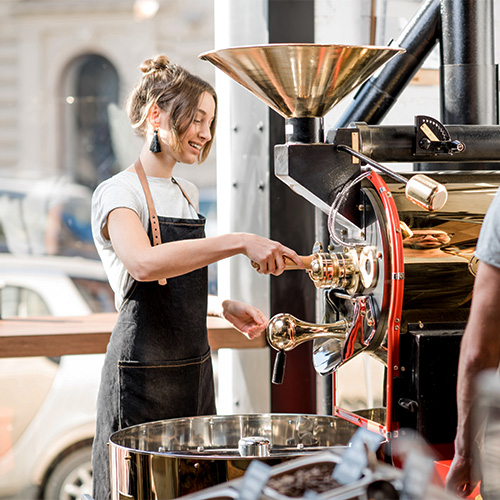
- Size - To determine which size roaster you will need, you will want to consider the drum capacity of the unit. A small, independent coffee shop may only need a roaster with a 3 kg drum capacity versus a roastery servicing multiple locations that may require a coffee roaster with a large drum capacity of 30 kg.
- Price - While your budget should be a consideration when purchasing any coffee shop equipment, you should also keep in mind how often you will be using your roaster, who will be operating the roaster, and the features you need when determining the cost. While high-quality roasters are generally more expensive, they have more advanced technology and are easier to use.
- Features - If you want complete control over the roasting process, look for roasters with manual flame, drum speed, and airflow control features. Compatibility with roast profiling software is another helpful feature to ensure that every batch will produce the same quality, regardless of who operates the machine.
- Ease of Use - If you operate a higher-volume establishment where multiple people will be running the roaster in a day, you will need a roaster with easy-to-use controls.
Benefits of Roasting Coffee In-House
It is no wonder that in-house roasting is trending in coffee shops as operators look for ways to improve their products and customer loyalty. It will allow you to serve the freshest coffee possible for a superior taste but also increase engagement with your local community. Roasting in-house can also enhance your coffee shop's interior and create a more interactive experience for your customers. Let's break down some of the benefits of roasting coffee in-house below:

- Fresher Product - The freshness of your coffee is a huge selling point to your customers. A unique, superior-roasted bean might mean converting a one-time or occasional customer to a devoted, loyal customer for years to come.
- Better Control - By bringing your coffee roasting in-house, you can control the entire coffee-making process, from developing the coffee's roast profile to controlling its grind size and brewing method. By controlling the coffee's quality from beans to brewing, you can ensure the coffee's taste profile is to your liking and provide a unique product to your patrons.
- Transparency - By aligning with customers' values, such as shopping local and preserving a coffee region's characteristics, you can attract new customers by roasting in-house. Consider purchasing fair trade or single-origin coffee to increase your establishment's transparency and ensure your beans come from a reputable, ethical source.
- Wholesale Opportunities - Creating your own signature roasts and blends allow you to market bags of freshly-roasted beans to consumers in your shop, sell them online, and create a coffee subscription service. You can also sell your different coffee roasts to other local businesses to increase brand recognition in your area.
Related Resources

June 2026 WebstaurantStore Coupon Code
Summer is upon us, and to celebrate WebstaurantStore has blazing hot deals all month long! With summer vacations underway and holidays like Independence Day rapidly approaching, now is the time to stock up on essential supplies and equipment you'll need to get through the summer season. Take a look at our wide array of sale items below and don't forget to enter the code SUMMERSALE at checkout to enjoy up to 20% off your purchases! Looking to save even more? Check out the new Webstaurant Rewards® Visa Business Card ! Sign up for a new card today and start earning rewards on every WebstaurantStore purchase, and save on a WebstaurantPlus subscription. Have a look at some incredible deals on disposable items with June's monthly coupon code! Whe

Types of Coffee Makers
Whether you serve a straightforward cup of joe or a full menu of signature coffee drinks , a dependable commercial coffee maker is a must. We've made this guide to help you understand the different types of coffee machines that are available and to identify which ones are best for your business. Shop All Coffee Makers
Types of Coffee Drinks
As a coffee shop operator, you know that developing your menu and explaining your offerings to customers can feel overwhelming. With so many coffee beverages available to offer, it’s not always easy to understand the differences between them. We’ve broken down the most popular coffee drinks and their recipes so you can quickly get up to speed and stay aligned with current coffee trends . Skip to our printable coffee drinks chart for an easy visual guide you can display in your shop. Shop All Coffee Supplies Use these links to jump ahead and find out how your favorite coffee drink is made. Espresso Double Espresso Red Eye Black Eye Americano Long Black Macchiato Long Macchiato Cortado Breve Cappuccino Flat White Cafe Latte Mocha
Join Our Mailing List
Receive coupon codes and more right to your inbox.