
- Topics 1577
- Industrial 59
- Troubleshooting Guides 32
- Restaurant Management 144
- Bar Management 70
- Catering Tips 46
- Bakery Management 45
- Food Trucks & Concessions 41
- Advertising & Marketing 41
- Eco-Friendly Tips 13
- Facility Layout & Design 47
- Coffee Shop Tips 32
- Installation & Maintenance 63
- Janitorial & Pest Control 34
- Safety & Sanitation 121
- Startup Tips 111
- Menu Design 11
- Kitchen & Cooking Tips 106
- Hospitality Management 26
- Pizza & Sandwich Shop Tips 23
- Smallwares 42
- Food Prep 102
- Tabletop Items 21
- Disposables 28
- Calculators & Tools 7
- Consumables 77
- Warewashing & Laundry 22
- Cooking Equipment 106
- Food Storage & Refrigeration 58
- Beverage Equipment 43
- Office Supplies 6
Shop All Bulk Honey
According to the National Honey Board, there are over 300 different varieties of honey produced worldwide. All honey has a sweet taste, but several key factors make each type of honey unique, such as color and flavor profile. Below, we'll break down 11 of the most popular types of honey and their distinct flavors.
1. Clover Honey
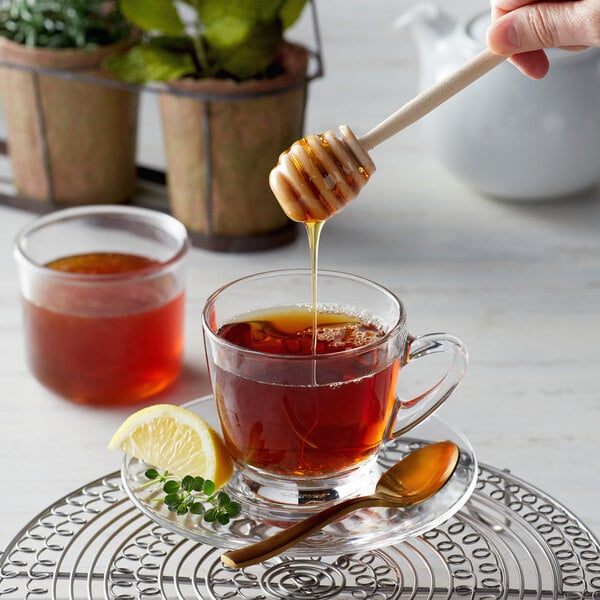
Grown in Canada, the United States, Sweden, and New Zealand, clover honey is the best-known honey variety with the largest annual production. It has a sweet, mild taste with a hint of cinnamon and a light golden color.
Although clover honey doesn't contain as many antioxidants as darker varieties, such as buckwheat and manuka, it's the perfect all-purpose honey to keep on hand in your establishment for all your tableside needs.
- Recommended for table use, cooking, and baking
- Commonly used in desserts, sauces, meats, sweet bread, yogurt, and cereal
2. Wildflower Honey
Wildflower honey features a select blend of wild blossoms and flowers. Because wildflower honey is collected from any variety of wildflowers depending on the season and region that they're in bloom, it may originate from any country that grows honey.
Its taste varies depending on the flower source. However, it's typically slightly darker than other honey varieties, adding a robust flavor to baking recipes.
- Recommended for cooking and baking
- Commonly used in muffins, meats, and bread
3. Acacia Honey
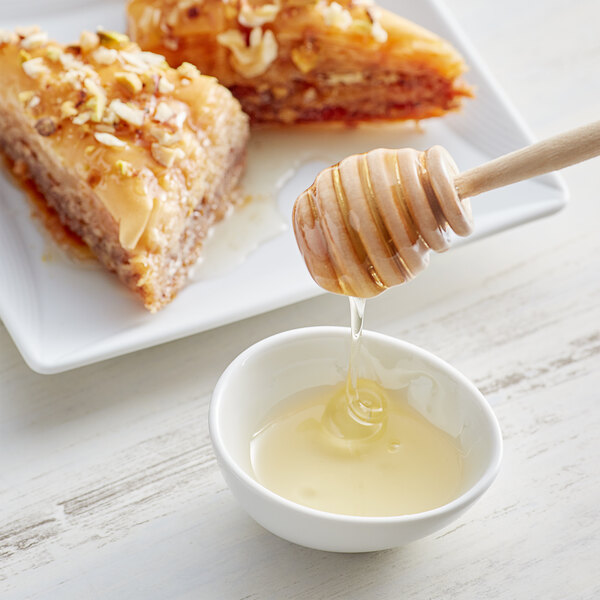
Acacia honey is created with the nectar from black locust trees, also known as false acacia trees. For this reason, it is sometimes sold as "locust honey" in the United States. The honey features a sweet, delicate flavor with a hint of vanilla and a light, almost transparent color.
Likely due to its higher fructose content, acacia honey takes longer to crystallize. As a result, acacia honey is a great choice for smaller establishments that may take a long time to finish a jar of honey.
- Recommended for table use, cooking, and baking
- Commonly used in yogurt, cereal, teas, drinks, and desserts
4. Alfalfa Honey
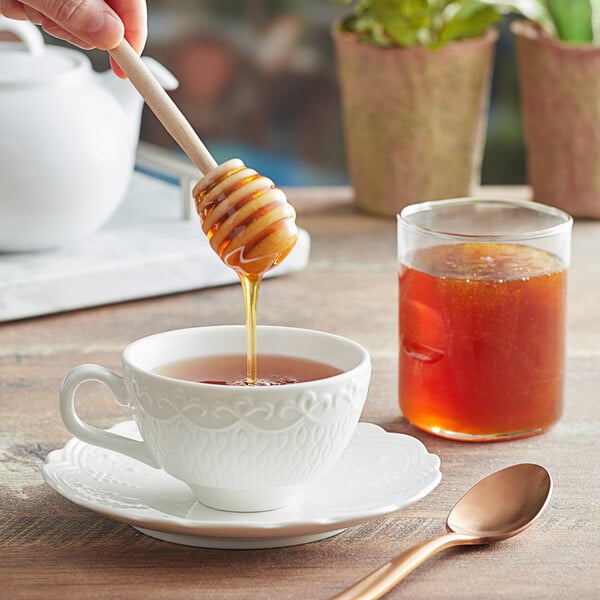
Largely produced in the United States and Canada, the alfalfa honey variety is created with nectar from bright purple alfalfa blossoms. The final product is a light, herbal-flavored honey with delicate, mildly sweet undertones.
Alfalfa's smooth texture and mild taste are akin to clover honey. Because Alfalfa is slightly less sweet, it is better for cooking applications. Add it to pastries and bread as a healthy alternative to sugar.
- Recommended for table use, cooking, and baking
- Commonly used in teas, dressings, and sauces
5. Buckwheat Honey
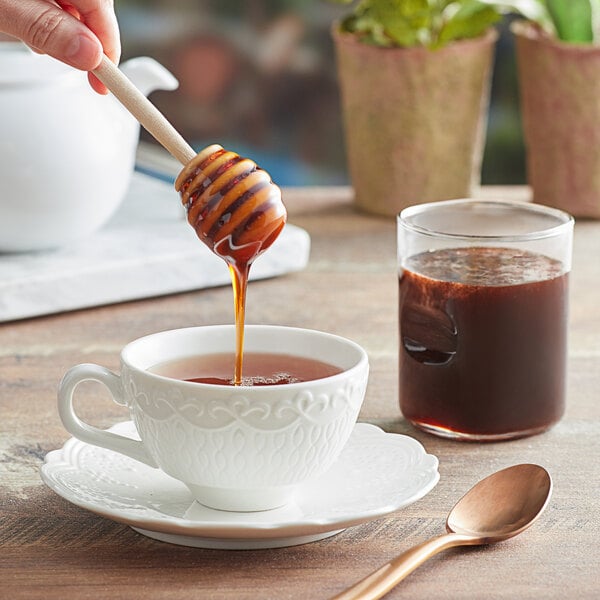
Dark and bold, buckwheat honey is collected fresh from the small white blossoms of the buckwheat grain. It's grown in the United States, France, Canada, Japan, and the Netherlands.
Typically compared to blackstrap molasses, this honey variety is characterized by an earthy aroma and a rich amber color. It has a stronger and heartier taste than lighter honey varieties, and it's also higher in antioxidants.
Because of its bold flavors, buckwheat honey is best used for baking and cooking. Products baked with this golden honey dry out less quickly and are less likely to crack than those baked with traditional sugar.
- Recommended for cooking and baking
- Commonly used in honey cake, bread, and sauces
6. Creamed Honey
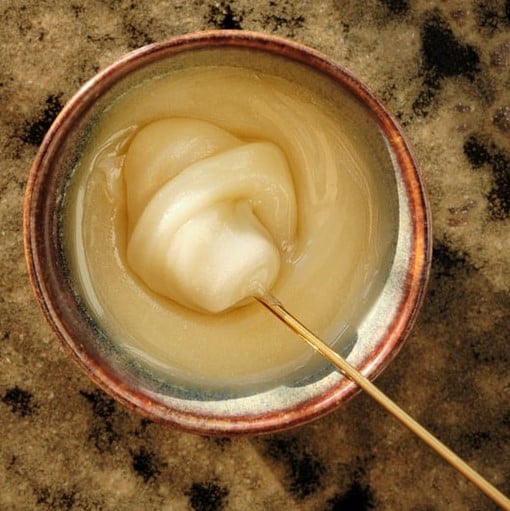
While it's not technically a type of honey, creamed honey denotes a special way of preparing honey. Also known as spun honey, it is made by storing honey at around 55 degrees Fahrenheit and letting it crystallize. Creamed honey has a richer, creamier texture than traditional honey. It also typically has a much lighter color than liquid honey from the same flower.
The crystals in creamed honey create a smooth and easily spreadable product. It's a great addition to breakfast spread offerings and adds interest to any menu.
- Recommended for table use, cooking, and baking
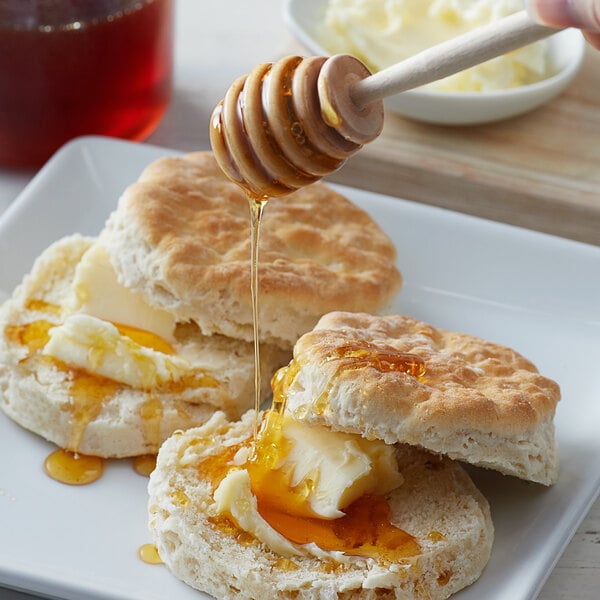
- Commonly used as a spread on bagels, toast, and biscuits
7. Manuka Honey
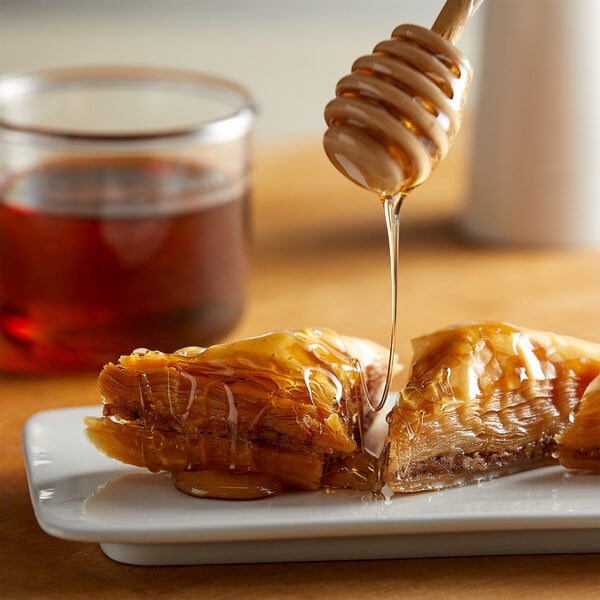
Manuka honey is produced in Australia and New Zealand by bees that pollinate the native Manuka bush. This honey offers a mildly sweet taste with a subtle nutty flavor. A slightly bitter aftertaste offsets the initial sweetness.
While most honey has natural antibacterial qualities, manuka honey has greater amounts of antibacterial ingredients than most other types of honey. This Australian honey protects against damage from bacteria, boosts the production of special cells that repair damaged tissue, and eases pain and inflammation.
- Recommended for table use, cooking, and baking
- Commonly used as a spread on toast, bagels, and biscuits, as well as in yogurt and cereal
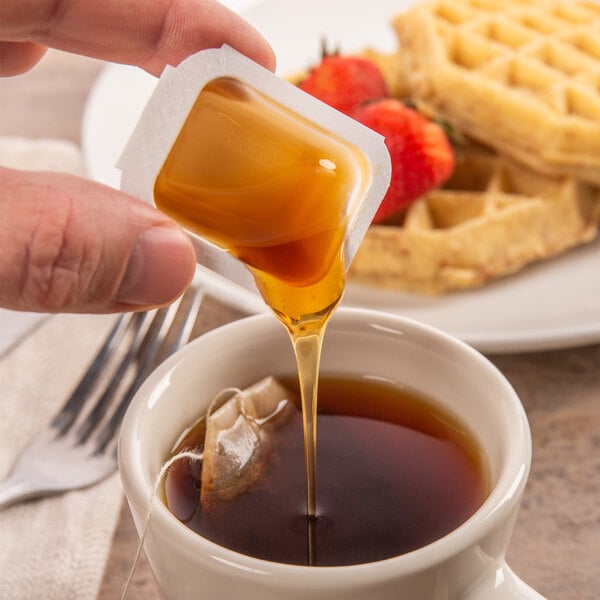
8. Eucalyptus Honey
Gathered from the flowering eucalyptus trees of Australia, this distinctive honey has a sweet flavor offset by cool undertones of fresh eucalyptus.
Eucalyptus honey has a slightly medicinal scent. Because of its menthol-like properties, this honey is great for soothing coughs, colds, and upper-respiratory infections. Eucalyptus honey features a mild flavor, making it easily palatable.
- Recommended for table use, cooking, and baking
- Commonly used on toast and in teas and pastries
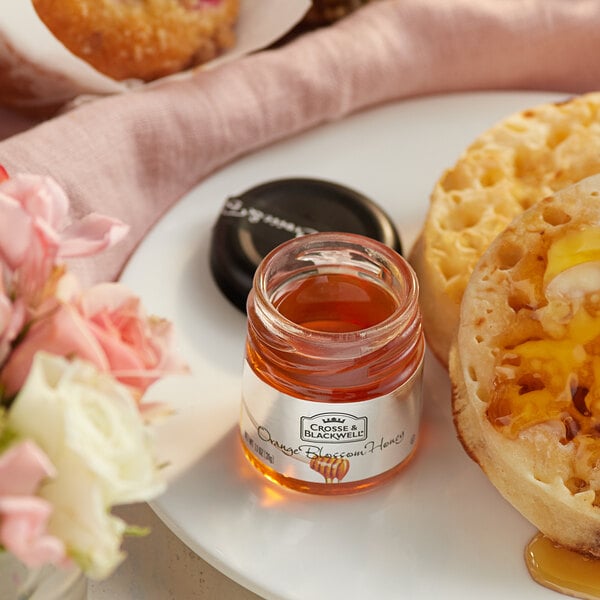
9. Orange Blossom Honey
Fresh from the spring blossoms of Florida's orange groves, orange blossom honey features light citrus undertones. It has a golden color and a wholesome, sweet taste and aroma.
The citrusy elements of orange blossom honey add an exciting element to baking endeavors. Try blending it with softened butter, orange rind, and lemon rind to create orange blossom honey butter, which is sure to become a popular menu item.
- Recommended for table use, cooking, and baking
- Commonly used in drinks and on biscuits, pancakes, and pastries
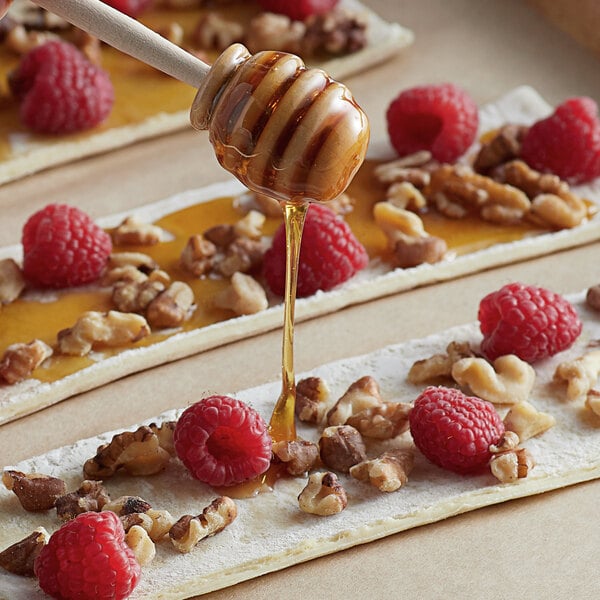
10. Baker's Special Honey
Baker's special honey is a blend of classic honey varieties. It has a deep amber color and a more robust taste than lighter, tableside honey.
As its name implies, baker's special honey is the perfect alternative to standard sugar in baking recipes. This honey variety is also used for brewing batches of mead, a trendy fermented beverage made from yeast and honey.
- Recommended for cooking and baking
- Commonly used in whole wheat bread, pastries, and BBQ sauces
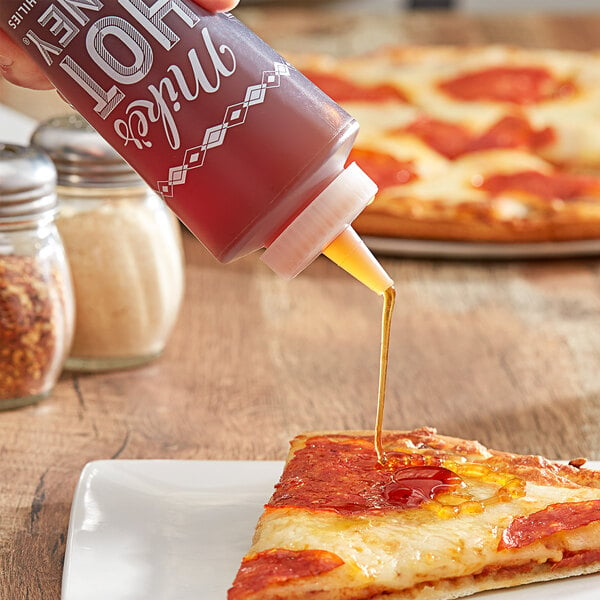
11. Hot Honey
Trending amongst foodies for its ability to bring an unexpected sweet heat to entrees and desserts, hot honey is pure honey infused with chili peppers for a spicy kick. It is made with honey varietals that aren't overly floral, like clover and alfalfa honey.
Hot honey is easier to pair with foods than you might initially think. It's great for drizzling on pizza, fried chicken, cornbread, grilled pineapple, and even ice cream. It's also great as a dipping sauce and adding to a charcuterie board (we love it with goat cheese).
- Recommended for table use and cooking
- Commonly used as a garnish
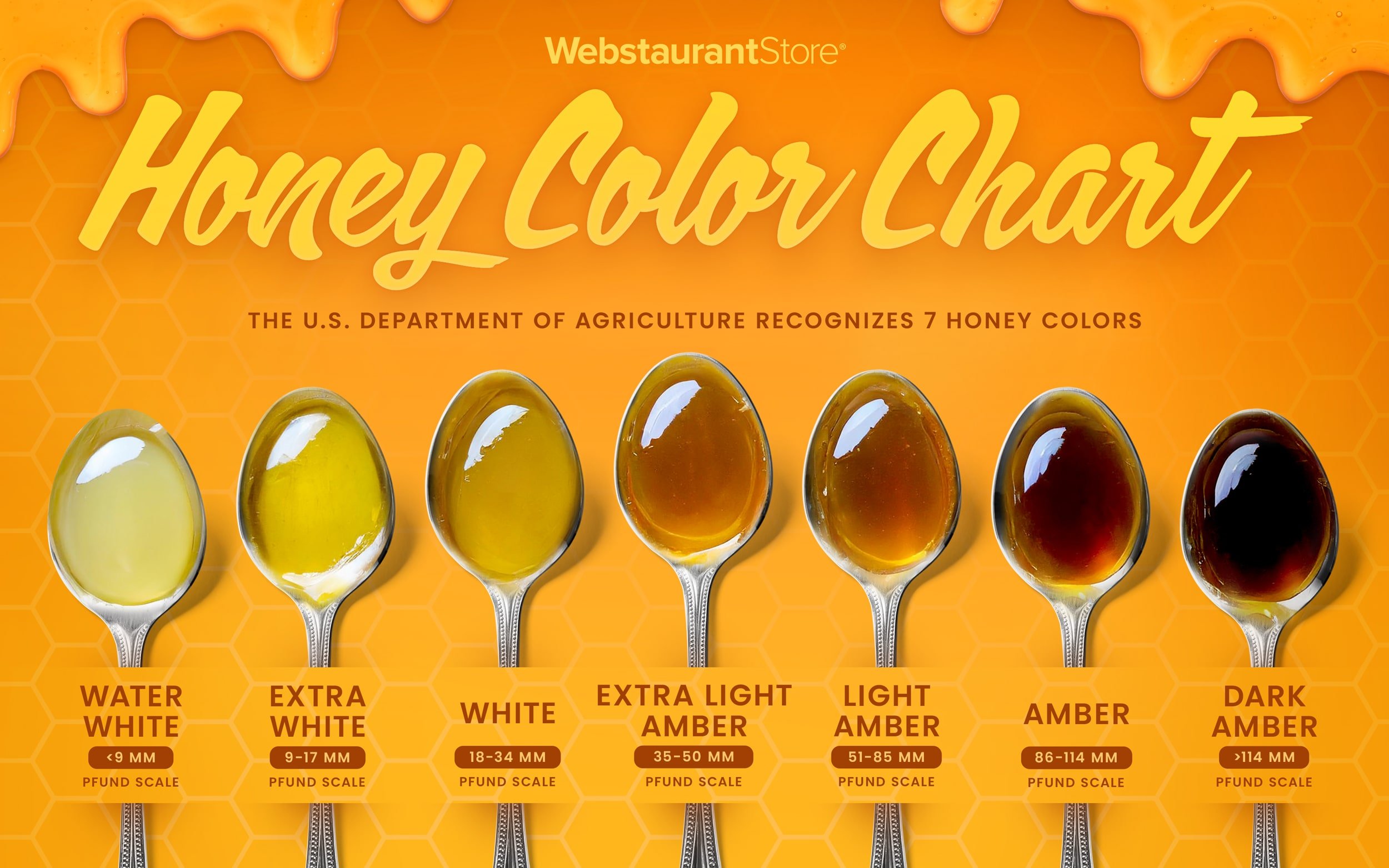
There's a lot that color can tell you about a honey's flavor. Generally speaking, the lighter the honey color, the more delicate and mild the taste. And vice versa, dark-colored honey has a strong flavor. Reference the color diagram below for a quick color comparison!
Bees create honeycomb to house their larvae, honey, and pollen. The hexagonal cells that make up honeycomb are made of beeswax and contain honey in its purest, rawest form.
Can You Eat Honeycomb?
Yes, you can eat honeycomb! In fact, people have been eating honeycomb for thousands of years. Not only is honeycomb a tasty, all-natural snack, but it is also rich in vitamins and minerals.
How to Eat Honeycomb
The raw honey and waxy cells of honeycomb are both edible. Much like honey, honeycomb varies in taste depending on the types of nectar the bees gathered.
Honeycomb is delicious when eaten on its own. Or, try eating honeycomb in a variety of other unique ways, including:
- Thinly slicing it on toast
- Using it to top salads
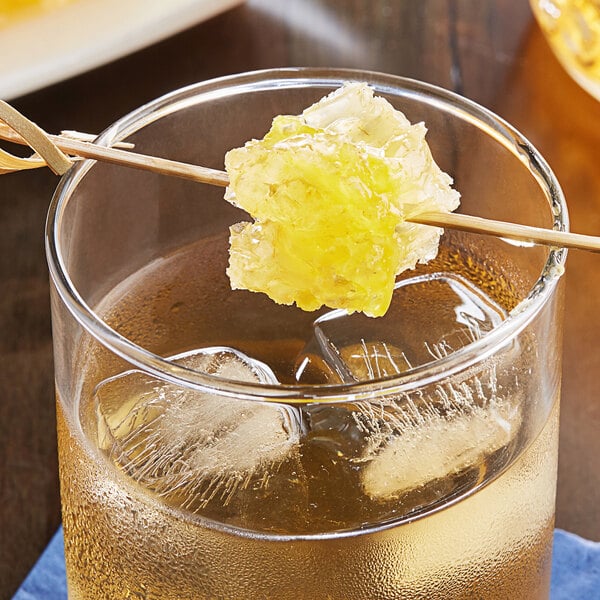
- Using it to garnish cocktails
- Adding it to a charcuterie board
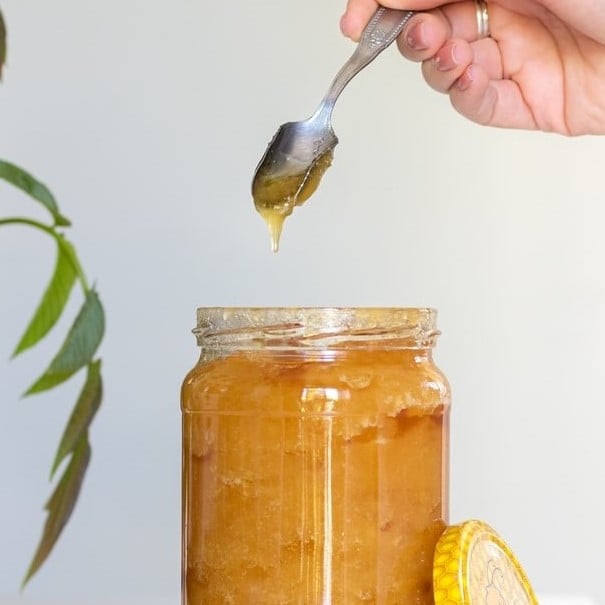
Raw honey comes straight from the beehive and is not heated to the point of pasteurization. Once the honey is extracted from the hive, it's strained to remove any beeswax and bee body parts and then bottled. Raw honey is available in both unfiltered and filtered options, and since it hasn't been heat-treated, it has a thicker, more opaque consistency than processed honey. This is the best type of honey for making mead, a fermented honey drink.
Processed honey undergoes commercial processing methods such as pasteurization (heat treatment) and filtration. These processing methods filter out pollen, antioxidants, vitamins, and minerals. Raw honey isn't stripped of these nutrients, making it an appealing option for health-conscious customers.
Raw Honey vs Pure Honey
Pure honey means that the product is 100% honey and does not contain other ingredients or additives like corn syrup. Raw honey is pure honey that has not undergone pasteurization.
Raw Honey vs Organic Honey
If a honey product is organic, it does not automatically mean it is also raw. Organic honey comes from organic-certified beehives and blossoms unexposed to herbicides or pesticides. As a result, organic honey is free from additives, preservatives, and chemicals.
Related Resources

June 2026 WebstaurantStore Coupon Code
Summer is upon us, and to celebrate WebstaurantStore has blazing hot deals all month long! With summer vacations underway and holidays like Independence Day rapidly approaching, now is the time to stock up on essential supplies and equipment you'll need to get through the summer season. Take a look at our wide array of sale items below and don't forget to enter the code SUMMERSALE at checkout to enjoy up to 20% off your purchases! Looking to save even more? Check out the new Webstaurant Rewards® Visa Business Card ! Sign up for a new card today and start earning rewards on every WebstaurantStore purchase, and save on a WebstaurantPlus subscription. Have a look at some incredible deals on disposable items with June's monthly coupon code! Whe

Does Honey Go Bad?
Beloved for its rich flavor and myriad health benefits, honey is a natural sweetener used in beverages, desserts, and savory marinades. While other pantry staples will rot, honey is one of the few foods that very rarely spoils. Its unique composition plays a significant role in its long shelf life. Honey is approximately 80% sugar and 18% water. Since both bacteria and mold require water to grow, honey's high sugar content and low water volume make it inhospitable to harmful growths. Additionally, honey's thick viscosity acts as a barrier limiting oxygen penetration. Oxygen is essential for the growth of most bacteria, and the absence of oxygen in honey inhibits germination. Honey contains gluconic acid, which creates a slightly acidic pH l

Different Types of Flavoring Syrups
Enhance the flavor profile of your beverages with our wide selection of flavoring syrups. These versatile syrups are perfect for adding a burst of flavor to coffees, teas, cocktails, and even cookies. Available in a variety of flavors, including classics like vanilla and caramel, as well as unique options like lavender and pumpkin spice, there's a syrup to suit every taste preference. Whether you're looking to create signature drinks or simply elevate your menu offerings to keep up with the latest coffee trends , flavoring syrups are a must-have for any foodservice operation. Shop All Flavoring Syrups Use the following links to explore the best coffee syrup brands and flavors: Types of Syrups Most Popular Syrup Flavors Flavoring Syrup Brand
Join Our Mailing List
Receive coupon codes and more right to your inbox.