
- Topics 1587
- Industrial 59
- Troubleshooting Guides 32
- Restaurant Management 144
- Bar Management 70
- Catering Tips 46
- Bakery Management 47
- Food Trucks & Concessions 44
- Advertising & Marketing 41
- Eco-Friendly Tips 13
- Facility Layout & Design 47
- Coffee Shop Tips 32
- Installation & Maintenance 63
- Janitorial & Pest Control 34
- Safety & Sanitation 123
- Startup Tips 111
- Menu Design 11
- Kitchen & Cooking Tips 105
- Hospitality Management 26
- Pizza & Sandwich Shop Tips 28
- Smallwares 42
- Food Prep 103
- Tabletop Items 21
- Disposables 28
- Calculators & Tools 7
- Consumables 76
- Warewashing & Laundry 22
- Cooking Equipment 105
- Food Storage & Refrigeration 58
- Beverage Equipment 43
- Office Supplies 6

Laundry care is a delicate process, and the right chemicals make all the difference. Whether you're handling clothing for laundromat customers, cleaning sheets and linens for hotel room service, or ensuring fresh towels for your gym, spa, or pool, every laundered item requires the proper care. To help you stock up on the right products, we've created a guide to everything you could need. From detergents and bleaches to fabric softeners and stain removers, each type of commercial laundry chemical serves a specific purpose. Understanding the differences between these chemicals and knowing when to use them can help you achieve the best results for your specific laundry needs.
Shop All Laundry Chemicals
Skip to a specific type of laundry chemical:
Types of Commercial Laundry Chemicals
The laundry chemicals your business requires depends on what types of laundry you're washing and how you're washing them. When choosing commercial laundry chemicals, consider factors such as fabric type, soil level, water hardness, and machine type. Following manufacturer instructions and safety guidelines is essential to achieving optimal results and prolonging the lifespan of your textiles and equipment.
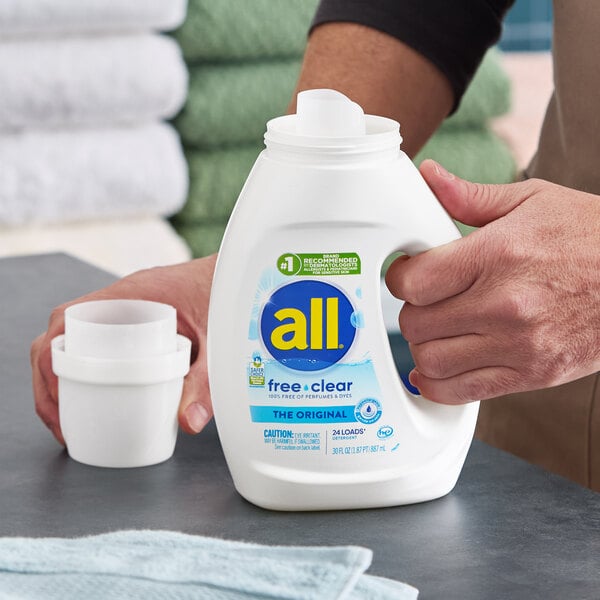
As the primary agent responsible for cleaning laundry, laundry detergent effectively breaks up and removes dirt, grease, stains, and odors from a variety of fabrics, ensuring they feel fresh and smell their best. Even though there are three main varieties of detergent, they are all based on the same fundamental science. Temperature, or thermal energy, is a key factor in activating the detergent's formula. The warmer the temperature, the more effective the detergent becomes at cleaning your laundry. Agitation, or mechanical energy, which occurs as the machine tumbles or shakes, passing water through fabrics to separate dirt and detergent. Finally, detergent, or chemical energy, is responsible for eliminating dirt and odors from the fabrics.
- Liquid laundry detergent: Liquid laundry detergent is less concentrated by design. This makes it more versatile and easier to dispense in machines, with the tradeoff being that it is less cost-effective and more challenging to store due to the space the containers occupy.
- Powder laundry detergent: Powder laundry detergent is used in manual feed machines and has a longer shelf life, allowing you to buy it in bulk and store it for extended periods. It requires warm water to dissolve properly and can be diluted with water for a more effective cleaning solution.
- Solid laundry detergent: Solid laundry detergent is designed for use in dispenser feed machines. It goes directly from the package to the dispenser, minimizing the risk of accidental mixing or mishandling.
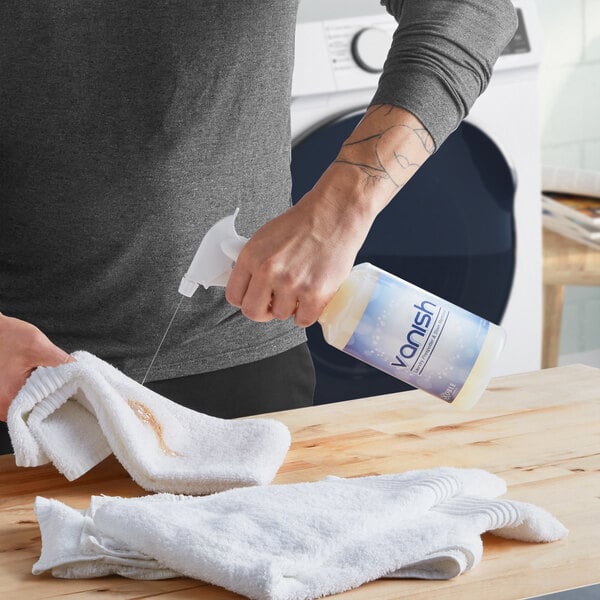
Pre-spotter is a crucial component in the arsenal of commercial laundry chemicals, designed to tackle stubborn stains that won't come out when exposed to standard detergent. When faced with such tough stains, pre-spotters provide a targeted treatment before the garments undergo the standard laundry process. This specialized chemical is applied directly to the affected area using a spray bottle or spray gun and lightly rubbed into the fabric to activate it. While the garment rests, pre-spotters utilize a potent blend of solvents and enzymes to break down the chemical bonds attached to the fabric. It won't immediately remove the stain, but it makes it significantly easier for them to come out in the wash cycle.
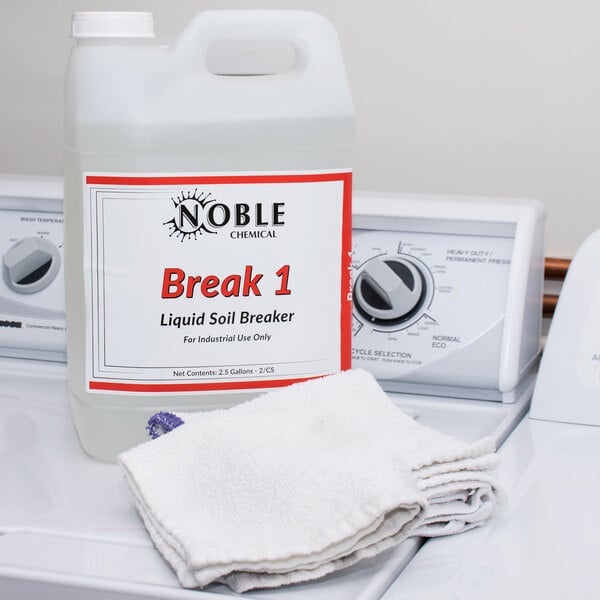
Detergent booster is a vital chemical additive in commercial laundry operations, formulated to enhance the cleaning power of laundry detergents. When used correctly, it creates an oxidation effect that significantly improves the cleaning efficiency, targeting the toughest stains and odors. Note that detergent boosters should not be used as a substitute for standard laundry detergent but rather as an additive to enhance cleaning performance. Available in two distinct forms, each type of detergent booster uniquely interacts with water and detergent to achieve optimal cleaning results.
- Liquid detergent boosters: Liquid boosters are convenient to pour and measure, making them an excellent choice for quick and easy application during the laundry process. They are particularly efficient when used with cold water and delicate fabrics
- Solid detergent boosters: Solid boosters offer a cost-effective solution with an extended shelf life. These boosters activate quickly in warm water, making them ideal for heavily soiled items or fabrics that require heavy-duty cleaning.
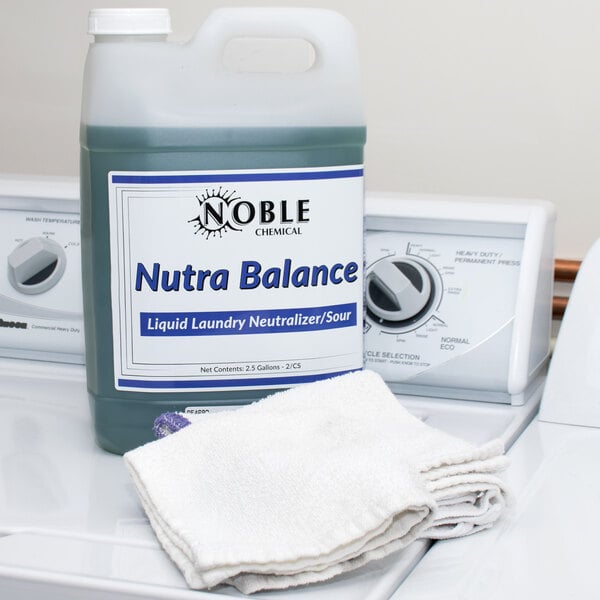
Neutralizers, also known as souring agents, serve two main purposes in the laundry process. First and foremost, neutralizers control the pH of linens to minimize potential skin irritation. When different types of linens are treated improperly, they become stiff and rough, leading to discomfort. Moreover, neutralizers are formulated to remove residual alkali and mineral deposits from the linens. These minerals, often present in water, can build up on fabrics over time, causing them to turn yellow or gray.
Neutralizers work by introducing mild acids during the final rinse cycle, targeting acidic residues, which can be stuck onto your clothing or introduced to the washing process through other chemicals, like bleach or select detergents. In commercial settings, neutralizers are typically used through automatic injection systems in laundry machines. This ensures that the neutralizer is applied at the right moment during the wash cycle, maximizing its effectiveness and guaranteeing consistent results.

Laundry bleach and destainer serve three main functions. First, they whiten fabrics and keep colors vibrant. Additionally, these chemicals help you remove tough stains, especially those in white or light-colored fabrics, where they are more visible. Finally, they help you sanitize and disinfect fabrics, killing off harmful germs, bacteria, and viruses, and making them especially helpful when washing bath towels or hospital garments. There are two main types of bleach commonly used in commercial laundry settings: chlorine bleach and oxygen bleach.
- Chlorine bleach: Chlorine bleach keeps white linens looking bright, but it is not safe on all types of fabrics. It can cause discoloration in darker fabrics or synthetic materials and must be used with caution to avoid permanent damage.
- Oxygen bleach: Oxygen bleach, also known as color-safe bleach, is safe for use on almost all fabrics. While it may not make fabrics as bright as chlorine bleach, it is a suitable option for a wider range of materials.
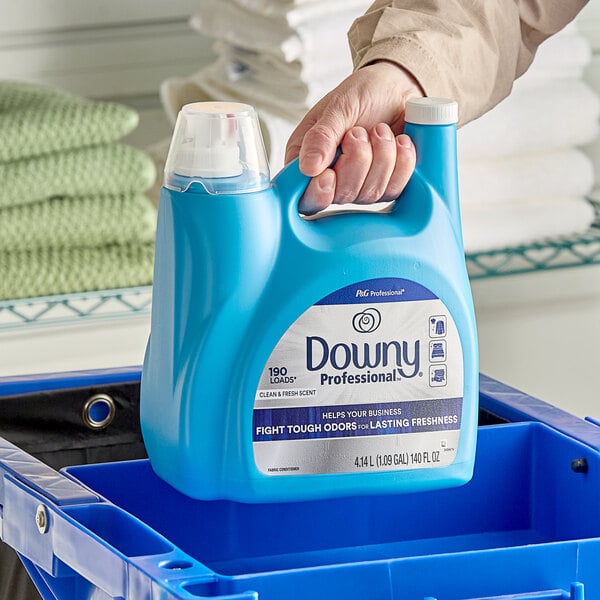
Fabric softener enhances the softness of fabrics and reduces wrinkles by releasing lubricating agents that carry a positive charge, effectively eliminating static cling. Depending on the type of fabric softener used, it may also impart a pleasant fragrance and further soften clothing by smoothing the fibers. Keep in mind that fabric softener should not be used on all materials, as it can cause certain materials to become less absorbent. Avoid using it on towels, moisture-wicking clothing, or fire-resistant clothing.
- Liquid softener: Liquid softener is typically added during the final rinse cycle of the laundry process, ensuring that the fabric is treated just before it goes into the dryer for optimal softening results. Because it is added to the washing machine, it is immediately coated on whatever is inside.
- Dryer sheets: Dryer sheets are placed in the dryer along with wet clothing, gradually releasing fabric softener through the heat transfer process. They offer a convenient single-use softener option.
Dispenser vs Manual Feed Laundry Chemicals
When selecting laundry chemicals for your commercial operation, considering the difference between dispenser and manual feed machines is critical. Due to variations in manufacturing and packaging, some laundry chemicals are designed specifically for use with manual feed machines, while others are tailored for dispenser feed machines. While certain chemicals may be compatible with both machine types, it is essential to refer to the manufacturer's instructions to ensure proper usage.
- Manual feed laundry machines: Manual feed laundry machines require users to measure out chemicals on their own before adding them to the machine, providing flexibility in determining the exact amount of detergent needed for each load. These machines typically feature dedicated compartments for users to insert detergent and additives, making them ideal for smaller operations such as boutique hotels and motels.
- Dispenser feed laundry machines: Dispenser feed laundry machines receive their chemicals automatically in precisely portioned doses from chemical delivery systems. This automation helps save time and money by reducing wasted product. Dispenser feed machines are commonly found in large-scale institutional facilities, hotels, resorts, nursing homes, and hospitals.
Laundry Chemical Purchasing Considerations
As with any product, laundry chemicals are formulated with a range of features and benefits in mind to maximize the cleaning process. Depending on the specific needs of your business and the services you provide, choosing laundry chemicals with the right features can help maximize the cleaning process and efficiency of your laundry operation.
- Biodegradable: Opting for laundry chemicals that are biodegradable means selecting products made using ingredients that will naturally break down over time. This not only helps to reduce environmental waste but also demonstrates a commitment to sustainability.
- Cruelty-free: For businesses that prioritize ethical practices, choosing cruelty-free laundry chemicals is a key consideration. These products are manufactured without the use of animal testing, ensuring that your laundry operation aligns with ethical standards and values.
- High efficiency: Efficiency is paramount in commercial laundry operations, especially in high-output settings. Selecting laundry chemicals that are high-efficiency compatible ensures that they are formulated to work seamlessly with high-efficiency washing machines and dryers.
- Made in America: If supporting domestic manufacturing is important to your business, choosing laundry chemicals that are made in America is a compelling option. Products that are manufactured domestically in the United States not only support local industries but also offer quality assurance and reliability.
By selecting the right commercial laundry chemicals for your specific needs, you can streamline your laundry process, improve cleaning efficiency, and enhance the overall quality of your laundered items. Browse our selection of high-quality commercial laundry chemicals to find the perfect solutions for your laundry care needs.
Laundry Chemicals Comparison
Related Resources

April 2026 WebstaurantStore Coupon Code
Spring is here, and great deals are blooming in the warm weather here at WebstaurantStore! Stock up on much-needed supplies and equipment for important upcoming events like Earth Day and Mother's Day! Take a look at our selection of sale items below and don't forget to enter the code BLOOM26 at checkout to enjoy 15% off your purchases! Looking to save even more? Check out the new Webstaurant Rewards® Visa Business Card ! Sign up for a new card today and start earning rewards on every WebstaurantStore purchase, and save on a WebstaurantPlus subscription. Have a look at some incredible deals on disposable items with April's monthly coupon code! Whether you're looking for disposable dessert cups for spring sweet treats or compostable hot cup o

Types of Warewashing Chemicals
With the wide range of warewashing chemicals available, you might not know which products work for your kitchen. Whether you wash dishes manually or with a dish machine, each method has detergents and sanitizers for cleaning and sanitizing that are important to meet regulations. By choosing the right warewashing chemicals within your budget, your dishes will be spotlessly clean to impress your customers and your health inspector. Shop All Warewashing Chemicals

Table Linen Buying Guide
Tablecloths help set the tone and enhance the hospitality at your restaurant or event. In addition to protecting tables, they contribute to the overall aesthetic appeal. With an extensive range of table linens and accessories available, creating a dining space that aligns with your size, material, color scheme , and budget preferences is effortless and enjoyable. Shop All Table Linens
Join Our Mailing List
Receive coupon codes and more right to your inbox.