
- Topics 1578
- Industrial 59
- Troubleshooting Guides 32
- Restaurant Management 144
- Bar Management 70
- Catering Tips 46
- Bakery Management 45
- Food Trucks & Concessions 41
- Advertising & Marketing 41
- Eco-Friendly Tips 13
- Facility Layout & Design 47
- Coffee Shop Tips 32
- Installation & Maintenance 63
- Janitorial & Pest Control 34
- Safety & Sanitation 121
- Startup Tips 111
- Menu Design 11
- Kitchen & Cooking Tips 106
- Hospitality Management 26
- Pizza & Sandwich Shop Tips 23
- Smallwares 42
- Food Prep 102
- Tabletop Items 21
- Disposables 28
- Calculators & Tools 7
- Consumables 77
- Warewashing & Laundry 22
- Cooking Equipment 107
- Food Storage & Refrigeration 58
- Beverage Equipment 43
- Office Supplies 6

Commercial range hoods are essential parts of any professional kitchen, removing smoke, heat, grease, and odors from the air to maintain a clean and safe cooking environment. At the heart of every effective range hood is its filter system, the primary component responsible for eliminating airborne contaminants. These filters come in various styles and designs to suit the specific needs of your kitchen setup and the configuration of your range hood. By understanding the different types of range hood filters and what sets them apart, you can select the right one to meet your culinary requirements.
Shop All Exhaust Hood Filters
Use the following links to explore the different types of commercial kitchen hood filters:
What Is a Range Hood Filter?
Range hood filters are specialized filters to capture particles as they rise through the air and pass through the unit. Depending on the hood system you have and the style of filter it utilizes, that air will either be recycled back into your kitchen or removed from the environment through your ductwork. These filters also reduce the risk of fires by preventing grease buildup in the ventilation system, a significant safety hazard in busy commercial kitchens.
Range Hood Filter Types
When it comes to choosing a range hood filter, you've got four main options: charcoal hood filters, baffle hood filters, mesh hood filters, and pre-filters. By selecting the appropriate filter and implementing it correctly, you can create a safer and more comfortable cooking environment while also prolonging the life of your range hood.
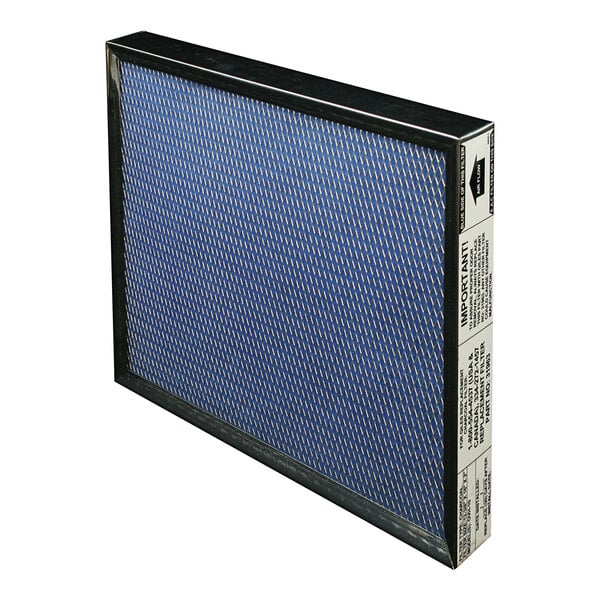
Charcoal filters, also known as carbon filters, are a popular choice for ductless hood systems, providing effective filtration for both grease particles and odors. These filters are designed with an outer layer of aluminum that captures airborne grease particles, keeping your kitchen environment clean and fresh. The inner layer of activated charcoal is the key component, featuring a porous surface that effectively traps and absorbs gas molecules. Due to the nature of charcoal, thorough cleaning would require extremely high temperatures that could release harmful chemicals back into the air. As a result, regular replacement of charcoal filters is necessary to maintain optimal performance and air quality in your commercial kitchen.
- Does not require ductwork
- Made from aluminum and charcoal
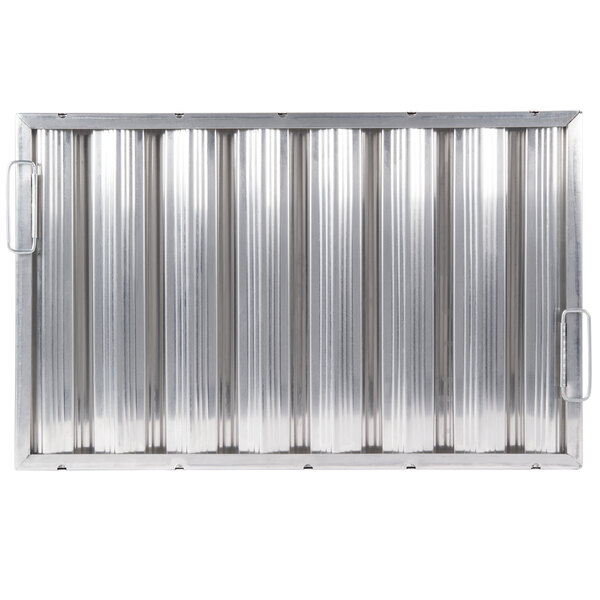
Baffle hood filters are distinguished by angled panels, or baffles, that interlock, trapping grease and other contaminants in the filter and preventing them from circulating back into the kitchen. These filters are used in conjunction with duct systems, providing a safe and direct way to transport air out of the kitchen and deposit it outside. With removable components and a sturdy metal construction, these filters are less prone to clogging. They are highly effective at catching grease in particular, reducing buildup in your ductwork over time. While baffle filters offer many benefits, they do come with a higher upfront cost compared to some other filter options. Additionally, these filters are heavier than their counterparts, which can make them difficult to install. However, the performance and durability of baffle filters make them a worthwhile investment.
- Requires ductwork
- Made from stainless steel
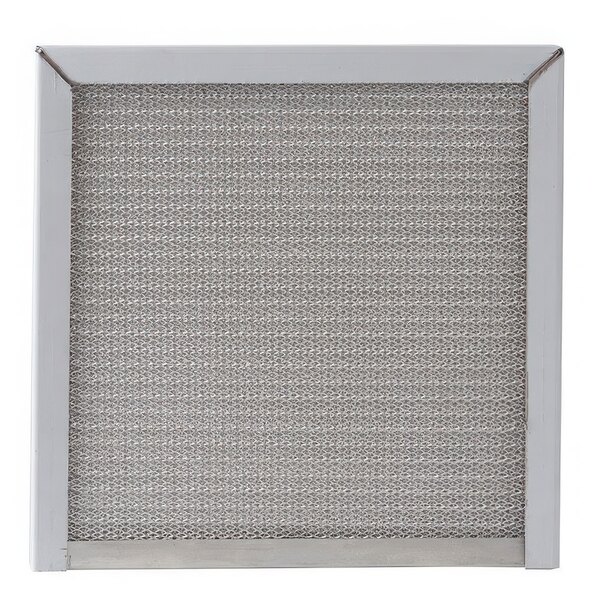
Mesh hood filters are constructed with woven wire mesh, a type of metallic cloth typically made with aluminum. The light weight mesh features rigid pore openings that effectively trap airborne grease as it passes through, facilitating enhanced airflow through the filter and optimal ventilation. They boast high corrosion resistance and the flexibility to choose from different levels of weave, allowing you to customize the airflow properties to suit your specific kitchen setup. Mesh hood filters offer a cost-effective solution, with a lower upfront investment compared to baffle hood filters. Their lighter structure makes them easier to handle and install, but they tend to be noisier in the kitchen due to the design of the mesh. They aren't as durable as their counterpart, and over time, they may require maintenance or replacement to ensure optimal performance in your kitchen.
- Required ductwork
- Made from aluminum
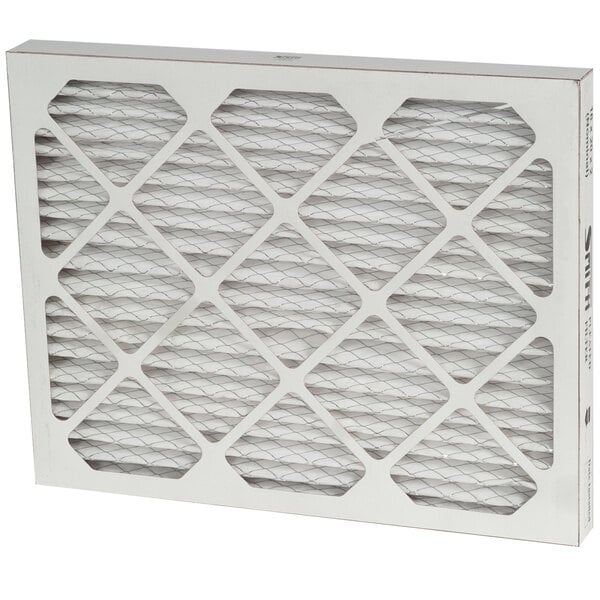
Pre-filters capture large particles before they reach the main filter of your unit, like airborne dust, hair, and large droplets of grease. They can commonly be found installed on ventless filters, where the air will be re-released into the kitchen. When used correctly, pre-filters improve the lifespan of your primary filter and reduce wear and tear on your unit, saving you time and money on maintenance. They are typically made from disposable fiber, offering an affordable filtration option for select kitchens. Their disposable nature makes them easy to replace regularly, ensuring consistent filtration efficiency.
- Does not require ductwork
- Made from aluminum and disposable fiber
Range Hood Filter Materials
The material of a range hood filter impacts its durability, installation process, ease of cleaning, and overall performance. When it comes to external construction, there are two main filter materials commonly used in commercial range hoods: stainless steel and aluminum.
Stainless Steel Hood Filter
Stainless steel hood filters are a top choice for high-volume establishments. For maximum convenience, these filters can be placed in the dishwasher or soaked in water, allowing for a quick and efficient cleaning process. They can even be cleaned with a pressure washer, providing flexibility in maintenance. These filters generally offer improved airflow compared to other filter materials, though their heavier and sturdier construction may make them a bit more difficult and bulky to install. However, this robust design allows them to withstand the rigors of a busy commercial kitchen over the long run.
Aluminum Hood Filter
Aluminum hood filters are ideal for commercial kitchens that operate at lower volumes. Their affordability makes them an attractive option for businesses looking to reduce costs without compromising on quality, and they often have a slight shine to them, adding a touch of aesthetic flair. Their light weight nature makes them easy to install, but comes with the tradeoff of decreased durability. While aluminum filters are cost-effective upfront, they may require more frequent replacements compared to stainless steel filters. Avoid placing aluminum filters in a commercial dishwasher and wash them by hand instead, as the harsh chemicals and high temperatures can damage the material over time, causing warping or discoloration.
Range Hood Filter FAQ
Range hoods are an essential component of any commercial kitchen, and their filters are pivotal to effective operation. Because of this, several key questions often arise. We'll answer some of the most commonly asked ones to help you install and maintain your hood with professional consistency.
How to Measure a Range Hood Filter
Commercial range hood filters are sold in industry-standard sizes to make it easier for you to find the perfect fit for your specific unit. When measuring your range hood filter, always start with the vertical measurement followed by the horizontal measurement. If you can't find an exact match for your filter size, it's recommended to round up to the nearest half inch to ensure a snug fit. Remember, there should be no gaps or empty spaces left. Even the slightest gap can disrupt the filtering process, potentially leading to poor air quality or increased fire hazards.
How Often to Replace a Range Hood Filter
The frequency at which you should replace your range hood filter depends on the type of filter you have and how often you cook. Remember to refer to the manufacturer's recommendations for your specific model to maximize performance and lifespan.
- Charcoal filters: Charcoal filters absorb odors and should be replaced every 3 to 6 months. These filters wear down the fastest and cannot be cleaned, making regular replacement essential for maintaining air quality in your kitchen.
- Aluminum filters: Most aluminum range hood filters should be replaced annually, or sooner if they show signs of wear and tear. These filters are durable but can become clogged over time, reducing their effectiveness in capturing grease and smoke particles.
- Stainless steel filters: Stainless steel filters are built with longevity in mind and typically don't require frequent replacement. These filters should only be replaced if they sustain damage, rust, or warpage that affects their functionality.
How Often to Clean a Range Hood Filter
It is recommended that you clean your range hood filters at least once a month in most commercial kitchens, though this frequency may vary based on manufacturer instructions or the volume of cooking taking place in your kitchen. Neglecting to clean your filters regularly can lead to decreased efficiency, increased energy consumption, and potential fire hazards.
Back to Top
Range hood filters play a crucial role in keeping fast-paced kitchens safe, clean, and comfortable for staff. It is essential to choose the right type of filter for your specific range hood model and to regularly clean and replace the filter as needed to ensure optimal performance. By adhering to the information above, you can make an informed purchase and set your kitchen up for safety and success.
Related Resources

June 2026 WebstaurantStore Coupon Code
Summer is upon us, and to celebrate WebstaurantStore has blazing hot deals all month long! With summer vacations underway and holidays like Independence Day rapidly approaching, now is the time to stock up on essential supplies and equipment you'll need to get through the summer season. Take a look at our wide array of sale items below and don't forget to enter the code SUMMERSALE at checkout to enjoy up to 20% off your purchases! Looking to save even more? Check out the new Webstaurant Rewards® Visa Business Card ! Sign up for a new card today and start earning rewards on every WebstaurantStore purchase, and save on a WebstaurantPlus subscription. Have a look at some incredible deals on disposable items with June's monthly coupon code! Whe

Commercial Kitchen Hood Code Requirements
Each kitchen must comply with regulations and standards to function within the law. Regarding kitchen ventilation systems and related equipment, adherence to these guidelines is crucial in preventing potential dangers and upholding air quality in a professional environment. Use this guide to explore the purpose of kitchen hoods, their functionality, and the specific code requirements that you should follow to ensure a safe work environment. Shop All Kitchen Hoods Click the links below to learn about the different commercial kitchen hood code requirements: What Is a Kitchen Hood? Design and Layout Specifications Type I Hood Requirements Type II Hood Requirements Grease Filtration Guidelines Condensation Filtration Guidelines Cleaning Specifi

How to Use a Fire Extinguisher
A fire extinguisher is an essential fire safety tool to keep in any workplace. For the safety of your employees and guests , it is required by law for any commercial business to keep a fire extinguisher readily available. Many states even require employees to be trained to use one. Below, we'll investigate the different parts of a fire extinguisher, how to properly use one, and how to properly clean up fire extinguisher residue. Shop All Fire Extinguishers Click any of the links below to jump to the fire extinguisher tips you need: Fire Extinguisher Parts How to Properly Use a Fire Extinguisher Cleaning Fire Extinguisher Residue Cleaning Dry Chemical Fire Extinguisher Residue Cleaning Wet Chemical Fire Extinguisher Residue Cleaning Dry Powd
Join Our Mailing List
Receive coupon codes and more right to your inbox.