- Topics 1577
- Industrial 59
- Troubleshooting Guides 32
- Restaurant Management 144
- Bar Management 70
- Catering Tips 46
- Bakery Management 45
- Food Trucks & Concessions 41
- Advertising & Marketing 41
- Eco-Friendly Tips 13
- Facility Layout & Design 47
- Coffee Shop Tips 32
- Installation & Maintenance 63
- Janitorial & Pest Control 34
- Safety & Sanitation 121
- Startup Tips 111
- Menu Design 11
- Kitchen & Cooking Tips 106
- Hospitality Management 26
- Pizza & Sandwich Shop Tips 23
- Smallwares 42
- Food Prep 102
- Tabletop Items 21
- Disposables 28
- Calculators & Tools 7
- Consumables 77
- Warewashing & Laundry 22
- Cooking Equipment 106
- Food Storage & Refrigeration 58
- Beverage Equipment 43
- Office Supplies 6
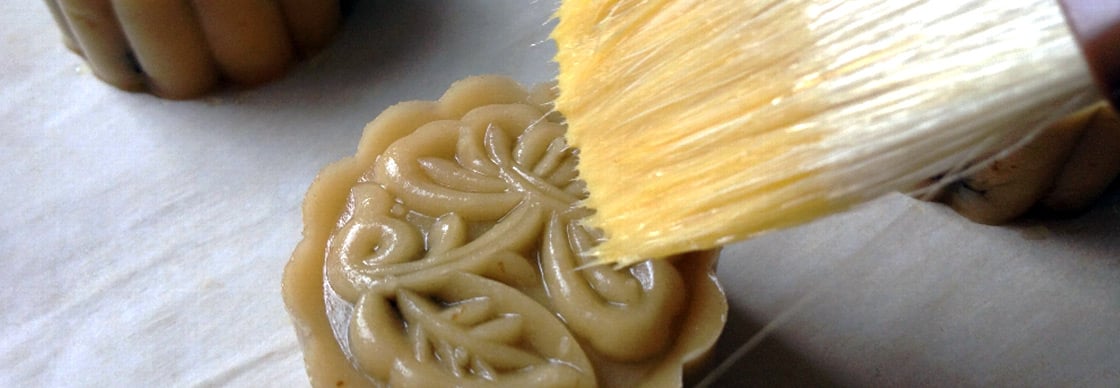
Shop All Pastry Brushes
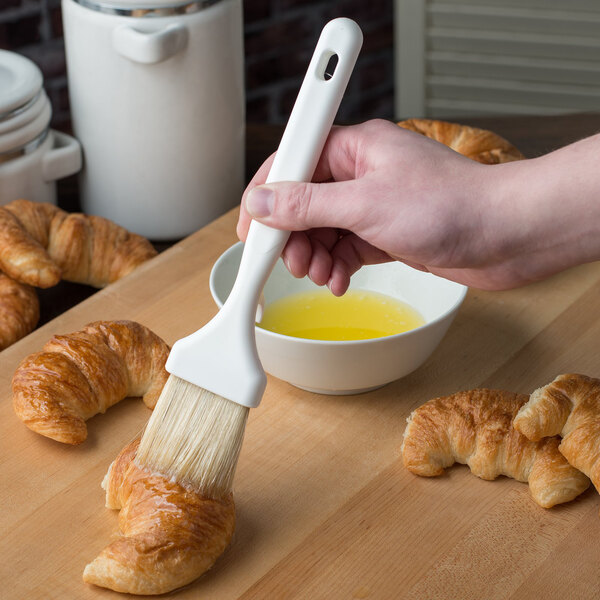
What is a Pastry Brush?
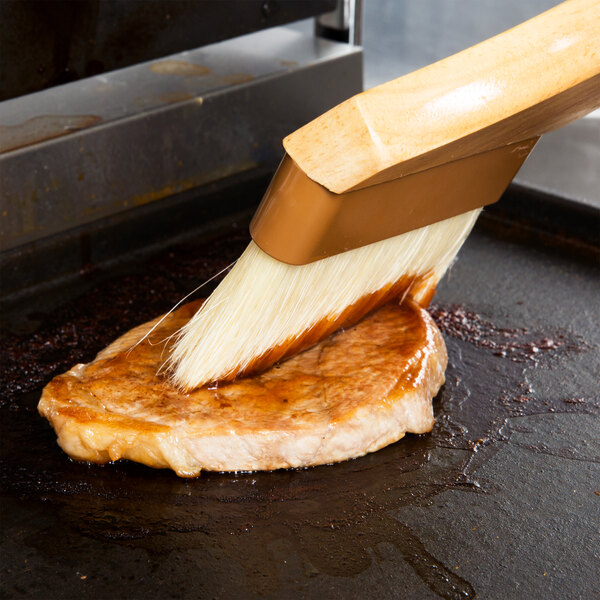
Pastry brushes are helpful for applying sauces, oils, glazes, and other liquids to dishes before and during the cooking process. Using a baking brush gives you better control over the ingredient you add. Plus, it helps you spread an even coating for a consistent product in a manner that's clean and efficient.
What is a Pastry Brush Used for?
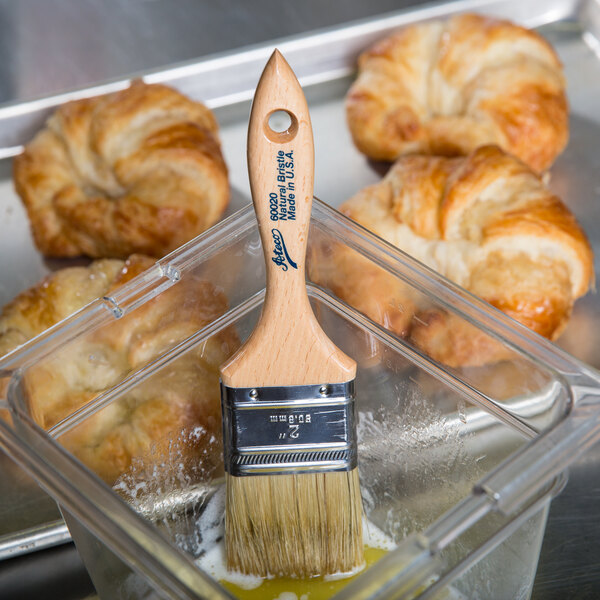
The best breads achieve a golden-brown crust from an egg wash or melted butter spread on top before they go in the oven. Or when you need to grease a pan, using a food brush helps you do it quickly and cleanly. If you've added too much seasoning, a brush can even be dipped in water and run over your dish to remove the excess seasoning. The uses for a pastry brush in your kitchen can stack up quickly.
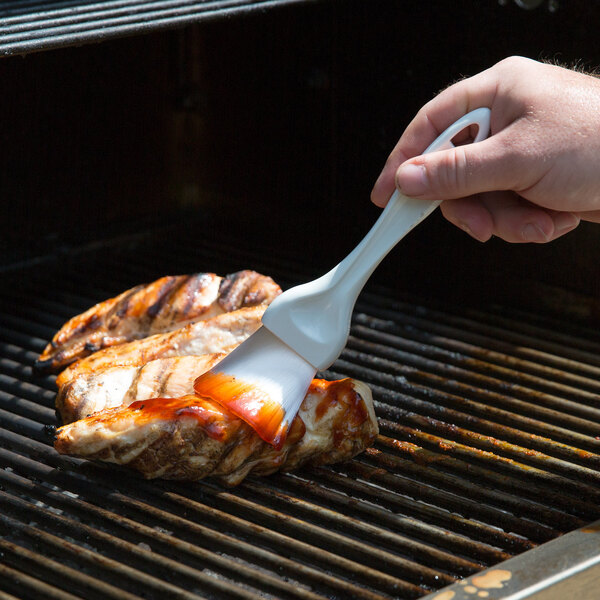
Pastry Brush vs Basting Brush
Don't let the name fool you, pastry brushes are also known as basting brushes. While both pastry brushes and basting brushes are designed to spread sauces and glazes more efficiently over foods, it is important that you use a designated pastry brush only for baking applications and a basting brush for meat and vegetable basting. Using the same brush can accidentally transfer flavors between your pastry and meat products, leading to cross-contamination.
How to Clean a Pastry Brush by Hand
- Hand wash the brush immediately after use. If your kitchen is too busy, at least soak it in warm water until you have time to clean it properly. (This prevents liquid ingredients from hardening.)
- Run the brush under hot water and gently rub bristles with dish detergent. Always try to remove oils as quickly as possible as they can turn the brush rancid, making it unfit for use.)
- Keep an eye on the base of your baking brush, ensuring no food or grease remains lodged where the bristles meet the handle.
- Rinse the brush and treat it with sanitizer.
- Leave it in a clean place to air dry.
Shapes & Sizes of Pastry Brushes
Consider the following shapes and sizes below to figure out which type of baking brush your process requires.
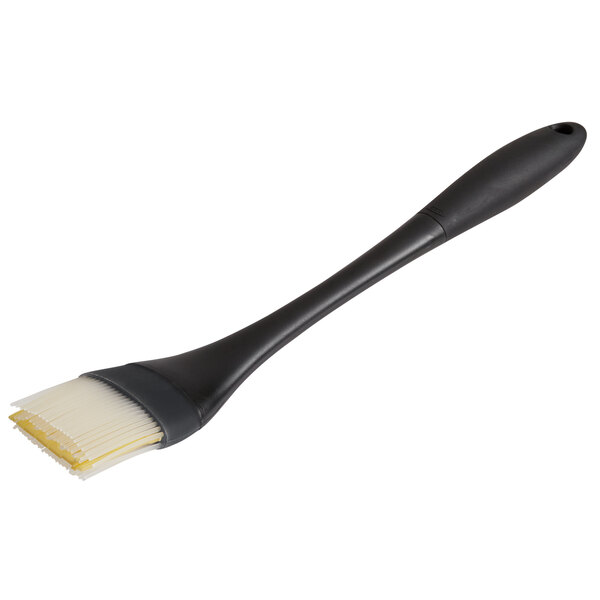
Small Brushes
Work best for small items or for tasks that require more detail and care
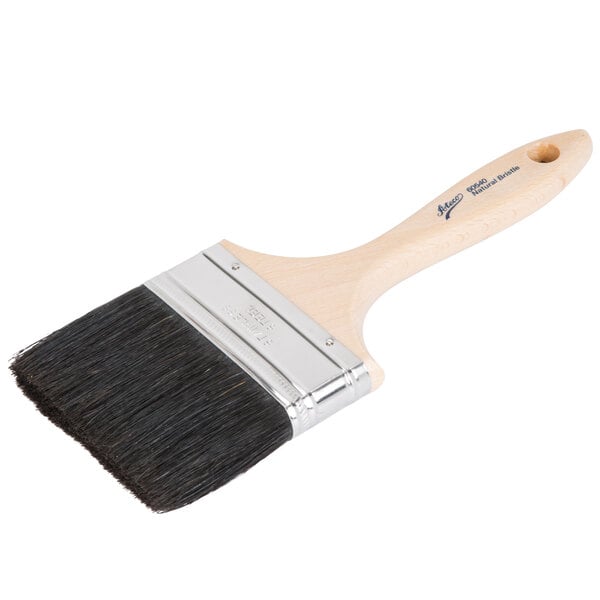
Large Brushes
Great for holding a lot of liquid and spreading across large surface areas
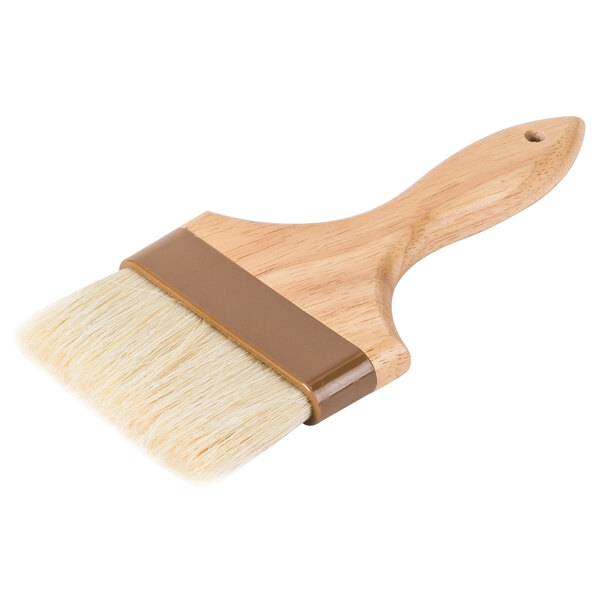
Wide Brushes
Perfect for covering a larger amount of product
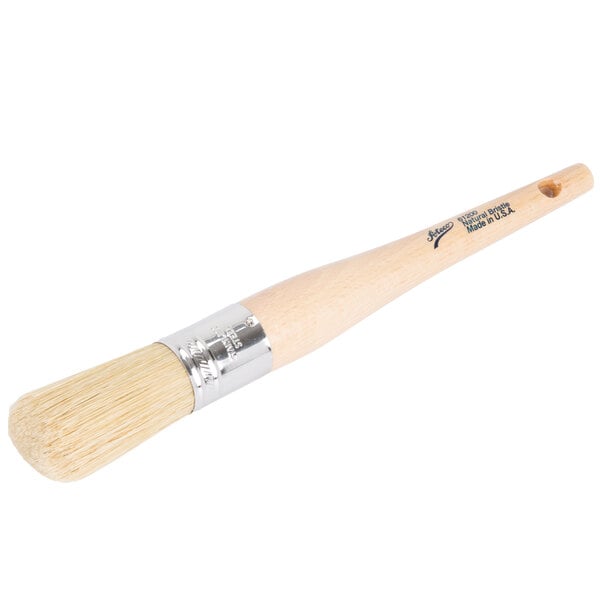
Round Brushes
Best for smaller pastries, more detailed glazing tasks, or plate decoration
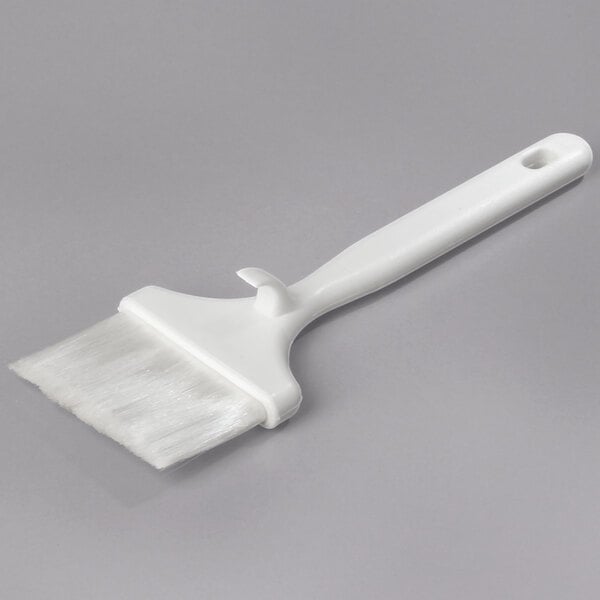
Hook Brushes
Can be hung for storage or along the edge of your plate for cleaning
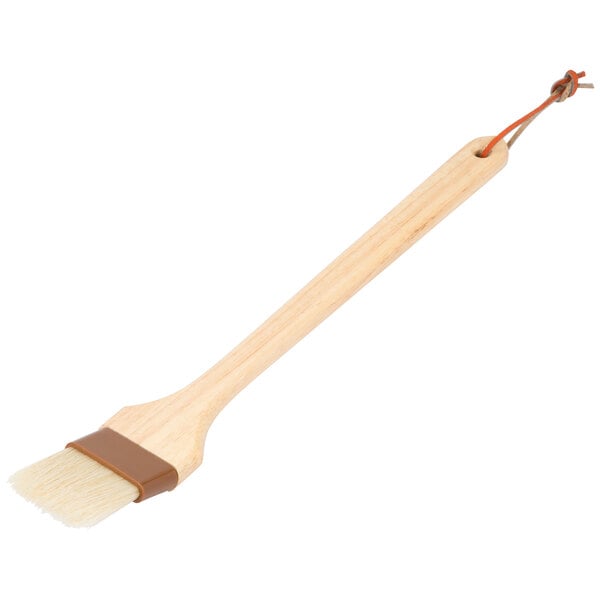
Angled Brushes
Designed with tapered bristles to provide detailed, precise strokes
Pastry Brush Bristle Types
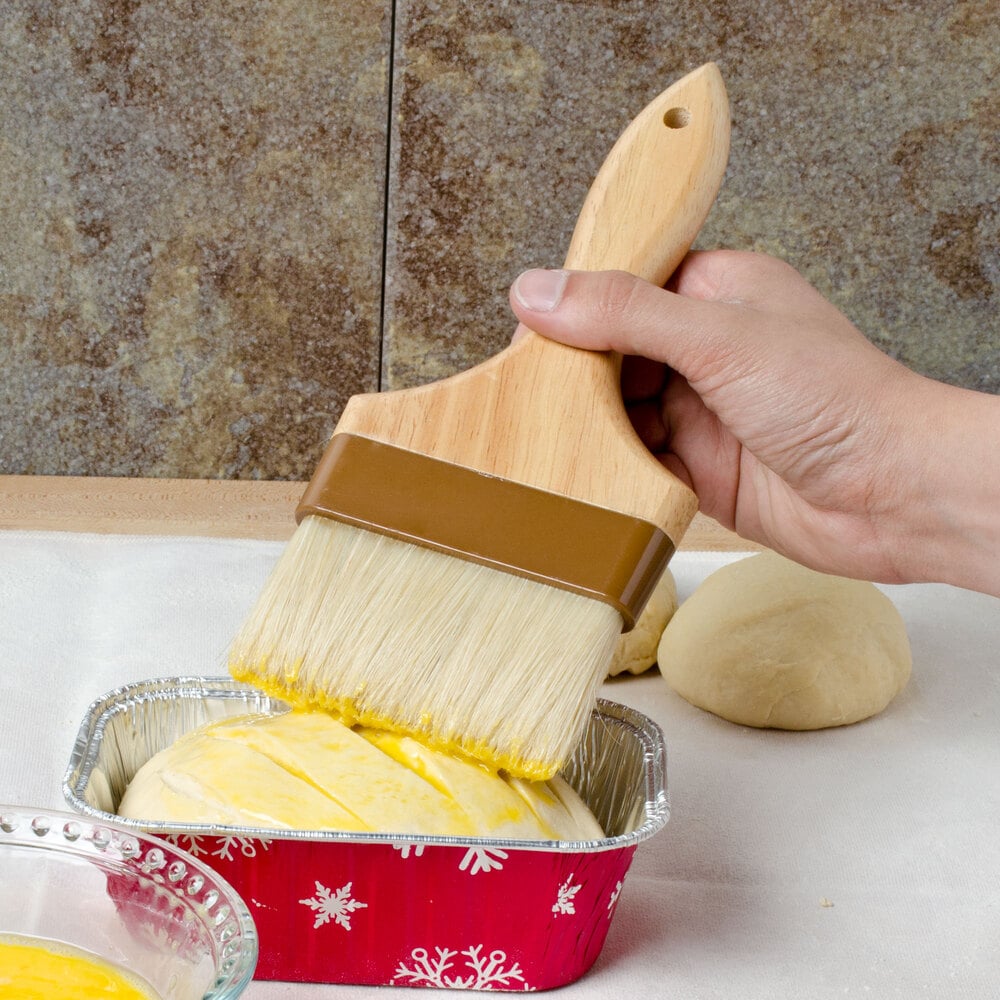
- Soft texture is great for spreading thin liquids like oils or marinades
- Water-resistant design absorbs oils
- Holds more liquid than synthetic bristles
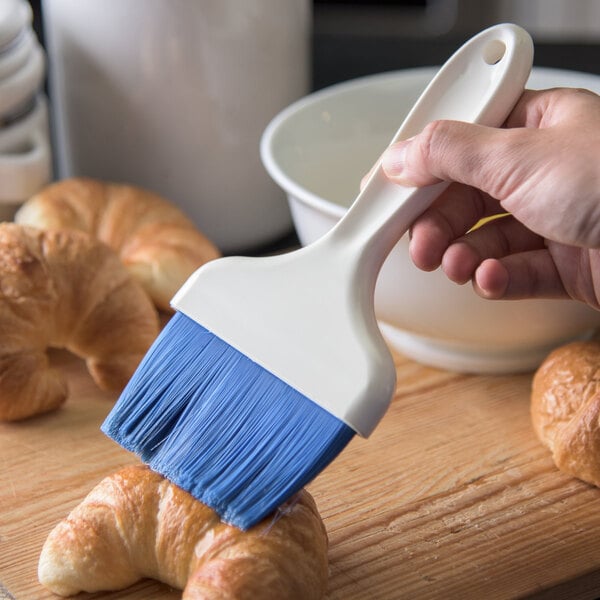
- Strong bristles are ideal for spreading thick liquids
- Retains a high amount of liquid
- Minimal risk of bristles falling out
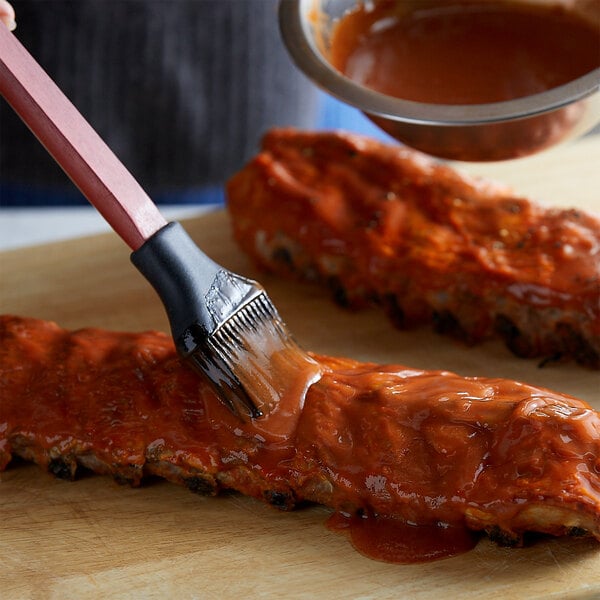
- Flexible bristles are ideal for spreading thick sauces
- Designed to withstand high heat applications
- Easy to clean compared to natural hair
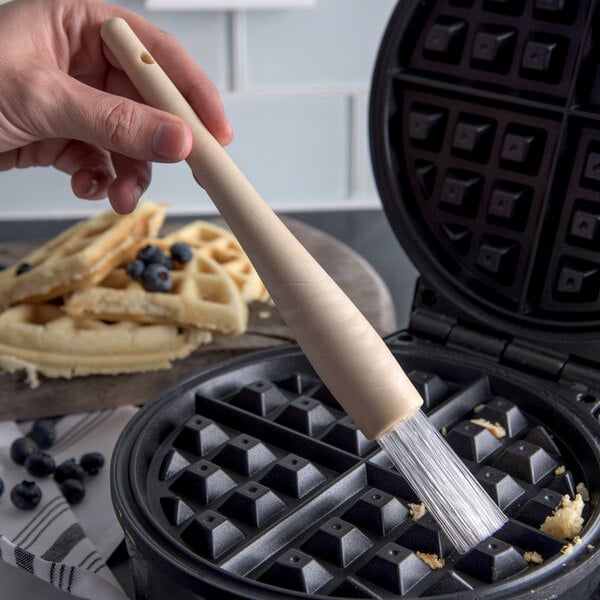
- Delicate bristles mimic boar hair
- Designed for use up to 500 degrees Fahrenheit
- Best for spreading thin liquids like oils or marinades
Pastry Brush Handles
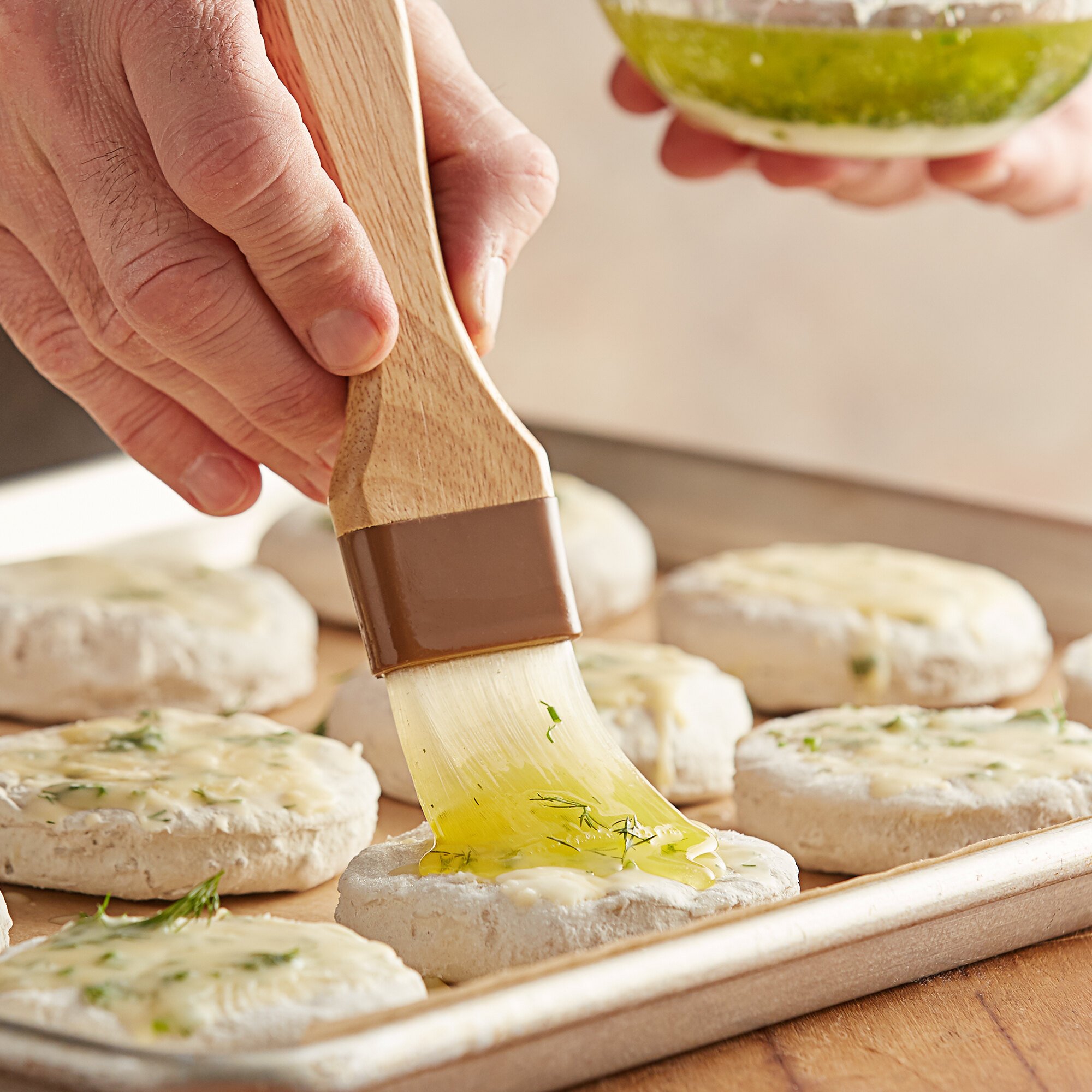
- Sturdy to grip
- Comfortabable to hold
- Stylish for front of house use
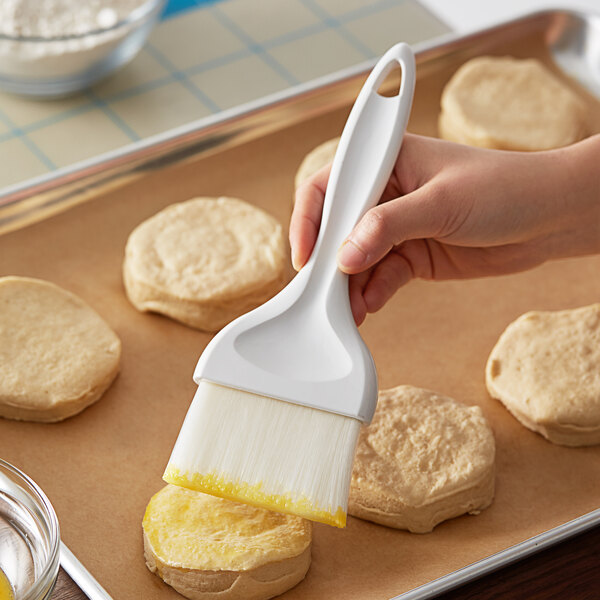
- Easy to clean
- Strong for tough tasks
- Durable for lasting use
When to Replace Your Pastry Brush
Shedding bristles, especially if using an animal hair food brush, is a big indicator you need a new brush. Serving food with bristles in it can cause major problems for your restaurant.
If your brush is also melted, torn, stained, or otherwise, bristles that are damaged will hinder your ability to apply liquids. The bristles should be spread evenly and laid flat for optimal use. Brushes coming in contact with cooking oils can become rancid over time. This occurs because cooking oils left on the brush break down and spoil, resulting in a sour odor and taste that can transfer to food.
How to Maintain Your Pastry Brush
Cleaning and maintenance is simple and will not only prolong the life of your brush, but also cut down on the spread of bacteria, preventing foodborne illnesses. Brushes with plastic handles are easy to wipe down and clean. However, brushes with wooden handles must be carefully handwashed to ensure they stay clean.
Animal hair pastry brushes must be washed by hand, but some synthetic brushes are dishwasher safe. If cleaning your brushes this way, be sure to place them securely in the machine so they are not damaged and remove and dry them as quickly as possible to prevent rust if your brush has any metal parts.
Related Resources

June 2026 WebstaurantStore Coupon Code
Summer is upon us, and to celebrate WebstaurantStore has blazing hot deals all month long! With summer vacations underway and holidays like Independence Day rapidly approaching, now is the time to stock up on essential supplies and equipment you'll need to get through the summer season. Take a look at our wide array of sale items below and don't forget to enter the code SUMMERSALE at checkout to enjoy up to 20% off your purchases! Looking to save even more? Check out the new Webstaurant Rewards® Visa Business Card ! Sign up for a new card today and start earning rewards on every WebstaurantStore purchase, and save on a WebstaurantPlus subscription. Have a look at some incredible deals on disposable items with June's monthly coupon code! Whe

Types and Styles of Baking Cups
Baking cups are essential supplies for any bakery . These versatile cups are used to line cupcake or muffin pans and prevent the batter from sticking to the sides. They come in a range of sizes, colors, and materials to suit a variety of confections and create unique presentations. Shop All Baking Cups
Types of Piping Tips
Piping tips are essential tools for bakers seeking to elevate their creations with precision and artistry. With a variety of shapes and sizes available, these tips allow for intricate designs, smooth lines, and beautiful decorations on cakes, cupcakes, and cookies. Whether you're a pastry chef or a hobbyist, understanding the different types of piping tips and their applications can help you achieve stunning results in your baked goods. Shop All Piping Tips Use the following links to learn more about piping tips: Plain Piping Tips Leaf Piping Tips Drop Flower Piping Tips Flower Piping Tips Petal Piping Tips Grass Piping Tips Ruffle Piping Tips Basketweave Piping Tips Open Star Piping Tips Closed Star Piping Tips Swirl Piping Tips St. Honore
Join Our Mailing List
Receive coupon codes and more right to your inbox.