
- Topics 1539
- Industrial 59
- Troubleshooting Guides 31
- Restaurant Management 140
- Bar Management 66
- Catering Tips 41
- Bakery Management 48
- Food Trucks & Concessions 47
- Advertising & Marketing 40
- Eco-Friendly Tips 12
- Facility Layout & Design 51
- Coffee Shop Tips 31
- Installation & Maintenance 60
- Janitorial & Pest Control 35
- Safety & Sanitation 110
- Startup Tips 113
- Menu Design 11
- Kitchen & Cooking Tips 104
- Hospitality Management 26
- Pizza & Sandwich Shop Tips 30
- Smallwares 40
- Food Prep 101
- Tabletop Items 19
- Disposables 26
- Calculators & Tools 8
- Consumables 70
- Warewashing & Laundry 21
- Cooking Equipment 101
- Food Storage & Refrigeration 54
- Beverage Equipment 39
- Office Supplies 5

Selecting the right commercial can opener for your kitchen keeps canned-ingredient prep moving during peak production, reducing the risk of metal shavings and lowering employee fatigue. Some kitchens need a heavy-duty manual unit mounted to a prep table for cases of #10 cans, while others benefit from a quick handheld opener for occasional use or an electric unit when speed and consistency matter most. Understanding how factors like duty ratings and drive components affect cut quality and longevity helps you match an opener to what you're opening every day.
A commercial can opener is a heavy-duty kitchen tool designed to open high volumes of cans quickly, safely, and consistently in a foodservice environment. Restaurants that rely on canned ingredients for prep benefit most from the use of can openers because the opener becomes part of daily production.
Compared with a residential can opener, commercial models are built with stronger gearing, sturdier mounting or support, and serviceable parts so they stay aligned through repeated use and can be maintained instead of replaced. They also handle larger formats and tougher lids with less operator strain, which helps keep prep moving when the line is counting on sauces, vegetables, or fruit from cans. The result is fewer torn lids, fewer stalls, and more predictable output across multiple users and shifts.
What Is a #10 Can?
A #10 can is a large, foodservice-size can commonly used for bulk ingredients like tomato products, fruit, vegetables, sauces, and pie fillings. It's a common size used in foodservice, holding just under a gallon of product depending on what's packed inside. Because the lid is wider and the can body is heavier than typical retail cans, it's the format that quickly exposes weak blades or slipping gears.
Commercial can opener types include manual, electric, handheld, and crown punch models, and each one fits a different can size, prep volume, and station setup in a foodservice operation. The best choice for can openers comes down to how many cans you open per shift, what can size you handle the most, and how quickly you need clean, consistent cuts during production.
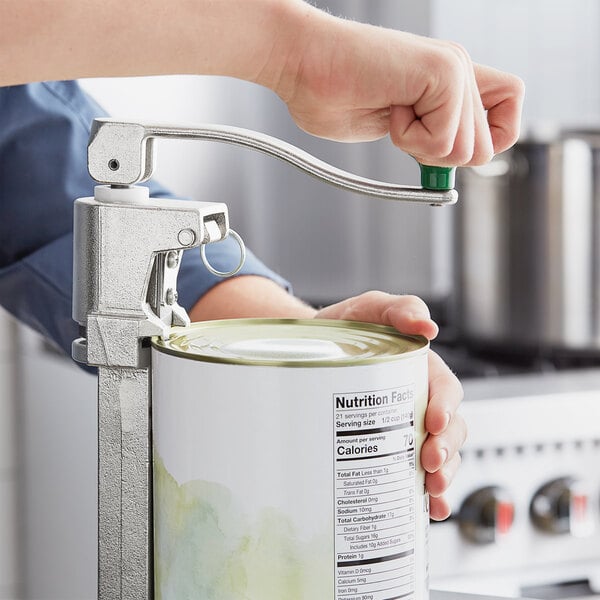
1. Manual Can Openers
Manual can openers are the standard in many kitchens because they deliver fast, reliable opening without requiring power, and they hold up well under steady prep demand. Most commercial units mount to a table or counter edge, giving you leverage for larger cans and helping keep the cut controlled. They’re a practical pick for operations opening cans throughout the day, especially when you want serviceable parts and simple maintenance. With regular blade changes and basic cleaning, a manual unit stays aligned and keeps lids from tearing or leaving jagged edges.
- Ideal for daily prep volume
- Commonly table-mounted for leverage
- Replaceable knife and gears
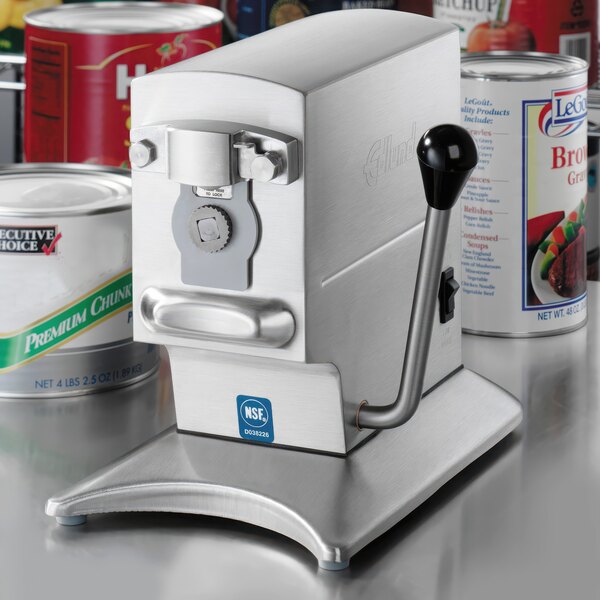
2. Electric Can Openers
Electric can openers use a motor to drive the cutting action, which reduces wrist strain and speeds up opening when cans are constant on the prep list. They’re often used in high-volume kitchens that want uniform performance across multiple users and shifts. Because electric units add moving components and electrical housings, they require disciplined cleaning and routine checks to keep the cut smooth and the unit safe. They’re best when you value consistency and throughput more than the simplicity of a fully manual setup.
- Motor-driven for faster opening
- Reduces operator fatigue
- Requires routine cleaning and checks
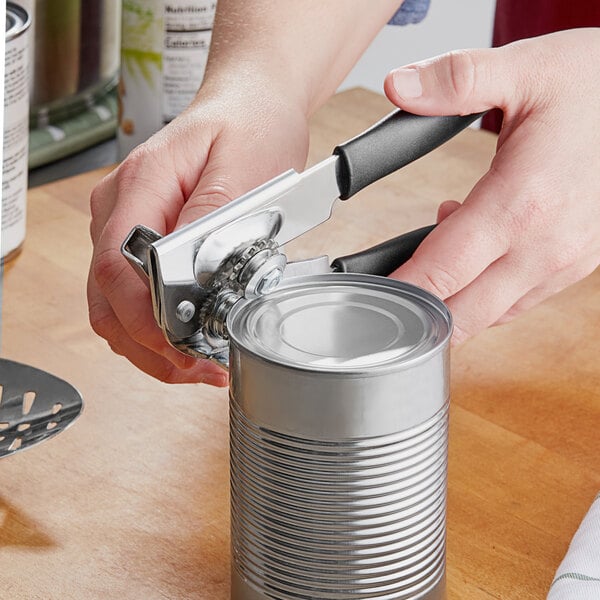
3. Handheld Can Openers
Handheld can openers are compact, inexpensive, and useful as backups or for low-frequency tasks where a mounted opener isn’t practical. They work well for smaller cans, mobile stations, off-site catering, or situations where you need quick access without dedicating counter space. Handheld tools can struggle with larger cans and can slip if the can or opener isn’t stable. Choose sturdy construction and keep blades sharp to avoid tearing lids or creating sharp, uneven cuts.
- Compact for backup use
- Best for smaller cans
- Inexpensive
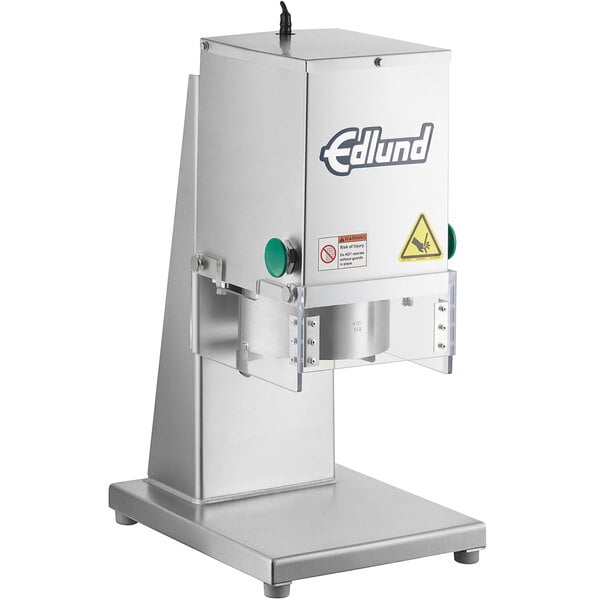
4. Crown Punch Can Openers
Crown punch can openers are built for heavy-volume production where speed and repeatability matter most. A circular set of blades is driven down into the lid to cut the entire top free in one swift motion, which helps keep output consistent when opening cans is a core prep task. These units are commonly set up for standard #10 cans, and many models can be configured for other sizes as needed. For the highest-throughput applications, air-powered versions use compressed air instead of an electrical connection, and some configurations add a magnetic lid remover to speed changeover between cans.
- One-motion, full-lid removal
- Designed for high-volume workflows
- Often configured for #10 cans
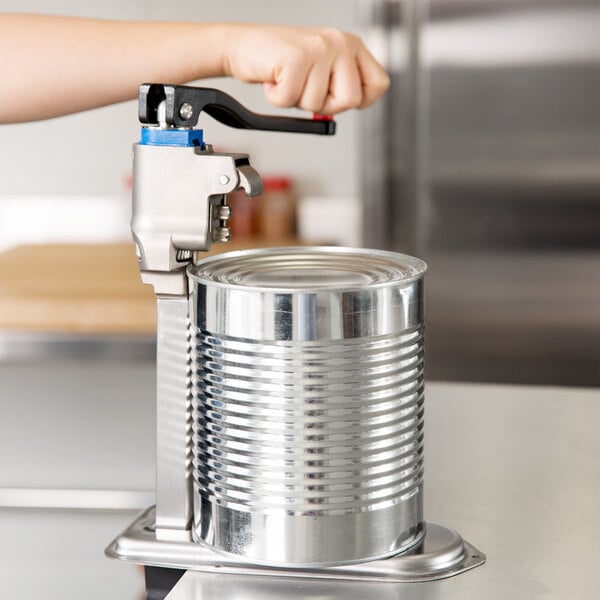
A can opener duty rating determines cut consistency and how often you'll replace blades or gears. Choosing the right tier prevents stalled production when you hit denser lids or larger cans and helps you avoid premature wear that turns into downtime. Use the duty level as a practical match to your can sizes, frequency, and who will be operating the unit across shifts.
- Heavy-Duty: Built for high-volume prep and frequent large-can opening, with reinforced components designed to resist flexing and misalignment. Best for commissaries, cafeterias, and busy kitchens that routinely run through cases of #10 cans.
- Standard-Duty: Designed for everyday use in typical restaurant prep, balancing durability with cost and straightforward maintenance. A reliable fit for operations opening a mix of medium and larger cans throughout service without constant back-to-back volume.
- Light-Duty: Intended for occasional use and lighter workloads, often with simpler construction that performs best on smaller cans and lower daily counts. Works well as a backup opener or for low-volume establishments where canned goods are used intermittently rather than as a primary prep input.
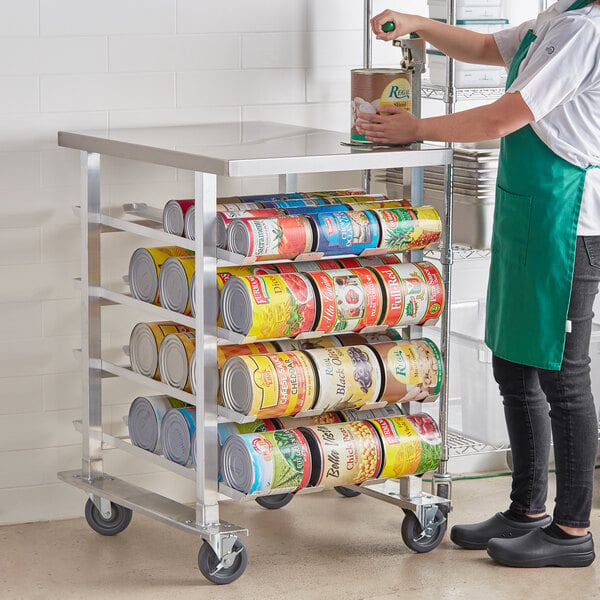
Knowing the various parts of a commercial can opener helps staff troubleshoot issues quickly before prep backs up. Here are the core parts you'll see on common units and the additional internal components you'll find on powered or assisted models:
- Bases: The foundation that anchors the opener to a table, counter, or stand and keeps the cutting assembly stable under load. A rigid base prevents wobble when opening large cans and helps maintain consistent contact between the blade and can rim.
- Hardware: The small fastening and support pieces that secure the opener to the mounting surface and hold assemblies in place. Tight, intact hardware keeps the unit from shifting mid-use and reduces premature wear caused by vibration or misalignment.
- Internal Components: Components used in certain electric or assisted openers to control motion and engagement, such as actuators that drive the cutting action and valves that regulate powered operation. These parts matter most in higher-throughput setups where consistent cycling and hands-on efficiency are priorities.
- Knives and Blades: The cutting edge that pierces the lid and tracks the can's rim to create the opening. In daily prep, a sharp, correctly seated blade reduces jagged edges and helps prevent lid tearing that can slow production and increase safety risk.
- Gears: The drive pieces that grip and rotate the can (or move the cutting head) to keep the cut moving at a steady rate. Worn gears can slip and stall, so kitchens that open cans all day benefit from durable gear assemblies and easy-to-replace components.
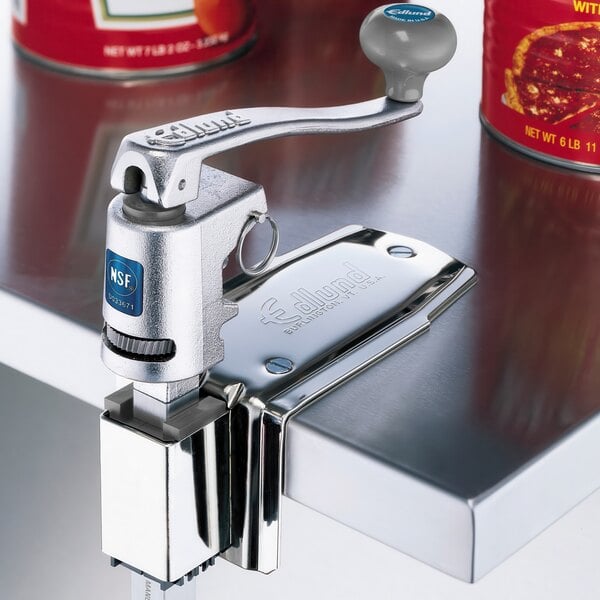
Choosing the right can opener prevents stalled production and reduces strain on staff who open cans across multiple shifts. The goal is to match the opener to your real workflow, focusing on what you open, how often you open it, and where it lives on the line or in the prep area. Use the factors below to narrow options quickly and avoid buying an opener that wears out early or slows down batch prep:
- Can Volume: Estimate how many cans you open during prep and service, as higher counts require a sturdier build or powered operation to keep output consistent. If opening cans is constant, a light-duty tool becomes a bottleneck fast.
- Can Sizes: Confirm whether you regularly handle larger formats like #10 cans or mostly smaller retail sizes, as larger lids demand better leverage, stronger gearing, and stable alignment. Matching the opener to your biggest can prevents slipping and jagged cuts.
- Mounting and Footprint: Decide whether you need a table-mounted unit, a stand setup, or a portable option. A secure mount also helps keep the cut smooth and predictable, but mounted units will also require more dedicated space to operate.
- Operator Effort and Ergonomics: Consider who will use the opener and how often. High-turnover stations benefit from simpler operation and reduced force requirements.
- Power and Utility Requirements: For electric or air-powered units, confirm outlet access or compressed air availability and whether the opener's placement makes that practical. Utility constraints often determine where a higher-capacity opener can realistically be placed.
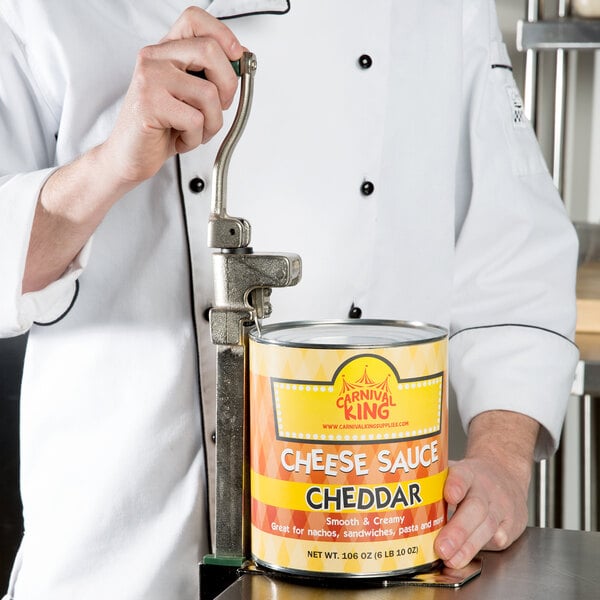
Residue buildup and worn knives or gears are what turn a reliable can opener into one that slips, tears lids, or risks metal contamination. A maintenance-friendly design also matters at purchase time, models with quick-change knife/gear kits and accessible food-contact surfaces are easier to keep in rotation across shifts. The practices below can be used to protect cut quality and reduce downtime in your establishment:
- Regular Cleaning: Clean and sanitize the opener frequently to remove food residue and prevent grime from affecting the drive action and cut performance. Choosing an opener with an open, easy-to-wipe design makes this routine easier in a fast-paced environment.
- Inspect and Change Knives and Gears Regularly: Can opener knives and gears are consumable parts, and it's recommended to plan replacement around noticeable wear and the manufacturer's guidance for your model. Replacing the knife and gear at the same time to restore consistent operation is advised. Prioritize units with readily available replacement kits and simple changeover hardware so you can fix performance issues immediately.
- Manual Can Opener Knives Are Reversible: Many commercial manual knives are designed to be flipped to use a fresh edge, effectively extending service life before you need a new knife. This favors brands and models that clearly support reversible knives and stock compatible replacements, which reduces long-term operating cost.
- Do Not Sharpen Knives or Crown Punch Blades: Some can opener blades are intentionally dull to reduce the chance of creating metal shavings. If cutting performance drops or you see slivers, the correct fix is replacement and not sharpening.
A commercial can opener determines how efficiently a kitchen moves through canned-product prep without stalling production or introducing safety risk. The best fit matches can volume and sizes while staying stable at the station and supporting fast replacement of wear parts so performance doesn't degrade mid-shift. When the unit is easy to clean and maintain, it becomes one less variable during peak prep, delivering consistent results day after day for your business.
Related Resources

January 2025 WebstaurantStore Coupon Code
The holiday season is over, and to ring in the new year and combat the post-holiday blues, you can find amazing deals on important items here at WebstaurantStore all January long! From essential coffee service equipment to ingredients and supplies for your favorite winter recipes, we have a slew of great deals to warm you up this cold season! Check out our selection of sale items below and don't forget to enter the code FROSTY26 at checkout to enjoy 10% off your purchases! Looking to save even more? Check out the new Webstaurant Rewards® Visa Business Card ! Sign up for a new card today and start earning rewards on every WebstaurantStore purchase, and save on a WebstaurantPlus subscription. Explore incredible deals on winter disposable item

Food Cans Buying Guide
Canned goods extend the shelf life of many food items without sacrificing nutritional value for a lower cost than fresh or frozen options . Unlike fresh produce that loses nutrients over time and frozen products that may lose nutrients through oxidation, canned foods are sealed at peak ripeness and retain their nutritional properties for extended periods. With advantages such as preserving food quality over time, extending product shelf life, and ensuring packaging safety, food cans play a crucial role in foodservice. Shop All Canned Vegetables

A Guide to Corkscrew Wine Openers
Corkscrews and wine openers are necessary tools for any foodservice establishment that serves bottles of wine . Manufacturers design different types of corkscrews to open particular corks and handle high-volume applications. In this guide, we'll go over the types of wine openers and the important factors you need to consider before purchasing one. Shop All Corkscrews
Join Our Mailing List
Receive coupon codes and more right to your inbox.