
- Topics 1586
- Industrial 59
- Troubleshooting Guides 32
- Restaurant Management 144
- Bar Management 70
- Catering Tips 46
- Bakery Management 47
- Food Trucks & Concessions 44
- Advertising & Marketing 41
- Eco-Friendly Tips 13
- Facility Layout & Design 47
- Coffee Shop Tips 32
- Installation & Maintenance 63
- Janitorial & Pest Control 34
- Safety & Sanitation 123
- Startup Tips 111
- Menu Design 11
- Kitchen & Cooking Tips 104
- Hospitality Management 26
- Pizza & Sandwich Shop Tips 28
- Smallwares 42
- Food Prep 103
- Tabletop Items 21
- Disposables 28
- Calculators & Tools 7
- Consumables 76
- Warewashing & Laundry 22
- Cooking Equipment 105
- Food Storage & Refrigeration 58
- Beverage Equipment 43
- Office Supplies 6

Walk-in coolers are essential for maintaining the freshness and quality of perishable ingredients in commercial foodservice operations. These large, enclosed refrigerated spaces keep food items cold and safe for consumption, providing a controlled environment for storage. However, even the most reputable brands experience issues over time, which can disrupt the productivity of your kitchen. We'll outline the most frequent problems operators encounter with their commercial walk-in coolers and how to remedy them to keep your business on track.
Shop All Walk-In Coolers
Use the following links to learn how to troubleshoot your walk-in cooler:
Because of the nature of a walk-in cooler, temperature issues are one of the most common problems operators encounter. These issues can range in severity, with some being a simple fix and others requiring several troubleshooting steps to identify the cause. It's important to conduct a thorough inspection of your unit, as temperature issues can be caused by mechanical or environmental factors. If you can't fix temperature issues yourself, notify a technician for maintenance.
Walk-In Cooler Not Cooling
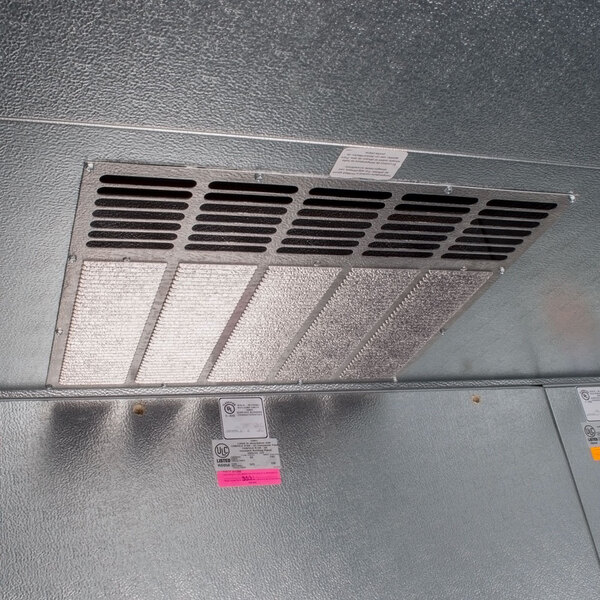
If your cooler won't cool down, the foods inside could spoil. Without remedying the issue, you risk them entering the temperature danger zone, the temperature range at which bacteria will multiply rapidly and put your customers at risk of foodborne illness. If you notice your unit isn't cooling, check these components:
- Thermostat: If the thermostat is set too low, it can overwork the motor. Check and adjust the thermostat settings to ensure they are appropriate for your cooling needs.
- Power supply: When the unit isn't connected to power, it won't cool. Ensure the cooler is properly plugged in and the power source is working. If you suspect a power issue, check if a circuit breaker has tripped. In cases where you have recently lost power, you may need to reset the unit for it to resume cooling.
- Defroster: A malfunctioning or damaged defroster will prevent the cooler from working efficiently. Replace the part or contact a service technician for repairs if this is the case.
- Overpacked cooler: Overpacking your cooler will hinder airflow circulation. If there is not enough room for air to circulate inside the cooler, the evaporator coil may freeze and stop working. Remove any excess items to allow for adequate circulation within the unit.
- Warm air: If employees leave the cooler door open for extended periods, warm air can enter the unit, causing the internal temperature to rise. Educate staff on the importance of keeping the door closed when not in use to prevent warm air from affecting the cooling efficiency of the unit.
Walk-In Cooler Temperature Rising
The temperature may fluctuate inside your walk-in cooler throughout the day, but if it continues to rise, it is cause for concern. This puts the quality of your ingredients at risk and can lead to additional damage within the unit if left unchecked. A rising internal temperature can be caused by the following factors:
- Defrost mode: Defrost mode is essential for removing ice buildup on the evaporator coils. If the cooler remains in defrost mode for an extended period, the internal temperature will rise. Check if your cooler was set to defrost mode and ensure it has completed the defrost cycle.
- Improper temperature settings: Verify if temperature settings have been inadvertently changed or the timer has been adjusted. Incorrect temperature settings can cause the cooler to operate inefficiently, leading to temperature fluctuations.
Walk-In Cooler Freezing Up
When a walk-in cooler freezes up, the unit can experience operational inefficiencies and sustain damage. Understanding the causes of this issue can help you troubleshoot and address the problem effectively. Inspect your unit for the following to identify the problem.
- Warm air: The main cause of a walk-in cooler freezing up is the presence of warm, humid air inside the unit. Most walk-in coolers use rubber gaskets to create a seal between the door and the frame, and over time, these gaskets can degrade, resulting in a less effective seal.
- Faulty door: Old or damaged hinges can become loose, leading to gaps that allow warm air to enter the cooler.
- Worn evaporator coils: If evaporator coils malfunction, they will not effectively remove hot air from the unit.
- Incorrect defrost timer: The defrost timer automatically shuts off the compressor at set intervals to allow for defrosting. Ice will slowly accumulate over time if the defrost timer sustains damage.
- Clogged drain lines: Clogged drain lines won't properly drain excess water, which will freeze over time.
- Damaged insulation: Old or damaged insulation panels should be replaced promptly to prevent ice buildup. Failing to address insulation issues can lead to inefficient cooling and increased energy costs.
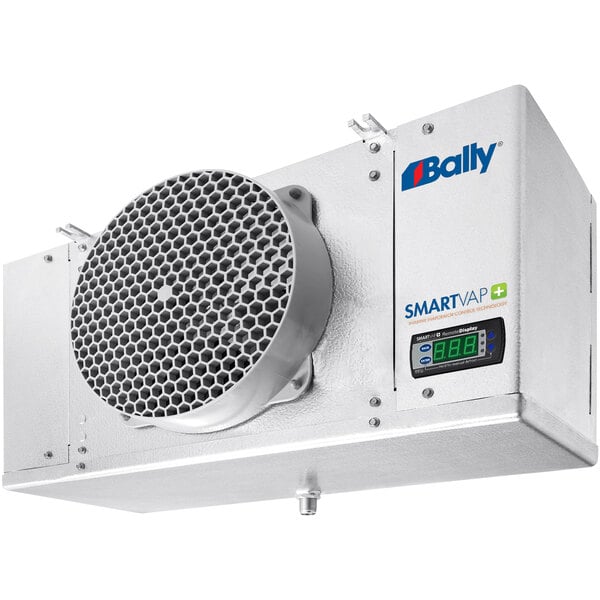
The compressor is a vital component of your cooler and is responsible for maintaining the desired temperature inside the unit. When issues arise with the compressor, the entire cooler is at risk. Regular maintenance and inspection of the compressor are essential to prevent costly repairs and downtime. Common issues associated with the compressor include the following:
- Compressor not starting: If your compressor fails, it may be due to a faulty capacitor or a defective motor. In such cases, replace the motor or seek the expertise of a maintenance technician for repairs.
- Compressor turning on and off: A dirty compressor coil, low refrigerant charge, or a faulty thermostat can cause the compressor to alternate between on and off.
- Compressor won't stop running: If your compressor continues to run without stopping, it could indicate problems such as a dirty evaporator coil or a clogged filter drier. Regular maintenance and cleaning of these components are essential.
- Compressor making strange noises: Unusual sounds from the compressor, such as grinding or rattling, may signal a more serious issue. It could indicate that the motor is failing or that a component in the mount is loose.
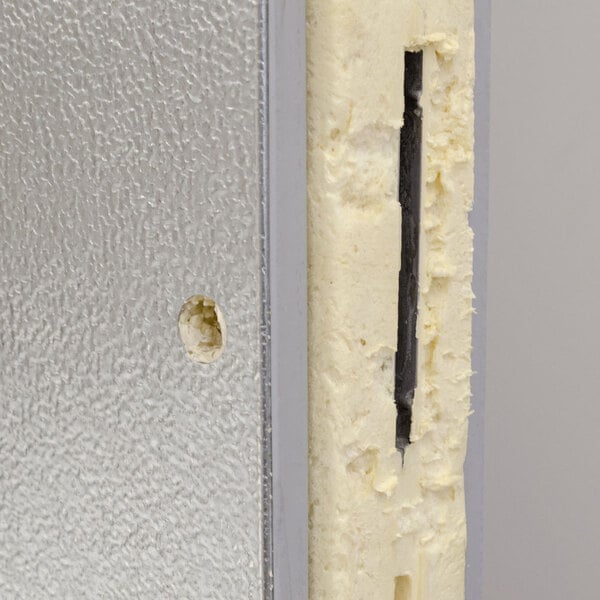
A functional walk-in cooler should never leak water. If you notice a puddle forming on the floor, the first step is to clean it up promptly to prevent kitchen injuries and damage to your floors. This water accumulation can also damage the unit or surrounding kitchen equipment, necessitating costly repairs. After addressing the immediate issue, identify the source of the leak.
- Drain line issues: If the drain line is damaged or clogged, water may leak onto the floor. In such cases, the drain line should be replaced or cleaned to restore proper flow.
- Weak door seal: If the cooler door's seal sustains damage or starts to wear down, it may allow moisture to escape, leading to leaks. The door seal should be inspected and replaced as needed.
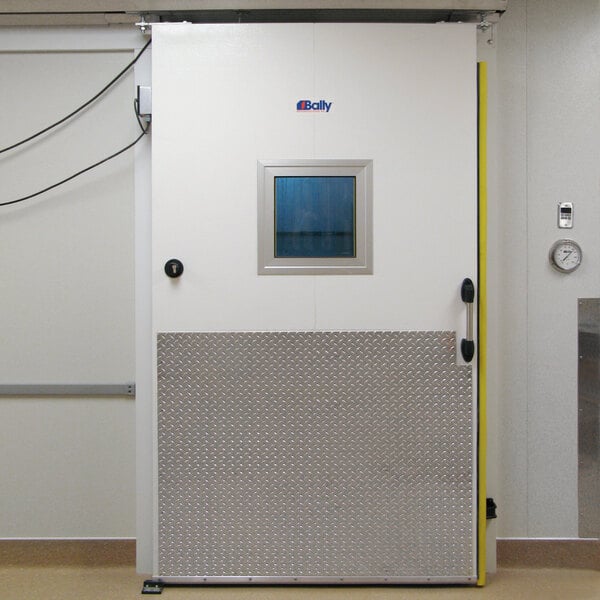
Many types of refrigerated equipment, including walk-in coolers, are prone to emitting odors over time. The two main causes of unpleasant odors are coolant leaks or rotting and spoiled food. Not only do these odors create an unpleasant kitchen environment, but they can be indicators of a deeper problem. If you notice a foul smell coming from your walk-in cooler, the first step is to identify the source.
- Coolant leaks: If you suspect a coolant leak, inspect the condenser, evaporator coils, and coolant tank for any signs of damage or leakage. Replace any damaged or worn-down components.
- Spoiled food: Dispose of any spoiled food properly and check for any other items that may be past their prime. Implementing the FIFO method can help maximize your inventory efficiency and reduce the risk of ingredients going bad.
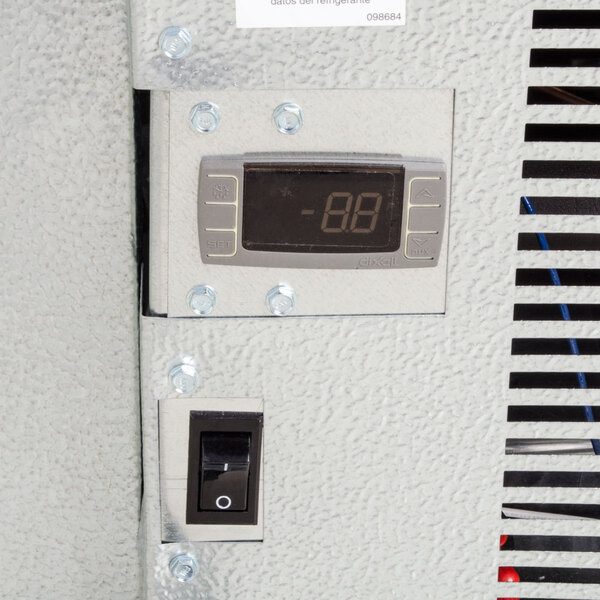
Due to their size, walk-in coolers are susceptible to various electrical issues that can disrupt their functionality. Common electrical problems include flickering lights, strange noises, or temporary shut-downs of the unit. These issues indicate underlying problems that need to be addressed promptly. Common causes of electrical issues include the following:
- Frost buildup: Over time, frost accumulation can wear down electrical components, leading to malfunctions. Regularly inspect each component for damage and replace any parts showing signs of wear and tear.
- Dust and ice buildup: These buildups can disrupt the ventilation system, causing the unit to heat up. The increased temperature damages the electrical components and wiring, further exacerbating the issue.
Being proactive about the common problems with commercial walk-in coolers ensures efficient kitchen operation and prevents costly downtime. Regular maintenance and timely repairs are key to maximizing the lifespan and performance of your unit. By adhering to the tips above, you can make sure your kitchen is prepared for any issues that come your way.
Related Resources

April 2026 WebstaurantStore Coupon Code
Spring is here, and great deals are blooming in the warm weather here at WebstaurantStore! Stock up on much-needed supplies and equipment for important upcoming events like Earth Day and Mother's Day! Take a look at our selection of sale items below and don't forget to enter the code BLOOM26 at checkout to enjoy 15% off your purchases! Looking to save even more? Check out the new Webstaurant Rewards® Visa Business Card ! Sign up for a new card today and start earning rewards on every WebstaurantStore purchase, and save on a WebstaurantPlus subscription. Have a look at some incredible deals on disposable items with April's monthly coupon code! Whether you're looking for disposable dessert cups for spring sweet treats or compostable hot cup o
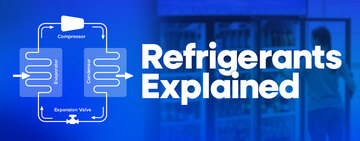
Refrigerants Explained
Refrigerants are crucial for commercial refrigeration systems, responsible for cooling and preserving perishable items. With refrigerant regulations phasing out ozone-depleting refrigerants, such as R-22, many businesses are transitioning to more environmentally friendly options. Understanding the different types of refrigerants available for commercial use can help you make an informed decision when it comes to replacing your refrigerator or freezer. Shop All Commercial Refrigerators What Is Refrigerant? Refrigerant is a cooling agent that absorbs heat and leaves cool air behind when passed through a compressor and evaporator. It undergoes a continuous cycle of compression and expansion where the coolant fluctuates between a liquid or gas

Self Contained vs Remote Refrigeration
Understanding the differences between self-contained and remote refrigeration is crucial when it comes to choosing the right refrigeration system for your commercial kitchen. Self-contained units keep both the refrigeration system and the storage compartment in a single piece of equipment, making them ideal for smaller spaces or mobile applications. On the other hand, remote refrigeration systems (most common for walk-in coolers) separate the compressor and condenser unit from the storage area, allowing for quieter operation and greater flexibility in design. Let's explore the key factors to consider when deciding between self-contained and remote refrigeration to help you make an educated decision for your kitchen layout and budget. Shop A
Join Our Mailing List
Receive coupon codes and more right to your inbox.