- Topics 1577
- Industrial 59
- Troubleshooting Guides 32
- Restaurant Management 144
- Bar Management 70
- Catering Tips 46
- Bakery Management 45
- Food Trucks & Concessions 41
- Advertising & Marketing 41
- Eco-Friendly Tips 13
- Facility Layout & Design 47
- Coffee Shop Tips 32
- Installation & Maintenance 63
- Janitorial & Pest Control 34
- Safety & Sanitation 121
- Startup Tips 111
- Menu Design 11
- Kitchen & Cooking Tips 106
- Hospitality Management 26
- Pizza & Sandwich Shop Tips 23
- Smallwares 42
- Food Prep 102
- Tabletop Items 21
- Disposables 28
- Calculators & Tools 7
- Consumables 77
- Warewashing & Laundry 22
- Cooking Equipment 106
- Food Storage & Refrigeration 58
- Beverage Equipment 43
- Office Supplies 6

When it comes to serving food in a commercial setting, the type of bowl you choose can greatly impact the presentation and functionality of your dishes. Bowls are versatile vessels that are used for serving soups, salads, pasta, rice, and various other dishes. Understanding the different types of bowls available can help you make informed decisions for your establishment. From classic ceramic bowls to modern melamine options, there is a wide range of materials, shapes, and sizes to suit your needs.
Shop All China Bowls
When selecting the right bowls for your commercial establishment, there are various types to choose from, each designed to suit different serving needs. From classic soup bowls to glass dessert bowls, understanding the different types of bowls helps you maximize the aesthetic appeal of your dishes' presentation.
1. Soup Bowls
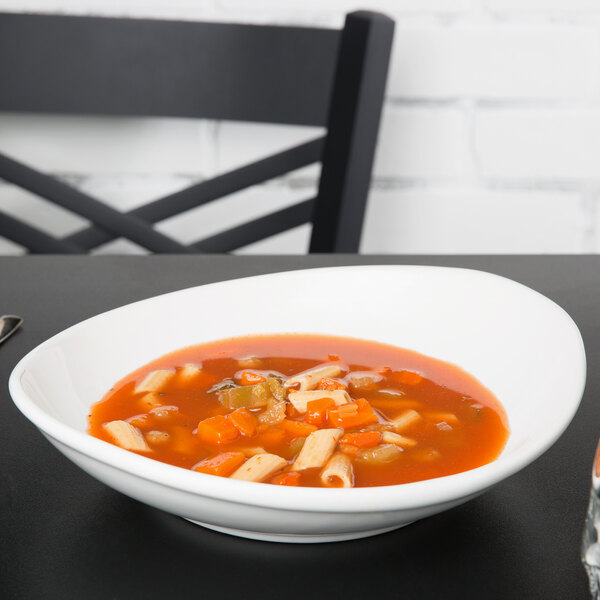
A soup bowl is a deep, wide-rimmed bowl specifically designed for serving soups. These bowls typically have a larger capacity than other types of bowls, allowing ample space for foods like stews, sauces, and dips, as well as any additional toppings or garnishes. The wide rim of a soup bowl also creates easy access for customers to enjoy their food without any spillage.
- Soup Bowl Size - The most common sizes for soup bowls range from 8 to 16 oz. with larger options available for heartier stews or larger servings. Choosing the right size of soup bowl is essential to ensure that customers receive a satisfying portion of food without overwhelming them with excess volume.
- Soup Bowl vs Pasta Bowl - Soup bowls are typically deeper and have a wider rim, making them ideal for containing liquid-based dishes like soups. Pasta bowls, on the other hand, are shallower and have a broader surface area, perfect for serving pasta dishes with sauces.
- Cup vs Bowl of Soup - Cups are smaller vessels typically used for serving smaller portions of soup as appetizers or as part of a combo meal. Bowls, on the other hand, are larger and more suitable for serving full-sized portions of soup as a standalone dish.
2. Mixing Bowls
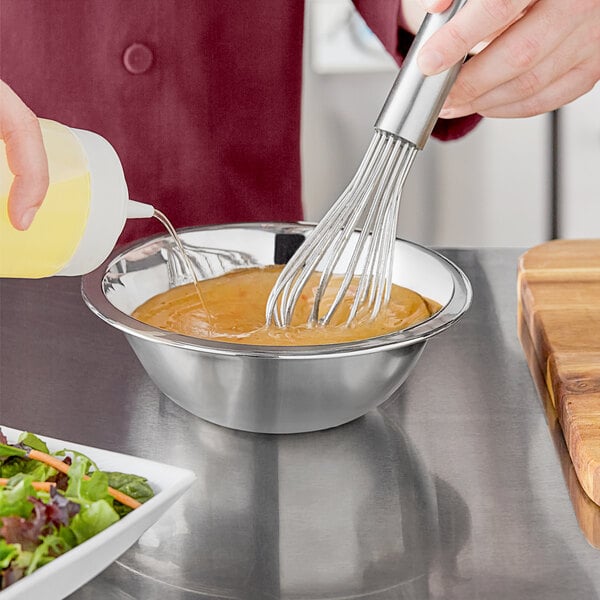
Mixing bowls provide a versatile vessel for combining ingredients, mixing batters, and tossing salads. They are typically made of durable materials such as stainless steel, glass, or plastic, ensuring they can withstand the rigors of a busy kitchen environment.
- Mixing Bowl Size - Common sizes range from small 1 qt. bowls, suitable for whisking dressings or beating eggs, to large 20 qt. bowls, ideal for mixing large batches of dough or salad. The size of the mixing bowl you choose will depend on the volume of ingredients you typically work with and the type of recipes you prepare.
- Glass Mixing Bowl vs Stainless Steel - Glass mixing bowls provide a clear view of the ingredients, allowing for easy monitoring of the mixing process. They are also microwave-safe, adding convenience for tasks that require heating or melting ingredients. On the other hand, stainless steel mixing bowls are durable, light weight, and resistant to stains and odors. They are ideal for tasks that involve acidic ingredients or hot liquids, as they won't react with the food or retain odors.

3. Dessert Bowls
Dessert bowls are perfect for serving a wide range of delectable desserts. These bowls are specifically designed to showcase and enhance the presentation of sweet treats, allowing customers to enjoy their favorite desserts in style.
- Desert Bowl Size - The typical size of a dessert bowl ranges from 4" to 6" in diameter and can hold anywhere from 6 to 12 oz. of dessert. This size is ideal for serving individual portions of ice cream, puddings, fruit salads, parfaits, and other delicious treats.
4. Cereal Bowls
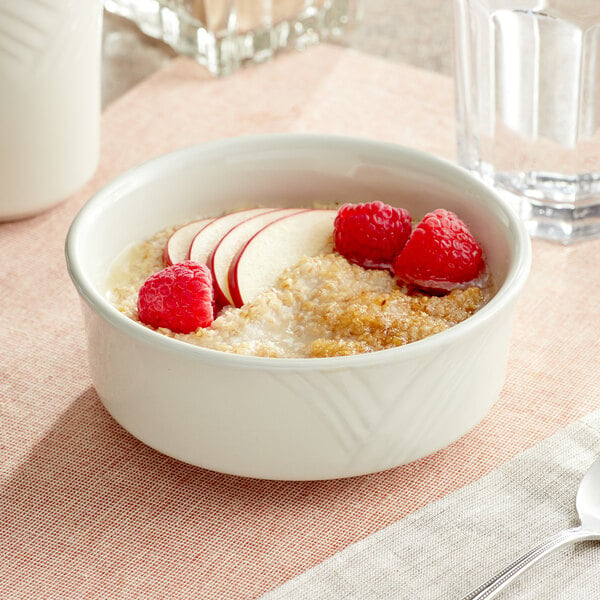
These bowls are specifically designed to hold a single serving of cereal, making them a convenient and essential piece of serveware for any breakfast menu. Cereal bowls typically feature a deep, round shape with a wide opening, allowing for easy pouring of milk and accommodating a generous portion of cereal.
- Cereal Bowl Size - The average size of a cereal bowl ranges from 5" to 7" in diameter, with a depth of 2" to 3". This size ensures that customers can enjoy a satisfying portion of cereal without the risk of spillage.
- Cereal Bowl vs Soup Bowl - While both types of bowls feature a deep design, cereal bowls are typically wider and shallower than soup bowls. This design difference is intentional, as it allows for easy access to the contents of the bowl, making it more convenient for pouring and eating cereal.

5. Salad Bowls
These versatile bowls are specifically designed for serving salads, making them a staple in restaurants, cafes, and catering businesses. Salad bowls come in a variety of sizes, shapes, and materials to suit different serving needs and preferences. Whether you need to serve a single portion or a large salad for sharing, having a selection of salad bowl sizes on hand ensures that you can meet the needs of your customers and guests effectively.
- Salad Bowl Size - Individual salad bowls typically have a capacity of around 8-12 oz., making them ideal for single servings of salads or side dishes. For larger gatherings or family-style service, larger salad bowls are available in sizes ranging from 32 oz. to over 100 oz. These larger bowls are perfect for serving salads to a group of people or for creating a visually appealing centerpiece salad.
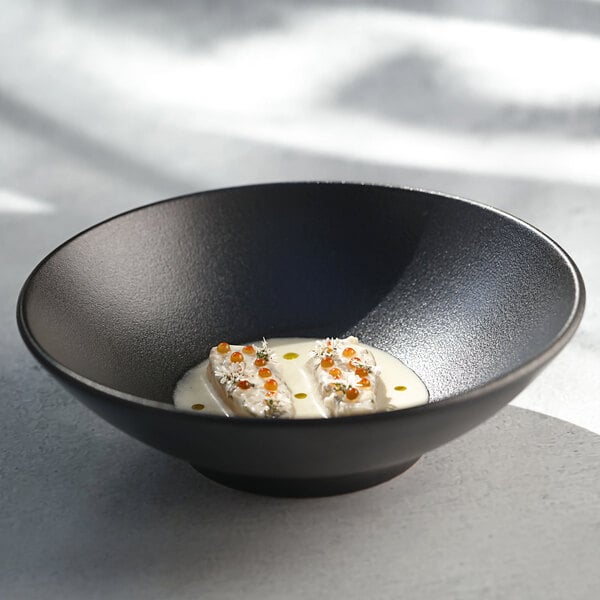
6. Rice Bowls
Rice bowls are a staple in many Asian cuisines, being used to present many different Asian dishes. Apart from Asian cuisine, rice bowls are also commonly used in other types of restaurants that offer rice-based dishes such as burrito bowls, poke bowls, and rice salads. The wide, shallow shape of rice bowls provides ample space for layering different ingredients, creating visually appealing and flavorful dishes that are popular among customers.
- Rice Bowl Size - The most common sizes range from 8 to 16 oz. but larger options are available for heartier servings or sharing dishes. Choosing the right size rice bowl for your establishment will depend on the type of cuisine you serve and the portion sizes you offer.
- Rice Bowl vs Pasta Bowl - Rice bowls are typically shallower and wider than pasta bowls, which are deeper and have a narrower opening. This design difference is intended to accommodate the different eating styles of rice-based dishes versus pasta dishes.
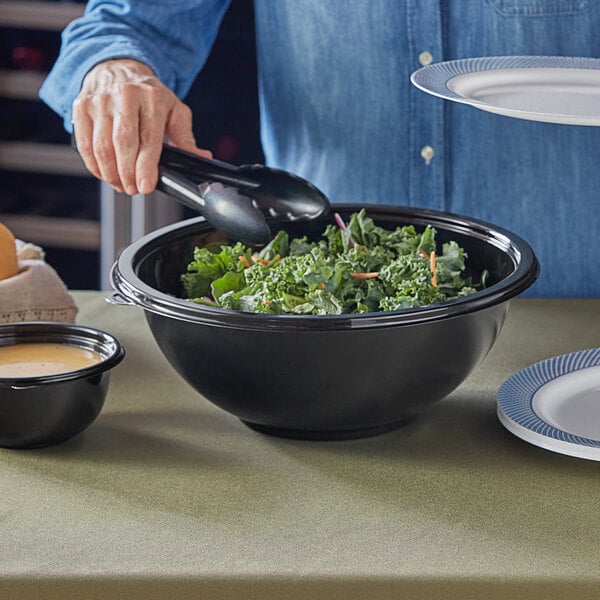
7. Catering Bowls
Take-out catering bowls are typically made from various types of plastic, resulting in a light weight and easy-to-transport design. These bowls are designed to be disposable, providing a convenient option for catering events where cleanup needs to be quick and efficient. The disposable nature of take-out catering bowls also eliminates the need for washing and storing after use, saving time and labor costs for catering businesses.
- Catering Bowl Size - Typically, take-out catering bowls range in size from around 8 oz. to 48 oz. or more. The smallest sizes are ideal for individual portions of side dishes, salads, or appetizers while the largest sizes are perfect for serving family-style dishes, such as pasta, casseroles, or salads.
The material of a bowl impacts its durability, appearance, and functionality. Different materials offer unique benefits and are suitable for various applications in the foodservice industry. Understanding the characteristics of each bowl material can help you make an informed decision that aligns with your specific needs and preferences.
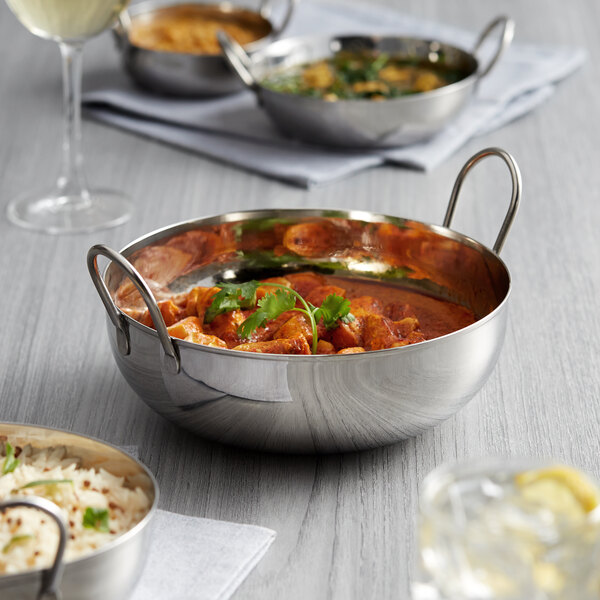
Stainless Steel Bowls
Stainless steel bowls are a popular choice in commercial foodservice operations due to their durability, versatility, and hygienic properties. These bowls are constructed from a corrosion-resistant alloy that consists of iron, carbon, and other elements like chromium and nickel. The unique composition of stainless steel makes it a reliable and long-lasting option for various kitchen tasks.
- Highly durable and can withstand heavy use in a commercial kitchen
- Easy to clean and sanitize
- Expensive upfront cost
- Non-microwave safe
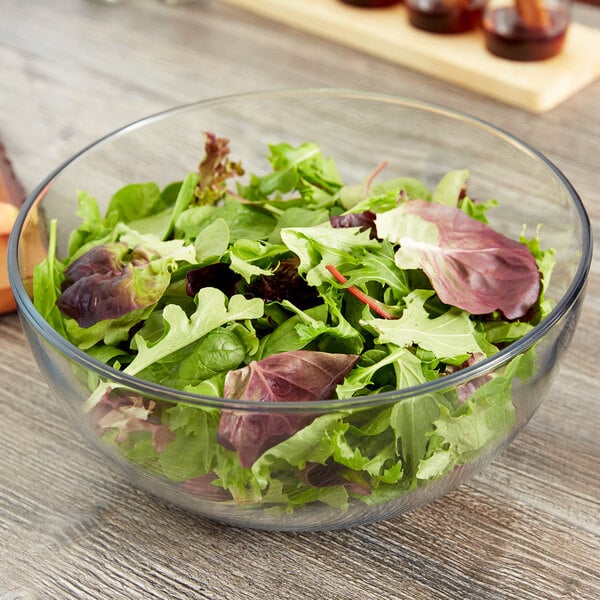
Glass Bowls
Glass bowls are elegant servingware commonly used in commercial settings such as restaurants, catering events, and hotels. These bowls are made from transparent, high-quality glass, allowing for easy visibility of the contents inside.
- Transparency is ideal for showcasing colorful salads, desserts, or layered dishes
- Non-porous and easy to clean
- Add a touch of sophistication to your table settings
- More fragile than other materials
- Can crack or shatter if exposed to sudden temperature changes
- Tend to be heavier than other types of bowls
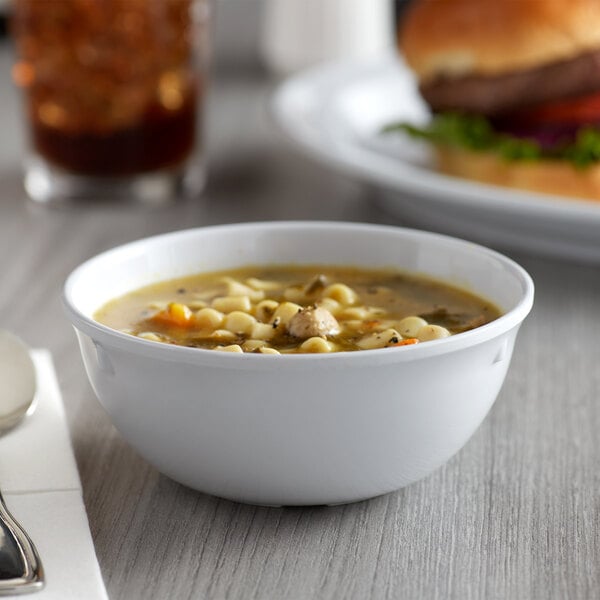
Melamine Bowls
Melamine is a type of hard plastic that is light weight, shatterproof, and resistant to scratches and stains. These qualities make melamine bowls ideal for high-traffic environments such as restaurants, cafeterias, and catering events.
- Known for their exceptional durability
- Light weight compared to ceramic or glass bowls
- Typically more affordable than ceramic or glass bowls
- Not Microwave-safe
- Prone to scratching
- Not recommended for high-temperature applications

Plastic Bowls
Made from various types of plastic, these bowls are light weight, making them easy to handle for both customers and staff. The light weight nature of plastic bowls is also ideal for catering events, food trucks, and other on-the-go dining experiences.
- Great for on-the-go applications and catering events
- Light weight and easy to transport
- More affordable than other bowl materials
- Not microwave-safe
- Prone to staining
- Not heat-resistant
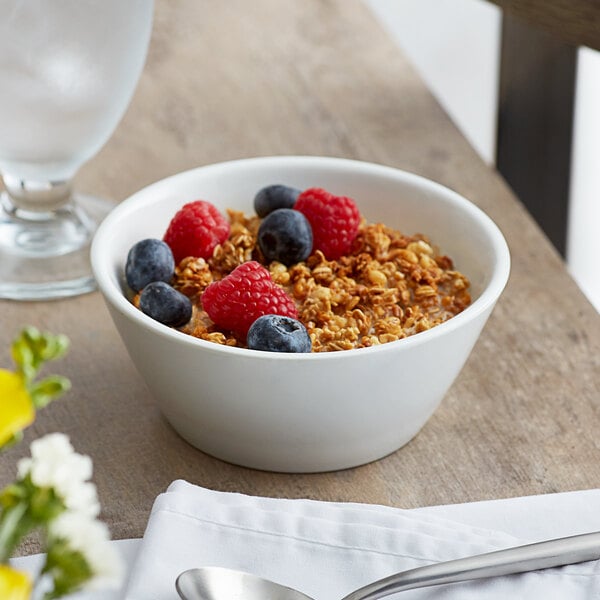
Porcelain Bowls
Porcelain is a type of ceramic material that is fired at extremely high temperatures, resulting in a smooth and non-porous surface. Porcelain bowls are resistant to stains, odors, and scratches, making them ideal for use in commercial kitchens and dining establishments. Their classic white color provides a clean and sophisticated canvas for showcasing food, one of the many reasons why they're a favorite among chefs and foodservice professionals.
- Provide a classic and elegant look that can enhance the presentation of your food items
- Known for their durability, making them suitable for everyday use
- More fragile than other types of bowls like stainless steel or melamine
- Typically more expensive than other types of bowls
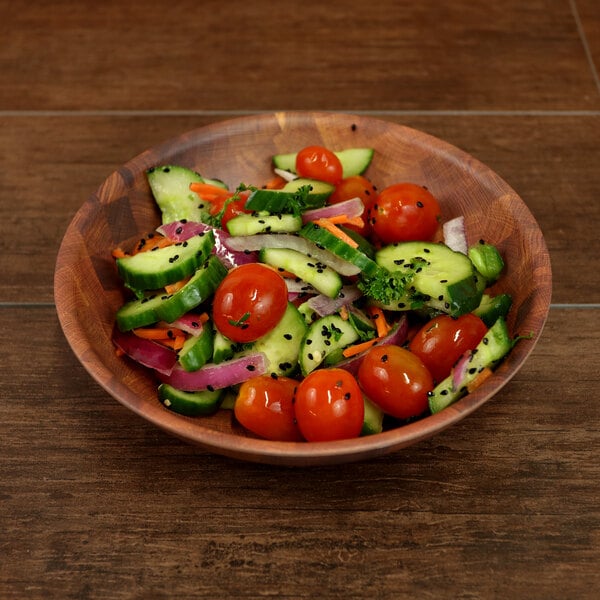
Wooden Bowls
Crafted from a variety of wood types such as maple, cherry, and acacia, wooden bowls offer a warm and rustic charm that enhances the presentation of dishes. These bowls are available in different shapes and sizes, making them suitable for serving a wide range of menu items, from salads and soups to appetizers and main courses.
- Add a warm and inviting touch to table settings, creating a cozy and rustic ambiance
- Provide natural insulation, helping to keep food items at the desired temperature
- Sturdy and long-lasting
- Can absorb liquids and oils, which can lead to staining and odors
- Require regular maintenance, including proper cleaning and occasional oiling
- Not dishwasher safe
Bowls come in various shapes, each designed to suit different types of foodservice establishments and dishes. The shape of a bowl can impact the presentation of the food as well as the overall dining experience. Understanding the different bowl shapes available can help you choose the best options for your commercial kitchen.
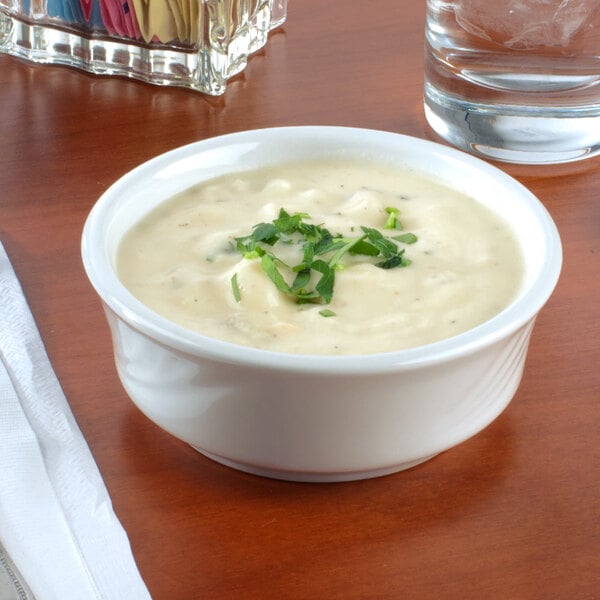
Round Bowls
These bowls have a simple, curved shape with a consistent diameter from top to bottom. The smooth, rounded edges of round bowls make them easy to handle and clean, while their uniform shape allows for even distribution of food or liquid contents.
- Easy to hold and transport
- Classic and timeless appearance
- May not stack as efficiently as square or rectangular bowls
- May be less stable when placed on a flat surface compared to bowls with a wider base
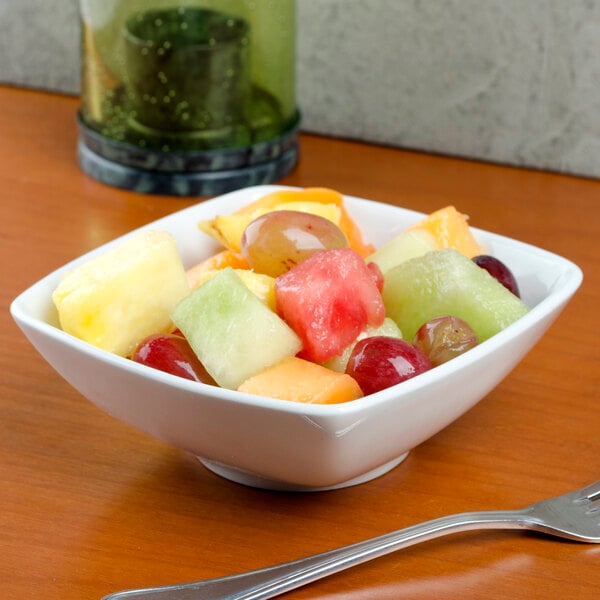
Square Bowls
One of the key benefits of square bowls is their space-saving design. Unlike traditional round bowls, square bowls can be easily stacked and nested, allowing for efficient storage and organization in busy kitchens. This space-efficient design also makes square bowls ideal for buffet setups and catering events where maximizing table space is essential. These bowls also feature a unique shape that adds visual interest to table settings and food presentations.
- Offer a visually appealing presentation that can elevate the overall dining experience
- Designed to maximize space on tabletops and in storage areas
- Flat bottoms provide stability
- Challenging to evenly distribute food
- Difficult to clean thoroughly
- Prone to chipping or breakage due to their angular design
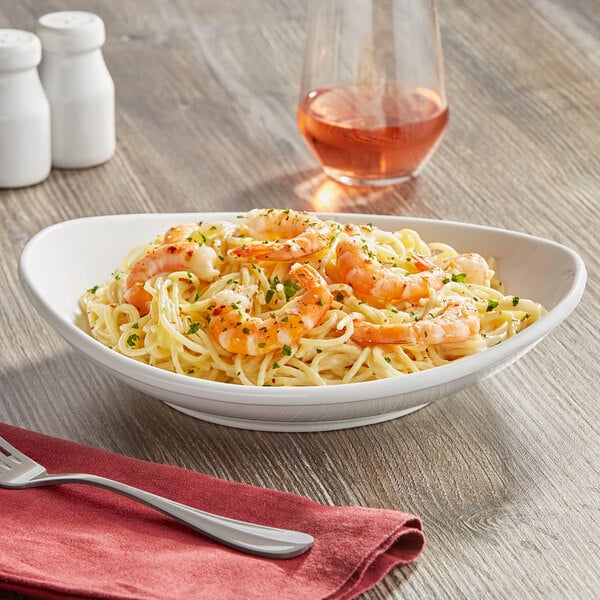
Oval Bowls
These bowls typically feature elongated, rounded edges that provide a unique presentation for various dishes. Oval bowls are commonly used for serving salads, pasta, soups, and desserts, adding a touch of elegance to presentation.
- Offer a sophisticated and elegant presentation for a wide range of dishes
- Elongated design provides a comfortable grip for servers and customers
- May make portion control more challenging compared to round bowls
- Shape may cause them to be less stable when stacked in large quantities
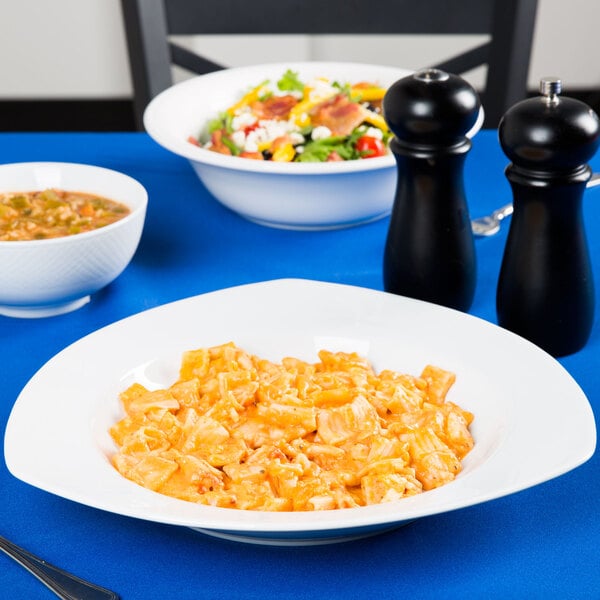
Triangular Bowls
Triangle bowls, as the name suggests, have a distinctive triangular shape that sets them apart from traditional round or square bowls. These bowls offer a modern and stylish presentation that helps your dishes stand out on the table. The angular design of triangle bowls adds a contemporary touch to your food presentation, making them ideal for upscale restaurants, catering events, or trendy eateries looking to stand out from the crowd.
- Offer a visually striking presentation
- Allows for efficient use of space on tables or serving trays
- May have a slightly smaller capacity compared to traditional round bowls
- Stacking triangle bowls can be more challenging compared to round or square bowls
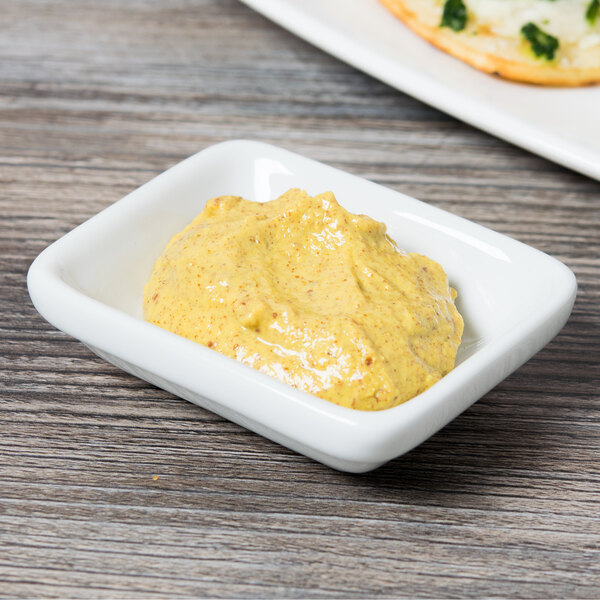
Rectangular Bowls
These bowls feature a long and narrow shape with straight edges, providing a modern and sleek appearance that can enhance the presentation of your food items. The elongated design of rectangle bowls makes them ideal for serving dishes that are meant to be arranged in a linear fashion or for showcasing individual components of a meal in an elegant manner. From salads and sushi to tapas and desserts, these bowls offer a versatile serving vessel that can accommodate different types of cuisine.
- Can fit neatly on a table or tray without taking up too much room
- Gives your presentation a modern and stylish appearance
- Smaller capacity compared to round or oval bowls of similar dimensions
- May be more prone to chipping or breakage compared to rounded bowls
Related Resources

June 2026 WebstaurantStore Coupon Code
Summer is upon us, and to celebrate WebstaurantStore has blazing hot deals all month long! With summer vacations underway and holidays like Independence Day rapidly approaching, now is the time to stock up on essential supplies and equipment you'll need to get through the summer season. Take a look at our wide array of sale items below and don't forget to enter the code SUMMERSALE at checkout to enjoy up to 20% off your purchases! Looking to save even more? Check out the new Webstaurant Rewards® Visa Business Card ! Sign up for a new card today and start earning rewards on every WebstaurantStore purchase, and save on a WebstaurantPlus subscription. Have a look at some incredible deals on disposable items with June's monthly coupon code! Whe

Best Mixing Bowls
Mixing bowls are a fundamental component of any commercial kitchen. Whether you run a bakery , restaurant, catering service, or any other food-related business, finding the perfect mixing bowl is crucial for efficient and effective food prep. With so many options on the market, selecting the ideal mixing bowl can be challenging. To help you make an informed decision, we've curated a list of the best mixing bowls available. Explore our recommendations below to streamline your purchasing process and enhance your kitchen operations. Shop All Mixing Bowls
Types of Plates
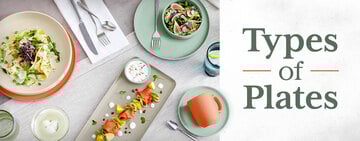
When it comes to choosing plates for your commercial establishment, it's important to consider the different types available. The right type of plate can enhance the presentation of your food and contribute to a positive dining experience for your customers. Whether you're choosing plates for your restaurant or next catered event, use this guide to determine which type of plate and plate size you need based on what you're serving. Shop All China Plates Use the following links to jump to the different plates that interest you most: Dinner Plates Dessert Plates Appetizer Plates Salad Plates Charger Plates Luncheon Plates Bread and Butter Plates How to Choose the Best Plate
Join Our Mailing List
Receive coupon codes and more right to your inbox.