
- Topics 1577
- Industrial 59
- Troubleshooting Guides 32
- Restaurant Management 144
- Bar Management 70
- Catering Tips 46
- Bakery Management 45
- Food Trucks & Concessions 41
- Advertising & Marketing 41
- Eco-Friendly Tips 13
- Facility Layout & Design 47
- Coffee Shop Tips 32
- Installation & Maintenance 63
- Janitorial & Pest Control 34
- Safety & Sanitation 121
- Startup Tips 111
- Menu Design 11
- Kitchen & Cooking Tips 106
- Hospitality Management 26
- Pizza & Sandwich Shop Tips 23
- Smallwares 42
- Food Prep 102
- Tabletop Items 21
- Disposables 28
- Calculators & Tools 7
- Consumables 77
- Warewashing & Laundry 22
- Cooking Equipment 106
- Food Storage & Refrigeration 58
- Beverage Equipment 43
- Office Supplies 6

Use the following links to navigate and learn how to troubleshoot common generator issues:
Here are eight things you can check on to figure out the reason your generator won't start. Luckily, most of these issues are easy to fix yourself!
1. Check the Fuel Tank
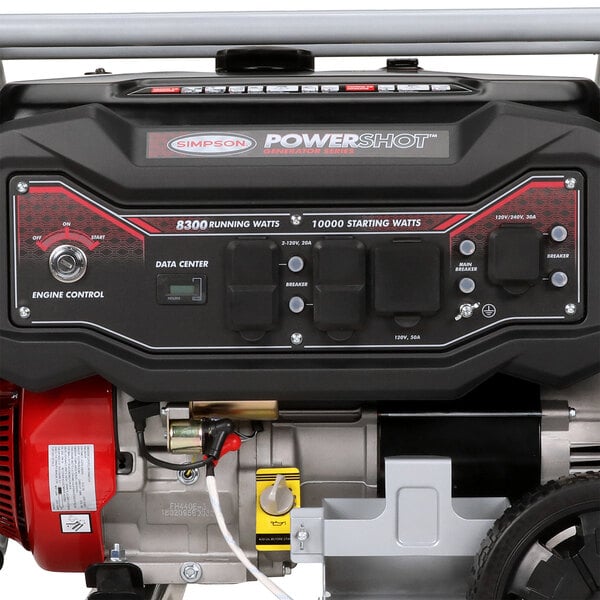
The first place to look if your generator won't start is the fuel tank. If there is no gas or low levels of gas, then you'll want to add more fuel. To avoid clogs and damage to the engine, never use old, or "stale", gasoline that is older than two months.
2. Check the Oil Level
Keeping your engine filled with the proper amount of clean oil is imperative to its performance and service life. Check the oil level in the engine using a dipstick, making sure your generator is on a level surface. Add more oil if the level is low and only use the type of oil that is recommended by the manufacturer.
3. Check the Start Switch
If the generating set switch is set to "OFF", switch it to the "ON" position. If it is not starting in the "ON" position, use a multimeter to test for continuity, which is a complete electrical path, and replace the switch if it tests negative in the "ON" position.
4. Check the Choke Valve Switch
The choke valve switch should be set to "CLOSED" during startups and then switched to "OPEN" once the engine is warmed up. If it is set to "OPEN" before the engine is started, turn it to "CLOSED" and try starting the generator again.
5. Check the Spark Plug
A spark plug breaks down over time, so check it to see if there is any damage or wear. Use an ignition spark tester to determine if an electrical current is reaching the spark plug in your engine.
- If there is light carbon buildup, clean it with a wire brush and some carbon cleaner.
- If it is worn or damaged, the porcelain insulator is cracked, or there is heavy carbon buildup that you cannot remove, it is time to replace the spark plug.
6. Check the Carburetor
Old fuel can cause buildup on the carburetor that prevents new fuel from getting through to initiate combustion and start the engine. If there is a clog, clean it using carburetor cleaner.
7. Check the Fuel Valve
The fuel valve is responsible for controlling the flow of gas from the fuel tank to the carburetor.
- If the fuel valve and vacuum relief valve are closed, fuel won't be able to flow from the gas tank to the carburetor. Make sure both are open.
- If the valves are open and the generator still won't start, the fuel line may be clogged. Unplug the fuel hose from the intake side of the fuel valve and check if gasoline can flow through the fuel line to check for clogs. Be sure to have a bucket while you do this to catch any fuel that may come out.
- If there is a filter between the fuel line and carburetor, make sure to check for clogs there as well.
8. Check the Ignition Coil
The ignition coil sends voltage to the spark plug when the engine is running. Use an ignition spark tester to determine if the coil has failed and replace it if it is defective.
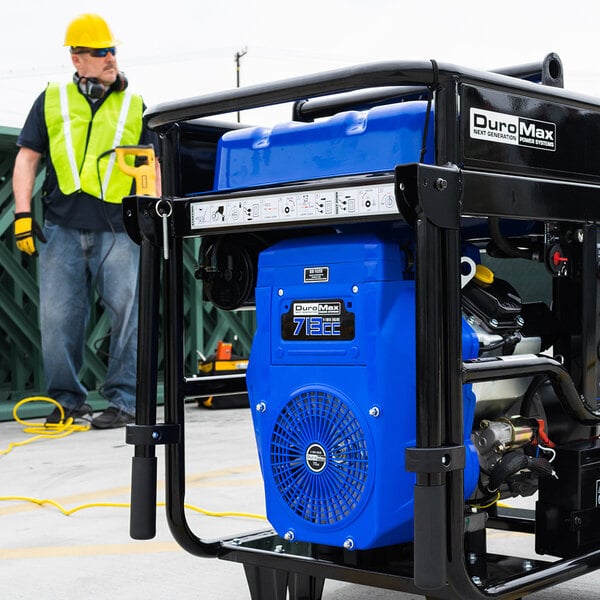
If your generator is running but not producing electricity, it is most likely due to a loss of residual magnetism. Residual magnetism is the magnetism left behind from the magnetic field that was created the last time the generator was running. This leftover magnetism is enough to produce the initial electricity needed at startup and will help the generator produce more power as it runs. Therefore, if residual magnetism is lost, the generator will not be able to produce power at startup.
The most common reason a generator loses residual magnetism is lack of use. Other factors that can cause a loss of residual magnetism are running the generator too long with no load, turning it off before disconnecting the load, or if it is new, vibration caused during long-distance transportation.
If the generator loses magnetism, you can flash the generator with a 12-volt battery to restore the residual magnetism needed to begin voltage buildup.
If your generator won't turn over, here are four things to check out to troubleshoot the issue.
1. Check the Battery
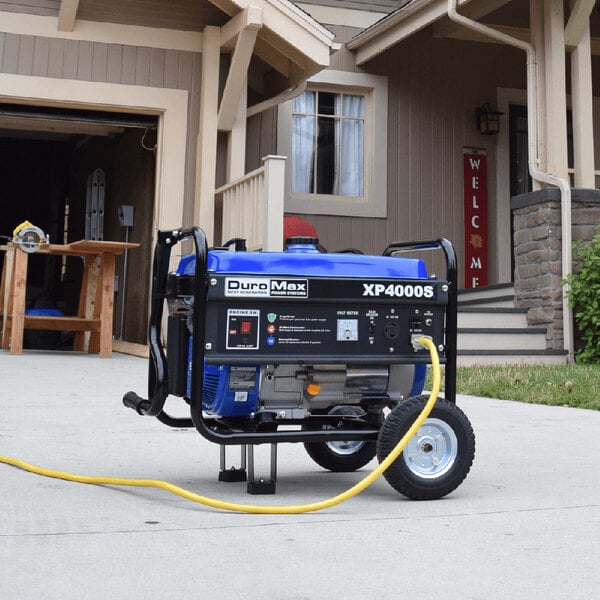
Charge or replace your battery if it is dead. A generator battery may lose its charge over time due to a lack of use. If this is the case, use the pull starter to start the generator and keep the engine running until the battery is recharged.
2. Check the Recoil Starter
The recoil starter engages the crankshaft to turn over the engine. If it is defective, it may not engage with the crankshaft. Replace the recoil starter if it is damaged or not functioning properly.
3. Check the Flywheel
The flywheel is a disc located near the crankshaft that stores rotational energy to keep your engine running after combustion. Replace the flywheel if it is damaged. You should also check if the flywheel key is broken and replace it if necessary.
4. Check the Fuel Filter
Fuel filters can clog over time, and a clogged fuel filter won't filter enough fuel through, which prevents the engine from turning over. Clean or replace the fuel filter if necessary.
If your portable generator is sputtering or stalling, follow these troubleshooting steps.
1. Disconnect All Electrical Devices
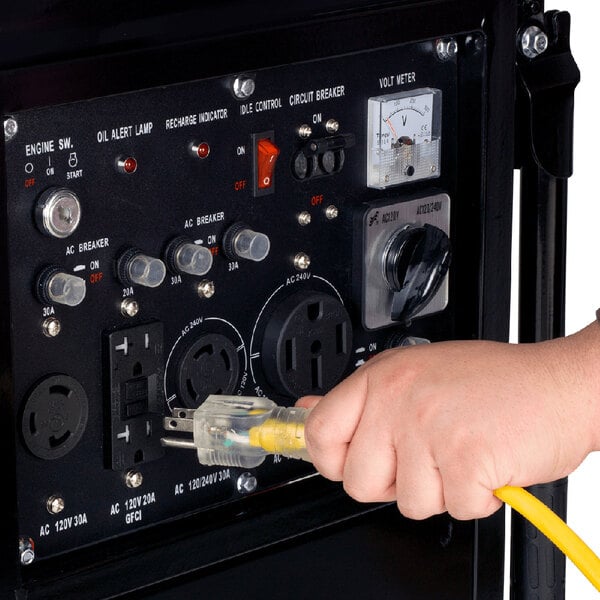
Make sure there are no electrical devices or plugs connected to the generator and the circuit breaker is switched to "OFF" before starting the engine.
2. Check the Air Filter
A clogged air filter prevents the carburetor from getting the air needed for combustion. Clean or replace it if necessary. If you work in a dusty environment, such as a construction site or a woodshop, make cleaning and replacing the air filter a regular practice.
How to Clean a Generator Air Filter:
- Locate the air filter cover near the recoil starter
- Loosen the filter clamps to remove the filter cover and then remove the foam filter
- Wash in warm water with liquid detergent and then squeeze completely dry with a clean cloth
- Cover with clean engine oil and then squeeze in a clean, absorbent cloth to remove excess oil
- Place the filter back in the assembly and fasten the filter cover back on with the clamps
Regular cleaning and maintenance on your generator is the key to keeping your generator operating efficiently and getting the longest possible lifespan out of it. Below are some maintenance tips to follow so that you can be sure your generator is well-prepared for your food truck, outdoor catering events, or emergency uses. Before cleaning or replacing any parts, you should always check the user manual for instructions.
- Routinely Start the Generator. If you will not be putting your generator in long-term storage, make sure to routinely start the generator every two weeks and allow it to run for about 20 minutes.
- Always Make Sure There Is Fuel in the Gas Tank. Make a habit of checking the fuel tank level before starting your generator to make sure it’s at a good operating level. You should always use the recommended oil in the manufacturer’s owner manual.
- Always Use New Gas. You should never use gas that is older than 30 days when filling up your gas tank.
- Clean the Spark Plug. Make a habit of cleaning the spark plug every six months or after every 100 hours of use. Typically, a spark plug should be replaced every year or after every 300 hours of use.
- Clean the Air Filter. The generator requires airflow to run, so it’s important to keep your air filter clean. Typically, an air filter needs to be cleaned every 3 months or after every 50 hours of use. Never run the generator without an air filter as it can cause serious damage to the engine.
- Check the Oil Levels. Trying to start your generator with low oil levels can cause permanent damage to the engine, so make sure your generator has the required amount of oil each time you go to start it. The engine oil should be changed after every 50 hours of use.
- Empty the Fuel Tank Before Storing. Cleaning out the tank keeps your carburetor and other parts from getting clogged during storage as well as ensures you’re only running clean, efficient fuel when it is in use.
- Store the Generator Properly. Your generator should be covered while not in use and stored in a cool, dry place to prevent moisture, dirt, and debris from getting into the engine.

Check your generator's owner manual for specific instructions and protocols before performing any repairs or maintenance to the unit. If you are still having trouble with your generator after these fixes or you don't feel comfortable with troubleshooting yourself, contact an authorized generator repair professional.
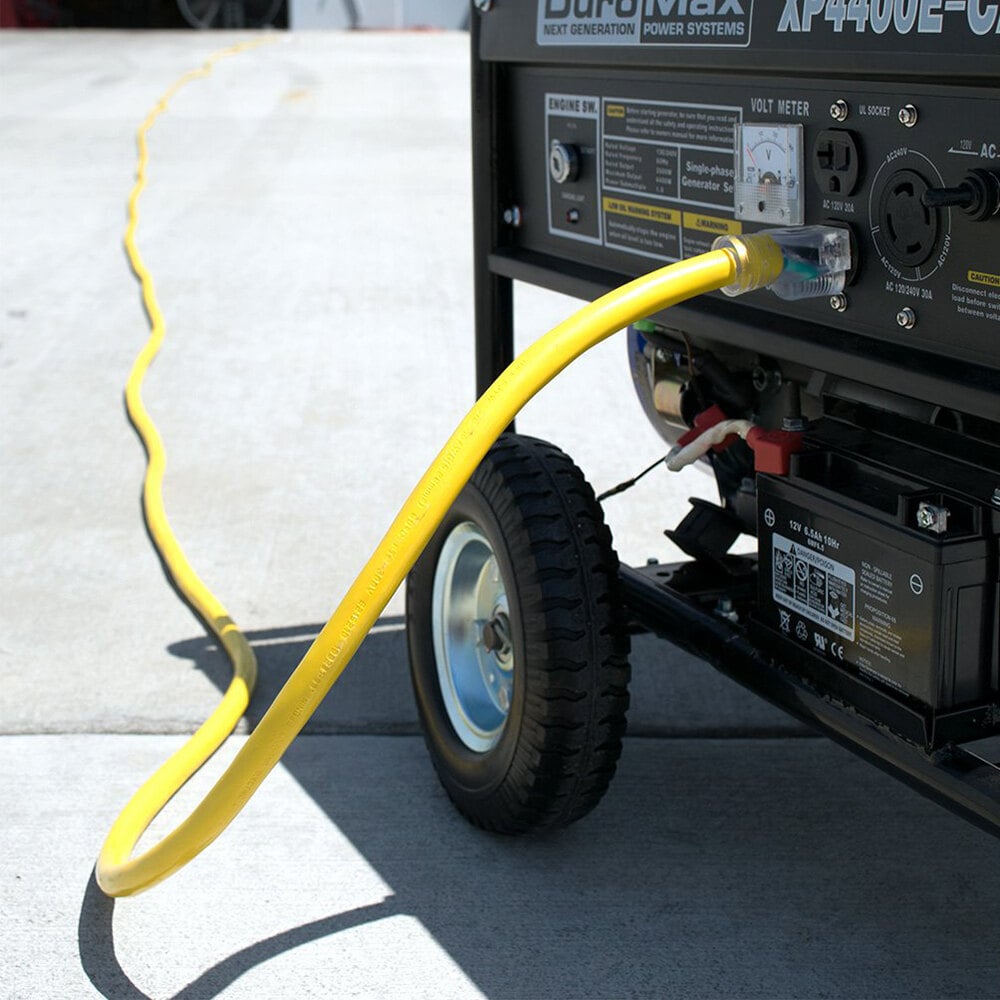
Ensure long-lasting, efficient use by investing in the proper storage and operating accessories for your generator.
- Generator Covers: Prevent dust and debris from collecting on your generator while in storage with a generator cover. They typically include a protective interior moisture barrier to also ensure it stays dry.
- Generator Extension Cords: Safely operate your generator from a distance with an extension cord. They help keep hazardous exhaust away from your setup as well as reduce the noise level at your function. Most cords are weather-resistant to stay flexible and function properly in extreme temperatures and rain.
- Generator Inverter Box: An inverter box allows you to connect two inverter generators and increase the power yield to supply your electrical appliances.
Related Resources

Emergency Supplies List For Businesses
A part of overall restaurant safety is to ensure that you have a business disaster plan in place to help protect your employees and customers in the event of an emergency. Whether it's a fire, an extended power outage, or a natural disaster, having the proper emergency supplies available can sometimes impact survival. Being properly prepared can even affect the overall success of your business after the emergency has passed. We have created an emergency supplies checklist to help your business prepare for unpredictable circumstances. Shop All Emergency Supplies Click below for a downloadable emergency preparedness supplies checklist: Download our Emergency Supplies Checklist PDF Emergency Supplies The Federal Emergency Management Agency (FE
How to Calculate Amps, Volts, and Watts
If your kitchen equipment isn't working properly, it's time to check the electrical requirements . Operators hooking commercial kitchen equipment to the wrong voltage is the No. 1 reason for its malfunction. Prevent this by identifying the volts, amps, and watts of your foodservice machinery and confirming their compatibility with your building's utilities. If you only have two of those electrical ratings, you can calculate the missing data. We provide a calculator that instantly converts amps to watts or volts, and we also offer a series of electrical conversation formulas so you can calculate the conversions yourself.

Types of Batteries
Using the right kind of batteries makes all the difference in your equipment's overall performance and lifespan. This guide will break down common battery sizes and the various types so you can get the most use out of your device. Shop All Batteries
Join Our Mailing List
Receive coupon codes and more right to your inbox.