Top Bar Trends for 2027
Last updated on Nov 19, 2026Corrinn McCauleyBars have always been about more than what's in the glass. They're where first dates turn into anniversaries, where coworkers become friends, and where a regular's usual order says welcome back. Facilitating connection hasn't changed, but how guests gather is evolving. Reports that Gen Z is opting out of or reducing alcohol consumption shouldn't alarm bar owners. Instead, it should alert operators to new ways to welcome everyone to the table. Guests aren't giving up on the bar. They're using it differently. In 2027, consumers want to start their evenings earlier, enjoy lighter ingredients, and mix in more alcohol-free rounds. Discover the bar trends worth watching, and what each one means for your menu, your bartending tools, and your team.
Season of the Spritz
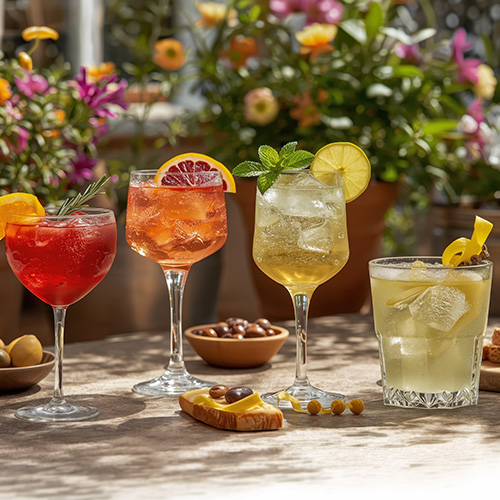
Happy hour's share of bar sales keeps climbing, and the spritz owns that early-evening slot, growing in both volume and price, with the average now topping $10. Last year we told you elderflower flavor would become popular. This year, that flavor trend has evolved into the Hugo Spritz, an elderflower liqueur, prosecco, soda water, and muddled mint aperitif. Hugo Spritz orders have more than doubled, and it's growing from a niche to a new menu staple. Campari and Limoncello spritzes grew right alongside it, but at slower comparative rates. The Aperol Spritz, long the category's flag-bearer, is still growing, but it's now the slow one in the family. Americans traveling in Europe filled TikTok with the pink, tropical Sarti Spritz and begged for a US release. It's now landing on menus in the States and is a drink to watch. Much of the spritz growth is coming from venues adding the first beverage of its kind to their menu, so the category isn't crowded yet. Build a signature riff with a seasonal fruit, a different amaro, or a house-made syrup, and serve it in a big wine glass over cocktail ice.
Tequila and Agave Supremacy
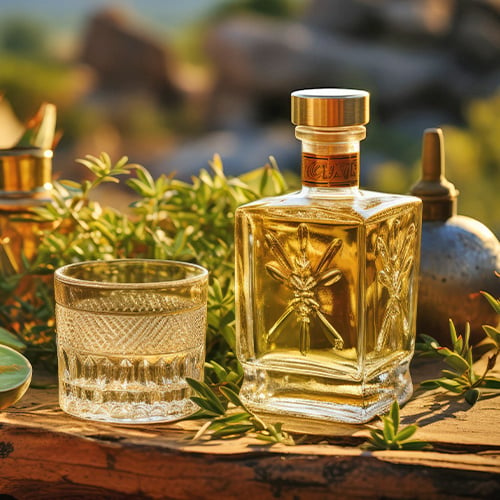
Tequila has powered the spirits shelf for years, and industry data shows tequila holding flat across 2024 and 2025 as the category matures. Don't read that as a retreat. Read it as a graduation. You know guests want agave liquor, so playing with unique recipes is a safe risk and a way to stand out. A 100% agave Blanco Tequila with a real story earns a spot above the well, and bright, sparkling serves like the Paloma and ranch water fit neatly into the lighter, longer drinking trend. Ranch water - the West Texas favorite said to be born when ranch hands stirred blanco tequila, lime, and mineral water over ice to beat the heat - is cheap to build, fast to pour, and easy to batch. Mezcal belongs to the conversation, too. It's a small, bar-built category that earns its spot through smoky serves like the Mezcal Margarita, the Mezcal Mule, and the Oaxaca Old Fashioned, which pairs mezcal with tequila. 2027 is the time to audit your agave list. Trim the dusty middle, feature a few bottles with a point of view (include one mezcal), and add one signature long drink.
Batched Cocktails on Tap
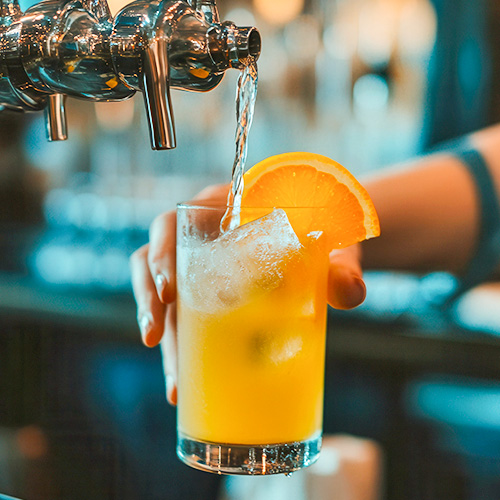
It's 8 p.m. on a Friday, the ticket printer won't quit, and the next order needs a jigger, a shaker, and a garnish. Batching is the answer to high-volume service. Pre-batched and draft cocktails give bars the faster service, steadier pours, and less training time that operators are chasing. The drink tastes the same whether your veteran mixologist or your newest bartending hire pulls the tap, and your best bartenders get time back for the drinks that deserve it. Smart bars don't batch everything. The best candidates are high-volume repeat orders like spritzes, negronis, margaritas, and whisky highballs. Skip anything that depends on pulp, delicate foam, or fresh herbs that fade in the keg. That early-evening rush is where batching pays off most. Start by taking your two or three best-sellers and batching them first. Treat it like a system, not a gimmick. That means labeled and dated batching containers, a draft setup or a dedicated highball dispenser for the simplest serves, and a strictly implemented line-cleaning schedule. Strain your citrus well, because pulp clogs lines.
Light and Sessionable Sips
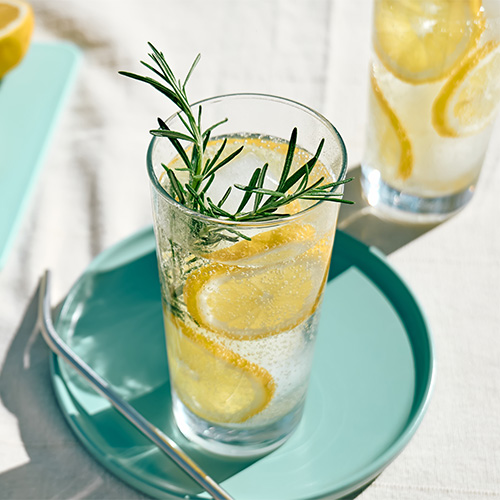
Bars are rediscovering the crisp, easygoing session sip that is built for a long conversation. Session IPAs and ultra-light beers are back on the board, and Japanese-style rice lagers are winning over craft drinkers, with tracked check-ins for the style up more than 60% in three years. Add alcohol teas, social tonics, or green wine from Portugal for low-alcohol pours that practically beg for patio service. The whisky highball is the cocktail version of the same idea. Long, light, and simple enough to serve in seconds, a whisky highball is just whisky and soda over plenty of ice. The whisky and ginger ale version, nicknamed the Kentucky mule, is enjoying a revival too. High-volume bars pour them from dedicated highball dispensers into frozen, thick-glass handled mugs, while cocktail bars use the same template for more elaborate builds. Give "light and easy" brews their own spot on the menu instead of burying them in the beer list. Keep refreshing Japanese rice lagers on tap, and train your team to pitch these sessionable sips as lighter, not lesser.
Citrus, Refreshers, and Lemonade Bars
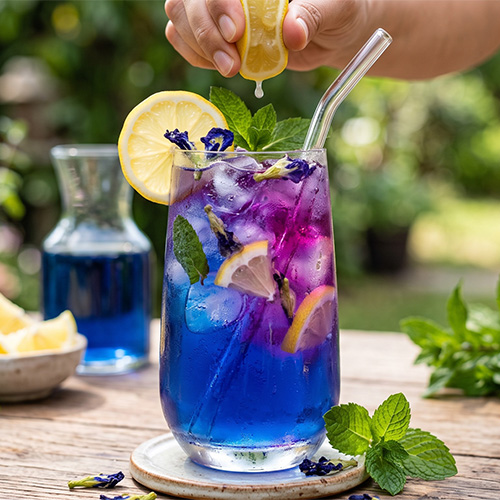
Sweet is out, and zingy is in. Guests crave blood orange, yuzu, key lime, grapefruit, and Meyer lemon, and they want their drinks to taste like fruit, not syrup. That shift is fueling the refresher boom. Menu data shows refreshers up about a third in the past year and roughly 150% over four years, and more than half of operators serving them report higher sales. Bars have a built-in edge, since the citrus, juicers, and garnish game are already behind the bar. A lemonade and refresher selection serves non-drinkers and nudges drinkers toward a lighter, spiked-lemonade first round, all at healthy margins. Build a small refresher menu around two or three citrus bases, and keep the lemonade less sweet than the standard restaurant version. Add a color-changing butterfly pea tea option for the photo-sharing crowd, and try a cold foam topper as an upsell. Batched super juice cuts waste and boosts flavor. For an international twist, try Vietnamese lemonade, made with salted preserved limes for a tangy, sweet, and salty flavor.
Cleaner Ingredients
Last year we pointed to colored glassware as a clever way to tint a drink without dyes. This year the dye conversation got louder. The FDA set a goal of phasing petroleum-based synthetic dyes out of the food supply by the end of 2026, and some states have started passing their own restrictions. That puts the bright blue Curacao and neon cherries behind many bars on borrowed time. Guests are watching sugar too. The good news is that cleaner is easier behind the bar than it sounds. Fresh fruit, botanicals, and natural colors do the job, and the FDA has fast-tracked butterfly pea flower, the same ingredient behind that color-changing tea, as a natural food coloring. Red No. 3 is already revoked, with a January 2027 deadline for removal, so now is a good time to check anything red behind your bar, like cocktail cherries and grenadine. Read the labels on your syrups, liqueurs, and mixers for artificial dyes and added sugar, and swap in cleaner versions. Let your glassware and garnishes add the color instead.
The Age of Sober Enlightenment
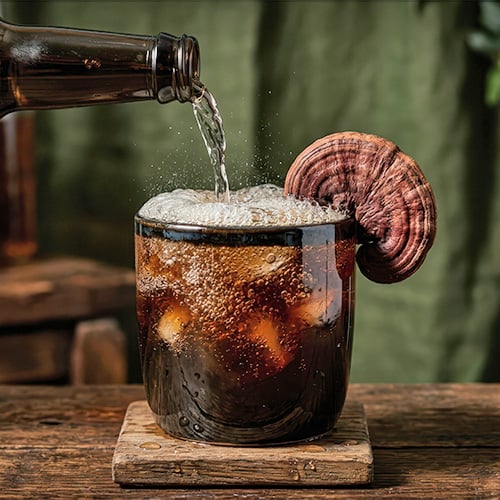
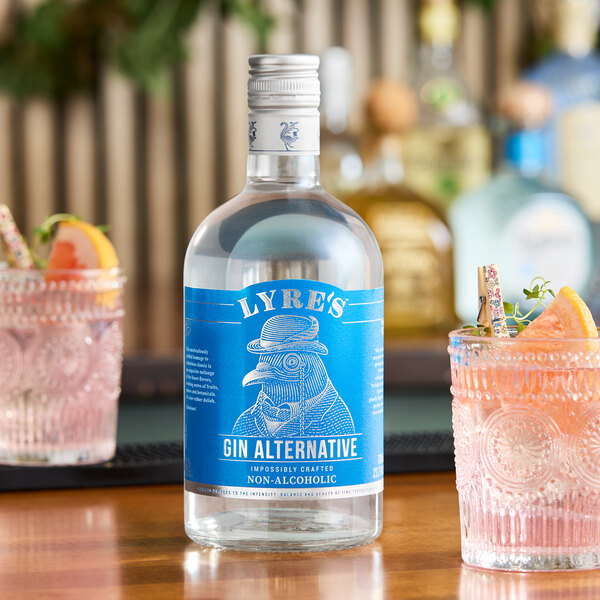
Last year we called it a sober renaissance. This year, it's evolved into a sober age of enlightenment. The share of Americans who drink sits near a 90-year low, and non-alcoholic beer, wine, and spirits topped $1 billion in sales. Gen Z hasn't left the bar. They simply drink less often, and mix alcohol-free rounds into the same night, a practice industry insiders call zebra striping. That's why zero-proof can't be an afterthought. Adaptogen mocktails with ingredients like ashwagandha and ginseng are a natural next step, and Cali-sober guests, who skip alcohol but may enjoy cannabis-derived drinks, are changing what a night out looks like. Rules on hemp-derived THC drinks are still in flux, so watch that one closely. Quieter rooms are part of the shift too. Lower music, comfortable seating, and earlier closing times suit conversation-first crowds. You don't have to become an exclusively sober bar to cater to the sober-curious and mindful drinking crowd. Just grant zero-proof a menu section with alluring garnishes and attractive glassware.
Asian-Inspired Flavors
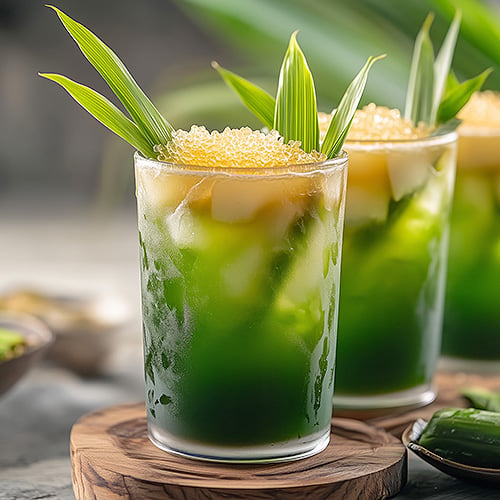
Asian ingredients are moving from special feature to core menu, and the lychee martini is leading the parade. It's back, but this version is drier, more savory, and often served in a coupe. Matcha is surging too, with orders up more than a third year over year across food and beverage sellers, and hojicha and oolong are lining up behind it for tea-forward cocktails and mocktails. Traditional Japanese alcoholic beverages like sake and umeshu are also gaining ground. Behind the bar, Asian sauces and ingredients like miso, shiso, mirin, and even ponzu are subbing in for bitters and simple syrup. Not just for the savory crowd, pandan and ube bring vivid color and a soft, nutty-vanilla sweetness, and the yuzu you met in the citrus section fits right in. Don't overhaul your menu. Pick one signature drink, like a matcha gin fizz, pandan sour, or a dirty miso martini. Then stock the tools like matcha whisks and fine strainers required to prepare them. If using matcha or hojicha, whisk them to order and strain them fine so every sip stays smooth.

Tiny Cocktails, Big Appeal
With cocktails averaging $16+ in many cities, guests are feeling the squeeze, and bars are answering with the tiny cocktail. Picture a scaled-down baby Negroni or mini martini that lets guests sample more, spend less per drink, and still enjoy a full night out. The "tiny 'tini" has been flagged as one to watch this year, with bars from New York to Nashville serving smaller pours. Some are offering trios and flights that turn a drink order into a tasting experience. It's a natural fit for the moderation trend and the cost-conscious guest. The growing number of people taking GLP-1 medications may also be leading to the desire for smaller formats. A small pour is an easy yes for someone who wants a second drink without the commitment, or a taste of something new without the risk. Operators say minis can drive extra orders, though they take just as long to make, and it's still early to say whether they lift the average check. Test two or three on your menu, such as a mini margarita or a martini trio flight, and offer a zero-proof mini alongside each full-proof version so non-drinkers can join in. Stock small coupes, cordial glasses, and tasting flights.

Happy Hour Becomes the Main Event
In 2027, happy hour will transition from warm-up act to headliner. Late night has slipped from about 24% to under 22% of bar transactions, the steepest drop of any daypart, while happy hour has grown every year since 2019 and now claims about a quarter of bar sales. Industry reports call this shift "afternoon society" or the "daycap," because late-afternoon, post-work drinks are replacing the nightcap. About a third of legal-age Gen Z say they'd rather drink early in the evening than late at night. Rebuild happy hour around what guests actually want. Since remote and hybrid work has loosened the classic 5 p.m. after-work rush, you can start earlier and run longer, pair your discounted classics with a signature spritz and one zero-proof option, and let food do some of the work, since snacks often fill the room as much as drinks do. Build a shareable menu from ingredients you already stock, like cheese and charcuterie boards, olives, nuts, and sliders. Some bars are leaning into an Italian-style aperitivo hour with lower-ABV cocktails and salty bites, while others run a late-night "reverse" happy hour to fill the gap.
What Is Driving Bar Trends in 2027?
Behind every trend on this list is a shift in how people go out. Five forces are shaping what guests order and how bars should serve it.
- Social Media: From the Hugo Spritz to the pink Sarti Spritz, TikTok can turn a drink into a cultural moment overnight. Color, glassware, and garnishes now do real marketing work, and guests often arrive knowing the drink they want.
- Earlier, Shorter Nights: Happy hour's share of bar sales keeps growing, and Gen Z favors early-evening outings. That rewards spritzes, highballs, and fast serves, and bars that are ready for the early rush.
- Quality Over Quantity: Many guests are ordering fewer rounds and spending on better ones, and with cocktail prices climbing, every drink must earn its place. Premium agave spirits, thoughtful ingredients, and well-built presentations win over sheer volume.
- Cleaner Labels: Guests and regulators are scrutinizing dyes and sugar, which is pushing bars toward fresh, simple, natural ingredients.
- Moderation and Wellness: Fewer Americans are drinking, and those who do are choosing balance. Zero-proof, light, and functional drinks are moving from niche to necessary, and guests expect them to taste as thoughtful as the cocktails.
The 2027 bar industry through line is simple. Guests are drinking earlier, lighter, and with more intention, and the bars that adapt will win them. You don't need to chase all ten trends. Pick two or three that fit your concept, test them as specials, and watch what guests reorder. Then make sure your team has the cocktail glassware and bartending tools to prepare them. Trendy gets guests through the door. Consistency gets them back.

Corrinn loves writing, researching, and cooking, so she’s grateful she’s gotten to blend these three passions as a longform writer on the content team at WebstaurantStore for 5 years and counting. Creating resources that help operators succeed and lacing them with entertainment to make them smile is her "why".
Learn more about this author and WebstaurantStore's Content Writing Team here!