Top Restaurant Design Trends of 2026
Last updated on Jan 14, 2026Corrinn McCauleyWhile designing an effective menu is crucial for attracting new and repeat customers, enhancing your restaurant's design can also play a significant role in the success of your business. By staying current with restaurant design trends, you not only make your space more visually appealing but also have the opportunity to incorporate cutting-edge technology to streamline your operations. Design innovations are not limited to the front of the house; staying ahead of back-of-house design trends can also lead to significant upgrades in efficiency and functionality for your business. We've rounded up the key foodservice design trends so you can incorporate them in ways that work for your business model.
Candid Camera
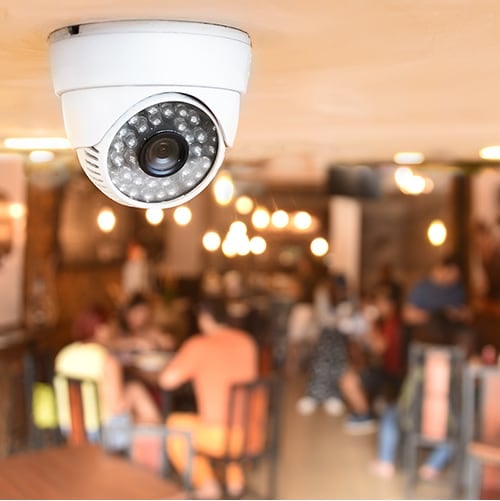
Investing in AI-integrated surveillance cameras provides numerous benefits for restaurant owners and managers. They can help with the flow of service by providing real-time insights into customer traffic and behavior throughout your dining room layout. By monitoring camera feeds, you can identify areas of the dining room that may require additional servers or attention. This can help ensure customers receive prompt and efficient service. Facial recognition technology allows you to identify and track your loyal customers, so you can provide personalized service and rewards. This technology can also help you better understand customer preferences and tailor your offerings to meet their needs. Beyond customer service, surveillance cameras can also improve staff training and quality control in food prep areas. By monitoring camera feeds in the kitchen, you can ensure that food is prepared according to your standards and recipes, helping you maintain consistency in the quality of your dishes.
Memorable Spaces
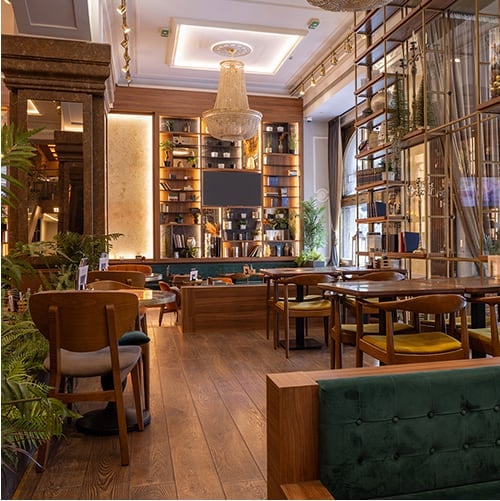
According to a Consumer Research Methodology report, 54% of Americans are willing to pay a premium for a dining experience that offers a unique vibe. It's clear customers want more than just a meal; they want a memory. In today's digital age, social media plays a significant role in shaping consumer perceptions. 58% of Americans will choose a restaurant they consider TikTok worthy over a less aesthetic establishment, and 25% consider social media appeal extremely important when dining out. This means that the visual appeal of your restaurant, from the decor to the seating, can greatly impact how customers perceive and share their experiences online. In 2026, 48% of Americans reported a preference for a cozy, local charm in interior design. This style evokes a sense of warmth and familiarity, making customers feel at home while enjoying their meal. Additionally, 21% of consumers expect Instagrammable bathrooms, highlighting the importance of every detail. Clean, modern, minimalist designs are preferred by 20% of Americans, according to a 2025 Restaurant Survey.
Storytelling Through Design
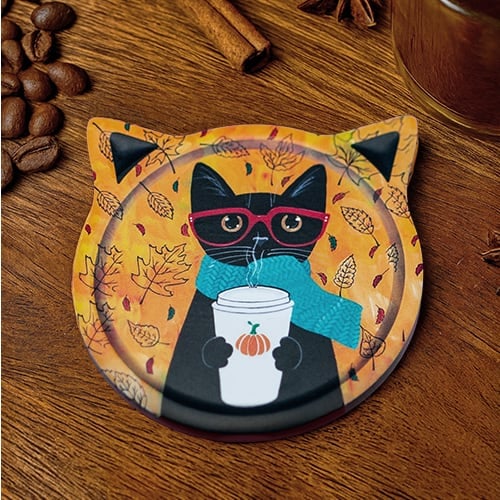
In the competitive foodservice landscape, creating a memorable and engaging experience for guests is essential. One powerful way to captivate your audience is through storytelling embedded in your design elements. Today's guests want to know what drives your business, not just what products it offers. An effective method of storytelling through design is to utilize customized touchpoints such as coasters, coffee sleeves, and napkins. These seemingly small items can serve as powerful tools to convey a piece of your brand's narrative. Avoid generic slogans and instead, infuse your unique voice, humor, and story into these touchpoints. For instance, consider sharing a snippet about who grew the beans on a coffee sleeve or providing a brief insight into your brewing process on a coaster. These subtle touches can pique curiosity and spark conversations among your guests. By weaving storytelling into your design elements, you can create a cohesive and immersive experience that resonates with your audience.
KDS Integration
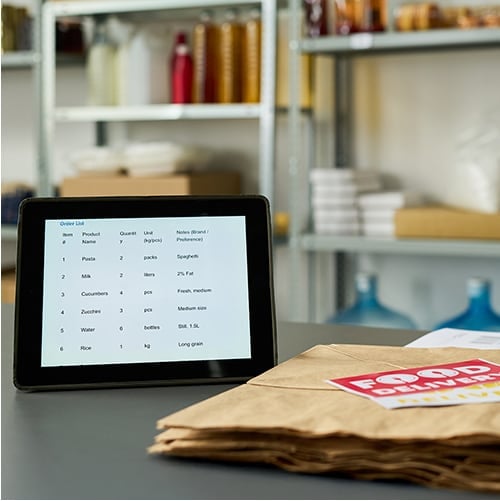
In 2026, Kitchen Display Systems (KDS) will continue transforming the operational dynamics of restaurants by facilitating seamless communication between the front and back of the house. A KDS utilizes digital screens to exhibit orders directly from the point-of-sale (POS) system, ensuring synchronization among all team members. Equipped with features such as color-coded indicators, order prioritization, and real-time updates, a KDS significantly improves efficiency and precision in food preparation. One of the primary advantages of implementing a KDS is the enhancement of order accuracy. The system reduces the likelihood of errors and guarantees that each dish is prepared accurately and promptly. The integration with inventory systems further bolsters accuracy by reflecting real-time stock availability, thereby preventing customers from ordering unavailable items. A KDS offers managers a centralized dashboard where they can monitor order times, identify workflow bottlenecks, and track staff productivity.
AI Noise Management
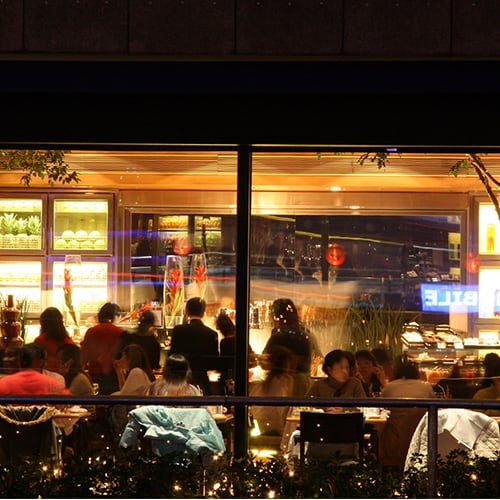
AI technology offers innovative solutions to effectively manage noise levels within restaurants, enhancing the overall dining experience for customers. AI systems can adjust background music volumes in different parts of the restaurant. By monitoring the occupancy levels in real-time, AI systems can automatically modulate the volume to maintain a comfortable and conducive atmosphere for diners. They analyze factors such as the size of the room and the materials used in its construction, such as glass, to determine the optimal volume levels for each area. By tailoring the music volume to suit the specific characteristics of different spaces, restaurants can create a more harmonious and enjoyable ambiance for their patrons. AI technology can also adjust music volume based on how full the room is. This dynamic approach to noise management ensures that the auditory experience remains pleasant and balanced, regardless of fluctuations in crowd size.
Multi-Purpose Spaces
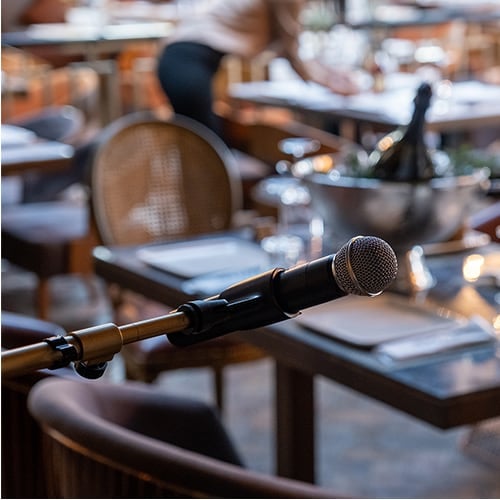
Many restaurants are incorporating specific areas within their establishments that can be utilized for hosting events such as private parties or corporate functions. Investing in stackable chairs allows them to adjust their space to capacity fluctuations and events since they can conveniently be stacked and stored when not in use. Breweries are also embracing multi-purpose design by repurposing underutilized spaces, like barrel rooms, into versatile banquet halls. This flexible approach not only optimizes space utilization but also generates additional revenue streams for the business. Restaurants can add a small cafe next to their main dining space, especially if they're a popular brunch spot that often has a long wait. If customers are deterred from waiting for a table, the operator doesn't have to lose their business entirely. By offering a coffee and pastry window, their potential patron will likely either grab something to go or be willing to wait with their drink and snack.
Textural Touch Points
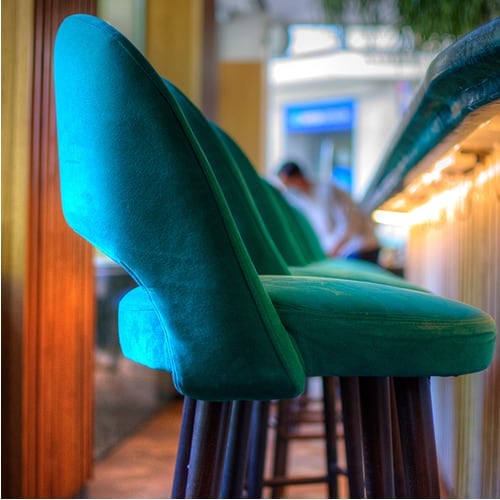
In our overstimulated society, chefs are using texture stimulation to capture customers' limited attention spans, and this trend is extending beyond the plate and into the realm of design. In upholstery, textured fabrics such as velvet, chenille, or tweed are gaining popularity for their luxurious look and feel. Menu covers incorporating textured materials such as leather, embossed paper, or fabric can add a tactile element that makes the menu itself a part of the dining experience. Tablecloths and napkins are essential touchpoints in any foodservice establishment, and the choice of texture can significantly impact the overall dining experience. Textured tablecloths, such as linen or burlap, can add depth and visual interest to the table setting, while also providing a more tactile experience for diners. Similarly, textured napkins can elevate the dining experience by adding a layer of sophistication and refinement to the table setting. This trend towards texture stimulation in design reflects a growing emphasis on sensory experiences and the desire to create inviting and immersive spaces for customers.
Nature Meets Industrial
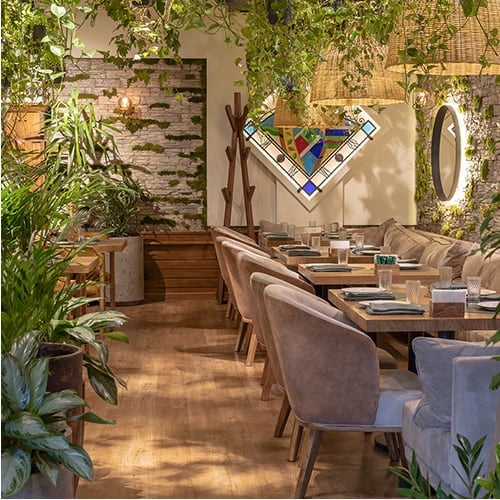
A beautiful fusion of nature and industrial design will emerge in 2026, emphasizing sustainability and durability. This trend harmoniously blends the raw, organic features of nature with the polished, industrial aesthetics. Upgrade your dining room decor by incorporating organic materials like wood, stone, and greenery. Live plants, moss walls, and natural wood finishes appeal to customers who desire a connection to the earth. Industrial elements, such as exposed brick, metal accents, and concrete flooring, infuse a sense of modernity and urban style into the space, creating a visually striking contrast with the organic elements. Combining hardwood furniture with distinct grain patterns alongside sleek metal accents produces a striking visual impact. Layering upholstered cushions against smooth laminates adds depth and texture to the overall design. The color palette of this trend is dominated by earthy tones, bringing warmth and grounding to the space. Clean architectural lines provide structure and refinement, creating a welcoming environment that seamlessly merges the natural world with industrial features.
Group Dining Spaces
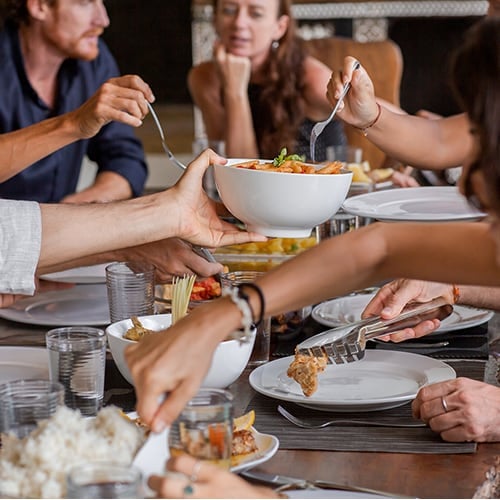
Restaurants act as third spaces, helping people connect, create memories, and celebrate milestones, and 2026 will see more group diners than before. Recent OpenTable data shows an 11% increase in the number of groups of six or more individuals dining out year over year. This trend underscores the importance of creating inviting and functional group dining spaces within restaurants. A key driver behind the popularity of group dining spaces is the innate human desire for connection and social interaction. Studies show that 78% of Americans view dining out as a way to feel connected to other people. Consumer preferences are shifting towards more intimate and exclusive dining experiences. Research indicates that 36% of Americans express a desire for more group and private dining options in 2026. This trend presents an opportunity for foodservice operators to set up spaces that comfortably accommodate larger groups and allow them to feel a sense of intimacy with their party.
High Tables and Counter Seating
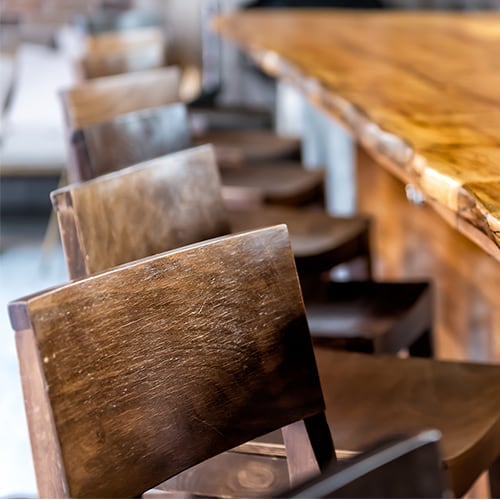
Counter seating and bar height tables and chairs have experienced a notable increase in popularity in recent years, with a substantial 26% rise in counter seating and a 23% increase in bar seating year over year. One of the primary reasons restaurants incorporate tall seats is to promote social interaction. Sitting on a bar stool places you at eye level with standing guests or bartenders, facilitating conversations that are more engaging and enjoyable. This seating arrangement encourages people to gather in groups, promoting a sense of community and camaraderie. In addition to fostering social connections, tall chairs enable restaurants to optimize vertical space utilization, especially in areas like bars or counters. High tables and chairs accommodate larger groups in a smaller footprint, maximizing seating capacity and creating a warm and intimate dining environment. For solo diners, high stools at the bar offer a cozy spot for individuals dining alone, allowing them to savor their meal without feeling isolated or out of place.
What Is Driving Restaurant Design Trends in 2026?
The foodservice industry is constantly evolving, driven by a multitude of factors that shape consumer preferences and industry trends. As we look ahead to 2026, several key influences are shaping the trajectory of restaurant layout, furnishings, and overall design.
- Artificial Intelligence (AI): AI-integrated surveillance cameras are being used to manage the flow of service and improve staff training and quality control.
- Social Media Influence: Design trends are being influenced by customer preferences towards cozy local charm, experiential dining, and the fusion of nature and industrial aesthetics.
- Texture Stimulation: Incorporating touch points such as velvet upholstery, textured menu covers, tablecloths, and napkins to engage customers and add another layer of sensory experience.
- Group Dining Experiences: Social experiences involving groups of six or more are increasing in popularity, leading to the need for dining rooms with tables and chairs that facilitate group dining, provide comfort, and encourage social interaction.
- Multi-Purpose Spaces: Utilizing moveable furniture to create versatile spaces for hosting events and incorporating other businesses into foodservice establishments, such as having a store where sauces are sold or a coffee shop adjacent to the restaurant.
2026 is an exciting time to upgrade your restaurant's decor, integrate new technology, and add personalized touches that tell your brand's story. AI technology is advancing to enhance the flow of service, digital menus, and back-of-house quality control. The public desire for restaurants to be third spaces for socialization has operators updating their dining rooms to accommodate groups and become multi-use spaces. Whether you're integrating new trends into your existing foodservice business or starting a new concept, use this blog to guide your restaurant's design.