




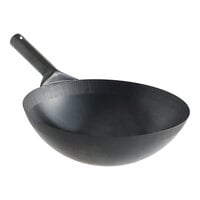
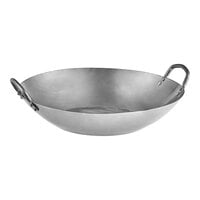
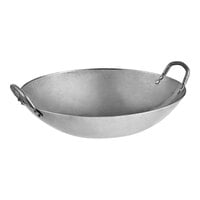
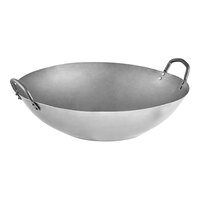
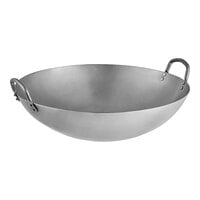
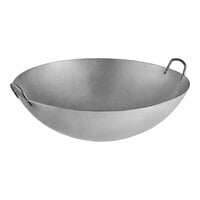
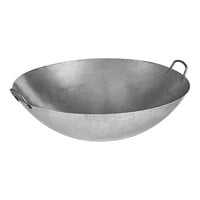
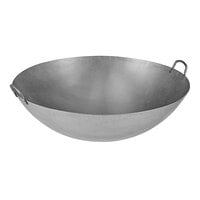
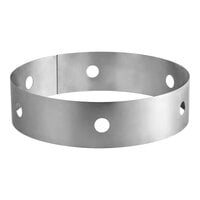
- Diameter:
- 22"
Really like the wok, season first while heat up will need to burn at least twice before using it. Great for cooking or display, after use hand scrubbed than apply another mineral oil to prevent any rust
Item number 478mwokc12r

Usually ships in 1 business day
UPC Code:400017651927
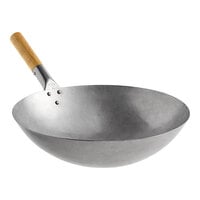
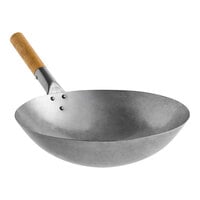
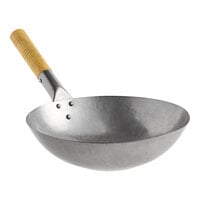
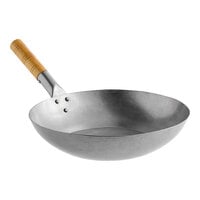
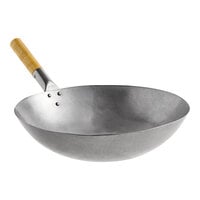
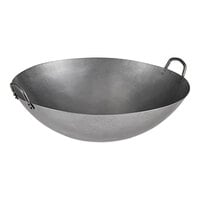
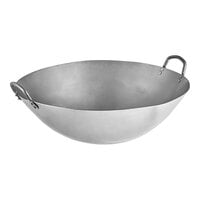
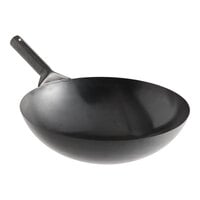
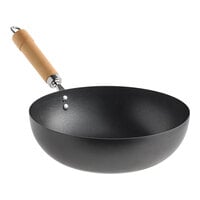
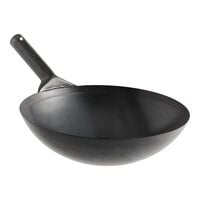
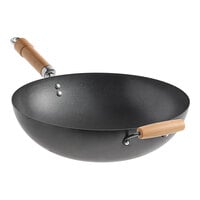
Cook your Asian-inspired dishes to perfection with this Emperor's Select Mandarin wok! Perfect for stir-frying, sauteing, deep-frying, steaming, and boiling, it's ideal for quickly searing ingredients while retaining their texture and flavor. Designed with a traditional Mandarin wok style, this cookware allows you to quickly prepare your meals with an authentic touch. Crafted from durable 1.5 mm thick carbon steel, it offers fast and even heating, ensuring your ingredients are cooked to perfection every time. The sturdy welded handle provides a secure grip, making it easy to toss your stir-fry or vegetables with confidence.
Ideal for commercial kitchens and restaurants, this Emperor's Select mandarin wok is the perfect tool for creating delicious and authentic Asian cuisine with ease. Its steep sides allow you to effortlessly move and toss your food for even heat distribution. As you continue to use and season the wok over time, it will develop non-stick properties, making cooking and cleaning a breeze. Get ready to elevate your cooking game with this induction-ready wok that is compatible with a rounded wok induction range (sold separately), offering versatility and efficiency in your kitchen!
Overall Dimensions:
Top Diameter: 12"
Height: 3 13/16"
 Attention CA Residents:
To preserve quality, this item should only be hand-washed and sanitized.

This item is compatible for use in induction cooking.

This item was manufactured without intentionally added PFAS substances.
Frequently Asked Questions From Customers
Really like the wok, season first while heat up will need to burn at least twice before using it. Great for cooking or display, after use hand scrubbed than apply another mineral oil to prevent any rust
Spacious, light, works as intended! Blued up nicely and was easy to season. Welded handle makes cleaning easy and almost fun. I was surprised at how cheap a wok is, but I guess it makes sense—piece of metal, formed, greased, sold. I've been very happy with this; glad I bought it.