
Everything You Need to Know About Pop-Up Restaurants
Last updated on Sep 30, 2026WebstaurantStoreFrom large cities to rural towns, pop-up restaurants are a growing trend taking chefs and consumers by storm. Offering anything from fast-casual fusion dishes to high-end gourmet meals, this concept lends itself perfectly to those looking to express their creativity and those who wish to consume it. Read on to discover what a pop-up restaurant is, the benefits of running one, and important tips for success.
What Is a Pop-Up Restaurant?
A pop-up restaurant is defined as a restaurant that operates temporarily in a previously determined or unexpected location. This idea is inspired by supper clubs, which were popularized in the 1960’s as informal dining settings where only dinner is served.
How Long Do Pop-Up Restaurants Typically Last?
A restaurant pop-up can last from several hours to several months. If you’re operating a pop-up restaurant to raise money for a charity event, it may be beneficial to limit your opening to a night or two. The limited availability is meant to generate buzz and create a sense of urgency for potential customers.
If you’re a chef or restaurateur looking to test the market for a new restaurant concept, a longer run in your pop-up kitchen may be beneficial. Staying open for several weeks or months can allow you and your staff to reveal and resolve potential issues and learn if you’re targeting the right market. If customers respond positively to your concept, it could be time to turn your pop-up restaurant into a permanent fixture.
Where to Operate a Pop-Up Restaurant
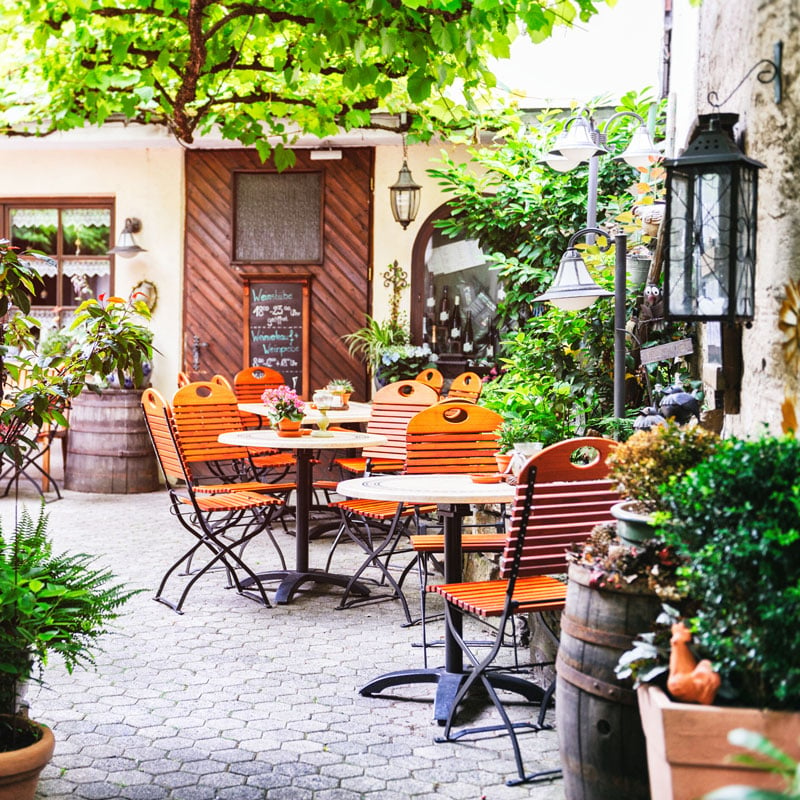
The appeal of pop-up restaurants is that they can appear in almost any location, with the understanding that your pop-up must be in an area that's safe to cook and serve food. Creative pop-up locations could include recycled shipping containers, old unused buildings, parks, city-wide festivals, or roof-top gardens.
Another great location to hold a pop-up kitchen is in an already established restaurant. Create connections with local diners or family run restaurants only serving breakfast and lunch. At night, you can utilize the unused kitchen and dining areas to offer your own original menu concept.
Purpose of Pop-Up Restaurants
Whether you’re a chef or restaurateur, there are a few different reasons why you may be considering your own pop-up restaurant. Below are a few common reasons why one may opt for a pop-up concept rather than a brick-and-mortar location.
- Temporarily test out restaurant or menu concepts
- Open a kitchen to supply food for benefits or charity events
- Attract potential investors looking to see your concept in action
- Chefs can offer high-end, gourmet food at a more affordable price by cutting out restaurant costs
- Offer total creative freedom to chefs without a large risk factor
Benefits of Pop-Up Restaurants
Pop-up restaurants are trendy for a reason. They offer growth potential combined with less financial risks for chefs, while consumers get new and exciting menu concepts they may otherwise never experience. The novelty nature of these types of restaurants appeals to foodies, millennials, and consumers of all ages. Pop-up restaurants depend on technology and social media to spread the word, just as millennials depend on these platforms to show them the next best restaurant to visit.
Pop-up restaurants offer a money-saving solution for restaurateurs, which can mean lower prices on typically high-end foods. Additionally, consumers are willing to pay a premium on unique foods and concepts they’ve never encountered before. With a limited menu filled with reasonably priced dishes, your consumers may be more inclined to try a larger variety of foods than they otherwise would have. And if your concept doesn’t go well in one part of the city, simply pack up and head to your next destination without the financial burdens of a brick-and-mortar location.
How to Start a Pop-Up Restaurant
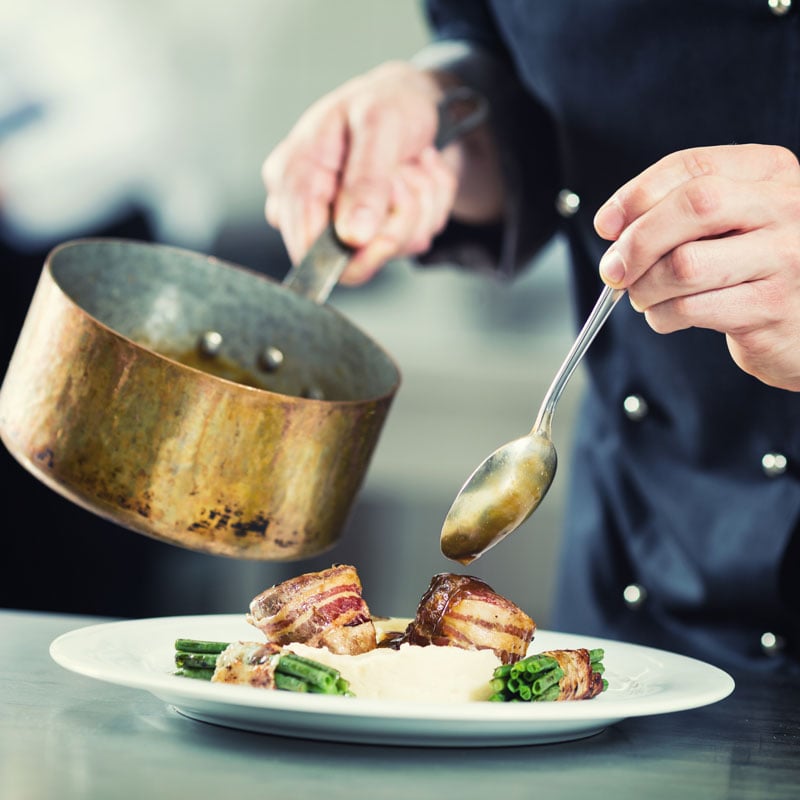
No matter how spontaneous, creative, or temporary your pop-up restaurant may be, it’s imperative you follow all local and federal regulations. Just because you aren’t opening a permanent brick-and-mortar location doesn’t mean you can operate without the proper paperwork. Think of your pop-up restaurant as being similar to a catering business, you’re offering food on-site and need to ensure the health and safety of your customers. Consider the following as you prepare to open your pop-up restaurant.
- Obtain a temporary business license (requirements vary by state)
- If you plan on serving alcohol, obtain a temporary liquor license (requirements vary by state)
- Make sure your venture is covered by insurance, especially public liability insurance
- Always keep accurate booking for tax purposes
- Train all employees in proper food safe practices
- Implement a HACCP program
- You must have access to electricity and running water
Tips for Opening a Pop-Up Restaurant
Once you’ve decided to transform your concept into a pop-up restaurant, there are a few ways to help ensure success. Follow the below tips to get the most out of your pop-up restaurant.
- Create a limited or prix fixe menu
- Give guests the option of BYOB
- Offer chef residencies in your current restaurant
- Advertise on social media
- Shorter times can create a bigger sense of urgency
- Pair your pop-up with another local event
Because pop-up kitchens are typically short on storage space, a prix fixe menu may be beneficial to use. This limits the amount of food and supplies needed to be stored, especially when compared to dishes ordered a la cart. To add diversity to your pop-up, change your prix fixe menu every few nights and keep customers coming back for new and different offerings.
BYOB puts the pressure of obtaining a temporary liquor license off of you, as well as storing and serving the alcohol. If you're in an area that allows it, give guests the chance to bring their own bottle they can enjoy as they please. This will also encourage guests to stay longer, relax, and order more food.
Offering guest chefs a temporary residency allows restaurateurs who already own a brick-and-mortar store to capitalize on this trend. Host a gourmet or high-end chef in your restaurant for a limited amount of time to offer guests a completely different dining experience.
Keep your marketing costs low by maintaining an active presence on social media. Use Twitter to tweet your pop-up location for the day, and post plenty of pictures on Instagram to attract hungry crowds.
Depending on the purpose of your pop-up, keeping your stay short and sweet may be a profitable alternative to longer set-ups. When customers know they have a limited time to try your exotic and creative foods, they’ll be less likely to delay a visit.
If your city hosts large events like block parties, festivals, or carnivals, time your pop-up restaurant to coincide with the event already guaranteed to draw in large crowds. Working with organizers of the event to offer food could even land you a prime set-up spot or free marketing.
Pop-up restaurants can be a rewarding experience for chefs and consumers alike. Take the time to research your local laws and regulations, and hone in on creative locations that will draw in crowds eager to get a piece of your latest concept. Because of their low commitment level, pop-up kitchens are a great way to test out menu ideas, gauge community interest, and have fun with the food you love.
Related Resources

What Is a Ghost Kitchen?
The term ghost kitchen categorizes foodservice businesses without dining areas that offer delivery and, occasionally, takeout. Sometimes referred to as ghost restaurants, virtual kitchens, or satellite kitchens, ghost kitchens use third-party delivery services to receive orders and get meals to customers. The ghost kitchen business model helped restaurateurs get through the hard times caused by the coronavirus pandemic. They remain relevant in the post-pandemic foodservice landscape because they allow operators to meet new consumer expectations, reduce operational costs, and provide easy menu expansion. Use these links to jump to the answer of your most pressing ghost kitchen questions: <nav aria-label="Table of Contents"> How Do Ghost Kitchens Work? Ghost Kitchen Profit Margin Types of Ghost Kitchens Pros and Cons of Ghost Restaurants Ghost Kitchen vs Traditional Restaurant </nav> How Do Ghost Kitchens Work? Typically, ghost kitchens prepare meals when they’re ordered in a commercial kitchen that doesn’t have a dining area. Setting up a delivery service is costly, so most ghost kitchens use third-party delivery services. Since they can’t rely on walk-in customers, ghost kitchens create strong social media presences and invest in digital advertising tactics. Virtual restaurants are not home chefs selling their wares online, nor are they distributors of prepackaged foods. They operate on the same scale as sit-down restaurants and craft unique menus. Most virtual restaurants operate out of a commissary kitchen. A commissary kitchen is a complete, commercial kitchen space that is available for rent. While you can share a commissary kitchen, most virtual restaurants rent private commissaries because they need the space at different times than other typical commissary users. For example, caterers and mobile kitchen operators need the commissary to prep meals in advance, and dark kitchens need it during traditional restaurant hours. Ghost Kitchen Profit Margin The digital ordering and delivery sector has grown 300% faster than dine-in traffic since 2014, indicating that ghost kitchens are an extremely profitable business venture. Ghost kitchens are a particularly profitable alternative to owning a dine in restaurant in high-rent areas saturated with eateries. Virtual restaurants save money on startup costs, building upkeep, and front-of-house staff. The biggest threat to a cloud kitchen’s profitability are the steep fees imposed by third-party delivery apps, which can extract between 15% to 30% of each order. Types of Ghost Kitchens Just like brick-and-mortar restaurants, ghost kitchens vary in scope and dining style. We explain six different virtual restaurant business models, so you can decide which fits your goals and financial means. 1. Independent Ghost Kitchen An independent ghost kitchen prepares a single menu to order in a kitchen without a storefront. Most independent ghost kitchens partner with multiple third-party delivery apps. Independent ghost kitchens leave prepared orders for the partnered driver to pick up at the front desk. They are reliant on third-party apps to receive orders and do not own their customers’ data. Not owning customer data means you can’t interact with or retain customers without your partnered delivery services. 2. Multi Brand Ghost Kitchen Multi brand ghost kitchens receive orders and make deliveries in the same way as single brand ghost kitchens. The difference between multi and single brand ghost kitchens is their scale. A multi brand company will use a single kitchen space to prepare multiple virtual restaurant menus. Preparing multiple virtual dining concepts increases your total orders and broadens your customer reach. While consumers are wary of physical restaurants claiming to have both the best sushi and spaghetti in town, the anonymity of satellite kitchens allows you to prepare vastly different menus in the same space without raising skepticism. 3. Operator Managed Ghost Kitchen When brick-and-mortar eateries prepare a virtual restaurant’s menu in their kitchen space, they're called operator managed ghost kitchens or virtual franchises. They won’t list the virtual concept on their physical menu. Customers place their orders through third-party delivery apps or the virtual concept’s central food order website/mobile app. When operators allow virtual restaurant patrons to pick up their orders, they capture customers who typically shy away from ghost kitchens to avoid delivery fees. Integrating a virtual franchise is especially advantageous for bakery and cafe owners who don’t rely on their kitchen during the day. Many grocery stores, including Walmart and Kroger, are adopting the operator managed ghost kitchen business model as well. 4. Mid Ground Ghost Kitchen Mid ground ghost kitchens prepare orders in a kitchen with a small storefront where customers can pick up their order if they prefer. Many mid ground satellite kitchens are adopting a drive through only, off-premise dining business model, but a simple pickup window suffices. While having a pickup area may cost you a bit more in rent, you’re still likely to take home more of your profits, because delivery services can take up to 30% of each order. People can place their orders directly through mid-ground ghost kitchens, providing operators with ongoing access to their customers should they change delivery services. Additionally, mid ground ghost kitchens have a wider clientele base since many consumers want the convenience of eating at home but don’t want to pay a delivery fee. 5. Brand Owned Ghost Kitchen Brand owned ghost kitchens sign on with a single third-party delivery service and agree to only take orders through their platform. Increasingly, third-party delivery services are pushing for brand ownership, because it gives them a monopoly on the delivery market and control over the businesses that use them. Since it is the third-party delivery company, not the ghost kitchen, who owns customer data and controls customer access, businesses that sign brand owned deals are at the mercy of the third-party delivery service they use. The delivery service can continually raise fees, because the virtual restaurant can’t make a change without losing all their customers and having to start over. Being locked into one delivery service has its significant risks, but it also comes with rewards. If your ghost kitchen is brand owned, the delivery app will want you to succeed and will often push more business your way. You will probably appear higher on the app’s search results page and receive other advertising aids. 6. Virtual Spin-Off Ghost Kitchens To capitalize on popularity, some brands create ghost kitchen concepts based on sections of their menu. By offering a limited menu featuring delivery-friendly concepts, these brands are able to test out new markets without having to establish a brick-and-mortar store. Popular examples of this type of ghost kitchen include Chicken n’ Biscuits by Cracker Barrel and Just Wings by Chilis. Back to Top Pros and Cons of Ghost Kitchens As with any type of business, ghost kitchens have pros and cons that are specific to them. Depending on your financial background, staffing preferences, and business model, you may find them beneficial or difficult to succeed with. We'll investigate the pros and cons of ghost restaurants below: Pros of Ghost Restaurants Here are some advantages of operating a ghost restaurant over a traditional eatery: Concept Flexibility: Being digitally based means you can change your restaurant concept without having to update signage or decor. Adjustable Menu: If want to experiment with a new dish, an ingredient becomes too expensive, or produce goes out of season, you can swap out bill of fare items without having to reprint your menu. Smaller Investment: Many expensive aspects of operating an on-premise dining establishment (such as decor, signage, dinnerware, and seating) don’t apply to virtual restaurants. Reduced Staff: Satellite kitchens eliminate front-of-house staff, allowing operators to focus on hiring and keeping quality chefs and investing in premium ingredients and appliances. Cons of Ghost Restaurants The major disadvantages of operating a ghost kitchen are the costs and challenges of setting up a delivery service that is financially sustainable. Creating an in-house delivery system is costly and complex, so most satellite kitchens rely on third-party delivery services. Not only do third-party deliver services take between 15 to 30 percent of each order, but they also own your customers’ data. Because customers place their orders through third-party apps, you do not own your customers; they do. If your third-party delivery app becomes too costly for you to use, you’ll lose the customer base you built through them. Additionally, third-party apps function like search engines and control which restaurants appear first when people search for food. To show up on their first search page, you must pay the third-party delivery service an advertising fee. Delivery services give top priority to the restaurants that agree to use them exclusively, putting pressure on restaurants to lock themselves into one delivery partner. Overcoming Third-Party Delivery Challenges The best thing you can do as a ghost kitchen operator is secure access to your customers’ data. Include flyers in customers’ orders encouraging them to follow you on social media and sign up for rewards programs. You can also create giveaways that require customers to input their email address to enter. Ghost Kitchen vs Traditional Restaurant Use these fast facts comparing ghost kitchens and traditional restaurants to determine which is right for you. Average Ghost Kitchen Size - 200 to 300 square feet Average Traditional Restaurant Size - 2000 square feet Average Ghost Kitchen Staff Size - 4 Average Traditional Restaurant Staff Size - 25+ Average Time to Launch a Ghost Kitchen - 1 Month Average Time to Launch a Traditional Restaurant - 52 weeks Average Ghost Kitchen Startup Investment - $30,000 Average Traditional Restaurant Startup Investment - $1 million Average Time for a Ghost Kitchen to Breakeven - 6 Months Average Time for a Traditional Restaurant to Breakeven - 5 years Back to Top According to Reportlinker, the online food delivery services global market will reach $192.16 billion by 2025. Ghost kitchens align themselves with the times and meet the growing demand for food delivery. Urban residents and busy, young consumers were the first to accept cloud kitchens. In normal circumstances, it may have taken years for suburban and older consumers to embrace virtual restaurants. However, the coronavirus pandemic sped up the adoption life cycle, providing ghost kitchens with universal acceptance overnight.
Catering Supplies Checklist
While catering shares similar core equipment to restaurant kitchens, it also requires supplies and equipment that can withstand frequent movement, maintain food safety during transport, and support rapid service in different environments. Operators need to think about multiple factors such as cooking and hot holding, presentation, guest service, and post-event breakdown, ensuring nothing is missing once service begins. A well-structured checklist helps reduce costly oversights, improves service quality, and supports compliance with food safety and sanitation standards across different venues and service styles. Use our downloadable catering checklist to account for all your supplies and quantities. Regardless of if you're a seasoned caterer or just getting started in the business, our checklist provides a good introduction to the items you'll need for a full-scale, off-site event. Download our Catering Checklist PDF Catering Essentials for a Successful Event If you need a refresher on the most important catering supplies and equipment, check out our list of catering essentials. For an off-site event, you'll need to transport all the required items, unload them, and then clean up after the event is over. Setting up and tearing down an event can be quite a production, which is why it's good to work with an organized checklist. Catering Table Settings The style of the event will dictate the types of items you’ll need for table settings. Upscale weddings and events require more items to complete a table setting, including folded cloth napkins, charger plates, and stemware. A simple picnic or barbecue may only require dinner plates, water glasses, and flatware. Tablecloths: Form the foundation of any catered table by protecting surfaces while creating a polished appearance. Choose the appropriate size, fabric, and color to fit your table dimensions, event theme, and service style. Table Skirts: Designed to wrap around banquet, buffet, or display tables, table skirts conceal storage underneath while giving food stations a clean, finished look. Pleated and box-pleated styles are popular choices for catered events. Napkins: Beyond providing guests with a practical dining accessory, cloth and disposable napkins contribute to the overall table presentation. Color and fold style can be coordinated with the event's decor to create a more refined place setting. Dinnerware: Plates, bowls, and specialty serving pieces should match the menu and level of service being offered. Durable melamine works well for outdoor or high-volume events, while china delivers a more upscale presentation. Flatware: Every catering setup requires the proper assortment of forks, knives, spoons, and serving utensils. Stainless steel flatware offers long-lasting durability and complements both casual and formal table settings. Charger Plates: Positioned beneath dinner plates, charger plates frame each place setting and elevate the visual appeal of the table. They remain on the table throughout the meal while helping define seating arrangements for plated service. Glassware: Water glasses, wine glasses, champagne flutes, and beverage tumblers should be selected based on the drinks being served. Matching glassware creates a cohesive presentation while giving guests the appropriate vessel for each beverage. Salt and Pepper Shakers: Adding tabletop seasoning allows guests to adjust dishes to their preferences without requesting additional condiments. Coordinated shakers also contribute to a complete, restaurant-style table setting. Water Pitchers: Keeping water pitchers on dining tables or service stations makes beverage refills quicker and reduces interruptions during meal service. Larger capacities are especially useful for banquets and family-style dining. Bread Baskets: Ideal for serving rolls, sliced bread, or crackers before the main course, bread baskets provide an organized and inviting presentation. Pair them with basket liners or cloth napkins to retain warmth and enhance appearance. Shop All Tabletop Supplies Catering Display and Decor By providing some simple decor rental items to your clients, you can increase the total balance of the event invoice. Many customers would much rather pay your catering company to rent simple items like vases and table numbers than seek out a separate rental company. Don’t forget display risers and display stands that allow you to highlight your dishes and take advantage of vertical space on your food tables. Risers: Add height and dimension to buffet lines, dessert displays, and beverage stations with risers. Using multiple elevations makes food easier to see, maximizes limited table space, and creates a more visually engaging presentation. Cake Stands: Showcase wedding cakes, celebration cakes, or specialty desserts on elevated stands that make them a focal point of the event. Choose a size and material that supports the cake's weight while complementing the event's theme. Cupcake Towers: Instead of arranging cupcakes on flat trays, tiered cupcake towers display dozens of individual desserts in a compact footprint. They're especially useful for weddings, corporate events, and dessert buffets where guests serve themselves. Candleholders and Candles: Incorporate candleholders to provide ambient lighting that enhances the atmosphere without occupying excessive table space. Flameless LED candles are a practical choice for venues with open-flame restrictions. Centerpieces: Every guest table benefits from a centerpiece that ties together the event's color palette and decor. Keep arrangements appropriately sized so they enhance the table without obstructing conversation or taking up valuable dining space. Vases: Fresh flowers, greenery, and decorative branches are commonly displayed in glass, ceramic, or metal vases. Offering a variety of shapes and heights makes it easier to coordinate with different event styles and centerpiece designs. Table Numbers: Guide guests to assigned seating by placing clearly visible table numbers at each dining table. Matching holders and numbering styles contribute to a neat and tidy presentation while simplifying meal service for catering staff. Chalkboard Signs: Label buffet items, identify beverage stations, display menus, or communicate dietary information using reusable chalkboard signs. Their writable surface makes them easy to update between events while adding a personalized touch to food displays. Shop All Display and Decor Supplies Disposable Catering Supplies Incorporating disposable catering supplies can be cost-effective and convenient for your clients. Using porcelain dinnerware and traditional glassware requires you to reload the soiled dishes back on the truck, and you’ll most likely have to charge a dishwashing fee. With disposable cutlery, plates, and drinkware, you can spare your clients the fee, eliminate the risk of broken dishes, and cut down on cleaning time. Plastic Silverware: Offer guests the best plastic silverware like durable disposable forks, knives, and spoons that stand up to full meals without bending or breaking. Individually wrapped sets are also available for grab-and-go service and improved sanitation. Disposable Plates: Choose disposable plates that match the menu, with heavier weight options for entrees and lighter plates for desserts or snacks. Paper, plastic, molded fiber, and compostable materials accommodate different budgets and sustainability goals. Paper Napkins: Keep an ample supply of paper napkins on hand for beverage service, appetizers, and full-course meals. Multiple ply options provide greater absorbency and a more premium feel for formal catered events. Disposable Drinkware: Serve water, soft drinks, cocktails, or specialty beverages in disposable cups that eliminate the need for washing and transport. Clear plastic drinkware offers an upscale appearance while remaining practical disposable option for large gatherings. Appetizer Plates: Smaller disposable plates are ideal for passed hors d'oeuvres, dessert stations, and cocktail receptions. Their compact size reduces waste while giving guests a convenient way to enjoy bite-sized foods. To-Go Containers: Package leftover food, individual meals, or pre-portioned menu items in disposable to-go containers that make transport more convenient for guests. Available in a range of materials, shapes, and compartment configurations, they can be matched to the food being served and the level of durability needed. Cocktail Picks: Secure sandwiches, garnish drinks, or present appetizers with cocktail picks that improve both functionality and presentation. Decorative styles can also reinforce the event's theme or color scheme. Foil Pans: Prepare, transport, bake, and serve food using disposable foil pans that handle both hot and cold applications. Available in numerous sizes and depths, they are a staple for catering kitchens managing large food volumes. Aluminum Foil: Wrap trays, cover pans, and retain heat during transport with commercial-grade aluminum foil. Heavy-duty foil resists tearing and helps protect food quality until it is ready to be served. Shop All Catering Disposables Catering Transport Supplies You need catering transport supplies to get your prepared meals off-site without losing temperature. This is why insulated food pan carriers are a caterer’s best friend. They can be loaded with food pans of various sizes and used to keep food hot or cold. Pack outdoor coolers properly to haul drinks, ice, and cold foods. For dry ingredients, use food storage boxes and totes. Insulated Food Pan Carriers: Keep hot foods hot and cold foods cold while transporting full-size and fractional food pans to event venues. Well-insulated carriers help maintain safe holding temperatures and reduce the need for reheating before service. Glass Racks: Protect glasses, stemware, and mugs during storage, transport, and warewashing with compartmented glass racks. Stackable designs maximize vehicle space while minimizing the risk of chips and breakage. Outdoor Coolers: Maintain cold beverages, ice, and temperature-sensitive ingredients throughout outdoor events or remote catering jobs. Choose models with high-capacity insulation and durable construction for frequent transport. Food Storage Boxes, Lugs, and Totes: Organize ingredients, serving utensils, linens, and dry goods in food-safe storage containers that simplify loading and unloading. Many stack securely to make better use of limited vehicle space. Vending Kiosks: Create portable food and beverage service stations with vending kiosks that are easy to transport and assemble on-site. These units provide a professional serving area for concessions, beverage stations, and grab-and-go catering operations. Rolling Carts and Dollies: Move heavy stacks of food pans, beverage dispensers, and supply bins with less physical strain using rolling carts and dollies. They speed up setup and teardown while reducing the number of trips between the vehicle and event space. Utility Carts: Versatile utility carts handle everything from boxed supplies and tableware to serving equipment and cleaning products. Multi-shelf designs keep items organized and within reach as staff prepare, replenish, and break down catering events. Shop All Storage and Transport Supplies Catering Cooking and Holding Equipment If you plan to set up chef action stations for your event, you’ll need to bring the required equipment and cookware to support your catering menu ideas. Induction cookers are a great choice for crepe, omelet, or stir-fry stations because they’re compact, portable, and put off no ambient heat. For outdoor catering events, set up grill stations with portable outdoor grills. Induction Cookers: Compact induction cookers provide fast, precise heating for live cooking demonstrations, action stations, and finishing dishes on-site. Because the cooking surface remains relatively cool during induction cooking, they are also a practical option for venues where safety and limited space are priorities. Countertop Convection Ovens: Bake, roast, and retherm food on-site with compact countertop convection ovens that fit into temporary kitchens and mobile catering setups. Their smaller footprint makes them ideal for venues with limited cooking space. Portable Grills: Prepare burgers, steaks, vegetables, kebabs, and other grilled menu items wherever the event takes place with a portable commercial grill. Available in gas and charcoal models, these grills make outdoor catering and cookout-style events easy to accommodate. Portable Gas Ranges: Set up a temporary cooking station with a portable gas range when an event venue lacks a full commercial kitchen. Available in single- and multi-burner configurations, these compact units provide the flexibility to cook, reheat, or finish menu items on-site. Holding Cabinets: After food is prepared, holding cabinets maintain consistent temperatures until service begins. Heated models preserve the quality of cooked foods during transport and staging, while insulated cabinets help minimize heat loss without requiring a power source. Heat Lamps: Install heat lamps above carving stations, pass-through areas, or buffet lines to keep plated meals and freshly prepared foods warm until they are served. They provide supplemental heat without continuing to cook the food. Warming Drawers: Store finished menu items in warming drawers until they're needed for service, helping kitchens stay ahead during high-volume events. Gentle, consistent heat prevents foods from cooling too quickly without drying them out. Shop All Cooking Equipment Catering Serving Equipment You’ve spent a lot of time planning your event, but you can’t always be there in person to handle every detail. Set up your staff for success by providing everything they need to put your vision into place. Lighters are sometimes an afterthought, but they’re crucial to getting your chafers set up with fuel. Extra uniforms and aprons ensure that every member of your staff looks clean and presentable. Serving Trays: Carry plated meals, beverages, hors d'oeuvres, and desserts safely between the kitchen and guests using commercial serving trays. Select round or oval trays with non-slip surfaces for better stability during service. Tray Stands: Position serving trays at a comfortable working height with folding tray stands that reduce unnecessary lifting and bending. They're especially valuable during plated meal service, allowing servers to unload trays quickly. Chafers: Display and hold hot foods on buffet lines with chafing dishes that maintain serving temperatures throughout the event. Available in a variety of capacities and styles, chafers accommodate everything from casual brunches to formal banquets. Chafer Fuel: Power traditional chafing dishes with disposable chafer fuel canisters that provide steady, consistent heat during service. Different burn times are available to match the length of the event and minimize fuel changes. Serving Utensils: Equip every buffet station with the appropriate serving spoons, tongs, ladles, forks, and portioning tools. Using dedicated utensils for each dish improves sanitation and helps guests serve consistent portions. Lighters and Matches: Keep long-reach lighters or matches readily available for safely igniting chafer fuel, candles, and other approved heat sources. Having extras on hand prevents delays during event setup. Food Pans: Steam table pans hold prepared foods inside chafers, holding cabinets, and transport carriers while making it easy to replenish buffet stations. Stock multiple pan sizes and depths to accommodate different menu items and serving volumes. Server Aprons and Uniforms: Present a professional appearance with coordinated server aprons and uniforms that match the event's level of formality. Durable, easy-to-clean garments also help protect clothing throughout food preparation and service. Shop All Smallwares and Serving Supplies Catering Beverage Supplies Using insulated beverage dispensers allows you to transport hot and cold beverages off-site and maintain a constant temperature for serving. If you’re setting up a coffee station and you want something more elegant, coffee chafer urns are attractive and functional. Don’t forget to bring plenty of ice because it is easy to use more than initially estimated between drinks and melting rate. Bars: Establish a dedicated beverage service area with portable catering bars that organize supplies and improve workflow for bartenders. Many models include built-in shelving, storage compartments, and work surfaces to keep glassware, mixers, and tools within easy reach. Ice: Keep plenty of ice available for chilling bottled beverages, filling drink stations, and serving cocktails or soft drinks. Estimating ice needs in advance helps prevent shortages, especially during outdoor events or warm-weather catering. Ice Buckets: Place ice buckets at bars, beverage stations, or guest tables to keep wine, champagne, and bottled beverages properly chilled during service. Models with insulated walls help reduce ice melt over the course of the event. Beverage Dispensers: Serve water, tea, lemonade, fruit-infused beverages, or punch with beverage dispensers that allow guests to pour their own drinks. The best beverage dispensers help maintain cold temperatures for extended service periods without frequent refills. Coffee Chafer Urns: Brew and serve large batches of coffee in chafer urns designed for banquets, conferences, and catered breakfasts. Their high-capacity design supports continuous beverage service for large groups while keeping coffee hot throughout the event. Coffee Airpots: Transport and serve freshly brewed coffee with insulated airpots that preserve temperature without requiring a power source. Pump-style dispensing allows guests or staff to serve coffee quickly while minimizing heat loss between pours. Bar Supplies: Stock beverage stations with bar essentials like cocktail shakers, jiggers, bottle openers, strainers, and pourers to help bartenders prepare drinks accurately and effectively. Keeping these tools organized improves service speed during busy events. Drink Garnish Trays: Organize lemons, limes, cherries, olives, and other garnishes in compartmented trays that keep ingredients fresh and easily accessible. Covered models help protect garnishes when serving outdoors or transporting supplies between venues. Shop All Beverage Service Supplies Catering Furniture and Seating You can make your catering business a one-stop shop by offering table and seating rentals to your clients. It gives your customers peace of mind to know their event is being handled by one company instead of shopping around for individual rentals. You’ll also need display tables for your food stations, as well as canopies or tents for outdoor catered events. Canopies and Tents: Provide shelter for guests, buffet lines, and food preparation areas with commercial canopies and event tents. They protect against sun and light rain while creating designated spaces for dining and service at outdoor venues. Folding Tables: Set up dining areas, buffet lines, beverage stations, and prep spaces using folding tables that transport and store with ease. Available in multiple lengths and shapes, they can be configured to suit a variety of events, ranging from intimate gatherings to large banquets. Folding Chairs: Give guests comfortable seating without sacrificing portability by choosing commercial folding chairs designed for frequent setup and teardown. Stackable or folding designs simplify transport and reduce storage space between events. Benches: Accommodate more guests in communal dining areas with benches that offer flexible seating arrangements. They work particularly well for farm-style receptions, festivals, and other events featuring long banquet tables. Cocktail Tables: Encourage guests to mingle during receptions and networking events with standing-height cocktail tables. Dress them with fitted covers or linens to coordinate with the event's decor and create a more refined presentation. Shop All Furniture Catering Janitorial and Cleaning Supplies You’ll most likely be in charge of all trash removal for your off-site events, so bring the required garbage cans, recycling cans, and liners. Don’t forget to consider portable handwashing stations for locations without sinks or water hookups. Garbage Cans: Place commercial garbage cans throughout prep areas, service stations, and guest spaces to encourage proper waste disposal. Pair them with appropriately sized liners and lids to simplify cleanup and help control odors. Handwashing Stations: Portable handwashing stations provide staff with a convenient place to wash their hands when permanent sinks aren't available. They are especially important for outdoor events, festivals, and other remote catering locations where food is prepared or served. Hand Sanitizer: Supplement handwashing with hand sanitizer dispensers positioned near buffet lines, beverage stations, and food prep areas. Providing easy access promotes good hygiene for both employees and guests throughout the event. Cleaning Towels: Keep microfiber cloths, bar towels, and disposable wiping cloths on hand to quickly clean spills, sanitize work surfaces, and polish serving equipment. Color-coded towels can also help reduce the risk of cross-contamination between cleaning tasks. Disposable Gloves: Protect food during preparation and service with single-use disposable gloves that are changed frequently as tasks change. Stock multiple glove sizes so every employee can work comfortably while following food safety best practices. Bus Bins: Collect used plates, glassware, flatware, and other dining items with durable bus bins. Their stackable design makes transporting dirty dishes back to the cleaning area easier while keeping dining spaces neat during and after service. Shop All Janitorial Supplies A successful catering operation requires the right equipment and supplies to support every stage of the event. Building a complete inventory of catering essentials allows operators to transport food safely, present it professionally, serve guests easily, and keep cleanup organized, regardless of the venue or guest count. By investing in durable, commercial-grade catering supplies and equipment that match services, businesses can improve day-to-day operations, adapt to a wider range of events, and deliver a consistent customer experience that encourages repeat business and long-term growth. <!-- Start Author Bio Block --> Written by Kevin Singhel With almost a decade of content marketing experience, Kevin has learned the ins and outs of various business sectors. Over his four years as a Longform Content Writer with WebstaurantStore, Kevin has spent hours researching and writing about the intricacies of the foodservice industry. Specializing in marketing guides, technical writing, and structured how-to content, he enjoys providing readers with content that guides them in growing and running their bar or restaurant. Learn more about this author and WebstaurantStore's Content Writing Team here!
Restaurant Licenses and Permits
Operating a restaurant requires more than acquiring startup cash, finding a location, and writing a menu. It takes obtaining various licenses and permits to ensure compliance with local, state, and federal regulations. Getting the writs and proofs you need for each restaurant license takes time, so it's important to start the process as early as possible. We explain what you can expect with each of the following business licenses and permits as you work towards opening your restaurant. Click any of the license types below to learn more: Business License Employer Identification Number Certificate of Occupancy Food Service License Sign Permit Building Health Permit Employee Health Permit Other Permits to Consider What Licenses and Permits Are Required to Start a Restaurant? There are some licenses and permits that are necessary to open a restaurant. Failure to obtain them can result in penalties and fines, closure, legal consequences, or even prevent you from opening your location at all. Receiving legal counsel may help you map out the steps and ensure that nothing is missed according to the laws in your restaurant’s city and state. It’s easiest to work your way down from the top, starting with the required restaurant business licenses and ending with location-specific permits you may encounter. 1. Business License A business license, also known as a business tax certificate, gives you the authority to operate in your jurisdiction. The exact form of this license is dependent on your restaurant’s location and address. If you plan on selling alcohol, you will need a federal business license as well as a state business license. How to Get a Business License To get a business license, you will want to work through your city and state government. The easiest way to start would be to search your state’s name plus the term “business license” in an online search engine. This will bring up your state’s government website where the application and procedures can be found. You may be required to register your business name and acquire an EIN before applying for a business license. Requirements will be listed on your state's website. For more information, you may use the US Small Business Administration’s website to look up your state and city-specific rules for receiving a business license. How Much Does a Business License Cost? A business license can cost anywhere from $25 to over $300 to register, most averaging around $50 to $75. The cost of a business license itself varies depending on your state, business type, exact location, and expected profit. You will need to renew this license annually or every few years depending on your location. 2. Employer Identification Number An employer identification number (EIN) essentially tells the federal government that you are an employer and provides you with a tax ID. With this number, you can hire employees and have them on a legal payroll. Your state will give you an employer identification number that is separate from your federal number, which helps legitimize your business's standing. How to Get an Employer Identification Number To get an EIN, you will want to visit the IRS’s website and follow the application process listed there. This can take a while since the IRS only issues one employer identification number per responsible party per day to ensure fairness. Be sure to apply as early as possible. You can also fax, mail, or call the IRS to submit your application. How Much Does an Employer Identification Number Cost? An EIN is free but takes time to obtain. 3. Certificate of Occupancy A certificate of occupancy indicates that the building where your restaurant is located has passed its final inspection. It deems the building is zoned for your type of business, up to code, and safe to operate in. This may include an electrical, plumbing, and fire inspection as part of the building inspection. How to Get a Certificate of Occupancy To receive a certificate of occupancy, your location will need to be inspected by your local building or zoning department. To arrange the appointment, search your state’s name plus the term “certificate of occupancy” in an online search engine to find the information on your state government’s website. This certificate may also include a city and fire permit issued by your local fire marshal. How Much Does a Certificate of Occupancy Cost? A certificate of occupancy will vary by location, with costs around $100 to $400. 4. Food Service License A food service license, or food permit, shows that a restaurant meets all food preparation, storage, and safety regulations, and has been granted a license to sell food. It ensures that your location is in accordance and up-to-date with restaurant food safety laws. How to Get a Food Service License The city or county Health Department issues food service licenses and requires an inspection to take place. Depending on your county, you may need to complete a food safety training program or earn a food handler’s permit to get approved for a license. The Health Department will inspect your restaurant regularly to make sure that the expected standards are being maintained. To apply, start by reviewing the food vendor’s application requirements on your state government’s website. You may then apply directly online. How Much Does a Food Service License Cost? A food service license can cost around $50 to register. However, the cost of the license itself varies by type of food establishment, location, and the number of employees. The fees are determined at the time of the inspection and typically range from $100 to $1000. You will need to renew these licenses periodically as well. 5. Sign Permit A sign permit allows you to display or change permanent signage outside your restaurant’s building. In many counties, signage size, brightness, and location are regulated and need to be approved beforehand. Receiving the permit shows that you have met the standards and codes required and can proceed with adding the sign. How to Get a Sign Permit To apply for a sign permit, you will need to visit your local county government’s website for the steps and application. This will involve working with a sign contractor and the Zoning Department. You must provide a scale drawing of the signage, and often you will need to submit variations for approval. If your sign includes lighting, you may also need to provide the wiring and circuit plans you intend on establishing. Requirements may vary depending on the size and type of sign. How Much Does a Sign Permit Cost? The cost of a sign permit will depend on the estimated cost of your sign, including the cost of labor, materials for your signage, and its size. You can expect a typical range of $50 to $350 for a sign permit, with most costing around $150. Back to Top 6. Building Health Permit A building health permit shows that your restaurant building and practices comply with sanitation regulations. Typically, you will only need a building health permit if it's a new construction. However, your county may require it for older buildings as well to ensure a sanitary work and dining environment. How to Get a Building Health Permit A building health permit is issued by your local government. To confirm if you need one and apply, search your state’s name plus the term “building health permit” in an online search engine. To maintain this permit, your location will be subject to routine inspections. How Much Does a Building Health Permit Cost? You can expect a building health permit to cost somewhere between $50 and $1000. Some factors that can affect the cost are the building’s age and location. 7. Employee Health Permit An employee health permit, also known as a food handler’s permit, indicates that a specific employee has passed a course educating them on proper health and safety practices in a commercial kitchen. The course teaches employees about proper food storage and food handling practices along with proper sanitation practices to avoid cross-contamination. How to Get an Employee Health Permit An employee health permit is provided after an employee completes a state-approved food handler’s course and passes the final test. Most locations require the ServSafe test offered by the National Restaurant Association. To find the course selected by your state, search your state’s name plus the term “employee health permit” or “food handler’s permit“ in an online search engine. How Much Does an Employee Health Permit Cost? An employee health permit can cost anywhere from $100 to $500 depending on the level and course material needed. The permits must be periodically renewed. Other Restaurant Permits and Licenses to Consider Aside from the required permits and licenses, there are others you may need to obtain depending on what additions you are looking to make to your restaurant. It is important to familiarize yourself with the following permits, in case you run into them down the line. If you’re ever concerned that you may accidentally miss a permit, be sure to divulge your full business plan with your legal counsel so they may identify permits you still need to apply for. Below is a quick review of just some additional permits you may encounter. Liquor License The process for obtaining a liquor license can vary from state to state and city to city. You will want to check with your local government for the processes and regulations you must abide by in your jurisdiction. A liquor license tends to be one of the most regulated and strict licenses you may encounter. In some locations, you may be required to get both a liquor license and a beer and wine license if you are looking to serve all three. Remember to apply early, since the application process can take as long as a year. The fees will vary depending on your location, and the bar license will need to be renewed each year. Music License Choosing the right music for your restaurant can be a challenge, but you've got time to figure it out. You need a music license to play music from any platform in your restaurant. So, while you're perfecting your playlist, apply for a music license to abide by copyright laws. You can work with several companies to use the music they have rights to, such as the American Society of Composers, Authors and Publishers (ASCAP), Broadcast Music Incorporated (BMI), or Global Music Rights (GMR). No matter where it's coming from, you need a license to play music in your restaurant. The pricing can vary but is usually between $250 and $2,000. A live entertainment license is a similar permit you may also be interested in researching. Resale Permit A resale permit, also known as a reseller permit or a resale license, prevents double taxation on a product by collecting tax when your customer buys the product, rather than when you purchase the product initially. A resale certificate is generally only needed if your restaurant is located in a state that issues sales tax, such as California, where a California resale certificate is needed. You can register online with your local government to receive a tax-exempt certificate. The fees vary depending on your security deposit amount but can be anywhere from $0 to $50. Seller's Permit A seller's permit, or a sales tax permit, indicates to the state that your business collects sales tax during customer purchases. In various states, you'll need both a seller's permit and a resale permit for proper taxation documentation. Dumpster Placement Permit If you are going to need dumpsters for your restaurant, you may also need a dumpster placement permit. This would allow you to place a dumpster outside your facility that can then be used for food waste and trash disposal. The costs for the permit can vary depending on the placement and size of the dumpster, along with the location of your establishment. Pool Table Permit One license that can easily be forgotten is a pool table permit. Some states regulate billiard tables and require business owners to register them before use. A pool table permit can limit the hours of operation of the billiard area and even the number of pool tables in an establishment. The fees can vary on your location and how many tables you want to add. The permits also need to be renewed annually. Valet Parking Permit The need for a valet parking permit can vary from state to state. If you plan to have valet parking for your restaurant, check with your local government to see if you need a permit. If so, you may need to present a detailed plan of your valet service, indicating the pick-up and drop-off points, the number of parking spaces, how payment will be collected, and letters of agreement from your designated drivers. The fees associated vary depending on your state. Back to Top No matter what type of restaurant or food service operation you're starting, obtaining the correct permits and licenses is essential to your success. With penalties that can affect your bottom line or even close your doors, you will want to thoroughly research the restaurant licenses you need and start the application process early to allow them time to be issued.