Spring is approaching fast, and to celebrate we're offering great deals all March long here at WebstaurantStore! We've got amazing sales ranging from spring supplies and ingredients for seasonal dishes, equipment to ready your outdoor service for upcoming warmer weather, and much more! Take a look at our selection of sale items below and don't forget to enter the code SPRING26 at checkout to enjoy 10% off your purchases!
Looking to save even more? Check out the new Webstaurant Rewards® Visa Business Card! Sign up for a new card today and start earning rewards on every WebstaurantStore purchase, and save on a WebstaurantPlus subscription.
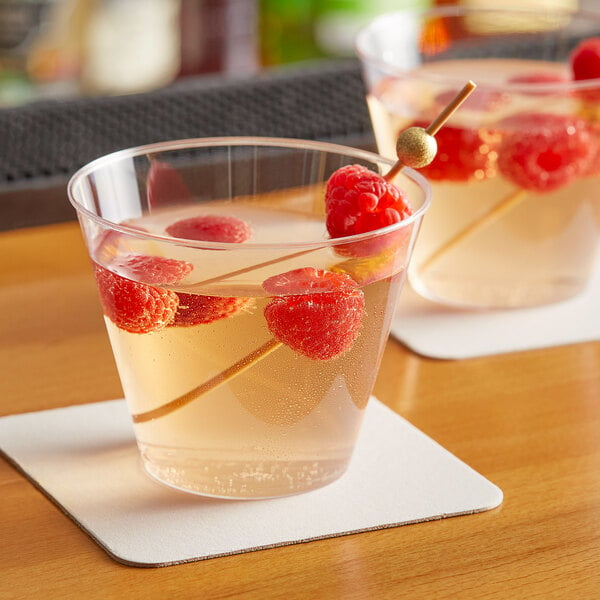
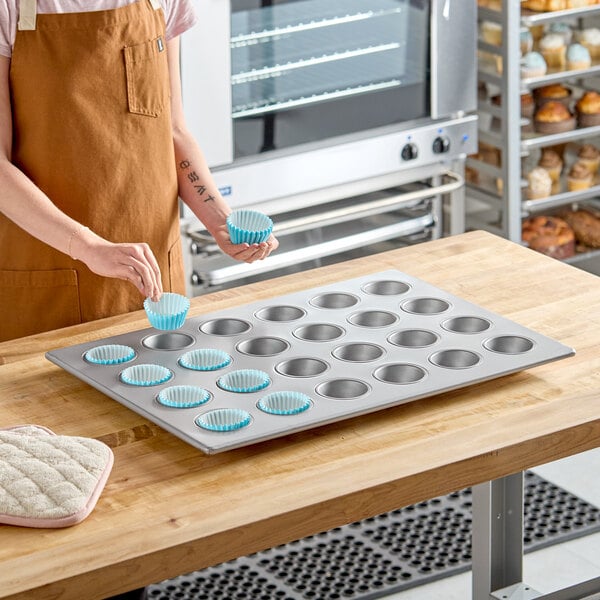
Have a look at some incredible deals on disposable items with March's monthly coupon code! Whether you're looking for disposable dinnerware such as plastic cups and linen-feel napkins or disposable baking supplies for spring breaks, we've got you covered! Check out our disposable products below and find great deals on key restaurant supplies.
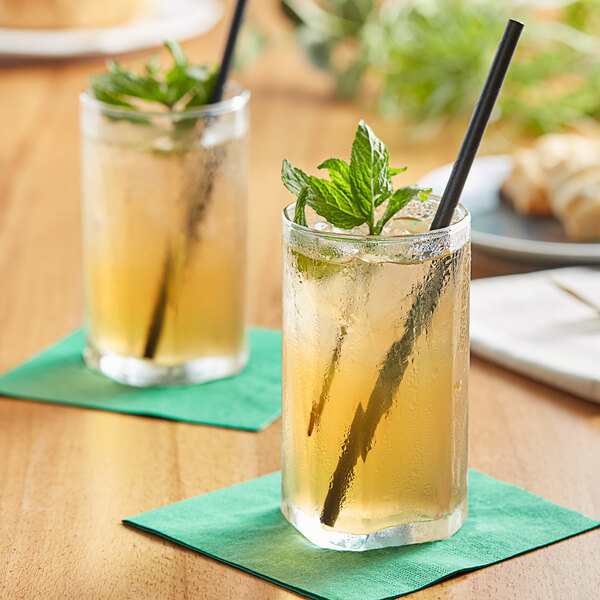
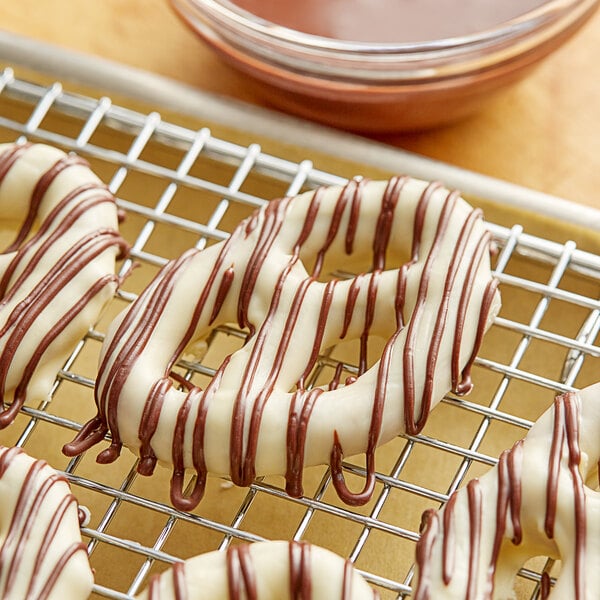
Discover the latest discounts on consumable food and beverage items with March's monthly coupon code. From flavoring syrups and beverage concentrates to sanding sugar for Easter bakes, you can find great deals on number of ingredients and toppings for your establishment. Stock up on these high-quality products at unbeatable prices to enhance your menu offerings and delight your customers!
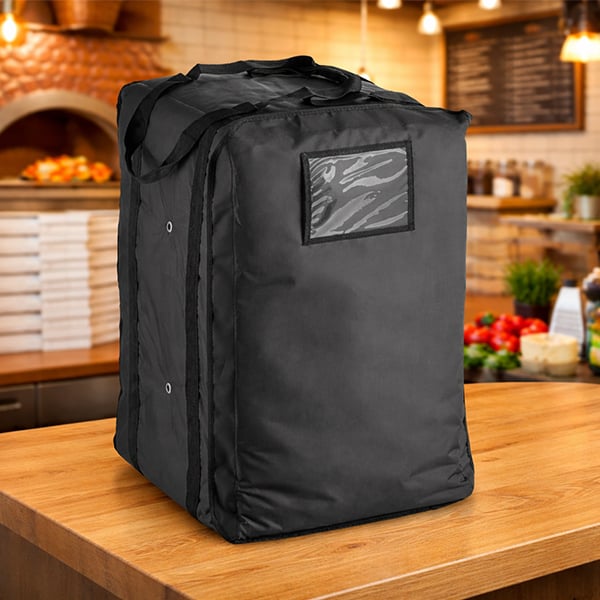
Use the code SPRING26 for the items below to score great deals on restaurant supplies and equipment! From classic glass goblets for wine to smallwares like catering bags and beverage dispensers, amazing deals are available. Save on these great products and expand your establishment's capabilities with our supplies and equipment!
Save 10% with Our March Coupon!
The March coupon code from WebstaurantStore helps you save on essential restaurant supplies and equipment. Our wholesale prices are a great value for restaurant owners, and every month we offer an even deeper discount on select items. Check back every month for the new monthly coupon code!
Weekly Limited Time Offers
Don't lose out on the opportunity to save big with our weekly coupons! Check below to find great weekly deals on wholesale supplies and equipment from trusted brands. Bookmark this page and check back in weekly for updated offerings.
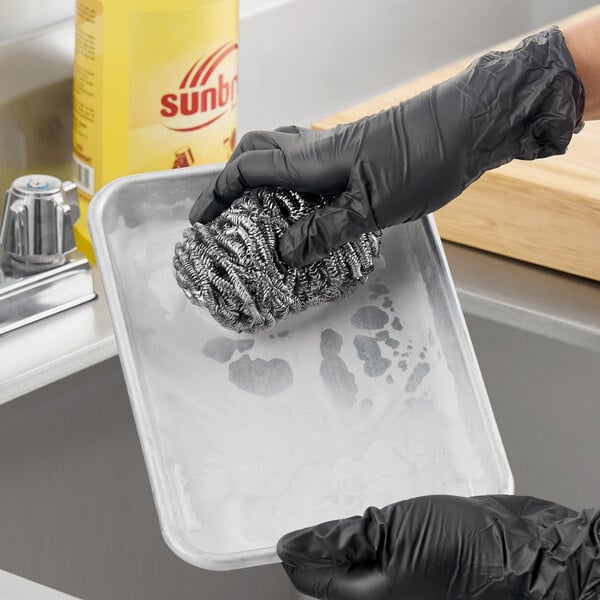
Kitchen Cleaning Necessities
USE CODE: TIDY
Shop Now
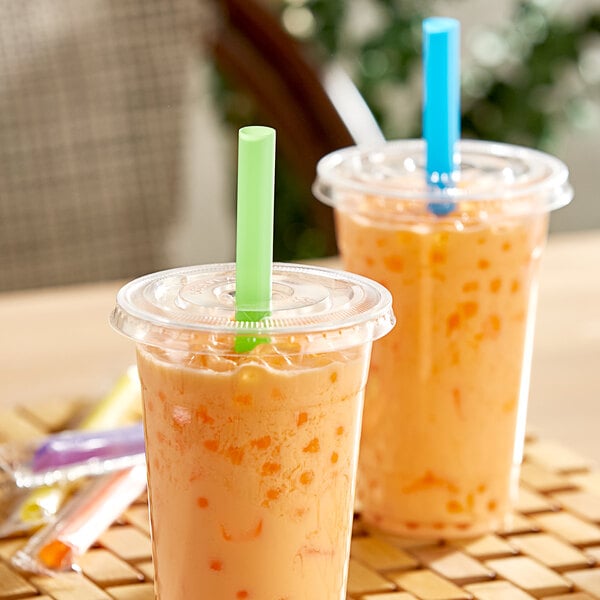
Smoothie Shop Essentials
USE CODE: FRUIT
Shop Now
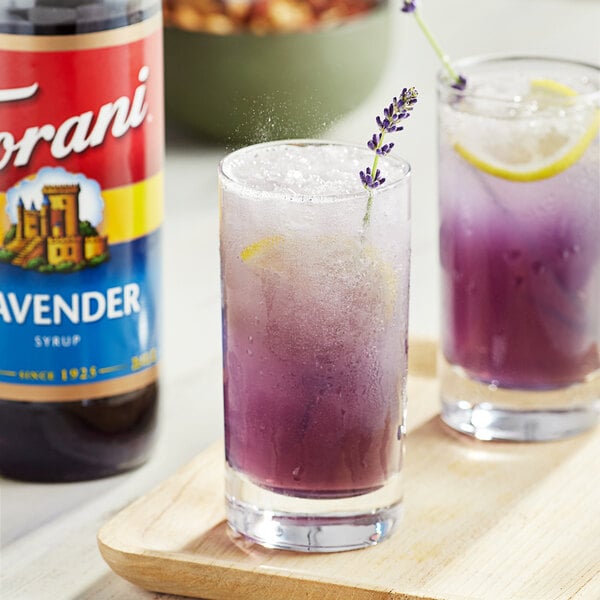
Flavoring Syrups
USE CODE: BLOSSOM
Shop Now
Organic Beverages
USE CODE: MIXITUP
Shop Now
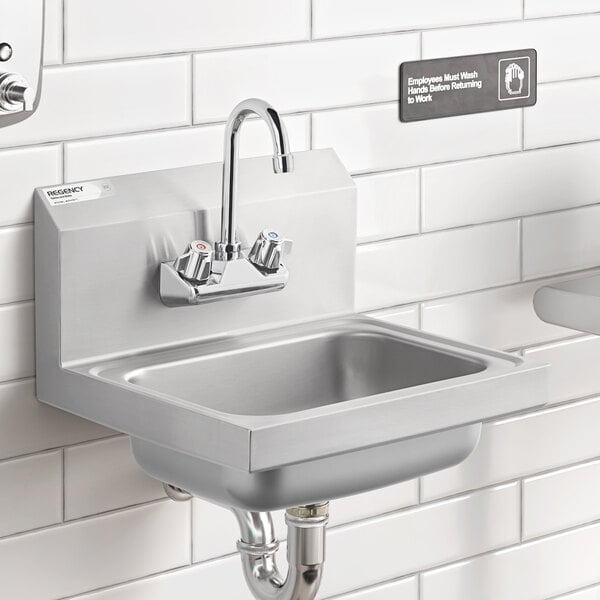
Work Tables & Sinks
USE CODE: OPTIMIZE
Shop Now
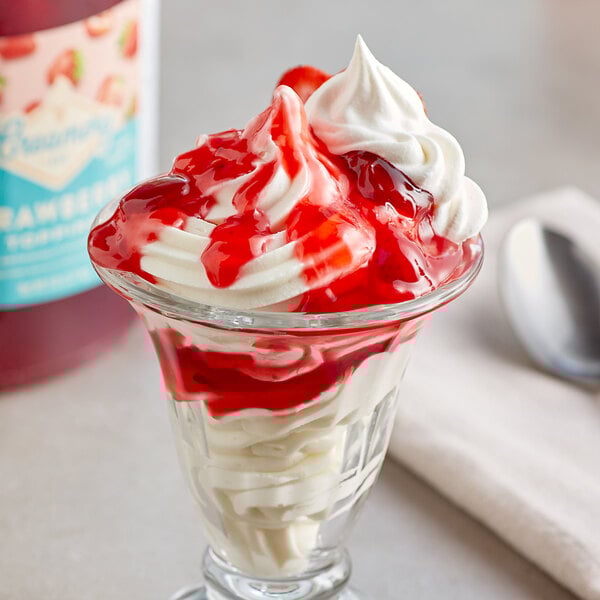
Soft Serve & Toppings
USE CODE: CHILLOUT
Shop Now
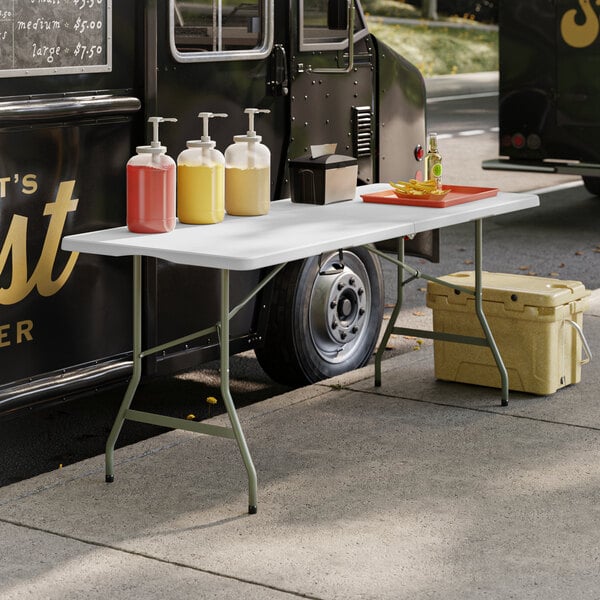
Food Truck Must-Haves
USE CODE: ONWHEELS
Shop NowLooking for Inspiration? Check Out Our Equipment Lists!
Looking for supplies and equipment for your establishment, but don't know where to start? Our equipment list guides outline exactly what you need to make your foodservice business successful! Check out the guides below for full checklists on how to outfit your business with everything you need:
Featured Promotions
Stay ahead of the competition and take advantage of our featured promotions to elevate your business operations and customer experience! From margarita supplies to Mexican cooking staples, our Cinco de Mayo promotion offers a wide selection of products to help your business prepare for the upcoming holiday. Additionally, we have a selection of trending products that are not only in-demand but also offer high-quality performance for commercial applications. Whether you're looking for innovative kitchen equipment or eco-friendly disposables, our trending products category has something for every business.
If you're looking for more ways to save, sign up for our email flyers below and get even more sale items and promo codes direct to your inbox.
Sign Up for Emails & Coupons
Be the first to know about our coupons, sales, & more!
Every month we offer a WebstaurantStore coupon to help you save on the products you love most. From kitchen staples to heavy equipment, using this Webstaurant coupon is a simple way to stay on budget. To get the most out of your coupon, we recommend buying in bulk to increase your savings!
When it comes to buying your restaurant equipment online, Webstaurant offers the best prices and the most reasonable shipping costs. To save even more on shipping, sign up for our Plus program. Click below to learn how you can get free shipping on many of our items!
Related Resources

Griddle vs Grill
Commercial griddles and grills are two of the most common cooking equipment types used to build fast, efficient hot lines in foodservice operations. From breakfast service to burger stations, both units play a major role in how operators cook menu items consistently and keep up with demand. Choosing the right equipment starts with understanding how these machines function in a commercial setting, what kinds of foods they support, and how they fit into the workflow. A solid understanding of their uses and capabilities makes it easier to invest in equipment that supports both the menu and the day-to-day pace of service. Use these links to learn more about griddles and grills: What Is a Griddle? What Is a Grill? Differences Between Griddles and Grills FAQ What Is a Griddle? A commercial griddle is a piece of cooking equipment with a flat, heated metal surface that is used to cook food directly and evenly across the plate. Griddles are valued for their ability to handle high-turnover items like pancakes, eggs, burgers, cheesesteaks, and toasted sandwiches while giving operators a broad, accessible workspace for batch cooking. Most commercial griddles are powered by gas or electricity and are built in countertop or floor models to match the output needs and footprint of the operation. Because they provide full surface contact instead of cooking over grates, top griddle models are especially useful for foods that need a uniform sear, controlled browning, or a stable surface for spatula work during service. What to Cook on a Griddle Use a commercial griddle for foods that benefit from full-surface contact, steady heat, and quick spatula handling during service. Its flat plate makes it especially useful for high-volume breakfast production, sandwich assembly, and proteins that need even browning without flare-ups. Breakfast Foods: Griddles are a staple for eggs, pancakes, French toast, hash browns, and bacon because they provide an open cooking area that supports fast batch cooking and easy flipping. This makes them especially useful in diners, hotels, cafeterias, and breakfast-focused restaurants. Burgers and Sandwiches: Smash burgers, cheesesteaks, grilled cheese, quesadillas, and toasted buns all perform well on a griddle because the flat surface promotes uniform crust development and even heat transfer. Operators can also work several components side by side, which helps speed up ticket times. Proteins and Seafood: Chicken breasts, sausage, sliced steak, fish fillets, and other portioned proteins can be cooked on a griddle when controlled browning and moisture retention matter. Since there are no open grates, smaller or more delicate items are easier to manage. Vegetables and Sides: Onions, peppers, mushrooms, and fried rice-style side items cook well on a griddle because the broad surface allows ingredients to be spread out and turned quickly. Benefits of Using a Griddle Griddles give commercial kitchens a large, versatile cooking surface that can keep pace with steady service. This results in faster production, easier handling, and more menu flexibility from a single piece of equipment. Even Surface Contact: A griddle cooks food directly against a solid plate, which helps create consistent browning across the entire product. This is important for items like pancakes, burgers, and sandwiches, where appearance and texture need to stay uniform. High-Volume Output: The wide cooking area allows staff to prepare many portions at once without crowding the line. That added capacity supports rush periods in restaurants, concession stands, school cafeterias, and other fast-moving operations. Versatile Menu Use: Griddles can cover breakfast items, lunch proteins, sandwiches, and vegetables on the same unit, which makes them a strong fit for kitchens with broad menus. This flexibility can reduce the need for extra specialized equipment. Easy Access During Cooking: Because the cooking surface is flat and open, staff can flip, scrape, portion, and move food quickly with basic griddle tools. That layout supports faster workflows than equipment with enclosed chambers or narrow cooking zones. Controlled Grease and Debris Management: Many commercial griddles include grease troughs or collection drawers that help manage runoff during production. This can simplify cleanup and help keep the cooking surface workable throughout service. Types of Griddles Commercial griddles come in several configurations, each designed for different installation needs, fuel preferences, and service styles. The best type depends on the kitchen layout, required output, and the kind of menu the equipment is expected to support. Electric Griddles: Powered by internal heating elements, electric griddles are often chosen for their steady temperature control and simpler installation requirements. They are a practical option for kitchens without a gas connection or for operators who want more precise surface heating. Gas Griddles: Gas griddles heat the plate with burners underneath, making them a common choice in fast-paced commercial kitchens. Many operators prefer gas units for their strong heat recovery and their ability to keep up with breakfast, sandwich, and burger production. Outdoor Griddles: Built for exterior cooking environments, outdoor griddles are useful for patios, catered events, mobile setups, and live-cooking stations. They give operators the flexibility to expand production beyond the main kitchen while still offering the functionality of a flat-top surface. Teppanyaki Griddles: Designed for presentation-oriented cooking, teppanyaki griddles are often installed in front-of-house dining spaces where the preparation is part of the guest experience. They are commonly used for meats, rice, noodles, and vegetables that are cooked directly in view of customers. Drop-In Griddles: Drop-in griddles are installed directly into a counter or cooking suite for a built-in, streamlined workspace. They are often used in custom kitchen lines where operators want a cleaner footprint and a more integrated station layout. Induction Griddles: Rather than relying on traditional burners or heating elements, induction griddles use electromagnetic technology to generate heat efficiently. They are often considered in operations looking for tighter temperature control, lower ambient heat, and a more modern cooking setup. Shop All Griddles What Is a Grill? A commercial grill is a cooking unit that cooks food on raised grates positioned over a heat source such as gas, charcoal, or electricity. Grills are used to produce the browned exterior, grill marks, and slight smoky flavor that operators want for foods like burgers, steaks, chicken, sausages, and vegetables. The open-grate design allows fat and juices to fall away from the product, which can change both texture and flavor compared with flat-surface cooking. Commercial grills come in several formats with many different parts, from countertop charbroilers to larger outdoor units, giving restaurants a way to match grill style to menu focus, output needs, and kitchen layout. What to Cook on a Grill A commercial grill is best for foods that benefit from open-grate cooking, direct heat, and a more pronounced charred exterior. This makes grills a strong fit for center-of-plate proteins, sandwiches, and menu items where appearance and flame-kissed flavor help drive value. Steaks and Chops: Grills are commonly used for steaks, pork chops, and similar cuts because the grates create defined sear marks while allowing excess fat to drip away. This helps produce the texture and presentation many steakhouses, pubs, and full-service restaurants want. Burgers and Sausages: Burgers, bratwurst, hot dogs, and house sausages cook well on a grill because direct heat helps develop a browned crust and a more robust grilled flavor. These items are especially common in sports bars, concession stands, and casual dining operations. Chicken and Seafood: Chicken breasts, thighs, shrimp, salmon, and firmer fish fillets are often grilled when operators want a lighter char and firmer surface texture. The best grills add visual appeal that works well in plated entrees and premium sandwiches. Vegetables and Flatbreads: Peppers, zucchini, onions, corn, and certain flatbreads perform well on a grill when the goal is light blistering and smoky flavor. These items are often used as sides, toppings, or components in Mediterranean, Mexican, and American menus. Benefits of Using a Grill The main benefit of a grill is that it gives food a distinct charred flavor and marked finish that flat cooking equipment cannot fully replicate. That difference can shape menu identity, support premium pricing, and help certain signature items stand out. Grilled Flavor Profile: The open cooking surface exposes food to direct heat, which helps create a deeper roasted flavor and slight smokiness. That taste is a major selling point for burgers, steaks, chicken, and vegetables. Appetizing Presentation: Grill marks add visual contrast that customers often associate with freshly cooked, made-to-order food. This can improve perceived quality without requiring complicated finishing steps. Fat Runoff During Cooking: Since the grates sit above the heat source, grease and juices can drain away from the product as it cooks. This can help create a less greasy finished item and a firmer outer texture on certain foods. Strong Fit for Protein-Heavy Menus: Grills are especially useful in kitchens built around burgers, steaks, grilled chicken, and similar entrees. When a menu depends on charred proteins, a grill is often a more natural fit than a flat-top unit. Types of Grills Each commercial grill is designed around a specific cooking style, menu niche, or installation environment. The right type depends on whether the operation is focused on open-air cooking, high-volume protein production, pressed sandwiches, or specialty items. Outdoor Grills: Common in patios, catering setups, and live-fire service areas, outdoor grills give operators a way to cook outside the main kitchen while still producing a familiar grilled finish. They are especially useful for events, seasonal service, and concepts that want grilling to be part of the customer experience. Charbroilers: As one of the most common indoor commercial grill types, charbroilers use grates positioned over burners to cook meats and vegetables with a charred exterior. They are a strong fit for restaurants that rely on a steady output of burgers, steaks, chicken, and other grilled entrees. Shop All Grills Differences Between Griddles and Grills The main difference between a griddle and a grill is that a griddle cooks on a flat metal plate, while a grill cooks on raised grates over an open heat source. That design change affects how food browns, how grease is handled, what textures the equipment produces, and which menu items each unit supports best. The choice between a griddle and a grill often comes down to whether the operation needs flat-surface versatility or a more pronounced grilled finish. Understanding these distinctions helps operators choose equipment that fits their menu, service pace, cleaning routine, and available line space. Cooking Surface: A griddle uses a smooth, solid plate that keeps food in full contact with the heated surface, while a grill uses grates that leave space between the food and the heat source. This changes how heat reaches the product and what kind of exterior the food develops. Finished Texture: Griddles produce even browning and a more uniform crust across the full surface of the food, which works well for pancakes, eggs, burgers, and sandwiches. Grills create sear marks and a firmer, more charred exterior that is often preferred for steaks, chicken, and grilled vegetables. Flavor Development: Food cooked on a griddle usually keeps more of its juices and cooks in closer contact with rendered fats, which can deepen surface browning. Food cooked on a grill often picks up a more roasted, flame-driven character because grease falls away from the product instead of staying on the cooking surface. Grease Management: On a griddle, grease stays on the plate until it is directed into a trough or collection area, so staff need to manage the surface during cooking. On a grill, much of the grease drops below the grates, which can reduce surface pooling but may also introduce flare-up concerns depending on the equipment. Cleaning and Upkeep: Griddles are typically cleaned by scraping and clearing grease from the plate surface, which can be done throughout service as buildup occurs. Grills often require brushing the grates and cleaning below the cooking surface, which can be more involved because grease and debris fall underneath during use. Kitchen Fit: Operations that need one versatile surface for multiple dayparts and menu categories often favor griddles. Grills are a stronger fit for kitchens built around burgers, steaks, grilled chicken, or any concept where charred flavor and presentation are part of the product identity. FAQ Below, we answer some of the most common questions regarding griddles and grills: Do You Need Both a Griddle and a Grill? You do not always need both a griddle and a grill, because the right choice depends on your menu, service style, and available kitchen space. Many operators can run efficiently with just one if their cooking needs are focused, such as a breakfast concept using a griddle or a burger-and-steak menu built around a grill. Kitchens with broader menus, multiple dayparts, or a stronger need for flexibility may benefit from having both so they can handle a wider range of products without forcing one unit to cover tasks it is not best suited for. Charbroiler vs Griddle A charbroiler cooks food on grates over open heat, while a griddle cooks on a flat metal plate. This means a charbroiler is usually the better fit for menu items that need grill marks, charred flavor, and fat runoff, while a griddle is better for foods that require full surface contact, even browning, or easier spatula work. Choosing between a charbroiler and griddle usually comes down to whether the kitchen prioritizes grilled presentation or flat-top versatility. Are Steaks Better on a Grill or Griddle? Steaks are usually better on a grill when the goal is visible grill marks, a firmer charred exterior, and the flavor profile many guests expect from a grilled steak. A griddle can still be an excellent option when the kitchen wants a more even crust across the full surface of the meat, tighter control over rendered fat, or a steakhouse-style sear without open grates. The better choice depends less on which method is universally superior and more on the finished texture, appearance, and workflow that best match the concept. Choosing between a commercial griddle and grill is ultimately a decision about how the kitchen needs to perform during service. The right unit should match the operation’s menu, pace, and physical layout while supporting consistent execution instead of forcing staff to work around equipment limitations. When the equipment matches the menu and service rhythm, cooks can move faster, the line runs more smoothly, and finished items come out with the texture and appearance guests expect.

What Is Omakase?
Omakase, pronounced as oh-mah-kah-say, is a traditional Japanese dining experience where patrons surrender control over their food choices to the chef, who in turn crafts a sequence of dishes based on the guest’s stated preferences, the freshest ingredients, and seasonal offerings. The term omakase translates to "I leave it up to you" and is derived from the Japanese word meaning "to entrust." It’s the equivalent of saying, “I’ll leave it in your capable hands,” signaling trust in the chef to curate an adaptive, experiential meal. With Asian foods trending and an increasing demand for novel culinary adventures, omakase-style dining offers American restaurateurs the unique opportunity to blend current trends with a timeless Japanese cuisine tradition. We provide a detailed look into the practice and practicalities of integrating (or just enjoying) omakase. Click below learn more about omakase: How Does Omakase Work? Omakase Menu How Much Is Omakase? Kaiseki vs Omakase How to Add Omakase to Your Sushi Concept Omakase FAQ How Does Omakase Work? When dining omakase style, customers sit at a sushi bar or table close to the chef, allowing for direct interaction and a front-row seat to the food preparation. The chef talks directly with the guests, discovering their preferences and noting any allergies or dietary restrictions. Based on their conversation and the inventory of seasonal fresh ingredients and sushi-grade fish, the chef carefully crafts a unique and memorable multi-course meal tailored to each guest. Omakase Menu An omakase menu typically consists of multiple courses, starting with lighter dishes such as sashimi or appetizers, followed by various types of sushi, yaki (grilled, broiled, or pan-fried) dishes, and ending with a dessert or palate cleanser. The chef curates the progression of the meal to unfold flavors, textures, and cooking techniques. Sashimi Selection: A classic omakase menu often starts with a selection of fresh sashimi, featuring a variety of raw fish and seafood delicately sliced and served with minimal seasoning to highlight their natural flavors. Nigiri Sushi Assortment: The sashimi course is often followed by a selection of nigiri sushi, where slices of raw fish are placed atop sushi rice. The chef may choose a mix of traditional favorites like tuna, salmon, and yellowtail, as well as specialty options based on seasonal availability. Tempura Course: To add a crispy and savory element to the meal, an omakase menu may include a course featuring lightly tempura-battered and deep-fried seafood and vegetables such as shrimp, fish, sweet potato, and zucchini. Grilled Dish: Grilled dishes are often incorporated into an omakase menu to provide a smoky and charred flavor profile. This course may include items like grilled eel, miso-marinated black cod, or skewers of yakitori (grilled chicken). Seasonal Specialties: Omakase menus are known for featuring seasonal and premium ingredients that highlight the best flavors of the moment. This could include dishes like uni (sea urchin) from Hokkaido in the winter, or fresh bamboo shoots in the spring. Chef's Special Creations: One of the highlights of omakase is the chef's special creations, where the chef showcases their creativity and expertise by preparing unique dishes that are not typically found on a regular menu. These dishes often reflect the chef's culinary philosophy and personal style. Dessert Finale: To conclude the omakase experience on a sweet note, a dessert course may be included in the menu. This could range from traditional Japanese sweets like mochi varieties or matcha-flavored desserts to more modern interpretations like yuzu sorbet or black sesame panna cotta. Server Dish: Japanese culture emphasizes gratitude, and it is common for establishments to offer a small appetizer or dessert dish for free as a token of appreciation for your patronage. Staff will often signify the dish with the English word "service," indicating that the item is complimentary. Embracing this authentic custom, especially when young kids are present, can increase customer loyalty and remove the purely transactional feeling of dining out that Americans expect. How Much Is Omakase? In the US, mid-range omakase typically costs between $100–$300 per person, and high-end omakase costs $400+ per person. The pricing of an omakase meal is not fixed; instead, the chef decides what they believe is fair for the quality and variety of dishes served. For non-Japanese diners, the concept of omakase may seem nerve-wracking: the patron must trust they will receive a meal they will enjoy at a fair price for the dish's quality. Kaiseki vs Omakase Kaiseki and omakase are two distinct dining experiences deeply rooted in Japanese culinary traditions. Kaiseki is an elaborate multi-course meal that is meticulously crafted around seasonality, quality ingredients, and simple preparations. It is considered a highly formalized art form, where each course is thoughtfully designed to enhance the natural flavors and textures of the ingredients. In contrast, omakase offers a more dynamic and personalized service. While kaiseki follows a set structure and flow, omakase is characterized by the chef's creative freedom to craft a unique, unfolding meal tailored to each guest. The key distinction between kaiseki and omakase lies in the level of control and structure. Kaiseki is a highly ritualized meal with a specific ebb and flow, whereas omakase changes with each occasion, with the chef making decisions about what to cook mid-course based on the freshest ingredients available, the customers’ preferences, and their own idiomatic inspirations. Both kaiseki and omakase are entrenched in Japanese culinary traditions and highlight the natural flavors of the ingredients. Can’t decide which to integrate? If your restaurant focuses on sushi/counter service, lean omakase for intimacy and higher perceived value, kaiseki-style suits table service or multi-technique menus. How to Add Omakase to Your Sushi Concept If you’re starting a sushi restaurant or upgrading your current sushi supplies, offering omakase increases allure and creates exclusivity. It’s best for high-end operations that already source gourmet ingredients. Before starting an omakase-exclusive restaurant, we recommend offering a prix-fixe package alongside an a la carte menu to test demand. Here are tips for how to add omakase to your sushi concept: Evaluate Your Space: Ensure your dining room layout can accommodate a cozy counter seating arrangement of 6 to 12 seats, facilitating direct interaction between the chef and diners. Counter seating maximizes intimacy and perceived value but limits capacity to two seatings a night on average. Table omakase is possible but less authentic. Given that the seat count is low for omakase, you must offset this with high-end pricing and market its exclusivity. Sourcing and Ingredient Management: Establish a reliable premium sourcing of sushi-grade fish to ensure the highest quality ingredients, with options like daily fresh shipments from Toyosu/Tokyo via air freight or sourcing from reputable US wholesalers. Target a 30-40% food cost, slightly higher than standard sushi due to premium items like uni and toro. Embrace seasonal and local alternatives to reduce import dependency, appealing to modern diners with sustainable seafood sourcing practices that justify pricing. Training and Hiring Staff: Look for a skilled sushi chef with experience in Edomae-style (Tokyo specialty method of curing, marinating, or simmering sashimi to increase umami essences) or seasonal adaptation. Cross-trained chefs who can provide a diversity of presentations and flavors are also essential. Wait-staff training should focus on explaining omakase to build trust, proactively handling dietary restrictions, and emphasizing etiquette, such as no phones and prompt eating. Ongoing training, such as enhancing fish knowledge and obtaining a sake certification, enhances consistency. Conducting pre-shift meetings to align the team on daily specials and ingredients is key. Creating a team culture that incorporates Japanese principles like omotenashi reinforces loyalty and positive reviews. Building Authenticity: Operators can incorporate omotenashi principles into their business and service style to create an authentic experience and build brand loyalty. Training staff on anticipatory service helps justify premium pricing. When you create a safe space for them to do so, guests will find that placing trust in the chef and embracing the concept of anticipatory compassion and kindness, leading to fair pricing, allows omakase diners to temporarily experience the Japanese societal value of social harmony. Pricing Strategy: To incorporate omakase into your sushi concept, consider a strategic pricing approach. With high margins on premium items like nigiri, which can reach 60–70% gross margin if sourced well, aim for an overall 10–20% net profit from omakase in sushi operations. Enhance profitability by offering sake pairings for an extra $50–$100, optional add-on courses, or implementing membership models for repeat business. Consider providing both a premium and standard package, or a hybrid model featuring omakase-inspired shorter tastings or communal options to cater to the rising demand for authentic, high-end experiences while balancing the need for value with accessible tiers under $150. Marketing and Customer Acquisition: Market omakase as a luxurious, exclusive experience. Highlight social media-worthy counter views and share chef stories to engage customers. Consider hosting experiential events like sushi-rolling classes and ceremonial matcha tasting experiences to attract a wider audience. Implement loyalty programs and collaborate with influencers to enhance brand visibility. Emphasize the limited seats to create scarcity and offer behind-the-scenes insights into sourcing. Target affluent locals, business diners, and tourists seeking authentic experiences. Additionally, capitalize on omakase's sustainability and health appeal by emphasizing fresh, seasonal ingredients and a low-waste approach. Pricing Omakase for the Domestic Foodservice Market To provide accessibility and transparency, many American restaurants have implemented a fixed base price for their omakase offerings. Consider setting prices covering premium fish costs (40–50% food cost target), labor (chef interaction), and profit. Another way to tailor the experience, while providing a pricing structure that helps patrons anticipate costs, is to offer tiered dining options such as a standard and a premium dining package. Offer the flexibility to include additional courses for an extra charge for patrons who want a longer gastronomic event without eliminating those who can't afford it. Experiencing omakase is not just about enjoying a delicious meal but also about immersing oneself in the cultural essence of Japan. Omakase embodies the Japanese philosophy of omotenashi, which prioritizes politeness, hospitality, and maintaining harmony in interactions. This mindset encompasses values such as omoiyari (anticipatory compassion) and wa (social harmony), emphasizing the importance of quiet, selfless actions over seeking public recognition. Back to Top Omakase FAQ Now that you understand the basics of what omakase is and how it fits into the broader Japanese culture and culinary traditions, you may have additional questions. Whether you're curious about tipping procedures or want to become an omakase chef, we answer the most frequently asked questions about omakase below to help you get started. How Many Courses Is Omakase? The average omakase sushi experience consists of 8-15 courses, but some high-end versions offer between 10 and 20 courses. Common omakase courses include 2-3 sashimi or appetizer dishes, followed by 10-12 pieces of nigiri, 1-2 specialty dishes, miso soup, and a dessert. Each course is meticulously prepared using technique-driven methods such as curing and aging, highlighting the chef's craftsmanship. Is Omakase Filling? Omakase can be filling depending on the restaurant and the number of courses offered. While omakase meals typically consist of smaller, intricately prepared dishes, the cumulative effect of multiple courses leaves most diners feeling satisfied. The focus on high-quality, fresh ingredients and expertly crafted dishes ensures that even though the portions may be smaller, the feeling of having embarked on a culinary adventure is fulfilling. Omakase Chef Salary Omakase chefs in the US earn an average hourly pay of $49.81, translating to an average annual salary of around $84,061 as of March 2026. However, chefs working in acclaimed, Michelin-starred restaurants can surpass the $100,000–$120,000 range annually. It’s an appealing route for culinary professionals, as it provides creative freedom that traditional kitchen brigade roles don’t offer. Being an omakase chef is more akin to being a case-by-case private chef within the larger confines of a stable restaurant structure. How Long Is Omakase? Sushi omakase experiences typically fall within the 90-minute to two-hour range. The length of the meal is often determined by the chef's pace in preparing and serving each course, as well as the diner's preference for a leisurely or efficient service. For establishments offering over 15 courses or centering on a slow, relaxing dining pace, omakase will fall at the extended end of the range, or dip into the three-hour mark. When factoring in how many reservations your restaurant can accept and calculating your table turnover rate, factor 90 minutes to 2 hours per seating to allow proper pacing and chef interaction. Do You Tip at Omakase? When dining at an omakase restaurant in the United States, it is customary to leave a tip, especially considering the multi-course and high-end nature of the experience. American patrons will often tip around 20-30% to show appreciation for the chef's mastery and the exceptional service provided. In contrast, in Japan, tipping is not expected in omakase establishments, as the price of the meal is seen as inclusive of all costs. Consider following the Japanese practice and getting rid of tipping at your establishment, both for authenticity and as a staff retention strategy by increasing their pay rate instead of relying on tips to supplement income. This helps customers not feel frustrated by paying a high price for a meal and paying an additional percentage off it, and it removes front-of-house and back-of-house tensions, offers more consistent earnings, and eliminates tip underreporting to the IRS for tax purposes. Back to Top Incorporating omakase into your sushi business can attract customers and showcase your culinary expertise. By offering omakase, you can create a unique and personalized dining experience that sets your restaurant apart from the competition. Sushi entrepreneurs should consider piloting omakase to attract new customers and provide a memorable dining experience that keeps them coming back for more. <!-- Start Author Bio Block --> Written by Corrinn McCauley Corrinn loves writing, researching, and cooking, so she’s grateful she’s gotten to blend these three passions as a longform writer on the content team at WebstaurantStore for 5 years and counting. Creating resources that help operators succeed and lacing them with entertainment to make them smile is her "why". Learn more about this author and WebstaurantStore's Content Writing Team here! <!-- End Author Bio Block -->


Best Tools for Bartenders
Whether you’re opening a new bar or aspiring to become a bartender, having the right tools is essential for crafting delicious cocktails and keeping up with a bustling barroom. For those not sure where to start, we’ve rounded up the top 10 bar tools every business that offers beverage service should have in stock. Equipping your bar with these basics will set you up for smooth service and expertly crafted cocktails. Shop All Bartending Supplies Learn about the most popular tools for bartenders: 1. Juicer 2. Jigger 3. Muddler 4. Cocktail Shakers 5. Liquor Pourers 6. Corkscrews and Bottle Openers 7. Bar Spoon 8. Bar Towels 9. Cocktail Strainer 10. Glass Rimmer 1. Juicer When it comes to crafting delicious cocktails with fresh ingredients, a juicer is a vital tool for bartenders. Manual juicers, such as citrus squeezers and reamers, are perfect for extracting juice from citrus fruits like lemons and limes. These handheld tools are easy to use and ideal for small batches or individual drinks. High-volume bars especially benefit from using electric juicers to streamline their cocktail preparation process. Electric juicers are excellent for batching your house-made sour mix or making super juice. Using juicers ensures flavor consistency in cocktails by quickly extracting the maximum yield from fruits. This not only enhances the taste of the drinks but also helps cut costs on fresh produce in the long run. Types of Juicers: Citrus squeezers, hand press juicers, reamers, electric juicers Juicer Benefits: Fresh fruit flavor, consistency, maximum extraction, and reducing waste Cocktails That Require a Juicer: Sour mix cocktails such as a margarita, whiskey sour, and long island iced tea, as well as a paloma, Moscow mule, screwdriver, and French 75 2. Jigger A jigger is a small, hourglass-shaped measuring device used to accurately pour liquid ingredients for cocktails, helping to maintain the quality and flavor of the drink. Not only does it help bartenders create consistent and well-balanced cocktails, but it also helps to reduce waste by preventing over-pouring. Additionally, jiggers can improve efficiency behind the bar by streamlining the measuring process and reducing the risk of errors. There are several types of jiggers, each with its own unique design and features. The most common types of jiggers include bell jiggers, classic jiggers, and Japanese jiggers. Classic jiggers typically have two cone-shaped measuring cups. This allows bartenders to switch between different measurements with ease. Bell jiggers have two different measuring cups on each end as well, but in a bell-shaped design. Japanese jiggers are known for their elongated, slender, hour-glass-shaped design and a more precise measurement scale. Types of Jiggers: Classic cone-shaped jiggers, bell jiggers, Japanese jiggers Jigger Benefits: Prevents overpouring alcohol, cost savings, flavor consistency Cocktails That Require a Jigger: A jigger is a useful tool for preparing any mixed drink 3. Muddler A muddler serves as a practical instrument for mashing, or "muddling," ingredients at the bottom of a glass or shaker. By exerting gentle pressure, bartenders can effectively extract the essential oils, juices, and aromas from the ingredients, elevating the overall taste and presentation of the cocktail. A muddler functions similarly to a miniature pestle, allowing for precise control over the muddling process. These versatile tools are particularly well-suited for crafting popular drinks such as mojito varieties, old fashioned, and sangria. When selecting a muddler, consider the design that best suits your needs. Flat-bottomed muddlers are ideal for muddling herbs as they help prevent bruising and bitterness, preserving the delicate flavors of the ingredients. On the other hand, toothed or ridged muddlers are better suited for crushing fruits and sugar, providing the necessary texture and consistency for certain cocktails. By choosing the right muddler for the job, bartenders can ensure optimal results in their mixology process. Types of Muddlers: Flat-bottomed muddlers, ribbed muddlers Muddler Benefits: Crushes fruits, herbs, and spices directly in a glass or shaker so the full range of essential oils, juices, and aromas are absorbed into the beverage Cocktails That Require a Muddler: Mojito, old fashioned, sangria, caipirinha, mint julep, whiskey smash 4. Cocktail Shakers Cocktail shakers facilitate the mixing, chilling, and dilution of ingredients through a vigorous shaking process with ice. This technique is specifically designed to expedite the blending of spirits with other ingredients compared to stirring, resulting in a thoroughly mixed cocktail. The act of shaking mixed drink ingredients introduces air, creating a frothy consistency. This aerated consistency enhances cocktails containing ingredients like egg whites or dairy. Whether concocting a refreshing summer drink menu or a refined martini, possessing a high-quality cocktail shaker in your bar toolkit is essential for bartenders aiming to craft flavorful and harmonious cocktails. Cocktail shakers are a must-have for bartenders, and there are several types to choose from. The Boston shaker is a classic two-piece set that is versatile and easy to use. The Parisienne shaker features a built-in strainer, making it convenient for quick and efficient mixing. The three-piece cobbler shaker consists of a base, strainer, and cap, making it easy to mix and strain cocktails in one vessel. Another option is the beehive cobbler shaker, which features a unique beehive design on the cap, adding a stylish touch to the bartending experience. Most cocktail shakers are made of stainless steel due to its durability, ease of cleaning, and fast chilling capabilities. Types of Cocktail Shakers: Boston shakers, Parisienne shakers, cobbler shakers, beehive cobbler shakers Cocktail Shaker Benefits: Efficiently blends mixed drink ingredients, cools cocktails, and aerates the beverage, creating a frothy consistency Cocktails That Require a Shaker: Useful for making any mixed drink, but particularly helpful for emulsifying drinks with juice, egg whites, or dairy, such as a Ramos Gin Fizz, grasshopper, or Brandy Alexander 5. Liquor Pourers Liquor pourers help bartenders accurately measure liquor with precision and consistency. By using liquor pourers, bartenders can ensure that each drink contains the correct amount of alcohol, reducing the risk of over-pouring and ultimately saving money on liquor costs. The precise pouring capabilities of liquor pour spouts help to maintain the balance and composition of cocktails, ensuring that each drink is perfectly crafted every time. Liquor pour spouts are available in a variety of designs to suit different preferences and needs. Choose between speed pourers, free-flow pourers, screened pourers, whiskey pourers, and wide-mouth pourers to meet your specific requirements and preferences. This versatility allows bartenders to customize the way they prepare mixed drinks, whether they prefer a controlled pour or a faster flow. Additionally, liquor pourers can be integrated into rack systems for efficient storage and organization behind the bar, making it easy for bartenders to access different spirits quickly during busy service hours. Types of Liquor Pourers: Free flow, screened, speed, whiskey, wide mouth, with collar, without collar Liquor Pourer Benefits: Reduces risk of overpouring, speeds up service, creates consistency Cocktails That Require a Liquor Pourer: Any mixed drink containing a hard alcohol can benefit from a liquor pourer 6. Corkscrews and Bottle Openers Corkscrews and bottle openers cater to a wide range of businesses, including bars, breweries, and wine tasting rooms. Bottle openers allow bartenders to quickly and effortlessly open beer bottles and other capped beverages. There are various types of bottle openers available, including traditional handheld lever openers, mounted openers for convenient installation on walls or countertops, and pocket-sized openers for on-the-go use. Some models even come with cap catchers to keep the workspace tidy. Corkscrews are essential for opening wine bottles and are commonly used in establishments that serve wine or cater events where wine is served. Wine bottle openers, also known as wine cork extractors, come in different styles, such as the classic corkscrew design or the eclectic cork extractor models. Bartenders can choose from handheld corkscrews for portability or, for a more sophisticated approach, continuous pull corkscrews offer a seamless and efficient way to extract corks from wine bottles. Waiters' corkscrews, also known as wine keys, feature a corkscrew, a small knife for cutting foil, and a bottle opener for beer caps. Types of Corkscrews and Bottle Openers: Handheld lever openers, mounted openers, pocket-sized openers, waiters' corkscrews, and continuous pull corkscrews Corkscrew and Bottle Opener Benefits: Quick and efficient opening of wine bottles and beer bottles Corkscrew and Bottle Opener Applications: Beer and wine service 7. Bar Spoon Bar spoons offer functionality and showmanship when mixing drinks. Japanese-style bar spoons are designed with a dual-purpose functionality, allowing bartenders to mix drinks with one end and handle small quantities of ingredients with the other. Knob bar spoons are typically 10 to 12 inches in length and feature a long handle with a small plastic or metal cap on the end. This design is ideal for stirring cocktails in tall glasses and shakers. Weighted end bar spoons are designed to add balance and efficiency to drink preparation, making them a favorite tool among professional bartenders. Fork-end bar spoons are specifically crafted to stir drinks with one end and spear pieces of fruit and garnishes with the other, adding an elegant touch to cocktail presentation. Muddler bar spoons feature a flat end that doubles as a muddler, allowing bartenders to gently crush herbs, fruits, or other ingredients directly in the glass. Bar spoons with a strainer end provide a convenient way to strain out chunks of ice or other cocktail ingredients, ensuring a smooth and consistent drink texture. Types of Bar Spoons: Japanese bar spoons, fork-end bar spoons, knob bar spoons, muddler-end bar spoons, strainer-end bar spoons, weighted bar spoons Bar Spoon Benefits: Smooth stirring, layering, and measuring of mixed drinks Cocktails That Require a Bar Spoon: Martini, Manhattan, Negroni, old fashioned, Rob Roy, Vesper 8. Bar Towels Bar towels are an essential tool for bartenders to maintain a clean and efficient workspace. Available in white and natural color choices, these towels are designed to pick up liquids and reliably hold them to prevent drips and spills. Purchasing bar towels in bulk offers several benefits for commercial establishments; it ensures bartenders always have a fresh supply of clean towels on hand, reducing the risk of cross-contamination and maintaining a high level of cleanliness in the bar area. Additionally, buying in bulk can result in cost savings for businesses over time. Cotton bar towels are a popular choice thanks to their absorbency and durability. They are soft to the touch and can easily soak up spills and messes, making them ideal for wiping down bar surfaces and glassware. Microfiber bar towels are another excellent option, known for their superior absorbency and quick-drying properties making them ideal for cleaning and polishing glassware without leaving streaks or lint behind. Bar towels come in solid or striped designs, allowing bartenders to easily differentiate between towels designated for specific tasks. If your business doesn't have the capability to launder its bar towels, disposable towels and wipers are an effective alternative. Types of Bar Towels: Cotton bar towels, microfiber bar towels, solid color bar towels, striped bar towels, disposable bar towels and wipers Bar Towel Benefits: Maintaining a clean bar space, reducing cross-contamination 9. Cocktail Strainer Cocktail strainers remove ice from a mixed drink before it is poured into a serving glass, ensuring that only the liquid portion of the cocktail enters the glass. This step is crucial to achieving a perfectly chilled cocktail served straight up, without any ice dilution. This step is necessary when making traditional gin martinis or cosmopolitans. In the world of mixology, the cocktail strainer is a tool that goes beyond mere functionality, elevating the presentation and taste of your cocktails. There are various types of cocktail strainers available to cater to different mixing techniques and preferences. The Hawthorne strainer is a popular choice, featuring a coil that helps strain out ice and other solid ingredients while pouring the drink. The julep strainer is another timeless option, designed with a perforated bowl shape that allows for smooth pouring without any unwanted particles. For those who prefer a more refined approach, the mesh strainer offers a fine sieve that ensures a silky texture and removes any small ice chips or herb remnants. Additionally, cocktail strainers come in a range of designs, including vintage-inspired styles and scalloped shapes that add an extra touch of elegance to your bar top. Whether you are a seasoned bartender or a home enthusiast, investing in a quality cocktail strainer is a must for mastering the art of crafting exceptional drinks. Types of Cocktail Strainers: Hawthorne strainer, julep strainer, mesh strainer Cocktail Strainer Benefits: Removing ice before a cocktail is poured, perfectly chilled straight-up cocktails, bartending showmanship, and presentation Cocktails That Require a Cocktail Strainer: Martini, cosmopolitan, sidecar, Manhattan, daiquiri 10. Glass Rimmer Glass rimmers help you add sugar and salt to the rim of your cocktail glasses, creating eye-catching drinks that leave a lasting impression on your customers. They not only enhance the aesthetic appeal of your beverages, but they also enhance their flavor. Salt and sugar glass rimmers are equipped with round compartments designed to fit a wide variety of cocktail glasses, ensuring even coverage along the rim of your drink. This uniform application of salt or sugar not only enhances the visual appeal of your cocktails but also ensures that every sip is perfectly balanced in taste. Incorporating glass rimmers into your bartending toolkit will expedite your workflow and help you create memorable drinking experiences for your customers. Glass rimmers help keep the bar tidy by offering a convenient, contained setup for rimming glasses. For bartenders looking to streamline their garnish organization, glass rimmers with multiple compartments and labels are a must-have tool. These glass rimmers allow you to easily organize and identify different cocktail rimming agents such as salt, sugar, and Tajin, making it simple to create consistently beautiful and flavorful drinks every time. Whether you are preparing salt-rimmed classics like the margarita, bloody mary, paloma, and mezcal cocktails, or sugar-rimmed favorites like the sidecar, cosmopolitan, and lemon drop martini, glass rimmers are indispensable tools for achieving professional-quality results. Types of Bar Glass Rimmers: Units come in 1 to 5 compartment models and various lengths and diameters to accommodate different cocktail glasses Bar Glass Rimmer Benefits: A bar glass rimmer provides a convenient and efficient way to apply salt, sugar, or spices to glass rims, allowing bartenders to enhance the presentation of drinks and create a harmonious blend of flavors Cocktails That Require a Bar Glass Rimmer: Margarita, bloody mary, paloma, sidecar, cosmopolitan, and lemon drop martini Back to Top Best Bartending Tool Brands When purchasing bar tools, it is crucial to be well-versed in the top bar smallwares brands. We have curated a list of top-rated bartending tool brands that bar operators and aspiring bartenders must familiarize themselves with to choose the highest quality products for their establishments. Acopa Acopa is known for its high-quality items that offer exceptional value. They're an ideal option for new businesses looking to stock up on bartending tools in bulk without overspending. Acopa's catalogue includes a wide range of everyday food and beverage service essentials at affordable prices. Can Acopa Products Be Customized? Customization is available on a selection of Acopa bar tools Acopa Bar Tools: Bar spoons and forks, bar accessories, cocktail shakers, liquor pourers, corkscrews, and bottle openers See what our customers are saying about Acopa cocktail shakers here! Barfly® Barfly® is a top-tier bartending tool brand known for its unwavering dedication to the artistry behind cocktail making. As a subsidiary of Mercer, a company established in 1968 with a strong focus on innovation, Barfly® was created to cater to a specific need in the foodservice industry by offering high-quality barware that meets the demands of professional bartenders and mixologists. Each Barfly® item is designed to be both efficient and elegant, ensuring an eye-catching presentation for any establishment. Can Barfly® Products Be Customized? Customization is available on a selection of Barfly® bar tools Flavors: Cocktail shakers, liquor pourers, jiggers, muddlers, manual juicers, graters, cocktail strainers, bitters bottles, stirring glasses, ice picks, cocktail stirrers, corkscrews, and bottle openers See what our customers are saying about Barfly® muddlers here! Choice Choice brand is dedicated to providing products at an economical price point, allowing entrepreneurs without a lot of capital to enter the foodservice landscape. Perfect for bars looking for functionality while keeping costs low, Choice offers a wide range of mixology essentials. With Choice, you can get everything you need to run your bar efficiently, even on a smaller budget. Can Choice Products Be Customized? Customization is available on a selection of Choice bar tools Choice Bar Tools: Bar glass rimmers, bar accessories, muddlers, bar spoons and forks, bar towels, corkscrews, and bottle openers See what our customers are saying about Choice bottle openers here! American Metalcraft Established in 1947 by the esteemed Archer Kahn, American Metalcraft has become a leading figure in the realm of tabletop supply manufacturers within the foodservice industry. Boasting a storied legacy of over seventy years, American Metalcraft has earned acclaim for its commitment to providing top-notch products that cater to the ever-changing demands of the hospitality field. Their bartending tools meet the rigid quality standards American Metalcraft is known for, making them valuable additions to any bar. Can American Metalcraft Products Be Customized? Customization is available on a selection of American Metalcraft bar tools American Metalcraft Bar Tools: Liquor pourers, cocktail shakers, barspoons and forks, corkscrews and bottle openers, cocktail strainers See what our customers are saying about American Metalcraft stainless steel jiggers here! Back to Top These foundational tools help you create delicious cocktails efficiently and effectively. From juicers and jiggers to muddlers and cocktail shakers, having the right tools on hand is crucial for a successful bar operation. Upgrade your bar tools today to increase sales, provide faster service, and maintain flavor continuity in every drink you serve. <!-- Start Author Bio Block --> Written by Kayla Nelson Kayla has 8+ years of experience at Webstaurantstore, specializing in writing about foodservice operations, culinary techniques, and unique ingredients. When she's not writing, she's in the kitchen passing her love of cooking onto her toddler, one messy, joy-filled recipe at a time. Learn more about this author and WebstaurantStore's Content Writing Team here! <!-- End Author Bio Block -->