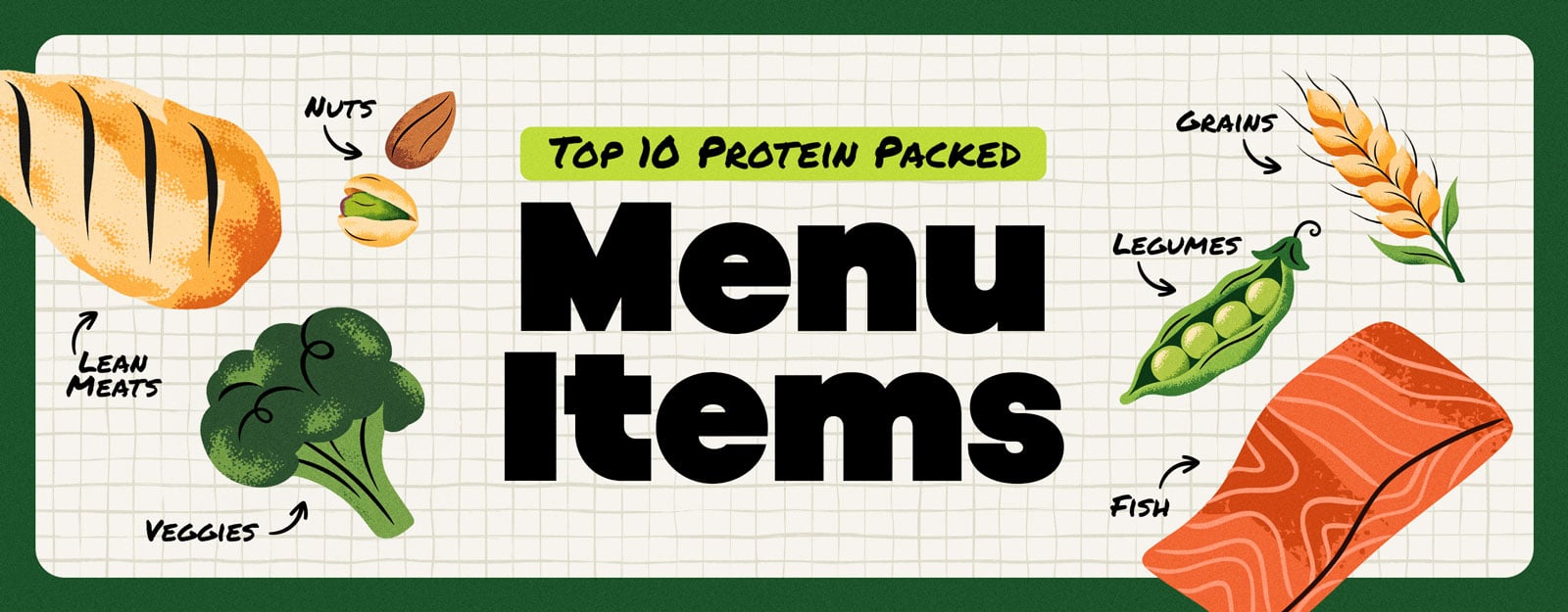
High-protein menus are one of the fastest-growing foodservice trends, particularly among guests using GLP-1 medications who may be eating smaller portions and looking for dishes that make each bite count. Unlike toppings for a single dish, these 10 protein items are building blocks you can add to breakfast, lunch, dinner, and snack menus. Whether you're adding more protein to dishes you already serve or writing a new restaurant menu, we've rounded up the most popular and versatile protein-packed ingredients to help you get started.
1. Eggs

Eggs top the list because they are the most versatile protein on any menu, working at breakfast, lunch, dinner, and late-night service. There are many different ways to prepare eggs, from fried and scrambled to poached and hard-boiled. If you don't want to add them to other menu items but rather have them stand alone, you can bake them into frittatas and egg bites. Their rich, savory flavor and creamy yolks pair with nearly everything, from toast and hash browns to ramen and fried rice.
Eggs are already a staple in most commercial kitchens. Operators have plenty of formats to choose from based on labor and volume. Shell eggs offer made-to-order flexibility, while liquid eggs, peeled hard-boiled eggs, and pre-cooked egg patties cut down on prep time and cracking. Egg whites are another popular option for guests who ask for a lighter scramble or omelet, but they contain less protein than whole eggs. On average, one large, whole egg has 6 grams of protein. Conversely, a single large egg white offers approximately 3.6 grams of protein. To streamline prep, consider investing in an egg poacher or sous vide egg preparation for high-volume and high-quality output.
- Egg Tasting Notes: Rich, savory, creamy, mild
- Most Popular Types of Eggs for Menus: Shell eggs, liquid eggs, hard-boiled eggs, egg whites, pre-cooked egg patties
- Egg Menu Applications: Breakfast sandwiches, breakfast bowls, frittatas, salads, avocado toast, ramen, fried rice
- Flavors that Complement Eggs: Cheese, avocado, bacon, spinach, tomato, hot sauce, everything bagel seasoning
2. Greek Yogurt

Greek yogurt is a go-to for protein-forward menus because it fits into sweet and savory dishes alike. This type of yogurt is made by straining regular yogurt to remove excess liquid, giving it a thick, creamy texture and a pleasantly tangy flavor. The straining process also yields roughly double the protein found in unstrained yogurt varieties. Parfaits, smoothies, and acai bowls are the obvious starting points, but Greek yogurt also works as a stand-in for sour cream or mayonnaise in dips, dressings, and sauces.
Plain Greek yogurt boasts 20 to 24 grams of protein per cup, with exact quantities varying by brand and fat content. It contains all nine essential amino acids, making it a complete protein source. It is also the most flexible choice for operators because it can be sweetened with honey and fruit or seasoned with herbs and spices. Vanilla and fruit-flavored varieties are convenient for grab-and-go parfaits and continental breakfast bars. Bulk tubs are a cost-effective option for high-volume prep, and single-serve cups work well for self-serve cases in coffee shops, airports, and cafeterias.
- Greek Yogurt Tasting Notes: Tangy, creamy, tart, slightly sweet when flavored
- Most Popular Types of Greek Yogurt for Menus: Plain, vanilla, fruit-flavored, bulk tubs, single-serve cups
- Greek Yogurt Menu Applications: Parfaits, smoothies, breakfast bowls, dips, dressings, sauces, marinades
- Flavors that Complement Greek Yogurt: Honey, berries, granola, cucumber, dill, garlic, lemon
3. Lean Cheeses

Cheese varieties are already menu favorites. Operators looking to boost protein should choose lean cheeses. This category includes cottage cheese, ricotta, part-skim mozzarella, swiss, and string cheese, which are made with part-skim milk or have a naturally milder profile.
Cottage cheese is having a moment as a bowl base and a high-protein dip. Ricotta scoops easily, slotting into hot and cold dishes and adding a creamy layer to toasts, pastas, and pancakes without much extra prep. Part-skim mozzarella is a reliable cheese for pizzas, paninis, and baked dishes because it melts well. String cheese is a quick add-on for kids' meals and snack boxes.
- Lean Cheese Tasting Notes: Mild, milky, creamy, lightly salty
- Most Popular Types of Lean Cheeses for Menus: Cottage cheese, ricotta, part-skim mozzarella, swiss, string cheese
- Lean Cheese Menu Applications: Cottage cheese bowls, toasts, pizzas, paninis, lasagna, stuffed pastas, snack boxes
- Flavors that Complement Lean Cheeses: Tomato, basil, honey, fresh fruit, black pepper, olive oil, everything bagel seasoning
4. Nuts

Nuts bring crunch, richness, and protein to dishes and require little kitchen labor. Almonds, peanuts, pistachios, walnuts, cashews, and pecans are the most popular nut varietals, and each has its own flavor and texture. They can be served whole, chopped, sliced, or ground into butters and pastes, so one ingredient can show up in several places on your menu. WebstaurantStore sales data shows many customers trading up for new nut butters, with pistachio butter moving from a Dubai chocolate ingredient to a mainstay.
Use nuts as a topping for salads, oatmeal, yogurt bowls, and desserts, or blend them into sauces and crusts. Roasted and salted options work well for snack mixes and bar snacks, while raw and unsalted nuts give kitchens more control over seasoning. Nuts are a common allergen, so be sure to label dishes clearly. Even health-conscious consumers want a little treat here and there, so chocolate candymakers take note: chocolate-covered nuts or peanut butter-filled treats can feel like a healthier indulgence for those who want a little something sweet that still has protein and fiber.
- Nut Tasting Notes: Buttery, toasty, earthy, slightly sweet
- Most Popular Types of Nuts for Menus: Almonds, peanuts, pistachios, walnuts, cashews, pecans, nut butters
- Nut Menu Applications: Salad toppers, oatmeal and yogurt bowls, snack mixes, nut-crusted proteins, sauces, candies, desserts
- Flavors that Complement Nuts: Honey, maple, dried fruit, chocolate, cinnamon, rosemary, sea salt
5. Protein Drinks

Protein drinks are a fast-growing category for cafes, smoothie bars, and convenience stores. Because they are portable and quick to serve, they appeal to guests who want a protein-packed option on the run. Ready-to-drink bottles and cartons require no prep and can be merchandised in coolers near the register. They also help vending machine operators adopt the protein trend.
Protein powder lets baristas and smoothie makers add protein to a drink, and protein-enhanced coffee drinks are one of the fastest-growing coffee trends. It's primarily showing up as protein cold foam and protein-boosted milk in lattes on coffee shop menus. Vanilla and chocolate are the most requested flavors, and they are easy to build menu items around. Protein powders can also be blended into smoothies or used to supplement flour when preparing protein pancakes or baked goods.
- Protein Drink Tasting Notes: Creamy, sweet, chocolatey, vanilla, milky
- Most Popular Types of Protein Drinks for Menus: Ready-to-drink shakes, protein powders, protein smoothies, protein coffee drinks, protein milk, protein pancakes, protein baked goods
- Protein Drink Menu Applications: Smoothie add-ins, coffee shop drinks, grab-and-go coolers, breakfast combos, meal replacement-style bundles
- Flavors that Complement Protein Drinks: Banana, peanut butter, espresso, berries, cocoa, cinnamon, caramel
6. Lean Meats

Lean meats are the classic protein-forward entree, and guests already know what to expect from them. Chicken breast, turkey, lean cuts of beef like sirloin, and pork tenderloin are the most common options. From grilling to roasting to breaking out a combi oven, you can employ the full arsenal of cooking methods available to commercial kitchens. Protein-conscious consumers are less likely to favor fried formats, so use frying thoughtfully if your target market is health-centric.
For operators, lean meats are ideal for build-your-own bowls, wraps, salads, and sandwiches where guests can choose a protein. You can also offer "extra protein" as an upsell. For example, if you offer chicken Alfredo, engineer your menu with an extra protein option for an upcharge. This allows guests to increase their protein intake without having to order an extra dish or get double the pasta. White meats easily take on the flavor of whatever marinade, rub, or sauce you pair them with, making them especially versatile. Pre-cooked and sliced formats cut down on labor, while raw portion-controlled cuts give kitchens more room to season and cook to order. They also usually contain more protein and less fat than their dark meat counterparts. Jerky and meat sticks are also popular for snack cases and grab-and-go displays.
- Lean Meat Tasting Notes: Savory, mild, meaty, smoky, or herbaceous depending on seasoning
- Most Popular Types of Lean Meats for Menus: Chicken breast, turkey, sirloin, pork tenderloin, jerky
- Lean Meat Menu Applications: Grain bowls, wraps, salads, sandwiches, kabobs, entree plates, snack cases
- Flavors that Complement Lean Meats: Garlic, lemon, rosemary, chimichurri, barbecue, teriyaki, chili-lime
7. High Protein Legumes

Legumes are plant-based protein staples that suit vegetarian, vegan, and omnivore menus alike. Lentils, chickpeas, black beans, split peas, and edamame are some of the highest-protein legumes, and they are shelf-stable, affordable, and easy to batch cook. Their hearty texture makes dishes feel substantial without needing meat. When purchasing high-protein legumes, canned and dry options give operators flexibility depending on prep time and storage space.
Bean varieties are a great choice, and among them, chickpeas are a powerhouse, showing up in everything from hummus to falafel to grain-free pasta to crispy roasted snacks. Lentil assortments are a natural fit for soups, curries, and salads. Try adding international dishes with legumes from India, the Middle East, and Africa. They're also excellent additions to traditional salad bars or build-a-bowl concepts as a base or add-on that allows meat-consuming patrons to boost their overall protein intake without just layering in more meat.
- Legume Tasting Notes: Earthy, nutty, savory, mild
- Most Popular Types of Legumes for Menus: Chickpeas, lentils, black beans, split peas, edamame, hummus
- Legume Menu Applications: Grain bowls, soups, curries, falafel, hummus plates, salads, tacos, veggie burgers
- Flavors that Complement Legumes: Cumin, garlic, lemon, tahini, smoked paprika, cilantro, tomato
8. Fish and Shellfish

Fish and shellfish give protein-forward menus a lighter-tasting option that still feels like a premium entree. Salmon, tuna, cod, shrimp, crab, and scallops are the most popular choices. Shrimp and salmon are especially versatile, appearing in tacos, poke bowls, salads, pastas, and grain bowls. Customers don't just care about protein content; they also care about fish quality and environmentally friendly fishing practices. It's worth taking the extra time to research seafood sustainability before adding fish and shellfish to your menu.
Seafood can be prepared in a wide range of ways. Whether you choose the steamer or the grill, remember seafood cooks quickly, so be careful not to overcook. While easy to dry out, the upside of their fast cook times is expedited service in high-seat-turnover eateries. From seafood boils to shrimp scampi, integrating the most popular seafood dishes helps ensure the items are ordered, but adding your own twist to timeless options helps you stand out. Frozen portions are a practical choice for most operators because they offer consistent sizing, longer shelf life, and less waste. Seafood is a major allergen, so be sure to communicate ingredients clearly on your menu.
- Fish and Shellfish Tasting Notes: Delicate, buttery, briny, sweet, mild
- Most Popular Types of Fish and Shellfish for Menus: Salmon, tuna, cod, shrimp, crab, scallops
- Fish and Shellfish Menu Applications: Poke bowls, tacos, salads, grain bowls, pastas, sushi and sashimi, entree plates, appetizers
- Flavors that Complement Fish and Shellfish: Lemon, dill, garlic butter, soy-ginger, sesame, avocado, chili-lime
9. High Protein Veggies

Vegetables are not the first thing most people think of for protein, but some varieties contain more than others and can enhance the overall macros of a dish. Green peas, broccoli, spinach, Brussels sprouts, asparagus, and artichokes are common choices to boost a protein-focused plate. They add color, freshness, and texture, and they help dishes feel balanced. An artichoke globe can serve as a vegan entree since it offers both bulk and protein for satiety. Artichoke hearts are a beloved addition to salads, warm dips, antipasto platters, pizzas, and pastas.
Roasting brings out natural sweetness in broccoli and Brussels sprouts, while spinach and peas blend easily into sauces, soups, and pastas. Pairing these veggies with eggs, meats, or grains creates dishes that are protein-packed and visually appealing. Frozen vegetables are a convenient way to keep these items on hand year-round. While fresh still has the best flavor and texture, frozen vegetables outrank fresh in shelf life, nutrient retention, convenience, and cost-efficiency.
- High Protein Veggie Tasting Notes: Fresh, earthy, grassy, lightly sweet, slightly bitter when roasted
- Most Popular Types of High Protein Veggies for Menus: Green peas, broccoli, spinach, Brussels sprouts, asparagus, artichokes
- High Protein Veggie Menu Applications: Side dishes, grain bowls, omelets, pastas, soups, stir-fries, salads
- Flavors that Complement High Protein Veggies: Garlic, lemon, parmesan, olive oil, balsamic glaze, chili flakes, toasted nuts
10. High Protein Grains and Grain Alternatives

Grain varieties and their alternatives give protein-packed dishes a hearty base. Quinoa, farro, bulgur, wild rice, buckwheat, and oats are popular for their chewy texture and nutty flavor. Lentil and chickpea pastas have also become staples for operators who want a pasta option with more protein. A benefit of traditional high-protein grains is that many are high in fiber, which is essential for healthy digestion.
Grain bowls are the obvious menu application, but these ingredients also work in pilafs, salads, stuffed vegetables, and breakfast dishes like overnight oats. Many grains and alternatives cook in bulk and hold well, which helps with prep and consistency. Check labels if you need to meet gluten-free requests, as not all products are suitable. Gluten-free flours like almond flour, quinoa flour, lupin flour, teff flour, buckwheat flour, and chickpea flour all boast a lot of protein.
- High Protein Grain Tasting Notes: Nutty, earthy, toasty, mild, slightly sweet
- Most Popular Types of High Protein Grains and Grain Alternatives for Menus: Quinoa, farro, bulgur, wild rice, buckwheat, oats, lentil pasta, chickpea pasta
- High Protein Grain Menu Applications: Grain bowls, pilafs, salads, stuffed vegetables, overnight oats, pasta dishes, soups
- Flavors that Complement High Protein Grains: Roasted vegetables, feta, lemon, herbs, tahini, balsamic, dried fruit
Protein-packed menu items give you a flexible way to meet growing guest interest in protein-forward dining without overhauling your menu. From eggs to hearty grains, you can add these 10 building blocks to dishes you already serve or combine them into new offerings. Stock up on the essentials today by browsing our wholesale meat and seafood, yogurt, and cheeses to start building a protein-forward menu.

Corrinn loves writing, researching, and cooking, so she’s grateful she’s gotten to blend these three passions as a longform writer on the content team at WebstaurantStore for 5 years and counting. Creating resources that help operators succeed and lacing them with entertainment to make them smile is her "why".
Learn more about this author and WebstaurantStore's Content Writing Team here!


