Top Coffee and Tea Trends of 2027
Last updated on Nov 11, 2026Corrinn McCauleyThe 2027 coffee menu is getting smarter. Customers still want a drink that feels like a treat, but now they're also counting protein, watching caffeine, weighing the price, and asking AI what to order. Coffee remains America's favorite beverage, and tea keeps gaining ground through social media and a new wave of chains. Discover the top 10 coffee and tea trends we're betting on in 2027. Whether you're refreshing your menu or building a new concept, use our insider insight to stay ahead of what the public wants.
Protein Coffee and Cold Foam
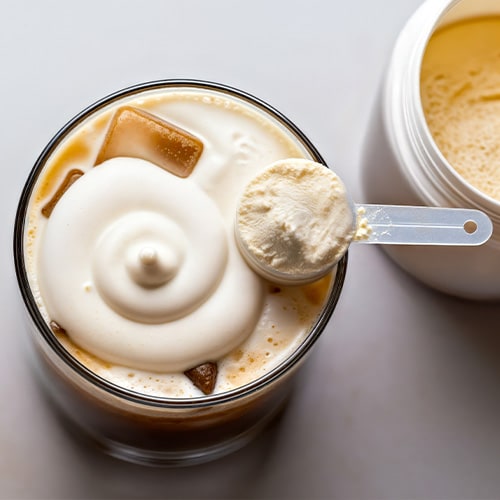
Protein has officially left the gym bag and joined the coffee menu. As the number of people using GLP-1 medications grows, so does the customer base drawn to protein-forward, smaller-format drinks. Starbucks now offers protein options in nearly 90% of its drinks, with protein cold foam as the runaway favorite, and Dunkin' and Dutch Bros are following close behind. We expect protein milk, protein cold foam, and ready-to-pour protein bases to become standard on independent coffee house menus too. The easiest way for your business to test-pilot the trend is with protein-enhanced cold foam recipes. Price it as an add-on, and it lifts the ticket without a new menu. Pitch it as an upgrade to a best-seller, like protein cold foam on your cold brew. Just plan for speed. Every extra step slows the line, and even Starbucks has made four-minute drinks a target, so train your team and set up your bar before you launch.
Banana Everything
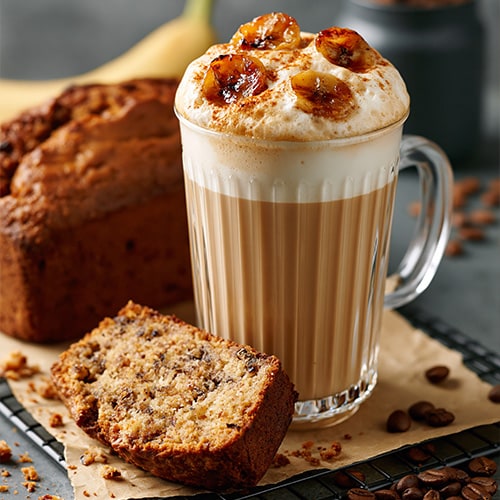
Banana flavor isn't limited to the smoothie bar anymore. It's now the fastest-growing beverage flavor in restaurants, and top chains rolled out roughly 100 banana items in a single year, most of them drinks. Think banana bread matcha, banana cold foam, and banana foster lattes. TikTok searches for banana matcha lattes climbed 78% year over year, and interest in banana bread lattes rose 36%. It works because it tastes like comfort in a cup and pairs naturally with oat milk, cinnamon, and cold foam. Start small by adding banana syrup or foam to an existing cold brew or matcha latte, or try the viral Korean banana milk coffee: simply pour espresso or black coffee and Korean banana milk over ice. One caution: baking spices can overpower the fruit, so let the banana lead. Treat banana as a seasonal rotation, not a permanent bet, because flavors this hot can cool just as fast.
Cold-First Menus
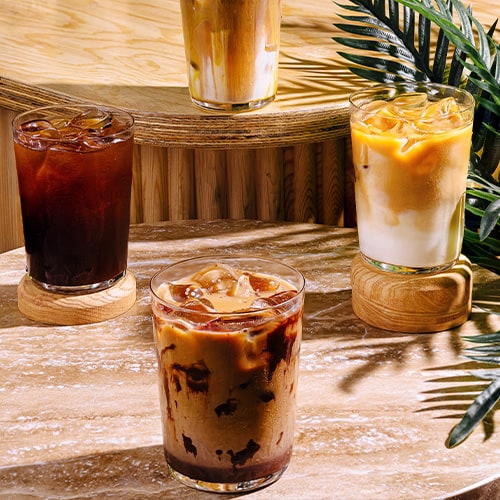
For a growing share of customers, iced is the default, not the exception. Cold brew, nitro, and frozen coffee drinks have gained ground for five years running, and half of North American Gen Z drinkers now start their day with a cold cup of coffee. Cold drinks also change the clock: more than half of cold coffee servings are enjoyed in the afternoon and evening. This gives operators the chance to turn traditionally slow hours into a real revenue opportunity. We're betting on menus built cold first, with cold brew on tap, flavored cold foams, iced tea bars, iced matcha, and refreshers that earn a spot at 3 p.m. Even outside cold-first brands, cold drinks make up about 75% of Starbucks’ U.S. beverage sales and nearly 27% of Tim Hortons’ drink sales, a fourth-quarter record. Build for it with the right equipment, from cold brew and iced coffee systems and ice machines to foam dispensers.
Calm-Focus Functional Drinks
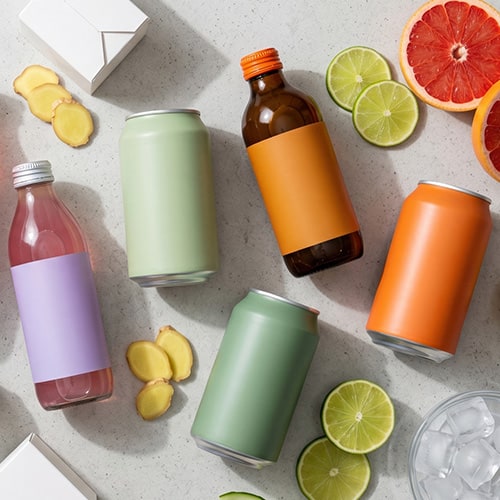
In 2027, consumers still want drinks that affect them, but how they want to feel is changing. Instead of more buzz, they're asking for balance. Relaxation drinks are among the fastest-growing functional beverages, with adaptogens and botanicals leading the way, and nearly half of caffeine drinkers say they're trying to cut back. Expect menus to follow with calming herbal teas, adaptogen-infused cordials, half-caf options, and lighter afternoon drinks designed for focus without the jitters. Be selective, though. Loaded teas packed with stimulants still dominate social media, but many shops selling them are tied to supplement sales networks, and not every loaded tea contains actual tea leaves. A good rule: if you can't explain every ingredient in a sentence, your customers won't trust it. Keep menu language about taste and ritual, not health benefits, and have your legal team review any wellness claims.
Creatine and Fiber Add-Ins
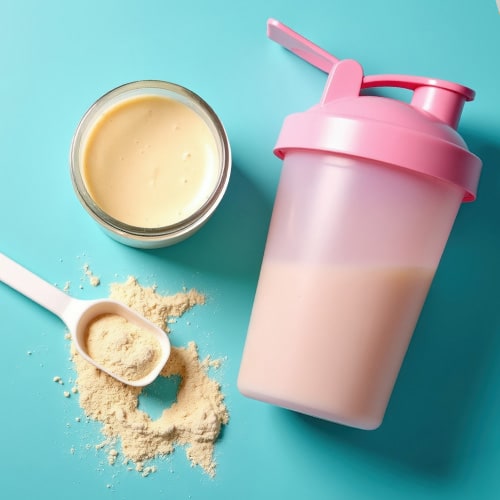
Creatine is leaving the shaker bottle behind, and its audience is changing. Sales are climbing fast, and a growing share of buyers are women drawn to creatine for healthy aging and mental sharpness, not just muscle. Fiber is following the same path and is the next big health trend after protein. “Fibermaxxing” is all over TikTok because most adults fall short of the recommended 25 to 30 grams a day. Packaged examples already exist, from instant coffee with built-in creatine to ready-to-drink iced lattes with added chicory root fiber. We expect both to arrive in U.S. cafes as simple add-ins, like protein, stirred or blended into hot or iced coffee and tea, and both make easy upcharges. Start fiber with small servings, since too much too fast can upset stomachs. Keep creatine claims modest, avoid weight-loss promises for fiber, and confirm dosing and labeling rules before writing your menu description.
New-Style Tea
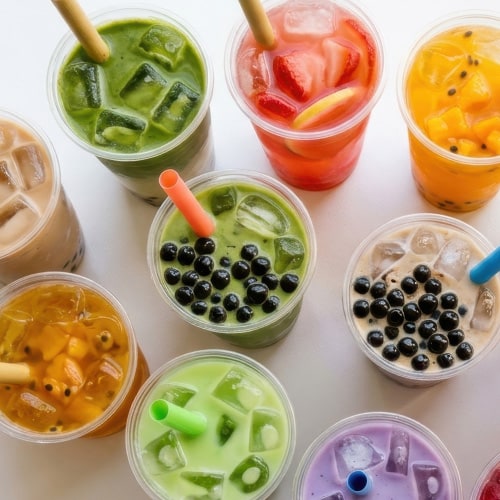
New-style tea, a category defined by the China Chain Store & Franchise Association (CCFA), refers to freshly made tea drinks blended with fruit, dairy, or other ingredients, never made from instant powder. Think boba tea but with all-natural ingredients. Chains like Chagee and Heytea are bringing the format to U.S. cities, and TikTok is increasing public appetite for it. Expect jasmine green tea lattes, fruit teas made with real fruit, and brewed-to-order cups that taste like tea first. The wave also carries traditional ingredients like goji, jujube, and dried tangerine peel, along with the boiled apple tea that has taken over social feeds. Independent shops can join without a franchise: brew tea fresh, use real fruit and milk, and add one seasonal herbal drink built on those flavors. Credit the traditions behind the flavors on your menu. New-style tea is a premium, fresh take on tea that no powdered mix can match.
Back to Black
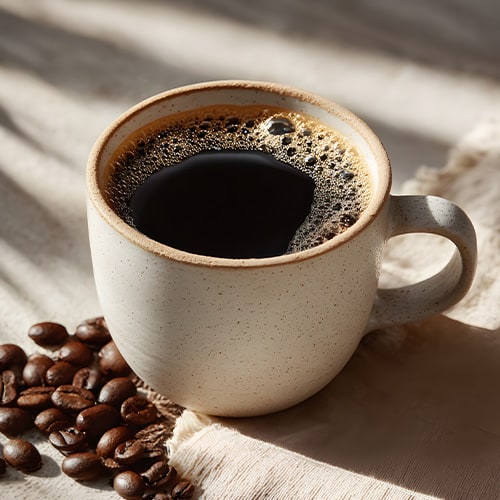
Not everyone wants dessert in a cup. While syrups and foams remain popular, a second lane is forming around simple coffee, and the long black is leading it. Made by pouring espresso over hot water, the long black has two ingredients, zero sugar or dairy, and preserves the crema that gives espresso its aroma. It's similar but distinct from an Americano, which adds water to the shot, breaking up the crema. About a quarter of U.S. coffee drinkers now prefer their coffee black, up from 18% two years ago, and higher prices are making no frills coffee appealing. Offer it as the premium simple option: pair a single-origin espresso with a clear tasting note, like dark chocolate and orange, and price it 50 cents to a dollar above your regular coffee. On average, regular coffee costs $3.50; that keeps it a premium pick without crossing the $5 line many customers resist. It gives price- and sugar-conscious customers a reason to stay, and with no milk or syrup to buy, it’s easy on margins.
International and Fermented Flavors
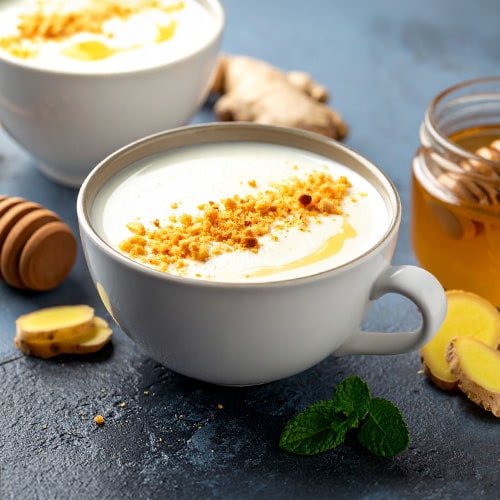
Menus are going global, and customers are discovering flavors from around the world one drink at a time. Hibiscus, yuzu, pistachio, and ube keep climbing, and Vietnamese lemonade made with salted preserved lemons or limes is stepping into the spotlight. Fermented drinks are joining them, driven by interest in gut health. Tepache, a fizzy Mexican drink made from fermented pineapple peels, and kvass, a tangy Eastern European drink made from rye bread, are both showing up on menus, along with koji milk, a plant-based milk made with the fungus behind miso and soy sauce, whose enzymes naturally sweeten oats and rice. The easiest way to adopt these trends is a limited-time offer built on one new ingredient, like a hibiscus iced tea, yuzu sparkling tea, or koji latte. The FDA has set a goal of eliminating the remaining synthetic dyes by the end of 2026, so natural food coloring from hibiscus, butterfly pea, and fruit powders carry extra value.
AI Drink Recommendations
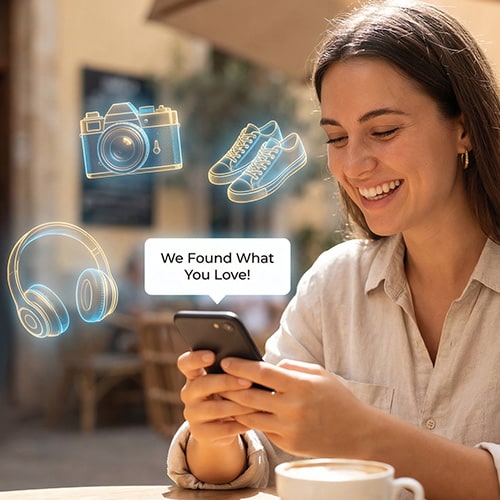
Customers are starting to ask AI what to order. Starbucks launched a ChatGPT app that suggests drinks based on mood, cravings, or even a photo, and roughly one in five diners has already used AI to choose where to eat. Interest keeps climbing, with nearly half of consumers saying they'd welcome AI-generated food and drink suggestions. Because restaurant AI tools rely on your website, reviews, and listing sites, ensure your hours, menu, and photos are accurate and updated across platforms like Google, Yelp, and delivery services. Write drink descriptions the way people actually ask for them: "not too sweet," "a calm afternoon pick-me-up," "something with protein." Organizing menu categories by mood, like "Calm Afternoon" or "Protein Boost," doubles as AI-friendly language. Keep the human touch where it counts. Most customers still prefer placing orders with a person, so let AI help people find you and let your baristas close the deal.
Value Pricing and Affordability
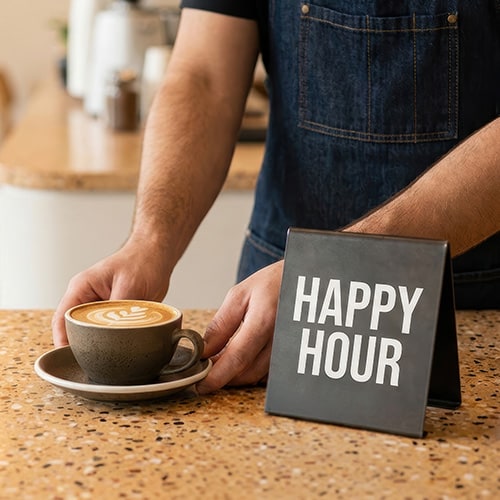
People still love a treat, but they’re doing the math. More than two-thirds of coffee drinkers say they’ve changed their habits because of higher prices, and many say $5 is their limit for a single drink. Operators feel it too: organic matcha costs are up more than 20%, and at least one major Japanese producer is limiting hojicha, once the more affordable matcha alternative. One smart answer is the coffee shop happy hour. With fewer young adults drinking alcohol, afternoon discounts on iced coffee, matcha, and refreshers give customers a reason to stop in at 3 p.m., and Starbucks is already building an afternoon menu to win that hour. Keep the deal to a few cold drinks in a set window so it brings in new visits without trading down your morning regulars, and keep your everyday price strong on simple coffee and tea. Let add-ons carry the margin, lock in supply early, and make it obvious why a pricier drink is worth it.
What Is Driving Coffee and Tea Trends 2027?
The coffee and tea industry is shifting from drinks built for the camera to drinks built for flavor and function that don't break the bank. As we look ahead to 2027, five key influences are shaping what customers order and how shops serve them.
- Wellness Goals: From protein to adaptogens to lower sugar, customers expect their drinks to support how they want to feel. The growing number of people using GLP-1 medications is accelerating the shift toward smaller, protein-forward, nutrient-dense options.
- Price Pressure: Higher coffee costs and a ceiling around $5 for a single drink make customers choosier. Simple coffee, value add-ons, and drinks that feel worth the splurge all win.
- AI and Social Discovery: Customers now turn to TikTok and AI tools to decide where to go and what to order. Accurate listings and drink descriptions that match how people search are quickly becoming essential.
- Flavor and Texture Curiosity: Banana, hibiscus, koji, and tepache are proof that customers either want something cozy and traditional or brand new and exciting. Foams and unusual textures breathe new life into old favorites and create easy ways to add trendy flavors.
- Speed and Simplicity: Cold drinks, add-ons, and drive-thru demand all strain the line. Shops that streamline prep and sequence orders will protect their margins as menus grow.
2027 is an exciting time to refresh your coffee and tea menu. Customers want drinks that feel good in their bodies and on their wallets. Start with the trends that fit your regulars, whether that's protein foam, a calm afternoon tea, or a simple long black. Pay attention to price and speed as you grow your menu, and make sure customers can find you online. Whether you're integrating new trends into your existing cafe or starting a mobile coffee business, use this blog as a springboard to your ongoing success.

Corrinn loves writing, researching, and cooking, so she’s grateful she’s gotten to blend these three passions as a longform writer on the content team at WebstaurantStore for 5 years and counting. Creating resources that help operators succeed and lacing them with entertainment to make them smile is her "why".
Learn more about this author and WebstaurantStore's Content Writing Team here!