
Top Bar Trends for 2026
Last updated on Aug 27, 2026Corrinn McCauleyFrom enjoying a craft beer and playing cornhole at a brewery to dressing up and sipping a craft cocktail for a celebratory night on the town, the diverse types of bars in our communities help people build connections and create memories. While consumers' desire for socialization and recreation remains the same, the flavors and experiences they crave are evolving. Gen Z is choosing to drink less or avoid alcohol altogether. Bar operators should see this not as a problem, but as an opportunity to evolve and update their menus and bar supplies. From the sober renaissance to trending flavors and glassware, get ahead of the bar trends coming in 2026.
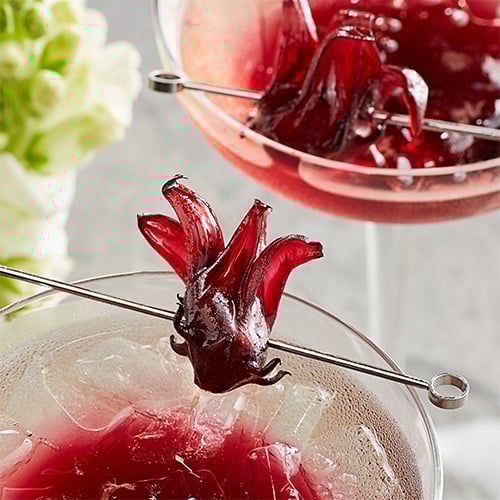
Functional Garnishes
Functional cocktail garnishes not only enhance the visual appeal of cocktails but also contribute unique flavors and textures that complement the overall flavor. Sensational options like buzz button flowers add a citrusy flavor and aroma, along with an electrifying, effervescent sensation and slight numbing effect when consumed. The delicate leaves of oyster plants provide an elegant aesthetic to dry martinis and impart a subtle briny note that enhances their savory undertones. Bartenders are opting for dried fruit garnishes for a shelf-stable option that adds a sweet touch. Edible hibiscus flowers in syrup offer a floral twist with hints of berry and rhubarb for a visually and flavorfully memorable experience. Lotus root, with its natural, mesmerizing pattern, is a standout addition to cocktails.

Crafted Ice
More than just a chilling tool, cocktail ice affects dilution rate, serving temperature, and visual presentation, making it the foundation of exceptional drinks. From the theatrical touch of a dry ice cocktail to the infusion of flavors with fruit and herb ice cubes, bars are pushing the boundaries of traditional ice service. Expect craft cocktails served inside stunning hollow ice spheres in 2026, adding a touch of sophistication and whimsy to the drinking experience. Ice embossed with logos or designs adds a personalized touch to drinks; think ice decorated with a honeycomb pattern for a Bee's Knees cocktail. Alternatively, imprinting your logo onto ice can become an integral part of your bar’s branding efforts, advertising your bar when customers post photos of your drinks on social media.

Botanical Flavors
In 2026, botanical flavors will dominate the bar scene, with elderflower emerging as the flavor of the year. The elderflower-based liqueur, Hugo Spritz, gained significant traction, amassing 290 million views on TikTok last year, and renowned figures like Sophia Turner have embraced this trend, collaborating with St Germain. From elderflower liqueur to elderflower syrup and elderflower-infused gin, this floral and fragrant note adds a sophisticated touch to cocktails like our limoncello spritz recipe. Additionally, other emerging botanicals like fennel, mint, lavender, Grains of Paradise, and orris root are also gaining popularity for their unique and aromatic profiles.
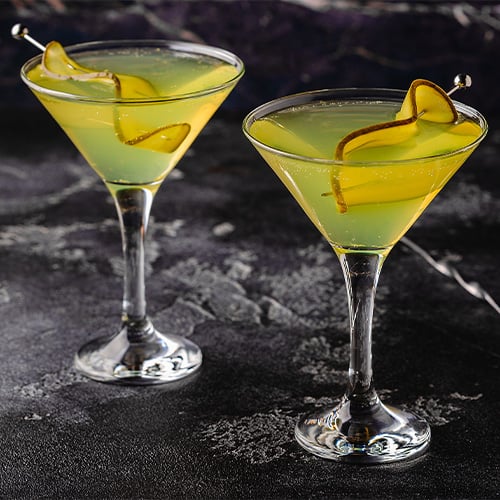
Savory Flavors
Mixologists are turning to unconventional ingredients and techniques to infuse cocktails with rich, umami-packed profiles. One technique that has gained popularity is fat washing, infusing spirits with fats such as bacon, butter, or olive oil to impart a velvety texture and a complex flavor profile. Pickle juice, once relegated to the realm of hangover cures, has been reimagined as a cocktail ingredient that brings a tangy, briny element to drinks. For those looking to add a spicy kick to their cocktails, serrano chiles and pepperoncini brine are becoming popular choices. Miso, a traditional Japanese seasoning made from fermented soybeans, adds a savory, earthy note to cocktails.

Sober Renaissance
The hashtag #Sobertok has gained a significant following with 345.2k posts, showcasing the strong online engagement amongst those exploring sober living. The sober lifestyle trend offers bar owners a unique opportunity to serve a growing segment of consumers who opt not to drink alcohol. To appeal to this demographic, bars can offer a variety of non-alcoholic options such as mocktails, zero-proof drinks, hop water, CBD-infused drinks, and kava beverages to attract customers seeking flavorful and sophisticated alcohol-free drinks. Hosting events like trivia nights, salsa dancing lessons, or karaoke creates a community aspect that is appealing to both drinkers and non-drinkers. Games like shuffleboard, Jenga, or ladder toss can also help foster a social environment.

Adaptogen Drinks
In 2026, bars can cater to a health-conscious clientele by offering mocktails infused with adaptogens. Adaptogens, such as ashwagandha, Schisandra Berry, ginseng, and Rhodiola, are natural substances that help the body adapt to stress and promote overall well-being. Bars can either create their own mocktails by pairing adaptogens with other healthful ingredients like teas, kombucha, and coconut water. If bar operators don't want to develop their own recipes, they can stock ready-to-drink (RTD) adaptogenic mocktails that are offered by many reputable brands. This makes it easy for bars to stay on-trend with the latest bar offerings. Not just for mocktails, you can incorporate these healthful ingredients into your craft cocktails, particularly already trendy drinks like our matcha gin fizz recipe.

Colored Glassware
As consumer and FDA demands eliminate food colorings, bars are turning to colored glassware as a creative way to tint their cocktails without using artificial food dyes. Blue glassware enhances tropical blue curacao drinks, while green glassware complements grasshopper and Midori-based cocktails. Another trend driving colored glassware is consumers' desire for “dopamine colors”, aka hues known to elicit positive emotions and a feeling of excitement and pleasure. Ranging from vibrant oranges and confident reds to joyful yellows and fresh greens, dopamine colored glassware creates a vivacious atmosphere. A revival of Tiki culture, driven by a growing desire for craft cocktails, fruit-forward flavors, and nostalgia, will bring colorful tiki glasses back into play.
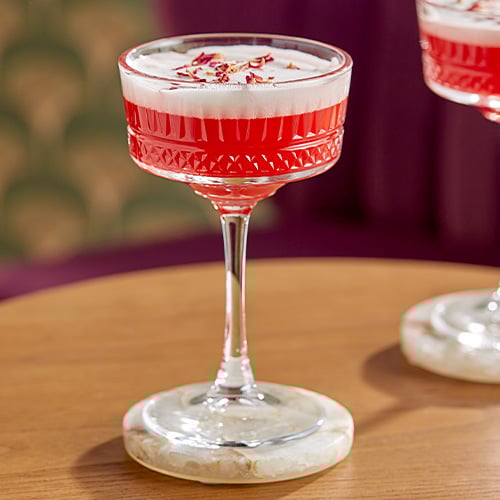
Vintage Glassware
Bars are rediscovering the charm and sophistication vintage glassware brings to their drink presentations. Dimensional patterns, such as hobnail and cut glass designs, offer unique textures that add a touch of old-world elegance and provide tactile experiences for customers. While these patterns were once developed by hand-cutting the glass, modern manufacturing has automated this process, making intricately cut glassware more accessible. Another sought-after vintage glass style making a comeback is the coup glass. Originally crafted for champagne, coup glasses are being used in place of traditional martini glasses both for their vintage appeal and their practical benefits. The coupe's wider bowl and shorter stem make it less prone to breakage, helping reduce glassware replacements.
Now that you know what trends will be shaping the nightlife industry in 2026, integrate them into your business to attract and retain customers. Trendy is great; safe and supportive are even better. Check out our resource on angel shots to protect your customers and our guide to mental health in the hospitality industry to support your staff as they work long hours with high exposure to addictive substances.
Related Resources

Top Coffee and Tea Trends of 2026
Coffee and tea have long been staples in the foodservice sector, with coffee alone accounting for 8% of the U.S. foodservice industry, according to the NCA 2023 economic impact report. In the United States, coffee remains more popular than tea, but globally, tea is the second-most-consumed beverage, behind packaged water. In our increasingly globalized society, where trends spread rapidly through platforms like TikTok, the tea market is experiencing a surge in popularity in the American market. As operators in the coffee and tea industry, it is crucial to stay ahead of the curve and adapt to evolving consumer demands. Guided by our insider industry insight and research into current foodservice statistics, we reveal the top 10 trends in the coffee and tea industry that operators should take note of to ensure they are meeting the changing preferences of their customers. <figure> </figure> Protein Coffee Consumers are looking for a boost of protein with their morning caffeine fix, leading to the rise of protein coffee. According to an Aromatech study, the protein coffee market will hit $14.7 billion by 2034. While you can add protein powder directly to your coffee drinks, baristas are finding creative ways to give a protein boost, such as creating protein-infused milk for lattes and protein cold foam. Popular brands like Starbucks and Jimmy’s Coffee have hopped onto the trend, and smaller businesses would do well to adopt protein into their drinks to keep up with their larger competitors. To stand out, use protein with clean labels, offer plant-based protein options, and source protein with additional benefits like whey with colostrum to attract health-conscious consumers. <figure> </figure> Houjicha As matcha continues to rise in popularity, sourcing has become increasingly challenging. However, the solution may lie in houjicha. Made by roasting green tea leaves, houjicha offers a distinctive nutty flavor, caramel-like aroma, and a reddish-brown color that sets it apart from other green teas. It can be served hot or cold, making it suitable for various commercial applications such as cafes, restaurants, and tea shops. One of hojicha's biggest strengths in the 2026 market is its simplicity and traceability. With just tea leaves and fire-roasting, it checks all the boxes for consumers seeking transparency and low-intervention ingredients. While matcha isn’t going anywhere, houjicha is an emerging way to enjoy the benefits of green tea at a lower price tag and easier sourcing methods. <figure> </figure> Amped Up Loaded Teas Not your traditional tea, loaded teas are a mix of energy drink-like ingredients packed with stimulants like caffeine, guarana, and ginseng, as well as vitamins, herbal extracts, and sugar substitutes. Since these beverages appeal to health-conscious and active consumers, choose options like monk fruit, allulose, and stevia over artificial sweeteners like aspartame. Businesses can charge extra for added vitamins, collagen, and creatine, and offer customization options for caffeine levels (regular, half, or extra). Carbonation can also be an additional upcharge for those seeking a fizzy kick. Perfect for fitness-focused markets, consider partnering with local athletic events and setting up a well-stocked stand to sell loaded teas to participants as a pre-workout drink. Maximize your time at these events by passing out freebies to raise brand awareness and increase loyalty. <figure> </figure> Emerging Unique Flavors You don’t have to reinvent the wheel to keep up with consumer preferences; you can add trending flavors to your existing menu. One niche flavor gaining traction in 2026 is red fruit, a delicacy enjoyed in Papua New Guinea and Indonesia, prized for its antioxidants. Other exotic fruits gaining traction are yuzu and elderberry. Baristas are even playing with savory flavors, with "spring onion coffee" trending on TikTok. Largely thanks to Dubai chocolate creations, pistachio is having a moment, so offer pistachio milk as a dairy milk alternative. Earthy flavors like pine, juniper, and sage will add depth and grounding notes. Syrups are an easy way to incorporate these flavors, but you can get creative by using them as toppings, either whole or in a dehydrated powder form. If the flavor's appeal is its health benefits, market them on your menu (for example: "immunity-boosting elderberry tea". <figure> </figure> Premium Lattes Consumers want coffee drinks that feel like affordable luxuries with decadent ingredients, interesting textures, and visual appeal. Consider the viral iced cloud latte, which mimics the appearance and texture of a fluffy cloud, and the trending creme brulee latte with a caramelized sugar topping. 2026 will feature globally inspired lattes such as horchata lattes, inspired by the beloved Mexican rice-milk beverage. The classic coffee-enriched Italian dessert, tiramisu, makes for the perfect gourmet latte, combining the decadent flavors of cinnamon and rum with a protein-rich mascarpone steamed milk. Dubai chocolate has taken the internet by storm, and it’s now taking over coffee shop menus with Dubai chocolate drinks inspired by the viral pistachio chocolate bar. From a Dubai chocolate mocha to a cold brew infused with chocolate syrup, topped with pistachio cold foam, and a sprinkle of crispy kataifi. <figure> </figure> Clean, Transparent Labeling Seeking transparency and healthier options, consumers are paying more for items with clean label claims such as natural, organic, and no additives/preservatives. According to an Innova Market Insights report, 30% of global food and beverage launches featured a clean label claim in the past year. Additionally, around 30% of consumers are actively reducing their processed food consumption, and 27% making efforts to limit products or ingredients perceived as unhealthy. This includes a focus on avoiding artificial preservatives, sweeteners, and additives. Among clean label claims, no additives or preservatives lead the pack with a 14% penetration rate, followed by organic, natural, and GMO-free claims. Notably, ethical-environment claims have shown the fastest growth, with a 15% compound annual growth rate (CAGR) over the past five years, confirming a shift towards environmental values and concerns. <figure> </figure> High Tea Platforms like Pinterest have seen a staggering 165% increase in searches for "afternoon tea party ideas," and the hashtag #afternoontea garnered an impressive 182.3k posts on TikTok. Businesses can tap into the growing demand by offering a high tea menu alongside or in place of traditional brunch offerings. To stand out from the crowd, mix classic British high tea elements with modern innovations. Think unique teas like butterfly pea tea and trendy takes on traditional British bakes like swapping lemon for yuzu in lemon drizzle cake. The broader cultural shift towards experience-based dining and non-alcoholic social options is fueling the high tea revival. Whether patrons are avoiding booze entirely or choosing not to drink on weeknights, afternoon tea can serve as an alternative happy hour, allowing people to socialize with pretty beverages and light bites without social pressure to consume alcohol. <figure> </figure> Coffee Shop Oasis With the ongoing stresses of daily life, Millennials and Gen Z are increasingly seeking spaces to escape the daily grind and enjoy affordable indulgences. This is where the rise of cafe culture meets the trend of treat culture. To cater to this demographic and create a coffee shop oasis, invest in comfortable seating options such as plush armchairs, cozy couches, and cushioned bar stools. Set up different seating zones to cater to various preferences, from communal tables for socializing to cozy nooks for those seeking solitude. Opt for a mix of natural light and warm, soft lighting to create an inviting atmosphere. Consider using pendant lights, table lamps, and wall sconces to add visual interest. Use essential oil diffusers or scented candles to fill your space with inviting fragrances. Consider working with a local candle maker to develop a signature scent for your storefront and sell it as part of your merchandising efforts. <figure> </figure> Decaf Coffee As consumers are becoming more conscious of the potential health risks associated with caffeine consumption, the popularity of decaf coffee is growing. The global decaf coffee market size is projected to reach USD 28.98 billion by 2032, according to a SkyQuest study. Decaffeinated coffee is produced by removing 97% of the caffeine from coffee beans before they are roasted and ground. This process allows coffee lovers to savor the rich flavors and aromas of coffee without the jitters or sleep disturbances associated with caffeine consumption while retaining the antioxidants and perceived health benefits of coffee beans. Coffee shops can stay ahead of this trend by broadening their decaf coffee options. Coffee roasteries that develop decaf options that taste identical to their regular coffee beans will gain a market edge. <figure> </figure> Merged and Remodeled Cafes Coffee is now intertwined with various industries, and cafes are incorporating additional services. Think a yoga studio with a tea bar or a coffee/floral shop hybrid where patrons can create their own bouquets or place floral arrangement orders while sipping their latte. Cafes located in fitness-focused communities are introducing supplement offerings like creatine, collagen, and adaptogen add-ins, and then offering to serve as the start and end point of weekly run clubs so participants can recharge and connect over superfood drinks. Themed cafes, art galleries, and spaces for live performances are becoming increasingly popular, blending coffee culture and entertainment. Beyond adding other business types and hosting events, coffee shops are developing merchandising lines to promote their cafe and foster brand loyalty among customers. <!-- </div> --> What Is Driving Coffee and Tea Trends 2026? The coffee and tea industry is constantly evolving, driven by a multitude of factors that shape consumer preferences and industry trends. As we look ahead to 2026, several key influences are shaping the trajectory of the coffee industry and tea businesses in 2026 and beyond. Artificial Intelligence (AI): From automated brewing systems to personalized recommendations based on consumer preferences, AI is reshaping the way businesses operate and interact with their customers. It’s improving the production process by creating algorithms that hone roasting techniques for enhanced flavor profiles. AI is also streamlining coffee production by optimizing supply chain logistics and automating repetitive tasks. Sustainability Practices: No longer a preference, sustainability is now expected. Consumers demand ethically sourced products, eco-friendly packaging, and transparent supply chains. Companies that prioritize sustainability are not only meeting consumer expectations but also contributing to a greener future for the industry. Social Media: In the digital age, social media plays a crucial role in shaping consumer preferences and driving industry trends. Coffee and tea businesses are utilizing platforms like Instagram, Facebook, and TikTok to showcase their products , engage with customers, and create buzz around new offerings. Social media influencers and user-generated content are also guiding purchasing decisions, making it essential for businesses to have a strong online presence. Treat Culture: Consumers are looking for "little treats" to spark joy in their day. Treat culture emphasizes the importance of presentation, quality ingredients, and innovative flavors to enhance the overall customer experience. This trend is driving demand for premium drinks, flavored syrups, and artisanal blends. It also includes the rise of gourmet pastries, artisanal chocolates, and specialty snacks that complement coffee and tea offerings. Texture Stimulation: With consumers' increasingly short attention spans, creating texturally engaging beverages is helping capture and retain their attention. From fluffy cold foam to crunchy toppings, coffee shops are experimenting with different consistencies to create sensory experiences that stand out in an oversaturated and overstimulated market. 2026 is an exciting time to become a coffee shop owner. AI technology is advancing to upgrade your processes at every step of sourcing, production, and service. The public desire for indulgent drinks swings the doors of creative menu innovation wide open. The opportunity to create hybrid businesses and partner with other entrepreneurs both lightens the load and breathes new life into your business model. Whether you're integrating new trends into your existing cafe or starting a new concept, use this blog as a springboard to your ongoing success.
Top Foodservice Trends of 2026
Being a foodservice operator is a lot like competing in a cooking challenge; you start with the service-style, cooking techniques, and presentations that are authentic to your brand, and then each year you're given "surprise ingredients" (aka foodservice trends), and you must learn to incorporate them. Adopting and adapting to trends in flavor, technology, and consumer preferences is how you win the game. Check out the top foodservice industry trends shaping 2026 so you can attract customers, retain staff, and upgrade systems. Food Trends Industry Trends Technology Trends Customer Trends Food Trends If 2026 food trends were a cast, protein would be the star, and healthy fats, low-lactose cheeses, and the Mediterranean diet would play the supporting roles. Consumers are equally concerned with the quality of their food as sustenance as they are with its flavor. Consider adding and dropping ingredients based on these consumer preferences. <figure> </figure> Protein Obsession According to a recent Toast survey, a significant 43% of diners expressed a desire for more high-protein meals in their dining experiences. This growing preference has prompted food establishments to explore innovative ways to incorporate protein beyond the traditional meat portion of the plate through side and topping swaps. For example, chefs may swap rice for lentil varieties or replace croutons with protein-packed cheese crisps. These simple yet effective changes not only cater to the protein-focused consumer but also add a unique twist to familiar dishes. Bakeries are also getting in on the action by baking with protein powder, creating a new category of baked goods that cater to health-conscious consumers, and smoothie bowl businesses are now offering granolas that include protein crisps and bases that feature Greek yogurt, providing a wholesome and satisfying morning meal that keeps customers fueled throughout the day. <figure> </figure> Mediterranean and Middle Eastern Flavors The rise of health-conscious eating habits and globally inspired flavors has driven the popularity of the Mediterranean diet and the flavors of its neighboring Middle East. The Mediterranean diet, with its emphasis on fresh ingredients, lean proteins, and heart-healthy fats, appeals to consumers seeking nutritious and flavorful options. Beyond the familiar staples like hummus and Greek salad, there is a growing interest in exploring lesser-known culinary traditions from specific regions such as Calabria, Crete, or coastal Morocco. Discover the bold and irresistible flavors of North African cuisine, including the fiery harissa and the aromatic ras el hanout spice blend. Lebanese toum (a velvety garlic sauce) and baba ghanoush (smoky eggplant dip) are some examples of the rich and diverse flavors that Mediterranean cuisine has to offer. <figure> </figure> Seed Oils and Alternative Fats Seed oils have long been a staple in commercial kitchens due to their affordability and versatility. However, many consumers are moving away from seed oils due to concerns over their health implications and processing methods. As a result, chefs and foodservice operators are now exploring alternative fats to meet the changing demands of their customers. One popular alternative fat gaining traction in the culinary world is beef tallow. Beef tallow is a rendered form of beef fat that is rich in flavor and offers a high smoke point, making it ideal for frying and sauteing. Derived from coconut oil, MCT (medium-chain triglycerides) oil is praised for its rapid energy-boosting effects and potential advantages for weight management, and many chefs are now integrating MCT oil into their recipes to introduce a nutritious fat source. Avocado oil and coconut oil continue to be favored choices for their versatility and nutritional profiles. <figure> </figure> Goat Cheese and Low Lactose Prized for its unique tangy flavor, creamy texture, and numerous health benefits, the market value of goat cheese is climbing and projected to exceed $14 billion by 2029. One of the key factors driving the popularity of goat cheese is its lower lactose content compared to cow's milk cheese. It’s considered a favorable option for those with lactose intolerance or difficulty digesting lactose. Additionally, goat milk, the primary ingredient in goat cheese, is recognized for its nutritional value, containing essential vitamins and minerals believed to contribute to overall well-being. The demand for premium and specialty foods has further propelled the popularity of goat cheese as consumers are increasingly seeking unique and high-quality products. This trend has led to the emergence of various goat cheese varieties beyond the traditional chevre, such as goat gouda, blue goat cheese, and goat cheddar, catering to a diverse range of tastes and preferences. Industry Trends Since 2020, the foodservice industry has proved its resilience, and 2026 comes with its fresh set of opportunities and challenges for us to rise and meet. Tariffs are pushing the industry towards domestically produced products, along with innovations. Changing customer dining hours and preferences have all-day menus back on the table. Staffing shortages have managers examining the restaurant workplace culture and creating mental health reforms. While T-shirts and stickers were once only relevant to beachside restaurants in tourist locations, merchandising lines are now integral elements of most foodservice brand identities. <figure> </figure> Domestically Produced Charcuterie Meats and Cheeses Domestically produced charcuterie meats and cheese have been gaining popularity in the US foodservice industry, especially in response to tariffs that have created market volatility for imported products. By focusing on domestically sourced products, businesses can ensure a more stable supply chain and better control over costs. Another advantage of domestic and small-batch-produced charcuterie meats and cheese is the opportunity for innovation. Butcher shops have been experimenting with unique cured meat creations such as duck prosciutto, blue cheese-brined salami, and lamb salami. Cheese makers are experimenting with twists on classic stinky cheeses for new, funky flavors. Utilizing locally sourced ingredients and regional cooking techniques is a unique way to take something old and make it new. For example, chefs can use regional BBQ rubs and smoking methods to add a distinctive twist to their charcuterie offerings. This enhances the flavor profile of the products while promoting the culinary heritage of a specific region. <figure> </figure> Cult Following Customization Restaurants aren’t just selling food, they’re developing merchandising lines that rival those of lifestyle brands. While great food and service are still the most important, thriving foodservice businesses must create a brand identity that resonates with customers on a deeper level. Offering swag helps carry your message. Branded merchandise can include everything from hats and T-shirts to stickers and koozies. Breweries and tap rooms can sell branded growlers and pint glasses, and coffee shops can sell branded insulated drinkware, coffee brewers, and teapots. In addition to physical merchandise, another aspect of customized merchandise involves selling signature sauces, spice rubs, and baking mixes in branded packaging. By offering these products for sale, restaurants can extend their brand presence beyond the dining experience and into customers' homes. This both generates additional revenue and reinforces brand loyalty by keeping customers engaged even when they are not dining in the restaurant. <figure> </figure> The Return of Lunch As more people return to the office and resume in-person work, restaurants and foodservice establishments are recognizing the importance of offering flexible dining options throughout the day to accommodate varying schedules and preferences. By providing all-day menus that cater to breakfast, lunch, and dinner crowds, businesses can attract a wider range of customers and capitalize on the demand for convenience and flexibility. The return to office work has also had a profound impact on lunch habits. Desk meals have emerged as a popular choice for busy professionals seeking indulgent yet convenient options that can be enjoyed on their workstations. According to a Tastewise study, there has been a remarkable 64% year-over-year surge in demand for desk meals, reflecting the changing preferences of the workforce. This trend presents significant opportunities for takeout and delivery-friendly menus as well as meal prep businesses to cater to the growing demand for convenient and nutritious lunch options that can be enjoyed on the workplace or on the go. <figure> </figure> Restaurant Industry Mental Health Reforms In the fast-paced world of the foodservice industry, mental health is a growing concern that is gaining more attention. Popular new TV shows have been shedding light on the often-toxic work environments that exist in many restaurants. These accurate, yet bleak portrayals have sparked conversations about the need for better support and resources for restaurant workers who may be struggling with their mental health. Statistics on restaurant worker mental health further emphasize the strains that can come with working in this demanding industry. For example, 60% of chefs in a 2023 Unilever Food Solutions survey reported that their work negatively impacts their mental well-being. Long hours, high stress levels, and intense pressure to perform can all take a toll on the mental well-being of employees. In response to these challenges, restaurant managers and operators are actively working to reform workplace practices and environments to prioritize the mental health of their staff. By creating a supportive work environment, they aim to create an industry that people want to join and can thrive in the long term. Technology Trends Foodservice technology innovations are redefining the industry in 2026, bringing exciting advancements and new challenges. As innovations transform operations and customer interactions, security concerns also emerge, highlighting the need for increased cybersecurity. From menu creation to marketing, AI is revolutionizing business operations. Meanwhile, made-to-order bistro vending machines are creating new market segments, and robots are helping meet staffing needs. <figure> </figure> AI Integration According to Popmenu’s 2024 study of 362 U.S. restaurant operators, a significant 79% have either implemented or are considering integrating artificial intelligence (AI) into various aspects of their operations. AI can help with everything from day-to-day tasks like taking orders and food preparation to streamlining business operations and enhancing marketing strategies. Surprisingly, one in four operators expressed a desire to have more margin in their schedule to focus on cooking. By incorporating AI to automate various functions, owners, head chefs, and private chefs can streamline their operations, allowing their to-do lists to shrink and freeing up time to pour into their craft. The benefits of AI integration in the foodservice industry are clear, as highlighted by operators who have embraced this technology. A staggering 90% of foodservice managers and owners reported that AI has not only made their workday easier but has also enhanced the overall guest experience. The impact of AI on profitability is significant, with operators reporting a 65% increase in margins and profitability, a 61% boost in revenue, a 54% reduction in errors, a 53% improvement in the speed of service, and a 49% enhancement in guest experience. <figure> </figure> Cybersecurity According to an IBM report, approximately 80% of restaurant transactions are conducted digitally, which significantly increases the risk associated with sensitive data. Recent breaches at well-known establishments like Golden Corral and Chick-fil-A have underscored the importance of robust cybersecurity measures in protecting customer data. To address these challenges, foodservice companies are investing in various cybersecurity solutions to safeguard their systems and data. One key area of focus is Payment Card Industry Data Security Standard (PCI DSS) compliance, which helps ensure the secure handling of payment card information. Additionally, many businesses are leveraging artificial intelligence (AI) for threat detection, enabling them to identify and respond to potential cyber threats more effectively. Vulnerability scanning proactively identifies and addresses weaknesses in its IT infrastructure before threat actors can exploit them. The global cybersecurity market is expected to continue growing, with projections estimating it to reach USD 351.92 billion by 2030. This growth underscores why the foodservice industry requires ongoing investment in advanced security technologies to protect customer data and maintain trust in digital transactions. <figure> </figure> Mr. Roboto Robotics in the foodservice industry has become a game-changer in recent years, offering efficiency and cost-saving benefits for operators. For example, the Servi Robot has the impressive capability of performing the work of 50 servers while only costing $20 to operate. Miso Robotics' Flippy can reduce setup time by 75%, streamlining kitchen operations and improving overall efficiency. The restaurant service robot market is expected to continue its growth trajectory, with projections indicating a market value of USD 3.86 billion by 2030. This growth is driven by the need for innovative solutions to address the ongoing challenges in staffing and workforce management. According to a Restaurant365 survey, 88% of restaurant leaders are experiencing rising staff expenses. Not only is staffing expensive, but it’s also hard to do; 60% are struggling to fill job positions, and 39% of operators reported missing revenue opportunities as a direct result of a shortage in staff availability. Robotics offers a promising solution to these challenges, providing operators with a cost-effective and efficient way to enhance their operations. <figure> </figure> Bistro Vending Imagine a vending machine that allows you to customize your meal and have it freshly prepared right before your eyes. Bistro-style vending machines make this a reality, offering a range of options such as coffee vending machines that steam lattes to perfection, pizza vending machines that let you choose your toppings and bake it fresh, and boba and froyo vending machines where you can select from a variety of flavors and add your favorite toppings. The applications of gourmet, made-to-order vending are well-suited for malls and retail stores, college campuses, cruise ships, and public pools. Bartender vending machines that allow patrons to choose from a list of staple cocktails and have them mixed and dispensed with the press of a button can enhance hotel lobbies and casinos. Gourmet vending machines also help reduce staffing needs, making them cost-effective solutions. According to an Allied Market Research report, the global vending machine market is projected to grow to $37.2 billion by 2032, at a compound annual growth rate of 7.5%, making 2026 the perfect time to start a vending machine business. Customer Trends What customers are craving and how they want to interact with foodservice businesses is ever-evolving. In 2026, patrons are looking for elevated versions of classic comfort foods, giving chefs the challenge and opportunity to reimagine staple dishes into gourmet delights. Prix fixe menus are no longer for the elite; they're being transformed into an attainable luxury. Streaming services aren't the only things people are subscribing to; consumers are subscribing to their favorite restaurants as part of their weekly dining budget. With an increasingly stimulation addicted society, it's no surprise that customers are looking for textural stimulation through their food choices to capture and keep their attention in a world of distraction. <figure> </figure> Subscription Dining According to a National Restaurant Association survey, 81% of Gen Z and 79% of Millennials are interested in joining restaurant subscriptions, and the global food subscription market is projected to grow significantly, with a compound annual growth rate (CAGR) of 9.61%, reaching USD 11.61 billion by 2032. This trend is indicative of a shift in consumer behavior towards seeking convenience, value, and personalized experiences. Restaurant subscriptions operate on a membership model, where customers pay a recurring fee to a restaurant in exchange for a range of benefits such as discounts, free items, or other exclusive offers. Subscription dining not only benefits customers by providing them with convenient and cost-effective dining options but also offers restaurants a unique opportunity to build customer loyalty and drive repeat business. Platforms like MealPal have capitalized on the subscription dining trend by offering a curated selection of local restaurants for subscribers to choose from. By partnering with restaurant subscription platforms, foodservice establishments can attract more customers and expand their reach to a broader audience. <figure> </figure> Texture Stimulation The stimulation-obsessed culture is impacting food preferences and choices; diners are seeking exciting sensory experiences that go beyond taste and create unique mouthfeels. Most popular is the demand for crunchy foods that offer a satisfying snapping sound and toothsome texture. In response to this demand, food innovators are exploring the concept of crunch and melt combinations. For example, Dubai chocolate has gone viral as it combines creamy pistachio butter, melty chocolate, and crispy kataifi, creating a snap, crunch, and melt texture experience. But texture stimulation isn't limited to crunch. Innovative ingredients like buzz button flowers, which create a tingling and numbing effect in the mouth, add a new dimension to the eating or drinking experience. In contrast to these intense sensations, there is also a growing appreciation for airy, lighter textures that provide a bubbly feeling and a calming mouthfeel. Whipped, puffed, or frothed foods appeal to those seeking a delicate and soothing sensory experience. As you develop your menu, put as much care into developing texture as you do flavor to give consumers the stimulation they crave. <figure> </figure> Prix Fixe Once relegated to fine dining and consisting of seven or more courses, mid-range restaurant models are adopting three-course prix fixe menus to offer customers a curated dining experience. A prix fixe menu consists of a set selection of courses, often including an appetizer, entree, and dessert. By offering a structured dining option, restaurants can drive profits by encouraging customers to spend more than they might have with a la carte options. They also provide chefs the opportunity to showcase their creativity and expertise by curating flavor pairings that complement each other throughout the meal. Not only are they becoming more common, but they are also replacing seasonal offerings or menus of daily specials. Instead of developing a variety of standalone items, chefs can exercise their creativity with thoughtful pairings. Rotating prix fixe menus quarterly can attract repeat customers who are eager to try new offerings. This not only enhances the dining experience for customers but also sets the restaurant apart from competitors. <figure> </figure> Elevated Basics Today’s consumers are craving upgraded versions of traditional comfort classics made healthier, infused with bold flavors, or mixed with unexpected ingredients. Million Dollar Bacon, bacon coated in a sweet and savory glaze made with brown sugar, maple syrup, black pepper, and cayenne pepper, exemplifies this trend as it elevates the humble strip of American-style bacon into a gourmet delight. Another innovative take on a familiar favorite is cereal milk kefir. This creative beverage combines the nostalgic flavors of breakfast cereal with the probiotic benefits of kefir, offering a fun and nutritious twist on a childhood favorite. For those seeking a more luxurious experience, chefs are incorporating caviar, a delicacy traditionally reserved for special occasions, into everyday dishes to add a touch of elegance and sophistication. From caviar-topped deviled eggs to caviar-topped pizzas, this trend allows chefs to elevate even the most basic dishes into gourmet creations that cater to the growing demand for premium dining experiences. How Do Restaurant Trends Benefit Your Business? Restaurant trends such as AI integration, prix fixe menus, all-day dining, and high-protein options are shaping the foodservice industry in 2026. Embracing these trends can benefit your business by enhancing efficiency through automation, increasing customer satisfaction with curated dining experiences, extending operational hours to cater to diverse schedules, and meeting the growing demand for healthier menu options. By staying ahead of these trends, your establishment can attract new customers, retain existing ones, and ultimately drive profitability in the competitive restaurant landscape.

Top Restaurant Design Trends of 2026
While designing an effective menu is crucial for attracting new and repeat customers, enhancing your restaurant's design can also play a significant role in the success of your business. By staying current with restaurant design trends, you not only make your space more visually appealing but also have the opportunity to incorporate cutting-edge technology to streamline your operations. Design innovations are not limited to the front of the house; staying ahead of back-of-house design trends can also lead to significant upgrades in efficiency and functionality for your business. We've rounded up the key foodservice design trends so you can incorporate them in ways that work for your business model. <figure> </figure> Candid Camera Investing in AI-integrated surveillance cameras provides numerous benefits for restaurant owners and managers. They can help with the flow of service by providing real-time insights into customer traffic and behavior throughout your dining room layout. By monitoring camera feeds, you can identify areas of the dining room that may require additional servers or attention. This can help ensure customers receive prompt and efficient service. Facial recognition technology allows you to identify and track your loyal customers, so you can provide personalized service and rewards. This technology can also help you better understand customer preferences and tailor your offerings to meet their needs. Beyond customer service, surveillance cameras can also improve staff training and quality control in food prep areas. By monitoring camera feeds in the kitchen, you can ensure that food is prepared according to your standards and recipes, helping you maintain consistency in the quality of your dishes. <figure> </figure> Memorable Spaces According to a Consumer Research Methodology report, 54% of Americans are willing to pay a premium for a dining experience that offers a unique vibe. It's clear customers want more than just a meal; they want a memory. In today's digital age, social media plays a significant role in shaping consumer perceptions. 58% of Americans will choose a restaurant they consider TikTok worthy over a less aesthetic establishment, and 25% consider social media appeal extremely important when dining out. This means that the visual appeal of your restaurant, from the decor to the seating, can greatly impact how customers perceive and share their experiences online. In 2026, 48% of Americans reported a preference for a cozy, local charm in interior design. This style evokes a sense of warmth and familiarity, making customers feel at home while enjoying their meal. Additionally, 21% of consumers expect Instagrammable bathrooms, highlighting the importance of every detail. Clean, modern, minimalist designs are preferred by 20% of Americans, according to a 2025 Restaurant Survey. <figure> </figure> Storytelling Through Design In the competitive foodservice landscape, creating a memorable and engaging experience for guests is essential. One powerful way to captivate your audience is through storytelling embedded in your design elements. Today's guests want to know what drives your business, not just what products it offers. An effective method of storytelling through design is to utilize customized touchpoints such as coasters, coffee sleeves, and napkins. These seemingly small items can serve as powerful tools to convey a piece of your brand's narrative. Avoid generic slogans and instead, infuse your unique voice, humor, and story into these touchpoints. For instance, consider sharing a snippet about who grew the beans on a coffee sleeve or providing a brief insight into your brewing process on a coaster. These subtle touches can pique curiosity and spark conversations among your guests. By weaving storytelling into your design elements, you can create a cohesive and immersive experience that resonates with your audience. <figure> </figure> KDS Integration In 2026, Kitchen Display Systems (KDS) will continue transforming the operational dynamics of restaurants by facilitating seamless communication between the front and back of the house. A KDS utilizes digital screens to exhibit orders directly from the point-of-sale (POS) system, ensuring synchronization among all team members. Equipped with features such as color-coded indicators, order prioritization, and real-time updates, a KDS significantly improves efficiency and precision in food preparation. One of the primary advantages of implementing a KDS is the enhancement of order accuracy. The system reduces the likelihood of errors and guarantees that each dish is prepared accurately and promptly. The integration with inventory systems further bolsters accuracy by reflecting real-time stock availability, thereby preventing customers from ordering unavailable items. A KDS offers managers a centralized dashboard where they can monitor order times, identify workflow bottlenecks, and track staff productivity. <figure> </figure> AI Noise Management AI technology offers innovative solutions to effectively manage noise levels within restaurants, enhancing the overall dining experience for customers. AI systems can adjust background music volumes in different parts of the restaurant. By monitoring the occupancy levels in real-time, AI systems can automatically modulate the volume to maintain a comfortable and conducive atmosphere for diners. They analyze factors such as the size of the room and the materials used in its construction, such as glass, to determine the optimal volume levels for each area. By tailoring the music volume to suit the specific characteristics of different spaces, restaurants can create a more harmonious and enjoyable ambiance for their patrons. AI technology can also adjust music volume based on how full the room is. This dynamic approach to noise management ensures that the auditory experience remains pleasant and balanced, regardless of fluctuations in crowd size. <figure> </figure> Multi-Purpose Spaces Many restaurants are incorporating specific areas within their establishments that can be utilized for hosting events such as private parties or corporate functions. Investing in stackable chairs allows them to adjust their space to capacity fluctuations and events since they can conveniently be stacked and stored when not in use. Breweries are also embracing multi-purpose design by repurposing underutilized spaces, like barrel rooms, into versatile banquet halls. This flexible approach not only optimizes space utilization but also generates additional revenue streams for the business. Restaurants can add a small cafe next to their main dining space, especially if they're a popular brunch spot that often has a long wait. If customers are deterred from waiting for a table, the operator doesn't have to lose their business entirely. By offering a coffee and pastry window, their potential patron will likely either grab something to go or be willing to wait with their drink and snack. <figure> </figure> Textural Touch Points In our overstimulated society, chefs are using texture stimulation to capture customers' limited attention spans, and this trend is extending beyond the plate and into the realm of design. In upholstery, textured fabrics such as velvet, chenille, or tweed are gaining popularity for their luxurious look and feel. Menu covers incorporating textured materials such as leather, embossed paper, or fabric can add a tactile element that makes the menu itself a part of the dining experience. Tablecloths and napkins are essential touchpoints in any foodservice establishment, and the choice of texture can significantly impact the overall dining experience. Textured tablecloths, such as linen or burlap, can add depth and visual interest to the table setting, while also providing a more tactile experience for diners. Similarly, textured napkins can elevate the dining experience by adding a layer of sophistication and refinement to the table setting. This trend towards texture stimulation in design reflects a growing emphasis on sensory experiences and the desire to create inviting and immersive spaces for customers. <figure> </figure> Nature Meets Industrial A beautiful fusion of nature and industrial design will emerge in 2026, emphasizing sustainability and durability. This trend harmoniously blends the raw, organic features of nature with the polished, industrial aesthetics. Upgrade your dining room decor by incorporating organic materials like wood, stone, and greenery. Live plants, moss walls, and natural wood finishes appeal to customers who desire a connection to the earth. Industrial elements, such as exposed brick, metal accents, and concrete flooring, infuse a sense of modernity and urban style into the space, creating a visually striking contrast with the organic elements. Combining hardwood furniture with distinct grain patterns alongside sleek metal accents produces a striking visual impact. Layering upholstered cushions against smooth laminates adds depth and texture to the overall design. The color palette of this trend is dominated by earthy tones, bringing warmth and grounding to the space. Clean architectural lines provide structure and refinement, creating a welcoming environment that seamlessly merges the natural world with industrial features. <figure> </figure> Group Dining Spaces Restaurants act as third spaces, helping people connect, create memories, and celebrate milestones, and 2026 will see more group diners than before. Recent OpenTable data shows an 11% increase in the number of groups of six or more individuals dining out year over year. This trend underscores the importance of creating inviting and functional group dining spaces within restaurants. A key driver behind the popularity of group dining spaces is the innate human desire for connection and social interaction. Studies show that 78% of Americans view dining out as a way to feel connected to other people. Consumer preferences are shifting towards more intimate and exclusive dining experiences. Research indicates that 36% of Americans express a desire for more group and private dining options in 2026. This trend presents an opportunity for foodservice operators to set up spaces that comfortably accommodate larger groups and allow them to feel a sense of intimacy with their party. <figure> </figure> High Tables and Counter Seating Counter seating and bar height tables and chairs have experienced a notable increase in popularity in recent years, with a substantial 26% rise in counter seating and a 23% increase in bar seating year over year. One of the primary reasons restaurants incorporate tall seats is to promote social interaction. Sitting on a bar stool places you at eye level with standing guests or bartenders, facilitating conversations that are more engaging and enjoyable. This seating arrangement encourages people to gather in groups, promoting a sense of community and camaraderie. In addition to fostering social connections, tall chairs enable restaurants to optimize vertical space utilization, especially in areas like bars or counters. High tables and chairs accommodate larger groups in a smaller footprint, maximizing seating capacity and creating a warm and intimate dining environment. For solo diners, high stools at the bar offer a cozy spot for individuals dining alone, allowing them to savor their meal without feeling isolated or out of place. <!-- </div> --> What Is Driving Restaurant Design Trends in 2026? The foodservice industry is constantly evolving, driven by a multitude of factors that shape consumer preferences and industry trends. As we look ahead to 2026, several key influences are shaping the trajectory of restaurant layout, furnishings, and overall design. Artificial Intelligence (AI): AI-integrated surveillance cameras are being used to manage the flow of service and improve staff training and quality control. Social Media Influence: Design trends are being influenced by customer preferences towards cozy local charm, experiential dining, and the fusion of nature and industrial aesthetics. Texture Stimulation: Incorporating touch points such as velvet upholstery, textured menu covers, tablecloths, and napkins to engage customers and add another layer of sensory experience. Group Dining Experiences: Social experiences involving groups of six or more are increasing in popularity, leading to the need for dining rooms with tables and chairs that facilitate group dining, provide comfort, and encourage social interaction. Multi-Purpose Spaces: Utilizing moveable furniture to create versatile spaces for hosting events and incorporating other businesses into foodservice establishments, such as having a store where sauces are sold or a coffee shop adjacent to the restaurant. 2026 is an exciting time to upgrade your restaurant's decor, integrate new technology, and add personalized touches that tell your brand's story. AI technology is advancing to enhance the flow of service, digital menus, and back-of-house quality control. The public desire for restaurants to be third spaces for socialization has operators updating their dining rooms to accommodate groups and become multi-use spaces. Whether you're integrating new trends into your existing foodservice business or starting a new concept, use this blog to guide your restaurant's design.