
What Is a Walking Taco?
Last updated on Jan 14, 2026Val GoodrichA walking taco is a single-serving bag of tortilla chips filled with taco toppings like ground beef, shredded cheese, tomatoes, and sour cream. The chip bag makes it easy to eat this taco while on the move, making the “walking taco” a true-to-its-name snack. It’s a crowd-pleasing option to add to your concession stand’s menu or if you’re catering a relaxed event.
How to Make Walking Tacos
Watch our video to learn how to make walking tacos:
Best Chips for a Walking Taco
The best chips for a walking taco are corn chips. Purchase single-serving bags from one of the following corn chip brands:
- Doritos
- Fritos
- Mission
- Tostitos
- Xochitl
Walking Taco Ingredients

Here are a few walking taco ingredient ideas to fill your bags:
- Ground meat
- Bell peppers
- Tomatoes
- Lettuce
- Shredded cheese
- Sour cream
- Hot sauce
- Jalapenos
- Guacamole
Walking Taco Assembly
Assembling a walking taco is pretty straightforward, but there are a couple of tips to keep in mind. Follow these steps to build a walking taco:
- Select a single-serving corn chip bag
- While the bag is still sealed shut, crush up the chips so they're easier to eat
- Open the bag and add about 1/3 cup of ground meat on top of the chips
- Sprinkle in any other desired toppings
- Serve with a fork or spoon, instruct the customer to mix everything together, and enjoy!
Walking Taco Ideas
Want to try something else? Get creative with one of these walking taco variations instead, including vegan walking tacos and vegetarian walking tacos:
- Carnitas - Pork, diced onions, salsa, and cilantro
- Tinga de Pollo - Shredded chicken in tomato chipotle sauce, cotija, cilantro, and red onion
- Black Bean - Spicy black beans, pickled onions, mango salsa, green cabbage, and avocado
- Al Pastor - Pork in adobo rub, grilled pineapple, red onions, and salsa verde
- Butternut Squash - Roasted butternut squash, roasted poblanos, shallots, green cabbage, and avocado
- Jackfruit - Shredded jackfruit cooked in seasoned sauce, corn, radishes, avocado, and green cabbage
Where to Serve Walking Tacos
As one of the most convenient and casual snacks, walking tacos are ideal to serve in fun and relaxed environments. If you run one or more of the below food service businesses or are simply just hosting a gathering, then consider adding walking tacos to your menu.
- Concession stands
- Carnivals
- Public pools
- Sporting events
- Block parties
- Street festivals
- Food halls
Serving walking tacos to your customers is a fast, easy, and profitable business move. Pair your walking tacos with high-profit cocktails like coronaritas, mezcal margaritas, and mangonadas to extend your offerings.
Related Resources

How to Start A Concession Stand
Starting a concession stand means turning a focused menu and a mobile, low-overhead setup into a repeatable sales operation at venues, events, and high-traffic locations. Compared to opening a traditional restaurant, concession stands can be more profitable to launch because they require smaller spaces, less staff, and fewer startup costs while still allowing strong margins through fast service, high throughput, and tight portion control. Below, we walk you through the core decisions and requirements associated with starting a concession stand, so you can launch with fewer surprises and a better chance at success. By the end, you’ll have a clear roadmap to fund, market, staff, and open your stand with commercial-grade systems that hold up during peak concession stand times. Shop All Concession Supplies Click below to learn more about opening a concession stand business: Conduct Market Research Develop a Concession Stand Concept Write a Concession Stand Business Plan Get Funding for Your Concession Stand Create a Concession Stand Menu Purchase Concession Stand Supplies and Equipment Acquire Concession Stand Permits Make a Concession Stand Website Market Your Concession Stand Business Hire and Train Concession Stand Staff What Is a Concession Stand? A concession stand, sometimes referred to as a snack bar, is an area where guests can purchase food, drinks, and snacks. They can often be found inside movie theaters, amusement parks, and stadiums. While some establishments own and operate their own concession stands, others contract with third parties. Common foods sold at concession stands include regional hot dogs, popcorn, and pretzels. How Much Does a Concession Stand Cost? The cost of acquiring a concession stand varies by the size of the unit and whether you’re purchasing a used cart or having one built from scratch. A new, medium-sized concession stand will cost between $11,000 and $21,000 to build. A new stand won’t contain any equipment, which increases your startup costs. You can purchase a used and equipped concession stand for between $6,000 and $45,000. The price range for used concession stands is so wide because it reflects both minimalistic, older stands and lightly used stands stocked with premium equipment. How to Start a Concession Business From writing a solid business plan to marketing your concession stand, we walk you through each step of starting your concession business. For additional financial planning advice, check out our guide to profit and loss statements complete with an interactive spreadsheet. 1. Conduct Market Research Conducting market research helps you confirm that your concession stand can generate steady sales in the specific venues, events, and time windows you plan to target. Start by defining your core customer group and what drives their buying decisions. Qualities like speed of service, price point, portion size, perceived quality, and values like local sourcing or allergy-friendly options can all influence what actually moves during a rush. Next, study the market around you by reviewing comparable vendors and current consumer preferences, paying attention to which items are trending, what people are willing to pay, and which add-ons increase the average order without slowing production. Just as important, complete a location analysis that looks beyond “high traffic” and into practical realities such as event attendance, seasonality, vendor fees, utility access, and any restrictions on cooking, equipment, or menu categories. 2. Develop a Concession Stand Concept Your concession stand concept and menu determine what size cart you need, the amount of startup money you’ll require, and the ideal location for your concession stand. Concession stand menus can offer everything from pre-made snacks to creative and gourmet cuisine. The needs of a simple prepared foods stand differ from a concession stand that sells nachos loaded with hot or fresh toppings. Types of Concession Stands Concession stands generally fall into three categories: stationary stands, mobile stands, and concession trailers, and the right choice depends on where you plan to sell, what you want to serve, and how much equipment and storage your operation requires. This decision shapes your startup budget, permit requirements, staffing needs, and the kind of menu you can execute. Before committing, consider how often you’ll move locations, what utilities you’ll have access to, and whether you need a compact kitchen or a simpler setup focused on ready-to-serve items. Stationary Concession Stands: Stationary concession stands are small, have fixed locations, and don’t provide space for a lot of equipment or ingredient storage. They typically sell one prepared menu item or pre-made snacks. Mobile Concession Stands: Designed for short-range use, mobile concession stands often have a home location where vendors prepare their food before adding it to the cart, which typically contains a holding unit. Concession Trailers: Concession trailers offer long-range mobility, are powered via gas or generators, and have space to create a compact kitchen complete with countertop warming equipment and undercounter storage. 3. Write a Concession Stand Business Plan A concession stand business plan lays out how you’ll turn event traffic into predictable revenue while keeping food cost, labor, and overhead under control. It forces you to quantify the realities that make or break operations such as seasonality, venue fees, limited storage, utility constraints, and high-volume service windows before you spend on equipment and permits. If you’re seeking funding, a plan shows lenders or investors that you understand your margins, your operating model, and the timeline to positive cash flow. Even if you self-fund, it becomes a working document you can use to set pricing, staffing levels, and sales targets for each location or event. Executive Summary: Summarize the business in a page, providing information such as what you sell, where you operate, the opportunity you’re pursuing, and the goals you’re aiming to hit. This section should make a clear case for why the concept is viable and worth backing. Company Description: Explain the business in more detail, including your mission, operating approach, and the markets you’ll serve. Include the basic strategy for how you’ll scale such as increased event attendance, additional stands, expanded menu, or new locations. Concept and Menu: Document your concept and the exact menu you intend to run, emphasizing items that can be produced quickly and consistently in a compact setup. Tie menu decisions to profit drivers like portion control, prep efficiency, and upsell-friendly add-ons. Management and Ownership Structure: Identify the ownership model and who is responsible for key functions like purchasing, scheduling, cash handling, and compliance. Clear accountability matters when you’re operating in fast-paced environments with limited staff. Employees and Staffing Needs: Outline how many people you need for setup, service, and teardown, plus what each role does during peak volume. Include labor assumptions by event type so you can forecast payroll accurately and avoid understaffing that slows service. Marketing and Competitor Analysis: Show what comparable vendors charge, what they sell, and where they operate, then explain how you’ll win business in the same spaces. Use this section to prove you understand local demand patterns, event calendars, and customer expectations. Advertising and Marketing Strategies: Detail the channels you’ll use to drive traffic and secure bookings. Event outreach, social media, local partnerships, and a simple web presence make it easier to book you. Focus on tactics that convert such as clear, readable menus, strong photos, and fast response to organizers. Financials: List startup costs and ongoing expenses. Include sales and profit projections by event, break-even analysis, and a realistic estimate of when the business becomes consistently profitable. 4. Get Funding for Your Concession Stand Securing startup capital is the step that turns your concession stand plan into an operating business with the right equipment, inventory, and cash reserves to handle event fees and slow periods. Your business plan is the document lenders and investors lean on most because it shows how you’ll generate revenue in short service windows, control food and labor costs, and reach profitability on a realistic timeline. Funding typically covers upfront needs like a cart/trailer buildout, commercial equipment, POS and payment processing, initial product and disposables, licensing/insurance, and working capital for payroll and replenishment. Below are common funding avenues that concession operators use to assemble startup capital: Personal Investment and Savings: Using your own funds demonstrates commitment and reduces the amount of outside financing you need to service early on. It’s often used for permits, deposits, and initial inventory so you can start selling quickly. Small Business Loans: Bank or credit union loans can fund major startup costs, but approval usually depends on credit history and a business plan that clearly supports repayment. SBA-backed programs may also be an option if you qualify and have solid documentation. Investors: Equity or profit-share funding can help you scale faster, but you’ll need to present clean financial projections and a clear structure for returns. Friends-and-family arrangements should still be documented with terms that protect both sides. Equipment Financing/Leasing: Financing high-cost equipment items preserves cash for inventory and operating reserves. The tradeoff is interest or lease obligations, so confirm the payment fits your projected cash flow by season. 5. Create a Concession Stand Menu A profitable concession stand menu contains concession food ideas built for fast decisions, quick production, and a short prep list that keeps food cost predictable. Start with a handful of high-selling items that can be held hot or served quickly, then layer in simple upgrades that raise the average order size without adding new equipment or complicated prep. Your best menu is the one you can execute cleanly during a rush. Items should share ingredients, use the same warming/holding methods, and require minimal assembly. Keep pricing and portions consistent, and design combos that move product while protecting margins. Classic Hot Sellers: Hot dogs, nachos with cheese, soft pretzels, and popcorn are reliable because they’re familiar and built for high-volume service. They also hold well, which helps you serve quickly when the line spikes. Fried or Griddled Options: Fries, chicken tenders, corn dogs, or burgers can drive big sales, but only if your setup and venue rules support safe cooking and oil management. If frying slows service or creates cleanup issues, keep it out of the core menu. Grab-and-Go Snacks: Chips, candy, trail mix, and packaged pastries fill gaps between peaks and require almost no labor. These items are also easy to merchandise near the register to encourage add-on sales. Cold Beverages: Bottled water, sports drinks, soda, lemonade, and iced tea usually deliver strong margins with low effort. Make sure you have enough cold storage and a clear pricing structure that considers factors such as drink size and source. Frozen Treats and Desserts: Ice cream bars, novelty pops, slushies, and snow cones perform well in warm weather and at family-heavy events. Choose options that match your freezer capacity and won’t create bottlenecks during payment and handoff. Kid-Friendly Staples: Simple items like popcorn, pretzels, and ice pops keep parents from overthinking the purchase and speed up ordering. Quick wins matter when your customer is trying to get back to the game or the show. Signature Items: Add a standout that’s easy to explain and easy to repeat such as a specialty nacho build, loaded fries, or a regional hot dog style. The signature item should use the same base ingredients as your core menu so it doesn’t complicate inventory. High-Margin Add-Ons: Extra cheese, chili, jalapenos, bacon bits, dipping sauces, and flavored seasonings increase ticket size with minimal labor. Build these into clear upgrade tiers for easy upsell opportunities that customers can choose quickly. Combos and Bundles: Pair a main item with a drink and a snack to simplify ordering and drive volume. Bundles help you forecast inventory and keep the line moving because customers aren’t building custom orders from scratch. Back to Top 6. Purchase Concession Stand Supplies and Equipment Unlike a full restaurant kitchen, a concession stand relies on compact, transport-ready supplies and equipment that can handle short bursts of heavy volume. Your equipment list should be driven by the menu you plan to run, the rules at your venues, and the service speed you need to maintain when foot traffic spikes. Concession Stand Structure: Choose a cart, trailer, pop-up booth, or permanent stand that fits your typical sites and meets local requirements. Factor in storage, weather protection, and a clear service window layout so staff can work without crowding. Primary Cooking and Heating Equipment: Select equipment that matches your top sellers. Common picks include a hot dog roller/steamer, popcorn machine, nacho cheese warmer, pretzel warmer, or griddle. Prioritize models designed for commercial duty cycles and quick recovery between orders. Hot Holding and Display: Use heat lamps, holding cabinets, or heated merchandisers to keep product at safe temperatures without drying it out. Display matters in concessions, as customers buy what they can see, as long as it holds well. Refrigeration and Freezer Capacity: Plan cold storage for ingredients and beverages with an undercounter refrigerator, reach-in unit, chest freezer, or ice well. Secure latching and stable shelving are important if you’re moving equipment between sites. Prep and Storage Smallwares: Outfit the back-of-house with stainless prep surfaces, cutting boards, sheet pans, scoops, ladles, tongs, and portion tools that standardize output. Use NSF food storage containers, labels, and date-marking supplies to control waste and stay inspection-ready. Power, Fuel, and Electrical: Size your generator, inverter/battery system, or power hookups to your equipment load with headroom for startup surge. Build a safe electrical kit: heavy-duty extension cords, GFCI protection where needed, and proper fuel storage for propane or gasoline. Condiment and Topping Station: Set up pumps, squeeze bottles, shakers, and portioned toppings to speed service and protect food cost. Keep the station organized so guests don’t bottleneck the pickup area. 7. Acquire Concession Stand Permits Getting the right licenses and permits is a required step for operating a concession stand legally and passing inspections with minimal disruption. Exact requirements vary by local (city/county), state, and federal rules, so you’ll need to verify what applies to your stand type, menu, and service locations. At a minimum, most operators will need a business license to conduct sales in a specific jurisdiction, along with health department approval tied to how food is stored, prepared, held, and served. Skipping paperwork can lead to fines, event removal, or a shutdown mid-season, so treat compliance as part of your launch plan. Business License: A business license allows you to legally operate within a city or county and is typically obtained through the local government. This often goes hand-in-hand with registering your business name (DBA) and choosing an entity structure. Food Service Permit: Concession stands that handle food or beverages generally need approval from the health department, which may include plan review and an inspection. Expect requirements around safe food temperatures, handwashing access, sanitizer use, and ingredient sourcing. Mobile Food Vendor Permit: If you operate at fairs, festivals, school functions, or rotating sites, you may need a mobile vending permit or temporary event permits. Some events also require you to submit paperwork in advance and meet certain operational rules. Sales Tax Permit: Most states require registration to collect and remit sales tax on prepared foods and beverages. This is usually handled through the state’s department of revenue or taxation authority. Fire and Safety Approvals: If you use propane, generators, fryers, or other heat sources, you may need fire department permits or inspections. These approvals can also be required by venues even when local rules are less strict. Zoning, Event, and Site Permissions: Even with the right permits, you may still need written permission to vend at a specific location or event. Confirm vendor agreements, operating hours, and exclusivity rules before you commit inventory and labor. 8. Make a Concession Stand Website A website gives your concession stand a reliable, always-open storefront where customers, event organizers, and partners can find you, learn what you serve, and understand how to book or locate you. If your site is slow, confusing, or out of date, people might assume the operation will be the same. Your design and user experience should match your brand and make key information easy to access, especially on mobile. Done well, a website also becomes a marketing tool you control, supporting advertising, search visibility, and repeat business. Mobile-First Design: Build for mobile devices first, with fast load times, readable menus, and tap-friendly buttons. Most customers will check hours, locations, and offerings from a phone while they’re already on the move. Clear Branding and Visual Identity: Use your logo, colors, and photography to mirror how your stand looks in person and reinforce recognition at events. Consistent visuals and branding also make your social posts, signage, and packaging feel like one cohesive operation. Core Pages: Include a simple menu, an “about” section, and a contact page that makes it easy for organizers to reach you. If you rotate locations, add a schedule page or location updates so customers know where to find you. Local SEO: Optimize titles, headings, and page descriptions so your business appears when people search for concessions in your area. Basic SEO features such as clean site structure, fast performance, and location-specific terms help search engines show your business to ready-to-buy customers. Content and Customer Engagement Tools: Use blog posts, newsletters, and social media integration to keep customers in the loop and build repeat traffic. Sharing event recaps, seasonal specials, and upcoming schedules gives people a reason to return between events. 9. Market Your Concession Stand Business Marketing a concession stand revolves around securing the right locations and making sure customers recognize you quickly when they’re ready to buy. Since sales often happen in short bursts at games, fairs, and festivals, you need clear messaging, consistent visuals, and a repeatable way to tell people where you’ll be next. Strong promotion also helps with the business side, as event organizers are more likely to book vendors that look established and can draw a crowd. Social Media and Location Updates: Post your weekly schedule, drink specials, and short behind-the-scenes content that shows quality and personality. Prioritize clear location updates, strong photos, and quick replies to messages so customers know you’re active and reliable. In-Person Events and Community Presence: Attend vendor fairs, chamber of commerce events, and community gatherings where organizers and sponsors are present. Partnerships with Local Businesses: Cross-promote with schools, sports leagues, breweries, parks, or family entertainment venues to lock in recurring opportunities. A shared promotion, such as a game-day bundle or a coupon exchange, helps both businesses attract more foot traffic. Clear Signage: Invest in clear menu boards and high-visibility banners so customers can decide before they reach the window. Some of the best marketing at an event is a line that moves quickly and a stand that looks professional. Reviews, Photos, and Social Proof: Collect reviews from private event clients and organizers, and showcase them alongside high-quality photos of your setup and best-selling items. Proof of reliability matters when someone is trusting you to serve a crowd. Promotions Built for Speed: Use simple deals like combos, upgrade tiers, or limited-time specials that increase ticket totals without creating custom-order chaos. If a promotion slows production, it costs more than it earns. 10. Hire and Train Concession Stand Staff The way you hire and train your concession stand staff helps determine your stand's speed, food safety, and profit during the busiest parts of an event. Because concession service runs in short, high-pressure rushes, your team needs clear roles, tight routines, and consistent standards. Training should reflect your operation, so new hires can perform on day one instead of learning mid-shift. Strong staff retention also matters as experienced crew members are more likely to reduce waste, improve guest experience, and make upselling feel natural rather than forced. Food Safety and Temperature Control: Teach time/temperature standards for hot holding, cold storage, reheating, and discard procedures, along with proper glove use and handwashing. A single mistake can trigger an inspection issue or a product loss during a rush. Equipment Operation and Troubleshooting: Train on safe startup/shutdown, cleaning, and basic fixes for common issues like tripped breakers, low propane, jammed dispensers, or temperature recovery. The goal is to avoid a service stoppage when the line is longest. Cash Handling and POS Accuracy: Cover payment flow, receipt habits, tip protocols, and end-of-shift cash-out procedures to reduce errors. Cleaning, Sanitation, and Closing Tasks: Build a checklist for surfaces, utensils, sanitizer buckets, waste removal, and restocking so the stand resets fast for the next service window. Consistent closing routines also extend equipment life and reduce next-day setup time. Retention and Accountability: Keep quality staff by offering predictable scheduling when possible, clear expectations, and simple performance feedback tied to speed, accuracy, and professionalism. Cross-training and small incentives during peak season can help you hold onto your best staff when demand is highest. Back to Top With the right permits, a clear online presence, and a marketing plan that keeps locations and organizers in the loop, a stand can develop a repeat schedule that turns seasonal opportunities into reliable revenue. Start simple, execute cleanly, and refine with real numbers, and your concession stand business can grow from one strong setup into a steady, scalable foodservice brand.

Best Nacho Toppings
Gooey cheese paired with crunchy chips, what's not to love? From proteins to veggies, adding nacho toppings transforms this simple snack into a hearty entree. While you can layer virtually anything onto nachos, like Asian sauces and kimchi for a fusion dish, reinventing the wheel isn't necessary to turn a profit. We've rounded up the top 10 most popular nacho toppings so you can enhance your menu with time-tested favorites you likely already have stocked. Shop All Nacho Toppings Learn about the most popular nacho toppings: 1. Cheese 2. Meat 3. Beans 4. Salsa 5. Chili Sauce 6. Peppers 7. Avocado/Guacamole 8. Olives 9. Onions 10. Sour Cream 1. Cheese While all the other toppings listed are great enhancements, nachos wouldn't be nachos without a thick layer of different types of cheese. Cheese is the foundation that holds all the other ingredients together, creating a gooey, flavorful delight with every bite. Thanks to its easy-to-dispense format and affordability, nacho cheese sauce is a great option for high-volume concession stands. It offers a fresh cheddar cheese flavor with a smooth, velvety consistency, paired with a visually appealing yellow-orange color that adds to the overall presentation of the nachos. Create gourmet nachos for your happy hour special using Mexican cheeses like queso Oaxaca, queso Chihuahua, and queso crema to add a rich and authentic flavor profile. While nachos are technically a Tex-Mex dish, adding authentic Mexican cheeses can appeal to customers who appreciate traditional Hispanic cuisine. If you want to lean into the Tex instead of the Mex, cheddar cheese is a beloved choice for nachos. Younger cheddar melts more easily, but sharp cheddars provide a nice bite, so consider using a blend of both. Monterey or Colby Jack cheeses add a gooey, melty quality and create an epic cheese pull. Nacho Cheese Tasting Notes: The best nacho cheeses are creamy, tangy, and savory with hints of spice and acidity Nacho Cheese Texture: Ranges from creamy and saucy to chewy and stringy Most Popular Types of Cheese for Nachos: Nacho cheese sauce, queso Oaxaca, queso Chihuahua, queso crema, cheddar, Monterey jack, Colby jack 2. Meat Meat adds taste, texture, and substance to your nachos. Seasoned ground beef is a hearty and flavorful topping that pairs well with melted cheese and crunchy tortilla chips, making it a popular choice for nachos. For a lean and versatile protein choice, chicken can be grilled, shredded, or seasoned and added to nachos. The rich flavor and tender texture of steak add a gourmet touch to nachos, perfect for a game day special. For a touch of sweetness and smokiness, choose Memphis-style pulled pork. The tender, slow-cooked meat pairs perfectly with melted cheese and tangy salsa for a mouthwatering combination. Vegan meat alternatives like seitan, tempeh, and ground beef substitutes offer a tasty and protein-rich alternative to traditional meat toppings. These options can be seasoned and cooked to mimic the texture and flavor of meat, providing a satisfying nacho experience for vegan diners. Nacho Meat Tasting Notes: Varies on the protein chosen and preparation method Nacho Meat Texture: Whichever meat you choose, prepare it so it is on the softer side to contrast the crunchy chips Most Popular Types of Meat for Nachos: Seasoned ground beef, chicken, pulled pork, steak, vegan meat substitutes 3. Beans Beans are a versatile topping that can add depth and flavor to nachos. Among the various types of beans used for nachos, black beans stand out as the most popular choice. Their rich, earthy flavor and firm texture make them a perfect complement to the crunchy tortilla chips and gooey, melted cheese. For those looking to indulge, refried beans are a decadent choice for topping nachos. These beans are cooked until soft, sauteed in lard or oil, and then mashed to create a creamy and smooth consistency. Pinto beans are another popular option for nacho toppings because their creamy texture and slightly nutty flavor enhance the overall taste of the dish. Pinto beans are often seasoned with spices such as cumin and chili powder to add a kick of flavor to the nachos. While less common, red beans add a satisfying chewiness and a slightly sweet flavor that complements the other toppings on nachos perfectly. Nacho Beans Tasting Notes: Rich, earthy, nutty, savory Nacho Beans Texture: Creamy, al dente Most Popular Types of Beans for Nachos: Black beans, pinto beans, refried beans, red beans 4. Salsa Salsa is a dynamic and popular condiment that can elevate the flavor profile of nachos. When choosing the best salsa for nachos, consider the texture, flavor, and heat level that will complement the other toppings. Pico de gallo, also known as fresh salsa, is the most versatile option for nachos. Made with diced tomatoes, onions, jalapenos, cilantro, and lime juice, pico de gallo adds a burst of freshness and acidity that can balance the melted cheese's richness without overpowering the other toppings. Similar to pico de gallo, salsa roja is made with ripe tomatoes, onions, jalapenos, and cilantro. What sets salsa roja apart from pico de gallo is it preserves the ripe tomato juice, making it more of a condiment than a topping, whereas pico de gallo contains very little liquid. Salsa tatemada, made by charring tomatoes, onions, and chilies on a hot skillet or grill, imparts a rich, roasted taste to nachos and complements the crispy texture of the chips. Salsa verde, or green salsa, offers a tangy and slightly spicy flavor profile that pairs well with nachos. Made with tomatillos, green chilies, onions, and cilantro, salsa verde has a bright green color and a refreshing taste that can add a zesty kick to your nacho toppings. Nacho Salsa Tasting Notes: Ranges from fresh and acidic to spicy and charred, depending on the variety Nacho Salsa Texture: Ranges from toothsome to smooth depending on the variety and preparation method Most Popular Types of Salsa for Nachos: Pico de gallo, salsa roja, salsa tatemada, salsa verde 5. Chili Sauce Chili sauce is a quick and easy option for enhancing the flavor profile of your nachos. Because it is so hearty and serves as a sauce and a textured topping, you won't need to layer in a bunch of other add-ons. Simply heat the chili sauce and drizzle it over your nachos for a delicious and satisfying meal or snack. The rich and savory flavor of chili sauce pairs perfectly with the crunchy texture of nacho chips, creating a mouthwatering combination. Many choose to mix nacho cheese sauce with their chili for extra indulgence. Concession stands can maximize their purchase and use the chili sauce as a topping for nachos and as a hot dog topping for chili dogs. Whether you choose chili with beans for added texture and heartiness or a bean-free chili for a smoother consistency, this topping provides a savory kick to your nacho dish. When choosing chili sauce as a nacho topping, consider offering chili with and without beans to cater to different preferences. This allows customers to customize their nachos according to their taste preferences, ensuring a satisfying and enjoyable dining experience. Nacho Chili Sauce Tasting Notes: Spicy, smoky, tangy Nacho Chili Sauce Texture: Ranges from thick and chunky to smooth and pourable Most Popular Types of Chili for Nachos: Chili with beans, chili without beans 6. Peppers Peppers are a popular choice for nachos, adding bursts of flavor and heat to this classic dish. There are a variety of pepper options to suit different taste preferences. Pickled jalapenos are a staple topping for nachos, providing a tangy and spicy kick that complements the other ingredients. These peppers are typically sliced or diced and can be added directly to the nachos or served on the side for customizable heat levels. Fresh jalapenos offer a crisp and vibrant flavor to nachos. These peppers can be sliced, diced, or roasted before being added to the nachos, but make sure you protect staff against jalapeno hands. Sauteed sweet peppers are a delicious alternative for those who prefer a milder option. These peppers add a touch of sweetness and a pop of color to nachos, creating a well-rounded flavor profile that pairs well with other toppings. Serrano peppers, known for their bright and spicy flavor, can be sliced thinly and scattered over the nachos for a burst of heat, catering to spice lovers. Banana peppers offer a tangy and slightly sweet flavor that complements the savory elements of nachos. These peppers can be sliced or diced and added to nachos for a zesty twist that adds depth to the dish. Nacho Pepper Tasting Notes: Ranging from sweet and tangy to bright and fiery Nacho Pepper Texture: Ranging from crisp and crunchy to tender and soft depending on their preparation Most Popular Types of Peppers for Nachos: Pickled jalapenos, fresh jalapenos, sauteed sweet peppers, serrano peppers, banana peppers 7. Avocado/Guacamole Avocado is a beloved fruit that adds a creamy texture and rich flavor to nachos. Fresh avocado slices are a popular choice for topping nachos, providing a fresh and healthy option for customers looking to enjoy a lighter snack. Avocado is packed with nutrients, appealing to vegan customers looking to increase the satiety of nachos without relying on meat products. When incorporating avocado into your nacho toppings, consider offering it as a side or a customizable add-on to upsell your menu. Guacamole, a classic Mexican dip made from mashed avocados, is another popular choice for nacho toppings. Guacamole adds zesty flavor and a smooth consistency to nachos, making it a favorite among customers. It can be customized with tomatoes, onions, cilantro, and lime juice to create a unique and tasty topping for nachos. For busy commercial kitchens, buying prepared guacamole allows you to quickly and easily add this popular topping to your nacho dishes without extensive preparation. Nacho Avocado/Guacamole Tasting Notes: Avocado slices are buttery, mild, and creamy; guacamole is zesty Nacho Avocado/Guacamole Texture: Smooth, buttery Most Popular Types of Avocado/Guacamole for Nachos: Fresh avocado slices or cubes, premade guacamole, house-made guacamole 8. Olives Olives add a textural twist and briny flavor to nachos. Among the various types of olives available, black olives are the most popular choice for nacho toppings. Their rich flavor, soft texture, and juiciness contrast and complement the other ingredients well. While black olives may be the most popular, other varieties offer a unique flavor profile, allowing you to customize your nachos to suit your customers' preferences. For a creative twist on traditional nachos, consider pairing kalamata olives with feta cheese to create a Greek-inspired nacho dish. The bold and tangy flavor of kalamata olives pairs beautifully with creamy, salty feta cheese, adding a Mediterranean flair to your nachos. To add a Spanish touch to your nachos, pair sliced green Spanish olives with Manchego cheese. The briny and slightly bitter flavor of green Spanish olives complements the nutty and buttery taste of Manchego cheese, creating a delicious combination reminiscent of a traditional Spanish tapas. Nacho Olives Tasting Notes: Ranges from tangy and slightly bitter to earthy and mild depending on the variety; all are briny Nacho Olives Texture: Juicy, firm, toothsome Most Popular Types of Nacho Olives: Black, green, Kalamata 9. Onions Onion varieties add depth and flavor to your nachos. Grilled onions bring a delicious smokiness and sweetness to your nachos. Cooking onions on the grill caramelizes their natural sugars, creating a rich and savory flavor that can complement your nacho dish's cheesy and spicy elements. Compared to other types of onion, white onions have a mild flavor when raw, so they can provide a satisfying crunch without overpowering the other ingredients. Pickled onions are marinated in a mixture of vinegar, sugar, and spices, which helps to mellow their sharpness and infuse them with a unique flavor profile that pairs well with the other ingredients in your nachos. For a fresh and mild onion flavor, slice green onions and sprinkle them over nachos. Also known as scallions, green onions have a milder taste than their fully mature counterparts, making them a great option for those who prefer a more subtle onion flavor on their nachos. Nacho Onions Tasting Notes: Ranges from zesty and sweet to grassy and pungent, depending on the variety Nacho Onions Texture: Ranges from crunchy to tender depending on the variety and preparation method Most Popular Types of Onions for Nachos: Pickled onions, white onions, green onions, grilled onions 10. Sour Cream Sour cream adds a rich element to balance out the spiciness of other toppings such as jalapenos or hot sauce. Its velvety consistency also helps bind the different layers of nachos together, creating a cohesive and delicious dish. Made from fermented cream, sour cream is a staple in many commercial kitchens due to its rich texture and ability to complement a variety of flavors, so operators likely already have it on hand. For a more authentic option with a milder flavor and thinner consistency, consider using Mexican crema instead of traditional sour cream. This alternative is less sour and offers a smoother texture that complements nachos well. Additionally, offering vegan sour cream as a topping option can accommodate patrons with dietary preferences or restrictions, ensuring that all customers can enjoy your nachos. Nacho Sour Cream Tasting Notes: Creamy, tangy, slightly acidic, sour Nacho Sour Cream Texture: Thick cream, smooth, silky Most Popular Types of Sour Cream for Nachos: Cultured sour cream, Mexican crema, vegan sour cream Back to Top Nacho Toppings Brands Now that you know the most commonly used nacho toppings, you must consider ingredient sourcing. Whether you are looking to introduce nachos to your menu or are seeking better quality than previous brands you have used, we compiled a list of the top nacho-topping brands that operators should be aware of. Each brand has received high ratings for its products. Carnival King When it comes to serving up delicious nachos at your concession stand, Carnival King is a brand that delivers quality products at an affordable price. Known for their flavorful cheese sauces, Carnival King is a go-to choice for businesses looking to offer a crowd-pleasing snack option. With a rich and creamy texture, these sauces are perfect for drizzling over crispy tortilla chips and topping with your favorite ingredients. Whether you prefer classic cheddar or spicy jalapeno, Carnival King offers a variety of cheese sauce options to suit every taste. Nacho Toppings They Offer: Cheddar cheese sauce, Jalapeno cheese sauce Average Price Point: 29 cents per ounce See what our customers are saying about Carnival King nacho toppings here! Regal Foods When it comes to enhancing the flavor of your nachos, Regal Foods offers a range of delicious toppings that can elevate your nacho experience. Known widely for their tasty and affordable flavor additives for virtually any dish, Regal Foods offers products that take your food to the next level. Their jalapeno slices add a spicy kick that perfectly complements the cheesy goodness of your nachos. Additionally, their black olives provide a savory and rich flavor that enhances the overall taste of your dish. Nacho Toppings They Offer: Jalapeno slices, black olives Average Price Point: 6 cents per ounce See what our customers are saying about Regal Foods nacho toppings here! Advanced Food Products Established in 1951, Advanced Food Products is a wholesale food manufacturer renowned for its wide range of products designed to elevate your culinary creations. Based in the USA, Advanced Food Products is committed to producing high-quality toppings that meet the standards of even the most discerning food enthusiasts. Whether you're looking for a creamy cheese sauce to drizzle over your nachos or a zesty chili sauce to add a kick to your dish, Advanced Food Products has you covered. Nacho Toppings They Offer: Chili sauce, cheddar cheese sauce, jalapeno cheese sauce, queso blanco white cheese sauce, Monterey Jack cheese sauce, aged cheddar cheese sauce, mild cheddar cheese sauce Average Price Point: 14 cents per ounce See what our customers are saying about Advanced Food Products nacho toppings here! Furmano's Founded in 1921 deep in the Pennsylvania heartland, Furmano's has a rich history of providing delicious vegetables and condiments to the United States. With a family-owned legacy, Furmano's has established itself as a trusted brand in the food industry. One of their popular offerings includes black beans, which can serve as a flavorful and nutritious nacho topping. Nacho Toppings They Offer: Black beans Average Price Point: 6 cents per ounce See what our customers are saying about Furmano's nacho toppings here! Disclaimer: The average price point is determined at the time of publication. Check product pages for current prices. Back to Top Whether you're adding sheet pan nachos to your appetizer lineup or making walking tacos for your food truck menu, use our list of the most popular nacho toppings to provide the staples customers love. Experimenting with different toppings can elevate your nacho experience and cater to a variety of tastes, making them a versatile and crowd-pleasing option for any commercial food establishment. The sky is the limit for what you add to nachos, but these classic choices never go out of style.
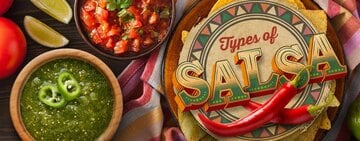
Types of Salsa
It’s a topping, it’s a condiment, and it’s universally loved. Salsa is one of those foods that’s easy to prepare and magically highlights the flavors of your fresh seasonal produce. Not all salsa has to be spicy, and it can be adjusted for personal tastes. It’s no wonder that salsa is one of the most popular condiments in the US. Since it’s such a crowd-pleaser, we want to introduce you to salsa varieties you can use to shake up your menu. Don't have time to prepare fresh salsa? Click below. Shop All Bulk Salsa Use these links to learn more about the different types of salsa: Pico de Gallo Salsa Taquera Salsa Roja Salsa Verde Salsa de Aguacate Salsa Criolla Salsa Sauce FAQs What Is Salsa? Salsa is the Spanish word for sauce, so to many Spanish-speaking cultures, salsa could refer to any sauce. Here in the US, we associate the word salsa with a dip made primarily from chopped tomatoes, chiles, and onions. The early Aztecs knew the combo of tomatoes and chiles was a flavorful contrast to the other staples of their diet. A conservative scoop of salsa was probably added to bowls of beans and corn to liven up the dish. Everyone loves complimentary chips and salsa, but salsa can also be elevated to a higher level. Approach salsa as a balanced, flavorful condiment meant to highlight your other dishes instead of a dip that's consumed in great quantities. Use the classic salsas below as your inspiration. Different Types of Salsa This list of salsas will inspire you to start a culinary garden for your restaurant. Fresh salsa usually contains no more than five ingredients and just requires a bit of chopping or blending. 1. Pico de Gallo Pico de gallo is a fresh, uncooked salsa made with finely chopped tomatoes, onions, serrano peppers, cilantro, lime juice, and salt. It’s known for its vibrant colors and fresh taste. Unlike other types of salsa, pico de gallo contains very little liquid, which makes it a great topping for tacos, quesadillas, and other Latin-inspired dishes. In Mexico, there are many variations on the basic pico recipe. Some regions prepare the salsa with jicama and oranges. You’ll also find versions of pico de gallo made with cucumber, mango, or watermelon. One thing is certain, though; traditional Mexican pico de gallo isn’t considered a dip. It’s eaten as a topping on other dishes or even considered a salad. Pico de Gallo Ingredients - Tomato, onion, serrano peppers, lime juice, cilantro, salt Pico de Gallo Uses - Topping, filling, or salad How to Pronounce Pico de Gallo - Peek-o-day-guy-o Other Names for Pico de Gallo - Salsa bandera, salsa fresca, salsa cruda 2. Salsa Taquera Salsa taquera translates to “taco sauce” in Spanish. It’s a popular salsa served in many taco stands or taquerias and is emblematic of Mexican cuisine. The key ingredient in salsa taquera is the chile de arbol. This thin red chili pepper is hotter than a jalapeno and gives the salsa its signature spicy kick. To make this type of salsa, the chiles and other ingredients are cooked first. They can be boiled in water, roasted, or sauteed in oil. Once cooked, the ingredients are blended to make a smooth salsa. The arbol chiles are the star of the show in this salsa, but you can lower the heat by using fewer chiles and more tomatoes. Salsa Taquera Ingredients - Tomato, arbol chiles, onion, garlic, salt, lime juice Salsa Taquera Uses - Topping for tacos How to Pronounce Salsa Taquera - Sal-sa tah-keh-ra Other Names for Salsa Taquera - Chile de arbol salsa 3. Salsa Roja In Spanish, salsa roja means “red sauce”. This is a general term that covers any type of blended red salsa made with tomatoes. Salsa roja can be made from raw ingredients, cooked ingredients, or a combination of both. It can be pureed until it’s completely smooth or blended slightly for a chunky consistency. Salsa vs Enchilada Sauce Enchilada sauce is sometimes called red sauce, so how is it different from salsa roja? These two sauces might overlap in their ingredients, but the key difference is that enchilada sauce is thin, smooth, and served hot. It’s also considered an important part of dishes like enchiladas, while salsa roja is a cold table sauce that can be added to anything. Salsa Roja Ingredients - Tomato, onion, serrano or jalapeno peppers, garlic, lime juice, cilantro, salt Salsa Roja Uses - Table sauce and condiment How to Pronounce Salsa Taquera - Sal-sa ro-ha Other Names for Salsa Roja - Red sauce, salsa coicida, salsa asada, salsa Mexicana 4. Salsa Verde Salsa verde is a “green sauce” that’s made with tomatillos instead of tomatoes. The term salsa verde could refer to any green sauce, but in Mexico, green salsa is made with tomatillos. These small green fruits are native to Mexico and are less sweet and more acidic than tomatoes, which creates a type of salsa with a bright, vegetal flavor. Just like salsa roja, salsa verde can be made from cooked or raw ingredients. Roasting or charring the ingredients first brings out more sweetness in the salsa verde. Raw, uncooked ingredients produce tarter salsas. Because tomatillos have high acidity already, salsa verde doesn’t need lime juice to balance out the flavors. Salsa verde is pureed into a smooth sauce and served cold as a table salsa or condiment. Salsa Verde Ingredients - Tomatillos, onions, serrano or jalapeno peppers, garlic, cilantro Salsa Verde Uses - Table sauce and condiment How to Pronounce Salsa Verde - Sal-sa vair-day Other Names for Salsa Verde - Green salsa, verde salsa, tomatillo salsa 5. Salsa de Aguacate Salsa de aguacate is a creamy, green salsa made with tomatillos and avocado. The raw ingredients are pureed to make a smooth topping that’s often served with tacos and grilled meats. This type of salsa balances the refreshing coolness of avocado with the spiciness of serrano peppers. Avocado Salsa vs Guacamole Avocado salsa is another name for salsa de aguacate, but don’t get it mixed up with guacamole. The difference between these two green condiments is that avocado salsa contains tomatillos, and guacamole does not. Salsa de aguacate also has a thin, smooth consistency and guacamole is a thick, chunky dip. Salsa de Aguacate Ingredients - Avocados, tomatillos, onion, serrano peppers, garlic, cilantro Salsa de Aguacate Uses - Topping and condiment How to Pronounce Salsa de Aguacate - Sal-sa day ah-gwa-ka-tay Other Names for Salsa de Aguacate - Tomatillo guacamole, guacamole salsa, avocado salsa verde 6. Salsa Criolla Peruvian salsa criolla has a different look than the other types of salsas on our list because it contains sliced red onions instead of chopped onions. To achieve the perfect salsa criolla, the onions are thinly sliced, then sprinkled with salt, and lightly massaged. This removes any bitterness or bite from the onions and coaxes out their natural sweetness. Authentic salsa criolla also contains a bright orange chile called aji amarillo which adds a fruity, peppery bite. Orange bell pepper can be substituted for the amarillo pepper, but it produces a mild-tasting salsa. This red onion relish is a popular condiment in Peru, but it’s also enjoyed throughout Central and South America. Use it as a topping on meats and sandwiches. Salsa Criolla Ingredients - Red onion, aji amarillo peppers, cilantro, lime juice, salt Salsa Criolla Uses - Relish, topping, condiment, salad How to Pronounce Salsa Criolla - Sal-sa kree-o-luh Other Names for Salsa Criolla - Peruvian red onion relish, Peruvian pickled onions, red onion salsa Salsa FAQs We answer some common salsa questions below: Is Salsa a Sauce? Yes, salsa is the Spanish word for sauce. The salsa made from chopped tomatoes, peppers, and onions is more of a topping or condiment, but it can be blended into a smooth sauce-like consistency depending on your preference. Salsa taquera is often served in sauce bottles so customers can add the desired amount to their tacos. What Is Cantina Style Salsa vs Regular Salsa? Cantina style is a term used to describe salsa that is restaurant quality. Jarred cantina-style salsa has a thin consistency, and regular salsa in the jar is usually chunky. What's the Difference between Taco Sauce and Salsa? Taco sauce is a smooth, tomato-based sauce with a concentrated flavor that comes from garlic powder, cumin, chili powder, and sometimes even sugar. Salsa can be smooth or chunky, but it gets most of its flavor from fresh produce and herbs like cilantro. What Is a Molcajete? A molcajete bowl is a Mexican tool used to mash ingredients for dishes like salsa or guacamole. Just like a mortar and pestle, the molcajete consists of a large bowl and a grinder tool called the tejolote. The original molcajete bowls were made from volcanic stone, but it's common to find them made in materials like granite or marble. There are also lightweight, plastic molcajete bowls that can be used for serving salsa in restaurants. History of Salsa Food You can’t talk about authentic Mexican salsas without first honoring their history. The origin of salsa made from chopped tomatoes goes back to a time when Central America was home to the Aztecs, Incas, and Mayans. It was likely all these cultures ate salsa in some form, but the Aztec diet was documented in more detail, so they are often credited with inventing it. A Franciscan missionary working in Central America recorded information about Aztec foods, including a sauce made from tomatoes, chiles, and squash seeds. This combination of ingredients didn’t go by one specific name until a Spanish priest dubbed it “salsa” in the 1500s. The Aztec tradition was passed down to subsequent cultures living in Central America and Mexico. Like many traditional Hispanic foods, salsa has come to be loved throughout all of North America. Now that you know more about the types of authentic salsa, you can skip the jarred stuff and prepare your own. Salsa is easy to make and adds a burst of flavor to your other menu items.