What Is Dashi?
Last updated on Sep 3, 2026Kevin SinghelDashi is a Japanese soup stock made by extracting flavor from ingredients such as kombu kelp and dried bonito flakes in water to create a light, savory broth rich in umami. Its savory flavor and relatively quick preparation make dashi a practical foundation for soups, sauces, marinades, and other dishes in commercial kitchens. While traditional dashi is made from a few key ingredients, powdered and concentrated forms offer foodservice operators more convenient ways to incorporate its characteristic flavor into high-volume recipes.
What Is Dashi Made Of?

Dashi is typically made by taking umami-rich compounds from dried ingredients such as kombu, katsuobushi, niboshi, or dried shiitake mushrooms into water. The exact ingredients depend on the type of dashi being prepared. Kombu and katsuobushi form the basis of the widely used awase dashi. Selecting the right combination can affect the stock's flavor intensity, aroma, dietary suitability, and how well it complements the other ingredients in a recipe.
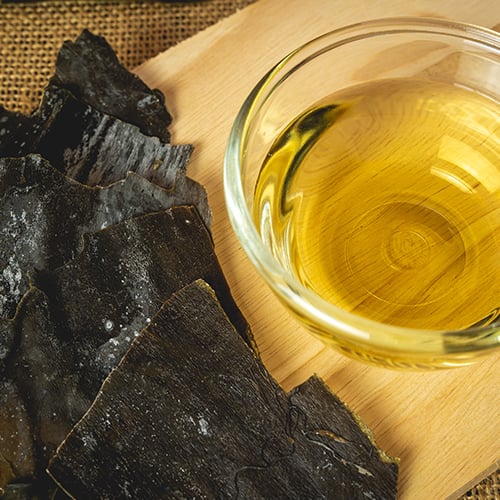
- Kombu: This edible dried kelp is one of the two principal ingredients in classic awase dashi and provides glutamates responsible for much of the stock's characteristic taste. It can also be used on its own to produce a mild, plant-based dashi suitable for vegetarian and vegan preparations.
- Katsuobushi: Also called bonito flakes, katsuobushi consists of cured, dried, and shaved bonito that contributes a pronounced savory flavor and distinctive smoky, fish-forward aroma. It is commonly paired with kombu because the ingredients' compounds complement one another.
- Niboshi: Niboshi are small dried fish, most commonly Japanese anchovies or sardines, used to make a more assertive dashi with a noticeable seafood character. They are especially useful when a recipe calls for a stock with more pronounced fish flavor than kombu alone can provide.
- Dried Shiitake Mushrooms: Dried shiitake contribute both flavor and a rich mushroom aroma, making them a common choice for vegetarian and vegan dashi. Their soaking liquid can be used as stock, either by itself or alongside kombu for a fuller plant-based base.
What Is Dashi Powder?
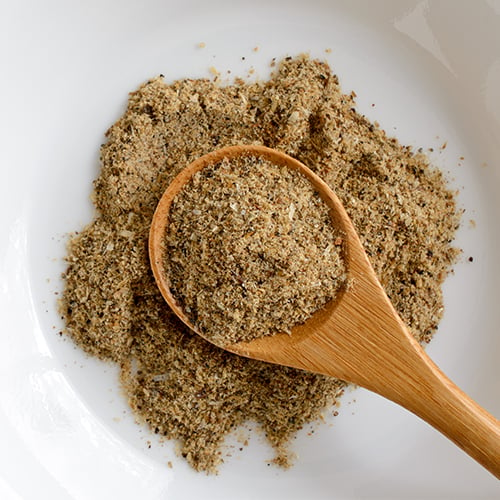
Dashi powder is an instant form of Japanese dashi made from dehydrated dashi ingredients and other flavoring components that dissolve in water to create a quick stock. Depending on the product, it may contain bonito, kombu, dried fish, mushrooms, salt, MSG, or other seasonings, so operators should check the ingredient label when managing sodium, allergens, or vegetarian and vegan menu requirements.
Dashi powder can be dissolved in hot water for soups, noodle dishes, and sauces or added directly to foods such as stir-fries and rice dishes for a concentrated boost of savory flavor. Compared with scratch-made dashi, powder offers foodservice operators faster prep times, consistent flavor between batches, reduced labor requirements, and simplified inventory management.
What Is Dashi Concentrate?
Dashi concentrate is a liquid form of dashi that has been reduced or formulated to provide concentrated dashi flavor in a smaller volume than ready-to-use stock. Commercial liquid dashi products can contain ingredients such as bonito, kombu, salt, sugar, and dashi extracts, with formulations varying considerably between products. Operators typically dilute dashi concentrate with water or incorporate measured amounts directly into soups, sauces, marinades, simmered dishes, and other recipes, depending on the product's recommended ratio. Unlike scratch-made dashi, it eliminates the need to steep and strain kombu or bonito while providing a convenient liquid format that can be quickly portioned during service.
How to Make Dashi?
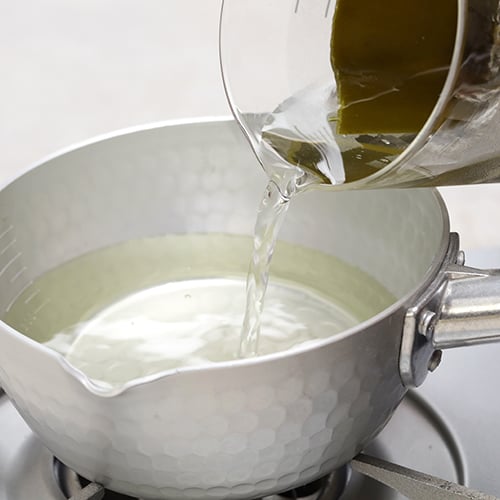
Dashi is made by extracting umami from dried ingredients such as kombu, katsuobushi, niboshi, or shiitake mushrooms in water. The exact method varies by dashi type, but traditional preparation generally relies on controlled soaking and heating rather than the long simmering used for many Western stocks.
- Soak the Ingredients: Start by placing the chosen dried ingredients in cold water to begin drawing out their water-soluble flavor compounds. For classic kombu dashi, soaking the kelp for about 30 minutes is common, while some preparations, such as niboshi or dried shiitake dashi, call for substantially longer soaking times.
- Heat the Kombu: If making kombu-based dashi, gradually heat the water and remove the kombu around 175 degrees Fahrenheit, before the stock reaches a full boil. Keeping the temperature controlled helps produce a clean-tasting dashi that doesn't absorb excessive bitterness from the kelp.
- Add Katsuobushi or Other Ingredients: For awase dashi, add katsuobushi to the hot kombu-infused water and allow it to steep briefly. Niboshi and shiitake can instead be used as the primary flavoring ingredients for other styles of dashi, either individually or alongside kombu.
- Strain the Stock: Once the desired flavor has been taken out, strain out the solids using a fine strainer, cloth, or paper filter. The resulting clear stock can be used immediately or incorporated into other preparations, making straining an important final step for kitchens seeking a clean, consistent finished product.
How Is Dashi Used?
Dashi is used throughout Japanese cuisine as a foundational stock for soups, noodle dishes, sauces, simmered dishes, and vegetable preparations. Its relatively delicate flavor allows it to add umami without overpowering the other ingredients in a recipe.
- Miso Soup: Dashi provides the liquid base for many styles of miso soup, with miso dissolved into the prepared stock near the end of cooking. Niboshi dashi, kombu dashi, and other varieties can be selected according to the desired flavor profile and dietary requirements.
- Noodle Soups: Dashi is commonly used in the broths and dipping sauces served with Japanese noodles, including preparations for soba and udon. Its umami helps create a flavorful base without requiring a heavy, meat-based stock.
- Simmered and Braised Dishes: Japanese simmered foods can use dashi to cook and season ingredients such as vegetables, tofu, seafood, and other proteins. In these applications, the stock carries seasonings into the ingredients while adding savory depth to the finished dish.
- Sauces and Seasonings: Dashi can be incorporated into sauces and seasoning mixtures to add umami alongside ingredients such as soy sauce and miso. Because the stock has a relatively light flavor, it can strengthen a preparation without masking the primary ingredients.
- Steamed Egg Dishes: Chawanmushi, a Japanese steamed egg custard, uses dashi as a key component of its savory custard mixture. The stock contributes flavor while helping create the delicate, smooth character expected from the dish.
- Cooked and Dressed Vegetables: Dashi also appears in Japanese vegetable preparations, including dishes where vegetables are simmered in seasoned stock or incorporated into aemono, a category of dressed foods.
Dashi vs Miso
Dashi and miso are different ingredients that often work together, with dashi serving as a stock and miso functioning as a fermented seasoning paste. Dashi is prepared by extracting umami from ingredients such as kombu, katsuobushi, niboshi, or dried shiitake, while miso is made by fermenting soybeans and/or other grains with koji and salt.
In Japanese cooking, dashi is frequently used as the liquid base for miso soup before miso is dissolved into it, allowing the two ingredients to provide complementary savory flavors. The distinction is important because replacing one with the other changes both the flavor and function of a recipe rather than simply providing a different source of the same seasoning.
Dashi vs Broth
Dashi is a type of Japanese stock, but it differs from the broader category of broth in both its ingredients and preparation. Rather than typically relying on meat, bones, or vegetables simmered for an extended period, dashi extracts umami from ingredients such as kombu, bonito flakes, dried fish, or dried mushrooms through soaking or brief heating, producing a relatively light and clear stock.
Dashi vs Chicken Stock
Chicken stock derives its flavor primarily from chicken bones, meat, and often aromatic vegetables, while dashi traditionally gets its umami from ingredients such as kombu and katsuobushi. Dashi generally has a lighter body and more pronounced clean, seafood or vegetal taste, whereas chicken stock contributes poultry flavor, gelatin, and greater richness when bones are used. For dishes where the flavor of the primary ingredients should remain strong, dashi can provide savory depth without the heavier chicken character of a traditional stock.
Types of Dashi
Certain types of dashi are made from a single ingredient, while others combine multiple sources of flavors. Awase dashi, for example, pairs kombu with katsuobushi to create a stronger flavor through the interaction of glutamate and inosinate. Choosing between the various dashi varieties can help tailor a stock to the dish, desired flavor profile, and dietary requirements of the menu.
- Kombu Dashi: Made by drawing out flavor from dried kombu, this variety has a clean, subtle character with glutamate providing its primary source of flavor. It is particularly useful when a kitchen needs a fish-free or plant-based dashi and is also commonly combined with katsuobushi.
- Katsuo Dashi: Katsuo dashi is prepared with katsuobushi, or dried and cured bonito flakes, giving the stock a pronounced savory flavor and characteristic bonito aroma. It can be prepared on its own, although combining it with kombu is especially common for applications that benefit from a fuller profile.
- Awase Dashi: Awase means "combined," and this dashi traditionally brings together kombu and katsuobushi to create a balanced stock with both glutamate and inosinate. The combination is synergistic makes awase dashi more intensely savory than either ingredient typically provides alone.
- Shiitake Dashi: Dried shiitake mushrooms are soaked and used to produce a mushroom-based dashi with a rich aroma and umami from naturally occurring glutamate and guanylate. Because it contains no fish, shiitake dashi is well suited to vegetarian and vegan preparations, particularly when paired with kombu.
- Niboshi Dashi: Niboshi dashi uses small dried fish, commonly Japanese anchovies, to produce a robust stock with a more pronounced seafood character than many kombu-based preparations. Its strong flavor makes it a practical choice for dishes such as miso soup and other preparations with assertive ingredients.
Dashi FAQ
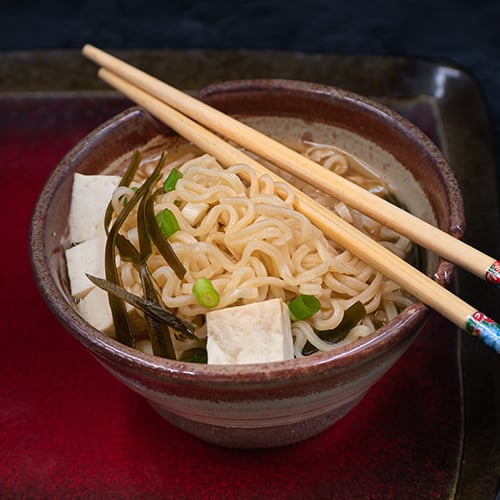
Below, we answer some of the most common questions regarding dashi:
Is Dashi Vegan?
Dashi can be vegan, but traditional varieties made with katsuobushi or niboshi are not because they contain fish. Kombu dashi and shiitake-kombu dashi are plant-based options that can provide a suitable alternative for vegan menu items, although operators should verify the ingredients in commercial dashi powders and concentrates before labeling a dish vegan.
Is Dashi Gluten-Free?
Traditional dashi made from ingredients such as kombu, katsuobushi, niboshi, or dried shiitake is naturally gluten-free. However, prepared dashi powders, granules, and concentrates can contain wheat or other gluten-containing ingredients, so foodservice operators should check product labels and manufacturer allergen information when preparing food for guests who require a gluten-free diet.
Can You Reuse Dashi Ingredients?
Spent dashi ingredients can often be reused, although they will have less flavor after the initial process. Kombu and katsuobushi can be used to make niban dashi, a lighter second extraction that works well in preparations such as simmered dishes and miso soup, or repurposed into foods such as kombu tsukudani- and katsuobushi-based seasonings.
Can You Freeze Dashi?
Dashi can be frozen, making it practical for commercial kitchens that want to prepare stock in batches and portion it for later service. Freeze cooled dashi in airtight containers, freezer bags, or measured portions such as ice cubes, then thaw only what is needed.
Why Is My Dashi Bitter?
Dashi is usually bitter because the kombu has been boiled or steeped for too long, or because katsuobushi has been extracted too aggressively or for an excessive amount of time. Removing kombu before the stock reaches a full boil and avoiding squeezing the bonito flakes during straining helps maintain the clean, delicate flavor expected from properly prepared dashi.
Dashi is a fantastic way to add savory depth to a dish without relying on a heavy, long-simmered stock. Its range of preparations gives commercial kitchens room to match the stock to a recipe instead of forcing every application into the same flavor profile. Rather than treating dashi as a single ingredient or fixed recipe, operators can view it as a family of stocks with distinct culinary functions, using that flexibility to build more precise, flavorful dishes.

With almost a decade of content marketing experience, Kevin has learned the ins and outs of various business sectors. Over his four years as a Longform Content Writer with WebstaurantStore, Kevin has spent hours researching and writing about the intricacies of the foodservice industry. Specializing in marketing guides, technical writing, and structured how-to content, he enjoys providing readers with content that guides them in growing and running their bar or restaurant.
Learn more about this author and WebstaurantStore's Content Writing Team here!