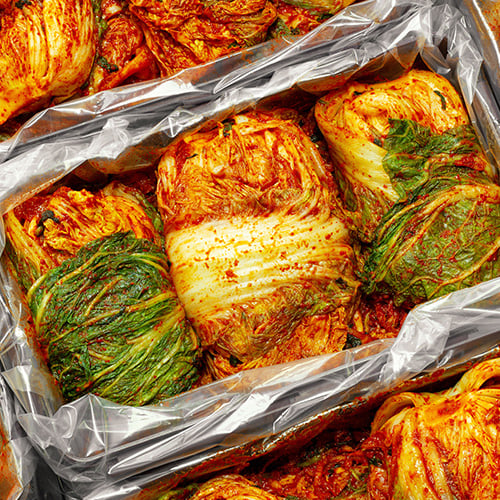
Leafy greens are a versatile and nutritious category of vegetables that are widely used in commercial kitchens. From salads to soups, leafy greens such as spinach, kale, arugula, and Swiss chard offer bold flavors and textures that can enhance the taste and presentation of dishes. These greens are packed with essential vitamins, minerals, and antioxidants, making them a popular choice for health-conscious consumers and chefs looking to create vibrant and flavorful menu items. We made a list of some leafy greens you may want to try growing in your culinary garden this year to spruce up your menu.
Shop All Fresh Vegetables
Use the following links to learn more about each type of leafy green:
Kale
Arugula
Bok Choy
Spinach
Collard Greens
Cabbage
Romaine Lettuce
Watercress
Sorrel
Swiss Chard
Endive
Escarole
Microgreens
Mustard Greens
Turnip Greens
Beet Greens
Radish Greens
Broccoli Rabe
Kohlrabi Greens
Dandelion Greens
Printable Infographic
Types of Greens
Leafy greens come in various shapes, sizes, and colors, providing chefs with a diverse palette for in their culinary creations. Some leafy greens are very similar and can be used interchangeably. Others have distinctly different flavor profiles that set them apart. Keep reading to learn more about the most popular types of leafy greens.
1. Kale
Kale is a leafy green vegetable that typically has curly or wrinkled leaves that form a rosette shape. The leaves can range in color from deep green to purple or even blue-green hues, depending on the variety. It belongs to the Brassica family, which also includes cabbage, broccoli, and Brussels sprouts. Some types of kale include curly kale, Italian kale, Chinese lale, Russian kale, and baby kale. Known for its robust, slightly bitter flavor and hearty texture, kale can be used in dishes like salads, soups, smoothies, and even roasted to make crunchy kale chips. Its sturdy leaves hold up well to cooking methods like sauteing and roasting, making it a versatile ingredient for both hot and cold applications.
What Does Kale Look Like? Dark green to purple, firm stem, curly or wrinkled leaves
What Does Kale Taste Like? Slightly bitter when raw, mellow when cooked
How to Use Kale: Kale can be eaten raw in salads or cooked to serve alongside entrees. Unlike many leafy greens, it won’t shrink back too much when cooked. Kale is often sauteed, cooked in soup, and roasted as chips.
How to Store Kale: Store kale in the refrigerator and wash it thoroughly before use to remove any dirt or debris. To extend its shelf life, store kale in a sealed container with a damp paper towel to maintain freshness.
2. Arugula
Arugula, also known as rocket or rucola, is a leafy green vegetable that is popular in Mediterranean cuisine. The delicate and tender leaves are small and elongated, with a distinct lobed shape that sets them apart from other leafy greens. While typically dark green, some varieties may have a hint of red or purple in their leaves. This peppery and slightly bitter green can be used in a wide range of dishes, from salads to pasta to pizzas. It is often used as a garnish or finishing touch on dishes to add a pop of flavor and color.
What Does Arugula Look Like? Elongated lobe-shaped leaves, often dark green but occasionally have a hint of red or purple
What Does Arugula Taste Like? Slight peppery and bright flavor
How to Use Arugula: Arugula is often used raw to spice up salads or even added on top of pizza slices. It can also be sauteed to add a deep dimension of flavor to pasta dishes and soups.
How to Store Arugula: To properly store arugula, wash the leaves and dry them completely using a salad spinner or paper towels. Once dry, place the arugula in a resealable plastic bag with a paper towel to absorb excess moisture. Seal the bag, removing as much air as possible, and store it in the crisper drawer of the refrigerator..
Arugula vs Kale
Arugula and kale are both popular leafy greens with distinct flavors and nutritional profiles. Arugula is known for its peppery taste and delicate leaves, making it a versatile ingredient in salads, sandwiches, and pasta dishes. Kale, on the other hand, has a slightly bitter taste and a tougher texture, making it ideal for sauteing, baking, or blending into smoothies.
3. Bok Choy
Bok choy, also known as Chinese cabbage, is a leafy green vegetable that belongs to the cruciferous vegetable family. One of the defining characteristics of bok choy is its crunchy texture and mildly sweet taste. The vegetable consists of dark green leaves and white stalks, both of which are edible and offer a range of culinary possibilities. Bok choy can be consumed raw in salads or cooked in types of ramen, stir-fries, and soups as it holds up well to heat. It is widely used in Asian cuisine and is becoming increasingly popular in Western dishes due to its unique flavor and nutritional benefits.
What Does Bok Choy Look Like? Dark green leaves that are smooth and slightly shiny, attached to white stalks
What Does Bok Choy Taste Like? Mild and tender flavor, especially when young
How to Use Bok Choy: Bok choy is often cooked for stir-fries and soups. Baby bok choy can be cooked whole, while larger bok choy heads should be broken apart for even cooking. The stems will require a longer cooking time.
How to Store Bok Choy: To store bok choy, first remove any ties or bands and trim the stems. Place the bok choy in a plastic bag with a damp paper towel to retain moisture. Store in the crisper drawer of the refrigerator for up to 5 days. Avoid washing the bok choy until ready to use to prevent premature wilting.
4. Spinach
Spinach is a nutrient-rich green with rounded dark-green leaves. With its delicate and mild flavor, it is one of the most versatile and used leafy greens available. Some types of spinach include savoy spinach, flat-leaf spinach, and baby spinach. Spinach can be enjoyed raw in salads, sandwiches, smoothies, and cold-pressed green juices. It is often cooked in dishes such as sautes, soups, and casseroles, but it is important to note that the volume will reduce drastically when cooked so be sure to use more than you think you need. Spinach pairs well with garlic, onions, tomatoes, cheese, and nuts, adding color and nutrients to dips, sauces, and spreads.
What Does Spinach Look Like? Vibrant green leafy vegetable with tender, flat or slightly crinkled leaves
What Does Spinach Taste Like? Delicate and mild, slightly sweet flavor
How to Use Spinach: Because of its mild flavor, spinach complements a wide range of dishes. It can be eaten raw as a salad or cooked for entrees. Add it to an omelet or phyllo pastry, in a creamy pasta dish, or even to a fruit smoothie.
How to Store Spinach: To maintain the freshness and quality of spinach, store it in the refrigerator in a plastic bag with a paper towel to absorb excess moisture. Wash spinach before use, removing any dirt or debris, and trim any tough stems or damaged leaves.
Kale vs Spinach
Kale and spinach are some of the most popular leafy greens with distinct flavors. Kale is known for its sturdy texture and slightly bitter taste, making it a versatile ingredient in salads, smoothies, and soups. Spinach has a milder flavor and tender texture, making it a favorite in salads, sandwiches, and cooked dishes. Whether you prefer the robustness of kale or the delicacy of spinach, both leafy greens are excellent additions to a commercial kitchen's menu.
5. Collard Greens
Collard greens, also known as collards, borekale, or tree cabbage, feature large, dark green, and slightly bitter leaves. They are commonly used in Southern cuisine, where they are often slow-cooked with smoked meats such as ham hocks or bacon to create a flavorful and hearty dish. You can often find collard greens featured in different types of gumbo for a nutritious and vegetal boost. They can also be sauteed, steamed, or added raw to salads for a crisp and fresh taste. Collard greens can be a colorful garnish option for main courses or as a filling for wraps and sandwiches.
What Do Collard Greens Look Like? Large, flat leaves featuring a prominent central vein running down the center
What Do Collard Greens Taste Like? Slightly bitter in flavor
How to Use Collard Greens: You’ll typically find collard greens braised or steamed next to a pork dish. It can also be used in stir-fries, slaws, and sandwiches. They can be eaten raw, however, the leaves are rather tough so most chefs prefer to cook them up before serving.
How to Store Collard Greens: Start by removing any damaged or yellow leaves. Then, wash the greens in cold water and dry them completely. Next, wrap the collard greens in a damp paper towel and place them in a perforated plastic bag before storing them in the refrigerator crisper drawer.
Collard Greens vs Spinach
Collard greens and spinach are both dark green leafy vegetables. Collard greens are hearty and have a slightly bitter taste, making them ideal for cooking in soups, stews, and stir-fries. Spinach has a smaller leaf and milder flavor that can be enjoyed raw in salads or cooked in dishes like omelets and pasta.
Collard Greens vs Kale
Collard greens and kale are often confused with each other. Collard greens have a slightly bitter flavor and a chewy texture, while kale is known for its earthy flavor and crisp texture. Collard greens are more popular for stews or sauteed dishes while kale’s slightly more mild flavor gives it the range to be used in salads and smoothies along with cooked dishes.
Back to Top
6. Cabbage
Cabbage is a fast-growing leafy green that can grow in green, white, or purple leaf clusters, ranging from one to eight pounds per head. Common varieties include green cabbage, red cabbage, and savoy cabbage, with green cabbage being the most widely used type for its firm, dense leaves. With its crunchy texture and mild flavor, cabbage is a popular ingredient in a range of recipes, from salads to sauerkraut. Cabbage is most popular for being the main ingredient in coleslaw, perfect for topping dishes, like our grilled tuna taco recipe.
What Does Cabbage Look Like? Round shape and tightly packed leaves; color varieties include green, red, and purple
What Does Cabbage Taste Like? Bitter and slightly peppery when raw, milder when cooked
How to Use Cabbage: Cabbages are usually sauteed or boiled for soups and stir-fries. They can also be cooked to make stuffed cabbage or cabbage rolls for low-carb dinner options. It is often fermented to make sauerkraut for German and Pennsylvania Dutch dishes and to make kimchi for Korean dishes.
How to Store Cabbage: To ensure its freshness and longevity, properly store cabbage in a sealed plastic bag in the refrigerator crisper drawer. Properly wash before using.
Collard Greens vs Cabbage
The difference between collard greens and cabbage is in their look and flavor. Collard greens are dark, leafy greens that have a slightly bitter taste and a tougher texture, making them ideal for slow cooking methods like braising and stewing. Cabbage comes in a tight leafy cluster and has a mild, slightly sweet flavor. It can be enjoyed raw in salads, fermented into sauerkraut, or cooked in an array of dishes.
Bok Choy vs Cabbage
Bok choy and cabbage are both popular leafy greens that belong to the same Brassicaceae family. Despite their similarities, they have distinct characteristics that set them apart in commercial kitchens. Bok choy, with its small size, crisp texture, and mild flavor, is often cooked in stir-fries and soups. Cabbage's versatility makes it a staple in raw salads, slaws, and fermented dishes like sauerkraut.
7. Romaine Lettuce
Romaine lettuce leaves are known for their dark green edges and the firm rib in the center of the leaf that provides a nice crunch. Romaine lettuce is part of the Asteraceae family, which includes various types of lettuce such as iceberg, butterhead, and leaf lettuce. Romaine lettuce is recognized for its crisp texture, slightly bitter flavor, and elongated leaves that form a tall, cylindrical head. Its sturdy leaves make it a versatile ingredient in salads, wraps, sandwiches, and even grilling applications.
What Does Romaine Lettuce Look Like? Elongated, green leaves that form a loose, upright head
What Does Romaine Lettuce Taste Like? Crisp and mild in flavor
How to Use Romaine Lettuce: Romaine lettuce is usually the main ingredient in salads, especially Caesar salads. They can also be used to top off sandwiches or for lettuce wraps to replace carb consumption.
How to Store Romaine Lettuce: To properly store romaine lettuce, ensure it is dry before refrigerating. Place it in a perforated plastic bag and store in the crisper drawer. Be sure to wash lettuce thoroughly before preparing and cutting for your dishes.
8. Watercress
Watercress is an aquatic plant that produces little rounded leaves. Part of the Brassicaceae family, it is similar in flavor profile to arugula and mustard greens. Watercress offers a distinctive spicy flavor that adds a bold and unique flavor profile to dishes like salads, sandwiches, soups, and even smoothies. Its crisp texture and vibrant green color make it an attractive garnish, adding a fresh and lively element to any dish.
What Does Watercress Look Like? Small, round, dark green leaves that grow in clusters along thin, hollow stems
What Does Watercress Taste Like? Slightly spicy and bitter
How to Use Watercress: You can eat watercress raw or cook it up for your entree. When raw, this green adds a spicy kick to any salad or entree as a garnish. It is often sauteed or cooked for soups or a side to the main course.
How to Store Watercress: Store watercress in a cool, humid environment and use it within a few days of purchase for optimal flavor and texture.
Watercress vs Arugula
While watercress has a spicy and slightly bitter flavor, arugula offers a more peppery and nutty taste. Watercress is known for its high nutrient content, including vitamins A, C, and K, while arugula is rich in antioxidants and vitamins. Both greens are versatile ingredients that can be used in salads, sandwiches, and as garnishes to finish off dishes.
9. Sorrel
Sorrel is a vibrant leafy green, known for its tart, lemony flavor. Featuring a narrow and spade-like leaf, sorrel is often confused with mature spinach. This perennial herb can also be called sour grass, spinach dock, and sour dock. Its bright green, arrow-shaped leaves are commonly used in salads, soups, and as a garnish. The most well-known type of sorrel is French sorrel, which has a milder flavor compared to other types, making it perfect for fish and poultry dishes. Sorrel can be cooked down to make sauces, such as the classic French sauce known as "sauce verte," which pairs well with grilled meats.
What Does Sorrel Look Like? Bright green, arrow-shaped leaves that are typically smooth, slender
What Does Sorrel Taste Like? Tart, lemony, and acidic in flavor
How to Use Sorrel: Sorrel can be eaten raw and will often be in mixed greens salad blends. When cooked, it often takes on a lemony flavor that complements the flavor of fish. It can be added to soups and stews as well.
How to Store Sorrel: Remove any wilted or damaged leaves. Gently wash the sorrel leaves in cold water and pat them dry with a paper towel. Place the sorrel in a plastic bag with a paper towel to absorb excess moisture. Seal the bag loosely to allow for airflow and refrigerate.
10. Swiss Chard
Swiss chard is available in many variations but will typically feature a dark leaf and a hefty stalk in the center. The stalk can grow in a variety of colors, earning it the name rainbow chard, red chard, yellow chard, or white chard. The colorful stems of Swiss chard are edible and add a pop of color to dishes. The leaves are large and have a slightly bitter taste that becomes milder when cooked. This nutritious vegetable is a member of the beet family and can also be called leaf beet, sea kale, or silverbeet. Swiss chard is a hearty green that holds up well in soups, stir-fries, and sautes. Although the leaves can be tough when consumed raw, the stems can provide a crunchy snack.
What Does Swiss Chard Look Like? Large, dark green leaves with vibrant, colorful stems that can be white, yellow, pink, or red
What Does Swiss Chard Taste Like? Mellow and earthy flavor, stalks are slightly sweet
How to Use Swiss Chard: The stems of Swiss chard take longer to cook, so you will want to strip them from the leaves to prevent the leaves from overcooking. Once sauteed or steamed, Swiss chard makes a great addition to creamy soups, hearty casseroles, or zesty tacos.
How to Store Swiss Chard: Rinse the chard under cold water and pat dry with paper towels. Wrap the chard in a damp paper towel and place it in a perforated plastic bag before storing in the refrigerator crisper drawer.
Swiss Chard vs Collard Greens
When comparing Swiss chard and collard greens, it's important to note their distinct characteristics and culinary uses. Swiss chard is known for its colorful stems and large, tender leaves. It offers a mild, slightly sweet flavor that is ideal for sauteing, steaming, or using raw in salads. Collard greens feature thick, tough leaves with a slightly bitter taste, making them well-suited for braising, stir-frying, or adding to soups and stews.
Back to Top
11. Endive
Endive, pronounced “N-dive”, is part of the Cichorium family that includes dandelions and sunflowers. It is known for its slightly bitter flavor profile, crisp texture, and attractive appearance. There are two main varieties of endive commonly used in commercial kitchens: curly endive (frisee) and Belgian endive (witloof). Curly endive features long, curly green leaves with a slightly bitter taste, adding a refreshing and tangy element to salads, like our frisee winter salad. Belgian endive, on the other hand, has a more mellow flavor and a pale, creamy-white color. Its tightly packed leaves have a crisp texture, making it an excellent choice for appetizers, hors d'oeuvres, and garnishes.
What Does Endive Look Like? Curly, narrow leaves that are pale green or white in color
What Does Endive Taste Like? Crisp, nutty, and mellow in flavor
How to Use Endive: Curly endive is usually added to frisee salads to add texture alongside other leafy greens. Belgium endive will more often be roasted or grilled with balsamic and olive oil, bringing out its naturally nutty flavor.
How to Store Endive: Keep endive in the refrigerator in a plastic bag to maintain its freshness. Ensure that the endive is dry before placing it in the bag, and do not wash it until you are ready to use it to prevent premature wilting.
12. Escarole
Escarole is known for its dark and thick leaves that have a slightly bitter flavor and hearty texture. The leaves are bunched up together, making it resemble a head of lettuce. Escarole can be enjoyed both raw and cooked, often paired with tangy dressings in salads to add a refreshing and vibrant element to the dish. Its robust leaves can withstand high heat without wilting excessively. When cooked, escarole can be sauteed, braised, or added to soups and stews to impart a unique flavor and texture. Escarole can be incorporated into a wide range of dishes, from traditional Italian recipes like escarole and bean soup to modern creations such as escarole and white bean salad.
What Does Escarole Look Like? Broad, curly, pale green leaves that form a loose head
What Does Escarole Taste Like? Light leaves offer a sweet flavor while darker leaves are more bitter
How to Use Escarole: Because of its slightly bitter flavor when raw, escarole adds a robust flavor to salads and sandwiches. That flavor mellows out when the leaves are cooked, so they are often sauteed and added to hearty soups.
How to Store Escarole: Gently wash the leaves and dry them thoroughly using a salad spinner or paper towels. Once dried, wrap the escarole in a damp paper towel and place it in a perforated plastic bag. Store the bag in the crisper drawer of the refrigerator.
13. Microgreens
Microgreens are not a specific type of green, but actually the immature stage of a blend of greens and herbs. You’ll typically find the seedlings of watercress, radishes, arugula, lettuce, and endives in a microgreen mix. They are typically cut when they have reached 1-3 inches in height. Microgreens are a popular choice among chefs and food enthusiasts for their delicate appearance, intense flavors, and high nutritional value. From the peppery bite of arugula microgreens to the citrusy notes of cilantro microgreens, there is a microgreen type to suit every palate. Chefs often use microgreens as a garnish or a flavorful accent to salads, sandwiches, soups, and main dishes, elevating the overall dining experience.
What Do Microgreens Look Like? Tender stems and delicate leaves; colors, shapes, and sizes will vary
What Do Microgreens Taste Like? Will vary depending on the seedlings used
How to Use Microgreens: The primary purpose of using microgreens is to garnish plates for an upscale food presentation. They can be sprinkled on top of salads, soups, or steak dinners to add a finishing touch.
How to Store Microgreens: After purchasing or harvesting, gently wash the microgreens and pat them dry with paper towels. Place the microgreens in a container lined with a damp paper towel, cover them loosely with a lid or plastic wrap, and store them in the refrigerator. Make sure to check the dampness of the paper towel regularly and replace it if needed to maintain freshness.
14. Mustard Greens
Mustard greens, also known as curled mustard or green-leafed mustard, can be easily identified by its frilled edges. A few different types of mustard greens include the Southern Giant Curled, Green Wave, Ruby Streaks, Wasabina, and Japanese Giant Red. A staple in Southern cooking, mustard greens are often cooked down and served with ham dishes. They become less spicy the longer they are cooked but can still add a bit of heat to hearty dishes. Mustard greens also pair well with acids like lemon juice or vinegar, so you’ll find them with Asian-inspired fish dishes. The most popular use of mustard greens is to make zesty mustard sauces, while the seeds are used to make the prepared mustard condiment we are familiar with.
What Do Mustard Greens Look Like? Vibrant green deeply lobed leaves with jagged edges and a crinkled texture
What Do Mustard Greens Taste Like? Peppery and spicy
How to Use Mustard Greens: Mustard greens can be enjoyed raw in salads for a fresh and crisp texture, or cooked in soups, stews, and stir-fries. They can also be pickled or fermented to preserve them and enhance their flavor.
How to Store Mustard Greens: Wash mustard greens in cold water and dry them using a salad spinner or paper towels. Wrap the greens in a damp paper towel and place them in a perforated plastic bag in the crisper drawer of the refrigerator.
Mustard Greens vs Collard Greens
Mustard greens and collard greens are often confused as they are similar in appearance, with large dark green crinkled leaves. Mustard greens have a peppery flavor and a slightly spicy kick, making them a bold addition to salads, stir-fries, and soups. Collard greens have a milder taste and a chewier texture, making them ideal for braising, sauteing, or adding to soups and stews. Choose mustard greens for a zesty flavor or collard greens for a hearty option.
Mustard Greens vs Kale
When comparing mustard greens and kale, their distinct flavors and textures help set these similar greens apart. Mustard greens offer a peppery taste with a slightly bitter undertone, while kale has a milder, earthy flavor. In terms of texture, mustard greens have delicate and tender leaves, whereas kale is known for its robust and hearty leaves. Both greens are excellent sources of vitamins and minerals, making them versatile ingredients for culinary applications.
15. Turnip Greens
Most people are familiar with turnips, but some don’t realize that the greens at the top are edible as well. These long-stemmed greens are a byproduct of turnip root cultivation and are often overlooked despite their delicious flavor profile. Turnip greens have a slightly bitter and peppery taste, which adds depth and complexity to dishes. They can be sauteed, steamed, or boiled to enhance their flavor and texture. Their robust flavor pairs well with ingredients like garlic, onions, and vinegar, allowing chefs to create a wide range of dishes that cater to diverse palates. Turnip greens are commonly used in Southern cuisine, where they are slow-cooked with ham hocks or bacon to create a flavorful side dish.
What Do Turnip Greens Look Like? Broad and flat leaves with a slightly serrated edge
What Do Turnip Greens Taste Like? Slightly peppery and earthy in flavor
How to Use Turnip Greens: They can be braised or sauteed to serve with ham shanks and potato, or they can be placed in a slow cooker to make a rich and spicy soup. Turnip greens are not often enjoyed raw due to their prickly texture.
How to Store Turnip Greens: Start by trimming any excess stems and yellowed leaves. Next, wash the greens in cold water and pat them dry. Store the greens in a perforated plastic bag in the refrigerator.
Turnip Greens vs Collard Greens
Turnip greens and collard greens belong to the same Brassicaceae family and are often used interchangeably. They are cooked in a similar way in Southern cuisine and are often found paired with ham dishes. Turnip greens have a slightly peppery and earthy taste, with a hint of bitterness. Collard greens have a milder flavor compared to turnip greens, with a slightly sweet and cabbage-like taste. Collard greens have tougher leaves and stems that require longer cooking times to soften than turnip greens.
Mustard Greens vs Turnip Greens
While they may appear similar at first glance, mustard greens and turnip greens feature distinct differences. Mustard greens have a spicier, more pungent flavor, while turnip greens offer a milder, sweeter taste. Mustard greens are known for their bold flavor that can stand up to hearty dishes, while turnip greens are more delicate and versatile in their applications. Turnip greens are often found in Southern cooking, while mustard greens are more prevalent in Asian dishes.
Back to Top
16. Beet Greens
Beet greens are the leafy tops of beets that are often discarded. However, they are very much edible and add a unique touch to recipes. They feature a vibrant red stalk and dark leaves with red veins at the end that offer a great pop of color to any dish. Beet greens have a slightly bitter and earthy taste, similar to spinach or Swiss chard. They can be cooked in various ways, including sauteing, steaming, or even blending into smoothies. Beet greens are also enjoyed raw in salads or as a garnish for dishes to add a pop of color and flavor. Because they are rich in vitamins and nutrients, beet greens are a wonderful ingredient to help fight the flu during colder seasons.
What Do Beet Greens Look Like? Deep green with a slightly glossy appearance and dark red stalk up the middle
What Do Beet Greens Taste Like? Earthy flavor with a slight bitterness
How to Use Beet Greens: Beet greens are quite tender and can be eaten raw in salads with a hint of lemon or vinaigrette. When they are sauteed or steamed, they retain that dark red color in their stalks, making them great for soups and side dishes.
How to Store Beet Greens: Remove the leaves from the beetroot. Rinse the greens and pat them dry with a paper towel. Wrap the greens in a damp paper towel and place them in a plastic bag or airtight container. Store them in the refrigerator crisper drawer.
Swiss Chard vs Beet Greens
Beet greens and Swiss chard share an earthy flavor and a vibrant color that often leads to them being used interchangeably. While beet greens are only available in their red-stalk color, you may find Swiss chard in white, yellow, orange, red, green, and purple varieties. Swiss chard has a slightly bitter taste that becomes milder when cooked, while beet greens have a slightly earthy flavor. Both are excellent for soups and stir-fries, while beet greens are preferred for raw applications like salads and smoothies.
17. Radish Greens
Although the leaves can be rather prickly, radish greens can add a depth of flavor to your favorite meals and should not be discarded. These greens are typically bright green in color with a slightly peppery taste, similar to the radish root itself. They have a coarse texture and a jagged edge, making them easily recognizable. Utilizing radish greens in your cooking is a great way to reduce food waste in the kitchen. Radish greens are not usually consumed raw due to their texture, but they can be pureed to make a zesty pesto. Cooked radish greens can be extremely versatile. Roast them up to make a spicy side to your entree or saute them in a bold stir-fry. They can be enjoyed in creamy soups and hearty quiches.
What Do Radish Greens Look Like? Oval or heart-shaped with a slightly fuzzy texture
What Do Radish Greens Taste Like? Peppery and zesty flavor
How to Use Radish Greens: Radish greens can be used in everything, from salads and soups to stir-fries and pesto. They are not typically consumed raw because of their fuzzy texture but are safe to eat without cooking.
How to Use Radish Greens: Wash and dry them thoroughly to remove any dirt or residue. Once clean, wrap the greens in a paper towel to absorb excess moisture and place them in a perforated plastic bag in the refrigerator.
18. Broccoli Rabe
Broccoli rabe, pronounced "rob", isn’t actually from the broccoli family even though it bears a resemblance. It has a long sturdy stalk with dark green leaves and florets at the top. This green is actually part of the turnip family and is often called turnip broccoli, rapini, Italian turnip, broccoli raab, and broccoletti di rapa. The taste is often described as nutty, slightly pungent, and bitter with a hint of sweetness. You can make a delightful dish with broccoli rabe by sauteing, blanching, boiling, or steaming it. Use the same methods you would use with broccoli to cook broccoli rabe. You’ll often find broccoli rabe sauteed with garlic, onion, and Parmesan cheese to balance out its natural bitterness.
What Does Broccoli Rabe Look Like? Thin stalks and small, tender leaves that have a slightly wrinkled appearance
What Does Broccoli Rabe Taste Like? Bitter with nutty undertones
How to Use Broccoli Rabe: Broccoli rabe is commonly sauteed, blanched, boiled or steamed. It is served as a side dish or incorporated into pasta dishes, soups, and stir-fries.
How to Store Broccoli Rabe: Trim the ends of broccoli rabe and remove any damaged leaves. Next, wash the greens and dry them completely. Store the broccoli rabe in a perforated plastic bag in the crisper drawer of the refrigerator.
19. Kohlrabi Greens
Kohlrabi greens, pronounced "kowl-raa-bee", protrude in various directions off a large bulb. Often called a cabbage turnip, the stalk color will match the original bulb color, either in a light green or deep purple, and feature a large green leaf at the top. These greens have a mild taste with a hint of sweetness, often compared to a blend of broccoli and radish. Although the bulb of the kohlrabi plant can be eaten raw or cooked, the leaves should be cooked to be enjoyed. The leaves are often separated from the ribs and cooked with oil and garlic to serve as a flavorful side dish, added to pasta, or tossed in with soups and stews.
What Do Kohlrabi Greens Look Like? Vibrant green leaves with a slightly wrinkled texture, attached to sturdy stems
What Do Kohlrabi Greens Taste Like? Mild and sweet
How to Use Kohlrabi Greens: The mild taste of these greens allows them to complement a wide range of seasonings and ingredients, making it an excellent ingredient wilted into pasta dishes, incorporated into stir-fries, or added to soups and stews.
How to Store Kohlrabi Greens: To store kohlrabi greens, start by removing the leaves from the kohlrabi bulb. Wash the greens thoroughly in cold water and dry them completely using a salad spinner or paper towel. Store the kohlrabi greens in a plastic bag with a paper towel to absorb excess moisture, then place the bag in the crisper drawer of the refrigerator.
20. Dandelion Greens
Dandelion greens are not just pesky weeds that invade lawns; they are also nutrient-packed superfoods. Every part of a dandelion is edible, including the flower, roots, and stem. Dandelion greens typically grow in a rosette shape, with the leaves radiating from a central point. The leaves can vary in size, but they are generally around 3” to 12” long. The stems of dandelion greens are also edible, although they can be more bitter than the leaves. Dandelion greens have a slightly bitter taste that pairs well with citrusy flavors and acidic dressings. They can be enjoyed raw in salads, sauteed with garlic and olive oil, or blended into smoothies for a nutritious boost. It is advised to purchase dandelion greens from either a grocery store or farmer’s market to avoid accidentally consuming harmful pesticides.
What Do Dandelion Greens Look Like? Vibrant green-colored leaves with jagged, tooth-like edges
What Do Dandelion Greens Taste Like? Earthy and nutty in flavor
How to Use Dandelion Greens: You can eat dandelion greens raw in salads and sandwiches or saute them in oil to make a casserole. Many chefs use dandelion greens in the place of spinach to add more color to pasta dishes and a unique touch.
How to Store Dandelion Greens: Rinse the leaves in cold water and dry them thoroughly using a salad spinner or paper towels. Next, wrap the greens in a damp paper towel and place them in a sealed plastic bag in the refrigerator.
Dandelion Greens vs Arugula
The difference between arugula and dandelion greens is in their appearance and flavor. In terms of appearance, dandelion greens have jagged edges and a dark green color, while arugula leaves are typically smooth and light green with a distinctive lobed shape. Dandelion greens are known for their earthy taste, while arugula has a peppery and slightly spicy flavor profile. Both greens can be sourced fresh or prepackaged, making them convenient options for busy kitchens.
Back to Top
If you’re starting a farmers market stand, be sure to stock up on the greens that your customers will be looking for! Feel free to switch up the greens in your recipes to add a richer depth of flavor and boost of vitamins and minerals.
Printable Version