
Coconuts are a wonderful fruit to enjoy fresh. However, they have a tough outer shell that can be extremely difficult to crack open if you don’t know the proper technique. We’ll teach you how to open a coconut so you can access the fragrant coconut meat and hydrating coconut water inside. You’ll be able to incorporate fresh coconut into your smoothie shop menu in no time and draw more customers to your business.
Opening a Fresh Coconut
Check out our video for a quick tutorial on cracking open a coconut:
How to Open a Mature Coconut (2 Methods)
There are two main methods for opening a fresh mature coconut. The first method requires freezing the coconut for at least 2 hours, and the second method can be performed more quickly by baking the coconut in an oven for 15 minutes.
Extract the Coconut Water
Before you can crack open a mature coconut, we recommend draining the liquid inside. You'll need a sharp tool like a corkscrew, screwdriver, or nail and hammer. Just make sure that the tool you use is sanitized with a food-safe sanitizer before piercing the coconut.
- Place a fine mesh sieve or cheesecloth over a bowl.
- Locate the three germination holes (also known as the "eyes").
- Find the hole that is the largest and lightest (this will be the softest hole) and pierce it with the sharp tool.
- Turn the coconut upside down and place it over the sieve until all the coconut water is drained.
- Save the coconut water for use in recipes or to drink by itself.
Freeze the Coconut
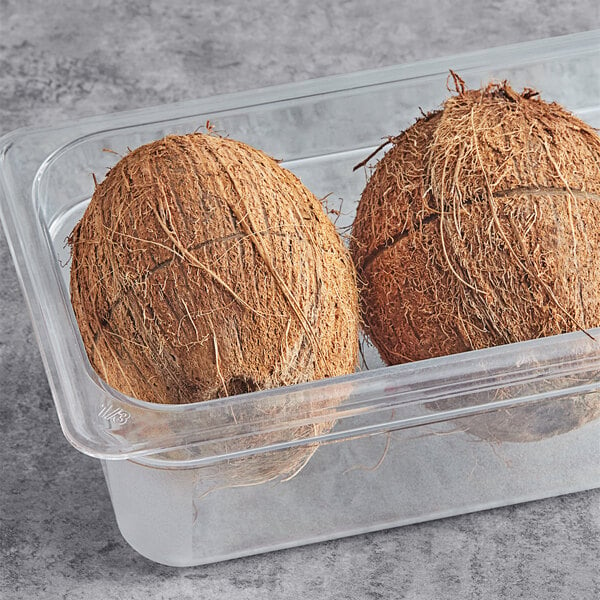
If you have some time on your hands, freezing the coconut is an easy method to harvest the meat:
- Place the coconut in the freezer for at least two hours. This causes the shell to pop away from the coconut meat, making it easier to separate the two.
- Once frozen, hold the coconut in your non-dominant hand.
- Locate the equator of the coconut. This is an indented line that runs around the center of the coconut.
- Use a sanitized meat mallet to strike the equator line, rotating the coconut until you have worked your way the whole way around it.
- You should notice a crack forming in the equator. Keep striking until the shell comes loose.
- With the shell removed, you will be left with the coconut meat and a layer of brown skin.
- Use a vegetable peeler to peel away the skin and expose the white coconut meat.
- Rinse off the coconut meat and pat it dry.
Bake the Coconut
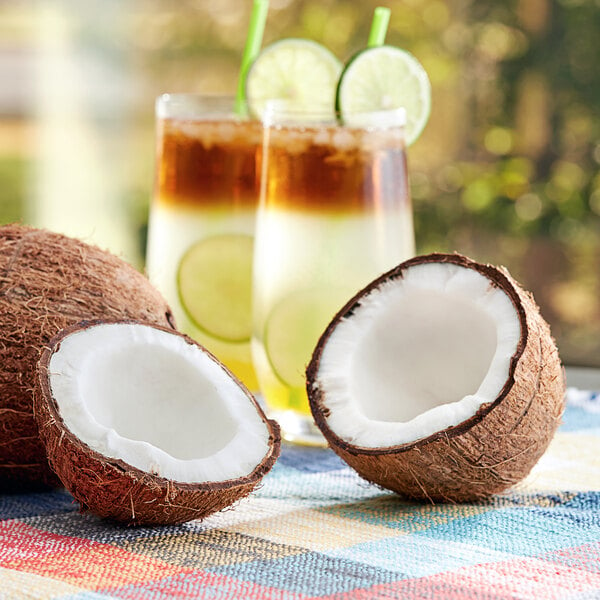
If you’re pressed for time, you can bake the coconut to help separate the meat from the shell:
- Preheat the oven to 400 degrees Fahrenheit.
- Hold the coconut in your non-dominant hand.
- Locate the equator of the coconut. This is an indented line that runs around the center of the coconut.
- Use a sanitized meat mallet to strike the equator line, rotating the coconut until you have worked your way the whole way around it.
- You should notice a crack forming in the equator. Keep striking until the shell comes loose.
- Place the coconut halves or pieces shell-side-up on a baking sheet and bake for 15 minutes.
- Remove the coconut pieces from the oven and let them cool for about 5 minutes.
- Using a sharp paring knife, pry the meat out of the shell by sticking the knife’s blade between the shell and the meat. Turn the knife carefully until the meat pops out.
- With the shell removed, you will be left with the coconut meat and a layer of brown skin.
- Use a vegetable peeler to peel away the skin and expose the white coconut meat.
- Rinse off the coconut meat and pat it dry.
Coconut FAQs
These are some of the most commonly asked questions you may encounter when using coconuts in your kitchen:
How to Choose a Coconut
When it comes to choosing a coconut, there are a few key factors to keep in mind to ensure you get the best one for cracking open. Here are some important facts to consider:
- Size Matters: Opt for a coconut that feels heavy for its size. A heavier coconut typically indicates more water and flesh inside.
- Shake Test: Give the coconut a gentle shake. If you hear a sloshing sound, it means there is plenty of coconut water inside.
- Look for Three Eyes: Check for the three "eyes" or indentations on one end of the coconut. These are softer spots that can help you easily access the water inside.
- Skin Quality: Choose a coconut with a smooth, unblemished skin. Avoid coconuts with mold, cracks, or dark spots.
- Freshness: Select a coconut that feels firm and without any soft spots. A fresh coconut will have a slight give when pressed but should not feel mushy.
- Smell Test: Take a whiff of the coconut. A fresh coconut should have a mild, sweet aroma. If it smells sour or off, it may be past its prime.
Brown vs Green Coconuts
Young coconuts, also known as green coconuts, are harvested at an earlier stage of maturity. Young coconuts have a green outer husk and a soft, white flesh inside. Sometimes, you will see young coconuts with the peel removed. In this case, they are a pale cream color with a cone-shaped top. The water found inside a young coconut is often referred to as coconut water or coconut juice. This liquid is not only refreshing but also packed with electrolytes, making it a popular choice for hydrating beverages.
On the other hand, mature coconuts are the more familiar brown-husked variety that you might associate with the tropical fruit. The flesh of a mature coconut is thicker and firmer compared to that of a young coconut. This flesh can be grated, shredded, or pressed to extract coconut milk, a versatile ingredient used in many culinary applications. Mature coconuts contain liquid inside just like young coconuts, but it's a much smaller amount.
Uses for Coconut Water
Now that you have drained a coconut, here are some coconut water uses to try:
- Drink it
- Use in a smoothie
- Blend into a cocktail recipe
- Mix into part of the stock liquid when cooking rice
- Add to a curry recipe
Uses for Coconut Meat
Here are some great fresh coconut meat uses for your menu:
- Dehydrate to make coconut chips or coconut flour
- Turn it into coconut milk or cream
- Freeze and blend into coconut smoothies, smoothie bowls, or frozen cocktails
- Make homemade shredded coconut for coconut macaroons
- Blend into homemade coconut oil
Cracking open a coconut may seem like a daunting task, but with the right tools and techniques, it can be easily accomplished. Whether you're looking to use fresh coconut in your commercial kitchen for dishes like coconut shrimp or coconut curry, or simply want to enjoy the refreshing taste of coconut water, knowing how to crack open a coconut is a valuable skill. By following the steps above, you can confidently tackle the process and enjoy the delicious rewards that come from breaking into this tropical fruit.