Is Condensed Milk the Same as Evaporated Milk?
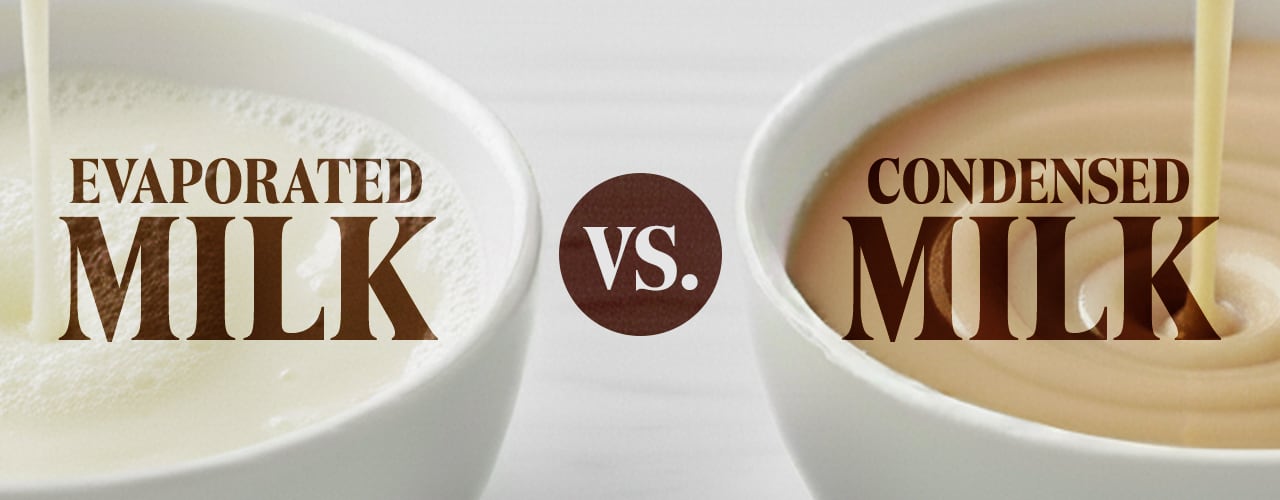
Last updated on Jan 14, 2026Corrinn McCauleyDespite sharing similarities, condensed milk is not the same as evaporated milk. Both condensed milk and evaporated milk are made by heating regular milk until at least 60 percent of its water content has evaporated. This process results in a concentrated form of milk with a longer shelf life compared to regular milk. The main difference between evaporated milk and condensed milk lies in their sweetness. Evaporated milk is unsweetened, making it a versatile ingredient in both savory and sweet dishes. On the other hand, condensed milk is sweetened with sugar, which gives it a rich, syrupy flavor and texture that is perfect for baked goods and confectionery. We explore the distinctions and applications of these two popular shelf-stable milk products so you can seamlessly incorporate them into your recipes.
What Is Evaporated Milk?
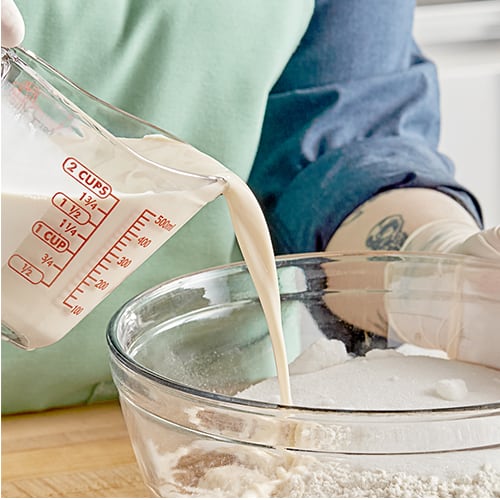
Evaporated milk is fresh milk that has been heated until about 60 percent of its water content has evaporated, resulting in a concentrated form of milk. This process gives evaporated milk a slightly caramelized flavor and a creamy consistency, making it a popular ingredient in a wide range of recipes. Once reduced, evaporated milk is homogenized, canned, and heat-sterilized to ensure its long shelf life and safety for consumption. There are three different kinds of evaporated milk: whole milk, low-fat, and skim. These varieties are distinct from each other based on their fat content, providing options for different dietary preferences and culinary needs.
What Does Evaporated Milk Taste Like?
The taste of evaporated milk can be described as slightly caramelized and sweet, with a creamy and rich flavor profile. The heating process used to create evaporated milk gives it a subtle cooked or baked taste, which can add depth and complexity to dishes. Evaporated milk also has a slightly nutty undertone, which can enhance the overall flavor of a dish without overpowering other ingredients. Its creamy consistency and mild sweetness make it a versatile ingredient that can be used in both sweet and savory recipes.
What Color Is Evaporated Milk?
Evaporated milk typically has a light cream color that is slightly darker than regular milk. This color is achieved through the process of heating and concentrating milk to remove a significant portion of its water content. It's important to note that its color may vary slightly depending on the brand and fat content. However, in general, evaporated milk can be identified by its light creamy hue, which sets it apart from stark white dairy products.
What Is Evaporated Milk Used For?

Its rich and creamy texture makes evaporated milk a popular ingredient in both savory and sweet recipes. One of the key benefits of evaporated milk is its ability to be substituted for regular milk or half-and-half in many recipes without compromising the overall flavor or texture of the dish. Here are some common uses for evaporated milk:
- Baking: Evaporated milk is a popular ingredient in baking recipes, particularly those that call for a rich and creamy texture. It can be used in cakes, cookies, pies, and other baked goods to enhance the flavor and texture of the final product.
- Sauces and Gravies: Evaporated milk is often used in savory dishes to create creamy and flavorful sauces and gravies. Its thickness and richness make it an ideal base for creamy pasta sauces like alfredo and gravies for meats.
- Creamy Desserts: Evaporated milk is a key ingredient in many dessert recipes, including custards, puddings, and ice creams. Its concentrated flavor adds richness and depth to desserts, making them more indulgent and satisfying.
- Coffee and Tea: Evaporated milk is a popular addition to coffee and tea beverages, adding a creamy texture and rich flavor. It is commonly used in specialty coffee drinks, such as lattes and cappuccinos, as well as in traditional tea preparations.
- Soups and Stews: Evaporated milk can be used to thicken and enrich soups and stews, adding a velvety texture and creamy consistency. It is a versatile ingredient that can be used in a wide range of soup and stew recipes to enhance the overall flavor and mouthfeel.
What Is a Substitute for Evaporated Milk?
We list out common evaporated milk substitutes below and how you can convert them into your recipe:
- Regular Milk: Evaporated milk is just milk with the water cooked out of it, so you can easily make your own. To substitute regular milk for evaporated milk, place milk in a saucepan and simmer it on the stovetop for about 30 minutes until it has reduced by about 60%. To make the equivalent of a 12 oz. can of evaporated milk, simmer a quart of milk (32 oz.) until it reduces to about 12 oz.
- Heavy Cream: Since they share similar thick and creamy textures, heavy cream is a natural evaporated milk substitute. Combine 3 oz. of whole milk and 9 oz. of heavy cream to substitute for evaporated milk.
- Half-and-Half: Evaporated milk and half-and-half share similar textures and fat contents, so you can replace evaporated milk with half-and-half in a 1:1 ratio. One thing to note is that half-and-half's fat content is slightly higher, so your recipe will be extra rich with this substitute.
- Powdered Milk: As a dehydrated form of milk, you can substitute powdered milk for evaporated milk by only adding 60% of the water required to reconstitute the powdered milk. This will result in a thicker and richer milk product that mimics evaporated milk.
- Regular Non-Dairy Milk: Just like regular milk, you can substitute non-dairy milk for evaporated milk by cooking the dairy-free milk on the stovetop until it has reduced by about 60%. This method will help achieve a similar consistency to evaporated milk.
- Coconut Cream: Since they have approximately the same fat content and textures, substitute coconut cream for evaporated milk in a 1:1 ratio.
What Is Condensed Milk?

Condensed milk is essentially evaporated milk that has been combined with sugar. In fact, the terms "condensed milk" and "sweetened condensed milk" are often used interchangeably in the industry. During the production process, the sugar is added to the milk before it is canned. This addition of sugar gives condensed milk its characteristic saccharine quality. The average can of condensed milk contains about 40 to 45 percent sugar content. The combination of evaporated milk and sugar creates a thick, rich, and sweet product that is commonly used in desserts, baked goods, and beverages.
What Does Condensed Milk Taste Like?
Condensed milk offers a rich and sweet taste that is reminiscent of caramel and a smooth, velvety texture. The process of condensing milk involves removing water content and adding sugar, resulting in a thick and creamy consistency with a pronounced sweetness from added sugar. When compared to evaporated milk, condensed milk has a more pronounced sweetness and a thicker consistency.
What Color Is Condensed Milk?
Condensed milk typically has a pale yellow or off-white color. This hue is a result of the caramelization that occurs during the process of condensing the milk and adding sugar. The addition of sugar gives condensed milk its signature sweetness and contributes to its distinct color. It is important to note that condensed milk is not the same shade of cream as evaporated milk, despite their similar packaging and storage requirements. Evaporated milk, which is essentially milk with about 60% of the water removed, has a lighter color compared to condensed milk. Evaporated milk retains a more natural milk color due to the absence of added sugar.
What Is Condensed Milk Used For?

Condensed milk is a versatile ingredient that finds its way into a variety of dishes across different culinary traditions. Here are some popular uses of condensed milk in various global cuisines:
- Asian Cuisine: Condensed milk is commonly used to sweeten beverages such as Thai iced tea and to create delectable snacks like Hong Kong-Style Condensed Milk Toast within Asian cuisines.
- Latin American Cuisine: Across Latin America, condensed milk takes center stage in iconic desserts like tres leches cake, a moist cake soaked in three milks, flan custards, and Brigadeiro, a beloved Brazilian chocolate bonbon.
- European Cuisine: Condensed milk adds a rich sweetness to decadent desserts like German chocolate cake and the UK's beloved bake, banoffee pie, a delightful combination of bananas, toffee, and cream atop a buttery biscuit base.
- American Cuisine: America's beloved fudge confections rely on sweetened condensed milk, as do some takes on the Thanksgiving classic, pumpkin pie.
What Is a Substitute for Condensed Milk?
When a recipe calls for condensed milk but you find yourself without it, there are several suitable substitutes that can be used in its place. Here are some alternatives and how to substitute them effectively:
- Homemade Sweetened Condensed Milk: You can make your own condensed milk by combining 1/2 cup of powdered milk with 1/2 cup of boiling water, 1 cup of sugar, and 2 Tbsp. of melted butter. Stir the ingredients together until smooth and use the mixture as a 1:1 replacement for condensed milk in your recipe.
- Evaporated Milk + Sugar: While not as sweet as condensed milk, you can add sugar to evaporated milk and use it as a substitute in recipes that call for condensed milk. To substitute, use a 1:1 ratio of evaporated milk for condensed milk, and add sugar to taste to achieve the desired sweetness.
- Sweetened Condensed Coconut Milk: Made by simmering full-fat coconut milk with sugar so the water evaporates, sweetened condensed coconut milk is a fantastic dairy-free substitute for condensed milk in recipes that would benefit from a coconut flavor. Use a 1:1 ratio of cream of coconut for condensed milk in your recipe.
- Coconut Cream + Sugar: Thanks to its high fat content, coconut cream is another suitable substitute for condensed milk. To substitute, use a 1:1 ratio of coconut cream for condensed milk and adjust the sweetness as needed.
- Half and Half + Sugar: In a pinch, you can also use a combination of half and half and sugar as a substitute for condensed milk. Mix equal parts half and half and sugar, and use this mixture as a 1:1 replacement for condensed milk in your recipe.
Evaporated Milk vs Condensed Milk
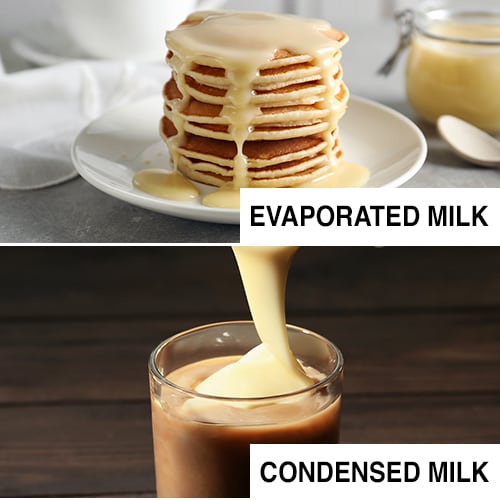
While easy to confuse, these two canned milks have distinct ingredients, flavors, and uses. Review their key distinctions below:
- Ingredients: Evaporated milk is made by heating milk until about 60% of the water content evaporates, resulting in a concentrated milk product. Condensed milk is made by adding sugar to evaporated milk while it simmers, creating a thick and sweet product.
- Appearance: Evaporated milk is a liquid with a creamy, light beige color. Condensed milk is thicker and has a rich, pale-yellow color due to the added sugar.
- Taste: Evaporated milk has a slightly cooked or caramelized flavor. Condensed milk is much sweeter and has a distinct sugary taste.
- Uses: Evaporated milk is often used as a substitute for fresh milk in recipes, providing a richer and creamier texture. Condensed milk is commonly used in baking, making candies, and creating sweet beverages like Vietnamese iced coffee or Thai iced tea.
- Shelf Life: Both evaporated milk and condensed milk have a longer shelf life compared to fresh milk due to the evaporation process. However, condensed milk typically has a longer shelf life than evaporated milk due to the added sugar acting as a preservative.
- Nutritional Content: Evaporated milk retains most of the nutritional content of fresh milk, including protein, calcium, and vitamins. Condensed milk, on the other hand, is higher in calories and sugar due to the added sugar content, making it a less healthy option for everyday consumption.
- Storage: Both evaporated and condensed milk have a long shelf life when unopened, typically lasting up to a year. Once opened, they should be refrigerated and used within a few days.
Evaporated Milk and Condensed Milk FAQ
Now that you understand what both evaporated and condensed milk are and the key differences between them, we answer some frequently asked questions about each ingredient and how you can make your own.
How to Make Evaporated Milk
Don't want to purchase canned evaporated milk? You can easily make your own following a few simple steps.
- Start by pouring 2 1/4 cups of whole milk into a heavy-bottomed saucepan. Whole milk is recommended for its higher fat content, which helps mimic the richness of store-bought evaporated milk.
- Heat the milk over low to medium heat, stirring occasionally to prevent scorching. It is crucial to maintain a gentle simmer throughout the process to gradually reduce the milk's volume.
- As the milk simmers, continue stirring occasionally to prevent a skin from forming on the surface. This skin can alter the texture of the evaporated milk.
- Allow the milk to reduce by approximately 60%, which usually takes about 25-30 minutes. The reduced milk should have a slightly thicker consistency than regular milk.
- Once the milk has reduced to the desired consistency, remove it from the heat and let it cool. The evaporated milk will continue to thicken as it cools.
- Transfer the cooled evaporated milk to a clean, airtight container and store it in the refrigerator for up to 5 days. Homemade evaporated milk can be used in various recipes that call for the store-bought version.
How to Make Condensed Milk
You can use evaporated milk to make your own condensed milk. Follow these steps:
- Start by pouring one can of evaporated milk into a saucepan.
- Add 1 cup of granulated sugar to the evaporated milk in the saucepan. The sugar is essential for sweetening and thickening the condensed milk.
- Place the saucepan over low heat and stir continuously to dissolve the sugar into the evaporated milk. Stirring prevents the sugar from sticking to the bottom of the pan and ensures a smooth consistency.
- Bring the mixture to a gentle simmer. Allow it to simmer for about 20-30 minutes, stirring frequently. The mixture will gradually thicken and reduce in volume.
- Once the condensed milk has thickened to your desired consistency, remove it from the heat and let it cool. It will continue to thicken as it cools.
- Transfer the homemade condensed milk to a clean, airtight container and store it in the refrigerator. It can be used in various recipes as a substitute for store-bought condensed milk.
How to Make Caramel with Condensed Milk
You can make delicious homemade caramel sauce with condensed milk by following a few easy steps:
- To make caramel with condensed milk, you will need sweetened condensed milk, a saucepan, water, and a stove.
- Remove the label from the can of sweetened condensed milk and place it in a large saucepan. Make sure the can is completely submerged in water.
- Bring the water to a gentle simmer and let the can cook for about 2-3 hours. Make sure to check the water level periodically and add more water as needed to keep the can fully submerged.
- After simmering, carefully remove the can from the water and let it cool completely before opening it. This cooling process is crucial for safety reasons, as the contents will be extremely hot.
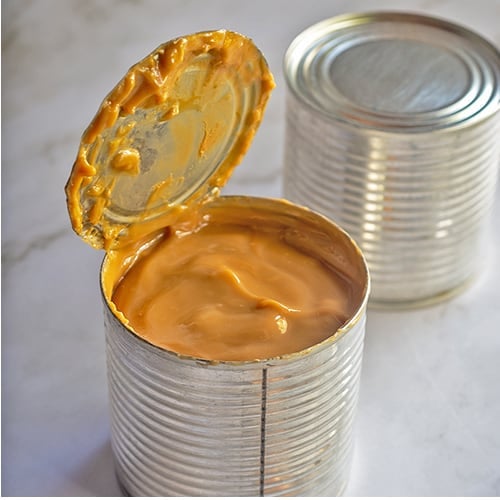
- Once the can has cooled, open it to reveal the rich, creamy caramel that has formed. Use a spoon to scoop out the caramel and use it in your favorite recipes or as a topping for desserts.
How to Make Milk from Evaporated Milk
To make milk from evaporated milk, simply mix one part evaporated milk with one part water. This will reconstitute the evaporated milk to its original milk form. Depending on your preference, you can adjust the amount of water added to achieve the desired consistency of the milk. Store any unused reconstituted milk in a sealed container in the refrigerator. Use it within a few days for optimal freshness.
When it comes to the question of whether condensed milk is the same as evaporated milk, it is clear that while both products are forms of concentrated milk, they differ in terms of sugar content and consistency. Condensed milk is sweetened with sugar, making it a popular ingredient in desserts and sweet treats, while evaporated milk is unsweetened and often used in savory dishes and baking. Understanding the differences between these two types of milk can help you choose the right one for your commercial kitchen needs.