Sushi Grade Fish Explained
Last updated on Apr 1, 2026Janine JonesWith 4,000 plus sushi restaurants in the U.S., it is evident that people love sushi more than they care about raw fish safety concerns. To keep the public's trust, sushi shop owners must take extra care when sourcing their fish and other sushi ingredients. As an operator, you may wonder whether seafood labeled “sushi grade fish” is 100% safe for raw consumption. Read on to discover what the sushi grade label means and which seafood is ideal for making sushi rolls.
Shop All Sushi Grade FishUse the links below to learn how to safely serve raw fish:
- What Is Sushi Grade Fish?
- FDA Regulation on Raw Fish
- What Is the Best Fish for Sushi?
- How to Buy Sushi Grade Fish
What Is Sushi Grade Fish?
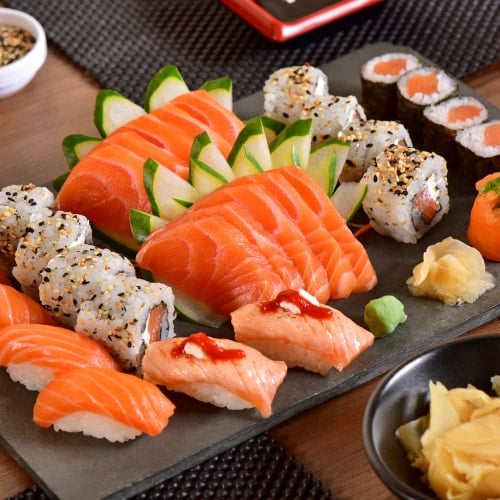
Sushi grade fish (or sashimi grade) is an unregulated term used to identify fish deemed safe for raw consumption. Most fish vendors will use the term "sushi grade" to indicate which of their supply is the freshest, highest quality, and treated with extra care to limit the risk of food-borne illnesses. This usually involves putting the fish through a freezing process before selling it.
There is no official standard for sushi grade fish, so you shouldn't place your full faith in a sushi grade label. Since it's unregulated, the term sushi grade may be used as an unfounded marketing ploy to upsell fish without consequences. If you offer omakase dining experiences, you must be extra meticulous with sourcing the guarantee the exceptional texture and flavor required.
FDA Regulation on Raw Fish
Although there are no actual guidelines in place to determine if a fish is sushi grade, the Food and Drug Administration (FDA) has regulations in place for the proper handling procedures of fish meant for raw consumption. The FDA has provided information on the different times and temperatures required for a variety of species of fish to be deemed safe. These are the general guidelines for what the FDA calls “Parasite Destruction Guarantee” that must be followed for most fish species after they are caught:
- Freezing and storing at an ambient temperature of -4°F (-20°C) or below for 7 days (total time)
- Freezing at an ambient temperature of -31°F (-35°C) or below until solid and storing at an ambient temperature of -4°F (-20°C) or below for 24 hours
- Freezing at an ambient temperature of -31°F (-35°C) or below until solid and storing at an ambient temperature of -31°F (-35°C) or below for 15 hours
The low temperatures kill the parasites that may live in the fish when it's caught. However, this process needs to begin as soon as the fish is on the boat. They must be caught fast, bled and gutted upon capture, and frozen in a flash freezer within 8 hours of leaving the water. There are a lot of steps that go into keeping a fish safe to eat raw, which is why there will always be a risk to eating raw sushi or sashimi.
Back to TopWhat Is the Best Fish for Sushi?
Some fish are more susceptible to parasites than others, so you should familiarize yourself with fish species before blindly purchasing something with a sushi grade certification, especially if you intend to eat it raw. Here are the most common types of fish (excluding shellfish) used in raw sushi or sashimi.
- Tuna – Tuna is resistant to parasites, so it’s one of the few species of fish considered safe to eat raw with minimal processing. This includes albacore, bigeye, yellowfin, bonito, skipjack, and luxurious bluefin tuna.
- Salmon – If you're purchasing salmon for raw consumption, you should avoid wild caught and go with farmed salmon. Wild salmon spend a portion of their lives in fresh water, where they are at a higher risk of contracting parasites. Aquacultures raise salmon on parasite-free diets, so they’re safer to eat.
- Yellowtail – Sushi menus often list yellowtail under its Japanese name, hamachi. Yellowtail can be high in mercury, so eat it in moderation.
- Halibut/ Flounder – The terms halibut and flounder are interchangeable. Flounder is an umbrella term categorizing the entire flatfish family which includes halibut. Hirame is the Japanese word for halibut/flounder.
- Gizzard Shad – This is also known as kohada.
- Mackerel – This fish is also called saba or aji. Mackerel is usually treated with vinegar before serving and can be high in mercury.
- Seabass – Also known as tai or suzuki, this fish is generally treated with vinegar before serving. It is high in mercury and should be eaten in moderation.
- Farmed Fish – Fish raised in an aquaculture are less likely to contract parasites and are considered safer to consume raw.
- Warning: Freshwater fish are prone to parasites and should never be eaten raw. Thoroughly cook freshwater seafood to kill parasites before serving.
How to Buy Sushi Grade Fish
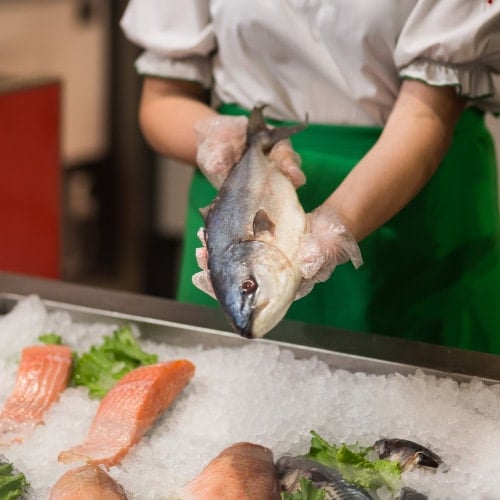
Restauranteurs should inspect sushi grade fish to make sure it’s fresh and safe to consume. The first step is to source seafood from a reputable fishmonger or market. If you’re not sure where to shop, ask your neighboring restaurants where they get their fish and look up reviews online. The location should receive regular shipments and have a knowledgeable staff. To determine whether fish is safe to consume raw, ask the market manager the following questions:
- How do you define the term “sushi grade fish”?
- Was the fish sustainably sourced?
- How long has it been in the shop?
- How often is the fish processing equipment sanitized?
You will also want to familiarize yourself with the species of fish you are purchasing and the characteristics of fresh seafood. Some aspects include:
- Smells like seawater, not spoilage
- Clear and slightly bulged eyes
- Red gills
- Firm flesh
- Intact scales
- Not slimy
How to Keep Sushi Grade Fish Fresh After Purchasing
Once you have purchased your fresh sushi grade fish, you’ll want to take extra care when you transport and prepare it to reduce the risk of food-borne illnesses. Seafood should be transported on ice. Depending on when you plan to use it, either refrigerate or freeze the fish immediately.
Thaw frozen fish in the refrigerator to prevent it from dropping into the temperature danger zone of 40 degrees Fahrenheit (4 degrees Celsius) or higher. When preparing the fish, keep your work area, tools, and hands clean to ensure that your sushi grade fish is as sanitary as possible before serving your sushi rolls.
Back to TopIt may come as a surprise that seafood labeled “sushi grade fish” doesn’t have to meet any set standards. So next time you see a sushi grade certification, ask the vendor how they define the term.
Related Resources

Types of Clams and Oysters
Clams and oysters are popular seafood choices that are considered a delicacy by many seafood enthusiasts. From chowders and pasta dishes to raw bar platters, clams and oysters offer a wide range of possibilities for chefs and restaurateurs. With high praise from the most celebrated cooks, clams and oysters continue to leave their complex flavor profiles on the palates of the most adventurous eaters all around the world. We’ll explore the different types of clams and oysters available, their distinct characteristics, and the various ways you can use them in your kitchen. Shop All Clams and Oysters Use the following links to navigate and learn more about clams and oysters: Clams vs Oysters Types of Clams Types of Oysters Clam and Oyster FAQs Printable Infographic Clams vs Oysters Clams and oysters are both bivalve mollusks, but they have distinct differences. Clams have a soft body enclosed in a smooth-hinged shell, while oysters have a rough and irregular-shaped shell. In terms of taste, clams tend to have a sweeter and milder flavor, while oysters are known for their briny and rich taste. Clams are commonly used in soups, stews, and pasta dishes, while oysters are often shucked and enjoyed raw on the half shell or used in seafood platters. Both clams and oysters are versatile ingredients that can enhance a variety of culinary creations. Keep in mind that if you are serving clams or oysters, it is important to add a warning on your menu that consuming raw seafood and shellfish may increase your risk of foodborne illness. Types of Clams Clams come in various sizes, scaling from less than an inch to over 4 inches. Different types of clams each have their own flavor profile and distinct texture, which makes them ideal for specific cooking applications. 1. Littleneck Clams Littleneck clams are named after the beautiful Little Neck Bay on Long Island and are the smallest and most tender type of clam. They measure about 1 inch in diameter and are often enjoyed raw on the half shell. They can also be steamed, baked, or used in chowders and pasta dishes. With their delicate flavor and versatile nature, littleneck clams are a favorite among seafood lovers. Littleneck Clams Size: 1” Littleneck Clams Taste: Mild ocean brininess and pleasantly sweet undertones Littleneck Clams Texture: Plump and juicy; the most tender of the clams Littleneck Clams Cooking Applications: Most commonly served raw on the half shell or steamed 2. Middleneck Clams Middleneck clams are known for their medium size and tender meat. They are often used in soups, stews, and pasta dishes, as well as being a popular choice for steaming. Their mild, slightly sweet flavor pairs well with an array of ingredients, making them perfect for seafood menus. Middleneck clams are the minimum size New York State allows to be harvested and sold within its boundaries. Middleneck Clams Size: 1 1/4” Middleneck Clams Taste: Briny salinity yet small afternotes of subtle sweetness Middleneck Clams Texture: Rich, creamy, and firm Middleneck Clams Cooking Applications: Steamed over pasta for Spaghetti alle Vongole or in a Spanish seafood paella 3. Topneck Clams Topneck clams are named after the distinctive shape of their neck, which is thicker and shorter than other types of clams. They are considered the most versatile for cooking applications, since they are tender enough to serve raw on the half shell, and hearty enough to withstand longer cooking applications, such as stewing. Topneck Clams Size: 1 1/2” – 2” Topneck Clams Taste: Bold, piquant salt overtones interwoven with notes of tangy earthiness Topneck Clams Texture: Springy, plump, and firm meat Topneck Clam Cooking Applications: Steamed over seaweed amongst other crustaceans in a New England clambake 4. Cherrystone Clams Cherrystone clams are named after the picture-perfect Cherrystone Creek in Virginia, and they are sometimes recognized as a smaller version of Topneck clams. They are larger in size compared to other varieties, making them ideal for steaming, grilling, or baking. Cherrystone clams are often used in clam chowder and other seafood dishes due to their meaty texture. They are also commonly enjoyed raw on the half shell. Cherrystone Clams Size: 2” – 3” Cherrystone Clams Taste: Lingering salty notes with a smooth, clean finish Cherrystone Clams Texture: Pleasantly firm and chewy meat Cherrystone Clams Cooking Applications: Stuffed and broiled for the classic Clams Casino or chopped and stewed into a clam chowder 5. Quahogs Otherwise known as Chowder Clams, Quahogs are the biggest clams and therefore have the toughest meat. These clams are known for their hard shells and are typically found on the Atlantic coast of North America. Quahogs can be prepared by steaming, baking, or frying. Their meat is firm and flavorful, making them a favorite choice for chowders, stuffed clams, and clam-based sauces. Quahogs are also commonly used in clam bakes and seafood boils, adding a delicious taste to these traditional dishes. Quahogs Size: 4”+ Quahogs Taste: Perfectly briny and salty flavor Quahogs Texture: Tough and chewy meat that’s ideal for longer cooking applications Quahogs Cooking Applications: Creating stuffed quahogs and clam chowder; Not ideal for being served raw or steamed Back to Top Types of Oysters Oysters grow all around the globe on rocks and piers in the saltiest of waters. Their taste and shape depend on where they’re harvested due to their merroir (environmental factors that affect seafood), which is the marine version of terroir. They can range from slightly sweet to bold and briny and are perfect for an array of recipes. 1. Olympia Oysters Olympia oysters, also known as Ostrea lurida, are a type of oyster that is native to the Pacific Northwest and named after Olympia, Washington. These small oysters are highly prized for their sweet and buttery flavor, making them a popular choice among seafood enthusiasts. Olympia oysters have a distinctive rounded shell and are typically found in estuaries and bays. Because they are so small, Olympia oysters are fragile and therefore protected and cultivated for markets and restaurants. Olympia Oysters Taste: Mildly sweet and coppery notes upfront with a crisp finish Olympia Oysters Shell Design: Usually the size of a coin, can range from a purple hue to one that’s brown and yellow, and has distinctive ridges creeping up towards the top Olympia Oysters Growing Region: America’s Pacific Northwest 2. Kumamoto Oysters Kumamoto oysters are known for their sweet and buttery flavor. These oysters are native to Japan but are now also grown in the Pacific Northwest region of the United States. They have a small, deep-cupped shell and a delicate texture. Kumamoto oysters are often enjoyed raw on the half shell, but they can also be used in cooked preparations. Their unique flavor profile makes them a favorite among oyster enthusiasts. Kumamoto Oysters Taste: Sweet, slightly melon-y, and creamy meat Kumamoto Oysters Shell Design: Green and black hue with a bowl-shaped cup and defined, pointy edges Kumamoto Oysters Growing Region: Japan, Southern China, and America’s West Coast 3. European Flats (or Belon Oysters) European Flat oysters, also known Ostrea edulis, are a popular type of oyster found in European waters. They are often labeled as “Belon Oysters”, but Belon oysters are just a type of European Flat, growing exclusively in the Brittany region of France. These oysters have a distinct flavor profile with a briny, mineral taste, and a buttery texture. European Flats are typically smaller in size compared to other oyster varieties, and their shells are flatter and more irregular in shape. They are highly prized by chefs and oyster enthusiasts for their unique taste and are often enjoyed raw on the half shell. European Flat Oysters Taste: Bold, salty brininess with a complementing minerality and slight crunch European Flat Oysters Shell Design: Seaweed and gray color with a flat, saucer-like cup European Flat Oysters Growing Region: Coastal regions in Europe and Morocco; Authentic Belon oysters are grown exclusively on the coast of Brittany, France 4. Sydney Rock Oysters Also known as “Auckland Oysters” and “New Zealand Oysters”, Sydney Rock oysters grow in the Oceania region and can have a lifespan of up to 10 years. Although its most recognized namesake comes from Sydney, these oysters do not actually grow in the Sydney Harbor. Sydney Rock Oysters have a distinctive briny taste with a slightly sweet finish and are often enjoyed raw on the half shell or used in seafood dishes. Sydney Rock Oysters Taste: Mildly sweet with metallic undertones Sydney Rock Oysters Shell Design: Thick and smooth with tight waves along the curve of its shell Sydney Rock Oysters Growing Region: New Zealand and Australia 5. Pacific Oysters Pacific oysters are the most sought-after and cultivated oyster. Originally native to the coast of Asia, Pacific oysters were brought to the US after the Olympia oyster suffered from over-harvesting. Pacific oysters made up the loss quickly, only taking around two years to reach a favorable size for patrons. They are known for their large size and firm, briny meat. Pacific oysters have a smooth, elongated shell with a deep cup shape. They can be enjoyed raw, steamed, grilled, or used in various seafood dishes. Pacific Oysters Taste: Sweet taste with a delicate, rich creaminess and buttery softness Pacific Oysters Shell Design: Beautiful blue-gray hue, fluted edges, and a round, deep-cut shell Pacific Oysters Growing Region: Pacific Coasts of Asia and America, as well as Australia and New Zealand 6. Atlantic Oysters Atlantic oysters are found along the Atlantic coast of North America, from Canada down to the Gulf of Mexico. Otherwise known as “Eastern Oysters”, 85% of Atlantic oysters are harvested in the US alone, often earning it the name of “The American Oyster”. Atlantic oysters come in numerous varieties, including Bluepoints, Wellfleets, and Malpeques. Atlantic oysters are known for their briny flavor and firm texture. They are often enjoyed raw on the half-shell or used in a variety of cooked dishes. Eastern Oysters Taste: Salty and briny with a chewy meat Eastern Oysters Shell Design: Distinguishable paisley or pear outline Eastern Oysters Growing Region: America’s East Coast and Gulf of Mexico Back to Top Clam and Oyster FAQs We answer some of the most common clam and oyster questions below: When Are Clams in Season? While clams are available all year round, it is recommended to only eat them during the “R” months (September-April) as shellfish can absorb toxins that are spread by “red tides”. Red tides come about in the summer months and are caused by algae, which produces toxins that make it dangerous to eat shellfish and kill fish entirely. When the algae blooms, it turns the water red, creates toxins in the water, and can even make the surrounding air harmful to breathe. When Are Oysters in Season? Oysters can be found on a restaurant's menu all year round, as most oysters are now farmed in temperature-monitored and toxin-free waters, rather than harvested in wild waters where algae can bloom. Pacific vs Atlantic Oysters In the US, there is a lot of debate from coast to coast on who has the best oysters. Pacific oysters are sweeter and plumper, with a round, deep-cut shell that has beautiful fluted edges. Atlantic oysters are more salty and briny with chewier meat. Their shells are generally narrower with a distinguishable paisley-shaped outline. Printable Version From the delicate and briny flavor of Littleneck clams to the rich and creamy texture of Kumamoto oysters, there is a clam or oyster to suit the flavor preferences of your customers. Whether you are looking to serve them raw on the half shell, incorporate them into soups and stews, or use them as a base for flavorful seafood dishes, clams and oysters are versatile ingredients that can elevate any menu. Back to Top

What Is Imitation Crab?
Imitation crab, also known as “krab” or “crab sticks,” is a type of seafood made from white fish and starch that is molded to resemble and taste like snow or spider crab meat. It was invented in 1974 by Sugiyo Co. of Japan under the name “kanimam” and is now consumed around the globe. You’ll find imitation crab most commonly used in sushi rolls and seafood salads. There is a generally unfavorable reputation associated with imitation crab, and many consumers consider it fake meat. We’ll explore how imitation crab is made, how it compares to real crab, and its benefits and downsides. What Is Imitation Crab Made Of? Imitation crab is made of a white fish paste called surimi, starches, egg whites, salt, sugar, and crab flavoring or a few bits of real crab just to achieve the right flavor. The ingredients list may vary depending on the recipe of the manufacturer. What is Surimi? Surimi is a white fish paste that is typically made from demersal fish (fish that live near the seafloor) like wild Alaska pollock, Atlantic cod, haddock, hake, and others. The fish is first deboned and washed, then minced into a paste. Seasonings and other ingredients are often added to surimi so it can be molded for imitation crab, fish sticks, fish patties, and fish cakes. In Japan, these surimi-based foods are called kamaboko. Chefs in Asian countries have been using surimi for over 900 years, but it only gained popularity in the United States in the 1970s with the introduction of imitation crab. How is Imitation Crab Made? To make imitation crab, white fish is formed into the paste known as surimi. Binding ingredients such as egg whites, wheat, and starch, along with salt, vegetable oil, sugar, crab flavoring, and occasionally MSG are then added to the surimi. The paste is heated and pressed into rods resembling crab leg meat. Red and orange food coloring is applied to the outside of the rod to mimic the coloring of cooked crab. The meat is usually vacuum sealed and pasteurized at this point to prevent harmful bacteria and allow it to be eaten straight from the package. How to Use Imitation Crab Since imitation crab is precooked, you’ll find a wide variety of imitation crab recipes that you can add to your menu. Here are some of the top uses for imitation crab: California rolls and other sushi roll options Crab salad Crab cakes Crab rangoons Seafood pasta dishes Seafood dips Is Imitation Crab Bad for You? Although imitation crab does not have the same nutritional value as real crab, it is not considered bad to consume unless you are allergic to the ingredients in the blend. We compare the difference between imitation crab and real crab below. Imitation Crab vs Real Crab When comparing imitation crab to real crab, you’ll find that real crab is more nutritious than imitation crab in many ways. Real crab is higher in Omega-2 fatty acids, Vitamin B12, selenium, and zinc than imitation crab, and it has almost 3 times the amount of protein. While imitation crab typically has added carbs from starch, which real crab does not have, it does tend to have less sodium than real crab (depending on the brand). Although both versions have similar calorie values, 85% of real crab’s calories come from protein while 61% of imitation crab’s calories come from carbs. Benefits of Imitation Crab Even though real crab is more nutritious, there are some perks to using imitation crab in your recipes. Affordability - Imitation crab is typically a third of the cost of real crab, making it a good choice if you're looking to add seafood to your menu while saving room in your budget. Pre-packaging - Because imitation crab is pasteurized and vacuum sealed, it can be served directly from the package without further preparation. Versatile - Imitation crab can be eaten on its own as a snack on the go or added to salads, soups, sushi rolls, dips, and more. Variety - Since imitation crab is manmade, there can be variations in the recipes between brands so customers can find the right blend for their needs. You can find versions that are gluten free, low in sodium, MSG free, or made with more natural ingredients such as cane sugar and sea salt. Downside of Imitation Crab Selecting imitation crab over real crab is certainly cost effective, but it can come with some downsides. Additives - Some consumers choose to avoid imitation crab because of the artificial ingredients and additives that it can contain, like added sugar, MSG, sodium, and food coloring. Allergens - Although there are regulations in place to make sure ingredients are properly listed on food products, some imitation crab products do not have adequate allergen identification. Because surimi is made with a blend of ingredients, those individual ingredients, like fish types and binding agents, may not be listed on the packaging. Environmental impacts - With pollock being the main ingredient for the surimi used in imitation crab, there have been threats of overfishing to the pollock population, disturbing the food chain. The production of surimi has generated a high volume of water waste, which can contaminate the oceans if not treated. Because of its convenience and accessibility, it's no surprise that imitation crab has become the more popular choice over real crab. The imitation crab industry is currently a $1 billion industry and rising. If you're looking for a replacement to real crab in order to save time and money, imitation crab may be a good fit for your business.
Guide to Japanese Cuisine
Rooted in centuries of tradition, Japanese cuisine emphasizes balance among flavors, harmonizing sweet, salty, sour, bitter, and umami. It celebrates simplicity and respect for ingredients, often using minimal processing to highlight natural flavors over heavy sauces or seasonings. Rice, seafood, and vegetables form the foundation. Fermented staples such as miso paste and soy sauce play key roles in food preservation and taste enhancement. Meals often follow ichiju sansai (one soup, three sides) for balance, promoting portion control and variety. This global cuisine’s harmonious, balanced nature reflects the culture that created it, satisfying both the taste buds and the soul. Whether you’re eager to try your first bite of sashimi and nigri or a restaurateur planning to introduce kaiseki-inspired tasting menus, this guide uncovers the essence of Japanese cuisine, its history, and practical tips for enjoyment or implementation. What Is Japanese Cuisine Known For? Japanese cuisine is famous for unlocking the savory fifth taste known as umami, which is derived from ingredients like kombu seaweed and bonito flakes, providing depth without overwhelming. Every dish within Japanese cuisine flows from its shun culinary philosophy, which emphasizes fresh, high-quality ingredients that change with the seasons, ensuring peak flavor and nutrition in every dish. For example, spring features items like bamboo shoots, and summer highlights fresh seafood. Restaurateurs can learn from this mindset and incorporate seasonal items that reduce costs through local sourcing and create scarcity allure through limited-time specials. Dashi broth is the foundational ingredient upon which many Japanese dishes are built. Presentation is another hallmark, with Japanese meals arranged like art to engage all senses: sight, smell, texture, and sound (think the crunch of tempura) playing into the texture stimulation trend. This aesthetic elevates everyday eating for consumers and offers restaurateurs opportunities to enhance plating for social media appeal, boosting visibility. The Japanese philosophy of balance extends beyond plating presentation to meal structure: a typical spread includes rice, soup, and sides for nutritional harmony. For business implementation, this modular format naturally ties into customizable menus, helping your restaurant cater to dietary needs like gluten-free or vegan. What Is Washoku? While the term washoku is literally translated to English as “Japanese food,” its meaning is far more conceptual than categorical. Washoku is the philosophy behind Japanese cuisine. It centers around the blend of fresh, seasonal, local ingredients used in harmonious pairings, meticulous preparations, and aesthetic presentations. The word itself is the combination of two Japanese characters: wa (meaning harmony) and shoku (meaning food). UNESCO recognized washoku as an Intangible Cultural Heritage in 2013. Its global popularity continues to grow, blending ancient techniques with modern innovations. Types of Japanese Cuisine Japanese dining is defined as much by the service format and atmosphere as it is by the ingredients. From refined multi-course traditions to interactive table-side cooking, these diverse styles offer unique opportunities for both diners and restaurateurs. Nabemono (Hot Pot): The term nabe refers to a variety of communal “one pot” dishes simmered at the table. Styles like shabu-shabu (savory broth) and sukiyaki (sweet soy) emphasize fresh vegetables, tofu, and thinly sliced meats. For patrons, it’s the ultimate group-dining comfort food. For restaurateurs and caterers, hot pot is a high-efficiency model. Diners cook the food themselves, reducing kitchen labor while allowing high-margin upsells like Wagyu beef or premium seafood. Omakase (Chef’s Choice): Meaning “I’ll leave it up to you”, omakase is a service philosophy where the chef curates a multi-course meal based on the best seasonal ingredients available that day. While most common in high-end sushi bars, it can apply to various culinary styles. For American diners, it offers a novel, intimate, and educational experience where they release control to the expert palate of the chef. Because the chef decides exactly what is served, omakase provides total inventory control, leading to reduced waste. It is positioned as a luxury “bucket list” type experience that commands premium pricing. Izakaya-Style (Social Dining): An Izakaya is a traditional Japanese gastropub; it’s a type of restaurant rather than a cuisine. The dining style is characterized by a steady flow of small, shared plates (otsumami) such as yakitori, karaage, and sashimi, designed to accompany alcoholic beverages like sake, beer, or Japanese whisky. It’s perfect for diners seeking a casual, vibrant, tapas-style experience and naturally tailored towards after-work decompression or long social gatherings. For bar operators and restaurants with a robust happy hour service, the small-plate format encourages incremental ordering where guests continue to order more food as they drink, significantly increasing the average check size and bar revenue. Yakiniku (Grilled Meat): An interactive BBQ style, yakiniku invites diners to grill bite-sized pieces of meat and vegetables over a charcoal or gas flame at the center of the table. It focuses on the quality of raw cuts of beef and pork, and pairs them with various Asian dipping sauces. It provides a fun, DIY element that is particularly popular for celebrations and meat lovers. Like hot pot, yakiniku shifts much of the cooking labor to the guest. Successfully integrating it into your menu depends on sourcing high-quality protein and maintaining a high-functioning ventilation system. Kaiseki (Haute Cuisine): Considered the pinnacle of Japanese fine dining, kaiseki is a traditional multi-course dinner. It is a highly ritualized experience that balances the taste, texture, and appearance of food, using only local and seasonal ingredients. It is an artful, meditative experience where every dish tells a story about the current season, appealing to guests seeking authenticity and immersive dining. As a prestige offering, it provides operators the opportunity to position themselves at the highest end of the market for special occasions and corporate entertainment. To execute it properly, you must hire highly skilled chefs and train servers to execute the highest level of hospitality (omotenashi). Japanese Culinary History Japanese cuisine has evolved alongside the people, resources, culture, and religious thought of its homeland. Historians trace Japanese cuisine back to the Jomon period (14,000–300 BC), when hunter-gatherers began cultivating and consuming the japonica rice variety along with ongoing reliance on nuts, fish, and wild plants. The Yayoi era (300 BC–300 AD) introduced wet rice farming from mainland Asia, establishing rice as a staple and fostering communal meals. The arrival of Buddhism in the 6th century promoted vegetarianism, banning meat for centuries and boosting soy-based foods like tofu and miso. The Heian period (794–1185) saw refined court cuisine, while the Kamakura era (1185–1333) introduced Zen influences, emphasizing simplicity. The Edo period (1603–1868) brought urbanization, leading to street foods like sushi and tempura. Japan's 265-year policy of strict national isolation during the Edo period (sakoku aka "locked country") refined native flavors, with kaiseki evolving from tea ceremonies. The Meiji Restoration (1868) ended meat taboos, incorporating Western elements like curry. Post-WWII, American influences added convenience foods, but traditional washoku persisted. Today, global fusion thrives, yet core principles remain. For business owners, understanding this evolution aids in creating authentic yet innovative menus, like blending historical techniques with modern twists. Japanese Food Culture Japanese food culture revolves around harmony, seasonality, and mindful eating, influencing daily consumption patterns. We’ve rounded up some facts about Japanese food culture to show not just what foods they eat, but how food shapes and is shaped by their way of life. For business owners, tapping into the culture behind the cuisine can build customer loyalty and repeat visits. Seasonal Eating: Japan boasts one of the world’s highest life expectancies (84.3 years average), linked to factors like seasonal eating habits (shun), ensuring nutrient peaks. Light Meals: Minimal use of oils and fats keeps meals lighter, contributing to Japan’s low obesity rates (around 4.3% for adults, compared to global averages over 13%). Seafood: Over 80% of the Japanese population consumes seafood weekly, providing omega-3s for heart health. Fermented Ingredients: Fermented foods like miso support gut health; daily intake averages 10-15g per person, aiding digestion and immunity. Communal Eating: Communal dining fosters social bonds; izakaya visits average 2-3 times monthly for many adults. Plant-Focused Recipes: Low meat consumption historically (now rising) keeps diets plant-forward, with vegetable intake 20% above the global average. Japanese Dishes Japanese dishes are fresh, flavorful, and flawlessly arranged. From hearty curries to light seafood, there is a Japanese food item to accommodate almost every appetite and palate. Use this list of the most common Japanese dishes to familiarize yourself with the cuisine’s foundational items and serve as a springboard for menu innovations. Sushi and Sashimi: There are several different types of sushi. At its most basic, sushi is vinegared rice combined with ingredients such as raw or cooked seafood, edible seaweed, and vegetables. While many Americans are most familiar with sushi rolls, the most traditional form is nigiri: a slice of raw, sushi-grade fish atop a mound of hand-pressed sushi rice. Sashimi is also traditional and encompasses high-quality fish slices served as stand-alone items. Ramen: At its most basic, ramen soups are wheat noodles of various textures in umami-rich broths. The most common types of ramen broth are shoyu, miso, and tonkotsu. Ramen is hearty, customizable, and meant for slurping. Common toppings include sliced pork, green onions, and a soft-boiled egg. Onigiri: A dish composed of steamed rice formed into balls and filled with pickled plum, salmon, and tuna mayo, onigiri is often wrapped in nori seaweed. They are popular, portable, and comforting Japanese snacks. The grab-and-go nature of onigiri makes them a staple in convenience stores and cafes. They're also popular additions to bento boxes (Japanese lunchboxes). Takoyaki: A popular street food, takoyaki are savory octopus-filled balls made of wheat flour batter and cooked in special molded pans. They are typically topped with takoyaki sauce, bonito flakes, and kewpie mayo. Tonkatsu: This breaded and deep-fried pork cutlet is usually served with shredded cabbage, tonkatsu sauce, and a side of rice. Tonkatsu’s crispy exterior and tender meat make it a satisfying dish. Udon: A type of noodle made from thick wheat flour, udon is commonly served in a hot broth made from dashi, soy sauce, and mirin. It can be topped with various ingredients such as tempura, tofu, or green onions. It’s a beloved staple at Japanese noodle bars. Okonomiyaki: A savory pancake, okonomiyaki is made with cabbage, flour, eggs, and a variety of other ingredients like seafood, pork, or vegetables. It is cooked on a griddle and topped with okonomiyaki sauce, kewpie mayonnaise, and bonito flakes. Yakitori: Yakitori consists of skewered and grilled chicken pieces seasoned with salt or a sweet-savory tare sauce. It is a popular dish in izakayas and can be made with different parts of the chicken. A mix of soy and mirin is a popular yakitori marinade. Japanese Curry: The Japanese version of curry is a thick, stew-like dish made with a roux base and flavored with curry powder, vegetables, and meat like beef, chicken, or pork. It is typically served over rice and can be customized with toppings like pickled or fried items. What Is Dashi? Dashi is a fundamental ingredient in Japanese cuisine, serving as the base for many dishes. The primary components of dashi are kombu (dried kelp) and katsuobushi (dried bonito flakes). Kombu is a type of edible seaweed that provides a natural source of glutamic acid, which enhances the umami taste in the broth. Katsuobushi, made from dried, fermented, and smoked skipjack tuna, adds a rich and smoky flavor to the dashi. There are different methods for preparing dashi, including ichiban dashi and niban dashi. Ichiban dashi is the first extraction of the broth, usually made by soaking kombu in water and then adding katsuobushi to simmer. Niban dashi is a second extraction that involves reusing the kombu and katsuobushi from the ichiban dashi to create a lighter broth. Dashi is used as a base for many Japanese dishes, including soups like miso soup and noodle dishes like udon and soba. It is also used to season sauces, marinades, and simmered dishes, adding depth of flavor and complexity to the final dish. Japanese Snacks Japanese snacks blend sweet, savory, and umami, often in fun, portable forms. From convenience stores to specialty shops, they're ideal for on-the-go treats or menu sides. Starting a vending machine business that sells Japanese snacks is a great way to set yourself apart from the competition. A Japanese vending business model would be particularly successful on college campuses since Gen Z is fascinated with Japanese food and culture. The hashtag #japanesesnacks has over 42k posts on TikTok as of March 2026. Mochi: A traditional Japanese rice cake, mochi is made from glutinous rice. It has a chewy consistency and is often filled with sweet fillings like red bean paste. Pocky: These slender biscuit sticks coated in chocolate, strawberry, or other flavors are a popular snack for both kids and adults. Koala's March: These bite-sized, koala shaped cookies are filled with creamy fillings like chocolate, strawberry, or mango and are perfect for snacking on the go. Langue de Chat: These delicate, buttery cookies are perfect for pairing with tea or coffee. Senbei or Arare: These traditional Japanese rice crackers come in a variety of flavors and shapes, offering a crunchy and savory snack option. Dorayaki: These pancake-like snacks are filled with sweet red bean paste and are a popular choice for dessert. Tokyo Banana: A popular souvenir snack from Tokyo, these banana-shaped sponge cakes are filled with various creamy fillings. Japanese KIT KAT®: Japan is known for its unique KIT KAT® flavors, such as matcha green tea, sake, and sweet potato, offering a twist on the classic chocolate wafer. Meiji Brand Chewy Candies: Meiji brand chewy candies come with a chewiness scale on the packaging, allowing you to choose the level of chewiness you prefer. Japanese Ramune Soda Candies: These candies mimic the popular Japanese ramune soda flavor, offering a sweet and unique snack. Shrimp Chips: These crunchy and savory snacks are made from dried shrimp and have a unique umami flavor. Jagabee: Jagabee are crispy potato sticks that come in various flavors like butter, soy sauce, and seaweed salt. Rusk: Rusk are twice-baked bread slices that are sweetened and often flavored with ingredients like matcha or honey. Taiyaki: A fish-shaped cake filled with sweet fillings like custard or red bean paste, taiyaki is a popular street food snack in Japan. Regional Japanese Cuisine Japanese islands yield diverse regional cuisines, influenced by climate and resources. From the seafood-rich dishes of Hokkaido to the hearty noodle soups of Kyushu, each region boasts its own distinct ingredients and cooking techniques. Explore the following list to discover the rich tapestry of flavors that make up the regional cuisine of Japan. Hokkaido: Known for its seafood-heavy dishes, Hokkaido offers a unique culinary experience with delicacies such as uni (sea urchin) and jingisukan lamb grill. Additionally, fresh dairy products from Hokkaido are renowned across Japan for their quality and taste. Kansai (Osaka/Kyoto): In the Kansai region, street foods like takoyaki are popular, while Kyoto is famous for its traditional kaiseki cuisine that features bold and intricate flavors. Eel dinners in Osaka are considered luxurious and cater to the high-priced dining market. Kanto (Tokyo): Tokyo, the capital city, is a hub for sushi and ramen lovers. The city offers diverse culinary scenes with global twists on traditional dishes. Notably, the historic Tsukiji "Inner Market" relocated to the modern Toyosu Market in October 2018, providing a high-tech facility for seafood enthusiasts. Kyushu: Kyushu is known for its tonkotsu ramen and spicy mentaiko dishes (marinated pollock roe). The region's volcanic soils contribute to the exceptional quality of its vegetables, enhancing the flavors of local cuisine. Okinawa: With its tropical climate, Okinawa offers unique dishes like goya champuru. This dish is a stir-fry of bitter melon (goya), firm tofu (shima tofu), sliced pork or SPAM, and beaten egg seasoned with soy sauce, dashi, and bonito flakes. The region is recognized as a Blue Zone, boasting a high concentration of centenarians due to factors such as a plant-based diet, daily physical activity like gardening, strong social networks (moai), and a sense of purpose (ikigai). Tohoku: Renowned for its rice and sake production, Tohoku offers comforting dishes like kiritanpo hot pot. The region's rustic and hearty cuisine reflects its agricultural heritage and dedication to traditional cooking methods. Japanese Cooking Techniques Japanese cuisine is renowned for its delicate flavors, fresh ingredients, and meticulous preparation techniques. Understanding the traditional Japanese cooking methods can greatly benefit chefs looking to elevate their culinary skills and create authentic Japanese dishes. Here are some key Japanese cooking techniques and how they can enhance your culinary repertoire: Tempura: This popular Japanese cooking technique involves light batter-frying to achieve a crispy and airy texture. Typically used for vegetables and seafood, tempura requires chefs to carefully drain excess oil after frying to maintain the dish's lightness and crunch. Teriyaki: Teriyaki is a classic Japanese cooking method that involves grilling or broiling meats with a soy-sugar glaze. This technique creates a perfect balance of sweet and savory flavors. For best results, marinate the meat overnight to allow the flavors to fully penetrate the protein, resulting in a tender and flavorful dish. Nimono: Nimono simmers ingredients in dashi, a flavorful broth made from kombu (kelp) and bonito flakes. This method helps tenderize ingredients, making it ideal for root vegetables and tougher cuts of meat. The slow simmering process allows the flavors to meld together, creating a rich and comforting dish. Yakimono: A Japanese grilling technique, yakimono grills foods over an open flame or on a grill. With simple seasoning, such as salt or a sprinkle of soy sauce, yakimono allows the natural flavors to shine through. This technique is perfect for preparing fish skewers or grilled vegetables. Mushimono: Mushimono involves steaming ingredients to preserve their nutrients and delicate flavors. One popular dish prepared using this method is chawanmushi, a savory egg custard that is steamed to perfection. Steaming is a gentle cooking process that ensures ingredients retain their natural goodness and textures. Japanese Cooking FAQ Now that you have a broad understanding of Japanese cuisine, we deep dive into specific questions about its ingredients, origins, and distinctions from other Asian cuisines. Whether you're an Japanese food enthusiast or foodservice entrepreneur, use the answers to these FAQs to guide your culinary engagement and creations. What Is Kewpie Mayo? Kewpie mayo is a popular Japanese mayonnaise known for its rich, creamy texture and umami flavor. Made with egg yolks and rice vinegar, Kewpie mayo has a slightly sweeter taste compared to traditional mayonnaise. Its versatile nature makes it a staple in Japanese cuisine, used as a condiment for sushi, salads, and even as a dipping sauce for fried foods. The distinctive red and white bottle with the iconic Kewpie doll logo is easily recognizable in commercial kitchens and is a must-have ingredient for authentic Japanese dishes. What Are Bonito Flakes? Bonito flakes, known as katsuobushi in Japanese cuisine, are a staple ingredient used to add umami flavor to dishes. These thin shavings of dried, smoked bonito fish are commonly used in making dashi broth, a fundamental component in many Japanese dishes. Bonito flakes are also sprinkled on top of dishes like okonomiyaki and takoyaki to enhance their savory taste. With their intense smoky and fishy flavor, bonito flakes are a versatile ingredient that adds depth to a wide range of Japanese recipes. Why Is Japanese Cuisine Often Vegetarian? Japanese cuisine is often vegetarian due to historical Buddhist influences dating back to the 6th century that banned the consumption of meat. This led to the development of shojin ryori, also known as temple cuisine, which primarily consists of tofu, vegetables, and seaweed. Today, approximately 5-10% of Japanese dishes are naturally vegetarian, with the use of dashi alternatives further supporting this trend. By incorporating plant-based kaiseki dishes, restaurants can cater to the growing vegan market and offer a unique dining experience. Is Japanese Cuisine Healthy? Japanese cuisine is known for its health benefits, making it a popular choice for those looking for nutritious options. With its emphasis on low fats, high omega-3s from fish, and a variety of vegetables, Japanese dishes are linked to longevity, with many Japanese people living to 84 years and beyond. The inclusion of fermented foods aids digestion, while portion control helps in managing calorie intake. However, a potential drawback is the high sodium content in soy-based products. For restaurant owners, highlighting the health statistics of Japanese cuisine can be a powerful marketing tool to attract health-conscious customers. What Is the Main Difference Between Chinese and Japanese Cuisine? Japanese cuisine is known for its focus on fresh, minimal seasoning, and raw elements, while Chinese cuisine often incorporates bold spices, oils, and stir-frying techniques. Japanese staples include rice and seafood, while Chinese cuisine leans towards noodles and pork. Additionally, Japanese cuisine typically includes little to no dairy, whereas Chinese cuisine may occasionally feature dairy products. Businesses can differentiate themselves by embracing the subtlety of Japanese cuisine, which seamlessly blends tradition and innovation to provide endless discovery for consumers and profitable opportunities for businesses. From enjoying a simple onigiri to curating an omakase menu, Japanese cuisine invites mindfulness and joy with every bite. Business owners looking to expand their menus can leverage the appeal of Japanese cuisine by focusing on authenticity. This can be achieved by sourcing high-quality, sustainable seafood and seasonal produce to attract health-conscious diners. By incorporating these elements, businesses have the opportunity to increase customer loyalty and differentiate themselves from competitors in a crowded market. The emphasis on freshness, quality, and traditional culinary techniques can set a business apart and create a unique dining experience for customers. <!-- Start Author Bio Block --> Written by Corrinn McCauley Corrinn loves writing, researching, and cooking, so she’s grateful she’s gotten to blend these three passions as a longform writer on the content team at WebstaurantStore for 5 years and counting. Creating resources that help operators succeed and lacing them with entertainment to make them smile is her "why". Learn more about this author and WebstaurantStore's Content Writing Team here! <!-- End Author Bio Block -->